Pilates guide

Pilates with low blood pressure (hypotension): getting up safely, the moves to change, and a class

Low blood pressure is a reading below 90/60 mmHg. If yours is naturally low and you feel well, it doesn't need raising, and Pilates is fine. The trouble usually comes when you stand up: a drop in blood pressure as you get up from lying or sitting can make you light-headed, dizzy or faint. In a Pilates class, that means getting up off the mat, rolling up quickly and standing still after floor work, more than the moves themselves.

No trial has tested Pilates for low blood pressure. What helps is plain: moving and squeezing your legs before and as you stand, keeping your head up, drinking enough, avoiding heat, and getting up in stages. This guide shows how to build those into a class, which moves to change, what to do if you feel faint, how to tell low blood pressure from PoTS and vertigo, when it needs checking, and a 25-minute class. Pilates goes alongside a check for the cause of dizziness or fainting, never in place of one.

The short version

Low only matters if it causes symptoms

The NHS: "Low blood pressure is a reading of less than 90/60mmHg. It does not always cause symptoms, but you may need treatment if it does." Blood Pressure UK says naturally low blood pressure probably won't cause you any problems. Pilates can't, and doesn't need to, raise a healthy low reading.

Sources 1, 2

The risky moment is standing up

Symptoms when you stand up or change position point to postural hypotension, which affects about 1 in 5 people over 60. In a Pilates class that means getting up off the mat, rolling up fast from lying, and standing still after floor work.

Sources 1, 3

No trial has tested Pilates for it

Our searches found no study of Pilates in low blood pressure, blood pressure on standing or fainting. The Pilates blood pressure studies didn't measure people standing, and none recruited people with low blood pressure.

Source 4

Blood pressure dips after any exercise

After a session, blood pressure is a few mmHg lower for an hour or more, and standing still afterwards makes feeling faint more likely. So the end of a class is the time to take care.

Sources 5, 6

Squeezing your legs works within seconds

Crossing your legs and tensing your leg, buttock and tummy muscles raises blood pressure within seconds, and learning these moves cut repeat faints in a trial. Working the legs before standing reduced the early drop in older adults in a small study.

Sources 7, 8, 9, 10

Fluids, meals, heat and medicines matter more than any move

Drink a glass of water first, avoid a big meal and hot rooms before a class, and ask your GP or pharmacist if a medicine could be the cause. Never stop or change a medicine yourself.

Sources 1, 11, 13, 14

Low blood pressure, standing up and a Pilates class

Symptoms

The NHS lists "lightheadedness or dizziness", "feeling sick", "blurred vision", "generally feeling weak", "confusion" and "fainting". "It may be low because you're fit and healthy, or you may have inherited it from your parents."

Source 1

What happens when you stand

Blood pools in your legs and tummy, and your body has to push it back up. Low blood pressure on standing (orthostatic or postural hypotension) is a fall of at least 20 in the top number or 10 in the bottom number within 3 minutes. A short, bigger drop in the first 15 seconds is common in older adults: 29% in 13 studies. The lasting kind affected 22% of people over 60 living at home.

Sources 15, 16, 17, 3, 18

Causes and triggers

The NHS lists pregnancy, conditions such as diabetes, and some medicines. In 69 trials, beta blockers and tricyclic antidepressants were most linked with it. Blood pressure falls after meals in about 4 in 10 older adults, symptoms are "most likely to occur in the morning and after meals", and heat lowers how well you cope with standing.

Sources 1, 14, 19, 15, 13

Why it matters

Low blood pressure on standing went with more falls across 50 studies, the World Falls Guidelines call it the most common heart and circulation cause of falls, and the NHS lists low blood pressure among the causes of falls. Long-term studies also link it with later dementia, which doesn't show cause.

Sources 20, 21, 22, 38

Not the same as PoTS or vertigo

In PoTS the heart races when you stand, usually without a fall in blood pressure: our Pilates for PoTS guide covers it. Vertigo is a spinning feeling, usually from the inner ear: our Pilates for vertigo guide covers spinning and feeling dizzy after a class.

Sources 23, 24, 25

What a Pilates class does

Most of a mat class is lying, side-lying and on all fours, where blood pressure holds up well. The risky moments are changes of position: rolling up from lying to sitting (the roll-up, teaser and wall roll-up), coming back up after your head has been below your heart (the roll-over, jack knife and standing roll-downs), and getting up off the mat at the end. Hot classes add heat; the reformer adds stepping off a moving carriage (our reading).

Sources 6, 13

What the evidence says

No study of Pilates in low blood pressureStrong evidence

Our searches of PubMed and ClinicalTrials.gov in November 2026 screened 192 records on Pilates and blood pressure: none measured blood pressure on standing, dizziness or fainting, and no trial recruited people with low blood pressure, postural hypotension or fainting.

Source 4

Pilates and blood pressure in other groupsEmerging evidence

In 13 adults with high blood pressure, one session lowered blood pressure by about 5 to 8 mmHg over the next hour, measured lying down. In 16 women with normal blood pressure, a mat session lowered it no more than resting did, and a reformer session in 17 older adults didn't change it. In 10 practitioners, the top number rose about 7 mmHg straight after a class and was back to normal within 5 minutes. Over 12 weeks, mat Pilates lowered resting blood pressure in 47 women, including those with normal readings, in a study without a non-exercise group.

Sources 26, 27, 28, 29, 30

After any exerciseEmerging evidence

Across 65 studies, blood pressure was about 5/3 mmHg lower after a session. A review estimates that between 50% and 80% of healthy people would start to feel faint if tilted upright and kept still for 15 minutes straight after exercise, because still legs stop pumping blood back up. Moving the legs helps.

Sources 5, 6

Counter-manoeuvresEmerging evidence

In 223 people with fainting that came with warning signs, learning to cross the legs and tense the muscles cut repeat faints from 50.9% to 31.6% over about 14 months, with no side effects. The rise in blood pressure starts within 3 to 5 seconds. Heart rhythm experts call the moves risk-free, but they don't help people who get little or no warning.

Sources 9, 7, 8, 31

Working the legs before standingMixed evidence

In 42 people aged 65 and over, 10 leg pushes against a band while lying reduced the drop in blood pressure on standing; in 13 people, tensing the lower body while rising raised the lowest pressure. Both were small studies done outside Pilates. Blood Pressure UK suggests bending and straightening your legs before you stand, and Parkinson's UK pumping your feet 10 times.

Sources 10, 32, 2, 33

WaterEmerging evidence

About half a litre of water raised standing blood pressure within half an hour in older adults and in people whose blood pressure control is damaged, but not in young people. Check first if you have a heart condition or a daily fluid limit.

Sources 11, 12, 15

CompressionEmerging evidence

Leg and tummy compression bandages kept 90% of 21 older people free of symptoms on a tilt table, against 53% with sham bandages, and an expert consensus says waist-high garments work best and knee-high stockings don't. The NHS lists support stockings among a GP's options; Blood Pressure UK says to ask your GP first.

Sources 34, 15, 1, 2

Strength training doesn't fix the dropMixed evidence

In small studies of older adults with postural hypotension, strength training made legs stronger without changing the fall in blood pressure. Experts suggest exercise that isn't upright, such as a recumbent bike, rowing or swimming, being well hydrated, and care when standing afterwards. Mat Pilates is mostly not upright; the getting up is the part to manage (our reading).

Sources 35, 36, 15

Getting up from the mat

These are our Pilates for PoTS guide's steps, word for word. The NHS says to move slowly from lying to sitting to standing.

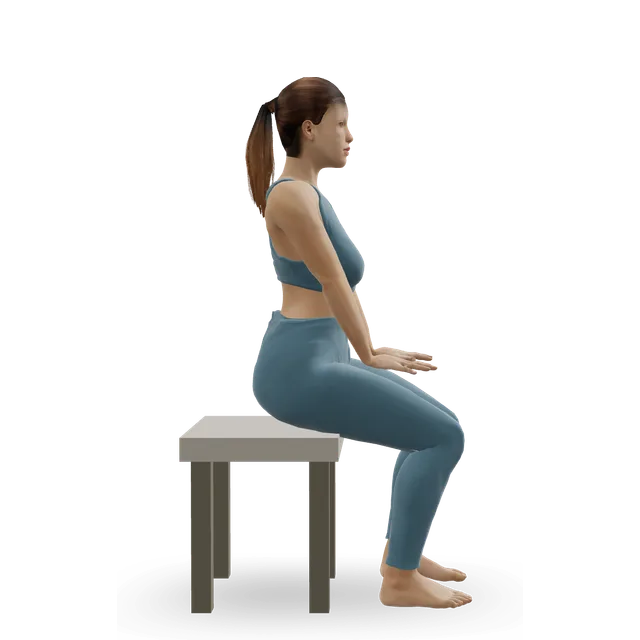
  1. Finish all your lying moves before you sit up, so you change position as few times as you can.
  2. Roll onto your side, then push yourself up to sitting with your arms.
  3. Sit for a minute or so before you kneel or stand.
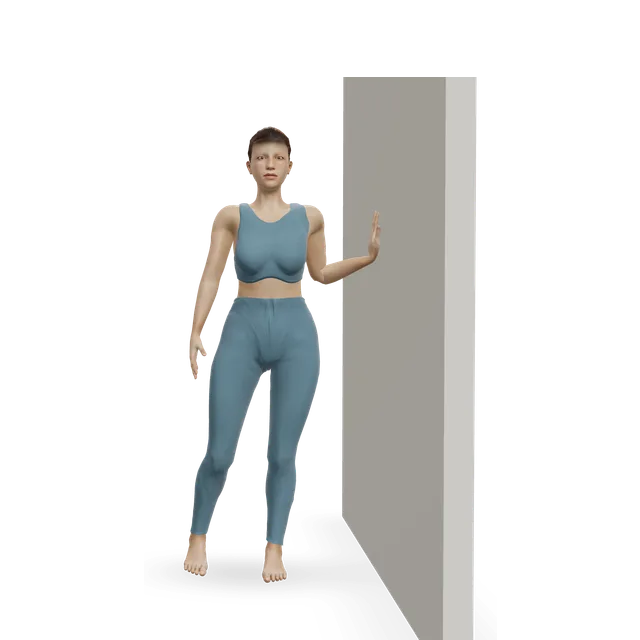
  4. Stand up slowly, with a chair or counter within reach.
  5. Pause before you walk off. If you feel light-headed, cross your legs or clench your buttocks and tummy muscles.
  6. If you still feel faint, lie down with your legs raised.

See the movement on the 3D figure: Get up and down from the floor

Moves to change

These changes are our suggestions, from the NHS's advice not to bend down or change posture suddenly.

Rolling up from lying

The roll-up, teaser and wall roll-up take you from lying to sitting in one go. While you get symptoms, leave them out or roll to your side and push up instead. The roll-up's own caution already says to roll onto your side if you feel dizzy, sick or unwell.

Source 1

Head below your heart

The roll-over and jack knife put your head below your heart and bring it back up; leave them out while you get symptoms. Swap standing roll-downs for a seated forward reach with your head no lower than your heart.

Source 1

Standing still

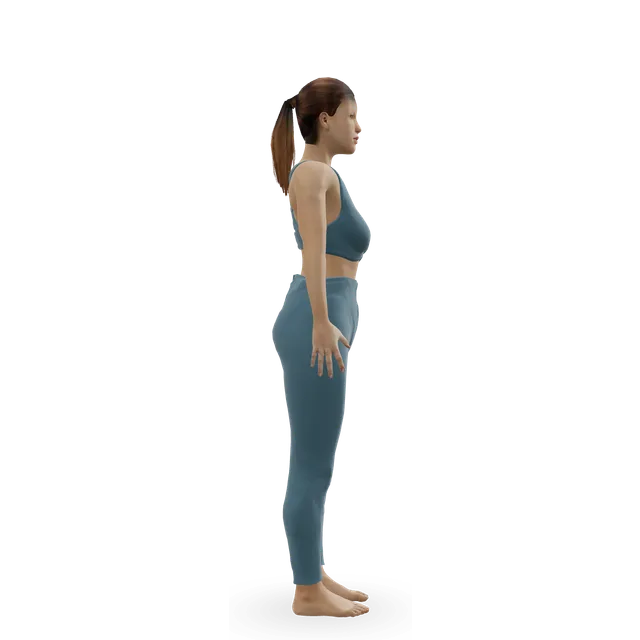
Keep your legs working in standing work, with calf raises or marching, rather than standing still. The NHS says not to sit or stand for long periods.

Sources 1, 2

Breathing

Keep breathing easily, with no breath holds or fast breathing. If lateral breathing makes you light-headed, make the breaths smaller, as its own caution says.

Hot Pilates

Skip hot classes while you get symptoms: heat lowers how well you cope with standing, and experts advise avoiding exercise in heat.

Sources 13, 15

The reformer

Finish the lying footwork, roll to your side, sit on the carriage for a minute, and stand up holding the frame. Tell the teacher, so they don't hurry you off the machine (our suggestion).

On your back, legs working

Do all your lying work together. Ankle circles: 10 pumps, then 5 circles each way (adapted from the move page's dose). Heel slide: 8 each side (adapted from the move page's dose). Knee fold: 6 each side (adapted from the move page's dose). Pelvic tilt into bridge: 8 slow reps, breathing out as you lift; dead bug heel taps: 6 each side (our PoTS and high blood pressure classes' starting points). Single-leg circle: "5 circles each direction, each leg" (the move page's dose), small.

On your side and on all fours: halfway up

All fours is the step before kneeling and standing in the NHS's getting-up steps. Clamshell: 10 each side; bird dog: 5 each side (our classes' editorial starting points). Side kick: "8 to 10 each side" (the move page's dose).

Sitting, then standing, legs working

Seated march: "1 to 2 minutes as a warm-up" (the move page's dose). Seated calf raise: 15 before every stand; sit to stand: 5 slow, squeezing your thighs and buttocks as you rise; standing march: 1 minute (our yoga for low blood pressure class's doses). Slow calf raise: 2 sets of 10, holding a counter (our diabetes class's dose). Wall side leg lift: "10 to 12 each side" (the move page's dose).

If you feel faint

Lie down

Lie down and raise your legs until you feel better. If you can't lie down, sit, if possible with your head lowered between your knees, and drink some water.

Source 37

If you can't lie down

Cross one leg in front of the other while standing, then tense your leg muscles and clench your buttock and tummy muscles. You can also rock up and down on your toes, or clench your fists. Keep breathing while you hold the squeeze, sit or lie down as soon as you can, and practise when you're well so the moves come quickly (our suggestions).

Sources 37, 9

In the class

Come out of any move and sit down if you feel dizzy or light-headed, get a pounding headache or blurred vision; if it doesn't settle within a few minutes, or comes with any 999 sign, treat it as above. Keep breathing in every move, and roll to your side and sit before standing after lying work (our advice).

Then

If you feel faint, stop, lie down and raise your legs. Use the counter-manoeuvres if you can't lie down.

Fluids, meals and timing

Before a class

Drink a glass of water, and don't practise straight after a big meal: the NHS advises drinking more water and eating small, frequent meals (our suggestion for a class). With a heart condition or a daily fluid limit, check with your doctor before drinking more.

Sources 1, 11, 19

Time of day

Symptoms are often worst in the morning and after meals, so choose a time when you feel steadiest (our suggestion).

Source 15

Salt

Don't add salt unless your doctor advises it (our suggestion, as our PoTS and yoga guides say).

Classes to follow

Our 25-minute class gets you down to the floor once and up once, works your legs before every stand and ends sitting. No trial has tested it: its order is our editorial choice, from the NHS's advice and small studies of leg pumping and muscle tensing done outside Pilates. If your heart races when you stand, the PoTS class never stands; the vertigo class never lies down.

Up-in-stages Pilates for low blood pressure: a 25-minute class that wakes your legs before you stand

A 25-minute Pilates class for low blood pressure: one block of floor work, legs working before every stand, getting up in stages, and a seated finish.

25 minBeginner17 movesA bench or box, A wall

Yoga for low blood pressure: a 25-minute head-up class that wakes up your legs before you stand

A 25-minute head-up yoga class for low blood pressure: leg pumps lying and sitting, a squeeze as you stand, and standing poses at a counter.

25 minBeginner17 movesA bench or box, A wall

Floor Pilates for PoTS: a 20-minute class that never asks you to stand

A 20-minute floor Pilates class for PoTS (POTS): breathing, leg strength and core work lying down and on your side, then legs up the wall, with no standing.

20 minBeginner14 movesOther / check instructions, A wall

Head-up Pilates for vertigo and dizziness: a 20-minute chair and counter class

A 20-minute Pilates class that never lies down, rolls or tips your head down: Pilates breathing and spine work in a chair, then legs and balance at a counter.

20 minBeginner16 movesA bench or box, A wall

Chair Pilates workout

A 20-minute chair Pilates workout for beginners and older adults: breathing, sitting tall, gentle spine and leg moves, and a standing finish at the chair.

20 minBeginner14 movesA bench or box, Something with weight

Seated chair Pilates: 15 minutes, no standing

A 15-minute chair Pilates class done entirely sitting down, in a chair or wheelchair: breathing, spine moves, and leg and arm strength with water bottles.

15 minBeginner13 movesA bench or box, Something with weight

Standing Pilates for balance: a 25-minute counter and mat class

A 25-minute Pilates class for steadier balance: standing balance and leg strength at a kitchen counter, then mat work for your trunk and hips.

25 minBeginner17 movesA wall, A bench or box

Warning signs: when to get help

The NHS low blood pressure page has only a see-a-GP box, so the fainting lines come from our Pilates for PoTS guide and the blood pressure lines from our Pilates for high blood pressure guide, word for word. This is general information, not a diagnosis. A&E means accident and emergency; in the US, call 911 for 999, and use your doctor's urgent line or urgent care for NHS 111.

Call 999

Call 999 if someone has any of these, and don't drive yourself to A&E:

  • Fainted while exercising, or while lying down.
  • Isn't breathing, can't be woken within 1 minute, or hasn't fully recovered or has trouble speaking or moving.
  • Has chest pain or a pounding, fluttering or irregular heartbeat with fainting.
  • Is shaking or jerking, or was seriously hurt when they fainted.
  • Has palpitations that don't go away, or palpitations with chest pain, shortness of breath or feeling faint.

Source 37

Chest pain: call 999

Call 999 if:

  • You get sudden pain or discomfort in your chest that doesn't go away; it can feel like squeezing or pressure, burning or indigestion.
  • The pain spreads to your left or right arm, or your neck, jaw, stomach or back.
  • You have chest pain and feel sweaty, sick, light-headed or short of breath.
  • Someone faints while exercising, can't be woken within 1 minute, or has chest pain or a pounding, fluttering or irregular heartbeat.

Sources 41, 42

Breathlessness

Call 999 or go to A&E (accident and emergency) straight away for severe difficulty breathing (gasping, choking or not able to get words out), a chest that feels tight or heavy, pain that spreads to your arms, back, neck and jaw, lips or skin turning very pale, blue or grey, or sudden confusion. If you're more short of breath than usual, or your heart is racing, fluttering or skipping beats, contact NHS 111.

Source 43

A fall with a head injury

Call 999 if someone has hit their head and has been knocked out and hasn't woken up, can't stay awake or keep their eyes open, has a fit, has fallen from a height of more than 1 metre or 5 stairs, has problems with their vision or hearing, has clear fluid coming from their ears or nose, has new numbness or weakness, has problems with walking, balance, understanding, speaking or writing, hit their head at high speed, or their behaviour has changed. Get help from NHS 111 if they're being sick, feel dizzy or take medicine that thins the blood. If you're told to go to A&E (accident and emergency), don't drive yourself there if you have hit your head.

Source 40

Spinning or a stroke sign

  • Vertigo with double vision or loss of vision, hearing loss, trouble speaking, or weakness, numbness or tingling in an arm or leg.
  • Spinning with a face that droops on one side, arms you can't lift and keep up, slurred or garbled speech, sudden problems with the sight in one eye, or feeling very off-balance: possible signs of a stroke. Call even if the signs have gone, if they happened in the last 24 hours.
  • Sudden dizziness with a severe headache, confusion or blurred vision: the NHS lists these among the other signs of a stroke.

Sources 25, 39

See a GP

  • You have fainted at all.
  • You get dizzy, have palpitations or feel faint when you stand up.
  • You keep feeling dizzy or faint, especially when you stand up.
  • Light-headedness or dizziness on standing after exercise that keeps happening, especially after starting or changing blood pressure medicines.

Sources 37, 1, 23

Not vertigo

Dizziness or light-headedness when you stand up or change position can be a drop in blood pressure (postural hypotension), not vertigo. Get up slowly, from lying to sitting to standing, and see a GP if you keep getting dizzy or fainting. Our exercise for PoTS guide covers postural tachycardia syndrome.

Source 23

Medicines and driving

Never stop or change a medicine yourself; tell your GP or pharmacist, who can check your blood pressure lying and standing (our suggestion). The NHS: "You must tell the Driver and Vehicle Licensing Agency (DVLA) if you're fainting regularly as it could affect your ability to drive."

Sources 1, 37

In pregnancy

In pregnancy, after the first trimester, keep time flat on your back to a few minutes: prop your upper body up, or use a side-lying or all-fours version.

Stop the session if

You feel any pain or become unwell, as the NHS advises for its Pilates videos, and especially for chest pain or pressure, unusual breathlessness, dizziness or fainting. If you have a health problem, an injury or any symptoms, get advice from a healthcare professional, such as a GP, before you start.

Source 44

Before you start

The NHS advises getting advice from a healthcare professional first if you have a health problem, an injury or symptoms, or have recently had a heart attack or an operation.

Source 44

Myths

"Low blood pressure is always harmless"Strong evidence

Naturally low blood pressure without symptoms usually is, but symptoms on standing need checking: they go with more falls and can come from medicines or conditions that need treating. Fainting at all needs a GP check.

Sources 1, 20, 14, 37

"Pilates raises low blood pressure"Mixed evidence

No trial has tested it, and blood pressure tends to be a little lower after a session, not higher.

Sources 4, 5

"A stronger core fixes dizziness on standing"Mixed evidence

Strength rose without any change in the drop in small trials. Using your leg and tummy muscles at the moment you stand is what helps.

Sources 35, 36, 7

"Upside-down moves send blood to your head and help"Mixed evidence

No study has tested head-down moves for low blood pressure, and coming back up from them is a change of position, the moment the NHS warns about. That agrees with our yoga for low blood pressure guide.

Sources 4, 1

Questions people ask

Is Pilates good for low blood pressure?

It's a good way to stay strong and steady, but it doesn't treat low blood pressure, and no trial has tested it. If your blood pressure is naturally low and you feel well, it doesn't need raising. The point is to set up your class so you don't feel faint when you get up.

Can I do Pilates with low blood pressure?

Yes, with the changes on this page: legs working before you stand, getting up in stages, no fast roll-ups or head-down moves while you get symptoms, a drink beforehand and a cool room. If you've fainted, see a GP first.

Why do I feel faint after Pilates?

Usually it's blood pressure dropping as you stand up after lying down, made worse by heat, not drinking enough or a big meal; blood pressure also stays a little lower for a while after any exercise. If the room spins, see our Pilates for vertigo guide, and if it keeps happening, see a GP.

Does Pilates lower blood pressure?

A little, for an hour or so after a session, as other exercise does; the studies are in people with normal or high blood pressure, and our Pilates for high blood pressure guide covers them. It isn't a reason to avoid Pilates, but it is a reason to get up slowly at the end.

Which Pilates moves should I avoid with low blood pressure?

While you get symptoms, leave out or slow down the moves that take you from lying to sitting in one go, like the roll-up and teaser, and those that put your head below your heart and bring it back up, like the roll-over and jack knife. Everything else is fine with the getting-up steps.

What should I do if I feel faint during a class?

Lie down and raise your legs until you feel better. If you can't, sit with your head between your knees, or cross your legs and squeeze your leg, buttock and tummy muscles. Call 999 if someone faints while exercising or can't be woken within a minute.

Is hot Pilates OK with low blood pressure?

We'd avoid it while you get symptoms: heat lowers how well you cope with standing. If you do go, drink beforehand, leave the room if you feel dizzy or sick, and get up slowly.

Is reformer Pilates OK with low blood pressure?

Yes, with the same rules: finish the lying work, roll to your side, sit on the carriage for a minute and stand up holding the frame. Tell the teacher, so they don't hurry you.

Should I drink water or eat salt before Pilates?

A glass of water beforehand is sensible: about half a litre raised standing blood pressure within half an hour in older adults. Don't add salt unless your doctor advises it, and check before drinking more if you have a heart condition or a fluid limit.

Can I do Pilates with postural (orthostatic) hypotension?

Yes, with the same changes, a chair or counter near you, and someone nearby if you've fallen. If it comes from Parkinson's, diabetes or a medicine, your doctor and the matching guide come first.

Is it PoTS, vertigo or low blood pressure?

In low blood pressure on standing, the pressure falls; in PoTS, the heart races without that fall; vertigo is a spinning feeling, usually from the inner ear. Our Pilates for PoTS and Pilates for vertigo guides cover those.

What other exercise helps with low blood pressure?

Exercise that isn't upright, such as a recumbent bike, rowing or swimming, is the expert advice, with fluids first and care when standing afterwards. Strength training is good for you but hasn't been shown to correct the drop.


Sources

  1. NHS · Low blood pressure (hypotension) (past its review date: reviewed July 2023, review due July 2026)
  2. Blood Pressure UK · What is low blood pressure?
  3. Saedon 2020 · How common low blood pressure on standing is (systematic review and meta-analysis, J Gerontol A)
  4. PubMed and ClinicalTrials.gov · Our searches for Pilates studies in low blood pressure, standing blood pressure and fainting (November 2026)
  5. Carpio-Rivera 2016 · Blood pressure after a single exercise session: 65 studies (meta-analysis, Arq Bras Cardiol)
  6. Halliwill 2014 · Blood pressure after exercise when the muscle pump stops (review, Eur J Appl Physiol; read in full)
  7. Krediet 2002 · Leg crossing and muscle tensing during a faint in 21 people (study, Circulation)
  8. Krediet 2005 · How quickly leg crossing, tensing and squatting raise blood pressure (study, J Appl Physiol)
  9. van Dijk 2006 · Leg crossing and muscle tensing to prevent fainting in 223 people (PC-Trial, randomised, J Am Coll Cardiol)
  10. Galizia 2013 · Leg exercise against a band before standing in 42 older people with low blood pressure on standing (study, J Am Geriatr Soc)
  11. Jordan 2000 · Drinking water and blood pressure (study, Circulation)
  12. Shannon 2002 · Drinking water as a treatment for low blood pressure on standing in 11 people (study, Am J Med)
  13. Schlader 2016 · Heat and fainting on standing (review, Auton Neurosci)
  14. Bhanu 2021 · Medicines that cause low blood pressure on standing: 69 trials (systematic review and meta-analysis, PLoS Med)
  15. Gibbons 2017 · Diagnosing and treating low blood pressure on standing (expert consensus, J Neurol; read in full)
  16. Wieling 2007 · Initial orthostatic hypotension (review, Clin Sci)
  17. Tran 2021 · Initial orthostatic hypotension in adults aged 65 and over: 13 studies (systematic review and meta-analysis, Age Ageing)
  18. Finucane 2014 · Blood pressure on standing in 4,475 adults aged 50 and over (TILDA cohort study, Circulation)
  19. Huang 2024 · Low blood pressure after meals in older adults: 13 studies (systematic review and meta-analysis, Age Ageing; read in full)
  20. Mol 2019 · Low blood pressure on standing and falls in older adults: 50 studies (systematic review and meta-analysis, J Am Med Dir Assoc)
  21. Montero-Odasso 2022 · World guidelines for falls prevention in older adults (guideline, Age Ageing; read in full)
  22. Duval 2024 · Low blood pressure on standing and later dementia: 15 studies (systematic review and meta-analysis, Maturitas)
  23. NHS · Dizziness (past its review date: reviewed April 2023, review due April 2026)
  24. NHS · Postural tachycardia syndrome (PoTS)
  25. NHS · Vertigo (past its review date: reviewed May 2023, review due May 2026)
  26. Rocha 2020 · Blood pressure after one Pilates session in 13 adults with high blood pressure (randomised crossover trial, J Strength Cond Res)
  27. Batista 2019 · Blood pressure after one mat Pilates session in 16 women with normal blood pressure (study, J Aging Phys Act)
  28. Carlin 2024 · Blood pressure straight after a mat Pilates class in 10 practitioners (study, J Bodyw Mov Ther)
  29. Rangabprai 2024 · One 60-minute reformer session in 17 older adults (randomised crossover trial, Gerontology)
  30. Batista 2022 · 12 weeks of mat Pilates and blood pressure in 47 postmenopausal women (trial without a non-exercise group, Clin Exp Hypertens)
  31. Sheldon 2015 · Postural tachycardia, inappropriate sinus tachycardia and vasovagal syncope (Heart Rhythm Society expert consensus, Heart Rhythm; read in full)
  32. Krediet 2007 · Tensing the lower body as you stand in 13 people with initial orthostatic hypotension (study, Clin Sci)
  33. Parkinson's UK · Low blood pressure and Parkinson's (updated October 2025)
  34. Podoleanu 2006 · Leg and tummy compression in 21 older people with low blood pressure on standing (randomised crossover trial, J Am Coll Cardiol)
  35. Frith 2024 · Leg strengthening in 10 older people with low blood pressure on standing (study, Clin Physiol Funct Imaging)
  36. Zion 2003 · Band training in 8 older people with low blood pressure on standing (study, Clin Auton Res)
  37. NHS · Fainting
  38. NHS · Falls
  39. NHS · Symptoms of a stroke
  40. NHS · Head injury and concussion
  41. NHS · Chest pain (past its review date: reviewed August 2023, review due August 2026)
  42. NHS · Heart attack
  43. NHS · Shortness of breath
  44. NHS · Pilates for beginners (exercise video, with safety information)

Exercise education, not a personal prescription, and clinical review of these guides is pending. If you are pregnant, have a health condition or have had recent surgery, check with a doctor, midwife or physiotherapist before starting, and stop for sharp or increasing pain. Health disclaimer.