Pilates
Remission-day Pilates for Crohn's and colitis: a 25-minute class for core levels 2 and 3, standing strength for bones and muscles, and a flare-day stop point
A 25-minute Pilates class for days when your Crohn's disease or colitis is quiet. It starts with breathing with your core, which is the whole class on a flare day, then works through the UK stoma nurses' core levels 2 and 3, adds standing strength for bones and muscles, and ends calmly. It suits people with or without a stoma once they've finished the early core levels. Its structure is our own and untested, it doesn't treat Crohn's disease or colitis, and it doesn't replace your IBD team, your medicines or your stoma nurse.
Breathe with your core (about 3 minutes; on a flare day, stop after this block)
- Beginner · Abs · 3D demoBreathe in to widen your lower ribs; breathe out and gently draw in your lower tummy and pelvic floor togetherHarder: Roll-up (Pilates)
- Beginner · 3D demoIn for about 4, out for about 6. On a flare day, stop here, or finish with a short walkEasier: Breath reachHarder: Crocodile breathing (prone diaphragmatic breathing)


Core, levels 2 and 3 (about 7 minutes)
- Beginner · Glutes, Abs, Hamstrings · 3D demoTilt, then peel up into a bridge as you breathe out, and roll down slowlyHarder: Glute bridge
- Knee fold5 each sideBeginner · Abs, Hip flexors · 3D demoFloat one knee up and back down, your pelvis stillEasier: Supine heel slideHarder: Dead bug heel taps
- Dead bug heel taps5 to 8 each sideBeginner · Abs, Hip flexors · 3D demoHead down; lower one heel to tap the floor as you breathe outEasier: Bent-knee fall-outHarder: Forearm plank
- Knee plank3 holds of 10 to 20 sBeginner · Abs, Shoulders, Glutes · 3D demoOn your knees; keep breathing; stop at any domingHarder: Forearm plank
- Knee side plank2 holds of 10 to 20 s each sideBeginner · Abs, Hip abductors, Shoulders · 3D demoOn your forearm and kneesHarder: Side plank





Standing strength for bones and muscles (about 9 minutes)
- Sit to stand from a chair8 to 10 slow repsBeginner · Quads, Glutes, Hamstrings · 3D demoArms crossed if you can, hands on your thighs if not; breathe out as you standEasier: Sit to stand, pushing on the thighsHarder: Bodyweight squat
- Beginner · Calves · 3D demoHands on a counter; up for 2, down for 3Easier: Seated bent-knee calf raise (soleus raise)Harder: Standing dumbbell calf raise
- Hip-hinge practice8 slow repsBeginner · Glutes, Hamstrings, Back · 3D demoLong back, hips travel backHarder: Kettlebell deadlift
- Wall push-up2 sets of 8 to 10Beginner · Chest, Triceps, Shoulders · 3D demoHands on the wall at shoulder height, body in one lineHarder: Push-up
- Band row2 sets of 10 to 15Beginner · Back, Biceps, Shoulders · 3D demoOptional band, anchored to something fixed, never a door handle that can open; squeeze your shoulder blades backHarder: Supported single-arm dumbbell row
- Single-leg stand2 holds of 20 to 30 s each legBeginner · Hip abductors, Calves, Glutes · 3D demoBeside a wall or worktop; touch it whenever you need toEasier: Tandem stance and heel-to-toe walkHarder: Single-leg reach matrix
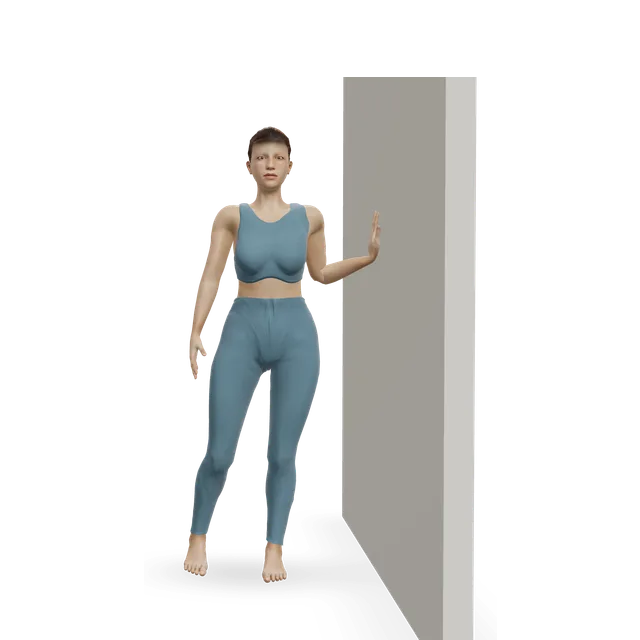
- Beginner · Hip abductors, Glutes, Abs · 3D demoA hand on the wall, body uprightHarder: Lateral band walk, band at the feet






Back and wind down (about 5 minutes)
- Bird dog, one limb at a time5 each arm and legBeginner · Abs, Back, Glutes · 3D demoOne arm, then one leg, spine still; breathe out as you reachEasier: Side-lying tummy draw-inHarder: Bird dog
- Side-lying open book5 each sideBeginner · Back, Chest, Shoulders · 3D demoOpen your top arm only as far as is comfortableHarder: Thoracic rotation


Tips
- Two or three times a week on days you feel well, on top of daily walking (our suggestion; the stoma nurses suggest core work 2 to 3 times a week, and the NHS strength work on at least 2 days a week).
- On a flare day, stop after the breathing, or rest. Build back up gradually as the flare settles.
- Empty your bag first, and check yourself as you go: ease off or go back a level for doming or bulging, pressure around your stoma, pelvic floor or bottom, a stoma that pushes out, breath holding, or soreness lasting more than 24 hours.
- With a new stoma or in the first months after surgery, start with our core exercises after bowel surgery and follow your own team's lifting advice.
- With thin bones or after long courses of steroids, add impact and heavier strength work, such as our bone-strengthening workout, when your team agrees. This class is a start, not a bone programme.
- Severe tummy pain, bloody diarrhoea, a high temperature, a fast heartbeat or a new bulge beside your stoma need medical advice, not exercise.
The doses are suggested starting points, not a prescription. Choose a range you can control and stop for sharp or increasing pain, numbness or tingling. Get individual advice after an injury or surgery, or if you are pregnant or managing a health condition.
Guides that recommend it
Find more moves like these
More pilates


Beginner Pilates workout
A 20-minute mat Pilates workout for complete beginners. It covers breathing, spine position and the foundation moves, each with an easier option.
20 minBeginner13 movesNo equipment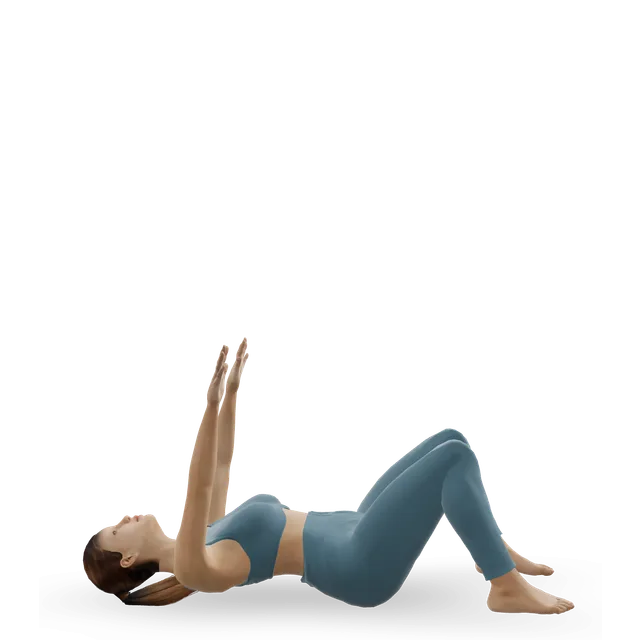

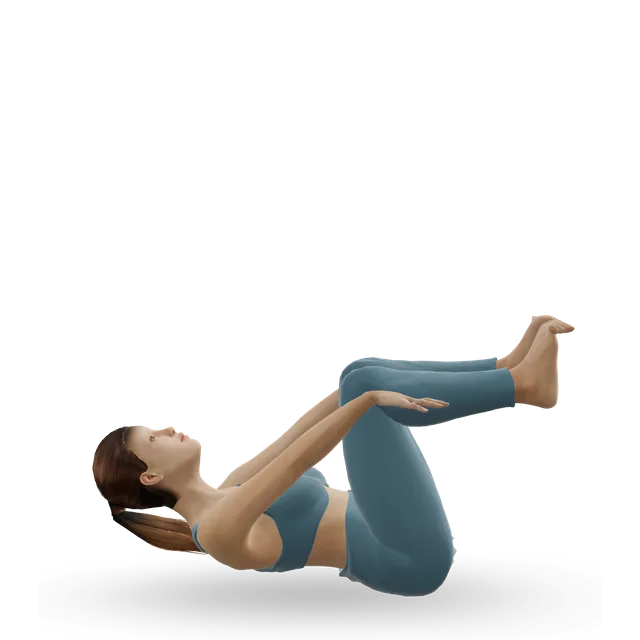
10-minute Pilates abs
Ten minutes of the classic Pilates abdominal series: the hundred, the roll-up and the series of five, with a plank to finish.
10 minIntermediate11 movesNo equipment
Full-body mat Pilates workout
A 30-minute intermediate mat Pilates class that follows the classical order, from the hundred to the push-up, with prep versions of the hardest moves.
30 minIntermediate22 movesNo equipmentQuestions people ask
How long does the remission-day pilates for crohn's and colitis: a 25-minute class for core levels 2 and 3, standing strength for bones and muscles, and a flare-day stop point take?
About 25 minutes, including any warm-up and cool-down listed. Shorten it by doing fewer rounds; lengthen it by adding one.
What equipment do I need?
You need: A bench or box, A wall, A band, An anchor point. Each move links to its guide, where you can find an alternative if you are missing something.
Is it suitable for beginners?
It is written for beginners. 7 of its 16 moves have an easier option listed beside them if you need one.
How do I make it easier or harder?
Use the easier or harder option listed under each move, change the number of rounds, or adjust the rest. Progress one change at a time.