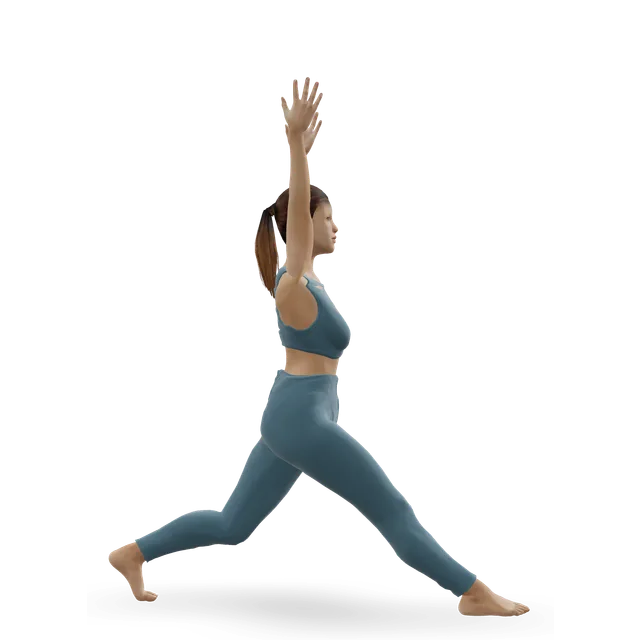
Yoga guide

Yoga for fertility: what it can and can't do when you're trying to conceive or having IVF

Yoga won't make you more fertile, but it may make trying for a baby feel more manageable. We found no study showing that any pose helps you conceive, improves egg or sperm quality, or helps an embryo implant, and NICE says complementary therapies for fertility haven't been properly evaluated. In small trials, yoga eased the stress of fertility problems and treatment.

The evidence differs by question. For trying to conceive, NICE's guidance is clear that complementary therapies aren't proven; for IVF, one good trial of a programme that included yoga found no difference in pregnancies or births. And stress isn't what decides the result: large reviews found no link between distress before treatment and IVF results. Yoga is never a substitute for medical advice or fertility treatment.

This guide covers what the trials show for women and men, polycystic ovary syndrome (PCOS, now called PMOS), what's sensible during IVF, legs up the wall, hot yoga and the two-week wait, the first weeks of pregnancy, yoga after a miscarriage, and the warning signs to know. There's no fertility yoga routine here, because no sequence has been shown to help; the workouts we suggest are for coping, strength and staying safe.

The short version

No pose has been shown to boost fertility

We found no study testing any pose for conception, implantation, egg quality or blood flow to the womb or ovaries. NICE says "the effectiveness of complementary therapies for fertility problems has not been properly evaluated".

Sources 1, 2, 3

Stress doesn't make fertility treatment fail

Distress before treatment wasn't linked with whether IVF worked in two large reviews (14 and 20 studies), and the Human Fertilisation and Embryology Authority (HFEA), the UK fertility regulator, says "there is no conclusive evidence that stress impacts on fertility treatment outcomes". A cycle that doesn't work isn't your fault.

Sources 4, 5, 6

Yoga may ease the stress of trying

In 128 women having fertility treatment, 6 weeks of twice-weekly yoga lowered fertility-related stress. Reviews of small, mostly non-randomised studies agree for anxiety and low mood, and a 2026 review found only 3 yoga studies since 2014, none measuring pregnancy.

Sources 7, 8, 9

IVF results: one good trial, no difference

A 10-week mind and body programme that included yoga didn't change pregnancies or births against a support group in 168 women.

Source 10

Men: no randomised trials

Studies of men who did yoga reported better semen measures, but none had an untreated comparison group or counted pregnancies.

Sources 11, 12, 13

Stay active, and gentle during IVF

The usual activity guidelines apply while you're trying. During IVF injections, keep yoga gentle, as our exercise during IVF guide suggests, and after embryo transfer, NICE says bed rest of more than 20 minutes doesn't improve the outcome.

Sources 14, 15

What fertility yoga means

Who this guide is for

Anyone trying to conceive, their partners, and people having fertility treatment such as IUI (intrauterine insemination), IVF (in vitro fertilisation) or egg freezing, including single people and same-sex couples. Once you're pregnant, our yoga in pregnancy guide takes over.

The NHS says more than 8 out of 10 couples where the woman is under 40 will conceive naturally within a year if they have regular unprotected sex every 2 or 3 days.

Source 16

What classes usually offer

Fertility yoga classes and videos are usually built around hip and pelvic poses, restorative poses, breathing and relaxation, often with claims about blood flow to the ovaries or womb, or helping an embryo implant. We found no study testing those claims; the evidence is for stress and mood, in small studies.

Sources 1, 2, 7, 9

Stress and fertility

NICE says stress in either partner can affect a couple's relationship and "is likely to reduce libido and frequency of intercourse", and the NHS says that in severe cases stress may also affect ovulation and sperm production. But distress before or during treatment isn't linked with whether IVF works. Yoga can be worth doing for how it makes you feel, without carrying the weight of the result.

Sources 17, 16, 4, 5, 6

Complementary therapies and clinics

The HFEA says complementary therapies may be suggested during fertility treatment "to help with relaxation or general wellbeing", that it doesn't regulate them, and that they "are not usually offered in an HFEA licensed fertility clinic".

Source 18

What the evidence says

The evidence differs by question, so each question has its own grade.

Trying to conceive: no pose has been shown to helpStrong evidence

NICE tells people concerned about their fertility that "the effectiveness of complementary therapies for fertility problems has not been properly evaluated, and that further research is needed before such interventions can be recommended". We found no study testing a pose for conception, implantation, egg quality or blood flow to the womb or ovaries, and legs up the wall has been studied only for eye pressure.

Sources 3, 1, 2, 19

IVF: a mind and body programme didn't change resultsEmerging evidence

In the best trial, 168 distressed women were randomised to a 10-week Mind/Body Program for Infertility, which included hatha yoga and a fertility yoga session, or to a support group. Both groups felt better, the programme did better on only one measure of anxiety, and pregnancies and live births didn't differ over 30 months. Earlier trials that reported more pregnancies lost many participants or compared a later treatment cycle.

Sources 10, 20, 21

Stress and anxietyEmerging evidence

In 128 women at an IVF clinic, 6 weeks of twice-weekly yoga lowered fertility-related stress against a control group. Studies without a proper comparison group found falling anxiety and distress in women doing hatha yoga before or during IVF, and reviews of mind-body programmes found small to moderate falls in anxiety and low mood. A 2026 review found only 3 yoga studies (297 women) since 2014, and none measured pregnancy.

Sources 7, 22, 23, 8, 24, 9

Stress doesn't decide the resultStrong evidence

Distress before treatment wasn't linked with pregnancy across 14 studies of 3,583 women, and anxiety, low mood or stress before or during treatment weren't linked with the results across 20 studies of 4,308 women. The HFEA says there's no conclusive evidence that stress affects treatment outcomes.

Sources 4, 5, 6

Psychological support in generalMixed evidence

Across 58 trials of psychological support for people with infertility, pregnancy rates were modestly higher, but most trials were at high risk of bias. Another review found a small effect, and one that included weaker studies found a larger one. Yoga was only a small part of this evidence.

Sources 25, 26, 27

Lying still after inseminationMixed evidence

Lying still for 15 minutes after insemination raised ongoing pregnancies (27% against 18%) in one trial of 391 couples, but not in a repeat with 498 couples (32% against 40%), and a 2024 review concluded that its findings "do not support the use of bed rest after IUI". NICE says bed rest of more than 20 minutes after embryo transfer doesn't improve the outcome of IVF. We found no study of lying still, or legs up the wall, after sex.

Sources 28, 29, 30, 15, 19

PCOS (PMOS)Mixed evidence

In a controlled but not randomised study of 52 women with PCOS and infertility, 3 months of yoga improved weight, insulin and quality of life, and 13 against 7 women became pregnant within a year. We found no randomised trial of yoga and pregnancy in PCOS. The NHS says PMOS (polyendocrine metabolic ovarian syndrome), which used to be called PCOS, can affect fertility, and that treatments include medicines to help you ovulate.

Sources 31, 32, 33

Weight and activityStrong evidence

With a body mass index (BMI) of 30 or more, NICE says "participating in a group programme involving exercise and dietary advice leads to more pregnancies than weight loss advice alone". Yoga can be part of being active, and strong standing poses count as strength work.

Sources 3, 14

MenMixed evidence

Four studies from India reported better sperm counts, movement or DNA measures after 3 to 12 weeks of yoga, but none had an untreated comparison group, one lost almost half its participants, and none counted pregnancies. We found no randomised trial. Semen results vary from test to test, which is why the NHS usually repeats a test that finds a possible problem about 3 months later.

Sources 11, 12, 34, 35, 13, 36

Hot yogaMixed evidence

We found no study of hot yoga during fertility treatment or in the first weeks of pregnancy. ACOG (the American College of Obstetricians and Gynecologists) advises avoiding overheating in pregnancy, "especially in the first trimester", and avoiding hot yoga. NICE says a higher temperature around the testicles is linked with poorer semen quality, though it's uncertain whether loose underwear improves fertility.

Sources 37, 38, 3

Stress, coping and IVF results

A cycle that doesn't work isn't your fault

Large reviews found no link between distress and IVF results, so feeling stressed isn't why a cycle didn't work, and relaxing more wouldn't have changed it.

Sources 4, 5, 6

Counselling

NICE says counselling should be offered before, during and after investigation and treatment, whatever the outcome, by someone who isn't directly involved in your treatment. Ask your clinic or GP.

Source 17

Yoga for coping

Gentle yoga, slow breathing and relaxation can help with the waiting and the worry; in one trial, yoga lowered fertility-related stress. They won't change your chances, and they don't need to.

Sources 7, 10

If you're struggling

Fertility problems and treatment can be very hard. Talk to your GP or clinic, and see the support listed in our exercise when trying to conceive guide.

Source 17

Staying active while you're trying

Keep to the usual guidelines

Aim for 150 minutes of moderate activity a week and strength work on 2 days; yoga counts as strength work when it's hard enough that you need a short rest. Our exercise when trying to conceive guide covers the rest, including very hard training.

Source 14

Any style you enjoy

No style of yoga has been shown to help or harm fertility in itself (our reading of the trials above), so choose one you enjoy. If you could be pregnant, skip hot classes (see below).

Men and sperm

If you'd like to try yoga

It's a good way to be active and to unwind, but no controlled trial has shown that it raises sperm counts or pregnancy rates. The NHS suggests other things that may help your sperm count: drinking no more than 14 units of alcohol a week, losing weight if you're overweight, stopping smoking, and loose-fitting underwear.

Source 36

Heat

NICE says a higher temperature around the testicles is linked with poorer semen quality. We found no study of hot yoga and sperm, so keeping hot yoga occasional while you're trying, as you would a sauna, is our suggestion.

Sources 3, 37

When to see a GP

If you haven't conceived after a year of trying, see a GP. The NHS says women aged 36 and over, and anyone who already knows they may have a fertility problem, should go sooner. Our exercise when trying to conceive guide covers men's fertility checks.

Source 16

During IVF, IUI and egg freezing

Your clinic's advice comes first

The NHS says IVF is a safe procedure and most people don't have problems, but the medicines that stimulate the ovaries can, in a small number of people, make them large and painful: ovarian hyperstimulation syndrome (OHSS).

Source 39

During the injections: keep it gentle

While the injections enlarge your ovaries, our exercise during IVF guide suggests walking, light strength work and stretching, and leaving out jumping, running, fast twists and heavy lifting until your clinic says your ovaries have settled. In yoga, that means no jumps or jump-backs, no deep twists, and, our suggestion, no upside-down poses.

After embryo transfer

NICE says "bed rest of more than 20 minutes' duration following embryo transfer does not improve the outcome of IVF treatment". Everyday activity and gentle yoga are fine; NHS clinics advise nothing strenuous until your test, as our exercise during IVF guide explains.

Source 15

After insemination

You don't need to lie still afterwards: the trials disagree, and a 2024 review doesn't support it.

Sources 28, 29, 30

The two-week wait

Gentle yoga is fine. Skip hot yoga in case you're pregnant, as ACOG advises avoiding overheating, especially in the first trimester, and stop if you feel too hot or unwell.

Sources 38, 40

If you could be pregnant, and the first weeks

Keep doing what you already do

The NHS says yoga can count towards your 150 minutes a week and as muscle strengthening in pregnancy, that it's not recommended to start a new vigorous activity, and to stop if you feel uncomfortable, too hot or unwell. ACOG lists modified yoga among safe exercises and advises avoiding hot yoga.

Sources 40, 38

From the end of the first trimester

In later pregnancy, the NHS advises avoiding anything that has you lying flat on your back for more than a few minutes. Our yoga in pregnancy guide has the swaps, trimester by trimester.

Source 40

Yoga after a miscarriage

Your body first

Everyone experiences a miscarriage differently. The NHS says you may feel physically better after a few days or weeks, but it can take longer: you may have tummy pain for a few days and bleeding or spotting for up to 2 weeks, and it's common to feel anxious and upset. Rest if you need to.

Source 41

Coming back to yoga

The NHS doesn't give a set time. Gentle movement once you feel ready, such as walking, slow breathing or a restorative class, is our suggestion. If you had any complications, such as heavy bleeding, an infection or an operation, check with your GP or early pregnancy unit before you go back to harder exercise.

Source 41

Support

Having a miscarriage can be difficult and upsetting. You may be offered counselling, or you can ask your GP or pregnancy unit, and support is available for partners too. If you're worried about any of your symptoms, contact a GP, NHS 111 or your pregnancy unit.

Source 41

Trying again

The NHS says you can try to get pregnant again when you feel ready, after your symptoms have gone, and that it can take up to 8 weeks for your period to come back. Talk to a GP if you've had 3 or more miscarriages.

Source 41

Breathing and rest for the waiting

Slow breathing: at least 5 minutes, done regularly as part of your daily routine; alternate nostril breathing: 3 to 5 minutes of slow rounds, with no holds; reclining bound angle: 2 to 5 minutes with a support under each thigh; corpse pose: at least 5 minutes, up to 10 (the moves' pages). Legs up the wall: 2 minutes (our long COVID routine), as a rest, not a fertility treatment. Once you're pregnant, prop yourself up or lie on your side from the end of the first trimester.

Staying strong

Chair pose: 3 holds of 5 breaths; warrior II and high lunge: 5 breaths each side; tree pose: 3 to 5 breaths each side, twice (our yoga for balance class). Glute bridge: 2 sets of 8 (our yoga for high blood pressure class). Work until your legs need a short rest, so it counts as strength work; during IVF injections, keep it gentle.

Routines for coping, strength and staying safe

There's no fertility yoga routine here, because no sequence has been shown to help. While IVF injections have enlarged your ovaries, our exercise during IVF guide suggests using the restorative sequence's 20-minute version and leaving out child's pose and the twist, skipping the crocodile breathing in the breathing routine if your tummy is tender, and marching instead of doing step jacks in the stress relief workout; in the gentle class, leave out the lying twist (our suggestion). The 10-minute starter workout has no jumping, so it suits injection days. Keep the strength yoga workout for before treatment and after your ovaries have settled, and switch to the prenatal workout once you're pregnant.

Restorative yoga sequence: 45 minutes of supported rest

A 45-minute restorative yoga sequence: five fully supported poses held for 4 to 10 minutes each, with slow breathing and a long final rest.

45 minBeginner6 movesFirm cushion, A wall

Breathing exercises to relax

A 6-minute breathing routine: slow breathing, crocodile breathing, alternate nostril breathing, box breathing and 4-7-8 breathing.

6 minBeginner5 movesNo equipment

Stress relief workout: a 12-minute move, loosen and breathe reset

A 12-minute reset for stressful days: 4 minutes of brisk movement, 3 minutes to loosen your neck, shoulders and back, then 5 minutes of slow breathing.

12 minBeginner10 movesA bench or box, A wall

Gentle yoga for beginners

A 25-minute gentle yoga class for complete beginners and over-50s: slow breathing, a warm-up, supported standing poses, floor poses and a closing rest.

25 minBeginner14 movesNo equipment

10-minute starter workout

A 10-minute session for low-energy days: marching, sit-to-stands, wall push-ups, step-ups and bridges, then a short walk. Doing a little counts.

10 minBeginner7 movesA bench or box, A wall

Pelvic floor relaxation exercises

An 8-minute routine for a tight pelvic floor: slow breathing and comfortable positions to help the muscles let go, with no strengthening squeezes.

8 minBeginner5 movesFirm cushion

Strength yoga: a 35-minute workout with a band

Thirty-five minutes of yoga built for strength: long standing holds, slow lowering from plank, single-leg balances and a band row, with harder options.

35 minIntermediate18 movesA step, A band

Prenatal yoga workout (no lying on your back)

A 20-minute prenatal yoga workout for any trimester: seated breathing, all-fours and kneeling poses, supported standing poses and rest, none flat on your back.

20 minBeginner15 movesA step, A wall

Warning signs: when to get help

This is general information, not a diagnosis. These follow the warning signs in our exercise when trying to conceive and exercise during IVF guides. A&E means accident and emergency. In the US, call 911 for 999.

Call 999 (911 in the US)

Stop and call 999 for:

  • Chest pain that feels tight or like squeezing, or spreads to your arms, neck or jaw.
  • Severe difficulty breathing: gasping, choking or not able to get words out.
  • Lips or skin that are pale, blue or grey.
  • Someone who has passed out and isn't responding normally.

Source 42

During IVF: call 999 or go to A&E

The NHS says these could be severe symptoms of ovarian hyperstimulation syndrome or of an ectopic pregnancy. Don't drive yourself to A&E.

  • Difficulty breathing.
  • Pain in your chest or upper back.
  • Being very thirsty and peeing less than usual.
  • Swelling in any part of your body.
  • Tummy pain low down on one side.
  • Pain in the tip of your shoulder.

Source 39

During IVF: contact your fertility clinic or NHS 111 as soon as possible

If you have:

  • Pain and bloating in your tummy.
  • Feeling and being sick.
  • Feeling faint.
  • Coughing up blood.
  • Vaginal bleeding or a brown watery discharge.
  • Pain or discomfort when going for a poo or wee.

Source 39

If you're pregnant and bleeding: call 999

If you have vaginal bleeding and:

  • Severe pain in your tummy, so that you can't do daily tasks or focus on anything else.
  • Pain in your shoulder.
  • You feel sick, faint or dizzy, or lose consciousness.
  • The bleeding is heavy, soaking a period pad soon after you put it on.

Source 41

Light bleeding or spotting in pregnancy

For light bleeding or spotting, or a discharge that's unusual for you, get urgent help from your maternity unit, an early pregnancy unit or NHS 111.

Source 41

Ectopic pregnancy

Symptoms usually start between weeks 4 and 12 and can include a missed period, tummy pain low down on one side, vaginal bleeding or a brown watery discharge, pain in the tip of your shoulder, and discomfort when peeing or pooing. Contact your GP or call NHS 111 if you have a combination of these and might be pregnant, "even if you haven't had a positive pregnancy test". Call 999 or go to A&E straight away for a combination of sharp, sudden and intense tummy pain, feeling very dizzy or fainting, feeling sick and looking very pale.

Source 43

Men: testicle pain

Go to A&E or call 999 for sudden, severe pain in a testicle, testicle pain with feeling or being sick or tummy pain, or testicle pain that has lasted more than an hour or continues when you're resting. For a lump, swelling or a change in the shape of a testicle, ask for an urgent GP appointment or get help from NHS 111.

Source 44

See a GP

Make an appointment if:

  • You haven't conceived after a year of trying, or sooner if you're a woman aged 36 or over or already know you may have a fertility problem.
  • You've had 3 or more miscarriages.

Sources 16, 41

During yoga

During IVF, stop and contact your clinic if a pose brings on tummy or pelvic pain, a heavy, dragging or bloated feeling, or you feel sick or faint (our exercise during IVF guide's suggestion). That guide also covers a twisted ovary, a rare emergency.

Myths

"Fertility yoga, or legs up the wall, boosts your chances of conceiving"Strong evidence

We found no study showing that a pose helps you conceive, and NICE says complementary therapies for fertility haven't been properly evaluated. Lying still after insemination helped in one trial but not in a larger repeat, and a 2024 review doesn't support it; we found no study of legs up the wall after sex.

Sources 3, 1, 19, 28, 29, 30

"Yoga during IVF improves your chances"Emerging evidence

In the best trial, a mind and body programme that included yoga didn't change pregnancies or births against a support group. Earlier trials that reported more pregnancies lost many participants.

Sources 10, 20, 21

"Yoga improves egg quality, or sends blood to your ovaries and womb"Mixed evidence

We found no study testing a pose for egg quality or for blood flow to the womb or ovaries.

Sources 2, 1

"Stress is why you're not getting pregnant, or why IVF failed"Strong evidence

Distress before treatment wasn't linked with the result in two reviews of 14 and 20 studies, and the HFEA says there's no conclusive evidence that stress affects treatment outcomes.

Sources 4, 5, 6

"Women who do mind-body programmes are three times as likely to get pregnant"Emerging evidence

That kind of figure comes from early trials that lost many participants or compared a later treatment cycle. The most careful trial of the programme found no difference in pregnancies or births.

Sources 20, 21, 10

"Twists stimulate the uterus, so skip them while you're trying"Mixed evidence

We found no study supporting it. Gentle twists are fine while you're trying (our reading); leave out fast or deep twists while IVF injections have enlarged your ovaries, and keep twists gentle and open once you're pregnant.

Source 1

"Yoga boosts sperm count"Mixed evidence

Studies of men who did yoga reported better semen measures, but none had an untreated comparison group or counted pregnancies, and we found no randomised trial.

Sources 11, 12, 34, 13

"Doing yoga in the two-week wait can stop an embryo implanting"Mixed evidence

We found no study showing that gentle activity stops implantation, and NICE says bed rest after embryo transfer doesn't help. Clinics suggest everyday life but nothing strenuous until your test.

Sources 15, 1

"Hot yoga is fine while you're trying"Strong evidence

If you could be pregnant, ACOG advises avoiding overheating, "especially in the first trimester", and avoiding hot yoga. For men, NICE says heat around the testicles is linked with poorer semen quality.

Sources 38, 3

Questions people ask

Does yoga help fertility?

There's no good evidence that yoga raises your chances of pregnancy: NICE says complementary therapies for fertility haven't been properly evaluated, and a programme that included yoga didn't change pregnancies or births. It may help you cope: in one trial of 128 women having treatment, yoga lowered fertility-related stress.

What are the best yoga poses for fertility?

We found no study showing that any pose helps conception, egg quality or implantation. Choose poses you enjoy for strength, balance and relaxation, such as standing poses and supported rest. If you're having IVF, keep it gentle while the injections enlarge your ovaries.

Does legs up the wall help you get pregnant?

We found no study of it after sex. After insemination, lying still helped in one trial but not in a larger repeat, and a 2024 review doesn't support it. It's a pleasant rest pose, nothing more.

Can stress stop you getting pregnant?

Stress before IVF wasn't linked with the result in two large reviews, and the HFEA says there's no conclusive evidence that stress affects treatment outcomes. NICE says stress can affect your relationship, your sex drive and how often you have sex, and that counselling should be offered.

Can I do yoga during IVF?

Gentle yoga is usually fine, and your clinic's advice comes first. While the injections enlarge your ovaries, leave out jumps, deep twists and intense classes. After embryo transfer, everyday activity is fine: bed rest of more than 20 minutes doesn't help.

Can I do yoga in the two-week wait?

Yes, gently: we found no study showing that ordinary activity stops an embryo implanting, and NICE says bed rest doesn't help. Skip hot yoga in case you're pregnant, and avoid strenuous classes until your test, as clinics advise.

Is hot yoga safe when you're trying to conceive?

If you could be pregnant, skip it: ACOG advises avoiding overheating, especially in the first trimester. For men, heat around the testicles is linked with poorer semen quality. Ordinary yoga in a comfortably cool room is the swap.

Does yoga help male fertility?

Studies of men who did yoga reported better sperm counts and movement, but none had an untreated comparison group or counted pregnancies. Semen results vary between tests, which is why the NHS usually repeats a test that finds a problem. The NHS suggests drinking no more than 14 units a week, losing weight if you're overweight, stopping smoking and loose underwear.

Can yoga help with PCOS and getting pregnant?

Yoga trials in PCOS, now called PMOS, improved some hormone and insulin measures, and one non-randomised study counted more pregnancies with yoga, but we found no randomised trial of pregnancy. Medicines to help you ovulate are the main fertility treatment, and with a BMI of 30 or more, a group exercise and diet programme leads to more pregnancies.

Is yoga safe in early pregnancy?

For most people, yes, with changes: skip hot yoga, don't start anything new and vigorous, and stop if you feel too hot or unwell. From the end of the first trimester, keep time on your back short. Know the warning signs for bleeding and ectopic pregnancy.

When should I see a GP about fertility?

If you haven't conceived after a year of trying, or sooner if you're a woman aged 36 or over or already know of a possible problem. Doing yoga is no reason to wait.

When can I do yoga after a miscarriage?

There's no set time: the NHS says to rest if you need to, and you may feel physically better after a few days or weeks, though it can take longer. Gentle movement once you feel ready is a sensible start, and if you had complications, check with your GP or early pregnancy unit first. Counselling and support are available through your GP or pregnancy unit.

Sources

  1. Europe PMC · Search for yoga, asanas or legs up the wall and implantation, embryo transfer or blood flow to the womb, ovaries or pelvis: 6 records, none testing a pose (26 October 2026)
  2. Europe PMC · Search for yoga and egg quality, ovarian reserve or AMH: 11 records, none testing yoga on egg quality (26 October 2026)
  3. NICE NG257 2026 · Fertility problems: advice about factors that can affect fertility (guideline)
  4. Boivin 2011 · Emotional distress and IVF results: 14 studies, 3,583 women (meta-analysis, BMJ)
  5. Nicoloro-SantaBarbara 2018 · Women's emotional distress and IVF results: 20 studies, 4,308 women (meta-analysis, Soc Sci Med)
  6. HFEA · In vitro fertilisation (IVF) (UK Human Fertilisation and Embryology Authority)
  7. Kirca 2019 · Yoga and stress in 128 women having fertility treatment (randomised trial, Perspect Psychiatr Care)
  8. Gaitzsch 2020 · Mind-body programmes in women having fertility treatment: 12 studies (systematic review, Arch Womens Ment Health)
  9. Sormunen 2026 · Yoga and psychological well-being in people facing infertility: 3 studies (scoping review, Sex Reprod Healthc)
  10. Szigeti 2024 · The Mind/Body Program for Infertility or a support group: 168 women (randomised trial, Hum Reprod)
  11. Dhawan 2024 · Yoga and sperm DNA in 60 men whose partners had early pregnancy loss (study with no comparison group, Sci Rep)
  12. Yadav 2025 · 12 weeks of yoga and sperm quality in infertile men: 78 enrolled, 42 finished (study with no comparison group, Int J Yoga)
  13. PubMed · Search for yoga and sperm, semen or male infertility: 17 records, no randomised trial and none counting pregnancies (26 October 2026)
  14. NHS · Physical activity guidelines for adults aged 19 to 64 (last reviewed May 2024)
  15. NICE NG257 2026 · Fertility problems: procedures used during IVF (guideline)
  16. NHS · Infertility (past its review date: reviewed August 2023, review due August 2026)
  17. NICE NG257 2026 · Fertility problems: principles of care (guideline)
  18. HFEA · Treatment add-ons with limited evidence (last reviewed September 2026)
  19. Europe PMC · Search for legs up the wall and viparita karani: 3 records, all on eye pressure (26 October 2026)
  20. Domar 2000 · Group psychological programmes and pregnancy in 184 women with infertility (randomised trial, Fertil Steril)
  21. Domar 2011 · A mind and body group programme and pregnancy in 143 women having IVF (randomised trial, Fertil Steril)
  22. Oron 2015 · Hatha yoga for stress while waiting for IVF: 49 women (study with no comparison group, Reprod Biomed Online)
  23. Valoriani 2014 · Hatha yoga alongside IVF: 143 women offered a course (pilot study, Eur J Obstet Gynecol Reprod Biol)
  24. Demir Yıldırım 2022 · Yoga, pregnancy, stress and anxiety in people having fertility treatment (systematic review, Holist Nurs Pract)
  25. Dube 2023 · Psychological support, mental health and pregnancy in infertility: 58 randomised trials (systematic review and meta-analysis, Hum Reprod Update)
  26. Katyal 2021 · Psychosocial support and fertility treatment results: 15 randomised trials (meta-analysis, Eur J Obstet Gynecol Reprod Biol)
  27. Frederiksen 2015 · Psychosocial support for women and men with infertility: 39 studies (systematic review and meta-analysis, BMJ Open)
  28. Custers 2009 · Lying still or getting up straight after insemination: 391 couples (randomised trial, BMJ)
  29. van Rijswijk 2017 · Lying still or getting up after insemination: 498 couples (randomised trial, Hum Reprod)
  30. Chronopoulou 2024 · Add-ons to insemination, including 3 trials of bed rest (systematic review and meta-analysis, Acta Obstet Gynecol Scand)
  31. Patil 2023 · Yoga in 52 women with PCOS and infertility (controlled, non-randomised study, Int J Yoga)
  32. Europe PMC · Search for randomised trials of yoga in PCOS with pregnancy, birth, ovulation or fertility: 4 records, the only trial a preprint (26 October 2026)
  33. NHS · Polyendocrine metabolic ovarian syndrome (PMOS) (last reviewed June 2026)
  34. Bisht 2020 · A yoga-based lifestyle programme and sperm in male infertility (pilot study with no comparison group, Andrologia)
  35. Muley 2026 · Yoga nidra or antioxidants and semen quality in 60 men having IVF (comparative study with no untreated group, Indian J Community Med)
  36. NHS · Low sperm count (last reviewed January 2024)
  37. Europe PMC · Search for hot or Bikram yoga and diabetes, glucose, insulin, asthma, cancer, fertility or pregnancy: 7 records, none a controlled trial in these conditions (26 October 2026)
  38. ACOG · Exercise during pregnancy (patient FAQ, last updated September 2024, reviewed November 2025)
  39. NHS · IVF (last reviewed April 2025)
  40. NHS · Exercise in pregnancy (last reviewed September 2026)
  41. NHS · Miscarriage (last reviewed March 2026)
  42. NHS · Heart attack (last reviewed March 2026)
  43. NHS · Ectopic pregnancy (past its review date: reviewed August 2022, review due August 2025)
  44. NHS · Testicle pain (last reviewed June 2025)

Exercise education, not a personal prescription, and clinical review of these guides is pending. If you are pregnant, have a health condition such as glaucoma, high blood pressure or osteoporosis, or have had recent surgery, check with a doctor, midwife or physiotherapist before starting, and stop for sharp or increasing pain. Health disclaimer.