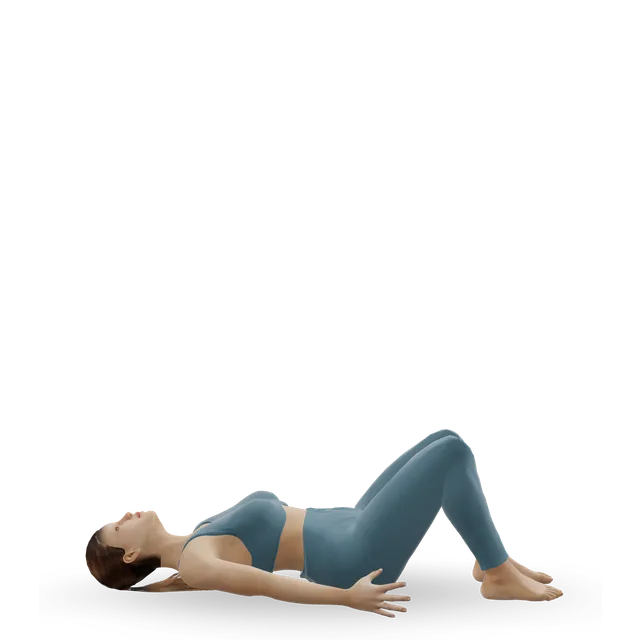
Exercise guide

Exercise during IVF and egg freezing: stimulation, egg collection, embryo transfer and the two-week wait

During in vitro fertilisation (IVF) or egg freezing, gentle activity is usually fine, and your clinic's advice always comes first. The injections make your ovaries bigger, so while they're enlarged, our suggestion, based on National Health Service (NHS) hospital leaflets, is to keep to walking, light strength work and stretching, and leave out jumping, running, fast twists and heavy lifting. After embryo transfer, bed rest doesn't help.

The evidence behind most exercise advice in IVF is thin, and clinics differ. What's clearer is that stress doesn't make IVF fail, and nothing suggests that ordinary activity does either. If a cycle doesn't work, there's no reason to think a walk or gentle exercise caused it.

This guide goes stage by stage, from before treatment through the injections, egg collection, embryo transfer and the two-week wait, and covers frozen transfers and egg freezing, ovarian hyperstimulation syndrome (OHSS) and a twisted ovary, coping and support, and the NHS warning signs.

The short version

Your clinic's advice comes first, and clinics differ

After embryo transfer, NHS clinic leaflets range from "live normally but avoid strenuous exercise" to "only do low impact exercises" such as walking or cycling, and one private clinic group advises no exercise at all for the first 24 hours. If your clinic has given you advice, follow it.

Sources 1, 2, 3

During the injections: gentle and low impact

The injections make several eggs grow, so your ovaries get bigger. NHS hospital leaflets written for OHSS, when the ovaries over-respond, say to stay gently active and avoid sudden or jerky movements, because enlarged ovaries can twist. Our suggestion is to follow the same caution whenever your ovaries are enlarged.

Sources 4, 5, 6

A twisted ovary is rare, but an emergency

One clinic's figures suggested a twisted ovary (ovarian torsion) in about 1 in 1,200 IVF cycles. Sudden, severe tummy pain with vomiting and feeling unwell needs urgent medical help.

Sources 7, 5

After transfer: no bed rest, nothing strenuous

The National Institute for Health and Care Excellence (NICE) says bed rest of more than 20 minutes after embryo transfer doesn't improve the outcome, and walking, coughing or going to the toilet doesn't make an embryo fall out. NHS clinics advise everyday life and walking, but nothing strenuous, until your test.

Sources 8, 2, 1

Stress doesn't make IVF fail

The Human Fertilisation and Embryology Authority (HFEA) says there's no conclusive evidence that stress affects treatment results, and across 14 studies, distress before treatment wasn't linked with pregnancy. In women followed after transfer, everyday activity wasn't linked with the outcome either.

Sources 9, 10, 11

Know the OHSS warning signs

Around a third of women have mild OHSS, which usually settles on its own. Call 999 or go to accident and emergency (A&E) for difficulty breathing, chest pain, being very thirsty and peeing less than usual, or swelling; contact your clinic or NHS 111 for tummy pain and bloating, or feeling or being sick.

Sources 12, 4

IVF and egg freezing, step by step

An IVF cycle

A full cycle takes 3 to 6 weeks. You may take medicine to switch off your natural cycle, then inject medicine for about 2 weeks so that several eggs grow, with scans to check on them. The eggs are collected with a fine needle passed through the vagina, under sedation, which takes about 20 minutes. An embryo is transferred to the womb a few days later, and the NHS gives you a pregnancy test to use around 16 days after the transfer.

Sources 4, 9

Egg freezing

Egg freezing uses the same fertility drugs to boost egg production, and the same collection under sedation or general anaesthetic, so the advice for the injections and egg collection applies.

Source 13

Frozen embryo transfers

Embryos left over from a cycle may be frozen for a later attempt. A frozen embryo transfer doesn't involve the injections that make eggs grow, so your ovaries aren't enlarged, and the transfer advice below is what applies (our suggestion; check with your clinic).

Source 4

The emotional side

The NHS says IVF can affect you emotionally and physically. Your clinic should offer you the chance to talk to a counsellor before, during and after treatment, and every clinic licensed by the HFEA must offer it before you start.

Sources 4, 14

What the evidence says

Bed rest after transfer doesn't helpStrong evidence

A NICE recommendation, and two meta-analyses: in 4 trials with 757 women, bed rest didn't increase pregnancies or births and was linked with fewer embryos implanting; across 21,598 cycles, births were 43.6% with bed rest and 52.5% without, a difference that could have been chance.

Sources 8, 15, 16

Everyday activity after transferEmerging evidence

In one study of 121 women with activity monitors, activity after transfer wasn't linked with implantation, pregnancy or birth, and more activity over the past year went with better odds of a pregnancy. Almost no one did vigorous exercise, so hard training after transfer hasn't been studied.

Source 11

Activity before IVFMixed evidence

In 8 studies of 3,683 couples, activity before IVF went with about twice the odds of a pregnancy and a birth. In a review of 12 studies of 3,431 women, pregnancies were higher but births uncertain, and the studies were of low quality. In 2,232 women, 4 or more hours of exercise a week for 1 to 9 years went with fewer births. These are observational studies, so they can't show cause and effect.

Sources 17, 18, 19

Activity and the number of eggsEmerging evidence

In 617 women, activity levels before IVF, measured by questionnaire or by an activity monitor, made no difference to how many eggs were collected or how many were mature.

Source 20

Exercise during the injectionsEmerging evidence

There's very little research. In a 2026 online survey of 216 athletes who'd had egg freezing or IVF, 79% kept exercising during treatment, most at a lower level, and problems were no more common in those who kept exercising. It relied on what the athletes reported, and its authors note there's no direct evidence behind the usual advice.

Source 21

A twisted ovaryEmerging evidence

It's rare. At one clinic, it happened in 9 of 10,583 IVF cycles, about 1 in 1,200, and one NHS trust puts it at 0.2% of OHSS cases. It was more likely with OHSS, in a pregnancy after OHSS, and when the ovaries were very large. These are small case series from single clinics.

Sources 7, 22, 23, 6

Stress and IVF resultsStrong evidence

Across 14 studies of 3,583 women, distress before treatment wasn't linked with pregnancy. Across 20 studies of 4,308 women, anxiety, depression or stress before treatment, and anxiety or depression during it, weren't linked with the results. The HFEA says there's no conclusive evidence that stress affects treatment outcomes.

Sources 10, 24, 9

Mind and body programmesEmerging evidence

In 168 women with high distress, a 10-week mind and body programme and a support group both improved wellbeing, and the programme helped anxiety a little more, but neither changed pregnancy or birth rates.

Source 25

Before treatment

Keep up regular, moderate activity

In observational studies, women who were active before IVF had more pregnancies, though the results for births are less certain. One older study linked 4 or more hours of exercise a week, kept up for years, with fewer births. Moderate activity on most days is a sensible middle way, and this isn't the time to start an extreme new programme (our suggestion).

Sources 17, 18, 19

If your body mass index (BMI) is 30 or over

NICE says you're likely to take longer to conceive, and that a group programme combining exercise and advice on diet leads to more pregnancies than advice on losing weight alone. Our weight loss guide covers the exercise side.

Source 8

During the stimulation injections

Your clinic's advice comes first.

What happens to your ovaries

You inject medicine for about 2 weeks so that several eggs grow, and your ovaries get bigger as they do. One NHS trust says mild discomfort after egg collection is normal; pain and bloating in your tummy are a reason to contact your clinic (see the warning signs).

Sources 4, 5

What the NHS leaflets say

Leaflets from two NHS trusts, written for OHSS, say: "Stay gently active to reduce the risk of blood clots"; "Avoid sudden or jerky movements, as enlarged ovaries can twist"; and "Strenuous exercise and sexual activity should be avoided until symptoms are resolved."

Sources 5, 6

What to keep doing

Walking, easy pedalling on an exercise bike, light strength work and gentle stretching, at a pace where you can talk. Our editorial starting point is 10 to 30 minutes of easy walking and 1 or 2 sets of 8 to 10 light strength moves, as in our trying-to-conceive guide. Stop anything that pulls on your tummy.

Source 5

What to leave out for now

Jumping, running, fast or deep twists, heavy lifting, contact sport and high-intensity classes, until your clinic says your ovaries have settled (our suggestion, from the NHS leaflets). One private UK clinic group lists high-intensity interval training (HIIT), spin, circuit training, contact sports, heavy lifting including kettlebells, and twisting yoga poses.

Sources 3, 5

Why the advice is cautious

It's caution rather than evidence: a 2026 study of athletes notes there's no direct evidence behind exercise advice during egg freezing and IVF. A twisted ovary is rare, but it's an emergency, so clinics lean towards care while the ovaries are large.

Sources 21, 7

After egg collection

What's normal

You may feel tired and have mild period-like pains and some vaginal bleeding; one NHS clinic says bleeding and pain for 2 to 3 days are common.

Sources 26, 27

Getting moving

Rest that day, and walk gently from the next day if you feel well (our suggestion, as in our trying-to-conceive guide). Keep to gentle activity until your period or your clinic says you can do more.

Source 26

Swimming

One private clinic group suggests no swimming for a few days after egg collection, to lower the risk of infection.

Source 3

Watch for OHSS

Strong symptoms usually come in the week after egg collection. Contact your clinic for sickness that won't stop, vomiting, severe pain, a swollen tummy or passing less urine.

Sources 26, 12

Embryo transfer

Bed rest doesn't help

NICE says bed rest of more than 20 minutes after embryo transfer doesn't improve the outcome of IVF. In 4 trials with 757 women, bed rest didn't increase pregnancies or births, and across 21,598 treatment cycles, births weren't higher with it.

Sources 8, 15, 16

The embryo can't fall out

"Walking, running, coughing, going to the toilet and sneezing does not cause an embryo to fall out," says one NHS clinic, and another says it isn't necessary to rest lying down.

Sources 2, 27

What NHS clinics advise

The leaflets differ:

  • "Live normally but avoid strenuous exercise over the next 2 weeks" (Manchester).
  • "Only do low impact exercises", such as walking or cycling, and no heavy lifting (Wales Fertility Institute).
  • No strict guidelines, but nothing too strenuous, and no saunas or hot baths (Salisbury).
  • No exercise advice at all (Cambridge).
  • No exercise for the first 24 hours, and no swimming for 2 to 3 days (a private clinic group).

Sources 1, 2, 27, 28, 3

Keep cool

NHS clinics advise against saunas, hot baths and hot tubs after transfer, because they raise your body temperature. Showers are fine.

Sources 27, 2

The two-week wait and early pregnancy

Keep moving

In 121 women who wore activity monitors from transfer to their pregnancy test, everyday activity wasn't linked with implantation, pregnancy or birth, though almost no one did hard exercise, so its effect isn't known. NHS clinics say to live normally and keep to low-impact activity such as walking until the test.

Sources 11, 1, 2

Bleeding or cramps before the test

Light bleeding or cramping before your test date can come with implantation or the start of a period. NHS clinics say to keep taking your medicines as your clinic has told you, and do the test on the date you were given.

Sources 1, 2, 27

If you're pregnant

The NHS says exercise is safe for you and your baby in pregnancy and to keep up what you already do, but it's not recommended to start a new vigorous activity, such as running. Stop if you feel too hot or unwell. Our pregnancy guide takes it from there.

Source 29

Miscarriage

Exercise isn't on the NHS list of things that raise the chance of miscarriage. Most miscarriages happen because of a problem with the way the pregnancy develops, and most women who miscarry go on to have a successful pregnancy.

Source 30

Ectopic pregnancy

An ectopic pregnancy grows outside the womb, usually in a fallopian tube. It affects about 1 in 90 pregnancies, women having IVF may be more at risk, and symptoms usually start between weeks 4 and 12. The warning signs below include its emergency symptoms.

Sources 31, 12

OHSS and a twisted ovary

What OHSS is

OHSS happens when the ovaries over-respond to fertility medicine and fluid leaks into the tummy. It usually starts after the trigger injection given before egg collection, and if you're not pregnant it usually settles within 7 to 10 days; a pregnancy can make it worse and last weeks. Around a third of women have mild OHSS; one NHS trust puts moderate or severe OHSS at 5%, and severe or critical OHSS now happens in about 0.1% of UK IVF cycles.

Sources 5, 12, 6

Who's more likely to get it

Polycystic ovary syndrome or many follicles on a scan, OHSS before, 20 or more eggs collected, a high level of anti-Müllerian hormone (AMH, a marker of egg reserve), and a pregnancy after IVF, especially with twins. It can happen without any of these.

Sources 5, 6

If you have OHSS

Eat normally, drink according to thirst rather than forcing fluids, and stay gently active to lower the risk of blood clots. Avoid sudden or jerky movements, and avoid strenuous exercise and sex until it has settled. Follow your clinic's advice on pain relief.

Sources 5, 6

A twisted ovary

An enlarged ovary can twist and block its own blood supply. The symptoms "include sudden severe abdominal pain, vomiting, and feeling unwell. Seek urgent medical help if this occurs."

Sources 5, 32

Gentle moves for injection days and the two-week wait

Walk for 10 to 30 minutes at an easy pace, pedal easily for 10 to 20 minutes, and do 1 or 2 sets of 8 to 10 of the strength moves with a light band (our editorial starting points). The move pages' doses: cat-cow, 8 slow waves; slow breathing, at least 5 minutes; pelvic floor relaxation, 5 to 10 slow breaths, 1 to 3 times a day; reclining bound angle, 2 to 5 minutes with a support under each thigh; corpse pose, at least 5 minutes. Skip any position that's uncomfortable when you're bloated.

Workouts

The 10-minute starter workout has no jumping, so it suits injection days. While your ovaries are enlarged: do the easy cardio workout as an easy walk; use the restorative sequence's 20-minute version and leave out child's pose and the twist; skip the crocodile breathing in the breathing routine if your tummy is tender; and in the stress relief workout, march instead of doing step jacks. The strength workouts are for before treatment and after your ovaries have settled.

10-minute starter workout

A 10-minute session for low-energy days: marching, sit-to-stands, wall push-ups, step-ups and bridges, then a short walk. Doing a little counts.

10 minBeginner7 movesA bench or box, A wall

Easy cardio workout

A steady 30 to 45 minute cardio session at talk-but-not-sing pace: walk, cycle, row or cross-train, counting toward weekly activity guidelines.

40 minBeginner3 movesCardio machine, A wall

Breathing exercises to relax

A 6-minute breathing routine: slow breathing, crocodile breathing, alternate nostril breathing, box breathing and 4-7-8 breathing.

6 minBeginner5 movesNo equipment

Restorative yoga sequence: 45 minutes of supported rest

A 45-minute restorative yoga sequence: five fully supported poses held for 4 to 10 minutes each, with slow breathing and a long final rest.

45 minBeginner6 movesFirm cushion, A wall

Pelvic floor relaxation exercises

An 8-minute routine for a tight pelvic floor: slow breathing and comfortable positions to help the muscles let go, with no strengthening squeezes.

8 minBeginner5 movesFirm cushion

Stress relief workout: a 12-minute move, loosen and breathe reset

A 12-minute reset for stressful days: 4 minutes of brisk movement, 3 minutes to loosen your neck, shoulders and back, then 5 minutes of slow breathing.

12 minBeginner10 movesA bench or box, A wall

Beginner home workout

A gentle 20-minute beginner home workout with a chair, a wall and a band: sit-to-stands, wall push-ups, band rows, step-ups and dead bugs.

20 minBeginner11 movesA bench or box, A wall

20-minute full-body strength workout

A 20-minute full-body dumbbell workout: two supersets of squats, rows, Romanian deadlifts and push-ups. Twice a week covers the minimum dose.

20 minBeginner8 movesA dumbbell, A bench or box

Plans

For weekly structure before and between cycles. After a positive test, the pregnancy plan shows what changes.

Coping and support

Counselling

Your fertility clinic should offer you the chance to talk to a counsellor before, during and after IVF. Every HFEA-licensed clinic must offer it before you start, and European fertility guidance asks clinic staff to offer emotional support as part of routine care.

Sources 4, 14, 8, 33

Exercise for coping

Walking, gentle yoga and slow breathing can help with the waiting and the worry. They won't change your chances, and they don't need to: stress isn't what decides the result.

Sources 25, 10

After a negative test

The NHS says it's important to give yourself time to recover and make sure you're getting plenty of support. Go back to your usual activity when you feel ready. Fertility Network UK has a free support line and an online community.

Source 4

If you're struggling

Talk to your clinic's counsellor, or ask your GP (general practitioner) about counselling on the NHS. The warning signs below cover when to get urgent help.

Sources 14, 4

When to get help

This is general information, not a diagnosis. In the US, call 911 where this page says 999.

During IVF or egg freezing: call 999 or go to A&E

The NHS says these could be severe symptoms of OHSS or of an ectopic pregnancy. Don't drive yourself to A&E.

  • Difficulty breathing.
  • Pain in your chest or upper back.
  • Being very thirsty and peeing less than usual.
  • Swelling in any part of your body.
  • Tummy pain low down on one side.
  • Pain in the tip of your shoulder.

Source 4

Sudden, severe tummy pain

Sudden, severe tummy pain, especially with vomiting and feeling unwell, can mean a twisted ovary, which needs urgent medical help. The NHS says to call 999 or go to A&E for a stomach ache that started suddenly and is severe.

Sources 5, 34

With OHSS: go to A&E

If you develop breathing problems, chest pain, or pain and swelling in your legs, go to your nearest emergency department.

Source 5

Contact your clinic or NHS 111 as soon as possible

The HFEA says to contact your clinic straight away with OHSS symptoms: "Never feel you are wasting the clinic's time."

  • Pain and bloating in your tummy.
  • Feeling and being sick.
  • Feeling faint.
  • Coughing up blood.
  • Vaginal bleeding or a brown watery discharge.
  • Pain or discomfort when going for a poo or a wee.
  • After egg collection: severe pain, a swollen tummy, or passing less urine.

Sources 4, 26, 12

If you're pregnant and bleeding: call 999 if

  • you have severe pain in your tummy, so that you can't do daily tasks or focus on anything else
  • you have pain in your shoulder
  • you feel sick, faint or dizzy, or lose consciousness
  • the bleeding is heavy, soaking a period pad soon after you put it on

Source 30

If you're pregnant

For light bleeding or spotting, or an unusual discharge, get urgent help from your maternity unit, an early pregnancy unit or NHS 111. The NHS also says to get a high temperature (38°C or above) checked, to get help straight away for any pain you're worried about, and to get breathlessness checked immediately if it comes on suddenly or with chest pain or dizziness.

Sources 30, 35

During exercise

Stop and contact your clinic if you get tummy or pelvic pain, a heavy, dragging or bloated feeling, feel sick or faint, or become breathless (our suggestion, from the OHSS and twisted ovary signs).

Sources 4, 5

Myths

"Rest in bed after embryo transfer"Strong evidence

NICE says bed rest of more than 20 minutes doesn't improve the outcome, and in trials it didn't increase pregnancies or births.

Sources 8, 15, 16

"The embryo can fall out if you walk, cough or go to the toilet"Strong evidence

NHS clinics say it can't, and that you don't need to rest lying down.

Sources 2, 27

"Exercise in the two-week wait stops the embryo implanting"Mixed evidence

In the one study that measured it, everyday activity after transfer wasn't linked with implantation, though hard exercise wasn't studied. That's why clinics suggest everyday life but nothing strenuous.

Sources 11, 1

"Any exercise during the injections will twist your ovary"Emerging evidence

A twisted ovary is rare: about 1 in 1,200 IVF cycles in one clinic's figures, and more likely when the ovaries are very large, with OHSS or a pregnancy after it. Avoiding jumps and fast twists while your ovaries are enlarged is a sensible precaution, not a sign that gentle exercise is risky.

Sources 7, 22, 5

"You have to stop all exercise during IVF"Emerging evidence

NHS leaflets say to stay gently active, even with OHSS, to lower the risk of blood clots. In a survey of athletes, problems were no more common in those who kept exercising, mostly at a lower level.

Sources 5, 21

"Stress made my IVF fail"Strong evidence

Large reviews found no link between distress and the result. A cycle that doesn't work isn't your fault.

Sources 10, 24, 9

"Fertility yoga, or legs up the wall, boosts your chances"Emerging evidence

Relaxation and mind and body programmes can help you feel better, but in a trial they didn't change pregnancy or birth rates, and no study shows a pose helps an embryo implant.

Source 25

"Exercising 4 hours a week ruins IVF"Mixed evidence

One older study linked years of 4 or more hours a week with fewer births, but reviews link activity with more pregnancies, or find no clear difference. Usual moderate exercise isn't a reason to worry.

Sources 19, 17, 18

Questions people ask

Can I exercise during IVF stimulation?

Gently, yes, unless your clinic says otherwise. Walking, easy cycling, light strength work and stretching are sensible while the injections enlarge your ovaries; leave out jumping, running, fast twists and heavy lifting until your clinic says your ovaries have settled. NHS leaflets say to stay gently active and avoid sudden or jerky movements.

Why can't you exercise hard during egg freezing or IVF?

The injections make the ovaries larger, and a large ovary can, rarely, twist, which is an emergency. One clinic's figures suggested about 1 in 1,200 IVF cycles. There's no direct evidence that ordinary exercise causes it, but clinics are cautious because the consequences are serious.

Can I lift weights during IVF?

Light weights, yes. Clinics ask you to leave out heavy lifting during the injections and after embryo transfer, so use a light band or the 10-minute starter workout on injection days. Heavier training can come back once your clinic says your ovaries have settled.

When can I exercise after egg collection?

Rest that day; tiredness, mild period-like pain and some bleeding are normal. Walk gently from the next day if you feel well, and keep to gentle activity until your period or your clinic says you can do more. Contact your clinic for severe pain, a swollen tummy, vomiting or passing less urine.

Should I rest in bed after embryo transfer?

No. NICE says bed rest of more than 20 minutes doesn't improve the outcome, and walking, coughing or going to the toilet can't make the embryo fall out. NHS clinics say to live normally but avoid strenuous exercise until your test.

Can I exercise in the two-week wait?

Yes, gently: walking and the everyday activity you're used to, but nothing strenuous, and no saunas, hot baths or hot tubs. If you're pregnant, the NHS advises against starting a new vigorous activity. Follow your clinic's leaflet if it says something different.

Can exercise stop implantation or cause a miscarriage?

There's no evidence that everyday activity does. In women followed after transfer, activity wasn't linked with implantation or pregnancy, though hard exercise wasn't studied, and exercise isn't on the NHS list of things that raise the chance of miscarriage. Most miscarriages happen because of a problem with how the pregnancy develops.

What are the signs of OHSS?

Mild OHSS causes bloating and tummy discomfort and usually settles within 7 to 10 days if you're not pregnant. Call 999 or go to A&E for difficulty breathing, chest pain, being very thirsty and peeing less, swelling, tummy pain low down on one side, or pain in the tip of your shoulder. Contact your clinic or NHS 111 for pain and bloating in your tummy, feeling or being sick, or feeling faint.

Does walking help OHSS?

Gentle activity does: NHS leaflets say to stay gently active with OHSS to lower the risk of blood clots. Avoid sudden or jerky movements, strenuous exercise and sex until it settles, and drink to thirst rather than forcing fluids.

When can I exercise normally after egg freezing?

Egg freezing uses the same injections and collection as IVF, so keep to gentle activity during the injections and the days after collection. A sensible point to go back to your usual exercise is after your next period, once any bloating has gone, unless your clinic says otherwise.

Does exercise before IVF improve the chances?

Possibly: in observational studies, active women had more pregnancies, though the results for births are uncertain. If your BMI is 30 or over, NICE says a group programme of exercise and diet advice leads to more pregnancies than weight-loss advice alone. This isn't the time to start an extreme new programme.

Does stress affect IVF?

Large reviews found no link between distress and the result, and the HFEA says there's no conclusive evidence that stress affects treatment outcomes. Walking, yoga and breathing exercises can help you cope with the waiting, but they don't change your chances. Your clinic offers counselling before, during and after treatment.


Sources

  1. Manchester University NHS Foundation Trust 2026 · After your embryo transfer (patient leaflet)
  2. Wales Fertility Institute, Swansea Bay University Health Board 2023 · Important information following embryo transfer (patient leaflet; review was due October 2025)
  3. TFP Fertility 2026 · How to exercise safely during IVF (a private UK clinic group's advice)
  4. NHS · IVF (in vitro fertilisation)
  5. Manchester University NHS Foundation Trust 2026 · Ovarian hyperstimulation syndrome (patient leaflet)
  6. West Hertfordshire Teaching Hospitals NHS Trust 2023 · Ovarian hyperstimulation syndrome (patient leaflet; review was due August 2026)
  7. Gorkemli 2002 · Twisted ovaries after fertility drugs for IVF in one clinic: 10,583 cycles (case series, Archives of Gynecology and Obstetrics; abstract read)
  8. NICE NG257 2026 · Fertility problems: assessment and treatment, recommendations (guideline)
  9. HFEA · In vitro fertilisation (IVF)
  10. Boivin 2011 · Emotional distress and IVF results: 14 studies, 3,583 women (meta-analysis, BMJ; abstract read)
  11. Evenson 2014 · Activity in the past year and after embryo transfer in 121 women (cohort study, Fertility and Sterility; abstract read)
  12. HFEA · Risks of fertility treatment
  13. HFEA · Egg freezing
  14. HFEA · Getting emotional support
  15. Craciunas 2016 · Bed rest after embryo transfer: 4 trials, 757 women (meta-analysis, Human Fertility; abstract read)
  16. Rodriguez-Purata 2022 · Bed rest or early walking after embryo transfer: 21,598 cycles (meta-analysis, JBRA Assisted Reproduction; abstract read)
  17. Rao 2018 · Activity before IVF and pregnancy and birth rates: 8 studies, 3,683 couples (meta-analysis, Reproductive Biology and Endocrinology; abstract read)
  18. Kakargia 2023 · Activity and IVF results: 12 studies, 3,431 women (meta-analysis, Archives of Gynecology and Obstetrics; abstract read)
  19. Morris 2006 · Lifetime exercise and IVF results in 2,232 women (cohort study, Obstetrics and Gynecology; abstract read)
  20. Olaso 2025 · Activity before IVF and the number of eggs collected in 617 women (prospective study, Cureus; abstract read)
  21. Farris 2026 · Exercise during egg freezing and IVF: 216 athletes (online survey, Sports Medicine; abstract read)
  22. Mashiach 1990 · Twisted ovaries after ovarian stimulation and OHSS (case series, Fertility and Sterility; abstract read)
  23. Romanski 2017 · Oestrogen levels and twisted ovaries during fertility drug treatment (case-control study, Journal of Assisted Reproduction and Genetics; abstract read)
  24. Nicoloro-SantaBarbara 2018 · Distress and IVF results: 20 studies, 4,308 women (meta-analysis, Social Science and Medicine; abstract read)
  25. Szigeti 2024 · A mind and body programme for infertility in 168 women (randomised trial, Human Reproduction; abstract read)
  26. Manchester University NHS Foundation Trust 2025 · After your egg collection (patient leaflet)
  27. Salisbury NHS Foundation Trust 2023 · Information for patients following embryo transfer (fertility centre leaflet; review was due March 2025)
  28. Cambridge University Hospitals 2026 · Patient information after embryo transfer (Cambridge IVF leaflet)
  29. NHS · Exercise in pregnancy
  30. NHS · Miscarriage
  31. NHS · Ectopic pregnancy (review was due August 2025)
  32. NHS · Ovarian cyst (review was due June 2026)
  33. Gameiro 2015 · Routine psychosocial care in infertility treatment (ESHRE guideline for fertility staff, Human Reproduction; abstract read)
  34. NHS · Stomach ache
  35. NHS · Pregnancy symptoms you need to get help for

Exercise education, not a diagnosis or treatment plan, and clinical review of these guides is pending. Stop and get advice for chest pain, unusual breathlessness, dizziness or fainting, or new pain, and check with your doctor or midwife first if they have told you to limit activity. Health disclaimer.