Yoga guide

Yoga for CrossFit: mobility for the squat, overhead and hinge, recovery days, the lower back and shoulders, the evidence and a class

CrossFit and other high-intensity functional training mix lifting, gymnastics and cardio, often four or five days a week, and shoulders, backs, knees and wrists take most of the injuries. Yoga can add controlled range for the overhead and squat positions, care for the wrists and shoulder blades, balance, and a calm rest-day session. It won't make you stronger, it hasn't been shown to prevent injuries, and it doesn't make you recover faster: in trials, stretching after hard sessions didn't bring strength or power back sooner than rest.

This guide covers where CrossFit athletes get hurt, what the one mobility warm-up trial found, the overhead, squat and hinge positions, wrists, shoulders and the lower back, recovery days and yin yoga, hot classes in a heavy week, the warning signs of rhabdomyolysis, and a free 25-minute recovery-day class with a 3D demo of every move. It's general information, not a diagnosis, and it doesn't replace coaching, scaling or treatment for an injury. We're not connected with CrossFit or any brand, gym or governing body; for lift-by-lift mobility and timing, see our yoga for weightlifters guide.

The short version

No yoga trial in CrossFit athletes

PubMed and Europe PMC searches found no yoga trial in CrossFit, high-intensity functional training, weightlifters or powerlifters. The nearest are 7 weeks of yoga in 18 Olympic weightlifters, which changed neither flexibility nor power compared with a control group (a conference paper), and 12 weeks of yoga that improved a deep squat screening score in sports students, in a study that wasn't randomised.

Sources 1, 2, 3

Shoulders, backs and knees take most injuries

Across 28 studies (11,089 people), 36% had been injured at some point, at 4.3 injuries per 1,000 hours of training. The shoulder and the back each took 26% of injuries, the knee 14% and the wrists and hands 12%. Most of the studies are weak: in another review, 11 of 12 were of poor quality.

Sources 4, 5

Mobility work hasn't been shown to prevent injuries

The one trial, a mobility and stability warm-up in every session for 10 weeks in 32 athletes, found no difference in injuries, and across sport, stretching programmes didn't prevent injuries while strength training did. Being new, switching between scaled and full loads, an old injury and training without a coach watching have gone with more injuries, on limited and partly conflicting evidence.

Sources 6, 7, 8

Lifting already builds range

Resistance training improved range of motion as much as stretching across 55 studies, and high-intensity functional training itself didn't clearly change flexibility. Yoga's job is the positions your training doesn't reach, such as the ankles and shoulders in an overhead squat, practised again under a light bar.

Sources 9, 10

Yoga is a calmer cool-down, not faster recovery

A hard benchmark workout left jump height 8% and a plank test 46% down, and recovery can take more than 24 hours. Stretching and foam rolling after a session didn't bring power back faster. In one small trial, yoga settled breathing and heart rate variability faster than stretching for 10 to 15 minutes; no trial has measured next-day recovery after yoga.

Sources 11, 12, 13

Count a strong class as training, and know the signs of rhabdomyolysis

A power or hot class adds load to a week that may already hold four or five hard sessions, so keep gentle, yin or restorative yoga for rest days (our suggestion). Rhabdomyolysis, a breakdown of muscle that can harm the kidneys, is rare but serious: 11 of 523 people treated for CrossFit injuries at one hospital had it, and no yoga, hot class or breathing practice treats it.

Sources 14, 15

What the training asks of your body, and where yoga fits

Varied, hard and frequent

As our CrossFit page describes, classes mix weightlifting (the snatch and the clean and jerk), gymnastics (pull-ups, push-ups, handstands) and rowing, cycling or running, done for time, for as many rounds as possible or every minute on the minute, often four or five days a week. Researchers call this high-intensity functional training. In 20 trained athletes, a well-known benchmark workout drew 62% of its energy aerobically, and the authors say recovery from it can take more than 24 hours.

Source 11

Where yoga fits (our reading)

Controlled range for the overhead and front-rack positions (upper back, shoulders and wrists), ankles and hips for the squat, shoulder-blade control, a calm session on a rest day, and slow breathing to wind down after a hard class. Yoga doesn't replace coaching, scaling, a gradual build-up, strength work for the shoulders, the warm-up before a class, or the rehabilitation stages in our pain guides. Our CrossFit page has the training, scaling and injuries, and our yoga for weightlifters guide covers what the squat, hinge and overhead press ask of each joint. Our Pilates for CrossFit guide covers trunk control while you breathe, the shoulders overhead and the hips with Pilates moves.

Where CrossFit athletes get hurt

Most of this evidence is from surveys and small cohorts that define injury differently, so rates per 1,000 hours range from under 1 to about 19.

Across high-intensity functional trainingEmerging evidence

Across 28 studies (11,089 people), 36% had been injured at some point, at 4.3 injuries per 1,000 hours, and 9.9 per 1,000 hours in the 5 studies that followed people forward. The shoulder (26%), back (26%), knee (14%), wrists and hands (12%), arm and elbow (10%) and ankle and foot (6%) took the injuries. It is a single-author review of mostly weak studies.

Source 4

CrossFit itselfEmerging evidence

Across 25 studies (12,079 people), 35.3% had been injured, at 0.2 to 18.9 injuries per 1,000 hours of training; the shoulder took 26%, the spine 24% and the knee 18%, and the injury rate was similar to weightlifting and powerlifting. In another review, 11 of the 12 studies were of poor quality.

Sources 16, 5

Following people forwardEmerging evidence

In 117 UK participants over 12 weeks, there were 2.10 injuries per 1,000 hours; in 406 Brazilians, 18.9, counting any pain that stopped training for a day; in 295 Iranian athletes over 9 months, 2.04, with each extra weekly training hour raising the risk by 35%; and in 168 novices in an 8-week start-up programme, 9.5.

Sources 17, 18, 19, 20

Newer surveys put the spine firstEmerging evidence

In 456 Czech athletes, the spine took 30.7% of injuries, and snatches, box jumps, deadlifts, cleans and pull-up variations caused most of them. In 137 Libyan men, the shoulder took 33.3% and the lower back 25.3%.

Sources 21, 22

Being newMixed evidence

Being new to it went with more injuries in most studies, but not all. Novices had 9.5 injuries per 1,000 hours in their first 8 weeks, a short time in the sport was the clearest marker of injury in a survey of 3,049 people (1.8 times the odds), and experience was protective in the Brazilian cohort. But in the 2026 survey of 137 Libyan men, experienced athletes were more often injured.

Sources 20, 23, 18, 22, 8

Other markers of injuryMixed evidence

Switching between prescribed and scaled-down loads (3.5 times the odds) and a previous injury (3.2 times) went with injury in Brazil, and a previous injury in the UK and Iranian cohorts too. In a survey of 386 athletes, 14.6% were injured where trainers were always present, against 24.4% and 31.0% with less supervision. The most careful review rated the evidence for switching loads as limited and for previous injury as conflicting. These are associations, not proof of cause.

Sources 18, 17, 19, 24, 8

What the evidence says

Coaching, sensible scaling and strength training carry the evidence. No trial has tested yoga in CrossFit athletes.

No yoga trial in CrossFit or strength athletesStrong evidence

PubMed found 18 records for yoga with CrossFit, functional fitness or cross training and 15 with weightlifting, powerlifting or other strength athletes, and Europe PMC 24 in titles and abstracts, with 62 more screened in full text; none was a yoga trial in these athletes.

Source 1

Yoga in Olympic weightliftersMixed evidence

In 18 Olympic weightlifters, ten 1-hour hatha yoga classes over 7 weeks changed neither flexibility nor power compared with a group that watched meditation and lifting videos. It is a small, short conference paper, not published in a MEDLINE journal.

Source 2

Yoga and a deep squat screenMixed evidence

In 80 sports students at one academy, yoga twice a week for 12 weeks improved movement screen scores, including the deep squat and shoulder mobility, compared with students who didn't do yoga. The groups were different year groups, not randomised, and screening scores aren't loaded lifting technique or injuries; the authors say more evidence is needed on injuries.

Source 3

The one CrossFit mobility warm-up trialMixed evidence

In 32 recreational CrossFit athletes randomised at one centre, a mobility and stability warm-up in every session for 10 weeks gave no benefit on injury rates, fatigue or pain. Injuries ran at 0.04 per 1,000 training hours, so there were too few to show or rule out an effect.

Source 6

Stretching doesn't prevent injuries; strength training doesStrong evidence

Across 25 trials with 26,610 people, stretching programmes didn't prevent sports injuries, while strength training cut them to under a third. Across 6 trials of 7,738 people, strength training cut injuries to about a third, and a 10% increase in strength training volume cut the risk by more than four percentage points.

Sources 7, 25

Lifting builds rangeEmerging evidence

Across 55 studies, resistance training improved range of motion about as much as stretching, except training with body weight alone. Across 36 studies, resistance training raised flexibility moderately, though none of the studies was at low risk of bias. High-intensity functional training itself had no significant effect on flexibility in 6 trials, with low certainty.

Sources 9, 26, 10

Stretching raises range, and some of it fadesStrong evidence

Across 77 studies, stretch training raised range, static holds and contract-relax stretching more than dynamic stretching. Gains from static stretching levelled off at about 4 minutes a session and 10 minutes a week. Part of the range gained fades within 2 to 6 weeks of stopping, so some regular range work is needed to keep it.

Sources 27, 28, 29

Will stretching make you weaker?Emerging evidence

Over weeks, static stretching had trivial to small positive effects on strength and power across 41 studies. But stretching just before resistance sessions had a small negative effect on strength gains, and the authors suggest stretching in sessions away from lifting.

Sources 30, 31

Hot yoga and yoga breathingMixed evidence

In 21 untrained young adults, 24 hot yoga classes in 8 weeks raised an isometric deadlift and flexibility; it says nothing about trained athletes. Yoga breathing during leg presses didn't change power in 32 adults, and forceful yoga breathing raised blood pressure and heart rate during practice in 20 healthy adults.

Sources 32, 33, 34

Breathing and winding downEmerging evidence

In one crossover trial of 20 male athletes, 15 minutes of yoga after interval training settled breathing and raised heart rate variability more than 15 minutes of stretching, for 10 to 15 minutes; it didn't measure next-day recovery. Slow breathing raises heart rate variability while you do it, but 4 weeks of it after sprint training added no recovery or performance benefit in 34 people.

Sources 13, 35, 36

The overhead, squat and hinge positions

What the overhead squat asksEmerging evidence

In 40 adults, ankle bend measured in a kneeling lunge against a wall went with how deep the knee bent in the overhead squat, while ankle range measured lying down didn't. In 53 people, a good overhead squat reliably ruled out stiff ankles.

Sources 37, 38

Small mobility programmes changed the positionsEmerging evidence

An 8-week strength and corrective programme improved the overhead squat in 37 golfers, an 8-week programme raised ankle bend in 30 female athletes with stiff ankles, and ankle self-mobilisation added to CrossFit-style training gave more ankle bend and better balance reach than the training alone in 70 people with unstable ankles. None counted injuries.

Sources 39, 40, 41

How to use yoga for the positions (our reading)

Heels that lift and arms that drift forward are the usual signs that a position is short. Find the one position that limits you, give it a few minutes of holds or moving range a few times a week, then practise it under a light bar. Most athletes who lift through a full range don't need much extra stretching. For the squat, the ankles (knee to wall) and the front of the hips (low lunge); for overhead, the upper back and shoulder blades; for the hinge, a flat-back fold and a hamstring stretch with a strap. Our yoga for weightlifters guide and its class have the lift-by-lift detail.

Sources 27, 28, 9

Wrists, shoulders and the lower back

WristsEmerging evidence

The wrists, hands and fingers took about 12% of injuries in high-intensity functional training. Front racks, push-ups, handstands and burpees all load them (our reading), so the class in this guide warms and stretches the wrists and lets you use fists or forearms.

Source 4

Shoulders: gymnastics and overhead movesEmerging evidence

In 187 people at 6 gyms, 23.5% had a shoulder injury in 6 months. They blamed gymnastics moves for 25 of 46 injuries, and named overhead presses 13 times, snatches 10 times, kipping pull-ups 5 times and ring muscle-ups 4 times; poor form and a flare-up of an old injury were each blamed for a third. Only 19% of those asked took part. In other surveys, shoulders were hurt most in gymnastics moves, handstands, overhead pressing and bar work.

Sources 42, 24, 43

Shoulder pain and rangeMixed evidence

In 38 CrossFit athletes with shoulder pain and 38 without, the painful group had less shoulder rotation and stability, but a snapshot can't say which came first. In 21 athletes, adding a stretch to soft-tissue work on the shoulder gave no extra gain in range. Very flexible athletes had about three times the odds of a shoulder injury, on low-quality evidence.

Sources 44, 45, 46

Control before range (our suggestion)

Train the shoulder blades and the upper back (Y-T-W raises, scapular push-ups, wall angels, open book) before chasing more overhead range, and leave out end-range binds and deep shoulder stretches if a shoulder feels loose or has slipped.

If you're hypermobile, don't use mobility work to push further: the NHS says "do not overextend your joints just because you can". See a GP if you think you have joint hypermobility syndrome: for example, your joints keep dislocating, or you keep getting sprains, strains, pain or stiffness.

Sources 42, 47

The lower backMixed evidence

In a survey of 386 athletes, 9 of 19 injuries in powerlifting moves (squats, deadlifts and presses) were to the lower back, and one German survey recorded a disc injury during a deadlift. In an online survey, CrossFit practitioners reported less low back pain than inactive adults (41% against 69%), and those who trained without a trainer more often needed treatment, but people with bad backs may not take up CrossFit, so this can't show that CrossFit protects backs.

Sources 24, 43, 48

Yoga for a sore back (our suggestion)

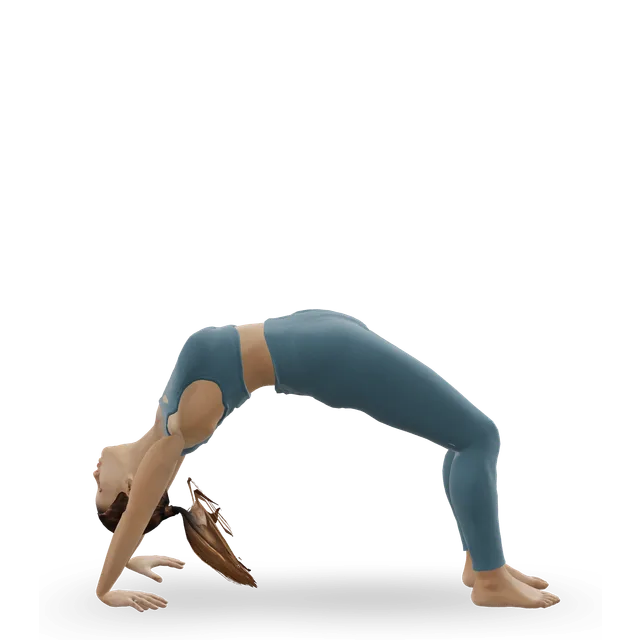
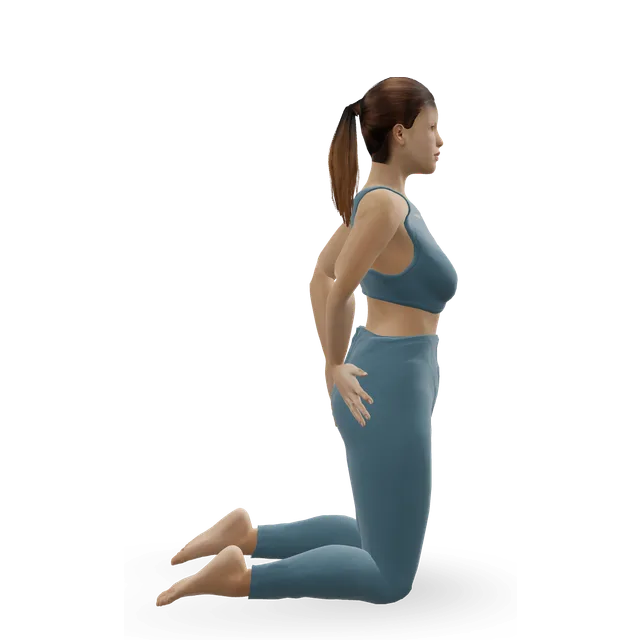
Gentle movement such as cat-cow and the hip hinge fold, and no deep backbends (wheel, camel, bow) until a sore back settles. The back warning signs below come first, and our yoga for back pain guide has more.

Source 49

Before or after a workout

Long holds before a hard classStrong evidence

Static holds of 60 seconds or more per muscle just before testing cut performance by about 4.6% on average, against 1.1% for shorter holds, and a 2025 consensus of stretching researchers doesn't recommend holds that long before maximal or explosive efforts. Short holds within a moving warm-up don't cause that loss. Stretching just before resistance sessions also blunted strength gains over weeks.

Sources 50, 51, 31

Warming up and injury surveysMixed evidence

In a survey of 502 CrossFit athletes, those who warmed up reported more injuries, probably because people with niggles warm up more. A one-off survey can't show what a warm-up does.

Source 52

Our suggestion

Before a class, use the CrossFit warm-up, with any yoga as a few minutes of flow and holds under 30 seconds. Do longer yoga after a class or on a rest day.

Sources 50, 51

Recovery days, sleep and yin yoga

Hard sessions take more than a dayEmerging evidence

In 20 trained athletes, after a hard benchmark workout jump height was 8% and a plank test 46% down during recovery, and the authors conclude that recovery can take more than 24 hours because fatigue builds up.

Source 11

Nothing clearly speeds it upStrong evidence

After a 400-repetition bodyweight workout, 39 men were randomised to rest, foam rolling or static stretching, and no group had its power back at 24 hours. Light pedalling, electrical muscle stimulation and total rest gave similar recovery in 15 men. Across trials, stretching after exercise didn't speed the recovery of strength or ease soreness, and a 2025 consensus of stretching researchers calls stretching largely inefficient for recovery.

Sources 12, 53, 54, 55, 56, 51

What yoga and breathing addEmerging evidence

A calmer cool-down: in 20 male athletes, yoga after interval training settled breathing and heart rate variability faster than stretching, for 10 to 15 minutes, and 10 minutes of breathing at 6 breaths a minute after cycling raised heart rate variability in 15 men. But 4 weeks of slow breathing after sprint training added no recovery or performance benefit. Yoga is a pleasant, low-load way to spend a rest day, not a recovery tool that beats rest, sleep and a sensible week.

Sources 13, 57, 36

Sleep

A sleep consensus for athletes recommends an individual approach that starts from how much sleep you feel you need. Our yoga nidra and sleep guides cover wind-down practices; no trial links them to CrossFit recovery.

Source 58

Yin yoga for CrossFitEmerging evidence

Yin's long, quiet holds suit a full rest day, and static stretching does raise range, with gains levelling off at about 4 minutes a session and 10 minutes a week. Keep long holds away from the hour before a hard workout. Our yin yoga for beginners class holds each pose for 1 to 4 minutes.

Sources 27, 28, 50

Hot and power classes in a CrossFit week

Count a strong class as trainingStrong evidence

The International Olympic Committee calls poor load management a major risk factor for injury, and load includes rapid changes in training and a crowded calendar. A strong flow, power or hot class is a session, so keep it out of your heaviest weeks or count it as one of your hard days (our suggestion).

Source 14

Power yoga isn't easyEmerging evidence

Across 94 trials, yoga was about as safe as usual care and other exercise. Outside trials, in 1,702 German practitioners, power yoga had the highest injury rate of the styles (1.50 per 1,000 hours), hand, shoulder and head stands caused the most acute harms, and practising alone without guidance went with more risk.

Sources 59, 60

Heat adds loadEmerging evidence

In 5 women, a 90-minute hot yoga class caused about 1.5 litres of sweat loss, with only a quarter replaced by drinking, and just over half of 157 hot yoga users had had a problem, most often dizziness or light-headedness. Our rhabdomyolysis guide asks you to take extra care in the heat, so keep hot classes away from the day after a very hard workout (our suggestion).

Sources 61, 62

Rhabdomyolysis: the signs

Rare, serious and often in beginnersEmerging evidence

Of 523 people treated for CrossFit injuries at one US hospital over 6 years, 11 (2.1%) had rhabdomyolysis; more than half were beginners, and 91% had dark urine. A trained 35-year-old developed it after a competition that included 60 sit-ups on a glute-ham machine, a move the athlete wasn't used to. Unaccustomed exercise, especially lowering work, is the main cause.

Sources 15, 63, 64

The signs

The NHS has no rhabdomyolysis page. MedlinePlus says to contact your provider if you have symptoms, and Healthdirect Australia says to seek medical attention urgently; the same-day wording below is the site's own, from our CrossFit and rhabdomyolysis guides.

Dark, red or cola-coloured urine, much less urine than usual, or very painful, weak or swollen muscles in the days after a session: get medical help the same day. Dark pee isn't always there, so muscles far sorer, more swollen or weaker than the session explains still need the same-day check.

Call 999 (911 in the US) or go to A&E for:

  • Sudden, severe pain in a muscle, especially if it's very swollen and tight, or numb, weak or tingling: this can be compartment syndrome, which needs surgery as soon as possible.

Sources 15, 65, 66, 67

Prevention, and where yoga fits

Build up new training over weeks, treat the first 7 to 10 days back after any break as a gentle lead-in, never use exercise as a punishment, and take extra care in the heat or when you're unwell. Even one light session protects a muscle against a harder one a couple of days later.

No yoga, hot class or breathing practice treats rhabdomyolysis, and a yoga challenge of hundreds of repetitions of anything you're not used to is how it can start (our suggestion). After rhabdomyolysis, nothing until your doctor clears you, then the stages in our rhabdomyolysis guide; yoga counts as activity.

Source 64

Breathe and settle

Slow breathing, 2 minutes, in for about 4 and out for about 6, with no holds (our yoga for hockey players class; adapted from the move page's dose), or longer on a rest day. Cat-cow: "8 waves, slower than feels natural" (the move page's dose), on fists or forearms if your wrists are sore. Alternate nostril breathing, for the end of a rest-day session: "3 to 5 minutes of slow rounds, once or twice a day" (the move page's dose), with no breath holds.

Wrists

Wrist and forearm flow, 60 seconds (our yoga for gymnasts class). Wrist rocks on all fours, 10 slow rocks in each hand position (our yoga for wrists class); sharp wrist pain, numbness or a past wrist fracture needs a clinician's opinion first. Wrist flexor stretch, 2 holds of 20 seconds each arm, palm on a wall (our yoga for tennis players class).

The overhead position: shoulder blades and upper back

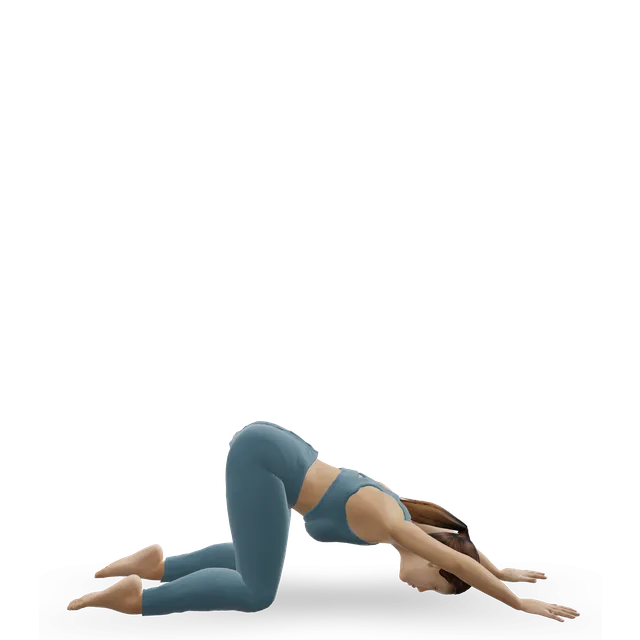
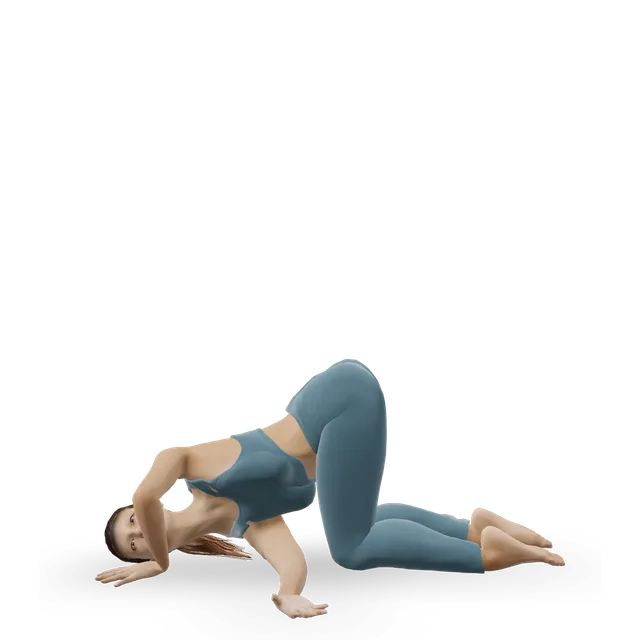
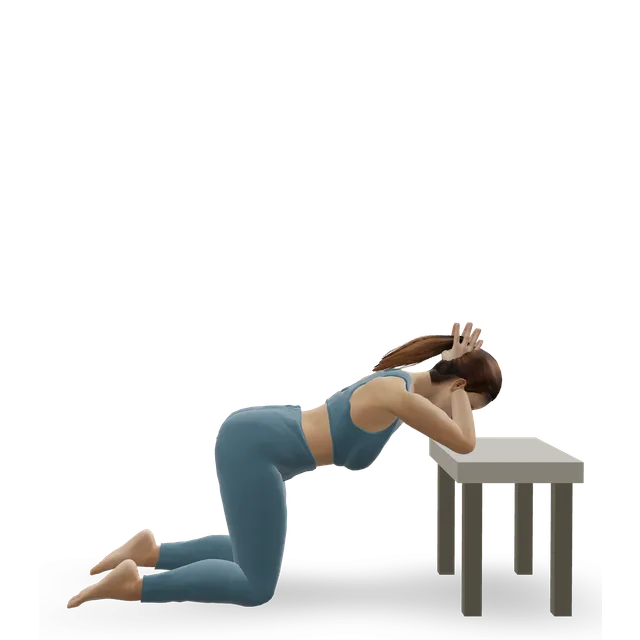
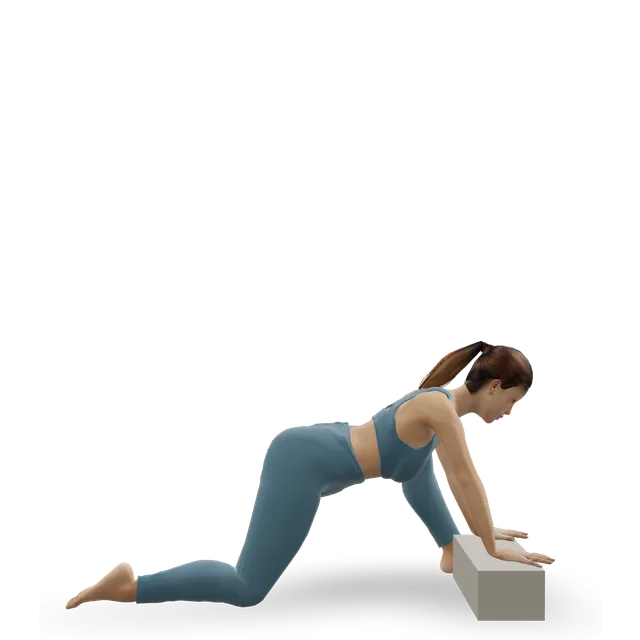
Y-T-W raises, 5 of each shape; scapular push-ups, 2 sets of 10, on a wall if a shoulder or wrist is sore (both our yoga for tennis players class). Wall angels, 8 slow slides, lower back on the wall; extended puppy pose, 2 holds of 45 seconds, hands on blocks if your shoulders pinch, skipped with a current shoulder injury; thread the needle, 30 seconds each side (all our yoga for weightlifters class, thread the needle adapted from the move page's dose). Open book: "8 to 10 slow openings each side, pausing 2 seconds at the end" (the move page's dose). Lat stretch at a bench, for arms that drift forward overhead: "Hold 30 to 45 seconds, 2 to 4 times" (the move page's dose), without arching your lower back. With a foam roller, upper back extension: "5 to 8 slow breaths at each of 3 or 4 spots along the upper back" (the move page's dose); clear it first if you have osteoporosis.

Ankles and hips for the squat

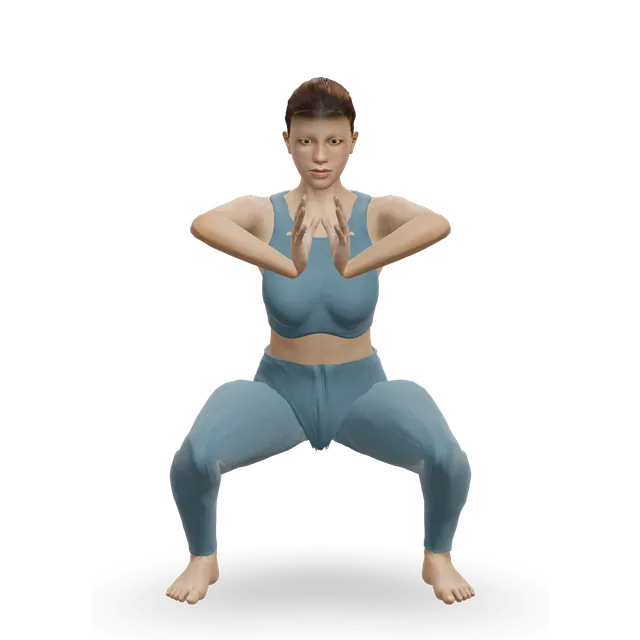
Knee to wall: "10 slow rocks per side" (the move page's dose), heel down. Low lunge, 45 seconds each side, back knee padded (our yoga for weightlifters class), or 2 minutes each side on a full rest day (our yin yoga for beginners class). Lizard, 30 to 45 seconds each side, coming out if the front hip pinches (our yoga for weightlifters class; adapted from the move page's dose). 90/90 switch: "10 slow switches, pause at the ends" (the move page's dose). Deep squat hold, 60 seconds, holding a door frame, heels on a folded mat if they lift (our yoga for weightlifters class).

The hinge

Hip hinge fold: "5 slow folds, 3 breaths at the bottom" (the move page's dose). Hamstring stretch with a strap, 45 seconds each side, stopping at a mild pull, about 3 out of 10 (our yoga for weightlifters class).

Rest-day holds

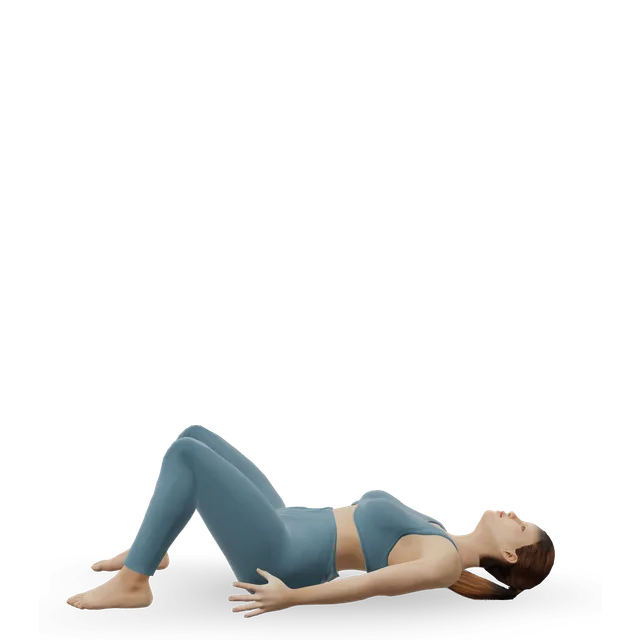
Reclined figure four and the lying twist, 2 minutes each side, a cushion under the top knee in the twist; child's pose, 1 minute (all our yin yoga for beginners class, child's pose adapted from the move page's dose). Legs up the wall, 2 minutes (our yoga for gymnasts class), or 4 minutes on a rest day (our yin yoga for beginners class); with glaucoma or high blood pressure that isn't controlled, keep your hips on the floor or skip it. Corpse pose: "Lie still for at least 5 minutes" (the move page's dose).

Poses to change or leave out

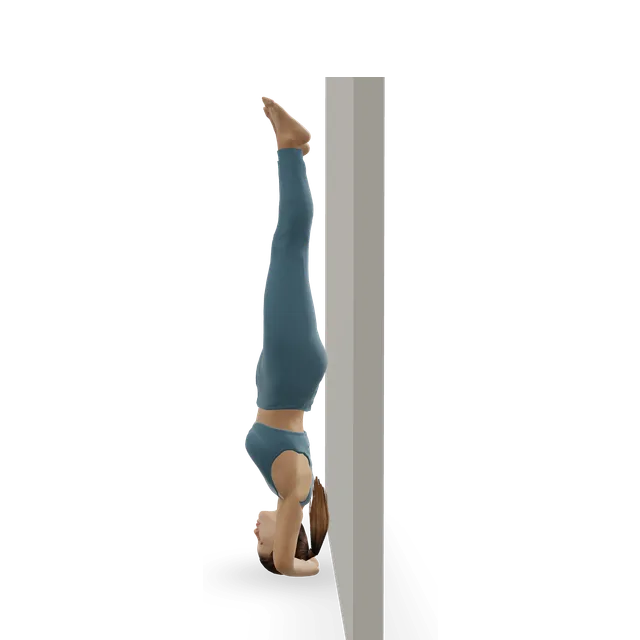
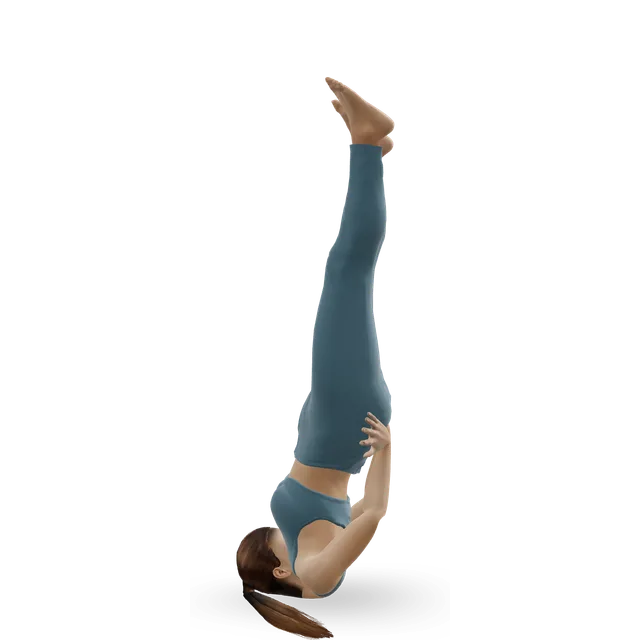
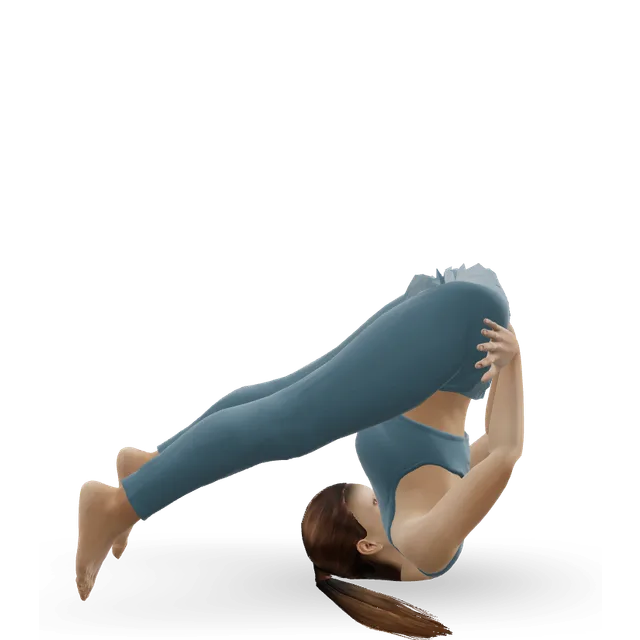
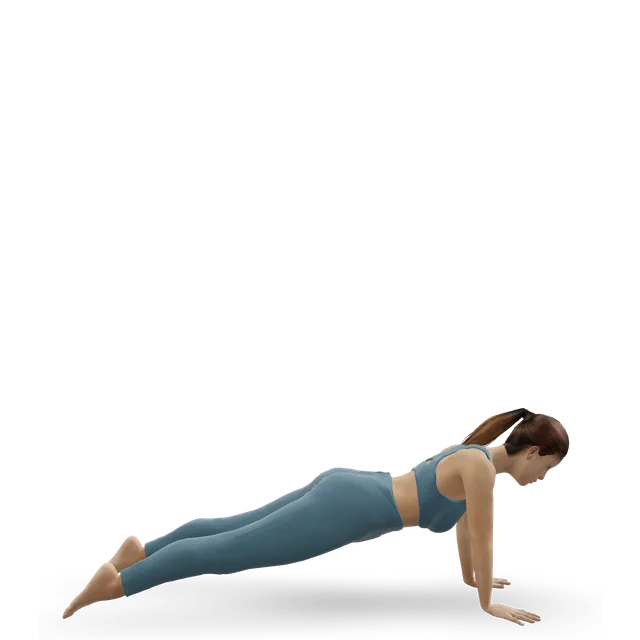
No long holds in the hour before a hard class. With a loose or recently injured shoulder, leave out end-range binds, extended puppy pose and deep shoulder stretches. Headstands, shoulder stands, plough and handstand challenges aren't needed: they cause the most acute yoga injuries, and handstand work belongs in coached gymnastics sessions. Go easy on long flows of chaturangas and upward dogs in a heavy pushing week (our suggestion). With a sore back, leave out wheel, camel and bow until it settles. NCCIH (the US National Center for Complementary and Integrative Health) advises beginners to avoid forceful breathing, and hot or power classes count as hard sessions.

A class and workouts to follow

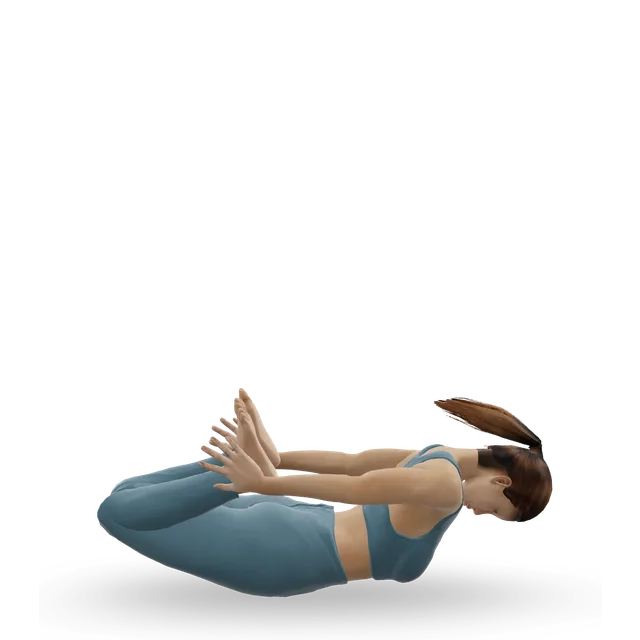
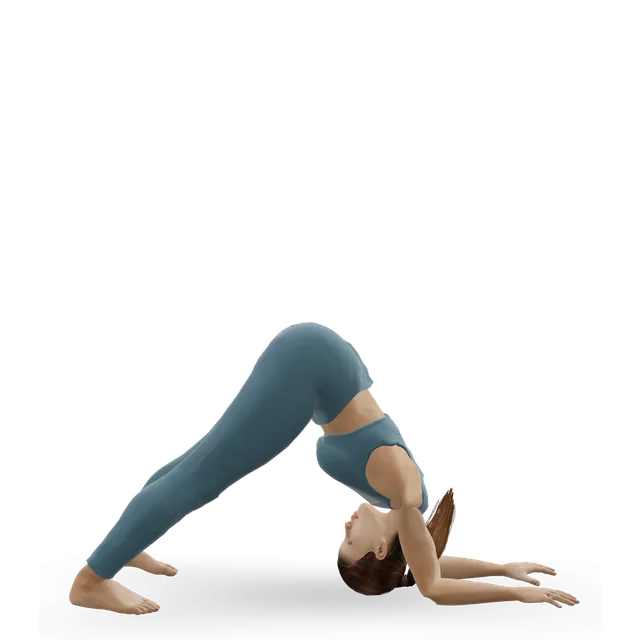
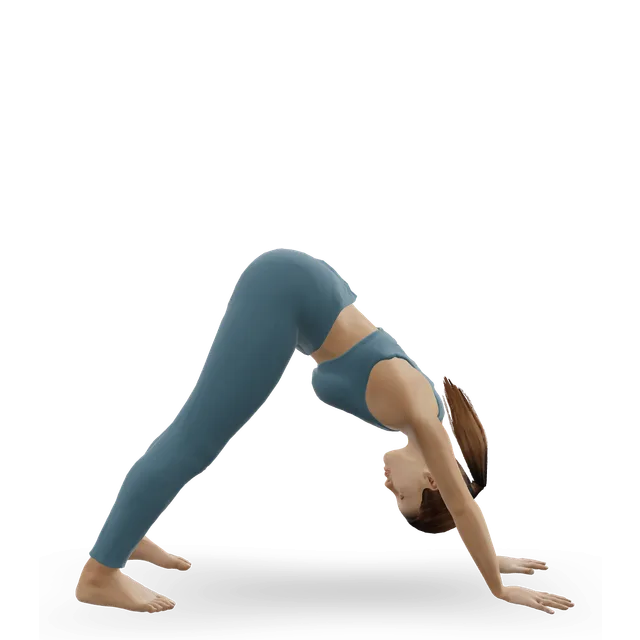
On a rest day or after a class, our 25-minute recovery-day class for wrists, shoulder blades and long, quiet hip holds: our own selection, untested in a trial. For the squat, hinge and overhead positions, the lifters' class; before a class, the CrossFit warm-up; for a longer rest day, yin or restorative yoga. Handstand work belongs in coached sessions, and exercise after rhabdomyolysis only after a doctor's clearance.

Yoga for CrossFit: a 25-minute recovery-day class for wrists, shoulder blades and the upper back, long, quiet hip holds and slow breathing

A 25-minute recovery-day yoga class for CrossFit athletes: wrists, shoulder-blade control, the upper back, long, quiet hip holds and slow breathing.

25 minBeginner12 movesWall

Lifters' yoga: a 25-minute class for squat, hinge and overhead positions, after lifting or on a rest day

A 25-minute yoga class for people who lift: ankles and hips for the squat, the hinge, and the upper back and shoulders for overhead, after training or on a rest day.

25 minBeginner16 movesWall

CrossFit warm-up and mobility routine: shoulders, wrists, hips and ankles

A 15-minute warm-up and mobility routine for CrossFit-style training: easy rowing, shoulder, wrist, hip and ankle mobility, shoulder-blade work and squats.

15 minBeginner14 movesCardio machine, wall

Yin yoga for beginners

A 35-minute yin-style session: seated and lying poses held for 2 to 4 minutes with slow breathing, finishing with legs up the wall and a long rest.

35 minBeginner9 movesWall

Restorative yoga sequence: 45 minutes of supported rest

A 45-minute restorative yoga sequence: five fully supported poses held for 4 to 10 minutes each, with slow breathing and a long final rest.

45 minBeginner6 movesFirm cushion, wall

Yoga for wrists: a 20-minute class that warms, strengthens and slowly loads the wrists

A 20-minute yoga class for wrists: a gentle warm-up, poses with the hands free, then weight through the hands in stages, from a wall to all fours to the forearms.

20 minBeginner18 movesWall, other / check instructions

Yoga for mobility: a 20-minute flow for range you can control

Twenty minutes of joint circles, a standing flow and end-of-range strength: yoga for range you can reach and control, for desk days, rest days or older joints.

20 minBeginner16 movesStep, wall

Shoulder mobility and rotator cuff routine (with a band)

A 25-minute band routine for healthy shoulders: move the shoulder and upper back through their range, then strengthen the rotator cuff and shoulder blades.

25 minBeginner12 movesWall, band
Show all 12 workoutsShow fewer workouts

Warning signs: when to stop and get help

These are the warning signs from our CrossFit, rhabdomyolysis, back, shoulder, knee, hot yoga and yoga guides, word for word. This is general information, not a diagnosis. A&E means accident and emergency; in the US, call 911 for 999.

Dark pee or muscles far worse than the session explains

Muscle pain, swelling or weakness far worse than the session explains, and dark pee (red, brown, tea or cola coloured), sometimes starting hours or days later. Dark pee isn't always there, so muscles far sorer, more swollen or weaker than the session explains still need the same-day check. Get medical help the same day: call NHS 111, or go to A&E if you feel very unwell. Call 999 for sudden, severe pain in a swollen, tight muscle.

Sources 15, 65

A swollen, tight, very painful muscle

Call 999 (911 in the US) or go to A&E for:

  • Sudden, severe pain in a muscle, especially if it's very swollen and tight, or numb, weak or tingling: this can be compartment syndrome, which needs surgery as soon as possible.

Source 67

Chest pain or fainting: call 999

Call 999 if:

  • You get sudden pain or discomfort in your chest that doesn't go away; it can feel like squeezing or pressure, burning or indigestion.
  • The pain spreads to your left or right arm, or your neck, jaw, stomach or back.
  • You have chest pain and feel sweaty, sick, light-headed or short of breath.
  • Someone faints while exercising, can't be woken within 1 minute, or has chest pain or a pounding, fluttering or irregular heartbeat.

Sources 68, 69

Unusual breathlessness

Call 999 or go to A&E (accident and emergency) straight away for severe difficulty breathing (gasping, choking or not able to get words out), a chest that feels tight or heavy, pain that spreads to your arms, back, neck and jaw, lips or skin turning very pale, blue or grey, or sudden confusion. If you're more short of breath than usual, or your heart is racing, fluttering or skipping beats, contact NHS 111.

Source 70

A joint that slips, locks or swells

A shoulder that slips out or looks out of place, a knee that gives way, locks or swells within hours, or a wrist that's swollen and can't take weight needs checking before you train it again. Our pain guides say what to do.

Sources 71, 72, 73

Back pain

Call 999 or go to A&E: loss of feeling or numbness around the genitals or bottom, new trouble peeing or controlling your bladder or bowels, changes in genital sensation during sex or problems with erections or orgasm, or pain, tingling, weakness or numbness in both legs. These are signs of cauda equina syndrome, which needs treating in hospital urgently. Don't drive yourself.

Same day (GP or NHS 111): back pain and you feel hot, cold, shivery or generally unwell, or severe pain that starts suddenly or is getting worse quickly.

Same day: leg weakness that is getting worse.

Source 49

A shoulder injury

Call 999 or go to A&E: after a fall or injury, your shoulder looks out of place or has changed shape, you cannot move your arm, or your shoulder is painful, bruised or swollen. Do not drive yourself, and do not try to put it back in yourself.

Same day (GP or NHS 111): sudden or very bad shoulder pain; you cannot move your arm; the arm or shoulder is badly swollen or has changed shape; pins and needles that do not go away; no feeling in the arm; the arm is hot or cold to the touch; pain that started after an injury such as a fall; or severe pain in both shoulders.

Same day (GP or NHS 111): sudden weakness lifting the arm after an injury or fall. A rotator cuff tear caused by an injury needs urgent referral to a shoulder specialist. After a dislocation in anyone over 40, the rotator cuff should be checked: about 40% have a tear.

Sources 71, 74

A knee injury

Go to A&E (accident and emergency) if you've injured your knee and it has changed shape, it becomes very swollen very quickly, you felt a pop or snap, you can see bone sticking out, or it's bleeding heavily. Don't drive yourself: ask someone to take you, or call 999 if the pain means you can't move your leg to get there.

Get advice from NHS 111 now: the knee locks, gives way or clicks painfully. Painless clicking is normal.

Source 72

A blow to the head (a fall from a box, a bar or rings)

Call 999 if someone has hit their head and has been knocked out and hasn't woken up, can't stay awake or keep their eyes open, has a fit, has fallen from a height of more than 1 metre or 5 stairs, has problems with their vision or hearing, has clear fluid coming from their ears or nose, has new numbness or weakness, has problems with walking, balance, understanding, speaking or writing, hit their head at high speed, or their behaviour has changed. Get help from NHS 111 if they're being sick, feel dizzy or take medicine that thins the blood. If you're told to go to A&E (accident and emergency), don't drive yourself there if you have hit your head.

With a suspected concussion, if in doubt, sit them out. The UK's grassroots guidelines say no sport for at least 24 hours, get checked by a healthcare professional or NHS 111 within 24 hours, follow a staged return, and no competition before day 21; if symptoms last beyond 28 days, stay out of sport and see a doctor. Yoga waits too: gentle breathing fits the early, light-activity stages, and no head-down poses or inversions until you're cleared (our reading). Our concussion guide has the stages.

Sources 75, 76

Heat: what to do

Move to a cool place, take off unnecessary clothing, drink plenty of water or an isotonic sports drink, and cool the skin with cool water and a fan. You should start to cool down and feel better within 30 minutes. If you're struggling to treat it, or need advice, get help from NHS 111.

Leave the heat at once if you feel dizzy, get a headache or feel sick, and cool down straight away if it doesn't pass. In a survey of 157 hot yoga practitioners, just over half had had a problem, most often dizziness, light-headedness, nausea or dehydration, and case reports describe a cardiac arrest from heatstroke and a heart attack during hot classes.

Sources 77, 62

Call 999 (911 in the US): signs of heatstroke

If someone is still unwell after 30 minutes of resting in a cool place, being cooled and drinking fluids, or has a very high temperature, hot skin that isn't sweating, a fast heartbeat, fast breathing or shortness of breath, confusion and lack of coordination, a seizure or fit, or loses consciousness. Heatstroke is a medical emergency: while you wait, wrap them in a cool, wet sheet, or fan them or sponge them down with cold water.

Source 77

Very flexible joints

If you're hypermobile, don't use mobility work to push further: the NHS says "do not overextend your joints just because you can". See a GP if you think you have joint hypermobility syndrome: for example, your joints keep dislocating, or you keep getting sprains, strains, pain or stiffness.

Source 47

During yoga

A joint pain that is sharp, gets worse during a session, lingers into the next day or changes how you move is a reason to use an easier version, and to see a GP or physiotherapist if it keeps happening (the rule in our plans). Muscle soreness for a day or two after something new is normal. In a hot class, stop if you feel dizzy, sick or unwell; our hot yoga guide lists the signs of heat illness.

With glaucoma, or high blood pressure that isn't under control, skip headstands, shoulder stands and long head-down holds. With osteoporosis, swap deep forward folds for a flat-back hinge from the hips, and twist smoothly. In pregnancy, our yoga in pregnancy guide covers the changes. NCCIH advises beginners to avoid headstands, shoulder stands, the lotus position and forceful breathing.

You can say no to any hands-on adjustment, and a teacher registered with Yoga Alliance must get your explicit consent each time.

Source 78

Before you start

The NHS advises getting advice from a healthcare professional first if you have a health problem, an injury or symptoms, or have recently had a heart attack or an operation.


Myths

"Yoga is too easy for CrossFit athletes"Emerging evidence

Power yoga had the highest injury rate of the styles in a national survey, and 8 weeks of hot yoga even raised an isometric deadlift in untrained adults. Yoga trains different things, such as control at the end of your range, balance and slow breathing, and a strong flow is a training session.

Sources 60, 32, 14

"Mobility work prevents CrossFit injuries"Mixed evidence

The one trial, a mobility and stability warm-up in every session for 10 weeks, found no difference, though with very few injuries; across sport, stretching didn't prevent injuries while strength training did.

Sources 6, 7

"Lifting makes you stiff, so you need yoga to stay flexible"Emerging evidence

Across 55 studies, resistance training improved range of motion as much as stretching. Lifting through a full range is itself range work.

Sources 9, 26

"More flexibility always means fewer injuries"Strong evidence

Stretching programmes haven't prevented injuries, and very flexible athletes had more shoulder injuries, not fewer.

Sources 7, 46

"Yoga flushes out soreness and speeds recovery"Strong evidence

Stretching after exercise didn't speed strength recovery or ease soreness, and after a high-intensity session neither stretching nor foam rolling brought power back faster. Yoga's calming effect is real but short, and no trial has measured next-day recovery after yoga.

Sources 54, 55, 56, 12, 13

"Stretch before your workout to prevent injury"Strong evidence

Long holds just before hard efforts cost a little performance, stretching didn't prevent injuries across 25 trials, and in a survey of 502 CrossFit athletes, warming up didn't go with fewer injuries. Use the CrossFit warm-up.

Sources 50, 7, 52

"A hot class is a good way to recover from a hard week"Emerging evidence

Heat adds load and fluid loss, about 1.5 litres in one 90-minute class, and our rhabdomyolysis guide asks you to take extra care in the heat. A gentle class at room temperature suits a recovery day better (our suggestion).

Sources 61, 14

Questions people ask

Is yoga good for CrossFit?

It can add controlled range for the overhead and squat positions, wrist and shoulder-blade care, balance and a calm rest-day session. No trial has tested yoga in CrossFit athletes, and in Olympic weightlifters 7 weeks of yoga changed neither flexibility nor power, so treat it as a supplement, not a performance tool.

Does yoga help CrossFit recovery?

It calms you down but doesn't bring strength back faster. After high-intensity sessions, stretching and foam rolling didn't restore power sooner than rest, while yoga settled breathing and heart rate variability faster than stretching for about 15 minutes in one small trial. Sleep, rest days and sensible scaling do the heavy lifting.

Is yin yoga good for CrossFit?

Yin's long, quiet holds suit a full rest day, and static stretching does raise range, with gains levelling off at about 4 minutes a session and 10 minutes a week. Keep long holds away from the hour before a hard workout.

Will yoga improve my overhead squat?

It may help the positions: ankle bend in a kneeling lunge goes with a deeper overhead squat, and small mobility programmes improved overhead squat scores in other groups. Practise the position with a light bar too, and see our yoga for weightlifters guide for the lift-by-lift detail.

Can yoga prevent CrossFit injuries?

It hasn't been shown to. The one trial of a mobility and stability warm-up found no difference in injuries, and across sport, stretching didn't prevent injuries while strength training did. Coaching, steady scaling, a gradual start and rehabilitating old injuries are the practical answers.

Should I do yoga before or after a WOD?

After, or on a rest day. Before a workout of the day (WOD), use the CrossFit warm-up with any yoga as a few minutes of flow: holds of 60 seconds or more per muscle just before hard efforts cost a little performance.

Is yoga too easy for CrossFit athletes?

No: power yoga had the highest injury rate of the yoga styles in a large survey, and a strong flow counts as a training session. It works different things, such as control at the end of your range and balance.

Can yoga help my shoulders for CrossFit?

Shoulder-blade control and upper-back mobility suit the overhead and gymnastics moves where shoulder injuries cluster. If a shoulder feels loose or has slipped, skip end-range shoulder stretches and see a physiotherapist.

Yoga or CrossFit: can I do both?

Yes. They train different things: CrossFit builds strength and fitness, and yoga adds range you control, balance and a calm way to wind down. Count a strong or hot yoga class as one of your hard sessions, and keep gentle yoga for rest days. Our Pilates for CrossFit guide covers the Pilates version.

Can I do hot yoga with CrossFit?

Count it as a hard session: a hot class causes large sweat losses, and our rhabdomyolysis guide asks for extra care in the heat. Keep hot classes out of heavy weeks and away from the day after a very hard workout (our suggestion).

What should I watch for after a hard workout?

Dark, red or cola-coloured pee, much less pee than usual, or very painful, weak or swollen muscles in the days after a session need medical help the same day: it can be rhabdomyolysis. Yoga doesn't treat it.

How often should I do yoga with CrossFit?

Once or twice a week, 20 to 30 minutes, on rest days or after class (our suggestion). If you train four or five days a week, a gentle session is usually better than another hard one.

Sources

  1. PubMed and Europe PMC · Searches for yoga trials in CrossFit, high-intensity functional training, weightlifting and powerlifting: none found (PubMed 18 and 15 records; Europe PMC 24, and 62 in full text; 1 November 2026)
  2. Ernst 2016 · Seven weeks of yoga, flexibility and power in 18 Olympic weightlifters (randomised trial, ISBS conference proceedings)
  3. Xu 2022 · Yoga, movement screens and mindfulness in 80 sports students (quasi-experimental study, Int J Environ Res Public Health; read in full)
  4. Knapik 2022 · Injuries during high-intensity functional training: 28 studies, 11,089 people (meta-analysis, J Spec Oper Med)
  5. Barranco-Ruiz 2020 · Injuries in CrossFit, cross training and high-intensity functional training: 12 studies (systematic review, J Hum Kinet; read in full)
  6. Martínez-Gómez 2021 · A mobility and stability warm-up in 32 recreational CrossFit athletes (pilot randomised trial, Int J Sports Med)
  7. Lauersen 2014 · Exercise programmes to prevent sports injuries: 25 randomised trials, 26,610 people (meta-analysis, BJSM)
  8. Mehrab 2023 · Risk factors for injury in CrossFit: 3 cohorts, 691 people (systematic review, Int J Sports Med; read in full)
  9. Alizadeh 2023 · Resistance training and range of motion: 55 studies (systematic review and meta-analysis, Sports Med)
  10. Wang 2025 · High-intensity functional training and physical fitness: 19 studies (meta-analysis, BMC Public Health; read in full)
  11. Rios 2024 · A benchmark workout in 20 trained CrossFit athletes: energy systems and recovery (study, Int J Sports Physiol Perform)
  12. De Oliveira 2023 · Static stretching, foam rolling or rest after a high-intensity functional training session: 39 men (randomised trial, Int J Environ Res Public Health; read in full)
  13. Petviset 2025 · Yoga or static stretching after interval training: 20 male athletes (randomised crossover trial, Int J Exerc Sci)
  14. Soligard 2016 · How much is too much? Training load and the risk of injury (International Olympic Committee consensus statement, BJSM)
  15. Hopkins 2019 · CrossFit and rhabdomyolysis: 11 patients at one academic hospital (case series, J Sci Med Sport)
  16. Ángel Rodríguez 2022 · Injury in CrossFit: epidemiology and risk factors, 25 studies (systematic review, Phys Sportsmed)
  17. Moran 2017 · Injury rates and risk factors in 117 CrossFit participants over 12 weeks (prospective cohort, J Sports Med Phys Fitness)
  18. Szeles 2020 · Injuries in 406 CrossFit participants in 13 Brazilian gyms over 12 weeks (prospective cohort, Orthop J Sports Med)
  19. Naderi 2025 · Injury risk in 295 CrossFit athletes over 9 months (prospective cohort, Scand J Med Sci Sports)
  20. Larsen 2020 · Injuries in 168 novices in an 8-week CrossFit start-up programme (prospective cohort, Sports)
  21. Schlegel 2025 · CrossFit injuries in 456 Czech athletes (survey, J Sports Sci Med; read in full)
  22. Elmahgoub 2026 · Injuries in 137 Libyan CrossFit athletes (cross-sectional survey, Int J Environ Res Public Health)
  23. Feito 2020 · Competing and injuries in 3,049 CrossFit-trained participants (cross-sectional survey, BMJ Open Sport Exerc Med)
  24. Weisenthal 2014 · Injury rate and patterns in 386 CrossFit athletes (survey, Orthop J Sports Med; read in full)
  25. Lauersen 2018 · Strength training to prevent acute and overuse sports injuries: 6 trials, 7,738 people (meta-analysis, BJSM)
  26. Favro 2025 · Resistance training and joint flexibility: 36 studies, 1,469 adults (systematic review and meta-analysis, J Strength Cond Res)
  27. Konrad 2024 · Stretching and range of motion: 77 studies (systematic review and meta-analysis, J Sport Health Sci)
  28. Ingram 2025 · The dose of static stretching for flexibility: 189 studies (meta-analysis and meta-regression, Sports Med)
  29. Konrad 2025 · What happens to range of motion when stretching stops: 13 studies, 556 people (systematic review and meta-analysis, Sports Med Open)
  30. Arntz 2023 · Long-term static stretching, strength and power: 41 studies (systematic review and meta-analysis, Sports Med)
  31. Thomas 2023 · Stretching training and muscle strength: 35 studies, 1,179 people (systematic review and meta-analysis, J Strength Cond Res)
  32. Tracy 2013 · Bikram yoga and fitness: 21 young adults (randomised trial, J Strength Cond Res)
  33. Wooten 2020 · Yoga breathing and leg press power: 32 adults (lab study, J Strength Cond Res)
  34. Nivethitha 2021 · Blood pressure during four yogic breathing techniques: 20 healthy adults (lab study, Int J Yoga)
  35. Laborde 2022 · Slow breathing, heart rate and heart rate variability: 223 studies (systematic review and meta-analysis, Neurosci Biobehav Rev)
  36. Raidl 2026 · Slow breathing as recovery during 4 weeks of sprint interval training: 34 people (randomised trial, Int J Sports Physiol Perform)
  37. Dill 2014 · Ankle bend and knee and ankle movement in squats: 40 adults (lab study, J Athl Train)
  38. Rabin 2017 · The overhead squat as a check for stiff ankles: 53 people (screening study, J Strength Cond Res)
  39. Langdown 2023 · Eight weeks of strength and corrective exercise and the overhead squat in 37 golfers (randomised trial, J Strength Cond Res)
  40. Sohrabi 2024 · An 8-week programme for stiff ankles: 30 female athletes (randomised trial, PLoS One)
  41. Cruz-Díaz 2020 · Ankle self-mobilisation with CrossFit-style training in 70 people with unstable ankles (randomised trial, J Athl Train)
  42. Summitt 2016 · Shoulder injuries in people who do CrossFit: 187 respondents (survey, Sports Health; read in full)
  43. Lenz 2024 · Training injuries in 308 German CrossFit athletes (survey, Open Access J Sports Med; read in full)
  44. Silveira 2026 · Shoulder rotation and stability in 38 CrossFit athletes with shoulder pain and 38 without (case-control study, J Bodyw Mov Ther)
  45. Jusdado-García 2021 · Shoulder soft tissue work with or without stretching in 21 CrossFit athletes (pilot randomised trial, Int J Environ Res Public Health; read in full)
  46. Liaghat 2021 · Joint hypermobility and shoulder injuries in athletes: 6 studies, 2,335 athletes (systematic review and meta-analysis, BMC Musculoskelet Disord)
  47. NHS · Joint hypermobility syndrome (past its review date: reviewed August 2023, review due August 2026)
  48. Sánchez-Romero 2025 · Low back pain in CrossFit trainees and sedentary adults, 379 people (cross-sectional study, J Bodyw Mov Ther)
  49. NHS · Back pain
  50. Behm 2016 · Stretching before activity: performance, range of motion and injury (systematic review, Appl Physiol Nutr Metab)
  51. Warneke 2025 · Practical recommendations on stretching: a Delphi consensus of 20 research experts (consensus statement, J Sport Health Sci; read in full)
  52. Segal 2025 · Warm-ups, pain and CrossFit injuries in 502 athletes (cross-sectional study, J Sports Med Phys Fitness)
  53. Martínez-Gómez 2022 · Light pedalling, electrical stimulation or rest after high-intensity functional training: 15 men (randomised crossover trial, Front Physiol)
  54. Afonso 2021 · Stretching after exercise and the recovery of strength, range and soreness: 11 trials (systematic review and meta-analysis, Front Physiol)
  55. Zhang 2025 · Stretching after exercise against no stretching: 15 studies, 465 people (meta-analysis, Front Physiol)
  56. Herbert 2011 · Stretching to prevent or reduce muscle soreness after exercise: 12 studies (Cochrane review)
  57. Sugimoto 2025 · Slow breathing after cycling and the calming nervous system: 15 young men (randomised crossover study, Clin Physiol Funct Imaging)
  58. Walsh 2021 · Sleep and the athlete (narrative review and expert consensus, BJSM)
  59. Cramer 2015 · The safety of yoga: 94 randomised trials, 8,430 people (systematic review and meta-analysis, Am J Epidemiol)
  60. Cramer 2019 · Harms from yoga: 1,702 German practitioners (national survey, BMC Complement Altern Med)
  61. Alrefai 2020 · Sweat and salt loss in a 90-minute Bikram yoga class: 5 women (lab study, Physiol Rep)
  62. Mace 2016 · Benefits and harms reported by 157 hot yoga users (survey, Int J Yoga Therap)
  63. Tibana 2018 · Rhabdomyolysis after an extreme conditioning competition (case report, Sports; read in full)
  64. Rawson 2017 · Perspectives on exertional rhabdomyolysis (narrative review, Sports Med; read in full)
  65. Healthdirect Australia · Rhabdomyolysis (last reviewed June 2025)
  66. MedlinePlus (US National Library of Medicine) 2025 · Rhabdomyolysis (reviewed September 2025)
  67. NHS · Compartment syndrome
  68. NHS · Chest pain (past its review date: reviewed August 2023, review due August 2026)
  69. NHS · Fainting
  70. NHS · Shortness of breath
  71. NHS · Dislocated shoulder
  72. NHS · Knee pain
  73. NHS · Broken arm or wrist
  74. NHS · Shoulder pain (past its review date: reviewed May 2023, review due May 2026)
  75. NHS · Head injury and concussion
  76. UK Government and Sport and Recreation Alliance · UK concussion guidelines for non-elite (grassroots) sport (November 2024 update; read in full)
  77. NHS · Heat exhaustion and heatstroke
  78. NCCIH 2023 · Yoga: effectiveness and safety (US National Center for Complementary and Integrative Health)

Exercise education, not a personal prescription, and clinical review of these guides is pending. If you are pregnant, have a health condition such as glaucoma, high blood pressure or osteoporosis, or have had recent surgery, check with a doctor, midwife or physiotherapist before starting, and stop for sharp or increasing pain. Health disclaimer.