A blow to the head
Off the mat: if in doubt, sit them out. No return that day, and an assessment within 24 hours by a healthcare professional or NHS 111. Get help from NHS 111 straight away if they're being sick, feel dizzy, take medicine that thins the blood, or had been drinking alcohol.
Call 999 if someone has hit their head and has been knocked out and hasn't woken up, can't stay awake or keep their eyes open, has a fit, has fallen from a height of more than 1 metre or 5 stairs, has problems with their vision or hearing, has clear fluid coming from their ears or nose, has new numbness or weakness, has problems with walking, balance, understanding, speaking or writing, hit their head at high speed, or their behaviour has changed. Get help from NHS 111 if they're being sick, feel dizzy or take medicine that thins the blood. If you're told to go to A&E (accident and emergency), don't drive yourself there if you have hit your head.
With a suspected concussion, if in doubt, sit them out. The UK's grassroots guidelines say no sport for at least 24 hours, get checked by a healthcare professional or NHS 111 within 24 hours, follow a staged return, and no competition before day 21; if symptoms last beyond 28 days, stay out of sport and see a doctor. Yoga waits too: gentle breathing fits the early, light-activity stages, and no head-down poses or inversions until you're cleared (our reading). Our concussion guide has the stages.
Sources 54, 31
A neck injury
After a fall onto the head, with neck pain, or weakness, tingling or burning in the arms or legs: don't move them, as the UK guidelines say only trained healthcare professionals should, and call 999 (our suggestion).
Call 999 or go to A&E after a neck injury if the person is unresponsive, has severe neck pain or cannot move their head, has fallen from a height such as 5 or more stairs, or is drunk or has taken recreational drugs. Do not drive yourself. Being 65 or over, a dangerous fall or crash (from more than 1 metre or 5 stairs, diving, a high-speed or rollover crash, being thrown from a vehicle, a bicycle collision or an accident on a motorised recreational vehicle), or tingling in the arms or legs after an injury puts you at high risk of a broken neck: get checked.
Sources 31, 55
Neck and spinal cord
After a throw, a takedown or a neck crank:
Numbness, tingling, burning or weakness in both arms, in more than one limb, or in the legs: keep the player still and call 999. It can be an injury to the spinal cord, even if it passes in minutes.
Call 999 or go to A&E: new problems walking, loss of bladder or bowel control, or a sudden loss of coordination, such as difficulty doing up buttons. These can be signs of pressure on the spinal cord.
Source 55
Neck pain or arm symptoms: the same day
Same day (urgent GP appointment or NHS 111): severe neck pain that starts suddenly or gets worse quickly; heaviness or weakness in the arms or legs; pins and needles in an arm along with neck or arm pain; or pain between the shoulder blades.
Same day: clumsiness in your hands, or numbness, pins and needles or weakness in one or both arms, that is getting worse; problems with balance or walking since the neck pain started; or neck pain with a severe headache.
Same day (NHS 111) after a neck injury, if any of these are new or getting much worse: severe neck pain; numbness or weakness in the arms or legs; clumsy hands (dropping things, or struggling with handwriting, buttons or zips); changes in bladder or bowel control; changed feeling around the bottom or genitals, or sexual problems such as recently being unable to have an orgasm or an erection; or feeling generally unwell. The same applies if you have a history of spinal problems, such as osteoporosis or rheumatoid arthritis.
Source 55
A skin infection
A cut or wound that's painful, swollen or red, feels warm or leaks pus needs an urgent GP appointment or NHS 111. Call 999 or go to A&E for spreading, hot, swollen skin with a very high temperature, a fast heartbeat, confusion or feeling faint.
Sources 56, 57
Dehydration
Get an urgent GP appointment or call NHS 111 if you feel unusually tired, feel dizzy on standing and it doesn't go away, or have dark yellow pee or are peeing less. Call 999 or go to A&E for blue, grey, pale or blotchy skin, skin that feels cold, fast breathing, confusion or being hard to wake.
Source 58
During a weight cut
Confusion, fainting, dark urine or passing very little urine: stop and get medical help.
Source 59
Hot classes and making weight
Our editorial advice: don't use hot yoga, saunas or sweat suits to make weight. In any hot class, drink before and during, and stop at the first sign of dizziness, a headache or feeling sick; our hot yoga guide gives the NHS signs of heat exhaustion and heatstroke.
Sources 11, 12
Dark pee or muscle pain far worse than the session explains
These can be signs of rhabdomyolysis, which put a 16-year-old in hospital after a preseason wrestling camp. Get medical help the same day: call NHS 111, or go to A&E if you feel very unwell. Our rhabdomyolysis guide explains more.
Source 60
A swollen ear
Get it seen the same day, before the blood hardens into cauliflower ear.
Source 52
Back pain
Call 999 or go to A&E: loss of feeling or numbness around the genitals or bottom, new trouble peeing or controlling your bladder or bowels, changes in genital sensation during sex or problems with erections or orgasm, or pain, tingling, weakness or numbness in both legs. These are signs of cauda equina syndrome, which needs treating in hospital urgently. Don't drive yourself.
Same day: leg weakness that is getting worse.
Source 61
A shoulder or knee injury
Call 999 or go to A&E: after a fall or injury, your shoulder looks out of place or has changed shape, you cannot move your arm, or your shoulder is painful, bruised or swollen. Do not drive yourself, and do not try to put it back in yourself.
Go to A&E (accident and emergency) if you've injured your knee and it has changed shape, it becomes very swollen very quickly, you felt a pop or snap, you can see bone sticking out, or it's bleeding heavily. Don't drive yourself: ask someone to take you, or call 999 if the pain means you can't move your leg to get there.
Get advice from NHS 111 now: the knee locks, gives way or clicks painfully. Painless clicking is normal.
Sources 62, 63
Chest pain or fainting: call 999
Call 999 if:
- You get sudden pain or discomfort in your chest that doesn't go away; it can feel like squeezing or pressure, burning or indigestion.
- The pain spreads to your left or right arm, or your neck, jaw, stomach or back.
- You have chest pain and feel sweaty, sick, light-headed or short of breath.
- Someone faints while exercising, can't be woken within 1 minute, or has chest pain or a pounding, fluttering or irregular heartbeat.
Sources 64, 65
Heat: what to do
Move to a cool place, take off unnecessary clothing, drink plenty of water or an isotonic sports drink, and cool the skin with cool water and a fan. You should start to cool down and feel better within 30 minutes. If you're struggling to treat it, or need advice, get help from NHS 111.
Leave the heat at once if you feel dizzy, get a headache or feel sick, and cool down straight away if it doesn't pass. In a survey of 157 hot yoga practitioners, just over half had had a problem, most often dizziness, light-headedness, nausea or dehydration, and case reports describe a cardiac arrest from heatstroke and a heart attack during hot classes.
Sources 66, 41
Call 999 (911 in the US): signs of heatstroke
If someone is still unwell after 30 minutes of resting in a cool place, being cooled and drinking fluids, or has a very high temperature, hot skin that isn't sweating, a fast heartbeat, fast breathing or shortness of breath, confusion and lack of coordination, a seizure or fit, or loses consciousness. Heatstroke is a medical emergency: while you wait, wrap them in a cool, wet sheet, or fan them or sponge them down with cold water.
Source 66
Very flexible joints
If you're hypermobile, don't use mobility work to push further: the NHS says "do not overextend your joints just because you can". See a GP if you think you have joint hypermobility syndrome: for example, your joints keep dislocating, or you keep getting sprains, strains, pain or stiffness.
Source 33
During yoga
A joint pain that is sharp, gets worse during a session, lingers into the next day or changes how you move is a reason to use an easier version, and to see a GP or physiotherapist if it keeps happening (the rule in our plans). Muscle soreness for a day or two after something new is normal. In a hot class, stop if you feel dizzy, sick or unwell; our hot yoga guide lists the signs of heat illness.
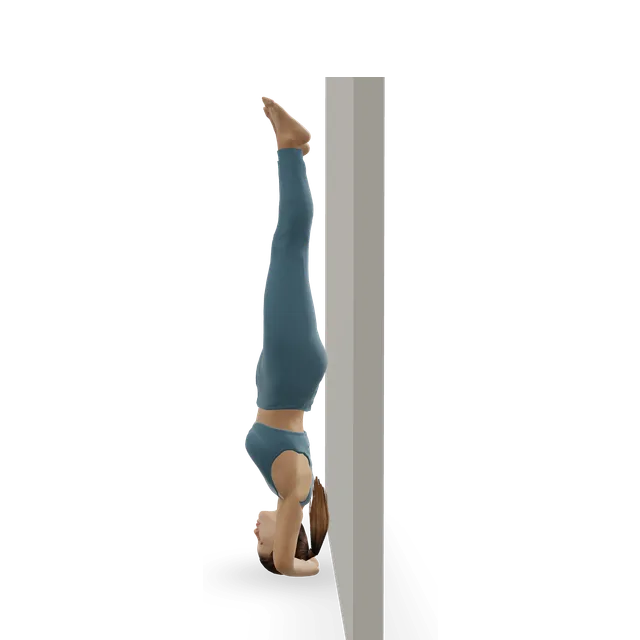
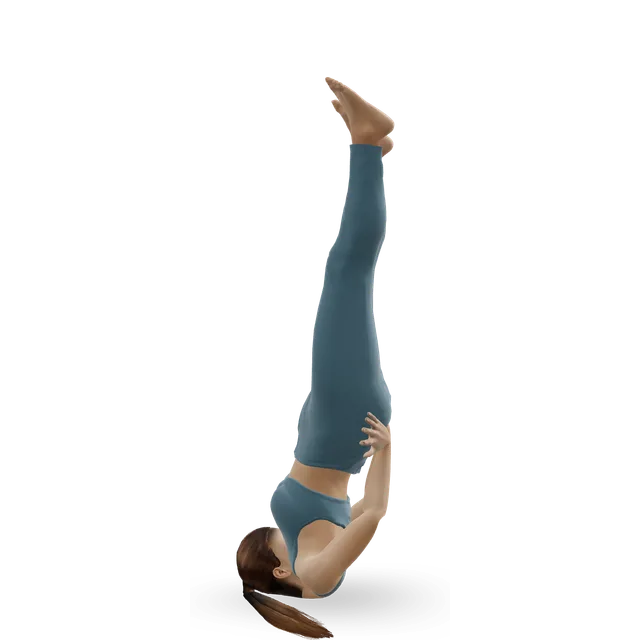
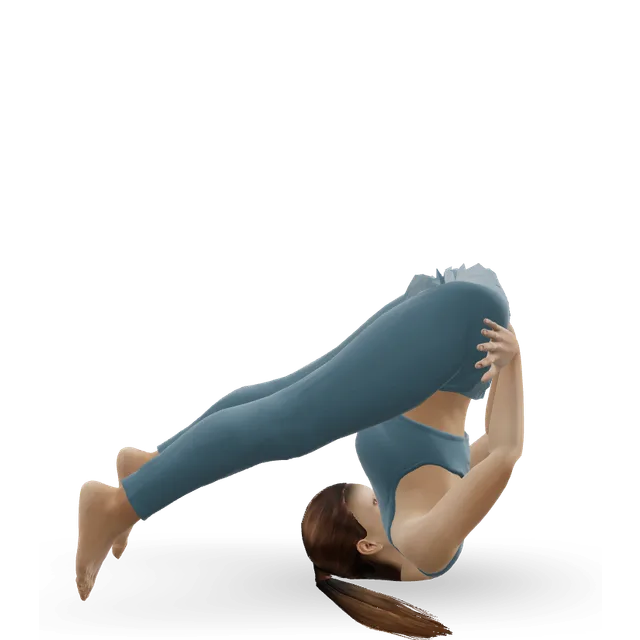
With glaucoma, or high blood pressure that isn't under control, skip headstands, shoulder stands and long head-down holds. With osteoporosis, swap deep forward folds for a flat-back hinge from the hips, and twist smoothly. In pregnancy, our yoga in pregnancy guide covers the changes. NCCIH advises beginners to avoid headstands, shoulder stands, the lotus position and forceful breathing.
You can say no to any hands-on adjustment, and a teacher registered with Yoga Alliance must get your explicit consent each time.
Source 67
Before you start
The NHS advises getting advice from a healthcare professional first if you have a health problem, an injury or symptoms, or have recently had a heart attack or an operation.