Yoga flows
Yoga for wrestlers: a 25-minute room-temperature class for the upper back and shoulders, hips out of the stance, back endurance and slow breathing, with nothing on the head
A 25-minute class for after training or a rest day, once or twice a week, in a room at normal temperature. It settles the breathing, moves the neck gently and turns the upper back, trains the shoulder blades, gives the hips back their range after the stance under your own control, builds back and side-trunk endurance at low load, and ends with a slow wind-down. Nothing puts weight on the head or neck. The structure is our editorial choice and untested: only one weak trial has tested yoga in wrestlers, and none has counted injuries. It sits beside the wrestling warm-up, strength and conditioning, never instead, and it is never a way to make weight.
Breathe (about 3 minutes)
- Beginner · 3D demoLying on your back, knees bent; in for about 4, out for about 6, with no holdsEasier: Breath reachHarder: Crocodile breathing (prone diaphragmatic breathing)
- Cat-cow8 waves, slower than feels naturalBeginner · Back, Abs · 3D demoFists if a finger or wrist is soreHarder: Half lord of the fishes (Ardha Matsyendrasana)


Neck and upper back, gently (about 4 minutes)
- Chin tuck5 holds of 5 sBeginner · Neck · 3D demoSlide your chin straight back; stop for pins and needles in an armEasier: Lying chin tuckHarder: Isometric neck holds (four-way)
- Thoracic rotation6 rotations per side, moving with the breathBeginner · 3D demoTurn your chest, not your hipsEasier: Side-lying open bookHarder: World's greatest stretch
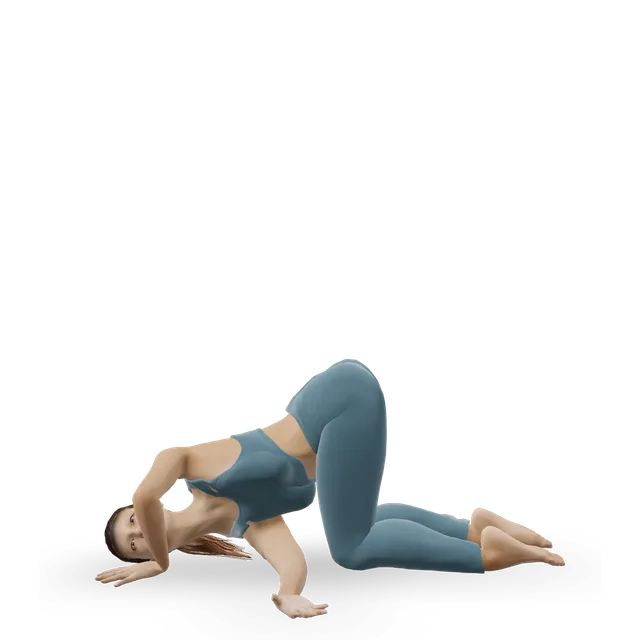
- Thread the needle (Parivrtta Balasana)30 s each sideBeginner · Back, Shoulders · 3D demoSide of your head on a folded towel; ease off with a sore shoulder or earEasier: Side-lying open bookHarder: World's greatest stretch


Shoulders (about 3 minutes)
- Prone Y-T-W raises5 of each shapeBeginner · Back, Shoulders, Neck · 3D demoForehead on a folded towel; small liftsEasier: Wall angelHarder: Bent-over reverse fly
- Wall angel8 slow slidesBeginner · Back, Shoulders · 3D demoLower back on the wallEasier: Table slide (seated forward reach)Harder: Prone Y-T-W raises


Hips out of the stance (about 5 minutes)
- Low lunge (Anjaneyasana)45 s each sideBeginner · Hip flexors, Quads, Glutes · 3D demoBack knee padded; tuck your pelvis underEasier: Half-kneeling hip flexor stretchHarder: High lunge (crescent lunge, Ashta Chandrasana)
- 90/90 switch10 slow switches, pause at the endsIntermediate · 3D demoHands behind youEasier: Reclined figure four (eye of the needle, Sucirandhrasana)Harder: 90/90 hip lift-off
- 90/90 hip lift-off3 holds of 5 s each way, each sideIntermediate · Glutes, Hip abductors, Hip flexors · 3D demoLift with your own muscles; back off for sharp groin painEasier: 90/90 switchHarder: Active pancake lift-off
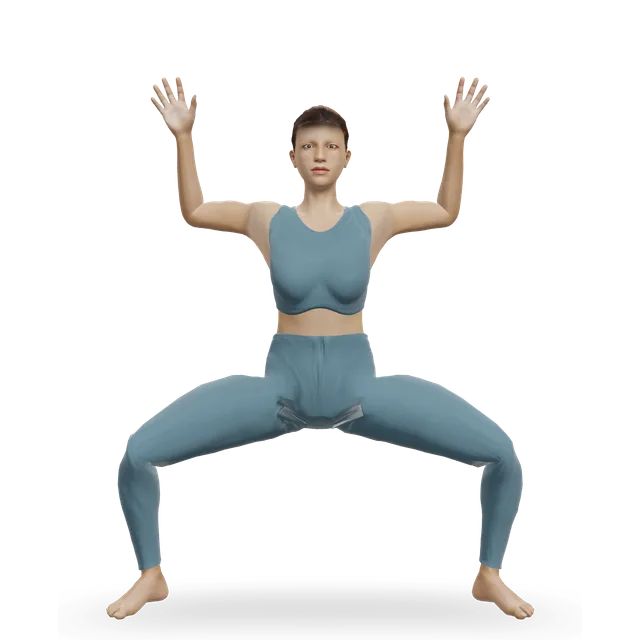
- Goddess pose (Utkata Konasana)3 holds of 3 breathsBeginner · Quads, Adductors, Glutes · 3D demoA shallow squat, knees over your middle toesHarder: Deep squat hold


Back and trunk (about 5 minutes)
- Bird dog2 sets of 6 each sideBeginner · Back, Abs, Glutes · 3D demoReach long, hips level; fists if your fingers are soreEasier: Bird dog, one limb at a timeHarder: Bear crawl
- Glute bridge2 sets of 10Beginner · Glutes, Hamstrings, Abs · 3D demoSqueeze your buttocks; don't arch your backEasier: Pelvic tilt into bridgeHarder: Single-leg glute bridge
- Side plank2 holds of 20 to 30 s each sideIntermediate · Abs, Hip abductors, Shoulders · 3D demoOn your forearm, lower knee bent to start; skip it with an unstable shoulderEasier: Knee side plankHarder: Side plank with leg lift
- Locust pose (Salabhasana)2 holds of 5 breathsBeginner · Back, Glutes, Hamstrings · 3D demoLower your chest if your low back pinchesEasier: Seated upper-back lift (sit tall, shoulders back)Harder: One-legged bow (half locust)




Wind down (about 5 minutes)
- Supine hamstring stretch with a strap45 s each sideBeginner · Hamstrings, Calves · 3D demoStop at a mild pull, about 3 out of 10Easier: Leg-up hamstring stretchHarder: Contract-relax hamstring stretch (PNF)
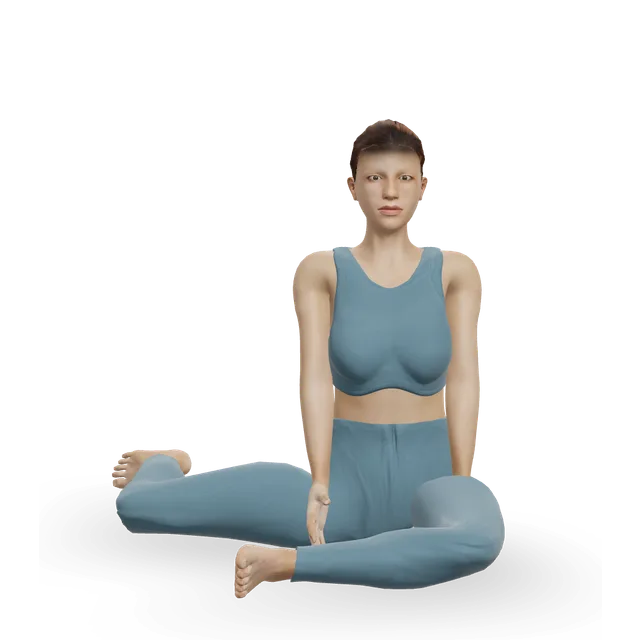
- Beginner · Glutes · 3D demoHold behind your thigh; never press on the crossed kneeHarder: Pigeon preparation (Eka Pada Rajakapotasana prep)



Tips
- After training or on a rest day, once or twice a week, in a room at normal temperature. Before training, use your wrestling warm-up.
- Shower after training first, use your own clean mat and towel, and skip the class if you have a spot, rash or sore that could be contagious: United World Wrestling calls cleansing straight after training the single most important preventive measure.
- Never use this class, a hot room or breathing exercises to make weight.
- After a stinger, a neck injury or a concussion, leave out the chin tucks, thread the needle and side plank until you're cleared, and stop for any tingling or weakness in an arm, as our rugby class says.
- With a sore or swollen ear, keep weight off it with a folded towel or skip thread the needle, and get a swollen ear seen the same day, before the blood hardens into cauliflower ear.
- With a sore knee, keep the goddess pose shallow and skip anything that twists the knee. Neck strength work belongs in the wrestling strength workout, not here.
The doses are suggested starting points, not a prescription. Choose a range you can control and stop for sharp or increasing pain, numbness or tingling. Get individual advice after an injury or surgery, or if you are pregnant or managing a health condition.
Guides that recommend it
Find more moves like these
More yoga flows


Beginner yoga flow
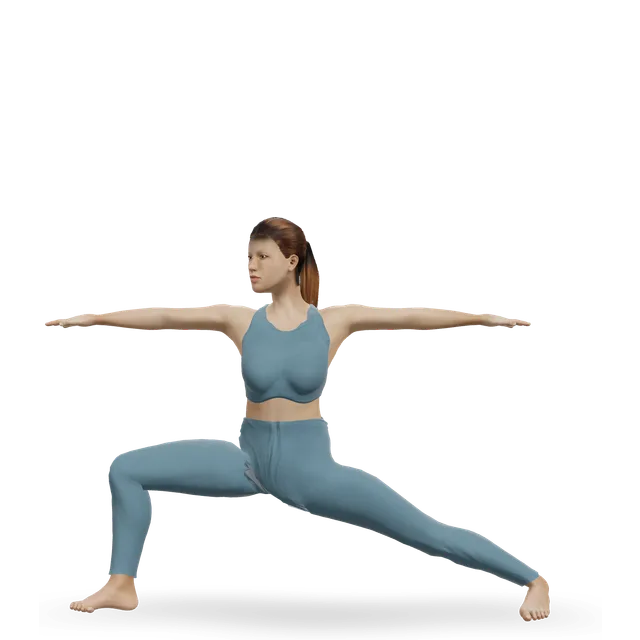
A 20-minute beginner yoga sequence: mountain, chair, warrior II, triangle, tree, down dog, cobra and child's pose.
20 minBeginner11 movesStep

Sun salutation flow
A 20-minute flow built on sun salutations A and B, with warrior poses and a short cool-down.
20 minIntermediate8 movesNo equipment
Yoga for tight hips
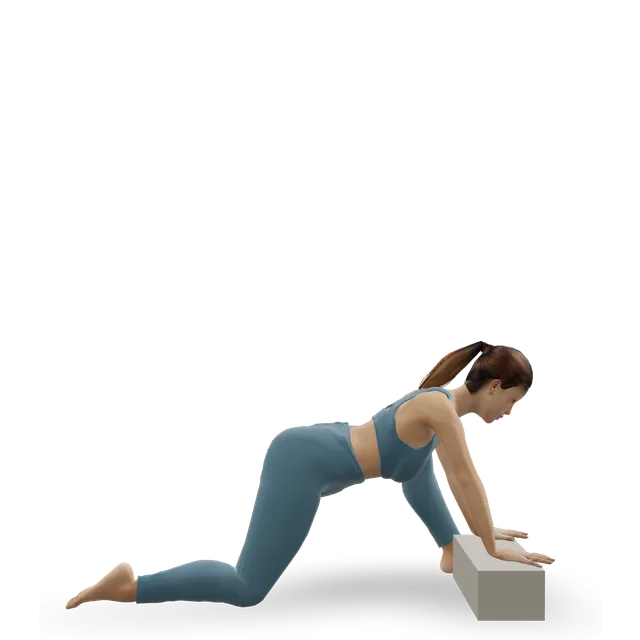
A hip-opening yoga sequence: low lunge, lizard, goddess, pigeon, bound angle and happy baby.
25 minBeginner10 movesWallQuestions people ask
How long does the yoga for wrestlers: a 25-minute room-temperature class for the upper back and shoulders, hips out of the stance, back endurance and slow breathing, with nothing on the head take?
About 25 minutes, including any warm-up and cool-down listed. Shorten it by doing fewer rounds; lengthen it by adding one.
What equipment do I need?
You need: A wall. Each move links to its guide, where you can find an alternative if you are missing something.
Is it suitable for beginners?
It is written for beginners. 14 of its 18 moves have an easier option listed beside them if you need one.
How do I make it easier or harder?
Use the easier or harder option listed under each move, change the number of rounds, or adjust the rest. Progress one change at a time.