Training guide

How to recover faster after a workout: sleep, food and fluids, easy days, massage, foam rolling, compression and cold water, and what the evidence shows for each

The things that speed recovery most are the plain ones: enough sleep, enough food with some protein and carbohydrate, fluids, and an easy day after a hard one. Massage, compression clothing, cold water and foam rolling can ease soreness a little, but in trials of competitive endurance athletes none beat simple rest for getting performance back, and stretching doesn't help.

This guide covers what recovery means and how long it takes, sleep, what to eat and drink and when, active recovery, each popular method with the size of its effect, why regular ice baths may hold back your gains, painkillers and alcohol, and the signs that tiredness or soreness is something more.

The short version

Most recovery happens on its own within 1 to 3 days

After a heavy session, muscle protein building roughly doubles at 24 hours and is close to normal by 36. Strength and power came back faster when sets stopped short of failure; taking every set to failure delayed recovery by up to 24 to 48 hours. Soreness after something new peaks at 1 to 3 days, as our muscle soreness guide explains.

Sources 1, 2

Sleep is the biggest lever

The NHS says adults need 7 to 9 hours. Sleeping 6 hours or less cut next-day performance by about 8% on average, and one night without sleep cut muscle protein building by 18%.

Sources 3, 4, 5

Eat enough, with protein through the day

About 1.6 g of protein per kg of body weight a day was the most that added muscle in trials, spread over meals. Total daily protein mattered more than timing, so there's no 30-minute window to race against.

Sources 6, 7, 8

Refuel fast only when the next session is soon

With less than about 8 hours before another hard session, start eating carbohydrate soon and keep it coming. Otherwise normal meals refill your stores. Drink to stay just ahead of thirst.

Sources 8, 9, 10

Easy days work as well as recovery gadgets

In 16 trials of competitive endurance athletes, no recovery method beat simple rest, and a sham bath did as well as the real ones. Massage, compression, cold water and rolling ease soreness a little, but massage didn't speed the return of strength or performance.

Sources 11, 12, 13

Ice baths, painkillers, stretching and alcohol

Regular ice baths after strength training reduced strength gains and may reduce muscle growth. Stretching barely changes soreness, high daily doses of ibuprofen held back muscle growth in one trial, and heavy drinking after a hard session cut muscle protein building. Tiredness that lasts for weeks despite rest needs a GP: see the warning signs.

Sources 14, 15, 16, 17, 18

What recovers, and how long it takes

Different things recover on different clocks

Heart rate and breathing settle within minutes of stopping. Muscle fuel (glycogen) refills at only about 5% an hour, so a full refill takes most of a day with enough carbohydrate (our arithmetic). Muscle building stays raised for about a day and a half, strength and power come back within about 1 to 2 days, soreness after something new can last up to a week, and the tiredness of weeks of hard training takes days to weeks.

Sources 8, 1, 2, 19, 20

What "faster" can mean

Feeling less sore, being ready for the next session sooner, or getting more out of training over months. Some methods help the first two at the cost of the third: regular cold water after strength sessions eases soreness but reduces strength gains.

Sources 14, 15

How people differ

The same session makes you much less sore the second time (the repeated bout effect, as our muscle soreness guide explains). Hard lowering work and new exercises cause the most soreness, long runs drain fuel stores, and sets to failure slow strength recovery. Sleep, life stress, eating too little, illness and age all change how fast you bounce back; our rest days guide found no good evidence that older adults need extra rest days.

Sources 2, 4, 20

What the evidence says: how fast you recover

Muscle buildingEmerging evidence

In 6 young men who trained one arm hard, muscle protein building was more than double at 24 hours and had almost returned to normal by 36 hours. It's one small study of the arm muscles, which is why our rest days guide grades it emerging too.

Source 1

Strength and powerEmerging evidence

In 10 trained men, jump height and bar speed recovered significantly faster between 24 and 48 hours when sets stopped well short of failure; taking every set to failure slowed recovery by up to 24 to 48 hours.

Source 2

No recovery method beat restEmerging evidence

In a network meta-analysis of 16 trials (273 competitive endurance athletes), no recovery method beat passive rest for soreness, a marker of muscle damage or sport performance, and a sham bath at a neutral temperature ranked at or above every active method. The certainty was very low for most comparisons; the one moderate-certainty finding was that compression clothing doesn't improve performance.

Source 11

Sleep

How much you needStrong evidence

The NHS says adults need 7 to 9 hours on average, and that everyone needs different amounts. Sleep experts advise athletes to match sleep to their own needs rather than one number.

Sources 3, 21

Sleep loss hurts performanceEmerging evidence

Across 69 studies (959 people, 89% of them men), sleeping 6 hours or less cut next-day performance by 7.6% on average, and the loss grew by about 0.4% for every extra hour awake. Afternoon and evening sessions were hit more than morning ones.

Source 4

And muscle buildingEmerging evidence

In 13 young adults, one night without sleep cut muscle protein building by 18% and raised the stress hormone cortisol by 21%.

Source 5

Sleeping moreMixed evidence

In 11 college basketball players, 5 to 7 weeks of aiming for 10 hours in bed added nearly 2 hours of sleep a night and improved sprint times and shooting. There was no comparison group.

Source 22

Poor sleep can look like overtrainingEmerging evidence

Sleep loss can upset the nervous system's balance in ways that mimic overtraining, and it impairs sport-specific performance.

Source 23

Practical points

Keep regular wake-up times, relax for an hour before bed, and keep your bedroom dark and quiet, as the NHS advises. Our rest days guide has more on sleep and training.

Source 3

Food and fluids

Protein per dayStrong evidence

Across 49 trials of 1,863 people doing resistance training, extra protein added muscle up to about 1.6 g per kg of body weight a day and no further. Sports nutrition guidance suggests 1.4 to 2.0 g per kg a day for most people who exercise, and the British Dietetic Association says a healthy, balanced diet usually covers it when you eat enough overall.

Sources 6, 24, 10

Protein through the dayStrong evidence

Guidance suggests about 0.25 to 0.3 g per kg of body weight at a time (about 15 to 25 g, or 20 to 40 g in another position stand), every 3 to 5 hours over several meals, including after key sessions.

Sources 8, 24

The "anabolic window" is wideStrong evidence

Across 20 to 23 studies, eating protein around a session made no significant difference to strength or muscle gain once total protein was accounted for. A session's effect on muscle building lasts at least 24 hours.

Sources 7, 24

Carbohydrate when the next session is soonStrong evidence

With less than 8 hours before another demanding session, about 1 to 1.2 g of carbohydrate per kg of body weight an hour for the first 4 hours refills muscle fuel fastest. Otherwise, meals and snacks spread through the day do it, and there's no need to rush.

Sources 8, 9, 25, 10

FluidsStrong evidence

The British Dietetic Association's practical advice is to drink to "just stay ahead of thirst", and the NHS says to drink extra fluids if you've been sweating from physical activity. If you need to recover fast and you weigh yourself before and after, guidance suggests about 1.25 to 1.5 litres for every kilogram lost; otherwise normal eating and drinking does it.

Sources 10, 26, 8, 25

AlcoholEmerging evidence

In 8 active men, about 12 standard drinks after a hard session cut muscle protein building by 24% when taken with protein and 37% with carbohydrate, compared with protein alone. It's one small trial of very heavy drinking, but reviews advise keeping alcohol low after exercise, especially with an injury.

Sources 18, 27, 8

SupplementsStrong evidence

The British Dietetic Association says: "A varied, well-balanced diet should provide the nutrients and energy required for sport. Supplements will not compensate for poor food choices but may be helpful in certain situations." We found no recovery supplement to recommend.

Sources 10, 8

What each method does

Active recoveryMixed evidence

Light activity eased soreness for a short time in pooled studies, and an active cool-down may settle heart rate and breathing faster, but it didn't improve next-day performance and in trials it didn't beat rest. A review of 26 studies in competitive athletes found 6 to 10 minutes of active recovery the most consistently useful for performance, though the findings varied widely.

Sources 12, 19, 28, 11

MassageEmerging evidence

Across 99 studies, massage had the largest effect on soreness and tiredness of any recovery method, and a review of 11 trials agreed it eases soreness. But across 29 studies of 1,012 people, massage didn't improve strength, jumping, sprinting or endurance afterwards, only soreness and flexibility, slightly. The trials were small and couldn't be blinded.

Sources 12, 29, 13

Foam rollingEmerging evidence

Across 21 studies, rolling after exercise reduced perceived soreness by about 6% and slightly limited the drop in sprint (3.1%) and strength (3.9%) performance. The authors called the overall effects "rather minor and partly negligible".

Source 30

Massage gunsMixed evidence

Across 12 trials, massage guns helped jump performance recover (low certainty) but didn't clearly help strength or soreness. One case report describes severe muscle breakdown (rhabdomyolysis) in a young woman after a coach used a massage gun on her tired thighs following a bike ride.

Sources 31, 32

Compression clothingEmerging evidence

After muscle-damaging exercise, compression garments moderately reduced soreness and helped strength and power recover across 12 studies, and gave small overall benefits, largest for strength, across 23. In endurance athletes the soreness benefit was very uncertain (9 studies), and compression didn't improve next-day performance.

Sources 33, 34, 35, 11

Cold water for sorenessEmerging evidence

A Cochrane review of 17 small, low-quality trials (366 people) found cold water immersion reduced soreness for up to 4 days compared with resting. After high-intensity exercise it also helped power, soreness and how recovered people felt at 24 hours, but not strength (52 studies), and it beat other recovery methods for soreness (28 studies). 10 to 15 minutes at 10 to 15°C did best across 9 trials. An umbrella review rated the certainty low to very low.

Sources 36, 37, 38, 39, 40

Regular ice baths and your gainsEmerging evidence

Used regularly after strength training, cold water reduced strength gains across 8 studies and, more slightly, across 10. For muscle growth the evidence is weaker: across 8 studies it may reduce growth, but the range of likely effects included no difference. In a 12-week trial of 21 men, strength and muscle grew more with active recovery than with cold water. It didn't affect gains from endurance training.

Sources 14, 41, 15, 42, 40

StretchingStrong evidence

Across 12 studies, stretching before or after exercise reduced soreness by about 1 point or less on a 100-point scale, and in 10 trials of 229 people, stretching after exercise didn't speed strength recovery. Stretch for flexibility if you like, not for recovery.

Sources 16, 43

PainkillersEmerging evidence

In one 8-week trial of 31 young adults (aged 18 to 35), taking 1,200 mg of ibuprofen a day, the most you can buy without a prescription, roughly halved the growth in thigh muscle from training compared with a low dose of aspirin. Occasional use is unlikely to matter, and across studies anti-inflammatory painkillers didn't improve the recovery of performance or strength after resistance exercise. The NHS advises taking the smallest dose you need for the shortest time.

If a doctor has prescribed you an anti-inflammatory, keep taking it as prescribed, and ask your doctor or pharmacist before changing it (our suggestion).

Sources 17, 44, 45, 46

How much is expectation?Emerging evidence

These trials can't be blinded, and a sham bath did as well as the real methods, so believing in a method may explain part of its effect. If something makes you feel better and fits your week, that's a fair reason to use it.

Source 11

After a hard session

Our editorial sequence, built on the cool-down guide (3 to 5 minutes), the sports nutrition position stands and the protein meta-analysis (Thomas 2016; Kerksick 2017; Morton 2018), the recovery meta-analyses (Dupuy 2018; Davis 2020; Wiewelhove 2019; Bleakley 2012; Piñero 2024) and the NHS sleep advice.

  1. Ease off for 3 to 5 minutes: walk, cycle or march, getting gradually easier until you can talk easily.
  2. Drink to thirst, and a little more after a sweaty session.
  3. Eat a normal meal with some protein within a few hours: about 0.25 to 0.3 g per kg of body weight (about 15 to 25 g) is a typical serving.
  4. Training hard again within about 8 hours? Start eating carbohydrate soon and keep it coming; otherwise, normal meals refill your stores.
  5. Sore? Massage, compression clothing, a cold bath or rolling can ease it a little. Save cold baths for when you need to perform again soon, not after every strength session.
  6. Sleep 7 to 9 hours, and make tomorrow an easy day or a rest day if you're still tired.

Loading the 3D figure…

Gets into position, then repeats the movement. Technical checks passed; qualified exercise review is pending.

The movement on the figure: Treadmill walking

Easy movement on the day after

Our muscle soreness guide's editorial starting point is 10 to 20 minutes of walking or easy cycling at a pace you can chat at, if it helps you feel better, and our rest days guide's is 20 to 40 minutes at 2 to 4 out of 10 on a rest day. It eases stiffness while you move, but it won't make soreness go any faster.

Roll what's sore, if it helps

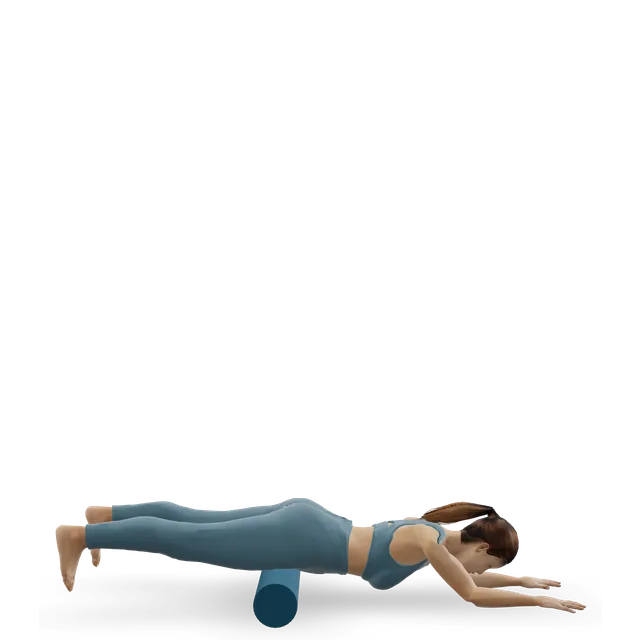
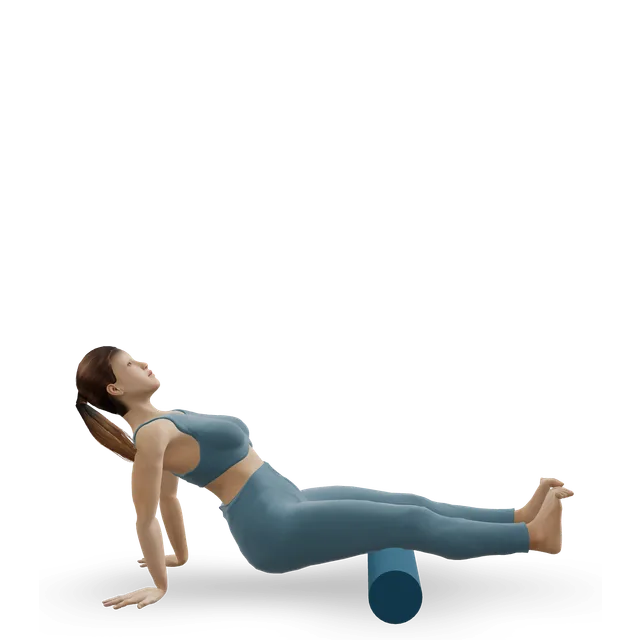
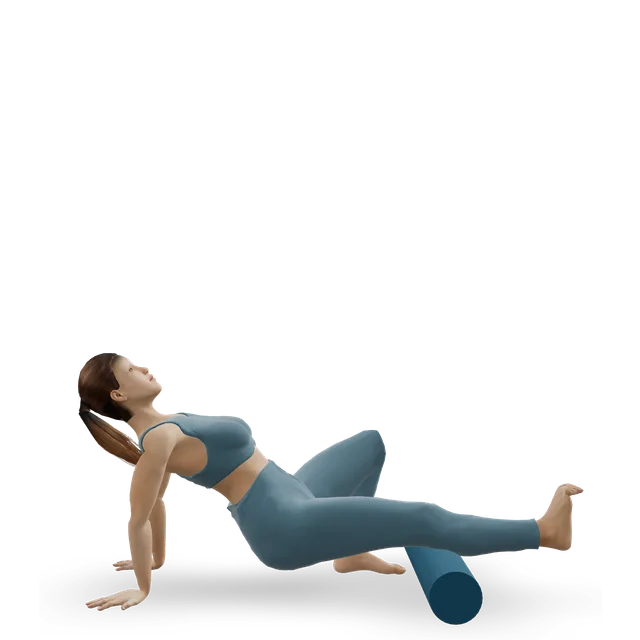
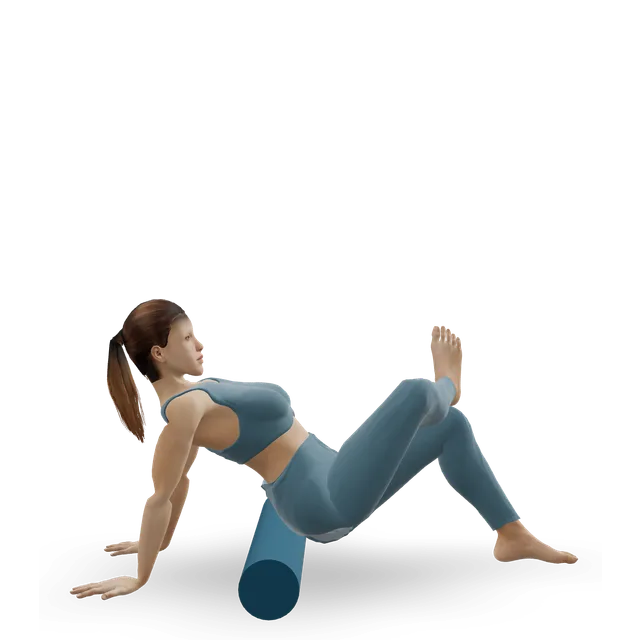
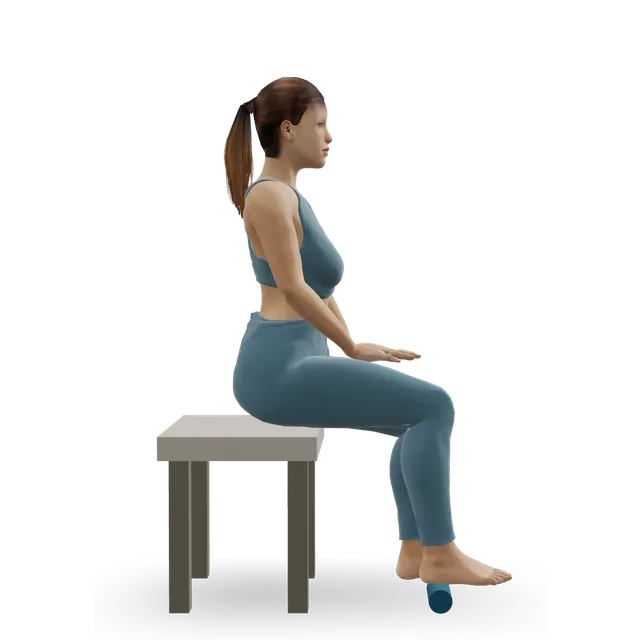
The rolling move pages' dose: "About 90 seconds for each muscle you roll, for example 2 or 3 slow rounds of 30 to 45 seconds." For the foot, 1 to 2 minutes per foot. Keep the pressure to one you can breathe through, and see the warning signs for what not to roll.

Wind down for sleep

As in our rest days guide: a few minutes before bed of slow breathing with no holds, 4 rounds of 4-7-8 breathing if holds feel fine, and 2 minutes with your legs up the wall. Leave out the holds with heart disease, uncontrolled high blood pressure, glaucoma or diabetic eye disease, as our breathing workout says.

Workouts to follow

On the day after a hard session, our 25-minute active recovery workout is easy cardio, a mobility flow and optional rolling for sore spots. It won't make you recover faster than resting, but it eases stiffness and counts towards your week.

Active recovery workout

A 25-minute easy session for rest days and sore muscles: easy cardio, a gentle mobility flow, optional rolling for sore spots, and slow breathing to finish.

25 minBeginner11 movesCardio machine, A wall

Cool-down routine: 10 minutes after any workout

A 10-minute cool-down for after a run, a class or a gym session: a few minutes of easy movement, stretches for the muscles you used, then slow breathing.

10 minBeginner9 movesCardio machine, A wall

Post-run stretches

Seven stretches for after a run: calves, soleus, quads, hip flexors, hamstrings and glutes.

10 minBeginner7 movesA wall

Full-body foam roller routine

A 10-minute foam roller routine for calves, thighs, glutes and upper back: about a minute per area, moderate pressure, slow rolls.

10 minBeginner6 movesA foam roller

Fascia release for legs

Roll then stretch each part of the leg, feet to hips, and finish with springy calf bounces. About 20 minutes.

20 minBeginner14 movesA massage ball, A foam roller

Easy cardio workout

A steady 30 to 45 minute cardio session at talk-but-not-sing pace: walk, cycle, row or cross-train, counting toward weekly activity guidelines.

40 minBeginner3 movesCardio machine, A wall

Yoga for runners: 20 minutes after a run or on a rest day

A 20-minute yoga cool-down for runners: calves, hip flexors, hamstrings and glutes, one balance pose and a rest, after an easy run or on a rest day.

20 minBeginner11 movesA wall

Bedtime stretch routine

A slow, 10-minute floor routine to unwind before sleep: child's pose, twists, happy baby and slow breathing.

10 minBeginner7 movesFirm cushion, A wall

Breathing exercises to relax

A 6-minute breathing routine: slow breathing, crocodile breathing, alternate nostril breathing, box breathing and 4-7-8 breathing.

6 minBeginner5 movesNo equipment

Plans

Plans with easy days and lighter weeks built in do much of the recovery work for you.

When you're not recovering

Normal tiredness, and when it isn'tStrong evidence

Short dips in performance that recover after a few days of easier training are a normal part of getting fitter. When performance stays down for weeks despite rest, with fatigue, poor sleep or low mood, the answer is rest and a check for other causes, as our rest days guide explains.

Source 20

Signs to watchEmerging evidence

Across 12 studies of trained endurance athletes, short-term overreaching showed up as lower power output, lower heart rates during hard efforts, sessions that felt harder and changes on mood questionnaires.

Source 47

True overtraining is rare and hard to proveEmerging evidence

A systematic review found no study that had tracked athletes' performance and mood from healthy to overtrained with objective measures. Before assuming overtraining, check the basics on this page (sleep, food and how fast your training went up), and see a GP if tiredness lasts (our suggestion).

Source 48

Warning signs: when to get help

Stop and get medical help

If you get chest pain or pressure, feel faint or dizzy, are unusually breathless, or your heart races or beats irregularly during exercise, as our plans advise.

Call 999 (911 in the US)

For chest pain that comes on suddenly and doesn't go away, feels tight or like squeezing, spreads to your arms, neck, jaw, stomach or back, or comes with sweating, feeling sick, light-headedness or breathlessness; severe difficulty breathing; someone who faints while exercising; palpitations that don't go away, or come with chest pain, shortness of breath or feeling faint; or a headache that starts suddenly and is extremely painful, especially while lifting or straining, or comes with numbness or weakness, difficulty speaking or loss of vision. The NHS says a bleed on the brain may be more likely when lifting something heavy. Don't drive yourself to A&E.

Sources 49, 50

When it isn't ordinary soreness

After hard or unfamiliar exercise, these are not ordinary soreness. They can be signs of rhabdomyolysis, a breakdown of muscle that NHS clinical guidance describes as potentially life-threatening; its main danger is damage to the kidneys. Get urgent medical help if you have:

  • Muscle cramps, severe pain or weakness, worse than you'd expect from the workout.
  • Feeling so weak or tired that you can't finish a workout or everyday tasks you could do before.
  • Red or brown pee, or dark pee that looks like tea or cola.
  • A high temperature as well as the muscle pain.
  • Peeing a lot less than usual, feeling very thirsty, being sick, or feeling confused or sleepy.

Why it happens

NHS clinical guidance links it to exercise that is unaccustomed (too much, too fast, too hard or too soon) or done when fasting, dehydrated or ill. Symptoms may not start until hours or days after the exercise, so don't ignore them. If you take a statin such as atorvastatin, the NHS says to call 111 if you think you might be having serious side effects, which include muscle cramps, severe pain and weakness.

Call 999 or go to A&E

  • Sudden, severe pain in any part of your body.
  • Pain and swelling in one leg (a possible blood clot) with shortness of breath or chest pain.

A possible clot, and rolling

Throbbing pain in one calf or thigh, with swelling and red, blue or darkened skin around it (a possible blood clot): the NHS says to ask for an urgent GP appointment or contact NHS 111. Don't roll it.

Never roll a calf that is swollen, red or darkened, or throbbing.

Don't roll over bruises, varicose veins, open wounds, recent surgery or a bone injury, and keep the pressure light if you bruise easily or take blood thinners.

A sudden pop during a lift is an injury, not slow recovery

A pop or tearing at the front of the armpit or chest during a lift, followed by bruising into the chest or upper arm, a change in the shape of the chest or armpit, or weakness pushing, can be a torn chest tendon. Don't wait for it to settle: get help the same day from NHS 111 or an urgent treatment centre, as our pec strain guide explains.

A sudden pop at the front of the elbow during a heavy pull, with bruising, a gap at the front of the elbow or a bulge in the upper arm, can be a torn biceps tendon. Go to an urgent treatment centre or A&E (in the US, urgent care or the emergency department), and don't wait for it to settle: repair is best done within the first 2 to 3 weeks.

Soreness that lasts

Soreness that isn't better after a week, keeps coming back after normal sessions, or is in one spot (our suggestion).

Tiredness that rest doesn't fix

  • Tiredness or falling performance that lasts for weeks despite rest, especially with low mood or poor sleep: other causes, such as anaemia, a thyroid problem or an infection, need ruling out.
  • Sleep problems that have lasted months, or that changing your sleep habits hasn't helped.

Source 3

Eating too little

Training hard on too little food harms health and performance in women and men; experts call this relative energy deficiency in sport (REDs). If you're worried about your energy, your periods or repeated injuries, see a doctor.

When you're ill

Reduce or stop training when you have an infection, and allow time to recover. Avoid hard exercise if you have vomiting or diarrhoea, then ease back in with lighter sessions.

Cold water

Get into cold water slowly, never alone in open water, and leave cold baths out if you have a heart condition or high blood pressure unless your doctor agrees: sudden cold water makes you gasp and breathe fast, and cold water immersion has been linked with cardiac arrest and drowning (our suggestion).

Source 51

Painkillers

If a doctor has prescribed you an anti-inflammatory, keep taking it as prescribed, and ask your doctor or pharmacist before changing it (our suggestion).

If you feel faint after a hard effort

Lie down with your legs raised, or sit with your head lowered between your knees, and drink some water. Crossing your legs while standing, rocking up and down on your toes or clenching your fists can help. Call 999 if someone faints while exercising.

During any session

Stop straight away if you feel any pain or become unwell, the NHS says, and contact 111 if your symptoms worry you or don't go away.

A dull ache in your muscles for a day or two after something new is normal. Joint pain that's sharp, gets worse during a set or lingers into the next day means switching to the easier option, and seeing a GP or physiotherapist if it carries on (our plans' rule). Our muscle soreness guide has more.

Check first

Speak to a GP first if you haven't exercised for some time, or if you have a medical condition or concerns. Get advice first, too, if you have a health problem, an injury or symptoms, have recently had a heart attack or an operation, or are pregnant or have recently given birth.

Source 52

A heart condition

If you have a heart condition, follow your cardiac team's advice on how hard to work, and stop for the warning signs above. People with long-term conditions may wish to ask their specialist before starting. With uncontrolled high blood pressure, avoid straining against a held breath; the high blood pressure guide has more.


Myths

"Ice baths help you build muscle"Emerging evidence

They ease soreness, but used regularly after strength sessions they reduced strength gains and may reduce muscle growth.

Sources 14, 41, 15, 42

"Stretching speeds up recovery"Strong evidence

It changed soreness by about 1 point on a 100-point scale and didn't speed strength recovery.

Sources 16, 43

"You must have protein within 30 minutes"Strong evidence

Total daily protein mattered; timing didn't once that was accounted for, and a session's effect lasts at least 24 hours.

Sources 7, 24

"A cool-down flushes out lactic acid and stops soreness"Emerging evidence

Blood lactate returns to normal on its own, lactate isn't what causes next-day soreness, and active cool-downs made little difference to soreness, as our cool-down guide explains.

Source 19

"Recovery gadgets speed recovery"Emerging evidence

In competitive endurance athletes, no method beat passive rest, and a sham bath did as well.

Source 11

"Painkillers help you recover"Emerging evidence

Anti-inflammatory painkillers didn't speed the recovery of performance or strength, and high daily doses held back muscle growth in one trial.

Sources 45, 17

"A few drinks after training won't matter"Emerging evidence

Heavy drinking after a hard session cut muscle protein building by 24 to 37% in a small trial.

Source 18

"You need recovery supplements"Strong evidence

The British Dietetic Association says a varied, well-balanced diet should provide what you need for sport and that supplements "will not compensate for poor food choices".

Sources 10, 8

"Foam rolling prevents injuries and breaks up fascia"Emerging evidence

Rolling eases soreness a little, by about 6%. We found no evidence here that it prevents injury; our fascia guides cover what rolling does to tissue.

Source 30

Questions people ask

How can I recover faster after a workout?

Sleep 7 to 9 hours, eat enough with protein at each meal, drink to thirst, and take an easy day or a rest day after a hard session. Massage, compression or a cold bath can ease soreness a little, but none beat simple rest for getting performance back in trials.

How long does it take to recover from a workout?

Usually 1 to 3 days. Muscle building stays raised for about a day and a half, strength comes back within about 1 to 2 days (longer if you trained to failure), and soreness after something new can last up to a week.

What should I eat after a workout to recover?

A normal meal with some protein (about 0.25 to 0.3 g per kg of body weight, around 15 to 25 g) and carbohydrate within a few hours. You only need to rush carbohydrate if you'll train hard again within about 8 hours.

Do I need protein straight after a workout?

No rush: total protein over the day mattered more than timing in pooled trials, and a session's effect on muscle lasts at least 24 hours. Aim for about 1.6 g per kg a day if you're building muscle.

Are ice baths good after a workout?

They ease soreness for up to about 4 days and helped power the next day after hard sessions, but used regularly after strength training they reduced strength gains and may reduce muscle growth. Save them for when you need to perform again soon; 10 to 15 minutes at 10 to 15°C did best in studies. Get in slowly, never swim alone in open water, and ask your doctor first if you have a heart condition or high blood pressure.

Does foam rolling help recovery?

A little: rolling after exercise eased soreness by about 6% and slightly limited the drop in sprint and strength performance. About 90 seconds per muscle, at a pressure you can breathe through, is enough.

Does massage help muscle recovery?

It eased soreness more than any other method in pooled studies, but it didn't speed the return of strength, sprint or endurance performance. Enjoy it if it helps you feel better.

Do compression socks or leggings help recovery?

They modestly reduced soreness and helped strength recover after muscle-damaging exercise, mainly after strength sessions. In endurance athletes the evidence is very uncertain, and they didn't improve next-day performance.

Does stretching help recovery?

Not much: stretching changed soreness by about 1 point on a 100-point scale and didn't speed strength recovery. Stretch for flexibility, not recovery.

Is active recovery better than resting?

Not for recovery itself: light activity eases soreness while you move, but in trials it didn't beat rest for performance. Choose whichever you enjoy; our active recovery workout takes 25 minutes.

Does sleep help muscle recovery?

Yes. Sleeping 6 hours or less cut next-day performance by about 8% on average, and one night without sleep cut muscle protein building by 18%. The NHS says adults need 7 to 9 hours.

Should I take ibuprofen after a workout?

Ordinary soreness doesn't need it, and in one 8-week trial of young adults, taking 1,200 mg a day held back muscle growth from training. Avoid it before or during long races because of the risk to the kidneys. If a doctor has prescribed you an anti-inflammatory, keep taking it as prescribed and ask your doctor or pharmacist before changing it.

Sources

  1. MacDougall 1995 · How long muscle protein building stays raised after heavy training in 6 men (study, Can J Appl Physiol)
  2. Morán-Navarro 2017 · Recovery after sets taken to failure or stopped short in 10 trained men (study, Eur J Appl Physiol)
  3. NHS · Insomnia
  4. Craven 2022 · Sleep loss and physical performance: 69 studies (systematic review and meta-analysis, Sports Med)
  5. Lamon 2021 · One night without sleep and muscle protein building in 13 young adults (randomised crossover study, Physiol Rep)
  6. Morton 2018 · Protein supplementation and resistance training gains: 49 trials, 1,863 people (meta-regression, Br J Sports Med)
  7. Schoenfeld 2013 · Protein timing and gains in strength and muscle (meta-analysis, J Int Soc Sports Nutr)
  8. Thomas 2016 · Nutrition and athletic performance (Academy of Nutrition and Dietetics, Dietitians of Canada and ACSM position stand, MSSE)
  9. Kerksick 2017 · Nutrient timing (International Society of Sports Nutrition position stand, J Int Soc Sports Nutr)
  10. British Dietetic Association · Sport and exercise nutrition (food fact sheet, May 2026)
  11. Jin 2026 · Recovery methods against passive rest in competitive endurance athletes: 16 trials (network meta-analysis, Front Sports Act Living)
  12. Dupuy 2018 · Recovery techniques and soreness, fatigue and muscle damage: 99 studies (meta-analysis, Front Physiol)
  13. Davis 2020 · Sports massage and performance and recovery: 29 studies, 1,012 people (meta-analysis, BMJ Open Sport Exerc Med)
  14. Malta 2021 · Regular cold-water immersion and strength and endurance training gains: 8 studies (meta-analysis, Sports Med)
  15. Piñero 2024 · Cold-water immersion and muscle growth from resistance training: 8 studies (Bayesian meta-analysis, Eur J Sport Sci)
  16. Herbert 2011 · Stretching to prevent or reduce muscle soreness after exercise: 12 studies (Cochrane review)
  17. Lilja 2018 · High-dose ibuprofen and gains from 8 weeks of resistance training in 31 young adults (RCT, Acta Physiol)
  18. Parr 2014 · Alcohol after a hard training session and muscle protein building in 8 men (randomised crossover study, PLoS One)
  19. Van Hooren 2018 · Do we need a cool-down after exercise? (narrative review, Sports Med)
  20. Meeusen 2013 · Prevention, diagnosis and treatment of the overtraining syndrome (ECSS and ACSM consensus statement, MSSE)
  21. Walsh 2021 · Sleep and the athlete (narrative review and expert consensus, Br J Sports Med)
  22. Mah 2011 · Sleep extension in 11 college basketball players (study, Sleep)
  23. Fullagar 2015 · Sleep loss and exercise performance (review, Sports Med)
  24. Jäger 2017 · Protein and exercise (International Society of Sports Nutrition position stand, J Int Soc Sports Nutr)
  25. Shirreffs 2011 · Fluid and electrolyte needs for training, competition and recovery (review, J Sports Sci)
  26. NHS · Water, drinks and your health (past its review date: reviewed May 2023, review due May 2026)
  27. Barnes 2014 · Alcohol, sports performance and recovery in male athletes (review, Sports Med)
  28. Ortiz 2019 · Active recovery and athletic performance: 26 studies (systematic review, J Strength Cond Res)
  29. Guo 2017 · Massage and delayed onset muscle soreness: 11 trials (meta-analysis, Front Physiol)
  30. Wiewelhove 2019 · Foam rolling, performance and recovery: 21 studies (meta-analysis, Front Physiol)
  31. Zhu 2026 · Massage guns and recovery after muscle-damaging exercise: 12 trials (meta-analysis, Chiropr Man Therap)
  32. Chen 2021 · Rhabdomyolysis after the use of a massage gun (case report, Phys Ther)
  33. Hill 2014 · Compression garments and recovery from muscle damage: 12 studies (meta-analysis, Br J Sports Med)
  34. Brown 2017 · Compression garments and recovery from exercise: 23 studies (meta-analysis, Sports Med)
  35. Hagner-Derengowska 2026 · Compression garments after exercise in endurance athletes: 9 studies (meta-analysis, Front Physiol)
  36. Bleakley 2012 · Cold-water immersion for muscle soreness after exercise: 17 trials, 366 people (Cochrane review)
  37. Machado 2016 · Water temperature and immersion time for muscle soreness: 9 trials (meta-analysis, Sports Med)
  38. Moore 2022 · Cold-water immersion against passive recovery after hard exercise: 52 studies (meta-analysis, Sports Med)
  39. Moore 2023 · Cold-water immersion against other recovery methods: 28 studies (meta-analysis, Sports Med)
  40. Berjisian 2026 · Cold-water immersion after exercise: 15 meta-analyses (umbrella review, Sports Med Open)
  41. Grgic 2023 · Cold-water immersion and strength gains from resistance training: 10 studies (meta-analysis, Eur J Sport Sci)
  42. Roberts 2015 · Cold-water immersion after strength training for 12 weeks in 21 men (trial, J Physiol)
  43. Afonso 2021 · Stretching after exercise and recovery: 10 trials, 229 people (meta-analysis, Front Physiol)
  44. Schoenfeld 2012 · Anti-inflammatory painkillers, muscle damage and muscle growth (review, Sports Med)
  45. de Oliveira 2024 · Anti-inflammatory painkillers and physical performance (systematic review and meta-analysis, Phys Sportsmed)
  46. NHS · Ibuprofen for adults
  47. Roete 2021 · Markers of functional overreaching in endurance athletes: 12 studies (systematic review, Int J Sports Physiol Perform)
  48. Weakley 2022 · Overtraining syndrome symptoms and diagnosis in athletes (systematic review, Int J Sports Physiol Perform)
  49. NHS · Chest pain (past its review date: reviewed August 2023, review due August 2026)
  50. NHS · Heart attack: symptoms
  51. Tipton 2017 · Cold water immersion: kill or cure? (review, Exp Physiol)
  52. NHS · Physical activity guidelines for adults aged 19 to 64

Exercise education, not a personal prescription, and clinical review of these guides is pending. Check with a GP before starting hard training if you have a heart condition, chest pain, dizziness or breathlessness when active, and stop for sharp or increasing pain. Health disclaimer.