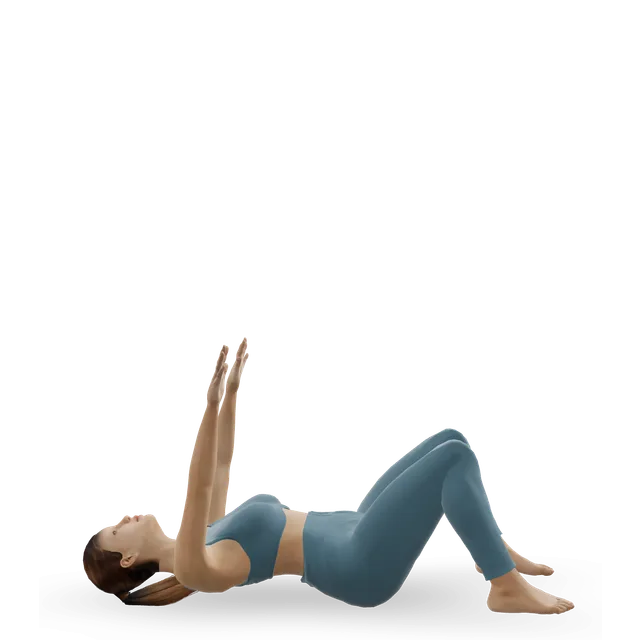
A few minutes of easier movement
Rolling gives a short-lived gain in range, about the same as stretching, mostly through the nervous system. It doesn't release, lengthen or break up fascia.
Fascia guide
Runners roll their calves, shins, quads, glutes, IT bands and feet to loosen up before a run or ease soreness after. Rolling gives a few minutes of easier movement and eases soreness a little, mostly through the nervous system. It doesn't release fascia or lengthen the IT band, and no trial has shown that it prevents injuries.
The honest headline: roll if you like it, briefly before a run and more usefully after. Massage helps soreness but doesn't make you faster.
This guide covers what the trials found, a post-run roll, what to do before a run, and the leg symptoms that need checking first.
Rolling gives a short-lived gain in range, about the same as stretching, mostly through the nervous system. It doesn't release, lengthen or break up fascia.
In a warm-up, rolling gave no more range than any other warm-up activity, and before exercise it improved sprinting by under 1%. In runners it didn't change heart rate or effort, and running efficiency trended slightly worse straight afterwards.
Pooled trials found about 6% less muscle pain when people rolled after exercise, though in 11 runners rolling did no better than stretching.
Massage eased soreness and improved flexibility across 29 studies, with no effect on strength, sprinting or endurance. After a 161 km race it helped only straight away.
Across 12 trials, percussion didn't clearly ease soreness, on very low certainty evidence, and 5 minutes on a calf straight after hard exercise slightly increased soreness for up to 4 hours.
We found no trial of rolling to prevent running injuries. The one direct study, of 433 recreational runners, was observational, not a trial, and strength work plus rolling twice a week didn't reduce injuries overall. Exercise programmes in general didn't reduce running injuries across 9 trials.
Usually the calves, the front and outer shins, the quads, hamstrings and glutes, the outer thigh (IT band, short for iliotibial band) and the soles, to loosen up before a run or ease soreness after. Across 26 trials, rolling gave a short-lived gain in range against no exercise, about the same as stretching, through the nervous system rather than any change in fascia.
Delayed-onset muscle soreness peaks a day or two after new, longer, hillier or faster running and fades within about a week; our muscle soreness guide explains it. After a half marathon, scans showed swelling in the hamstrings, and rolling eased it for only 30 to 60 minutes.
Source 17
Rolling and massage don't flush it out: in 12 people, massage slowed the removal of lactate after exercise compared with rest. And next-day soreness isn't lactic acid.
Source 18
About 90 seconds per muscle is the least rolling that eased soreness across 22 studies, and harder rolling added nothing in a thigh trial. On the calf, 90 seconds raised ankle range for under 30 minutes, while 30 seconds did nothing.
Across 21 studies, rolling before exercise improved sprinting by 0.7% and flexibility by 4%, with negligible effects on jumping and strength. Rolling and stretching gave no more range or loosening than other warm-up activities across 38 studies (1,134 people), a bout of rolling did no better than stretching for performance, and rolling programmes over weeks didn't change performance.
Rolling before a 40-minute run didn't change heart rate, lactate or effort in 16 men, and 12.5 minutes of rolling didn't change running mechanics in 14 athletes. In another study, the energy cost of running trended 6.2% higher straight after rolling, a result that just missed statistical significance, and was back to normal by 3 hours.
Adding a foam roller or a massage gun to a dynamic warm-up slightly lowered jump height in 16 athletes, and the gun slowed a 20 m sprint. A review advises against guns before strength, agility and explosive work.
If you like to roll, keep it to a minute or two on what feels tight (our editorial starting point), then warm up: the NHS suggests 5 to 10 minutes of brisk walking or gentle jogging.
Then a few dynamic moves: ankle circles, 5 slow circles each way; knee-to-wall rocks, 10 a side; leg swings forwards and sideways, 2 to 3 sets of 10 to 15 each leg; and the world's greatest stretch, 4 slow reps each side. These are their move pages' doses. Walking lunges, 2 sets of 6 to 8 a leg, and skipping, 2 or 3 lengths of 20 metres, are our editorial starting points. Leave a massage gun out of the last few minutes before fast running or racing.
Rolling after exercise reduced muscle pain by about 6%, and across 16 trials (515 people) soreness fell slightly straight away and more at 24 to 72 hours. In runners, 8 trained runners had less soreness 2 days after downhill running with rolling than with fake compression tights; in 11 runners, vibrating rollers, plain rollers and stretching did about the same; and after a half marathon the effect lasted 30 to 60 minutes. The roller's texture didn't matter in 60 men.
Across 99 studies, massage had the largest effect on soreness of the recovery methods. Across 29 studies (1,012 people), it improved soreness and flexibility, but not strength, jumping, sprinting or endurance, and soreness eased most at 48 hours. Its effect on how quickly performance recovered was small, and smallest after endurance exercise.
After a 161 km race, a 20-minute massage eased pain and soreness straight away but not over the next 7 days, in 72 finishers. After a half marathon, massage made no difference to strength, swelling or soreness in 12 runners, though 7 of the 12 felt the massaged leg was better.
Across 12 trials, percussion didn't clearly ease soreness, on very low certainty evidence. Five minutes on one calf straight after hard exercise slightly raised soreness for up to 4 hours in 65 people. After a road race, 10 minutes on the front of the thigh eased pain more than a fake treatment straight away in 84 runners, though the trial reports its numbers inconsistently.
The cool-down is the NHS's. The rolling doses are the move pages', from a review of rolling studies (Hughes & Ramer 2019), and harder rolling added nothing in a trial; the foot roll is its move page's editorial starting point, and the stretch holds are ours. Rolling after a run eases soreness a little; it doesn't prevent injuries. No trial has tested this sequence.
Loading the 3D figure…
The movement on the figure: Calf foam rolling
Ninety seconds of rolling raised ankle range for under 30 minutes, and 30 seconds did nothing. A roller stick, 3 rounds of 30 seconds, raised range by about 4% without weakening the calf. Our calves guide covers rolling and the warning signs.
No treatment for shin splints has been proven. Training that improves balance and control (neuromuscular training) prevents them on high certainty evidence, while static stretching doesn't. Shin splints look more like overloaded bone than fascia pulling on it, and one spot of bone pain can be a stress fracture, so keep the roller off the bare shin bone. Our shins guide explains.
The IT band is a thickening of the thigh's outer fascia, anchored to the thigh bone along its length, so it doesn't roll over the knee bone, and outer knee pain in runners may come from squeezed fat beneath it rather than friction. In cadaver stretches it lengthened by under 0.5%, and one session of rolling or stretching didn't change its stiffness in 30 people. Hip strengthening is the common thread in treatment studies of outer knee pain in runners. Our IT band guide covers it.
Plantar fascia and calf stretching have the top grade for heel pain in the physiotherapy guideline, and a therapist's myofascial release beat fake ultrasound in 66 people with heel pain. A 10 km run lowered plantar fascia stiffness for a while, by 4% in runners and 22% in untrained men. Rolling the sole yourself is for comfort; our plantar fascia guide explains.
We found no trial of rolling to prevent running injuries, so this is a lack of evidence, not proof that rolling can't help. The one direct study was observational, not a trial: in 433 recreational runners, 18 weeks of strength work plus rolling twice a week didn't reduce injuries overall (23.0% against 27.1%). The runners who stuck to it most (65 of 228) did better, a comparison prone to bias. A 2026 evidence synthesis rates the evidence for preventing injuries and releasing "fascial adhesions" as limited or inconclusive.
Across 9 trials (1,904 runners), exercise-based programmes didn't reduce running injuries, with 7 of the 9 at high risk of bias. Stretching didn't prevent leg injuries in runners (6 trials, 5,130 people) or sports injuries in general. For knees, only running technique retraining helped, on low-certainty evidence.
Nothing has been shown to prevent running injuries in general. The NHS advises warming up and building up slowly: do a similar run at least 3 or 4 times before you increase your pace or distance, and don't run if you're in pain. Neuromuscular training prevents shin splints. Our running guide and the injury prevention workout cover strength work for runners.
Each dose names its source or is our editorial starting point. Doses are starting points, not prescriptions.
About 90 seconds per muscle, for example 2 or 3 slow rounds of 30 to 45 seconds: the rolling move pages' dose, from a review of rolling studies. Use a pressure you can breathe through; harder rolling added nothing in a trial. The foot roll, 1 to 2 minutes a foot, is its move page's editorial starting point.
A minute or two on what feels tight is our editorial starting point. A review of rolling prescriptions suggests 1 to 3 rounds of 30 to 120 seconds when you roll for range.
Source 49
Calf stretches, straight knee then bent knee, 2 holds of 30 seconds each, are our editorial starting point. The standing quad stretch, 20 to 30 seconds, 2 to 4 times each side, is its move page's editorial dose. For heel pain, the plantar fascia stretch, 3 to 5 holds of 10 to 30 seconds, 2 to 3 times a day, is its move page's dose.
If you book a sports massage, keep anything on race day short and light, and book deeper work a couple of days before or in the day or two after: our sports massage guide's suggestion. Massage eases soreness; it doesn't make you faster.
Source 11
Calf raises, tibialis raises and glute bridges are in the runners' strength workouts: follow a workout for the sets and reps. Strength builds the legs that running loads, though exercise programmes haven't been shown to cut running injuries overall.
Source 16
About 90 seconds for each muscle you roll and 1 to 2 minutes for each foot; keep off the bare shin bone, the back of the knee and the Achilles tendon.
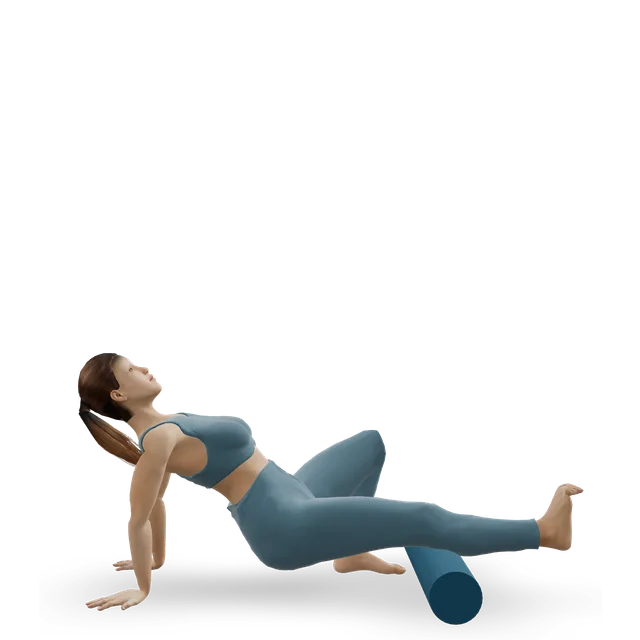 3D demoCalf foam rollingIntermediate · A foam roller
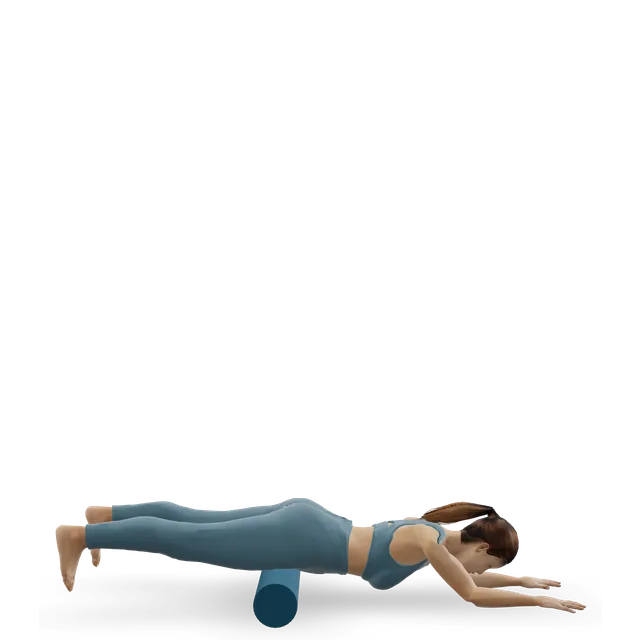 3D demoQuad foam rollingIntermediate · A foam roller
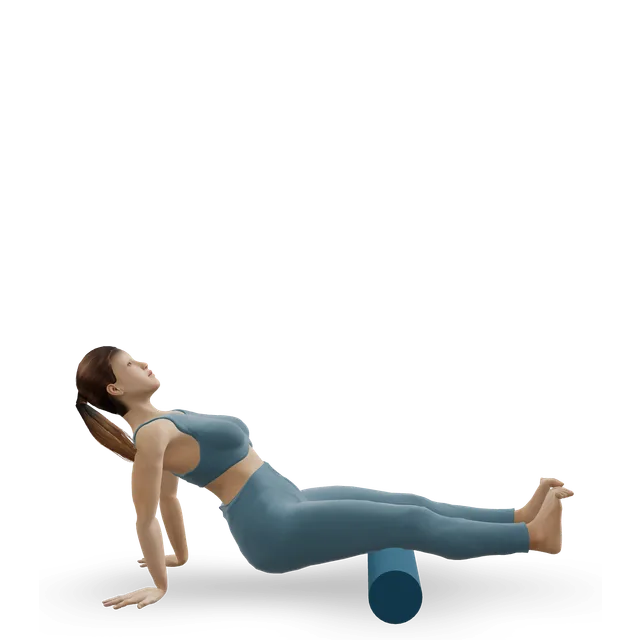 3D demoHamstring foam rollingBeginner · A foam roller
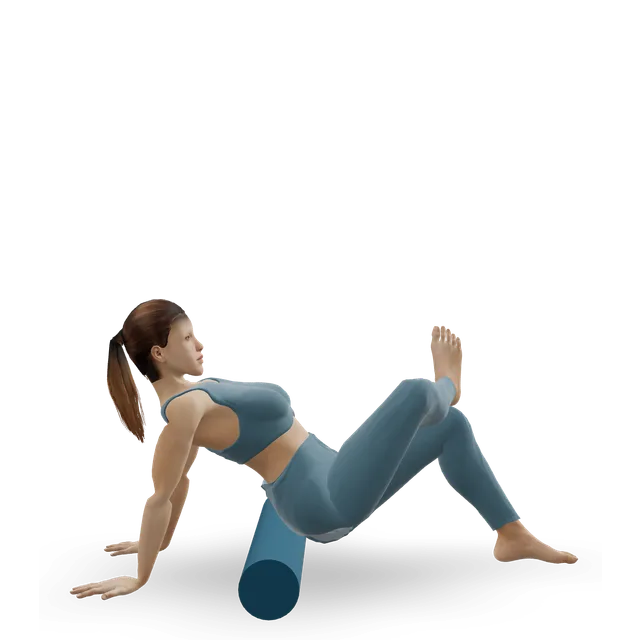 3D demoGlute and piriformis foam rollingIntermediate · A foam roller
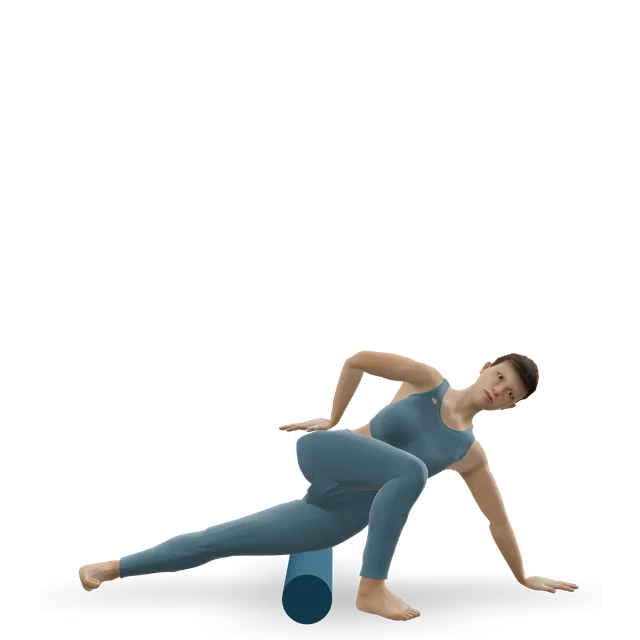 3D demoIT band foam rolling (outer thigh)Intermediate · A foam roller
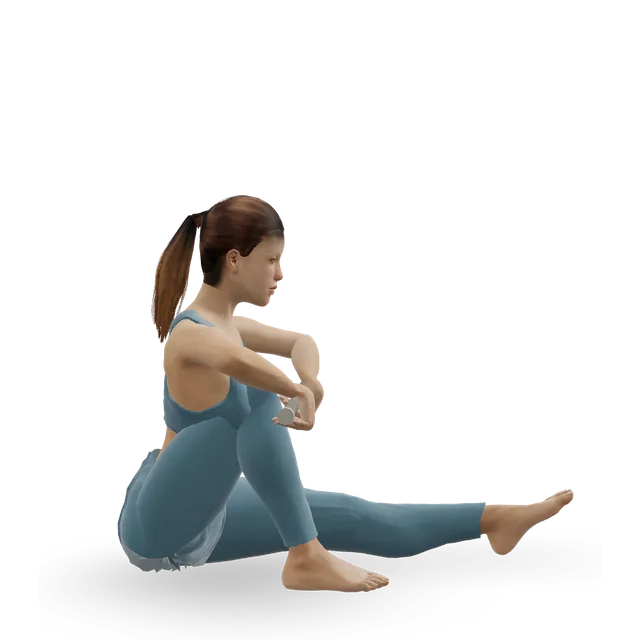 3D demoShin rolling with a massage stickBeginner · Other / check instructions
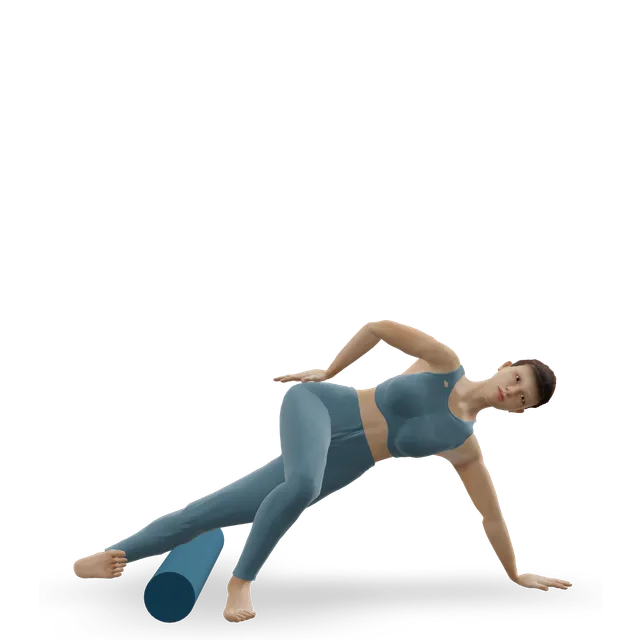 3D demoOuter shin foam rolling (peroneals)Intermediate · A foam roller
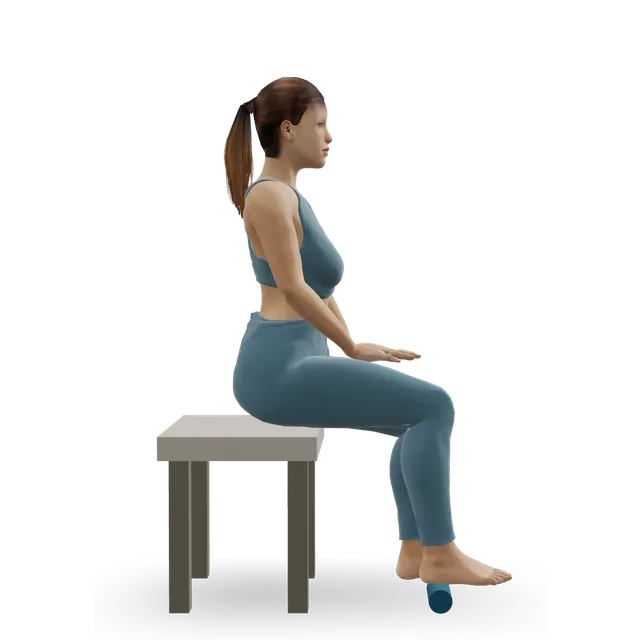 3D demoFoot roll (ball or roller)Beginner · A massage ball
After 5 to 10 minutes of brisk walking or easy jogging, a few of these get you ready to run; rolling is optional.
 3D demoAnkle CARs (controlled articular rotations)Beginner · No equipment
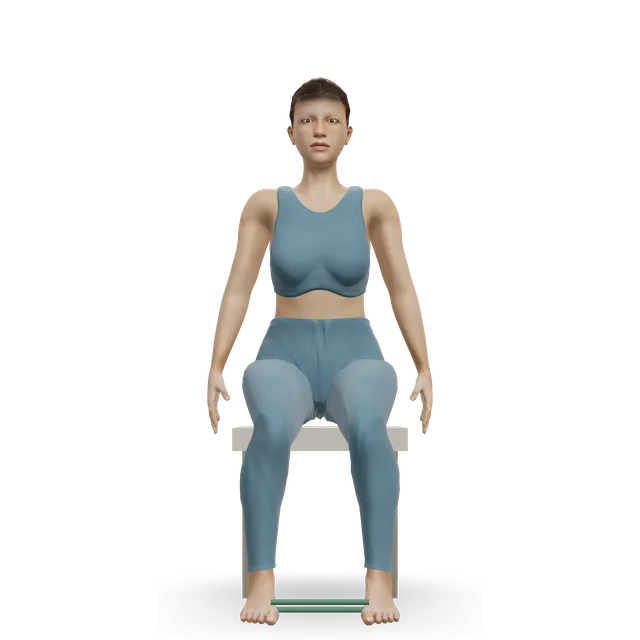
 3D demoKnee-to-wall ankle rockBeginner · A wall
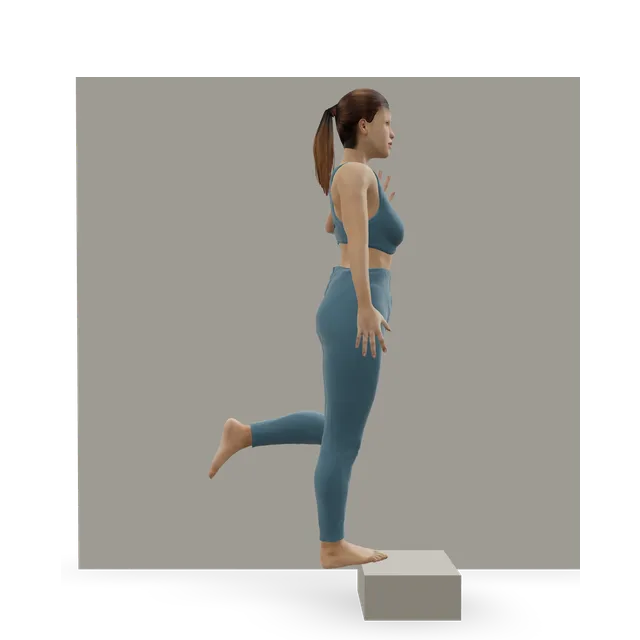
 3D demoFront-to-back leg swingsBeginner · A wall
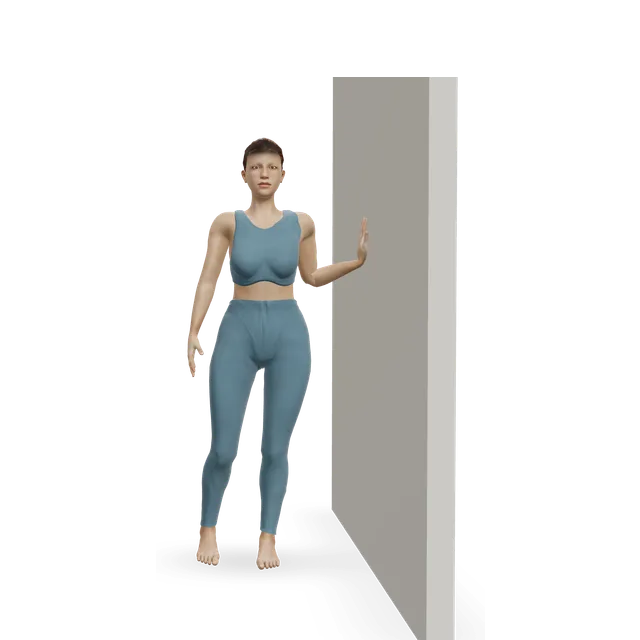 3D demoSide-to-side leg swingsBeginner · A wall
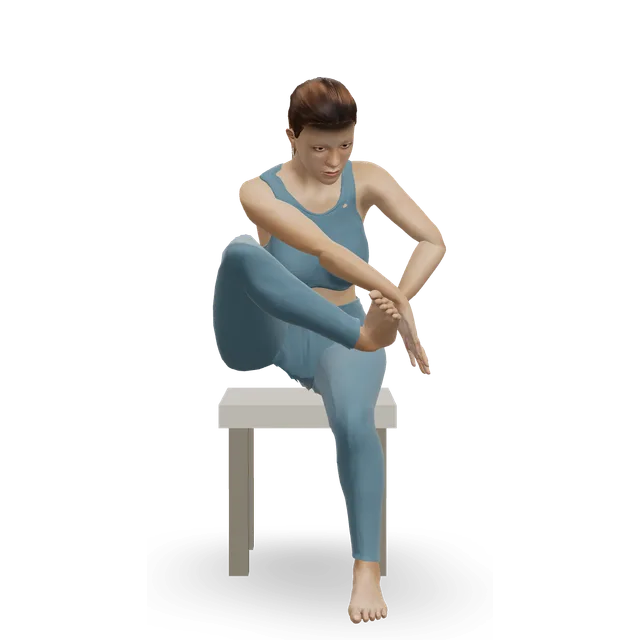
 3D demoWorld's greatest stretchIntermediate · No equipment
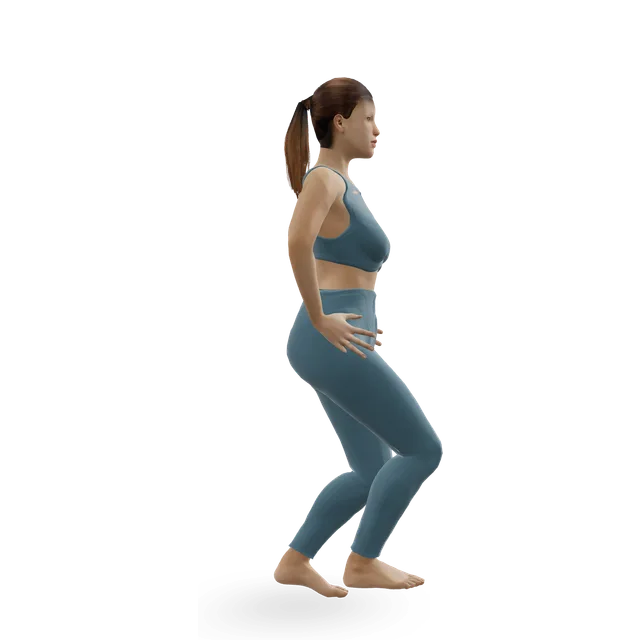 3D demoWalking lungeIntermediate · No equipment
 3D demoSkippingBeginner · No equipment
Two holds of 30 seconds on each calf stretch after a run, our editorial starting point.
Strength work for the calves, shins and hips; follow one of the runners' strength workouts below for the sets.
The fascia release for the legs routine and the post-run stretches cover a full post-run roll and stretch; the warm-up and strength workouts fill in the rest.
An 8-minute dynamic warm-up for runners: ankle and hip mobility, lunges, skips and pogo hops.
8 minIntermediate8 movesA wallSeven stretches for after a run: calves, soleus, quads, hip flexors, hamstrings and glutes.
10 minBeginner7 movesA wallA 10-minute foam roller routine for calves, thighs, glutes and upper back: about a minute per area, moderate pressure, slow rolls.
10 minBeginner6 movesA foam rollerRoll then stretch each part of the leg, feet to hips, and finish with springy calf bounces. About 20 minutes.
20 minBeginner14 movesA massage ball, A foam rollerRoll the front and outer shin and the calf, stretch the calf, then strengthen the shin and calf muscles. About 20 minutes, for comfort and strength.
20 minBeginner9 movesOther / check instructions, A foam rollerPlantar fascia and calf stretches, a gentle foot roll and the towel heel raise: the exercises the 2023 heel pain guideline supports.
8 minBeginner7 movesA bench or box, A massage ballFoot, calf, balance and hop exercises taken from the running trials with positive results, in a 25-minute home routine for 3 or 4 days a week.
25 minBeginner11 movesOther / check instructions, A bench or boxA 40-minute strength workout for runners at home: hops, Bulgarian split squats, single-leg deadlifts, step-ups, calf raises and side planks.
40 minIntermediate15 movesA wall, A bench or boxA 20-minute yoga cool-down for runners: calves, hip flexors, hamstrings and glutes, one balance pose and a rest, after an easy run or on a rest day.
20 minBeginner11 movesA wallA 30-minute mat Pilates workout for runners, adapted from one small trial's programme: the abdominal series, side kicks for the hips, planks and balance.
30 minIntermediate18 movesA wallA 10-minute cool-down for after a run, a class or a gym session: a few minutes of easy movement, stretches for the muscles you used, then slow breathing.
10 minBeginner9 movesCardio machine, A wallIn an expert consensus of 37 researchers, open wounds and broken bones were reasons not to roll, and inflammation, a clot, a bone infection or bone forming in a muscle after an injury were at least reasons for caution.
Source 50
Keep the pressure light and skip balls, guns and scrapers if you take blood thinners, which make bruising more likely, or have a nerve condition such as peripheral neuropathy, where numb skin can't warn you that pressure is too hard. The NHS lists these among the reasons hands-on treatments may not be safe.
In later pregnancy, avoid lying flat on your back for more than a few minutes. Clots are more likely in pregnancy and for 6 weeks after birth: a pregnant woman had a clot reach her lungs shortly after a leg massage, so never roll or massage a swollen or painful leg.
Severe muscle breakdown (rhabdomyolysis) followed a coach's use of a massage gun on a young woman's thighs in a case report. Keep a gun moving, light and brief, and our massage gun guide lists where never to use one.
Source 55
A&E means accident and emergency.
Stop and call 999 for any of these. Don't drive yourself to A&E.
Call 999 or go to A&E: sudden, severe pain in a muscle, which may be worse when you stretch it, with swelling, numbness, weakness or pins and needles, or tightness or difficulty moving the leg. This can be acute compartment syndrome, which needs surgery as soon as possible. It usually follows an injury or a bandage or cast that is too tight, but rarely it can follow very hard exercise. Do not drive yourself to A&E.
Source 60
Source 59
Pain in one spot on the shin or a foot bone that you can point to with a fingertip, worse with impact and later present at rest or at night: a possible stress fracture. Stop running and jumping until it has been checked.
Source 37
In hot weather, know the NHS's signs of heat exhaustion and heatstroke: our running guide lists them, and heatstroke is a 999 call.
Source 61
The NHS says not to run if you're in pain, and to start running again only when you have recovered enough. Our running pain guides cover the knees, shins, calves and feet.
Source 27
No trial has tested rolling alone. Strength work plus rolling didn't reduce injuries overall in an observational study of 433 runners, exercise programmes didn't reduce running injuries across 9 trials, and the evidence for preventing injuries is rated limited or inconclusive.
Rolling gave no more range than any other warm-up and didn't change running physiology, and running efficiency trended slightly worse straight after. The NHS's warm-ups use brisk walking, gentle jogging or marching, with no rolling.
Massage slowed the removal of lactate compared with resting, and next-day soreness isn't lactic acid.
Source 18
It lengthened by under 0.5% in cadaver stretches, and one session of rolling didn't change its stiffness. Roll it gently if it feels good, but it won't loosen.
Harder rolling added nothing in a thigh trial, and even fake rolling changed spinal reflexes a little.
A gun in a warm-up slightly lowered jump height and slowed a sprint, and a review doesn't recommend guns before explosive activity.
If you like it. It eases soreness a little after runs and gives a few minutes of easier movement, but no trial has shown that it prevents injuries. Building up slowly and not running in pain are the NHS's advice for avoiding injuries.
After, if you only do one: soreness eases a little over the next 1 to 3 days. Before, keep it brief and follow it with a proper warm-up; rolling adds nothing a warm-up doesn't.
Barely. Sprinting improved by under 1%, and in runners it didn't change running physiology. Running efficiency trended slightly worse straight after rolling and was back to normal within 3 hours.
No trial has shown it. Strength work plus rolling didn't reduce injuries overall in an observational study of 433 runners, and exercise programmes in general haven't been shown to prevent running injuries.
It may make your legs feel better straight away, but after a 161 km race the benefit was gone by the next day, and after a half marathon massage didn't speed muscle recovery. Keep it gentle in the first days.
Keep anything on race day short and light, and book deeper work a couple of days before or in the day or two after, as our sports massage guide suggests. Massage doesn't improve performance.
They haven't been shown to ease soreness, and 5 minutes on a calf straight after hard exercise slightly increased soreness. Avoid them right before fast running or racing.
Gently if it feels good, but it won't loosen the band: it is anchored to the thigh bone, and one session of rolling didn't change its stiffness. For outer knee pain, hip strengthening has better support.
About 90 seconds per muscle, for example 2 or 3 slow rounds of 30 to 45 seconds, at a pressure you can breathe through. Harder rolling adds nothing.
No. In a laboratory study, massage slowed lactate removal compared with resting. And next-day soreness isn't lactic acid, as our muscle soreness guide explains.
Over one sore spot on a bone, which can be a stress fracture, a swollen or throbbing calf, a tight leg with severe pain, or a fresh strain. Stop running and call 999 for chest pain or fainting.
Movement education, not medical advice. Stop for sharp or increasing pain, numbness or tingling, and get individual advice if you are pregnant, after an injury or surgery, or managing a health condition. Health disclaimer.