Fascia release for the shins: rolling and strengthening the front of the lower leg, the shin splints claims, and when shin pain needs checking
Shin release usually means rolling the muscles beside the shin bone with a massage stick or roller, then stretching the calf and strengthening the front of the shin. Like rolling anywhere, it gives a few minutes of easier movement, mostly through the nervous system. It doesn't release the leg's fascia or heal shin splints.
The honest headline: the idea that shin splints are fascia pulling on the bone is unproven. Our reading of the small studies is that they look more like overloaded bone, though the cause isn't settled, and a gradual return to running with strength work does the lasting work.
This guide shows how to roll the shins safely, what the trials found, a 15-minute routine, and the shin pain that needs checking first, from one sore spot on the bone to a tight leg that won't ease.
Across 26 trials, one session of rolling gave a short-term gain in range about the same as stretching, and a roller stick on the calf did as well as stretching in 14 people. About 90 seconds per muscle was the least that eased soreness in a review.
No treatment for shin splints is proven. A graded return to running did as well on its own as with calf exercises or a compression stocking, and adding a lower-leg programme that included foam rolling didn't reduce pain in 40 runners.
In cadavers, the deep fascia of the lower leg attaches along the whole inner edge of the shin bone and takes strain when the calf tendons pull. But tissue samples from people with shin splints don't show the inflamed bone lining that the theory predicts.
In small studies, bone density at the sore spot was 15% to 23% lower in athletes with shin splints and recovered after the pain settled. That is our reading of small studies, not a settled answer: in 2025, researchers proposed a new name because the cause is still unknown.
Neuromuscular training prevented shin splints across 4 trials (3,887 people, high certainty), and static stretching programmes didn't. Experts suggest softer landings, a quicker step and stronger calves to lower the load on the bone.
One spot on the bone you can point to, worse with each step and later at night, can be a stress fracture: don't push through it. Sudden, severe pain in a tight leg can be acute compartment syndrome, a 999 emergency.
A tough sheet of deep fascia (the crural fascia) wraps the lower leg and, with partitions to the bones, divides its muscles into compartments: the front, the outside, and the shallow and deep back of the calf. The muscle at the front of the shin that lifts the foot (tibialis anterior) arises partly from this fascia, and a skin nerve passes through it on the outer shin, about 21 cm below the top of the thin outer leg bone (the fibula) in cadavers. In 16 cadaver legs, the fascia carried the fine nerve fibres that signal pain, more in its middle and lower thirds.
Pain and tenderness along at least 5 cm of the inner edge of the shin bone during exercise, affecting 4% to 35% of soldiers and athletes in different studies. Doctors and physiotherapists can diagnose it reliably from your history and an examination, and the NHS says it usually gets better within a few weeks.
One spot on the bone you can point to, sore with each step and later at night, is a possible stress fracture, part of a scale that runs from a bone stress reaction to a full fracture. Tightness that builds at the same point in every run and fades within minutes of stopping can be exertional compartment syndrome. Our shin pain guide maps the causes by where it hurts.
The usual explanation is that pressure builds inside a compartment whose fascia can't stretch enough, and the long-term, exercise-related form is often treated by cutting the fascia (a fasciotomy). Whether the fascia itself is abnormal is disputed: in 20 patients, the affected front compartment's fascia was thicker and stiffer than the next compartment's, but in another study its stiffness and thickness didn't differ between 6 healthy people, 11 with the condition and 10 with the condition and diabetes.
As elsewhere, a few minutes of easier movement through the nervous system. A hand-held roller on the calf, 3 rounds of 30 seconds, raised ankle range in 14 people, and their calf force was slightly better than after static stretching 10 minutes later. Rolling can't reach the bone, and pressing on a sore bone is the wrong test.
In 16 cadaver legs, the deep fascia attached along the whole inner edge of the shin bone in all but 3, while the calf muscles' attachments mostly stopped above the usual sore area. Pulling on the deep calf tendons raised the strain in that fascial attachment in step with the pull (3 cadaver legs), and a calf stretch strained it too (1 cadaver). These are small laboratory studies that show the fascia can pull, not that it causes the pain.
A review found that tissue samples don't support inflammation of the bone's lining from pulling, and that scans point instead to the bone breaking down faster than it rebuilds. In 18 athletes with long-standing shin splints, bone density at the sore spot was 15% lower than in non-athletes and 23% lower than in similar athletes. In 14 athletes, it rose by 19% after recovery.
Our reading of these small studies is that shin splints look more like bone being loaded faster than it can adapt than fascia tugging on it. The cause isn't settled: in 2025, researchers proposed renaming it "load induced medial-leg pain" because there is no conclusive evidence about what causes it. Either way, rolling the fascia isn't the treatment.
A meta-analysis of 26 trials found a large short-term gain in range against no exercise, the same as stretching. A roller stick on the calf raised ankle range about as much as stretching, without weakening it.
Rolling within a treatment programmeEmerging evidence
In 40 recreational runners with shin splints, all given ice massage, insoles and shockwave therapy, adding a lower-leg programme of stretching, strengthening, balance work and foam roller release made no difference to pain or severity over 12 weeks, though foot posture and quality of life improved. We found no trial of rolling on its own.
No treatment is proven; graded running does the workStrong evidence
A review of 11 trials found none free enough of bias to recommend a treatment. In 74 athletes, a graded running programme did as well on its own as with added calf stretching and strengthening or a compression stocking, and earlier trials found rest as good as any treatment.
Prevention: training, not stretchingStrong evidence
Across 12 trials (8,197 people), neuromuscular training cut the odds of shin splints (4 trials, 3,887 people, high certainty), and insoles for feet that roll in may help (moderate certainty). Shock-absorbing insoles didn't, and there was no evidence for static stretching programmes.
In 46 people with shin splints, 3 weeks of cupping or tool scraping (the Graston technique) both eased pain and improved function, and cupping did better. There was no untreated group, so the trial can't show either beats time and rest. Our cupping and muscle scraping guides cover both.
Rolling programmes improved range in the thighs but not the calves, and did better when they ran for more than 4 weeks. Over 4 weeks or less, stretching programmes beat rolling programmes, and strength training through a full range improved range as much as stretching. Harder rolling added nothing in a thigh trial.
In a pilot of 7 athletes, 6 massage sessions over 5 weeks with daily stretching left the pressure in the front compartment after exercise unchanged, though they could work longer before pain began. Across 68 reports (3,783 people), surgery to open the fascia lowered the pressure, and about 85% were satisfied and 80% returned to activity, on low-level evidence. US orthopaedic surgeons (AAOS) report the best surgical results for the front and outer compartments. Our compartment syndrome guide puts changing how you run first.
No trial has compared shin rolling with a fake roll or tested it alone for shin splints, and the fascia-traction evidence rests on 20 cadaver legs in three studies. We read the studies' summaries (abstracts), not their full texts.
Shin release in about 15 minutes: roll, stretch, strengthen
The rolling doses are the move pages', from a review of rolling studies (Hughes & Ramer 2019). The stretch and heel walk doses are our shin splints guide's, and the tibialis raise doses our tibialis raise guide's; all are editorial starting points. Rolling here is for comfort: no trial has shown it treats shin splints, and this sequence hasn't been tested.
Check first: press along the shin bone. One spot you can point to, or pain at night or with every step, isn't a rolling job: see the warning signs.
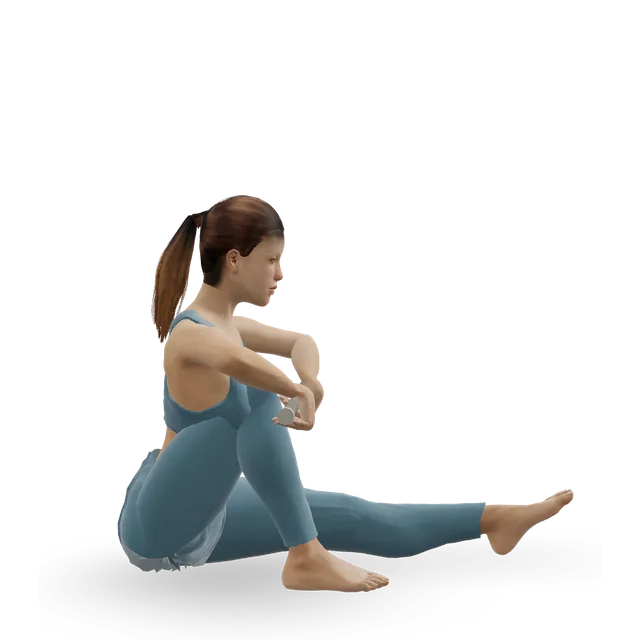
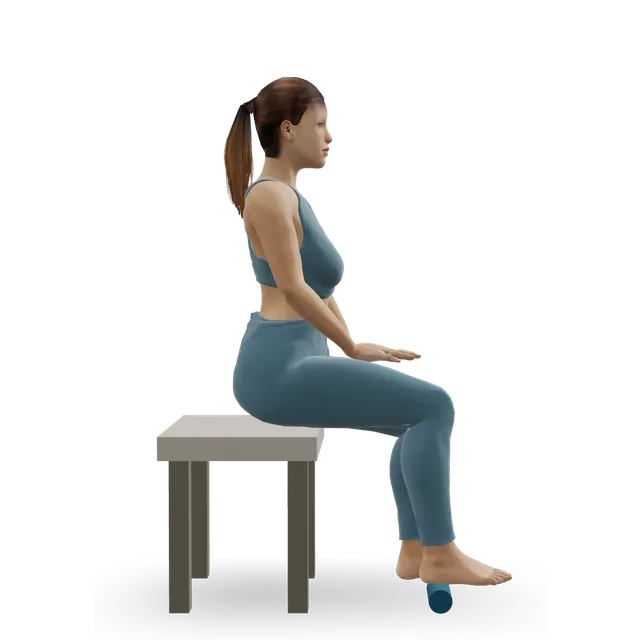
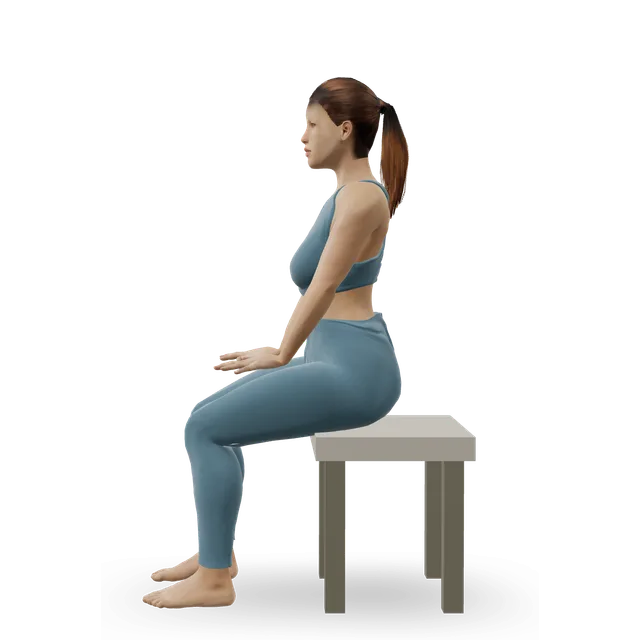
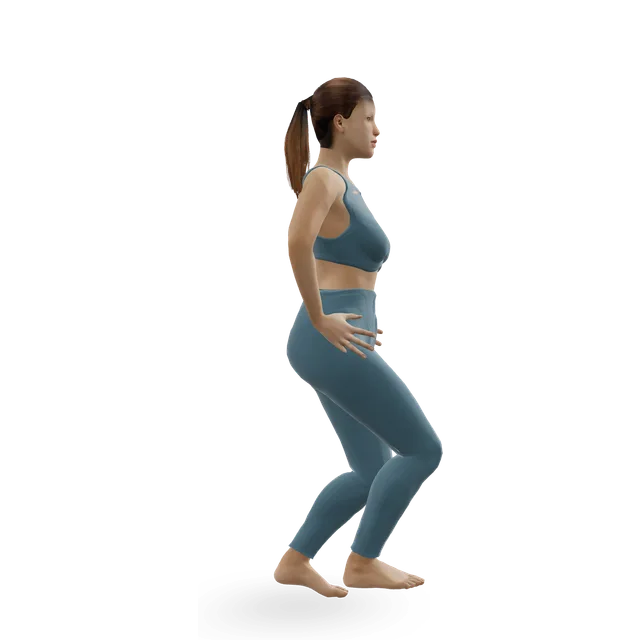
Sit with one knee bent. Hold a massage stick or rolling pin across the muscle just outside the shin bone and roll from below the knee to about two-thirds of the way down, where the muscle becomes tendon. Give each leg about 90 seconds, for example 2 or 3 slow rounds of 30 to 45 seconds. Stay on the muscle, never on the bone.
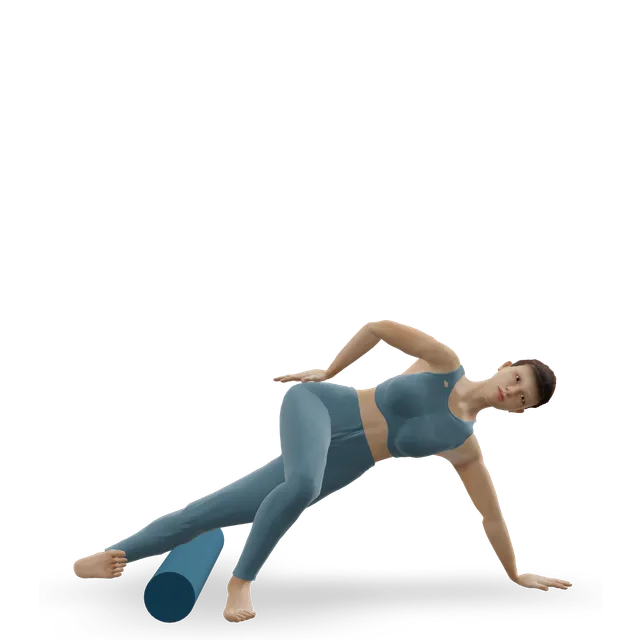
Optional: lie on your side with a foam roller under the outer lower leg and roll from below the knee to above the ankle, about 90 seconds a leg.
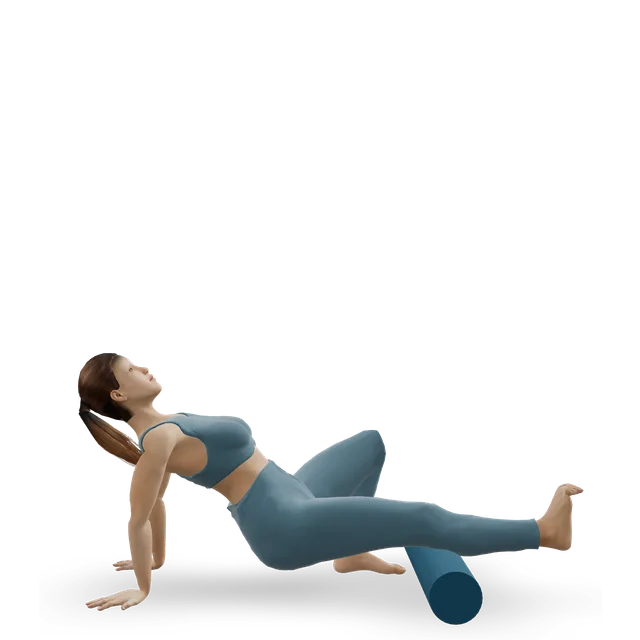
Roll each calf on a foam roller for about 90 seconds. Never roll a calf that is swollen, warm, red or darkened, or throbbing.
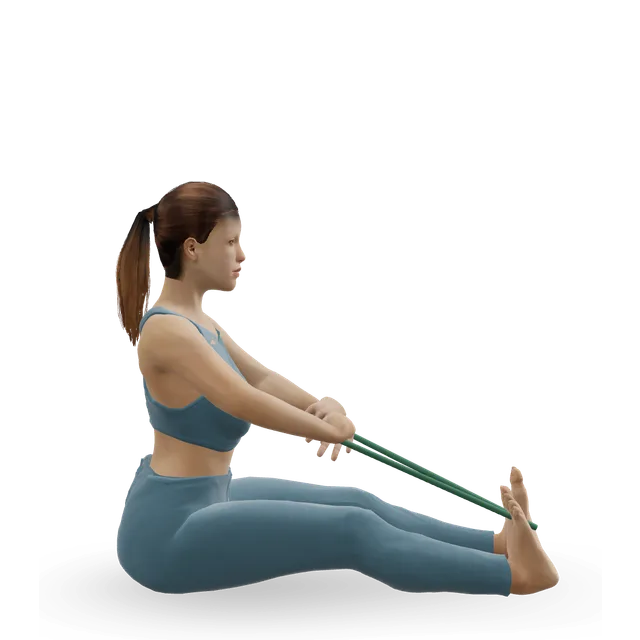
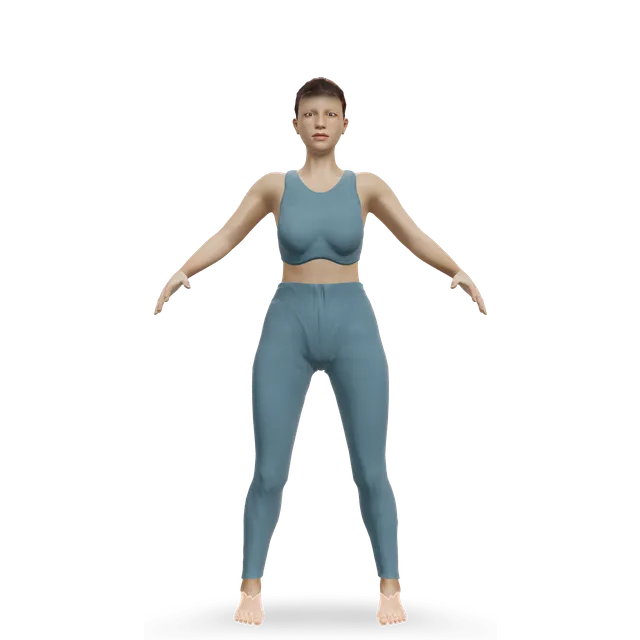
Stretch the calf with a straight knee, then with a bent knee, 2 or 3 holds of 30 seconds each.
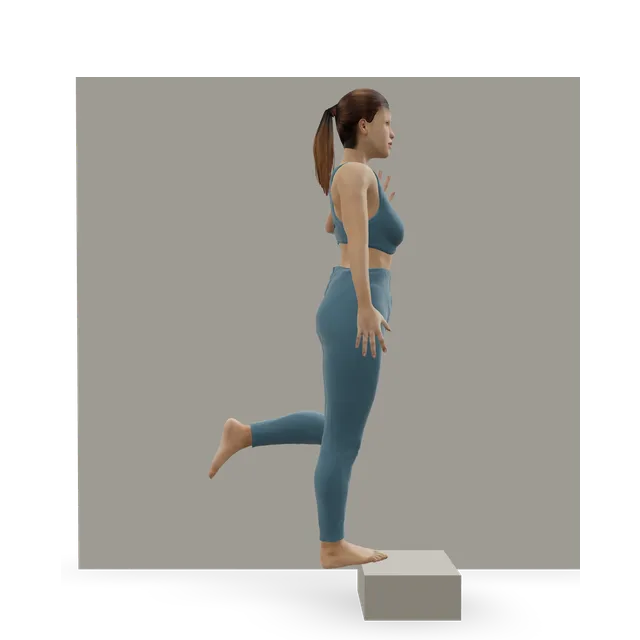
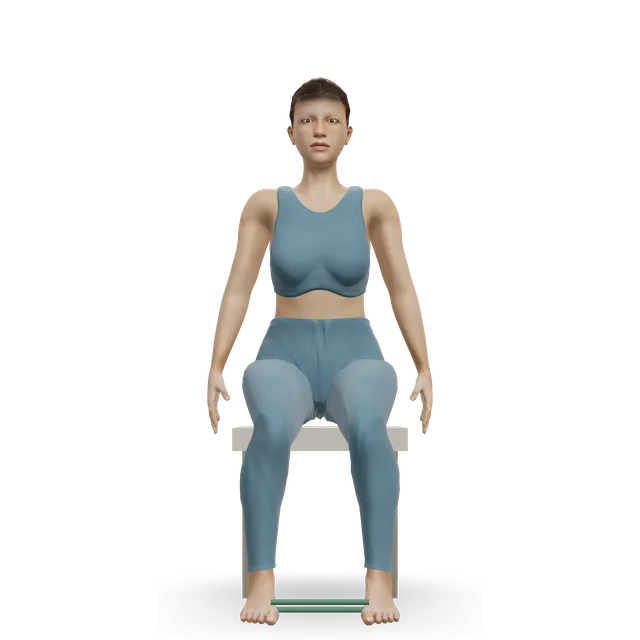
Tibialis raises with your back against a wall: 1 or 2 sets of 10 to 15 at first, building over the weeks to 2 sets of 15 to 20.
Finish with heel walks: walk on your heels with your toes lifted for 3 lengths of 20 metres.
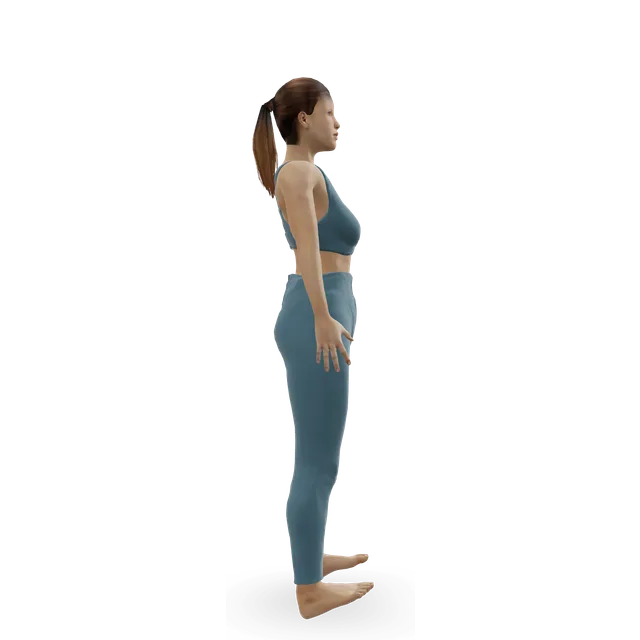
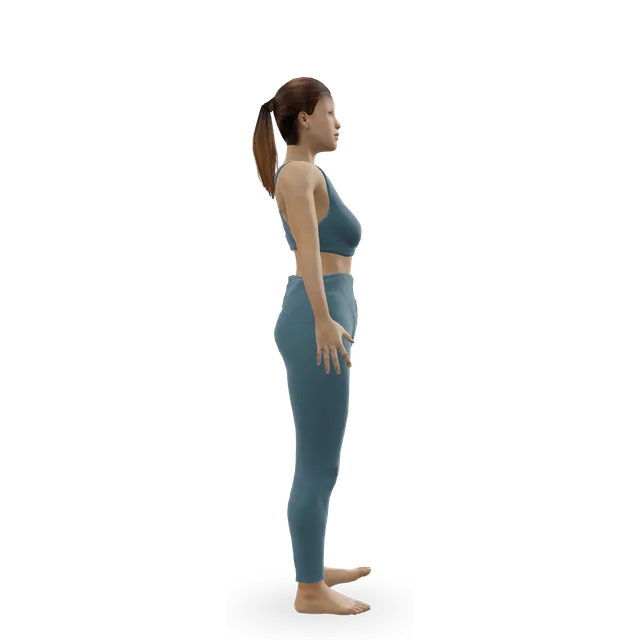
Loading the 3D figure…
Drag to turn
Gets into position, then repeats the movement. Technical checks passed; qualified exercise review is pending.
Each dose names its source or is our editorial starting point. Doses are starting points, not prescriptions.
Massage stick or roller
About 90 seconds per muscle, the move pages' dose for the front shin, the outer shin and the calf, at a pressure you can breathe through. Keep off the bone and the back of the knee.
A straight-knee and a bent-knee wall stretch, 2 or 3 holds of 30 seconds each, our shin splints guide's editorial dose. They are for comfort: stretching hasn't been shown to treat or prevent shin splints.
Strengthen the front of the shin and the calf
Tibialis raises: 1 or 2 sets of 10 to 15 for the first week, then 2 sets of 15 to 20, twice a week or more, our tibialis raise guide's editorial doses. Slow calf raises and seated calf raises, 3 sets of 15, building towards 20 slow single-leg raises, are our shin splints guide's editorial targets. Tibialis raises themselves haven't been tested in a trial.
Load the bone gradually
Stop the running or jumping that brought it on, keep fit with cycling or swimming, then build back with walk-run intervals, adding time before speed. The trial that tested a graded programme took athletes from short walk-run rounds to 18 minutes of continuous running. Our shin splints guide sets out each stage.
Our editorial starting point: roll and stretch 2 or 3 times a week if it helps, and strengthen 2 or 3 times a week for more than 4 weeks. Rolling programmes did better when they ran longer than 4 weeks, and strength work through a full range improves range as much as stretching.
The shin release routine rolls the front and outer shin and the calf, then strengthens them in about 20 minutes; the runners' injury prevention routine builds the strength that helps prevent shin splints.
In an expert consensus of 37 researchers, open wounds and broken bones were reasons not to roll, and inflammation, a clot, a bone infection or bone forming in a muscle after an injury were at least reasons for caution.
Keep the pressure light, or ask your doctor first, if you take blood thinners, which make bruising more likely, or have a nerve condition such as peripheral neuropathy that leaves the skin numb: the NHS lists these among the reasons hands-on treatment such as osteopathy may not be safe.
Clots are more likely in pregnancy and for 6 weeks after giving birth, so never roll or massage a swollen or painful calf. In later pregnancy, avoid lying flat on your back for more than a few minutes.
Call 999 or go to A&E: sudden, severe pain in a muscle, which may be worse when you stretch it, with swelling, numbness, weakness or pins and needles, or tightness or difficulty moving the leg. This can be acute compartment syndrome, which needs surgery as soon as possible. It usually follows an injury or a bandage or cast that is too tight, but rarely it can follow very hard exercise. Do not drive yourself to A&E.
Calf or leg pain or swelling with breathlessness or chest pain. It could be a clot that has reached the lungs. Do not drive yourself to A&E.
Throbbing pain in one leg (rarely both), usually the calf or thigh; swelling in one leg (rarely both); red, blue or darkened skin around the painful area, which may be harder to see on brown or black skin; or swollen veins. This can be a deep vein thrombosis (DVT). It is more likely after surgery, a hospital stay, 3 or more days in bed, a journey of over 4 hours, pregnancy or a recent birth, cancer, a previous clot, or contraception or hormone replacement therapy (HRT) containing oestrogen.
Ask for an urgent GP appointment or get help from NHS 111: the skin on your shin is painful, hot and swollen. It could be cellulitis, a skin infection, which is usually on the lower legs. With a very high temperature, a fast heartbeat or fast breathing, purple patches, dizziness, confusion, or cold, clammy or pale skin, call 999 or go to A&E.
Get help from NHS 111: you have shin splints and the pain is severe, or you've injured your shin.
Pain in one spot on the shin or a foot bone that you can point to with a fingertip, worse with impact and later present at rest or at night: a possible stress fracture.
Pain in the middle of the foot that is hard to pinpoint, on the outer edge of the midfoot, or on the front of the shin bone in a running or jumping athlete. These sites heal less well and need prompt assessment, often with a scan.
You keep getting pain, numbness, swelling or difficulty moving part of your leg when you exercise: see a GP, who can check whether it is compartment syndrome or something else.
Numbness or weakness that stays after exercise, or a foot that slaps down or catches when you run.
Shin pain that is not settling after a few weeks of changing your training, or is getting worse: see a GP. The NHS says to see one if you've tried things to help with shin splints but the pain is getting worse or it's not getting better.
Burning, tingling or numbness on the outer shin and the top of the foot that keeps coming back with exercise or tight boots: see a GP. A nerve can be squeezed there.
"Shin splints are fascia pulling off the bone, so release the fascia"Mixed evidence
The deep fascia does attach along the sore edge and takes strain in cadavers, but tissue samples don't show the inflammation that theory predicts, bone density is low at the sore spot, and the cause is still unknown. Nothing shows that rolling changes the fascia's pull.
"Rolling your shins cures shin splints"Mixed evidence
We found no trial of rolling alone, and adding a programme that included foam rolling didn't reduce pain. No treatment is proven, and a graded return to running does the main work.
"Foam rolling releases compartment syndrome"Mixed evidence
Massage left compartment pressure unchanged in a pilot, and studies disagree on whether the fascia is even stiffer. Sudden, severe pain in a tight leg is a 999 emergency.
"Roll the sore spot on the bone until it eases"Mixed evidence
One sore spot on the bone can be a stress fracture. Health New Zealand says not to keep pushing through the pain, and to stop as soon as pain comes on during a return to activity.
You can roll the muscles beside the shin bone, which eases them for a few minutes, mostly through the nervous system. Dense fascia doesn't change shape at the forces a roller applies.
Does foam rolling help shin splints?
Not on its own. No trial has shown it, and adding a programme that included foam rolling didn't reduce shin splints pain in 40 runners. A gradual return to running does the main work.
Are shin splints caused by fascia pulling on the bone?
That's one theory, and the fascia does attach along the sore edge. But bone density is lower at the sore spot and recovers afterwards, and the cause is still unknown. Our reading of the small studies is that overloaded bone fits better.
How do I foam roll my shins safely?
Use a massage stick on the muscle just outside the shin bone, about 90 seconds a leg, and never roll on the bone itself. Pain on the bone is a reason to get checked, not to roll.
Should I use a massage gun on shin splints?
We found no trial. If you use one, keep it brief, on the muscle and off the bone; it won't speed the bone's recovery.
What helps shin splints most?
Stopping the run that caused it, keeping fit with cycling or swimming, then a graded return to running, with calf and shin strength alongside. Neuromuscular training helps prevent it; stretching programmes don't.
Is it shin splints or a stress fracture?
Shin splints hurt along a longer strip on the inner edge of the shin. A stress fracture is one spot you can point to, worse with each step and later at night: stop running and get it checked.
Can foam rolling fix compartment syndrome?
No. Massage didn't change the pressure in a pilot study, and surgery for it cuts the fascia. Sudden, severe pain in a tight, swollen leg is a 999 emergency.
Do tibialis raises help shin splints?
They strengthen the muscle at the front of the shin, but they haven't been tested in a trial. Use them as part of a plan built on a gradual return to running.
Why do my shins feel tight?
Often tired shin and calf muscles after more running or walking than usual. Tightness that builds at the same point in every run and fades when you stop can be exertional compartment syndrome, which needs a GP.
Movement education, not medical advice. Stop for sharp or increasing pain, numbness or tingling, and get individual advice if you are pregnant, after an injury or surgery, or managing a health condition. Health disclaimer.