How to do tibialis raises: the front of your shin, how many, and what they can do for shin splints
A tibialis raise, or tib raise, lifts the fronts of your feet towards your shins with your heels down, usually with your back against a wall. It works the tibialis anterior, the muscle at the front of your shin that lifts your foot so your toes clear the ground as you walk and run.
The muscle gets stronger with training, but tib raises themselves have never been tested in a trial, and the evidence for shin splints, knees and ankle sprains is thinner than many pages suggest. The usual shin splints hurt along the inner edge of the shin bone, mostly where other muscles attach.
This guide teaches the wall, single-leg and Smith machine versions, gives the doses our workouts use, explains what tib raises can and can't do for shin splints, and lists the shin pain that needs checking.
Lean back against a wall with your feet 20 to 30 cm in front of it and your legs straight, lift the fronts of both feet as high as they go, then lower slowly. It works the tibialis anterior, which lifts your foot and turns the sole inwards.
Training the muscles that lift the foot raised their strength by about 15 to 30% in 2 to 8 weeks, in small trials of young and older adults. None of those trials used tib raises, which haven't been tested.
The usual shin splints hurt along the inner edge of the shin bone, mostly where the deeper calf muscles attach. No treatment has been proven, and calf exercises added nothing to a graded return to running in the one trial that tested them.
We found no study linking tib raises to knee health or to fewer ankle sprains. Ankle and foot exercises improved balance a little in older people, but no study has shown they cut falls.
2 sets of 15 to 20, twice a week or more, as our runners' home workout uses; start with 10 to 15 if your shins are new to it. The training trials used two or three sessions a week. Leave them out with soreness in the muscle at the front of the shin, or tightness that builds in every run.
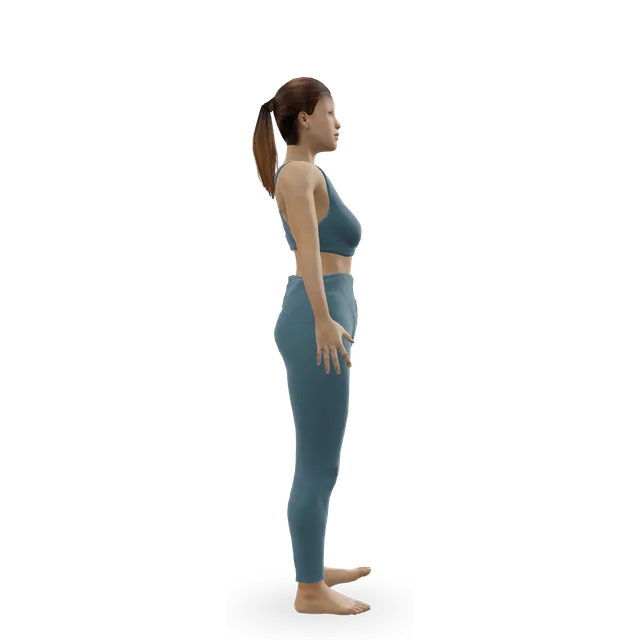
Lean your back and bottom against a wall with your feet hip-width apart and 20 to 30 cm out in front, your legs straight. Lift the fronts of both feet towards your shins, heels down, hold a moment, and lower slowly. Standing further from the wall makes it harder, and one leg at a time is harder still.
The muscle
The tibialis anterior is the thick muscle you can feel just outside the shin bone at the front, the largest of the four muscles in the front compartment of the lower leg. It runs from the outer upper shin bone to the inner border of the foot, lifts the foot (dorsiflexion) and turns the sole inwards (inversion). The long toe muscles in the same compartment help lift the foot.
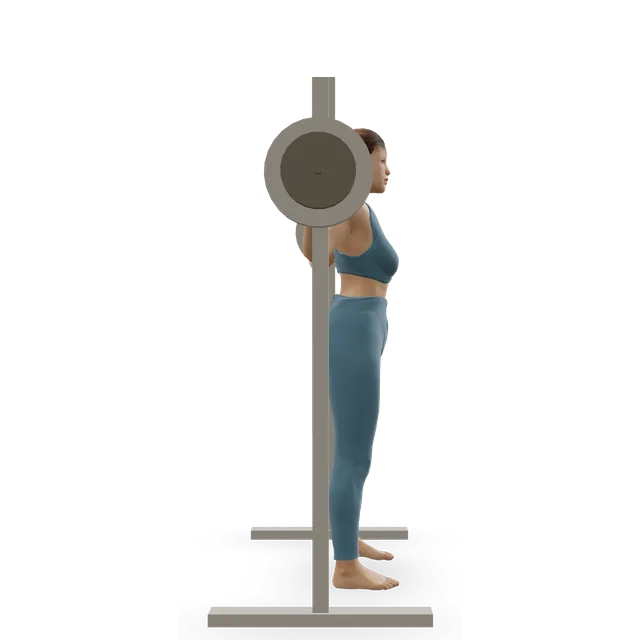
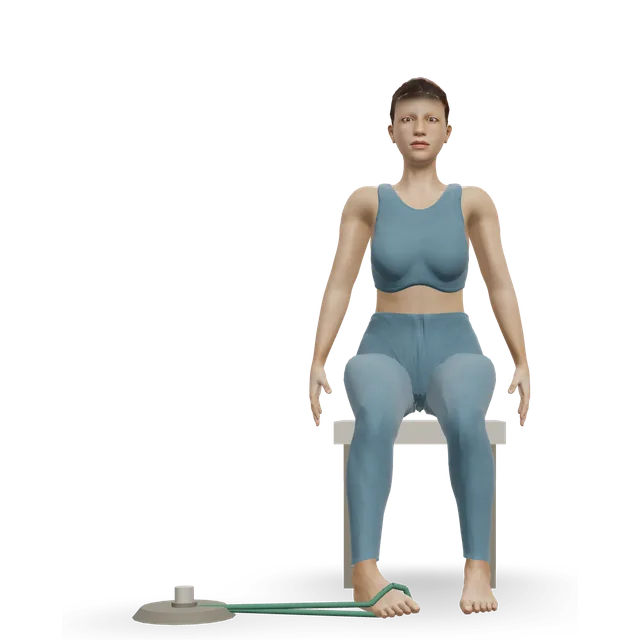
Against a wall, as our demo shows; one leg at a time; in a Smith machine with your heels on a raised platform, so your toes can drop below its edge; seated with a weight on your feet, a kettlebell hooked over your toes, a band or a purpose-made bar, which we have no demo of; and heel walks, which worked the tibialis anterior 4 to 68% harder than ordinary walking, in 22 students.
The ability to stand steadily on both feet, as its move page says. Rest a hand on a chair if your balance is shaky.
How people differ
Ankle strength falls with age, and in a study of 90 people weaker ankles went with falls. People new to tib raises often get sore shins for the first week or two (our observation). With numb feet from diabetes or another cause, do them in shoes with a hand on a counter, and check your feet afterwards, as our foot and ankle routine advises.
From our move page and its cues: knees straight, body tall, and a 2 to 3 second lowering. The 20 to 30 cm starting distance is a common coaching starting point; standing too close to the wall makes the reps too easy, as the move page warns.
Stand with your back and bottom against a wall, feet hip-width apart and about 20 to 30 cm out in front, legs straight.
Keeping your heels down and your knees straight, lift the fronts of both feet as high as they go towards your shins.
Hold for a moment at the top.
Lower over 2 or 3 seconds, without letting your toes slap down.
To make it harder, walk your feet further from the wall, or lift one foot at a time with a hand on the wall.
Loading the 3D figure…
Drag to turn
Gets into position, then repeats the movement. Technical checks passed; qualified exercise review is pending.
From its move page. Keep the bar light and the safety stops set: a heavy bar on your back adds nothing to the shin work.
Set a raised platform under a Smith machine bar set at shoulder height.
Stand on the platform with your heels on it and the balls of your feet over its edge, feet shoulder-width apart and pointing forward, and settle the bar across your upper back.
Unhook the bar and stand tall, knees slightly bent and still, and let your forefeet drop below the platform.
Breathing out, lift your toes and forefeet as high as they go, hold for a second, then lower slowly below the edge.
Loading the 3D figure…
Drag to turn
Gets into position, then repeats the movement. Technical checks passed; qualified exercise review is pending.
Easier and harder: from a gentle start to the Smith machine
Easiest first: tib raises with your back near the wall, 5 to 10 holding each for 2 seconds (our strength and balance exercises for seniors), then 2 sets of 15 to 20 with your feet further out (our runners' home workout); heel walks, 3 sets of 20 metres (our shin splints guide); single-leg tib raises, 2 sets of 10 to 15 each leg (our editorial starting point); and the Smith machine version, 2 to 3 sets of 12 to 15, stopping 2 or 3 reps short of failure (its move page's dose).
2 sets of 15 to 20, as our runners' home and hiking workouts use, or 1 to 2 sets of 15 to 20 in our calf workout. Our knee strengthening and foot and ankle routines use 15 reps, our strength and balance exercises for seniors 5 to 10 with a 2-second hold, and our shin splints guide 2 sets of 15 in its first stage.
Starting out
1 or 2 sets of 10 to 15 for the first week (our editorial starting point), so your shins aren't too sore.
Rest and effort
60 to 90 seconds between sets, as our calf raise guide uses. The last set can end 0 to 2 reps short of failure, as our plans allow for small single-joint moves; the Smith machine version stops 2 or 3 short (its move page's dose).
How often
Two or three times a week (our editorial starting point); the training trials used two or three sessions a week.
Older women who gained 30% trained with 3 sets of 8 at more than 80% of their starting strength, while loads of 15% of maximum built nothing in 9 sessions. Once 20 slow reps are easy, stand further from the wall, go one leg at a time or add weight, rather than doing 50 (our reading).
The usual shin splints (medial tibial stress syndrome) hurt along the inner edge of the shin bone and involve the tibialis posterior, the soleus and the long toe flexor. Sources differ on the front of the shin: one review lists the tibialis anterior among the muscles involved and says the front of the shin bone is usually not tender, while a 2025 reference chapter describes tenderness that can spread over the front and inner edges.
In a review of 11 trials, all at high risk of bias, no treatment, including stretching and strengthening, braces and laser, was shown to work. In 74 athletes, a graded return to running took 105 days on its own, 118 with calf stretching and strengthening added and 102 with a compression stocking: no real difference.
Prevention: neuromuscular training helped, general strength work didn'tMixed evidence
Across 4 trials (3,887 people), neuromuscular training programmes prevented shin splints, with high certainty, though the review's summary doesn't say what they contained; static stretching didn't. A 15-minute strength, flexibility and coordination programme three times a week didn't reduce shin splints or knee overuse injuries in 1,020 army recruits.
Our shin splints guide uses tib raises at 2 sets of 15 in its first stage, alongside calf work, and brings back running gradually; that graded return does the main work. Leave tib raises out with soreness in the muscle at the front of the shin, or tightness that builds at the same point in every run.
What else the evidence says: strength, balance, knees and ankles
Training builds strength in the muscles that lift the footEmerging evidence
In healthy adults, strength rose 14.7% in 5 weeks of one-leg training in 19 people, with 8.4% in the untrained leg too; 15 to 16% in 4 weeks in a trial of 30; and in eccentric strength, with faster muscle reactions to a sudden ankle tilt, in 6 weeks in 24 men. In older adults, it rose 27% in 2 weeks in 28 people aged about 76, and 30% in 8 weeks of standing training in 15 women aged about 68, but only when tested standing. Very light loads built no strength and didn't improve sit-to-stands, a timed walk or sway in 28 older adults. None of these studies used tib raises.
People with weaker ankles fall more: in 90 people, 90% of older fallers had ankle strength below a set threshold and 85% of non-fallers were above it, though that's an association, not proof. Across 16 trials of 651 older people, ankle and foot exercise improved strength in pointing the foot and balance with the eyes open, but not foot-lifting strength significantly, and the two studies that looked found no effect on falls (low to very low certainty). In one small trial, a 12-week resistance, balance and walking programme improved foot-lifting strength, balance and fear of falling more than seated exercise.
We found no study linking tib raises to knee health or knee pain. Searches pair them with the "knees over toes" coaching trend, which trains the knees forward on purpose. Letting your knees travel past your toes in squats is normal, as our squat guide says, but that's a different claim.
Ankle sprainsEmerging evidence
No study has tested tib raises against ankle sprains. In 24 recreational athletes, 6 weeks of evertor and dorsiflexor training sped up the ankle muscles' reactions to a sudden tilt, which is a step short of fewer sprains. Balance training is the tested route, as our foot and ankle routine explains.
Standing so close to the wall that the reps are too easy
Walk your feet further out.
Lifting only part of the way
Lift as high as your ankle allows (our suggestion).
Too much too soon
Sore shins are common in the first sessions, so start with fewer sets and stop well short of failure. If heel walks make your shins cramp, shorten the distance, as their move page suggests.
The rest of the lower leg
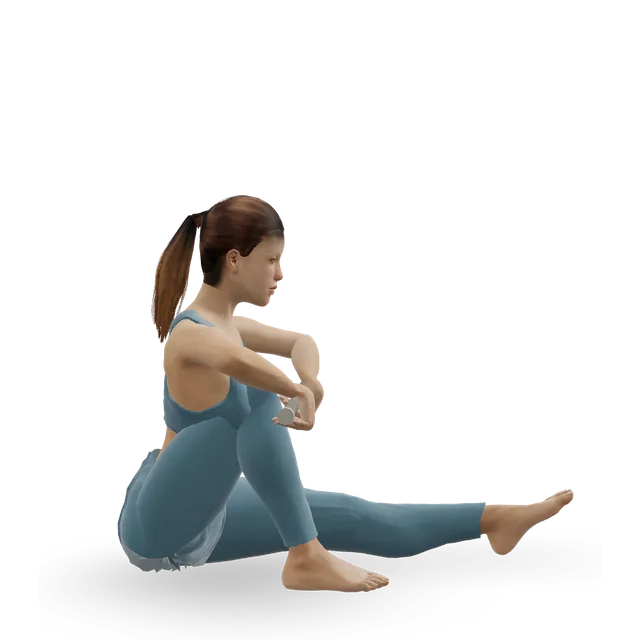
Slow calf raises, 3 sets of 15, single-leg calf raises from a step, building towards 3 sets of 15 to 20 slow reps each leg, seated bent-knee calf raises, 3 sets of 15, and band ankle eversion, 3 sets of 15 (our shin splints guide); band ankle inversion, after a sprain 2 to 3 sets of 5 to 8 (its move page's dose); single-leg stands, 2 holds of 30 seconds each leg (our knee strengthening and foot and ankle routines); ankle circles, 5 slow circles each way, and shin rolling with a massage stick, about 90 seconds for each muscle, for comfort only (their move pages' doses).
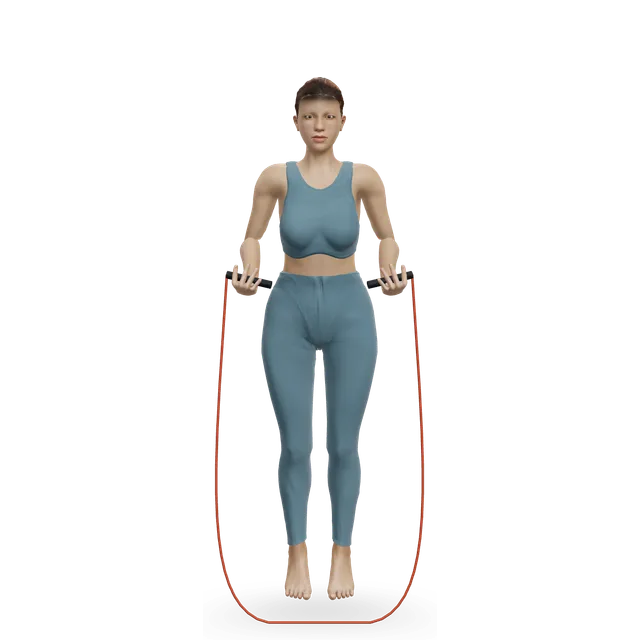
Our runners' home workout uses tib raises at 2 sets of 15 to 20, the calf workout at 1 to 2 sets of 15 to 20, the foot and ankle and knee strengthening routines at 15, the seniors' strength and balance exercises at 5 to 10 with a 2-second hold, and the beginner jump rope workout at 2 sets of 15.
Leave tib raises and heel walks out while the muscle beside the front of the shin bone is sore, as our shin pain guide advises, and start with seated calf raises and ankle circles.
Tightness that builds in every run
Tightness at the front of the shin that builds at the same point in every run and fades within minutes of stopping can be exertional compartment syndrome. Walk as soon as the familiar tightness starts, never carry on past about 3 out of 10, and see our exertional compartment syndrome guide.
One sore spot on the bone
Pain in one spot you can point to with a fingertip can be a stress fracture. The bone should stay pain-free, as our stress fracture guide says, so get it checked first.
A foot that slaps down or catches
That's foot drop, most often from an injured nerve: see a GP to find the cause, rather than training it on your own.
Do them in well-fitting shoes, with a hand on a counter for balance, and check your feet afterwards, as our foot and ankle routine advises.
Warning signs
Stop and get medical help
If you get chest pain or pressure, feel faint or dizzy, are unusually breathless, or your heart races or beats irregularly during exercise, as our plans advise. The American Heart Association says these need immediate medical evaluation.
For chest pain that comes on suddenly and doesn't go away, or spreads to your arms, neck, jaw, stomach or back; a sudden, extremely painful headache while straining; someone who faints while exercising; or palpitations that don't go away, or come with chest pain, breathlessness or feeling faint. Don't drive yourself to A&E.
Call 999 or go to A&E: a tight, swollen, very painful muscle
Sudden, severe pain in a muscle, which may be worse when you stretch it, with swelling, numbness, weakness or pins and needles, or tightness or difficulty moving the leg. This can be acute compartment syndrome, which needs surgery as soon as possible; the front of the lower leg is its most common site. Don't drive yourself.
Call 999 or go to A&E: a cold leg, or leg pain with breathlessness
A leg that is suddenly cold, pale, numb, weak or very painful, as our shin pain guide says; or pain and swelling in a leg with breathlessness or chest pain, which can be a clot that has reached the lungs.
Same day: a swollen, throbbing leg, or a foot that slaps down
Ask for an urgent GP appointment or get help from NHS 111 for throbbing pain and swelling in one leg, with red, blue or darkened skin or swollen veins, which can be a deep vein thrombosis (DVT); or for new difficulty lifting the front of your foot or toes, especially if it's getting worse, as our shin pain guide says. The NHS says to see a GP if you find it difficult to lift the front part of your foot and toes. In the US, use urgent care.
If you keep getting pain, numbness, swelling or difficulty moving part of your leg when you exercise, or shin pain isn't getting better, or is getting worse, after a few weeks of changing your training. Pain in one spot on the bone that's worse with impact and later at rest or at night can be a stress fracture: stop running and jumping until it's been checked.
No treatment for shin splints has been proven, and calf exercises added nothing to a graded return to running in the one trial that tested them. The graded return does the main work, as our shin splints guide explains.
Neuromuscular training programmes prevented shin splints across 4 trials, but a general strength and flexibility programme didn't in 1,020 recruits, and no trial has tested tib raises on their own.
"Shin splints come from a weak front of the shin"Mixed evidence
The usual shin splints hurt along the inner edge of the shin bone, mainly where the soleus, tibialis posterior and long toe flexor attach; one review also implicates the tibialis anterior. Calf endurance, training load and a graded return matter more, as our shin splints guide says.
There's no injury study, only faster muscle reactions to a sudden tilt after evertor and dorsiflexor training, in 24 men. Balance training is the tested route.
"The shin muscle can't be trained heavy"Emerging evidence
Older women gained 30% with 3 sets of 8 at more than 80% of their starting strength, and very light loads built nothing. Moderate to high reps are fine; make them hard.
Also called tib raises: with your back against a wall and your legs straight, you lift the fronts of your feet towards your shins, heels down, then lower them slowly. They work the muscle at the front of your shin.
What muscle do tib raises work?
The tibialis anterior, the largest of the four muscles at the front of your lower leg, which lifts your foot and turns the sole inwards. The long toe muscles help.
Do tibialis raises help shin splints?
They're part of many programmes, but not a proven treatment. The usual shin splints hurt along the inner edge of the shin bone, no treatment has been proven, and calf exercises added nothing to a graded return to running in a trial. Our shin splints guide uses tib raises at 2 sets of 15 alongside calf work.
How many tibialis raises should I do?
2 sets of 15 to 20, twice a week or more, as our runners' home workout uses; start with 10 to 15 if your shins are new to it. Once 20 are easy, make them harder rather than doing more.
How do I make tib raises harder?
Walk your feet further from the wall, lift one foot at a time, or use a Smith machine with your heels on a platform, 2 to 3 sets of 12 to 15. Trials that built strength used heavy loads, and very light ones built none.
Can I do tib raises without equipment?
Yes: a wall is all you need for the standard version, and heel walks work the same muscle harder than ordinary walking. Seated versions with a weight or band are options if you have them.
Tibialis raise or calf raise: what's the difference?
They work opposite sides of the lower leg: calf raises point the foot down, tib raises lift it up. Most programmes use both, and our calf raise guide covers the calves.
Are tib raises good for your knees?
We found no study linking them to knee health or knee pain. They're popular in knee-forward coaching trends, but letting your knees travel over your toes in squats is a separate, normal thing.
Do tib raises help balance or prevent falls?
Weaker ankles go with falls, and ankle and foot exercises improved balance a little in older people, but they didn't significantly raise foot-lifting strength and showed no effect on falls. Do them as part of a strength and balance routine, like our seniors' strength and balance exercises.
Why are my shins so sore after tib raises?
New exercises often cause soreness for a day or two that fades as you repeat them, so start with fewer sets. Soreness in the muscle that builds in every run, or pain in one spot on the bone, is different and needs checking.
Should runners do tib raises?
They're an optional extra in our runners' home workout. Neuromuscular training programmes prevented shin splints in pooled trials, but tib raises on their own haven't been tested.
Can tib raises help foot drop or plantar fasciitis?
Foot drop, where the foot slaps down or catches, is most often caused by an injured nerve and needs a GP to find the cause; see one the same day if it's new or getting worse. For plantar fasciitis, our plantar fasciitis guide has the tested exercises.
Exercise education, not a personal prescription, and clinical review of these guides is pending. Check with a GP before starting hard training if you have a heart condition, chest pain, dizziness or breathlessness when active, and stop for sharp or increasing pain. Health disclaimer.