Slow down
Run at a pace where you can talk in full sentences. The point where talking first gets hard matches a breathing threshold measured in the lab, and below it you can keep going far longer. It's the pace all our running plans use.
Training guide
Most people who can't run further are running too fast. Slow down until you can talk in full sentences, take walk breaks without guilt (in a marathon trial they cost almost no time), and add a few minutes to one run a week. Fitness builds within weeks, and the plans that take beginners to 5K, 10K and beyond all work this way.
This guide covers why an easy pace matters, run-walk, how fast to build your longest run (the 10% rule didn't prevent injuries in its trial, but single runs much longer than your recent longest were linked with more), strength work, food and drinks on longer runs, the mental side, and when pain needs a different plan.
Run at a pace where you can talk in full sentences. The point where talking first gets hard matches a breathing threshold measured in the lab, and below it you can keep going far longer. It's the pace all our running plans use.
In a randomised study of 42 marathon runners, those who took walk breaks finished in about the same time as those who ran throughout, with less muscle pain and tiredness. NHS Couch to 5K is built on them.
A plan built on the 10% rule injured as many beginners as a faster one. In one large observational study, single runs more than 10% longer than the longest of the past month went with more injuries, while week-to-week changes in total distance didn't. So keep your long run within about 10% of your longest of the past month, as our plans do.
Three runs a week is enough to build distance, and fitness rises within about 3 weeks of regular training. Couch to 5K takes 9 weeks or more to reach 30 minutes, and our 10K plan takes 8 more weeks to reach 10K.
Under about 45 minutes you need nothing. On runs of 1 to 2.5 hours, guidance suggests 30 to 60 g of carbohydrate an hour. Drink to thirst, not to a schedule: drinking too much is what causes dangerously low blood sodium.
Strength training made running 2 to 8% more economical in most studies. New runners get injured more than twice as often per hour of running as recreational runners, so pain that changes how you run means stop and use the matching pain guide: see the warning signs.
Above your first breathing threshold, breathing deepens, talking gets hard and the effort soon becomes hard to keep up. In 15 adults, the last pace where talking was still comfortable was at about 64% of their maximum oxygen use. Below that, most people can keep going far longer than they expect.
Aerobic fitness rises within weeks of regular running. Your legs adapt more slowly: every running step is a landing on one leg, taken by the calf, Achilles, shin, knee and foot, as our running page explains. On runs of more than about an hour, fuel starts to matter, and heat and how you feel about the run change how hard it seems.
Running longer means two things: running for longer without stopping (from run-walk to continuous running) and running further (from 5K to 10K and beyond). Our start running guide covers the first 30 minutes; this guide covers going beyond what you can run now.
Brisk walking for 20 to 30 minutes comes before run-walk, as our start running guide explains; 30 minutes of easy running comes before our 10K plan; and a half marathon behind you before our marathon plan.
In 16 adults on a treadmill and a bike, the point where talking first got hard closely matched a breathing threshold measured in the lab, and the test kept tracking that threshold after training moved it. A review found it worked across walking, jogging, cycling and other machines. The studies are small, which is why our start running guide grades this emerging too.
In a small trial of 16 men cycling 3 times a week, fitness rose within 3 weeks, and by 12 weeks it had risen by 31% in the older men and 18% in the young men. Easy runs, done regularly, are what build it.
Source 10
If you can only manage a few words at a time, slow down until you can say a full sentence again; a jog that feels almost too slow is usually right (our suggestion). NHS Couch to 5K asks for the same thing in its own words: steady breathing and a relaxed pace.
In 42 non-elite marathon runners randomly given run-walk or running only, finish times were similar (4 hours 14 minutes against 4 hours 8, a difference that wasn't significant), and the run-walk group reported less muscle pain and tiredness. It's one small study, and we found no other trial of run-walk.
Source 4
NHS Couch to 5K starts with 1-minute jogs and 90-second walks and reaches 30 minutes of running in 9 weeks, and you can repeat any week. Our run-walk sessions follow the same shape: 5-minute jogs with 2-minute walks, building to a 20-minute run. On longer runs, a 1-minute walk every 9 minutes is optional, as in our long run workout.
In 532 novice runners, a 13-week programme built on the 10% rule injured as many people as an 8-week one (20.8% against 20.3%). A Cochrane review found no evidence that a slower build-up reduces injuries in new runners. Building gradually is still sensible; the rule's exact number isn't magic.
In one observational study of 5,205 adult runners followed for 18 months, most of them experienced (a median of 9.5 years of running) and 78% of them men, single runs more than 10% longer than the longest of the past 30 days went with more injuries: a 64% higher rate at 10 to 30% longer, 52% higher at 30 to 100% longer, and more than double at over twice as long. Week-to-week changes in total distance weren't linked. It shows a link, not cause, and it hasn't been tested in beginners, but it's why our plans keep each long run within about 10% of your longest of the past month.
Source 8
In 874 novice runners, raising weekly distance by more than 30% over 2 weeks didn't raise injuries overall, though there was a trend for injuries linked to distance. In 735 New York City Marathon runners, 40% were injured in 16 weeks of training, and weeks well above the previous month's average raised the odds a little. Reviews of 31 and 36 studies found the links between training changes and injury conflicting, with no single training error to blame.
In 447 recreational runners over 16 weeks, building by distance or by speed gave similar injury rates. Both schedules came in 4-week blocks with a lighter week, which our 10K and half marathon plans copy.
Source 24
In an old trial of men jogging hard for 20 weeks, running 5 days a week injured 39% against 12% at 3 days, and 45-minute sessions 54% against 24% at 30 minutes. It's small and men only, but it fits the 3 runs a week our plans use.
Source 9
Our editorial sequence, built on NHS Couch to 5K, the single-run cohort study (Frandsen 2025), the run-walk trial (Hottenrott 2016), the lighter weeks of the Run Clever trial (Ramskov 2018) and the fuelling and drinking tips of our long run workout.
Loading the 3D figure…
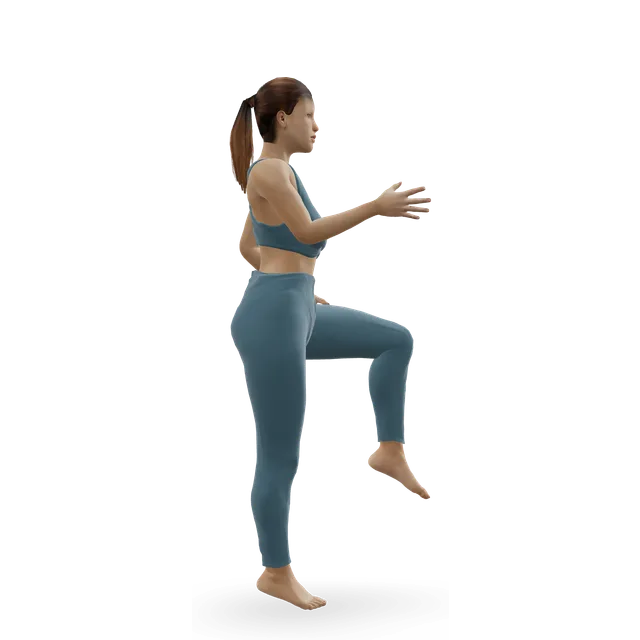
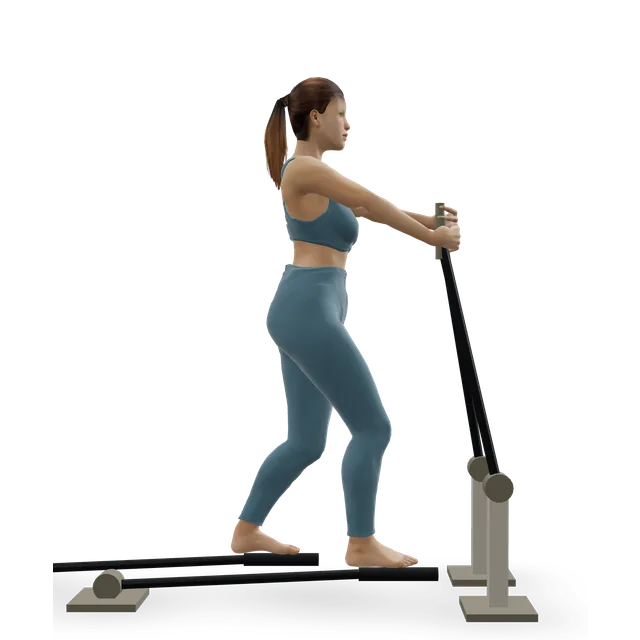
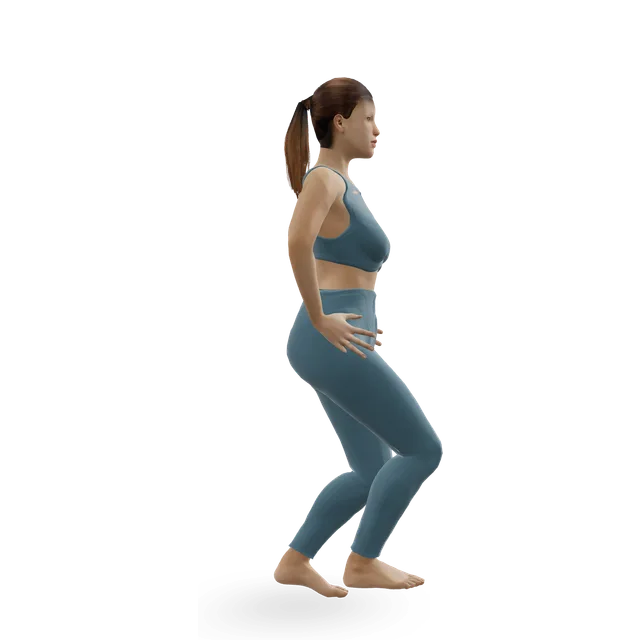
The movement on the figure: Treadmill jogging
Under about 45 minutes, you need none. For 45 to 75 minutes, small amounts help, even rinsing your mouth with a sports drink. For 1 to 2.5 hours, guidance suggests 30 to 60 g an hour, and beyond 2.5 to 3 hours up to 90 g an hour from a mix of sugars. Across 61 studies, 82% found carbohydrate improved performance, more so in longer exercise.
Gut problems affect 30 to 50% of endurance athletes. Practising eating and drinking on long runs can train the gut to cope, so try any food or drink on a long run before you rely on it in a race (our suggestion).
Drinking too much is the main cause of dangerously low blood sodium (exercise-associated hyponatraemia) and of every known death from it. Drinking to thirst prevents too much dehydration and greatly reduces that risk. Guidance for athletes aims to avoid losing more than about 2% of body weight in sweat; if you're heavier after a run, you drank more than you sweated out.
In 89 runners in an 80 km ultramarathon, more of those given ibuprofen had a kidney injury than those given a placebo (52% against 34%); the difference wasn't significant, but it works out at about 1 extra case for every 5 or 6 runners. A review of 30 studies lists kidney injury, low blood sodium and gut problems among the possible risks of anti-inflammatory painkillers in long races, though none had a clear, statistically significant link.
Avoid large meals and drinks in the 2 hours before you run, and slow down or walk if one starts. Our breathing guide has more.
Source 32
Across 139 studies, music made exercise feel a little easier, lifted mood during it and improved performance slightly, with faster music helping performance more. Keep the volume low enough to hear traffic.
Source 17
Think in blocks of a few minutes, or from one landmark to the next, rather than the whole distance; run with a friend or a group at a pace you can both talk at; and plan a loop that passes home so you can stop if something hurts (our suggestions).
Across 24 studies of middle- and long-distance runners, strength training generally improved running economy (the energy a given pace costs) by 2 to 8% in the 20 that measured it, though not in every study, and it didn't change body composition. In a later meta-analysis, heavy and combined strength training gave small to moderate gains, and jumping (plyometric) training helped at slower speeds, up to about 12 km/h.
Twice a week, after an easy run or on a non-running day, and not the day before your long run, as our strength training plan for runners advises. The review suggests 2 or 3 sessions a week.
Source 15
Lengthen the runs, keep the walks short, and keep every run at a talking pace; doses from our run-walk and long run workouts.
Twice a week, stopping each set 1 to 3 reps short of failure; doses from our strength workout for runners at home: single-leg calf raises 12 to 20 each side, bent-knee calf raises 15 to 20, split squats 8 to 12, single-leg deadlifts 8 to 10 and step-ups 2 sets of 8 to 10.
 3D demoSingle-leg calf raise from a stepIntermediate · A step + A wall
 3D demoSeated bent-knee calf raise (soleus raise)Beginner · A bench or box
 3D demoRear-foot-elevated split squat (Bulgarian split squat)Intermediate · A bench or box
 3D demoSingle-leg Romanian deadliftAdvanced · A dumbbell
 3D demoStep-upBeginner · A step
On the days between runs, at a pace you can talk at, if you want more fitness without more running (our suggestion).
Our run-walk sessions take you from 1-minute jogs to 20 minutes of running; then the long run workout grows one run a week, with walk breaks if you want them. The 10K, half marathon and marathon plans set each week's long run.
A 35-minute run-walk session for weeks 4 to 8 of learning to run: 5-minute jogs with 2-minute walks, building to a 20-minute run.
35 minBeginner5 movesCardio machine, A wallYour weekly long run: 50 minutes at an easy, conversational pace with an optional 1-minute walk every 9 minutes, and how to fuel and drink on longer runs.
60 minIntermediate6 movesCardio machine, A wallA 40-minute easy run at a pace where you can talk in full sentences, with a brisk-walk warm-up and an easy cool-down: the base of every running plan.
40 minBeginner6 movesCardio machine, A wallA 30-minute beginner run-walk session: a brisk walk, then 1-minute jogs with 1-minute walks, building to 3-minute runs over your first three weeks.
30 minBeginner5 movesCardio machine, A wallA 40-minute strength workout for runners at home: hops, Bulgarian split squats, single-leg deadlifts, step-ups, calf raises and side planks.
40 minIntermediate15 movesA wall, A bench or boxA 45-minute gym strength workout for runners: hops, heavy squats, Bulgarian split squats, calf raises and side planks, with sets, reps and rest.
45 minIntermediate13 movesA wall, A bench or boxSeven stretches for after a run: calves, soleus, quads, hip flexors, hamstrings and glutes.
10 minBeginner7 movesA wallCouch to 5K gets you to 30 minutes; the 10K plan takes you from there to 10K in 8 weeks, with a long run that grows about 10% at a time.
A 9-week beginner plan with the same walk-to-run shape as Couch to 5K: three run-walk sessions a week, from 1-minute jogs to 30 minutes of running.
3 training days35 minBeginner4 days a weekAn 8-week beginner 10K plan: three runs a week plus strength, a long run that grows about 10% at a time, optional hills and tempo runs, and a light race week.
4 training days45 minBeginner4 days a weekA 12-week beginner half marathon plan: three or four runs a week, a long run building to about 15 km, one harder session, strength, a taper and race-day tips.
4 training days50 minBeginner4 days a weekAn 18-week first marathon plan from half marathon fitness: three runs a week, a long run built about 10% at a time, strength, a 3-week taper and race-day fuel.
4 training days60 minBeginner2 days a weekA 12-week strength plan for runners: two sessions a week of heavy lifts, single-leg work, calf raises and hops, fitted around your runs.
2 training days45 minBeginnerAcross 13 studies, new runners had about 17.8 injuries per 1,000 hours of running against 7.7 in recreational runners. In 1,696 people on a 6-week beginners' course, 10.9% were injured, with older age, a higher BMI (body mass index), earlier aches and pains and no running experience adding risk. In 784 half marathon runners, those running under 15 km a week or slower than 6 minutes per kilometre tended to have more injuries, though not significantly. None of these is a reason not to run, only to build up more slowly.
Our start running guide covers each: a gentler first week at a higher body weight, taking each week twice in later life, and making sure an old injury has settled first. Fitness rose at least as much in older men as in young men in a cycling trial.
Not these plans, or not yet: myalgic encephalomyelitis or chronic fatigue syndrome (ME/CFS), where the National Institute for Health and Care Excellence (NICE) advises against programmes with fixed step-by-step increases and the NHS against vigorous unsupervised exercise such as running; and pregnancy, unless you were already running, because the NHS advises against starting a new vigorous activity such as running.
If you get chest pain or pressure, feel faint or dizzy, are unusually breathless, or your heart races or beats irregularly during exercise, as our plans advise.
For chest pain that comes on suddenly and doesn't go away, feels tight or like squeezing, spreads to your arms, neck, jaw, stomach or back, or comes with sweating, feeling sick, light-headedness or breathlessness; severe difficulty breathing; someone who faints while exercising; palpitations that don't go away, or come with chest pain, shortness of breath or feeling faint; or a headache that starts suddenly and is extremely painful, especially while lifting or straining, or comes with numbness or weakness, difficulty speaking or loss of vision. The NHS says a bleed on the brain may be more likely when lifting something heavy. Don't drive yourself to A&E.
Call NHS 111 (in the US, your doctor or an urgent care centre) if you're suddenly more short of breath than usual, or have chest pain with feeling sick or a heartbeat that races, skips or flutters.
Source 39
Stiff, achy legs for a day or two are normal at first and ease as you repeat the runs. Stop and rest if a pain is sharp, makes you limp or change how you run, or builds as you go, and skip your next run if it's worse the next morning. The NHS advises not running when you're in pain, and seeing a GP or physiotherapist if it doesn't go away; a very painful or swollen knee, or a sudden sharp pain at the back of the ankle, needs a GP straight away.
Pain in one spot on a bone that hurts to press, gets worse with each step and later aches at rest can be a stress fracture: stop running and get it checked. When you can walk briskly without pain, restart a week or two back in the plan. In one study, injured new runners took a median of about 10 weeks to recover, so it pays to stop early.
Our guides to knee, hip, foot, lower back, ankle, calf, hamstring and groin pain when running show what to change and how to build back.
Source 40
Pain in one spot on the shin or a foot bone that you can point to with a fingertip, worse with impact and later present at rest or at night: a possible stress fracture. Stop running and jumping until it has been checked.
A stress fracture from ordinary activity, more than one stress fracture, periods that have stopped or become irregular, or worries that you're eating too little for your training: see a GP about bone health and energy intake.
Same day, and stop running now: groin or front-of-hip pain in a runner, sometimes felt in the thigh or knee, that builds with running, hurts with every step or at night, or hurts when the hip is turned to the end of its range. Keep weight off the leg, using crutches if you have them, and get an urgent GP appointment or help from NHS 111 the same day: a stress fracture of the hip (femoral neck) needs urgent imaging.
Same day: a sudden snap or pop at the back of the heel, then being unable to walk on tiptoe or climb stairs. It could be an Achilles tendon rupture or a broken heel bone.
Get advice from NHS 111 now: you cannot move the knee or put any weight on it, or it is very painful, badly swollen or has changed shape.
Same day (urgent GP appointment or NHS 111): throbbing pain in one leg (rarely both), usually the calf or thigh; swelling in one leg (rarely both); red, blue or darkened skin; or swollen veins; or sudden worse pain and swelling around a lump at the back of the knee (a possible clot or a burst Baker's cyst).
Leg pain or swelling with breathlessness or chest pain: call 999 or go to A&E, and do not drive yourself. It can be a blood clot that has reached the lungs.
Call 999 or go to A&E: loss of feeling or numbness around the genitals or bottom, new trouble peeing or controlling your bladder or bowels, changes in genital sensation during sex or problems with erections or orgasm, or pain, tingling, weakness or numbness in both legs. These are signs of cauda equina syndrome, which needs treating in hospital urgently. Don't drive yourself.
Pain, tingling or numbness spreading below the knee that isn't settling after a few weeks, is getting worse or stops your normal activities: see a GP.
Numbness, tingling or weakness that travels down the leg from the back. That points to a nerve (sciatica) rather than the knee.
A lump in the groin, or groin pain with coughing or straining (a possible hernia).
Get help from NHS 111 if you have a hernia (a lump in the groin or tummy) and pain in or around it, a bloated tummy, you feel sick or are being sick, you're vomiting blood or your vomit looks like coffee grounds, you're constipated, you have a high temperature or feel hot, cold or shivery, or you've suddenly become confused.
Call 999 or go to A&E now if you have a femoral hernia (a small lump at the top of the thigh, in the groin) and very bad tummy pain, you feel sick or are being sick, you cannot fart or poo, you have a high temperature or feel hot, cold or shivery, or you've suddenly become confused. It may be strangulated, which is an emergency. Don't drive yourself.
Call NHS 111 or ask for an urgent GP appointment (in the US, your doctor or urgent care) if you're suddenly more short of breath than usual, or your muscles are very sore and weak with dark, red or cola-coloured pee after an unusually hard run.
Confusion, a headache, being sick or unusual tiredness after drinking a lot on a long run can be low blood sodium: get medical help straight away.
Source 14
Avoid painkillers such as ibuprofen or aspirin before or during the race. In 3,913 Bonn Marathon runners who answered a survey, those who took them had about 5 times as many problems, and all 9 hospital admissions, including 3 for kidney failure after ibuprofen, were among them. That's an association, but there's nothing to gain. If you take painkillers for a health condition, ask your doctor about race day.
In the heat, tiredness, dizziness, a headache, feeling sick, heavy sweating and intense thirst can be heat exhaustion: stop, get somewhere cool, drink and cool your skin, and you should feel better within 30 minutes. If you don't, or there's confusion, hot skin that has stopped sweating, a fit or a collapse, call 999 or 911: that's heatstroke.
Source 41
Lie down with your legs raised, or sit with your head lowered between your knees, and drink some water. Crossing your legs while standing, rocking up and down on your toes or clenching your fists can help. Call 999 if someone faints while exercising.
Ask for an urgent GP appointment or get help from NHS 111 for a headache that's triggered or made worse by coughing, sneezing, bending down or exercising. In the US, contact your doctor or urgent care.
Speak to a GP first if you haven't exercised for some time, or if you have a medical condition or concerns. Get advice first, too, if you have a health problem, an injury or symptoms, have recently had a heart attack or an operation, or are pregnant or have recently given birth.
Answer the 7 questions of the Physical Activity Readiness Questionnaire (PAR-Q+) before you start. A yes to any (a heart condition or high blood pressure, chest pain, dizziness or fainting, another long-term condition or its medicines, a bone or joint problem, or being told to exercise only under medical supervision) means checking with your doctor or a qualified exercise professional first. It also asks people over 45 who aren't used to hard, all-out effort to check before exercising that hard: think races and time trials, not easy runs. The NHS suggests speaking to a GP first if you're worried about your health.
Source 42
If you have a heart condition, follow your cardiac team's advice on how hard to work, and stop for the warning signs above. People with long-term conditions may wish to ask their specialist before starting. With uncontrolled high blood pressure, avoid straining against a held breath; the high blood pressure guide has more.
A 10%-rule programme injured as many new runners as a faster one, and a Cochrane review found no evidence for slower build-ups. In one large observational study, weekly changes weren't linked with injury while single long runs were.
Run-walk finished a marathon in about the same time as running throughout, with less muscle pain, and Couch to 5K is built on walk breaks.
An easy pace is what lets you keep going: the talk test marks the point above which effort soon becomes hard to sustain.
Not under about 45 minutes. Guidance suggests 30 to 60 g of carbohydrate an hour for runs of 1 to 2.5 hours.
Drinking too much is the main cause of dangerously low blood sodium, and drinking to thirst greatly reduces the risk.
Source 14
Beginners running 5 days a week were injured far more often than those running 3 in an old trial; our plans use 3 runs a week.
Source 9
Stretching didn't reduce leg soft-tissue injuries in 6 trials of 5,130 people, most of them military recruits. Warm up by walking and easy jogging instead.
Source 7
Slow down to a pace where you can talk in full sentences, take walk breaks when you need them, and add a few minutes to one run a week. Most people who can't keep going are running too fast.
Run more slowly, run 3 times a week so your fitness builds, and strength train twice a week, which made running 2 to 8% more economical in most studies. On runs over an hour, some carbohydrate helps.
Slow down: if you can't talk in full sentences, you're above your easy pace. Walk for a minute when you need to; breathing gets easier within a few weeks of regular running. Our breathing guide has more.
No weekly percentage has been shown to prevent injuries, and the 10% rule didn't in its trial. In one large observational study, single runs much longer than your recent longest were linked with more injuries, so keep your long run within about 10% of your longest of the past month, as our plans do.
It didn't prevent injuries in 532 new runners, who were injured as often on a 10%-rule plan as on a faster one. Building gradually is still sensible: watch your longest run rather than a weekly percentage.
Yes. In a randomised study, marathon runners who took walk breaks finished in about the same time as those who ran throughout, with less muscle pain. Couch to 5K is built on walk breaks.
Weeks rather than days: fitness rises within about 3 weeks, Couch to 5K takes 9 weeks or more to reach 30 minutes, and our 10K plan takes 8 weeks from there. People vary, so repeat weeks when you need to.
Keep 3 runs a week and lengthen one of them by a few minutes each week, with a lighter week every few weeks, as our 10K plan does over 8 weeks. Race day is the one bigger step.
Under about 45 minutes, no. On runs of 1 to 2.5 hours, guidance suggests 30 to 60 g of carbohydrate an hour, practised on long runs first. Drink to thirst, and never so much that you gain weight.
Three is a good start, with a rest day after each at first. In an old trial, beginners running 5 days a week were injured far more often than those running 3.
It can: across 139 studies, music made exercise feel a little easier and more enjoyable and improved performance slightly. Keep the volume low enough to hear traffic.
Stiff, achy legs for a day or two after a longer run are common at first. Pain that's sharp, makes you limp or change how you run, or sits in one spot on a bone is different: stop and see the matching pain guide.
Exercise education, not a personal prescription, and clinical review of these guides is pending. Check with a GP before starting hard training if you have a heart condition, chest pain, dizziness or breathlessness when active, and stop for sharp or increasing pain. Health disclaimer.