Training guide

How to improve running form: cadence, overstriding, foot strike, posture and arms, what changes injury risk and what doesn't, and drills to practise

There's no single correct way to run. Beginners become more economical on their own within weeks, form explains only a small share of why some runners use less energy than others, and most runners land on their heel without trouble. The changes with the best evidence are small ones: a slightly quicker step (5 to 10% more steps a minute) and landing with your foot closer under you, which both reduce the load on the knee in lab studies.

This guide covers what good form means, cadence and the myth of 180 steps a minute, overstriding, foot strike, posture and arm swing, what gait retraining has and hasn't shown for injuries, drills and strides, and how to change one thing at a time without swapping one pain for another.

The short version

There's no single correct form

Ten beginners became about 8.5% more economical in 10 weeks of running with no coaching on form, and across 51 studies, single parts of form explained only a small share of the differences in economy between runners. If running feels fine and you're not injured, you don't need to change anything.

Sources 1, 2, 3

A slightly quicker step eases the knee

Taking 5 to 10% more steps a minute at the same speed reduced the load on the knee in lab studies, mostly by shortening the stride so the foot lands closer under you. Whether it prevents injuries hasn't been shown.

Sources 4, 5, 6

180 steps a minute isn't a target

Runners' own step rates vary widely, from about 155 to over 200 a minute even among elite runners. Step rate rises with speed and falls with height and leg length.

Sources 5, 7, 8

Heel striking is normal

About 9 in 10 runners in a road race landed heel first, and no study that followed runners forward has linked foot strike with injury. Switching to a forefoot strike made running less economical at first and moves load to the calf and Achilles.

Sources 9, 10, 11

Retraining cut injuries in one trial

In one trial of 320 novice runners, 2 weeks of feedback to land more softly went with fewer self-reported injuries over a year (16% against 38%). Across 19 trials, too few measured injury to say more.

Sources 12, 13

Drills are practice, not a fix

No trial has shown that running drills improve form or prevent injury. Strength training does make running 2 to 8% more economical in most studies. If you change something, change one thing at a time over 2 to 4 weeks, and stop for pain.

Sources 14, 15, 16

What running form is, and what it changes

The parts of form

Form is how you move when you run: your step rate (cadence, steps a minute), stride length, where your foot lands compared with your hips, how much you bounce, how upright your trunk is and how your arms swing. Speed is step rate times step length, so at the same speed a quicker step is a shorter one.

Sources 17, 3, 18

What it changes

Form matters to runners in two ways: economy (the energy a given pace costs) and the load on particular tissues, such as the knee, the kneecap, the Achilles and calf, and the shin. A change often moves load from one place to another rather than removing it: a forefoot landing eases the knee but loads the calf and Achilles.

Sources 3, 2, 4, 11

The muscles that do the work

The calf muscles do much of the supporting work at running speeds, the thigh muscles absorb the landing, and the hip muscles steady the pelvis on each one-leg landing, as our running page explains. Injured runners showed more drop of the opposite hip on landing than uninjured runners.

Source 19

How people differ

Height, leg length and speed change step rate; beginners differ from trained runners in how far their chosen stride is from their most economical one; most runners land heel first; and shoes and surfaces change how you land. Being able to jog easily for 20 to 30 minutes comes before drills and strides, and pain-free running comes before any change aimed at performance.

Sources 7, 8, 20, 3, 9

Check your own form

Film yourself and count your steps

Ask someone to film you from the side and from behind on an easy run, on flat ground. Count your steps for 30 seconds and double it to get your step rate. Look for a foot that lands well ahead of your hips, a big up-and-down bounce, arms swinging across your body, and a hip that drops on the other side each time you land (our suggestion).

Sources 21, 19

What to do with what you see

If nothing hurts and running feels fine, nothing needs fixing. If you see a long reach with your foot, try the slightly quicker step below. If you have pain, start with the matching pain guide or a physiotherapist rather than changing your form on your own (our suggestion).

What the evidence says

You get more economical without tryingEmerging evidence

In 10 women who were new to running, 10 weeks of running with no coaching on form cut the oxygen they used per kilometre by about 8.5% (our arithmetic), while their maximum oxygen use didn't change. Several parts of their stride changed on their own.

Source 1

Form explains only a small part of economyStrong evidence

Across 51 studies of 1,115 people, single parts of running form each explained only about 4 to 12% of the differences in economy between runners, and a higher step rate had only a small link with lower energy cost. In 97 runners, three technique measures together explained 39% of the energy cost. A review warns that "recommending a general economical running technique should be approached with caution".

Sources 2, 22, 3

Your own stride is about your most economicalEmerging evidence

In trained runners, the stride they choose is about their most economical, and strides up to 3% shorter are fine. In novices, the chosen and most economical step rates can differ more, by about 8%.

Source 3

Strength training makes running cheaperStrong evidence

Across 24 studies of middle- and long-distance runners, strength training generally improved running economy by 2 to 8% in the 20 that measured it, though not in every study. Heavy lifting, jumping (plyometric) training and the two combined did most.

Sources 16, 23, 24

Cadence and overstriding

A quicker step eases the kneeEmerging evidence

In 45 recreational runners, 5% more steps a minute at the same speed cut the energy absorbed at the knee by about 20%, and 10% more cut it by about 34% and eased the hip too. In 30 runners, 10% more steps cut the modelled peak force on the kneecap by 14%. Across 37 studies, the evidence that a quicker step means less knee bend was strong, and for less kneecap stress, limited. These are lab findings about load, not about injuries.

Sources 4, 5, 6, 18

Whether it prevents injury is unknownMixed evidence

The same review found "insufficient evidence to conclusively determine the effects of altering running step rate on injury and performance", and very limited evidence that a quicker step feels more effortful and awkward and costs a little more energy.

Source 6

There's no universal 180Strong evidence

In 30 recreational runners, own step rates ran from 156 to 192 a minute. Outdoors, 21 experienced runners averaged 165 at a comfortable speed, a little below the 171 that kept their heart rate lowest, and both rose by 3 steps a minute when they ran 15% faster; taller runners took fewer steps. Elite runners in a 100 km race averaged 182, ranging from 155 to 203. In 138 young runners, leg length and speed explained about half the variation.

Sources 5, 4, 7, 8, 20

OverstridingEmerging evidence

Overstriding means landing with your foot far ahead of your hips. In 14 runners, braking force rose the further ahead of the hip the foot landed, and for every 5 more strides a minute, the foot landed about 6% closer to the hip. A quicker step shortens the stride and brings the foot back under you.

Sources 21, 18

Foot strike

Most runners land heel firstStrong evidence

Of 936 runners in a road race, mostly recreational, about 89% were landing heel first at the 10 km point.

Source 9

No link with injury has been shownEmerging evidence

Across 13 studies, the links between foot strike and injury came from studies that looked back after the injuries, which can't show cause; the few that followed runners forward found no link. In one of the looking-back studies, of 52 college runners, heel strikers reported about twice the rate of overuse injuries, but the authors say it doesn't test cause.

Sources 10, 11, 25

Switching costs economy and moves the loadEmerging evidence

When heel strikers were asked to land on their forefoot, running became less economical straight away at slow and moderate speeds, and the load shifted to the ankle and calf. A review concluded that "changing strike pattern cannot be recommended for an uninjured RFS runner" (RFS: a rearfoot, or heel, striker).

Sources 11, 26, 13

Gait retraining and injuries

Landing more softly cut injuries in one trialEmerging evidence

In 320 novice runners at a running club, 2 weeks of treadmill running with real-time feedback to land more softly went with 16% injured over the next year, against 38% in runners who did the same treadmill time without feedback. It's one trial, the injuries were self-reported, and it hasn't been repeated, so it doesn't show that other changes to form prevent injury.

Source 12

What retraining changesEmerging evidence

Across 19 trials of 673 people, step-rate retraining raised step rate and lowered how quickly force builds up on landing (moderate certainty), without changing economy or performance. Too few trials measured pain; two showed fewer injuries at a year.

Source 13

For knee pain, load advice comes firstEmerging evidence

In 69 runners with kneecap pain, education on symptoms and training load did as well on its own as with added gait retraining or exercises, though the retraining did raise step rate by 7% and cut the loading rate by 25%. A review of reviews found short-term gains in pain and function from 5 to 10% more steps or a softer landing, and in 12 runners with kneecap pain, a 10% quicker step went with less pain at 3 months, without a comparison group.

Sources 27, 28, 29

How retraining was doneEmerging evidence

Programmes used about 8 sessions over 2 weeks, building from 15 to 30 minutes of running, with the feedback faded over the last 4 sessions; in 10 runners, this cut impact at the shin by nearly half a month later. Outdoors, 30 runners cued to a 7.5% quicker step over 8 sessions raised it by 8.6% and cut the loading rate by about 19% at 1 month. Most changes were still there 1 to 3 months later.

Sources 30, 31, 32

What injured runners do differentlyEmerging evidence

In 72 injured and 36 uninjured runners, the injured showed more drop of the opposite hip, more forward trunk lean and a straighter knee on landing, whichever of 4 common injuries they had. This compares runners at one point in time, so it can't show which came first.

Source 19

Posture and arms

Run tall, with a slight lean from the anklesEmerging evidence

In 24 runners, a little more forward lean of the trunk (about 14 degrees against their usual 7) lowered peak stress on the kneecap, and leaning back raised it. In 97 runners, a more upright trunk went with better performance. Our reading: stay tall and let a slight lean come from the ankles, not by bending at the waist.

Sources 33, 22

Let your arms swingEmerging evidence

Running with the arms held still behind the back, across the chest or on the head cost 3%, 9% and 13% more energy than running with a normal arm swing. Keep the elbows bent to about a right angle, hands and shoulders relaxed, swinging forward and back rather than across your body (our suggestion).

Source 34

Drills and shoes

Drills don't copy runningEmerging evidence

In 17 long-distance runners, A-skips, B-skips and heel flicks bent the ankle less than running did. In 30 recreational runners, adding drills to 15 weeks of interval training didn't improve performance, and one loading measure was higher. No trial has shown that drills improve form or prevent injury: they're a way to practise, and our drills session is untested.

Sources 15, 14

No shoe type prevents injuriesStrong evidence

Across 12 trials of 11,240 people, no type of running shoe reduced injuries, and choosing shoes by foot posture probably made little or no difference (moderate certainty). In 848 runners randomly given softer or harder shoes, the harder ones went with more injuries, but only in lighter runners when split by weight. Choosing a comfortable shoe is a sensible idea, not a tested one.

Sources 35, 36, 37

How to try a slightly quicker step

Our editorial sequence. The 5 to 10% steps come from the step-rate studies (Heiderscheit 2011; Lenhart 2014) and the retraining studies (Bramah 2019, 10% in runners with kneecap pain; Willy 2016; the Anderson 2022 meta-analysis); the 2 to 4 weeks and fading the feedback follow the gait retraining studies above (Crowell 2011; Willy 2012). It hasn't been tested as a programme.

  1. On an easy run on flat ground, count your steps for 30 seconds and double it: that's your step rate (cadence) in steps a minute.
  2. Add 5%: at 160 steps a minute, that's 168 (our arithmetic). A metronome app or a running watch can beep the new rate.
  3. Keep the same speed. Take shorter, lighter steps, landing with your foot closer under your hips rather than reaching out in front.
  4. Run 5 minutes at the new rate, then 5 minutes as you like, 2 or 3 times in the run.
  5. Do this on 2 or 3 runs a week for 2 to 4 weeks, then run without the beep and see whether it sticks. If it feels natural, you can try 10%.
  6. If your calves, Achilles or feet start to ache, go back to your usual rate for a week and build in more slowly.

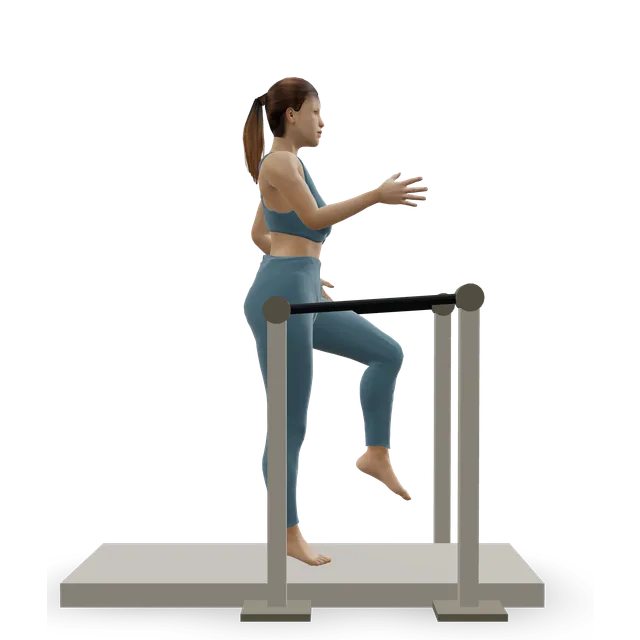
Loading the 3D figure…

Gets into position, then repeats the movement. Technical checks passed; qualified exercise review is pending.

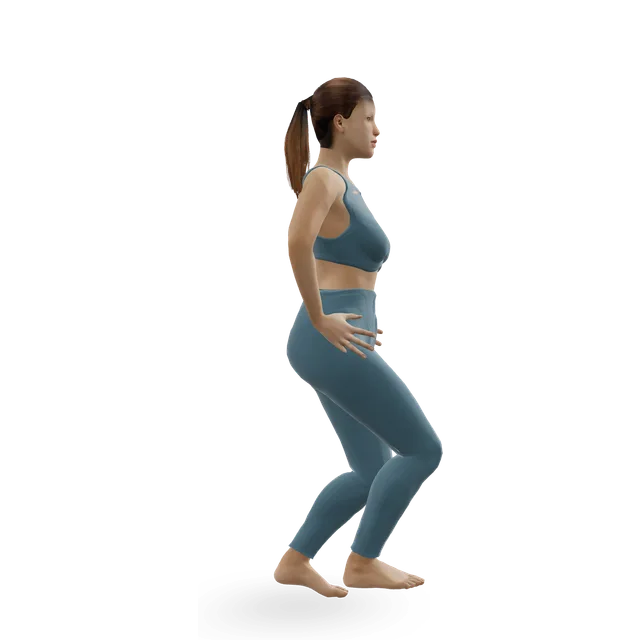
The movement on the figure: Treadmill running

How to change one thing at a time

One change, 2 to 4 weeks

The retraining studies changed one thing over about 8 sessions in 2 weeks and faded the feedback towards the end. Give one change 2 to 4 weeks on easy runs before you judge it or add another, and keep your weekly distance the same while you do (our suggestion).

Sources 30, 31, 32

Expect it to feel odd at first

A quicker step felt more awkward and effortful in a few small studies (very limited evidence). Keep the change on easy runs until it stops feeling strange, and leave speed sessions as they are (our suggestion).

Source 6

Swap pains, and stop

If a new aching starts in your calf, Achilles, shin or foot after you change how you land or step, go back to your old running for a week or two and build the change in more slowly. Pain that doesn't settle needs its pain guide (our suggestion).

Sources 11, 13

Drills for a springy, upright stride

After an easy jog, once or twice a week; doses from our runner's warm-up and speed workouts. Count each landing in the hops and skips as a foot contact: about 80 to 100 a session suits beginners, as our fast skipping page says (Davies 2015).

Strength that holds your form late in a run

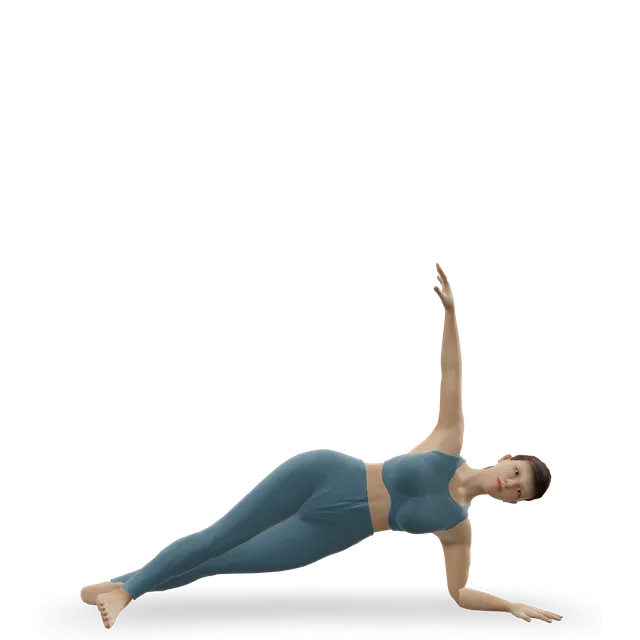
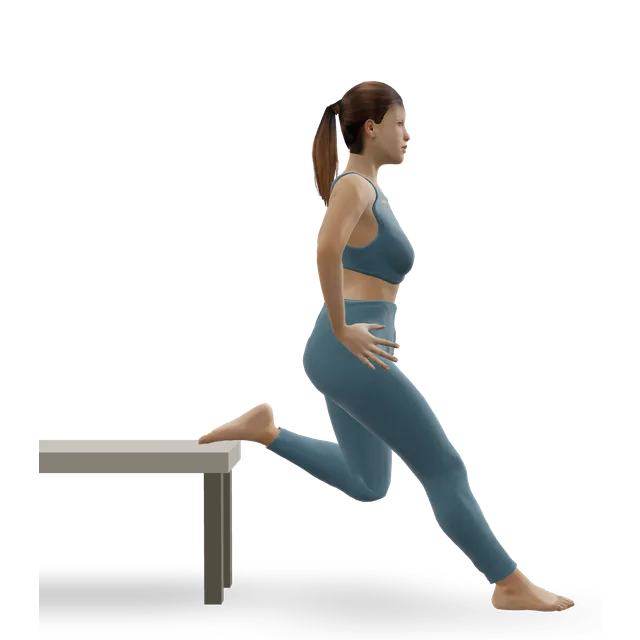
Doses from our injury prevention exercises for runners, done 3 or 4 times a week (single-leg calf raises 3 × 15 each leg, single-leg deadlifts 2 × 10 each leg, side plank leg lifts 2 × 10 each side, single-leg balance for 2 minutes each leg), and our strength workout for runners at home, done twice a week (split squats 8 to 12 each side).

Ankles and hips that let you step under yourself

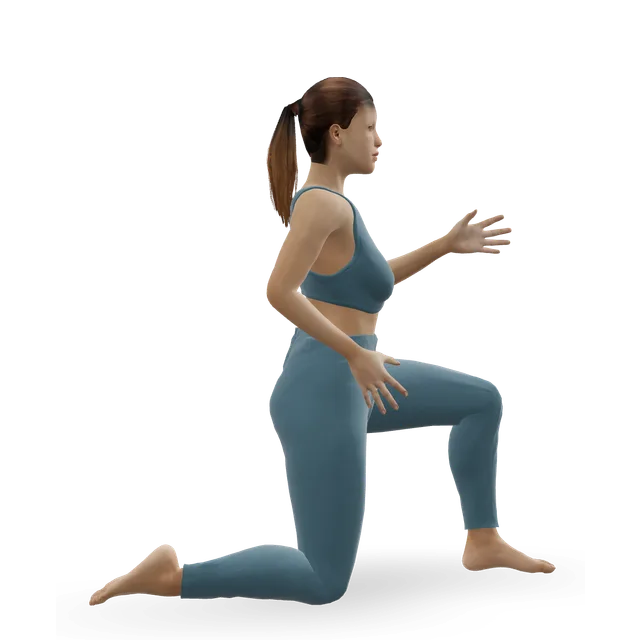
Before runs, or daily if your ankles or hips feel stiff: ankle circles and knee-to-wall rocks as their move pages give them (5 slow circles each way with each ankle; 10 slow rocks per side, daily), and the hip flexor stretch for 45 seconds each side after a run, as in our post-run stretches.

Workouts to follow

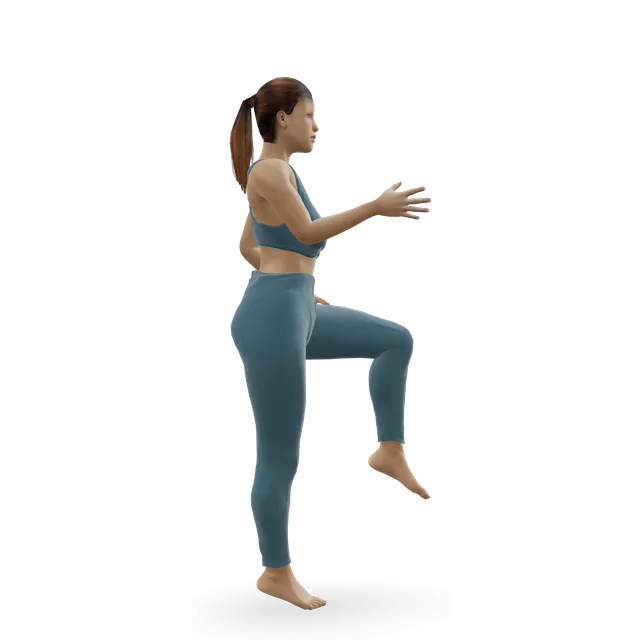
Our running form drills session takes 25 minutes: an easy jog, A-skips, fast skips, an arm drill, small hops and strides, then an easy run with one cue. Do it once or twice a week, after an easy run or in place of one. It's our editorial session and hasn't been tested.

Running form drills: skips, quick feet, arm swing and strides

A 25-minute session to practise running tall, quick and relaxed: an easy jog, A-skips, fast skips, an arm drill, small hops, strides and an easy run with one cue.

25 minBeginner10 movesCardio machine

Runner's warm-up

An 8-minute dynamic warm-up for runners: ankle and hip mobility, lunges, skips and pogo hops.

8 minIntermediate8 movesA wall

Plyometrics for runners

A 20-minute hop and bound session for runners: ankle bounces to pogo hops, one-leg hops and bounding, building foot contacts slowly over 10 weeks.

20 minIntermediate8 movesCardio machine

Strength workout for runners at home

A 40-minute strength workout for runners at home: hops, Bulgarian split squats, single-leg deadlifts, step-ups, calf raises and side planks.

40 minIntermediate15 movesA wall, A bench or box

Strength workout for runners (gym)

A 45-minute gym strength workout for runners: hops, heavy squats, Bulgarian split squats, calf raises and side planks, with sets, reps and rest.

45 minIntermediate13 movesA wall, A bench or box

Injury prevention exercises for runners

Foot, calf, balance and hop exercises taken from the running trials with positive results, in a 25-minute home routine for 3 or 4 days a week.

25 minBeginner11 movesOther / check instructions, A bench or box

Tempo run: comfortably hard

A 45-minute tempo run for 10K and half marathon training: an easy warm-up and strides, then two 8-minute blocks at a comfortably hard, short-sentences effort.

45 minIntermediate6 movesCardio machine, A wall

Plans

The strength training plan for runners builds the strength work over weeks; the 5K plan adds strides and hills to easy running.

When a form change belongs with a clinician

Knee pain when running

With kneecap pain, start with the runner's knee or knee pain when running guide: advice on symptoms and training load came first in a trial, and a 5 to 10% quicker step or softer landing is added if needed, often with a physiotherapist.

Sources 27, 28

Shin or calf pain that builds in every run

For exertional compartment syndrome at the front of the shin, changing how you run is the core of treatment without surgery, as our running page explains. Experts also use running retraining for several other leg injuries, despite little trial evidence. That's a plan to make with a physiotherapist and the pain guide, not on your own.

Source 38

Shin splints, Achilles, heel and outer knee pain

Our shin splints, Achilles tendinopathy, plantar fasciitis and IT band syndrome guides each have a staged plan. Load comes first in each; form changes, if any, come later.

Warning signs: when to stop and get help

Stop and get medical help

If you get chest pain or pressure, feel faint or dizzy, are unusually breathless, or your heart races or beats irregularly during exercise, as our plans advise.

Call 999 (911 in the US)

For chest pain that comes on suddenly and doesn't go away, feels tight or like squeezing, spreads to your arms, neck, jaw, stomach or back, or comes with sweating, feeling sick, light-headedness or breathlessness; severe difficulty breathing; someone who faints while exercising; palpitations that don't go away, or come with chest pain, shortness of breath or feeling faint; or a headache that starts suddenly and is extremely painful, especially while lifting or straining, or comes with numbness or weakness, difficulty speaking or loss of vision. The NHS says a bleed on the brain may be more likely when lifting something heavy. Don't drive yourself to A&E.

Sources 39, 40

Pain decides, not form

Stiff, achy legs for a day or two are normal at first and ease as you repeat the runs. Stop and rest if a pain is sharp, makes you limp or change how you run, or builds as you go, and skip your next run if it's worse the next morning. The NHS advises not running when you're in pain, and seeing a GP or physiotherapist if it doesn't go away; a very painful or swollen knee, or a sudden sharp pain at the back of the ankle, needs a GP straight away.

Source 41

Pain that comes on at the same point in every run

Tightness in the shin or calf, with tingling on the top of the foot or a foot that slaps down, that comes on at the same point in every run and eases within minutes of stopping: see a GP or sports physiotherapist. It can be exertional compartment syndrome.

A bone that hurts in one spot

Pain in one spot on the shin or a foot bone that you can point to with a fingertip, worse with impact and later present at rest or at night: a possible stress fracture. Stop running and jumping until it has been checked.

Back pain, and pain spreading down a leg

Call 999 or go to A&E: loss of feeling or numbness around the genitals or bottom, new trouble peeing or controlling your bladder or bowels, changes in genital sensation during sex or problems with erections or orgasm, or pain, tingling, weakness or numbness in both legs. These are signs of cauda equina syndrome, which needs treating in hospital urgently. Don't drive yourself.

Pain, tingling or numbness spreading below the knee that isn't settling after a few weeks, is getting worse or stops your normal activities: see a GP.

New pain after a change

If a new aching starts in your calf, Achilles, shin or foot after you change how you land or step, go back to your old running for a week or two and build the change in more slowly. Pain that doesn't settle needs its pain guide (our suggestion).

Sources 11, 13

Ask for an urgent GP appointment or call NHS 111

Ask for an urgent GP appointment or get help from NHS 111 for a headache that's triggered or made worse by coughing, sneezing, bending down or exercising. In the US, contact your doctor or urgent care.

Check first

Speak to a GP first if you haven't exercised for some time, or if you have a medical condition or concerns. Get advice first, too, if you have a health problem, an injury or symptoms, have recently had a heart attack or an operation, or are pregnant or have recently given birth.

Answer the 7 questions of the Physical Activity Readiness Questionnaire (PAR-Q+) before you start. A yes to any (a heart condition or high blood pressure, chest pain, dizziness or fainting, another long-term condition or its medicines, a bone or joint problem, or being told to exercise only under medical supervision) means checking with your doctor or a qualified exercise professional first. It also asks people over 45 who aren't used to hard, all-out effort to check before exercising that hard: think races and time trials, not easy runs. The NHS suggests speaking to a GP first if you're worried about your health.

Source 42

A heart condition

If you have a heart condition, follow your cardiac team's advice on how hard to work, and stop for the warning signs above. People with long-term conditions may wish to ask their specialist before starting. With uncontrolled high blood pressure, avoid straining against a held breath; the high blood pressure guide has more.

Myths

"Heel striking causes injuries"Emerging evidence

About 9 in 10 road racers land heel first, and no study that followed runners forward has linked foot strike with injury. The links come from studies that looked back after injuries, which can't show cause.

Sources 9, 10, 25

"Switch to a forefoot strike"Emerging evidence

It made running less economical at first and moves load to the calf and Achilles, so it isn't recommended if you're not injured.

Sources 11, 26

"180 steps a minute is the ideal cadence"Strong evidence

Recreational runners' own rates ran from 156 to 192, and step rate rises with speed and falls with height and leg length. Elite ultrarunners ranged from 155 to 203.

Sources 5, 7, 8, 20

"Good form prevents injuries"Mixed evidence

One trial of soft-landing retraining in new runners found fewer self-reported injuries; otherwise, the evidence on form and injury is thin.

Sources 12, 13, 6

"Drills fix your form"Emerging evidence

Drills don't copy running mechanics, and adding them to training didn't improve performance in the one trial.

Sources 15, 14

"There's one correct way to run"Strong evidence

Beginners become more economical on their own, and single parts of form explain only a small share of the differences in economy between runners.

Sources 1, 2

"The right shoe will correct your form"Strong evidence

No type of running shoe has been shown to prevent injuries, and choosing shoes by foot posture made little or no difference.

Source 35

"Lean forward from the waist to run faster"Emerging evidence

A little more lean lowered kneecap stress in one lab study, while a more upright trunk went with better performance in another. Stay tall and let a slight lean come from the ankles.

Sources 33, 22

Questions people ask

What is good running form?

There's no single correct form. In general: run tall with a slight lean from the ankles, land with your foot near your hips rather than far in front, take quick, light steps, and let your arms swing relaxed. Beginners become more economical on their own within weeks.

How can I improve my running form?

Run regularly at an easy pace, strength train twice a week, and if you want to change one thing, try a step rate about 5% quicker at the same speed. Change one thing at a time over 2 to 4 weeks, and stop if it brings on pain.

What is a good running cadence?

Whatever is natural for your height and speed: recreational runners' own rates ran from about 156 to 192 steps a minute. A rate 5 to 10% above your own reduced the load on the knee in lab studies, though it hasn't been shown to prevent injuries.

Is 180 steps a minute the right cadence?

No. Cadence rises with speed and falls with height and leg length, and even elite ultrarunners ranged from 155 to 203 steps a minute in a race.

Is heel striking bad?

No. About 9 in 10 runners in a road race landed heel first, and no study that followed runners forward has linked heel striking with injury. Overstriding, landing with your foot far ahead of your hips, is the part worth changing.

Should I switch to a forefoot strike?

Not if you're not injured: switching made running less economical at first and moves load to the calf and Achilles. It's a treatment option for some injuries, planned with a physiotherapist.

What is overstriding and how do I fix it?

It's landing with your foot well ahead of your hips, which increases braking. A slightly quicker step at the same speed shortens your stride and brings your foot back under you.

Can better running form prevent shin splints or knee pain?

Not proven. A quicker step and a softer landing reduce knee load and helped knee pain in small studies, but advice on training load did as well in a trial. In one trial in new runners, landing more softly went with fewer self-reported injuries. Our pain guides have the full plans.

What should I do with my arms when running?

Let them swing forward and back, elbows bent to about a right angle, hands and shoulders relaxed. Holding the arms still cost 3 to 13% more energy in a lab study.

Do running drills improve form?

No trial has shown that they do. Drills don't copy running mechanics, and adding them to training didn't improve performance in the one trial. They're useful practice; strength training improves running economy more reliably.

How long does it take to change your running form?

Retraining studies used about 8 sessions over 2 weeks, and most changes were still there 1 to 3 months later. Allow 2 to 4 weeks for each change on easy runs before you add another.

Do running shoes improve form or prevent injuries?

No type of running shoe has been shown to prevent injuries, and choosing shoes by foot posture made little or no difference. Pick a pair that feels comfortable.

Sources

  1. Moore 2012 · How 10 beginner runners became more economical over 10 weeks (study, MSSE)
  2. Van Hooren 2024 · Running biomechanics and running economy: 51 studies, 1,115 people (systematic review and meta-analysis, Sports Med)
  3. Moore 2016 · Is there an economical running technique? (review, Sports Med)
  4. Heiderscheit 2011 · Step rate and joint loading in 45 recreational runners (lab study, MSSE)
  5. Lenhart 2014 · A higher step rate and kneecap joint force in 30 runners (modelling study, MSSE)
  6. Anderson 2022 · Changing step rate: injury, performance and biomechanics, 37 studies (systematic review and meta-analysis, Sports Med Open)
  7. de Ruiter 2020 · Preferred and optimal step frequency outdoors in 21 runners (study, Eur J Sport Sci)
  8. Burns 2019 · Step frequency of 20 elite runners in a 100 km race (study, J Appl Physiol)
  9. Larson 2011 · Foot strike patterns of 936 runners in a road race (observational study, J Sports Sci)
  10. Burke 2021 · Foot strike and running injuries: 13 studies (systematic review, Orthop J Sports Med)
  11. Anderson 2020 · Changing your foot strike: injury, economy and loading, 53 studies (systematic review and meta-analysis, Sports Med)
  12. Chan 2018 · Gait retraining to land more softly and injuries over a year in 320 novice runners (RCT, Am J Sports Med)
  13. Doyle 2022 · Gait retraining in distance runners: 19 trials, 673 people (systematic review and meta-analysis, J Orthop Sports Phys Ther)
  14. Azevedo 2015 · Running drills added to 15 weeks of interval training in 30 runners (controlled trial, J Strength Cond Res)
  15. Abran 2025 · Foot and ankle movement in running drills and in running, in 17 runners (lab study, Sports Biomech)
  16. Blagrove 2018 · Strength training and the physiology of middle- and long-distance running: 24 studies (systematic review, Sports Med)
  17. van Oeveren 2024 · The biomechanics of running and running styles (synthesis, Sports Biomech)
  18. Schubert 2014 · Stride frequency, stride length and running mechanics (systematic review, Sports Health)
  19. Bramah 2018 · Running gait in 72 injured and 36 uninjured runners (case-control study, Am J Sports Med)
  20. Taylor-Haas 2022 · Leg length, speed and cadence in 138 young distance runners (study, Gait Posture)
  21. Lieberman 2015 · Stride frequency, foot position at landing and braking in 14 runners (lab study, J Exp Biol)
  22. Folland 2017 · Running technique, economy and performance in 97 runners (study, MSSE)
  23. Llanos-Lagos 2024 · Strength training methods and running economy at different speeds (meta-analysis, Sports Med)
  24. Balsalobre-Fernández 2016 · Strength training and running economy in 93 highly trained runners (meta-analysis, J Strength Cond Res)
  25. Daoud 2012 · Foot strike and injury rates in 52 college runners (retrospective study, MSSE)
  26. Hamill 2017 · Is changing foot strike pattern beneficial to runners? (review, J Sport Health Sci)
  27. Esculier 2018 · Education with or without gait retraining or exercise in 69 runners with kneecap pain (RCT, Br J Sports Med)
  28. Petri 2026 · Gait retraining for kneecap pain in runners (umbrella review, Sports Med Open)
  29. Bramah 2019 · A 10% higher step rate in 12 runners with kneecap pain (case series, Am J Sports Med)
  30. Crowell 2011 · Gait retraining to reduce leg loading in 10 runners (study, Clin Biomech)
  31. Willy 2012 · Mirror gait retraining in 10 women runners with kneecap pain (study, Clin Biomech)
  32. Willy 2016 · Step-rate retraining outdoors in 30 runners with high impact loading (RCT, Scand J Med Sci Sports)
  33. Teng 2014 · Trunk lean and kneecap joint stress in 24 runners (lab study, J Orthop Sports Phys Ther)
  34. Arellano 2014 · The energy cost of running without arm swing (lab study, J Exp Biol)
  35. Relph 2022 · Running shoes for preventing running injuries: 12 trials, 11,240 people (Cochrane review)
  36. Malisoux 2020 · Shoe cushioning, body mass and injury in 848 recreational runners (RCT, Am J Sports Med)
  37. Nigg 2015 · Running shoes and injuries: the comfort filter (review, Br J Sports Med)
  38. Barton 2016 · Running retraining to treat leg injuries (mixed-methods study with expert opinion, Br J Sports Med)
  39. NHS · Chest pain (past its review date: reviewed August 2023, review due August 2026)
  40. NHS · Heart attack: symptoms
  41. NHS · Knee pain and other running injuries (past its review date: reviewed November 2022, review due November 2025)
  42. NHS · Physical activity guidelines for adults aged 19 to 64

Exercise education, not a personal prescription, and clinical review of these guides is pending. Check with a GP before starting hard training if you have a heart condition, chest pain, dizziness or breathlessness when active, and stop for sharp or increasing pain. Health disclaimer.