Training guide

How to strengthen your feet: the small foot muscles and the arch, the exercises with evidence, for running and balance, and when foot pain needs a different plan

Your feet have small muscles inside them that hold up the arch and work your toes, and long muscles from your shin and calf. Strengthening your feet means toe and arch exercises, heel raises and one-leg balance, about 3 times a week, alongside your ankles.

In trials, foot exercises built toe strength, changed how the arch moves a little and improved balance, though they didn't ease foot pain on their own. This guide covers the foot's muscles, what the trials show for running, balance and ageing, the foot strengthening exercises with doses, flat feet and barefoot shoes, how long it takes, and when foot pain, numb feet or diabetes need a different plan first.

The short version

Two sets of muscles

Small muscles inside the foot hold up the arch and work the toes; long muscles from the shin and calf move the ankle and support the arch from above. Strengthening your feet means toe and arch work, heel raises and one-leg balance.

Foot exercises build foot strength

In 13 trials, training the small foot muscles improved toe strength, arch measures and balance, but didn't ease pain, and the certainty is low to very low. Four weeks of the short foot exercise cut arch drop by about 2 mm in 21 people.

Sources 1, 2, 3

For runners, one promising trial

Over a year, runners who didn't do a foot core programme were 2.42 times more likely to be injured than runners who did. It's one trial of 118 runners, and it needs repeating.

Source 4

For older adults, toes and balance go together

Weak toes and foot pain predict falls. Supervised, progressive toe training raised toe strength where home training didn't, and a podiatry programme with foot and ankle exercises cut falls in one trial but not clearly in a larger one.

Sources 5, 6, 7, 8

Flat feet aren't weak feet that need fixing

The NHS says flat feet don't usually cause problems and shouldn't stop you doing sport, and novice runners with flatter (pronated) feet weren't injured more often.

Sources 9, 10

About 3 times a week, for at least 8 weeks

Towel curls, the short foot, heel raises and one-leg balance. Arch changes showed after 8 weeks of training, not 4. Barefoot shoes strengthen feet too, but change to them slowly.

Source 11

Your foot muscles and the arch

Inside the foot

The abductor hallucis runs along the inner arch, the flexor digitorum brevis and quadratus plantae lie under it, the flexor hallucis brevis works the big toe and the abductor digiti minimi runs along the outer edge. They stiffen the arch as you push off and help you balance. Our abductor hallucis page has the anatomy.

From the leg

The tibialis posterior and the long toe flexors run behind the inner ankle into the arch, the peroneus longus crosses under the foot from the outside, the calves push you up onto your toes, and the tibialis anterior lifts your foot. Our tibialis posterior and flexor hallucis longus pages have more.

Three parts to train

Toes and arch (towel curls, the short foot, toe control), heel raises (which load the arch and calves together), and one-leg balance, with small hops for runners once balance is steady.

Arches differ, and that's normal

Most children have flat feet when young and develop arches between 3 and 10, and flat feet in adults don't usually cause problems. Some small foot muscles were smaller in flat feet in some studies but not others, and in men who wear minimal shoes all their lives, arches were higher and stiffer. These are snapshots, so they can't show cause.

Sources 9, 12, 13, 14

Toe strength and age

In 312 people aged 60 to 90, those who fell over a year had weaker big toes (11.6% of body weight, against 14.8%).

Source 15

Feet and ankles together

One routine covers both

Our foot and ankle strengthening routine trains toes, arches, calves, the sides of the ankle and balance in one 15-minute session, and it suits most people who want stronger feet and ankles.

Ankle sprains and ankles that give way

Those have their own plan: balance training is the best-tested way to prevent repeat sprains, as our guide to strengthening your ankles explains, with braces, a calf raise test and the sprain stages. An ankle that keeps giving way months after a sprain is worth seeing a GP or physiotherapist about.

What the evidence says

Most foot trials are small and short, in young adults, runners or older adults, and the reviews rate the certainty low to very low.

Foot muscle training builds strength and changes the arch a littleEmerging evidence

In 13 trials, training the small foot muscles reduced arch drop and improved foot posture, balance and toe strength (from 2 trials), but wasn't better for pain. In 16 studies of 627 people, it improved the arch and moving balance. Arch mobility changed after 8 weeks but not 4. Across 28 trials of 1,399 people, foot exercises lowered arch motion when running and minimalist shoes raised toe strength, at low to very low certainty.

Sources 1, 16, 11, 2

Single trials of the short foot and toe curlsEmerging evidence

In 21 people without foot pain, 4 weeks of the short foot exercise cut arch drop by 1.8 mm, and by 2.2 mm at 8 weeks. In 12 men, curling the toes against a 3 kg load 3 times a week for 8 weeks raised toe grip from about 9 to 14 kg, with no comparison group.

Sources 3, 17

Running injuries: one trialEmerging evidence

118 recreational runners did 8 weeks of supervised foot and ankle training, then trained at home, or didn't. Over 12 months, runners who didn't do the programme were 2.42 times more likely to have a running injury. We read it as an abstract, which gives no exercise doses.

Source 4

Foot shape and shoesStrong evidence

In 927 novice runners in neutral shoes, flatter (pronated) feet weren't injured more often. Across 21 cohorts, a pronated foot was a small risk factor for shin pain and kneecap pain, and not for other injuries. Choosing running shoes by foot type didn't prevent injuries in a Cochrane review.

Sources 10, 18, 19

Toes, foot pain and fallsStrong evidence

Weak toe muscles and disabling foot pain went with falls in older people, and across 14 cohort studies, foot pain (about twice the odds) and toe weakness each went with more falls. Stronger toes went with better balance in people over 60. These are links, not proof that training toes prevents falls.

Sources 20, 5, 21

Training older feetEmerging evidence

In people aged 60 to 90, supervised, progressive toe training for 12 weeks raised toe strength by up to 36%, while home training didn't change it. Across 9 studies of adults over 65, foot strengthening improved strength, balance and mobility. In 33 active older adults, 12 weeks of foot training eased concern about falling but didn't speed up walking, and in 123 older adults, adding the short foot to leg strength training improved standing balance more than leg training alone.

Sources 6, 22, 23, 24

Foot programmes and falls: mixedMixed evidence

In 305 older people with disabling foot pain, insoles, footwear advice and a 30-minute home foot and ankle exercise programme 3 times a week cut falls by 36% over a year. In 1,010 people in a larger UK trial, falls fell by 12%, which wasn't statistically significant, and only about 3 in 10 did the exercises 3 times a week. Across 8 trials, foot and ankle exercise improved balance and ankle flexibility.

Sources 7, 8, 25

Barefoot and minimalist shoes: stronger feet, more injuries if you switch fastEmerging evidence

In 57 runners, walking in minimalist shoes strengthened foot muscles as much as foot exercises did, and in 38 runners, 6 months in minimalist shoes grew the foot and leg muscles. But 10 of 19 runners who switched to them over 10 weeks showed bone stress on scans, runners in partial minimalist shoes had the most injuries in a trial of 103, and pooled studies found a raised injury risk with the switch. The NHS heel pain page advises not standing or walking for long periods, especially barefoot, while your heel hurts.

Sources 26, 27, 28, 29, 30, 31

Short foot for flat feet: small changesEmerging evidence

In 6 trials of 201 people with flat feet, the short foot improved arch drop and foot posture a little but not muscle size. Arch changes showed only after 5 or more weeks, and hip and whole-leg programmes ranked higher than foot work alone in a network of 11 trials. Adding the short foot to insoles grew the main arch muscle more than insoles alone in 28 people.

Sources 32, 33, 34, 35

Heel pain: strengthening helps some, not allMixed evidence

In 48 people with plantar fasciitis, heavy heel raises eased symptoms sooner than stretching at 3 months, but not later. In 180 people, adding heel raises to advice and a heel cup made no clear difference over a year. A best practice guide puts education, stretching the sole and taping first. Our plantar fasciitis guide has the plan.

Sources 36, 37, 38

Bunions: less pain, not a straighter toeMixed evidence

Across 18 studies, a reduction in pain was more likely than a straighter big toe. The NHS says you can't get rid of bunions or stop them getting worse yourself.

Sources 39, 40

How to strengthen your feet: how much and how often

About 3 times a week

The falls programme and the older adults' short foot trial trained 3 times a week, and our ankle guide suggests 2 or 3 sessions. Do them barefoot unless your feet are numb (see the warning signs).

Sources 7, 24

Toes and arch

Towel curls, 2 sets of 12 each foot, as our foot and ankle strengthening routine does. The short foot, 2 sets of 10 holds of 5 seconds, as our injury prevention exercises for runners do, sitting first, then standing, then on one leg; a trial in older adults used 3 sets of 12.

Source 24

Heel raises

Two sets of 10, rising through the big toe and lowering slowly, building to 3 sets of 12 to 15, then single-leg raises from a step, 3 sets of 10 to 15 each leg (our foot and ankle routine and foot pain guide).

Balance

Two holds of 30 seconds on each leg next to a counter, as our foot and ankle routine does, building towards 1 minute, then eyes closed with a hand hovering, then on a cushion. The NHS balance exercises are for at least twice a week.

Source 41

How long

Arch changes showed after 8 weeks, and toe strength rose over 8 to 12 weeks in trials. Treat 8 weeks as a first block, then keep a short session going (our suggestion).

Sources 11, 6

Our foot and ankle pain rule

Some discomfort during exercise is fine. Aim for pain you would call mild to moderate, no more than about 5 out of 10, that settles within an hour, with no more swelling or stiffness the next morning. If it's worse the next day, do a little less (a smaller range, fewer reps, a lighter band), not nothing.

The exceptions: pain in one spot on a bone should be pain-free, because it could be a stress fracture; burning, tingling or numbness means stop that movement; and if your feet are numb, pain won't warn you, so check your skin after exercise.

NHS inform's foot exercise page also keeps pain within 0 to 5 out of 10 and builds to a maximum of 2 sets of 15.

Source 42

A foot strength session, step by step

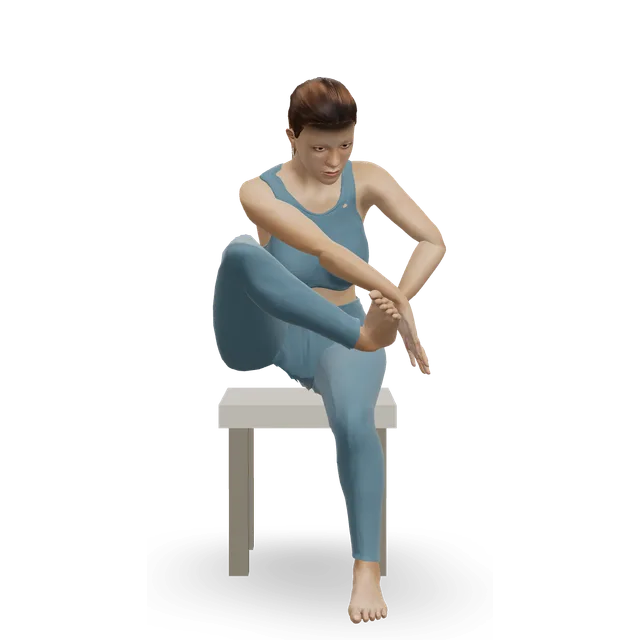
Our editorial order, from our foot and ankle strengthening routine, our injury prevention exercises for runners and the short foot move's steps. The short foot has no 3D demo yet, so the towel curl plays beside these steps.

  1. Barefoot and sitting: 10 slow ankle circles each way with each foot.
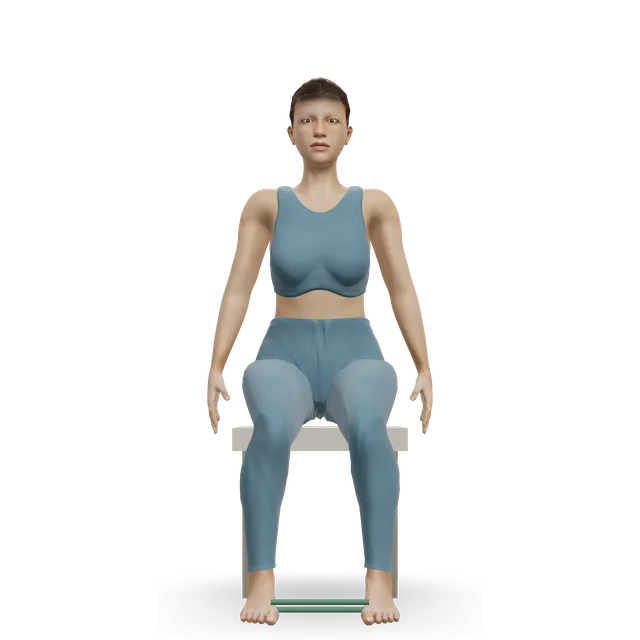
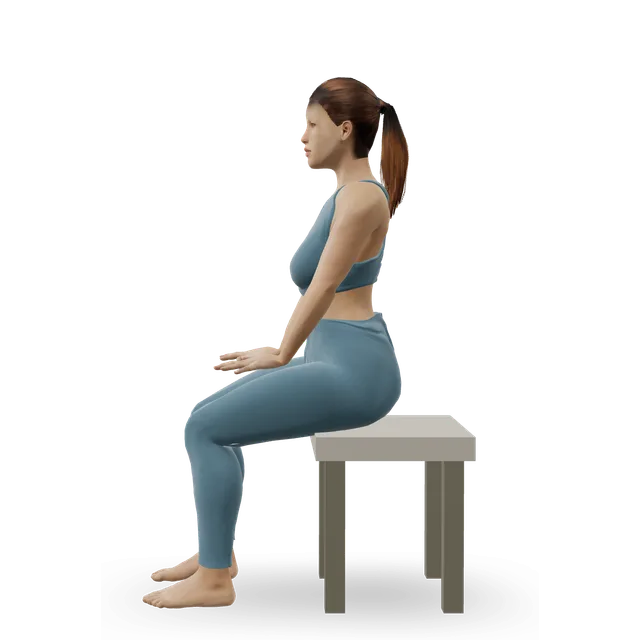
  2. Towel curls: pull a towel in with your toes, heel down, 12 times with each foot, twice.
  3. The short foot: lift your arch by sliding the ball of your big toe towards your heel without curling your toes; hold 5 seconds, then spread your toes. Ten each foot, twice. Once it's easy sitting, do it standing, then on one leg.
  4. Heel raises at a wall: rise through your big toe and lower slowly, 2 or 3 sets of 10 to 15; then one leg at a time from a step.
  5. One-leg balance next to a counter: 30 seconds a side, then eyes closed with a hand hovering.
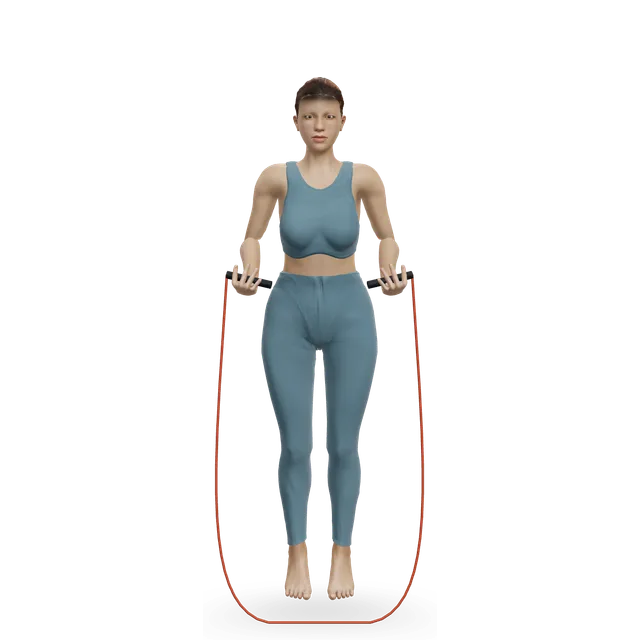
  6. Runners: finish with 2 sets of 20 ankle bounces, quiet and springy.
  7. Next time, make one thing harder.

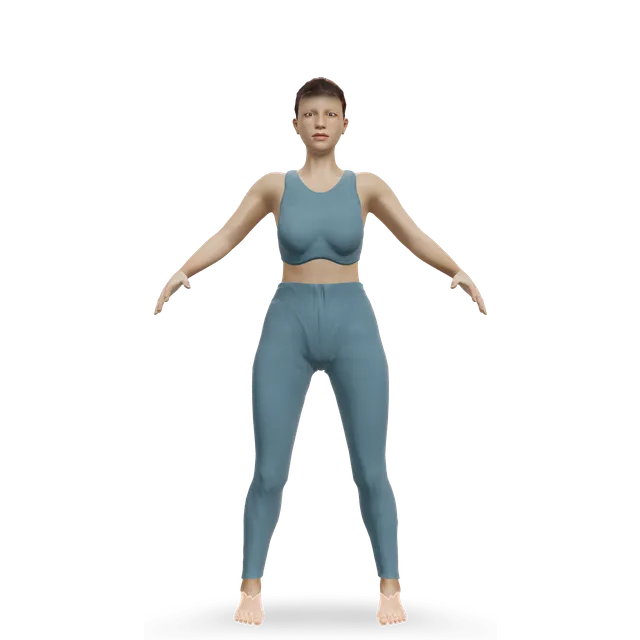
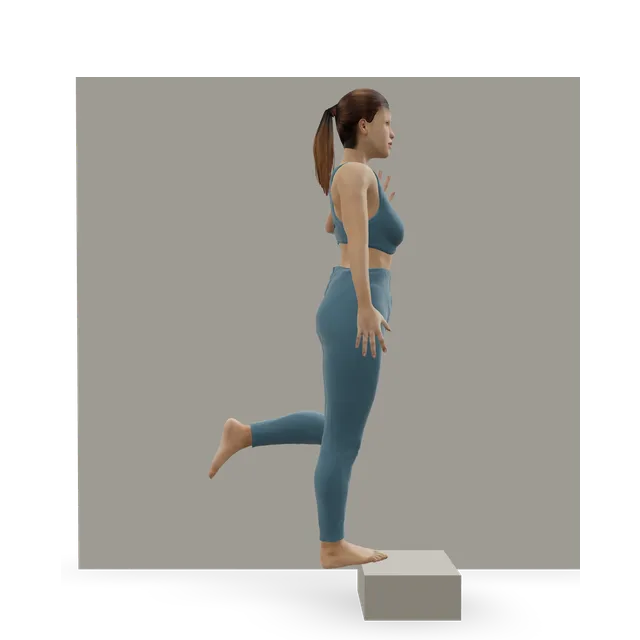
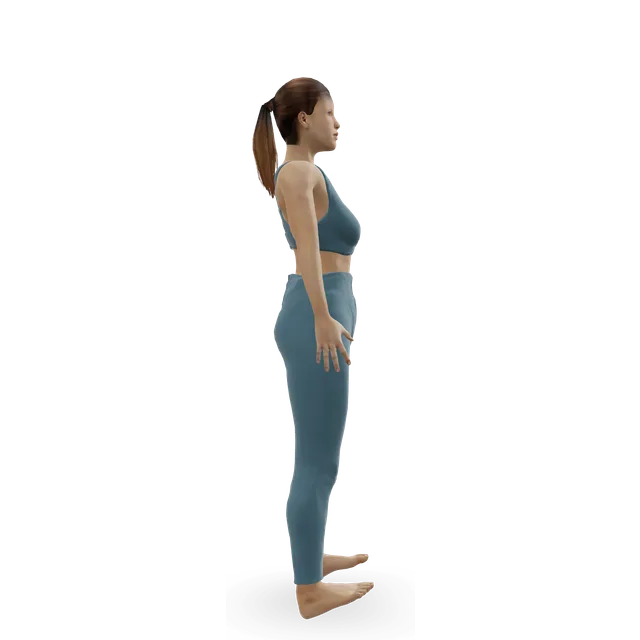
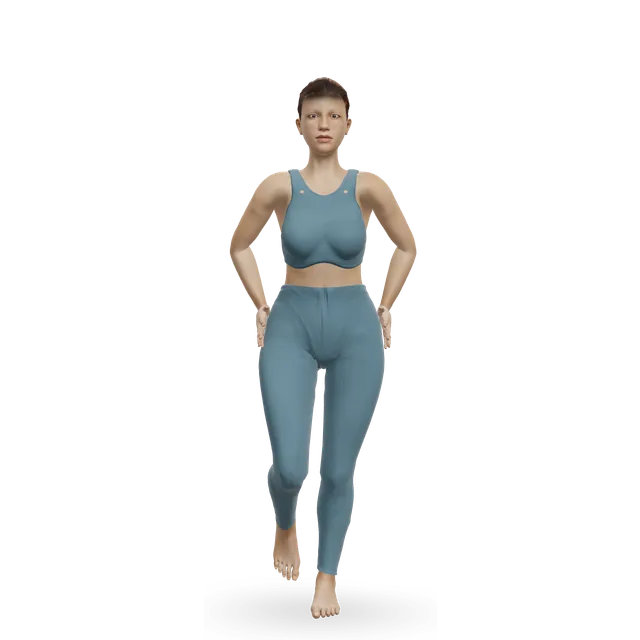
Loading the 3D figure…

Gets into position, then repeats the movement. Technical checks passed; qualified exercise review is pending.

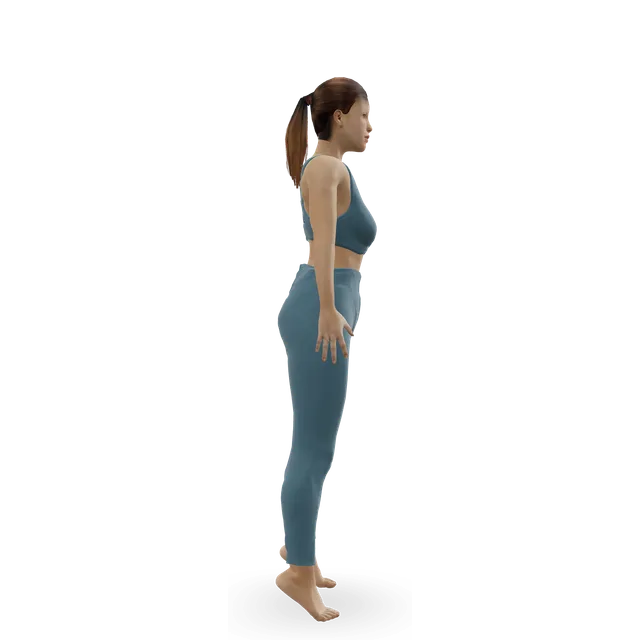
The movement on the figure: Towel toe curl

Toes and arch

Towel curls at 2 sets of 12 each foot, then the short foot at 2 sets of 10 holds of 5 seconds (our foot and ankle routine and runners' session). The short foot has no 3D demo yet: its page has the steps.

Heel raises: the arch and the calves

Slow calf raises at 2 sets of 10, building to 3 sets of 12 to 15, then single-leg raises from a step, 3 sets of 10 to 15 each leg (our foot and ankle routine and foot pain guide). The heel raise with a towel under the toes is the heel pain trial's exercise: its page has the dose.

Balance and spring

One-leg stands of 30 seconds, made harder; tandem stance and heel-to-toe walks; and, for runners, ankle bounces at 2 sets of 20 once one-leg balance is steady (our foot and ankle routine and ankle guide). The reach matrix's move page gives 3 rounds of 5 reaches in each direction, each leg.

Mobility and comfort

Optional. Ankle circles at 10 slow circles each way with each foot (the move page's dose); skip the toes-tucked kneel with bunions, big toe arthritis or pain under the ball of the foot.

Strong feet for running

Add foot work to your strength sessions

Towel curls, the short foot, heel raises and one-leg balance, then small hops, twice a week. One trial found fewer running injuries with a foot core programme, and our injury prevention exercises for runners start with the feet.

Source 4

Your foot type doesn't decide your shoes

"You need running shoes for your foot type." Choosing running shoes by foot type did not prevent injuries in a Cochrane review.

Sources 19, 10

Minimalist shoes: change slowly, if at all

Runners who switched quickly had more bone stress and injuries. If you want to try them, start with walking, build running time gradually over months, and keep the foot and calf work going (our suggestion).

Sources 28, 29, 30

Balance, falls and older adults

Toes, balance and falls

Weak toes and foot pain go with falls, and stronger toes with better balance, in older adults. Foot work belongs alongside leg strength and balance training.

Sources 5, 21

Supervised and progressive works better

In one trial, supervised training that got harder raised toe strength where home training didn't, and in the larger falls trial few people kept up the home exercises. A strength and balance class or a physiotherapist can help you keep going.

Sources 6, 8

Falls need more than feet

A podiatry programme with foot and ankle exercises cut falls in one trial but not clearly in another. Our guide to strengthening your legs and our exercise for older adults guide cover the strength and balance training with the best evidence for falls.

Sources 7, 8

Flat feet, high arches and bunions

Most flat feet need nothing

The NHS says flat feet don't usually cause problems, shouldn't stop you doing any activities, including sports, and are rarely a sign of anything serious. Strengthening is fine, but it won't change the shape of your feet much.

Source 9

When a flat foot needs a GP

Flat feet that are painful, stiff, weak or numb, that you didn't have before, or that affect only one foot, or flat feet and you often get foot or ankle injuries or have problems with walking or balance.

Our flat feet guide covers tendon problems and the plan.

High arches

A high arch that is new, getting higher or only in one foot, or high arches with weakness, tripping, numbness or ankles that keep giving way: see a GP. It can be the first sign of a nerve condition.

Bunions

"Exercises or toe spacers will straighten a bunion." The NHS says you can't get rid of bunions or stop them getting worse yourself, and trials suggest less pain is likelier than a straighter toe.

Wide, comfortable shoes and a podiatrist's advice help more; our bunions guide has the plan.

Sources 39, 40

Barefoot and minimalist shoes

They can strengthen your feetEmerging evidence

Walking in minimalist shoes built foot muscle as well as foot exercises did in one trial, and minimalist shoes raised toe strength in pooled trials.

Sources 26, 27, 2

But switch slowlyEmerging evidence

"Barefoot or minimalist shoes are better for everyone." They can strengthen your feet, but runners who switched to them had more injuries.

Sources 28, 29, 30

Workouts to follow

Our foot and ankle strengthening routine is the main session; the runners' injury prevention session starts barefoot with towel curls, the short foot and towel heel raises. The balance and calf sessions add the rest, and the plantar fascia routine is for heel pain.

Foot and ankle strengthening routine: toes, arches, calves and balance

A 15-minute barefoot routine for stronger toes, arches, calves and ankles, finishing with balance. You need only a towel, a wall and a resistance band.

15 minBeginner11 movesA wall, Other / check instructions

Injury prevention exercises for runners

Foot, calf, balance and hop exercises taken from the running trials with positive results, in a 25-minute home routine for 3 or 4 days a week.

25 minBeginner11 movesOther / check instructions, A bench or box

Balance exercises routine

Balance practice in 10 minutes: tandem stance, single-leg stands, marches, heel walks, tree pose and floor transfers.

10 minBeginner7 movesA wall, A bench or box

Calf workout: straight-knee and bent-knee raises with a step

A 25-minute calf workout with a step and a dumbbell: single-leg raises for the big calf muscle, then seated raises for the soleus, with gym swaps for each move.

25 minIntermediate7 movesA wall, A step

Strength and balance exercises for seniors

A 40-minute strength and balance session for over-65s, built from the Otago home programme and NHS exercises, using a chair, a counter and a step.

40 minBeginner18 movesA bench or box, Something with weight

Springy starter: calf strength and gentle bounces

A beginner's springy session: calf strength first, then heel drops, calf springs and gentle bounces, building towards skipping and pogo hops.

20 minBeginner11 movesA wall, A step

Plantar fascia routine

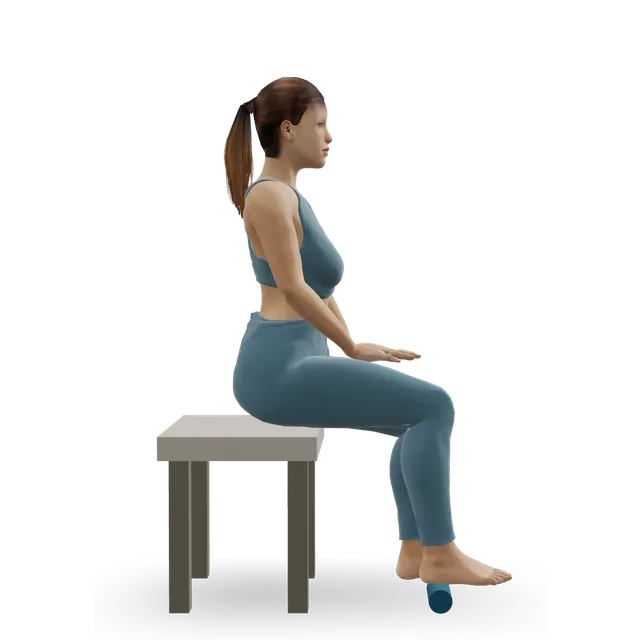
Plantar fascia and calf stretches, a gentle foot roll and the towel heel raise: the exercises the 2023 heel pain guideline supports.

8 minBeginner7 movesA bench or box, A massage ball

Plans

The runners' plan adds two strength sessions with foot, calf and hop work; the seniors' plan builds balance through the week.

When your foot hurts

Heel pain

Pain under the heel on your first steps is usually plantar fasciitis: stretching the sole, taping and advice come first, and our plantar fasciitis guide has the plan.

Sources 37, 38

Big toe, ball of the foot and bunions

Our bunions, big toe arthritis and ball-of-foot pain guides cover the shoes, pads and exercises for each.

Numb or burning feet

Constant numbness or burning in both feet is often peripheral neuropathy; our exercise for peripheral neuropathy guide covers safe balance and strength work.

Not sure where it comes from

Our foot pain guide maps the causes by where it hurts, with the signs that need checking.

Who should change their foot training

Diabetes and numb feet

Most people can start walking without a check-up first. Plan with your team first if you take insulin or a sulfonylurea, which can cause hypos, or have eye, foot, kidney or heart problems. With numb feet, wear good shoes and check your feet every day. With advanced eye disease (proliferative retinopathy), avoid straining, jumping and head-down positions.

Older adults

Do the balance moves next to a counter, and consider a supervised class: supervised, progressive training raised toe strength best in trials.

Children

Flat feet are normal in young children; see a GP for the signs in the flat feet section above rather than starting exercises to change the arch.

Source 9

After foot or ankle surgery

Follow your surgical team's plan first; our bunion surgery and broken ankle guides set out the stages.

Dancers and pointe work

We found no trial of foot training for pointe work; the same foot and calf strength applies, alongside your teacher's advice. Our dance page has more.

Warning signs: when to get help

After an injury: call 999 or go to A&E

Call 999 or go to A&E: after an injury, you heard a crack, the foot or ankle has changed shape or points at an odd angle, a bone is sticking out, there is a bad cut over it, you're in severe pain, or the toes look blue or white, feel numb or are cold to touch. These can mean a broken bone. Don't drive yourself.

Can't put weight on it

Same day (NHS 111 or an urgent treatment centre): after an injury, you can't put weight on it or walk more than a few steps, the pain is very bad or getting worse, there is a lot of swelling or bruising or it is getting worse, it feels very stiff, or it's not feeling any better after treating it yourself. Get the same help if you also have a very high temperature, or feel hot, cold or shivery: this could be an infection. If you think it's broken, don't treat it yourself.

A snap at the back of the heel

Same day: a sudden snap or pop at the back of the heel or calf, or a feeling of being kicked there, then walking flat-footed and being unable to push off, stand on tiptoe or climb stairs. It could be an Achilles tendon rupture or a broken heel bone. Go to A&E or a minor injuries unit, or contact NHS 111.

Diabetes and a foot problem

Same day: you have diabetes and a new foot problem, such as an ulcer or wound, signs of infection, or a hot, swollen foot with a change in colour, even if it doesn't hurt. Contact your diabetes foot team or GP: NICE asks for these to reach a specialist foot service within 1 working day, and a suspected Charcot foot is kept off weight until it has been checked.

Call 999 or go to A&E: you have diabetes and a foot ulcer with a fever or signs of sepsis, an ulcer with poor circulation, a possible deep infection of the soft tissues or bone in the foot (with or without an ulcer), or gangrene. NICE asks for these to go straight to hospital.

A foot that's suddenly cold, pale or numb

Call 999 or go to A&E: a foot or leg that is suddenly cold, pale, numb, weak or very painful without an injury. A sudden loss of blood supply is a vascular emergency.

Pain in one spot on a bone

One spot on a foot bone that hurts with every step and later at night: a possible stress fracture.

Pain in one spot on a bone that's worse with jumping or running, eases with rest and hurts when you press it: stop jumping, as it can be a stress fracture, and see a GP. See a GP too for heel pain that hasn't improved after 2 weeks of looking after it yourself, or shin pain that's getting worse or isn't improving.

See a GP

Pain that isn't better after 2 weeks of looking after it yourself, is getting worse, keeps coming back, or stops you doing normal things.

Tingling or loss of feeling in the foot, or a foot that feels weak.

Any foot pain if you have diabetes: foot problems can be more serious.

During balance work and hops

Stop if you feel dizzy or light-headed. Keep a counter or wall within reach, and have someone nearby for the hardest moves if you've fallen recently (our suggestion, as in our older adults guide).

Call 999 or go to A&E if you heard a crack, the joint has changed shape or points at an odd angle, it's numb or tingling, or the skin looks blue or grey or feels cold. Get help from NHS 111 if it's very painful or swollen, or you can't put weight on it or walk more than a few steps. Call 999 if someone has fallen and may have injured their head, back, neck or hip, or can't get up.

Stop and get medical help

If you get chest pain or pressure, feel faint or dizzy, are unusually breathless, or your heart races or beats irregularly during exercise, as our plans advise.

Call 999 (911 in the US)

For chest pain that comes on suddenly and doesn't go away, feels tight or like squeezing, spreads to your arms, neck, jaw, stomach or back, or comes with sweating, feeling sick, light-headedness or breathlessness; severe difficulty breathing; someone who faints while exercising; palpitations that don't go away, or come with chest pain, shortness of breath or feeling faint; or a headache that starts suddenly and is extremely painful, especially while lifting or straining, or comes with numbness or weakness, difficulty speaking or loss of vision. The NHS says a bleed on the brain may be more likely when lifting something heavy. Don't drive yourself to A&E.

During any session

Stop straight away if you feel any pain or become unwell, the NHS says, and contact 111 if your symptoms worry you or don't go away.

A dull ache in your muscles for a day or two after something new is normal. Joint pain that's sharp, gets worse during a set or lingers into the next day means switching to the easier option, and seeing a GP or physiotherapist if it carries on (our plans' rule). Our muscle soreness guide has more.

If pain climbs day after day, or you notice a warning sign, stop and get it checked. The 5 out of 10 figure is an editorial starting point that matches this site's other pain guides, not a tested rule.

Check first

Speak to your GP first if you haven't exercised for some time or have medical conditions or concerns, as the NHS advises. Get advice before heavy lifting or hard straining work if your blood pressure is uncontrolled, or you have heart disease or chest pain when you're active, a pacemaker or defibrillator, diabetic eye disease, glaucoma, a hernia, recent eye or tummy surgery, or you're pregnant, as our breathing guide lists. After a recent shoulder dislocation or shoulder surgery, follow our shoulder dislocation guide or your surgical team first.

Source 43

Myths

"Flat feet are weak feet"Mixed evidence

Some small foot muscles were smaller in flat feet in some studies but not others, and those are snapshots. The NHS says flat feet usually cause no problems, flatter feet weren't injured more often in novice runners, and short foot training changed alignment only a little.

"Flat feet need fixing." Most cause no problems and need no treatment, and a flat foot is not a general injury risk.

Sources 12, 13, 9, 10, 32

"Foot strengthening prevents running injuries"Emerging evidence

One trial of 118 runners found fewer injuries; the rest of the evidence is about strength and arch shape. Promising, not proven.

Sources 4, 1

"Barefoot shoes fix your feet"Emerging evidence

They can strengthen your feet, but runners who switched to them had more injuries. Change slowly, if at all.

Sources 26, 29, 30

"Toe exercises will straighten a bunion"Mixed evidence

Pain relief is more likely than a straighter toe, and the NHS says you can't get rid of bunions or stop them getting worse yourself.

Sources 39, 40

"Arch supports weaken your feet"Mixed evidence

We found no study that tested it directly. Adding the short foot to insoles grew the main arch muscle more than insoles alone, which suggests exercise adds to insoles rather than insoles taking away (our reading).

Sources 35, 2

Questions people ask

How do I strengthen my feet?

About 3 times a week: towel curls, then the short foot exercise (lifting the arch without curling your toes), heel raises and one-leg balance, a little harder over 8 weeks or more. In trials, foot training improved toe strength, arch shape and balance, though not foot pain.

What are the best foot strengthening exercises?

The short foot exercise, towel curls, heel raises (one leg at a time once two is easy) and one-leg balance. No single exercise has been shown to be best; the trials mixed them.

How do I strengthen my feet and ankles?

Our foot and ankle strengthening routine covers both: toe curls, calf raises, band work for the sides of the ankle and one-leg balance. If an ankle keeps giving way after a sprain, our guide to strengthening your ankles has the balance plan.

How do I strengthen my feet for running?

Add foot and calf work and one-leg balance 2 or 3 times a week, then small hops. In one trial of 118 runners, a foot core programme went with fewer injuries over a year, and our injury prevention exercises for runners start with the feet.

Can you strengthen flat feet?

You can strengthen the muscles, and the short foot exercise changes foot alignment slightly, but it won't change the shape of your feet much. Most flat feet need no fixing; see a GP if they're painful, stiff, new or on one side only.

How do I strengthen my arches?

The short foot exercise trains the main arch muscle, and heel raises rising through the big toe load the arch too. In a small study, arch drop fell by about 2 mm over 4 to 8 weeks.

Do toe exercises help balance?

Stronger toes go with better balance in older adults, and foot training improved balance in trials. Weak toes and foot pain are among the things that predict falls, so foot work belongs alongside leg strength and balance training.

Are barefoot shoes good for strengthening your feet?

Walking in minimalist shoes built foot muscle as well as foot exercises did in one trial. But runners who switched quickly had more bone stress and injuries, so change slowly, if at all.

How long does it take to strengthen your feet?

Arch changes appeared after 8 weeks of training, not 4, and toe strength rose over 8 to 12 weeks in trials. Keep going after that.

Can foot exercises help plantar fasciitis?

Heavy heel raises helped some people sooner in one trial, but added little to advice and a heel cup in a bigger one. Stretching the sole, taping and advice are the core care, and our plantar fasciitis guide has the plan.

How can older adults strengthen their feet?

Towel curls, heel raises at a counter and one-leg balance, made harder over weeks. In one trial, supervised, progressive toe training raised toe strength by up to 36% where home training didn't, so a strength and balance class is worth asking about.

Should I do foot exercises if I have diabetes?

Exercise is still good for your feet, but check them every day and wear good shoes if they're numb. Contact your foot team or GP the same day about any wound, sign of infection, or hot, swollen foot with a change in colour.

Sources

  1. Jaffri 2023 · Training the small foot muscles and foot function: 13 trials (systematic review and meta-analysis, J Athl Train)
  2. Peters-Dickie 2025 · Foot core exercises and minimalist footwear: foot muscles, strength and movement, 28 trials (meta-analysis, Clin Biomech)
  3. Mulligan 2013 · Four weeks of short foot training and the shape of the arch in 21 people (study, Man Ther)
  4. Taddei 2020 · Foot core training to prevent running injuries in 118 runners (randomised trial, AJSM)
  5. Valeriani 2026 · Foot and ankle problems and future falls in older adults: 14 prospective studies (systematic review and meta-analysis, Health Sci Rep)
  6. Mickle 2016 · Progressive toe flexor training, supervised or at home, in older people (trial, Clin Biomech)
  7. Spink 2011 · A podiatry programme with foot and ankle exercises to prevent falls: 305 older people with disabling foot pain (randomised trial, BMJ)
  8. Cockayne 2017 · A podiatry programme to prevent falls: 1,010 older people, the REFORM trial (randomised trial, PLoS One)
  9. NHS · Flat feet
  10. Nielsen 2014 · Foot pronation and injury risk in 927 novice runners in neutral shoes (1-year cohort, BJSM)
  11. de Souza 2023 · Foot muscle strengthening, arch mobility and function: 4 trials (systematic review, J Bodyw Mov Ther)
  12. Angin 2014 · Foot muscles and plantar fascia on ultrasound in 49 people with flat feet and 49 without (cross-sectional study, Gait Posture)
  13. Taş 2026 · The small foot muscles in flat feet: 5 studies (systematic review and meta-analysis, J Am Podiatr Med Assoc)
  14. Holowka 2018 · Foot strength and arch stiffness in people who wear minimal or conventional shoes (cross-sectional study, Sci Rep)
  15. Mickle 2009 · Toe weakness, toe deformity and falls in 312 older people (cohort study, Clin Biomech)
  16. Wei 2022 · Foot muscle training, arch shape and dynamic balance: 16 studies (systematic review and meta-analysis, PLoS One)
  17. Hashimoto 2014 · Eight weeks of toe flexor strength training in 12 men (study, J Phys Ther Sci)
  18. Neal 2014 · Foot posture as a risk factor for overuse injury: 21 cohorts (meta-analysis, J Foot Ankle Res)
  19. Relph 2022 · Running shoes for preventing running injuries in adults (Cochrane review)
  20. Menz 2006 · Foot and ankle risk factors for falls in 176 older people (cohort study, J Gerontol A)
  21. Quinlan 2020 · Toe flexor strength and balance in people over 60: 9 studies (systematic review, Gait Posture)
  22. Futrell 2022 · Strengthening the small foot muscles and mobility in adults aged 65 and over: 9 studies (systematic review, J Am Geriatr Soc)
  23. Willemse 2026 · 12 weeks of foot muscle strengthening in 33 active older adults (randomised trial, Gait Posture)
  24. Lai 2025 · Short-foot training added to leg strength training in 123 older adults (randomised trial, BMC Geriatr)
  25. Schwenk 2013 · Foot and ankle exercise and the risk of falling in older adults: 8 trials (systematic review and meta-analysis, J Am Podiatr Med Assoc)
  26. Ridge 2019 · Walking in minimalist shoes against foot exercises for foot muscle strength in 57 runners (randomised trial, Med Sci Sports Exerc)
  27. Chen 2016 · Six months of running in minimalist shoes and foot and leg muscle volume in 38 runners (randomised trial, Clin Biomech)
  28. Ridge 2013 · Foot bone marrow oedema after a 10-week switch to minimalist running shoes in 36 runners (study, Med Sci Sports Exerc)
  29. Ryan 2014 · Injury risk and pain in 103 runners using minimalist footwear (randomised trial, BJSM)
  30. Río 2027 · Injury risk in runners switching to minimalist footwear (meta-analysis, Gait Posture)
  31. NHS · Heel pain
  32. Huang 2022 · The short foot exercise in flat feet: 6 trials, 201 people (meta-analysis, Int J Environ Res Public Health)
  33. Hara 2023 · Short foot exercises for flat feet: 9 trials (systematic review, J Back Musculoskelet Rehabil)
  34. Jia 2024 · Exercise for flexible flat feet in adults: 11 trials (network meta-analysis, Sci Rep)
  35. Jung 2011 · Foot orthoses with or without short foot exercise and the arch muscle in 28 people with flat feet (randomised trial, J Back Musculoskelet Rehabil)
  36. Rathleff 2015 · Heavy heel raises or sole stretching for plantar fasciitis: 48 people (randomised trial, Scand J Med Sci Sports)
  37. Riel 2023 · Advice and a heel cup, with or without heel raises or an injection, in 180 people with plantar heel pain (randomised trial, BJSM)
  38. Morrissey 2021 · Managing plantar heel pain: a best practice guide from 51 trials, experts and patients (systematic review, BJSM)
  39. Hurn 2022 · Non-surgical treatments for bunions: 18 studies (systematic review and meta-analysis, Arthritis Care Res)
  40. NHS · Bunions (past its review date: reviewed June 2023, review due June 2026)
  41. NHS · Balance exercises
  42. NHS inform · Exercises for foot problems
  43. NHS · Physical activity guidelines for adults aged 19 to 64

Exercise education, not a personal prescription, and clinical review of these guides is pending. Check with a GP before starting hard training if you have a heart condition, chest pain, dizziness or breathlessness when active, and stop for sharp or increasing pain. Health disclaimer.