Fascia release for the feet: the sole and the plantar fascia, rolling a ball under the foot, tight calves, what the evidence shows, and a routine
Fascia release for the feet usually means rolling a tennis ball, golf ball or massage ball under the sole, or a frozen bottle for heel pain. The sole has its own thick band of fascia, the plantar fascia, packed with nerve endings and linked through the heel to the calf. Rolling it can make your feet feel easier for a few minutes. It doesn't stretch or break up the fascia, and it isn't a cure for plantar fasciitis.
The honest headline: rolling is fine for comfort, but stretching the sole and calf, heavy heel raises, supportive shoes and time have the better evidence for heel pain, and tight calves matter more than "tight fascia".
This guide explains how the foot's fascia works, a 12-minute routine to release, stretch and strengthen, how hard and how long to roll, and the foot problems that need a GP, especially with diabetes.
For heel pain, a sole-specific stretch beat a standard calf stretch in 101 people, heavy heel raises did better than stretching at 3 months in 48 people, and a best-practice review put education, footwear, stretching and taping at the core. The NHS adds rest, shoes with cushioned heels and good arch support, and a GP if it hasn't improved after 2 weeks.
The plantar fascia runs from the heel to the toes, is firmly joined to the foot muscles and skin, is rich in nerve endings, and connects through the heel to the sheath of the Achilles tendon. That is one reason the calf and the sole are treated together.
Compressing the plantar fascia by even 1% needs forces far outside the body's normal range. One session of instrument scraping lowered its stiffness by 10.8% in 28 young men, measured straight afterwards, without changing the arch: a brief change, not a release.
One session of foam rolling eased heel pain about as much as stretching in 50 people. A frozen ball added to stretching helped more in a small, poorly reported trial, and a supervised programme that included stick self-massage beat a leaflet. None shows that rolling alone treats plantar fasciitis.
People who could barely bend the ankle up had 23 times the odds of plantar fasciitis in one study. Calf stretching adds about 2 to 3 degrees of ankle bend, while calf rolling adds range for under 30 minutes.
Of 174 people followed for 5 to 15 years, about half still had heel pain 5 years after it started. See a GP if it hasn't improved after 2 weeks of looking after it yourself.
Rolling is never a test for these. A&E means accident and emergency.
Call 999 or go to A&E
Call 999 or go to A&E: a foot or leg that is suddenly cold, pale, numb, weak or very painful without an injury. A sudden loss of blood supply is a vascular emergency.
Call 999 or go to A&E: you have diabetes and a foot ulcer with a fever or signs of sepsis, an ulcer with poor circulation, a possible deep infection of the soft tissues or bone in the foot (with or without an ulcer), or gangrene. NICE asks for these to go straight to hospital.
Call 999 or go to A&E: a red, hot, swollen foot with a very high temperature, feeling hot, cold or shivery, a fast heartbeat or fast breathing, purple patches on the skin (which may be less obvious on brown or black skin), feeling dizzy or faint, confusion or disorientation, cold, clammy or pale skin, or unresponsiveness or loss of consciousness.
Same day
Same day: you have diabetes and a new foot problem, such as an ulcer or wound, signs of infection, or a hot, swollen foot with a change in colour, even if it doesn't hurt. Contact your diabetes foot team or GP: NICE asks for these to reach a specialist foot service within 1 working day, and a suspected Charcot foot is kept off weight until it has been checked.
Same day: a sudden snap or pop at the back of the heel or calf, or a feeling of being kicked there, then walking flat-footed and being unable to push off, stand on tiptoe or climb stairs. It could be an Achilles tendon rupture or a broken heel bone. Go to A&E or a minor injuries unit, or contact NHS 111.
Same day: a sudden pop or tearing pain in the arch, with swelling, bruising or difficulty putting weight on the foot, especially if you've had a steroid injection for heel pain. The band under the arch can tear (our suggestion).
The foot's fascia, and what rolling changes
The plantar fascia
A thick band of dense connective tissue from the heel to the toes, firmly joined to the short foot muscles and to the skin. In 12 cadaver feet it was rich in hyaluronan, a slippery molecule made by fascia cells, and carried nerve endings and pressure and stretch sensors, especially at its edges, which suggests it helps the foot sense its position. Our plantar fascia guide covers it in detail.
The plantar fascia connects more closely to the sheath around the Achilles tendon than to the tendon itself, through the outer layer of the heel bone, and aligned bone fibres in the back of the heel bridge the two; whether the collagen fibres run straight through is debated. In 52 people scanned for foot or ankle pain, the plantar fascia was thicker in those with Achilles problems (3.43 against 2.09 mm).
The NHS describes plantar fasciitis as straining the band that joins the heel bone to the toes; it is more likely from 40 to 60, when exercising with a tight calf or heel, after starting exercise on hard surfaces, or with a lot more standing, walking or running than usual. In one study, ankle bend at or below 0 degrees carried 23 times the odds against more than 10 degrees, a body mass index (BMI) over 30 about 5.6 times, and spending most of the working day on the feet 3.6 times. A review of 51 studies found a higher body weight the only consistent clinical link, with the fascia thicker on ultrasound; in active people, a review of 16 studies found a higher BMI and body weight, and more range in pointing the foot down, were the risk factors.
People feel the sole as tight, especially on the first steps of the morning. Dense fascia doesn't change shape under a ball, and one session of instrument scraping lowered plantar fascia stiffness by 10.8% straight afterwards without changing the arch. The feeling changes for a while; the band doesn't remodel under pressure.
The same as elsewhere: a short-lived change in how the area feels and moves, mostly through the nervous system. One session of rolling a tennis ball under both feet improved a sit-and-reach test in 24 healthy adults, but 7 weeks of rolling and stretching the soles didn't change ankle range or calf stiffness beyond the control group in 38 athletes.
Calf stretching adds about 2 to 3 degrees of ankle bend across 5 trials. On the calf, 3 or 10 rounds of 30 seconds of rolling raised ankle range a little, gone by 30 minutes, and one round did nothing. Our calves guide covers the calf in detail.
Slowly for many. Of 174 people followed for 5 to 15 years, the chance of still having it was 80.5% a year after it started, 50% at 5 years and 44% at 15 years; those who recovered had it for about 2 years on average. A heel spur at the start made no difference to recovery.
We read most studies' summaries (abstracts), not their full texts.
Stretching the sole and calfStrong evidence
In 101 people with heel pain for at least 10 months, a plantar fascia-specific stretch beat a standard Achilles stretch for worst pain and first-step pain at 8 weeks (everyone also had soft insoles, a 3-week anti-inflammatory course and a video). A best-practice review of 51 trials found plantar fascia stretching and taping eased first-step pain in the short term. Our plantar fascia guide reports that the 2023 US physiotherapy guideline gives its top grade to plantar fascia and calf stretching.
In 48 people, heavy single-leg heel raises with a towel under the toes, every second day, gave a foot function score 29 points better than daily plantar fascia stretching at 3 months, with no difference at 1, 6 or 12 months; both groups had insoles. A review of 7 studies found strengthening may ease pain without changing fascia thickness.
One session of foam rolling eased plantar fasciitis pain as much as self-stretching in 50 people; pressure tolerance in the calf rose more with rolling, and nothing differed at the plantar fascia. In 30 people, 2 months of frozen tennis ball exercises added to stretching lowered pain from 7.7 to 3.5 out of 10, against 7.6 to 6.7 with stretching alone, in a poorly reported trial. A supervised programme of foot and ankle strengthening, stretching and stick self-massage, 3 times a week for 4 weeks, eased chronic plantar fasciitis by 2.5 points out of 10 more than a leaflet in 64 people, but the massage's own share is unknown. One man recovered with daily ball friction in a case report, which can't show the ball did it.
In 66 people, 12 sessions of myofascial release over 4 weeks cut foot pain and disability scores by 72.4% against 7.4% with sham ultrasound, with 60.6% still better at 12 weeks; it was a small single-site trial from a research foundation's clinic, read as a summary. In 69 people, deep calf massage with nerve mobilisation and self-stretching beat ultrasound with stretching in the short term, and in 60 people one 40-minute Thai massage eased pain over 24 hours, though ultrasound with stretching did better on pain and ankle range. Our plantar fascia guide reports that the 2023 guideline gives its top grade to a clinician's manual therapy of the lower leg and foot, not self-rolling.
Against a sham in 84 people, 6 weekly sessions of dry needling eased first-step pain by 14 points out of 100 more, below the smallest important change, with minor short-lived side effects after 32% of real sessions.
Four weeks of short foot exercise reduced arch drop by 1.8 mm (2.2 mm at 8 weeks) and improved balance and reach in 21 people without pain. In 118 recreational runners, those who skipped a foot strengthening programme were 2.42 times more likely to be injured over a year.
Rolling the feet for the hamstrings and backMixed evidence
One session of rolling under both feet improved a sit-and-reach test straight afterwards in 24 adults, but 7 weeks of rolling and stretching the soles changed nothing beyond the control group in 38 athletes, apart from more tolerance of stretch.
No trial compares them. A tennis ball or massage ball is the easiest start; a golf ball is very hard, so use it on the soles only and gently. A frozen ball added to stretching helped in one small, poorly reported trial, and the NHS suggests an ice pack (or a bag of frozen peas) in a towel on the painful area for up to 20 minutes every 2 to 3 hours.
Sit down and roll for 1 to 2 minutes per foot, the move page's dose, which it calls our editorial starting point. On a tender spot, hold gentle pressure for up to 90 seconds, or a little firmer for about 30 seconds: our massage balls guide's hold times, from a trial of sustained pressure. Discomfort you can breathe through is fine; sharp pain isn't. Don't stand on the ball with your full weight.
Numb feet and diabetes
The rolling rules apply. Experts agree you shouldn't press over open wounds or broken bones, and should take care over inflamed tissue or a possible clot. Ask a doctor first if you take blood thinners, have osteoporosis or have a nerve condition, and with numb feet or diabetes, press gently and check your skin afterwards.
Each dose names its source or is our editorial starting point. Doses are starting points, not prescriptions.
Stretch the sole
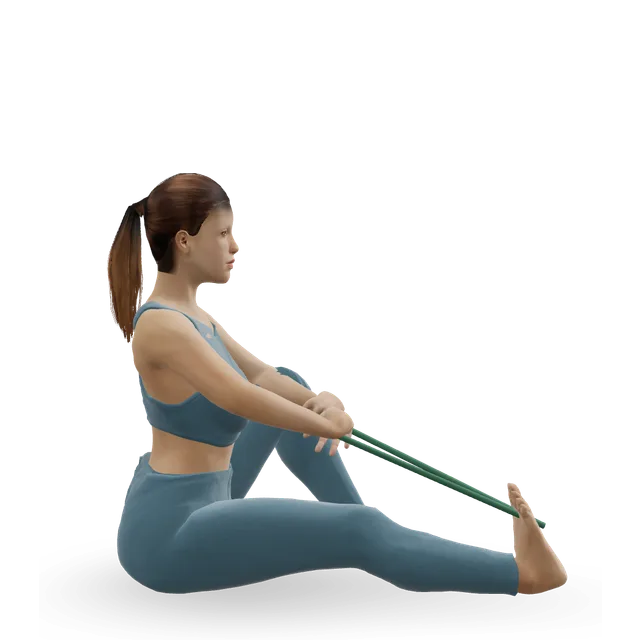
The plantar fascia stretch: 3 to 5 holds of 10 to 30 seconds, 2 to 3 times a day, starting before your first steps in the morning. That is the move page's dose; the hold length is the range used in trials, as the 2023 heel pain guideline summarises them.
The straight-knee wall calf stretch and the bent-knee soleus stretch: 3 holds of 30 seconds each side, our plantar fascia routine's editorial dose.
Strengthen
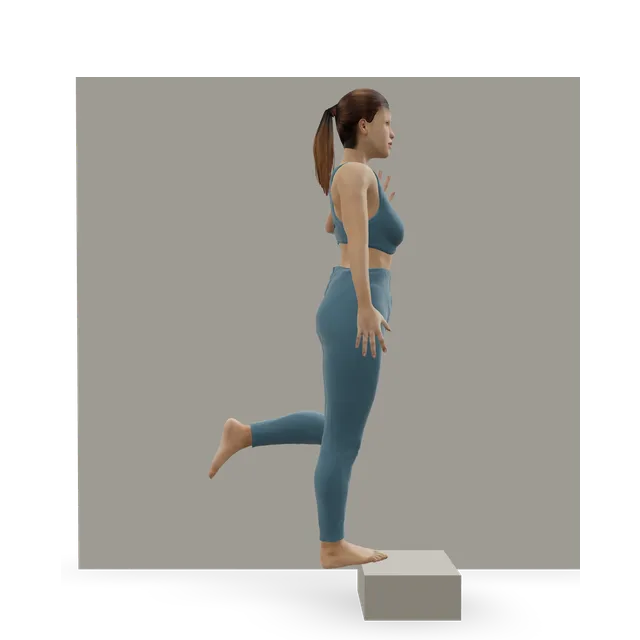
Heel raises with a towel under the toes, every second day, as in the trial: start at a load you can lift about 12 times for 3 sets, and progress over several weeks to heavier loads you can lift about 8 times. That is the move page's dose. Towel scrunches, 2 sets of 12 each foot, and standing on one leg, 2 holds of 30 seconds, are our foot and ankle strengthening routine's editorial doses.
The foot roll, 1 to 2 minutes per foot (its move page's editorial dose), and the calf roll, about 90 seconds a leg, for example 2 or 3 slow rounds of 30 to 45 seconds (the move page's dose, from a review of rolling studies).
The NHS suggests rest, raising the foot, shoes with cushioned heels and good arch support, insoles or heel pads, gentle stretches of the sole and heel, exercise that doesn't put pressure on your feet, such as swimming, and losing weight if you're overweight. It also says not to walk or stand for long periods, and to avoid high heels, flip-flops and walking barefoot on hard surfaces. Footwear advice and education are part of the core of self-management.
Release, stretch and strengthen the feet in about 12 minutes
The foot roll, plantar fascia stretch, calf roll and towel heel raise doses are their move pages' (the foot roll's called editorial on its page, the stretch's from the trials' range, the heel raise's from a trial). The hold times are our massage balls guide's, and the calf stretch, towel scrunch and balance doses are our plantar fascia and foot strengthening routines' editorial starting points. Rolling is for comfort; stretching and heel raises have the evidence. No trial has tested this sequence.
Check first: a foot that is suddenly cold or pale, a red, hot, swollen foot, any new wound or foot problem with diabetes, or a pop at the heel or arch needs help, not rolling. With numb feet or diabetes, press gently and check your skin afterwards.
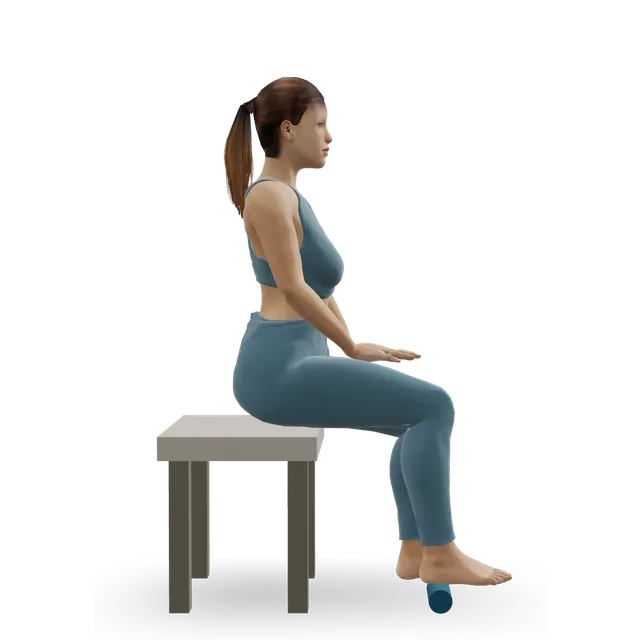
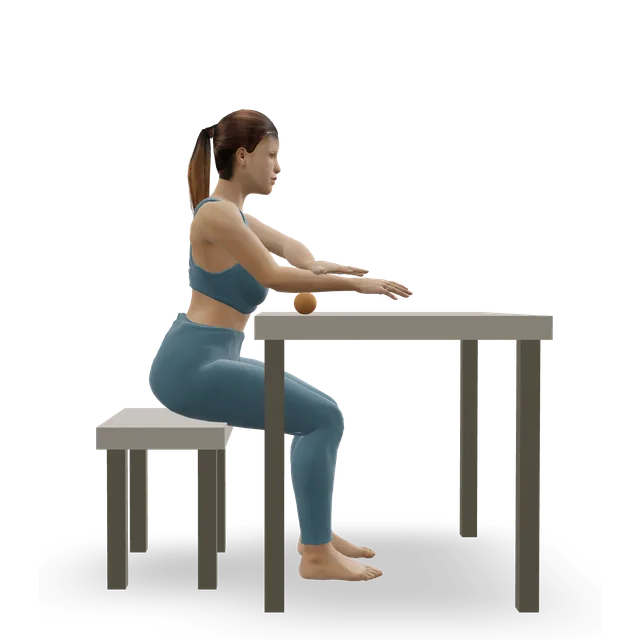
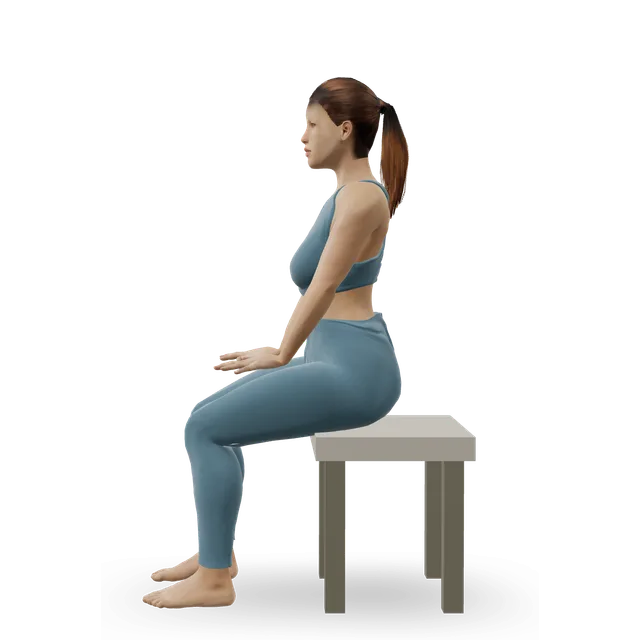
Roll the sole: sitting with your shoes off, roll a massage ball or tennis ball slowly from the heel end of the arch to the ball of the foot and back, 1 to 2 minutes per foot. Don't stand on it with your full weight.
Pause on a tender spot: gentle pressure for up to 90 seconds, or a little firmer for about 30 seconds. Discomfort, not pain.
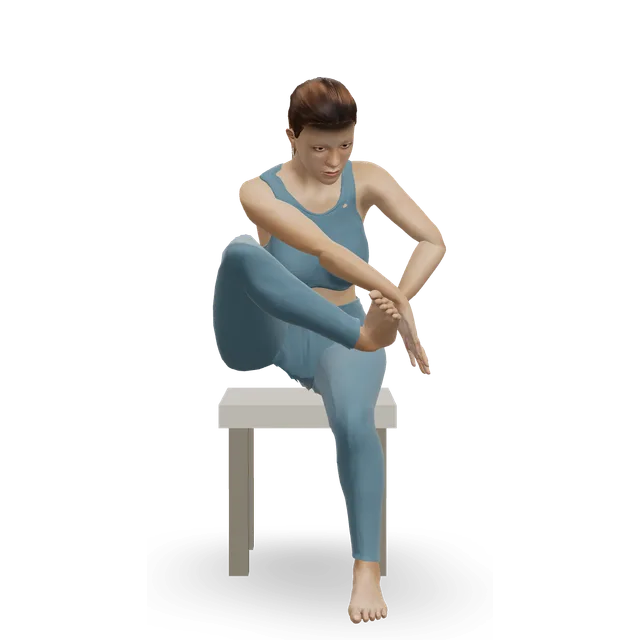
Stretch the sole: cross the foot over the other knee and pull the toes back, 3 to 5 holds of 10 to 30 seconds. Repeat 2 to 3 times a day, starting before your first steps in the morning.
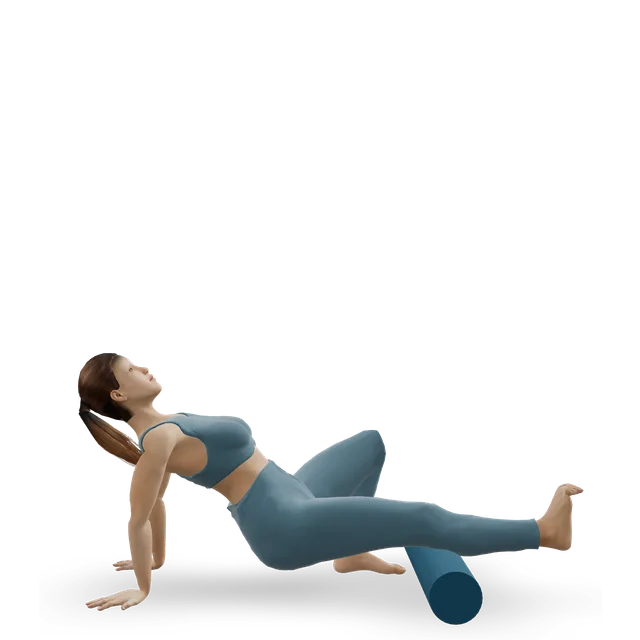
Roll the calf: sitting with a foam roller under one calf, roll slowly from below the knee to above the ankle for about 90 seconds a leg. Never roll a calf that is swollen, red or darkened, or throbbing.
Stretch the calves: the straight-knee wall stretch, then the bent-knee soleus stretch, 3 holds of 30 seconds each side.
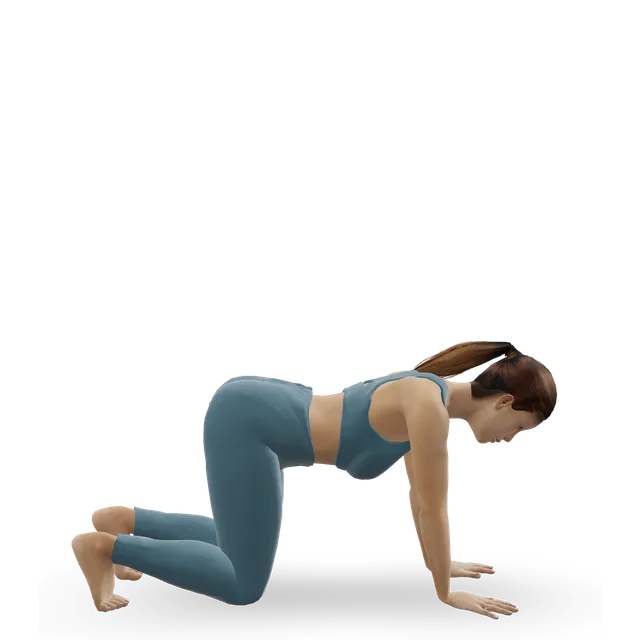
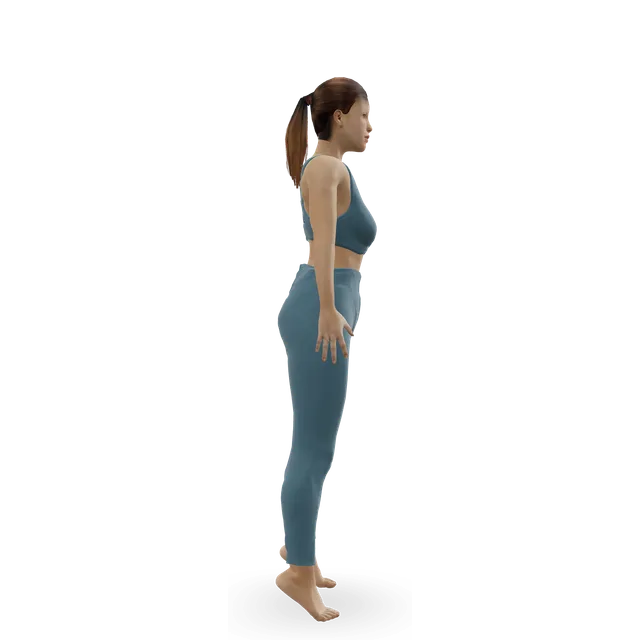
Strengthen, every second day: heel raises on a step with a towel under your toes, 3 sets of about 12, building over weeks to heavier sets of about 8. On other days, towel scrunches, 2 sets of 12 each foot.
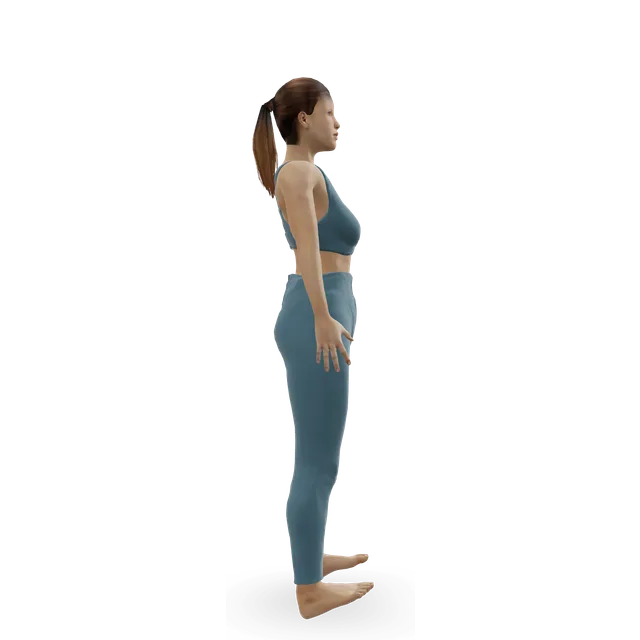
Balance: stand on one leg beside a counter, 2 holds of 30 seconds each leg.
Loading the 3D figure…
Drag to turn
Gets into position, then repeats the movement. Technical checks passed; qualified exercise review is pending.
The plantar fascia routine covers the sole and calf stretches, rolling and heel raises in 8 minutes; the foot and ankle routine adds strength and balance.
The 999 signs and the diabetes, heel and arch lines are near the top of this page.
Same day
Same day (NHS 111 or an urgent treatment centre): after an injury, you can't put weight on it or walk more than a few steps, the pain is very bad or getting worse, there is a lot of swelling or bruising or it is getting worse, it feels very stiff, or it's not feeling any better after treating it yourself. Get the same help if you also have a very high temperature, or feel hot, cold or shivery: this could be an infection. If you think it's broken, don't treat it yourself.
Same day: skin on the foot that is painful, hot and swollen. It could be a skin infection (cellulitis).
Contact a GP immediately (or NHS 111 if you can't): severe burning foot pain that carries on even when you're resting, skin turning pale, shiny, smooth and dry, wounds or ulcers on your feet that don't heal, or toes that become cold and numb, then turn red and then black. The blood supply to the foot may be failing.
A clot in the leg
Calf or leg pain or swelling with breathlessness or chest pain. It could be a clot that has reached the lungs. Do not drive yourself to A&E.
Throbbing pain in one leg (rarely both), usually the calf or thigh; swelling in one leg (rarely both); red, blue or darkened skin around the painful area, which may be harder to see on brown or black skin; or swollen veins. This can be a deep vein thrombosis (DVT). It is more likely after surgery, a hospital stay, 3 or more days in bed, a journey of over 4 hours, pregnancy or a recent birth, cancer, a previous clot, or contraception or hormone replacement therapy (HRT) that contains oestrogen.
"Rolling a ball under your foot cures plantar fasciitis"Mixed evidence
One session matched stretching, and the frozen ball trial was small and poorly reported. Stretching and heavy heel raises have the better evidence; rolling is for comfort.
Sit down and roll a massage ball or tennis ball slowly under the sole for 1 to 2 minutes per foot, pausing gently on tender spots, then stretch the sole and calf and strengthen with heel raises. Rolling changes how the foot feels for a while; it doesn't reshape the plantar fascia.
What are the benefits of rolling a ball under your foot?
It can ease soreness and make the foot feel looser for a few minutes, mostly through the nervous system. One session eased heel pain about as much as stretching in a trial, but no trial shows rolling alone treats plantar fasciitis.
Why does rolling a ball under my foot hurt?
The sole is packed with nerve endings, and a sore plantar fascia is tender to press. Ease off to a pressure you can breathe through. Sharp pain, pain that lasts, or pain with tingling or numbness is a reason to stop and see a GP or podiatrist.
Is a tennis ball, golf ball or frozen water bottle best?
No trial compares them. A tennis or massage ball is the easiest start, a golf ball is very hard so use it gently, and a frozen ball added to stretching helped in one small trial. The NHS suggests ice wrapped in a towel for up to 20 minutes.
Does rolling help plantar fasciitis?
A little, for comfort. Stretching the sole and calf and heavy heel raises have better evidence, and a clinician's hands-on treatment of the lower leg and foot, not self-rolling, has the guideline's top grade, as our plantar fascia guide reports.
What causes tight fascia in the feet?
The feeling usually comes with a sore plantar fascia, tight calves, or a lot more standing and walking than usual. Limited ankle bend, a higher body weight and long hours on your feet were the strongest risk markers in studies.
How long should I roll my feet?
One to 2 minutes per foot is enough; hold a tender spot gently for up to 90 seconds, or a little firmer for about 30. More pressure or time hasn't been shown to help more.
Can rolling my feet help my back or hamstrings?
Only briefly. One session of rolling under both feet improved a sit-and-reach test straight afterwards, but 7 weeks of rolling and stretching the soles changed nothing beyond the control group.
Can I roll my feet if I have diabetes?
Ask your diabetes team first, press gently and check your skin afterwards: numb feet can't warn you about damage. Any new wound, colour change, or hot, swollen foot needs your diabetes foot team or GP the same day.
How long does plantar fasciitis take to go?
Often months, sometimes years: in 174 people followed for up to 15 years, about half still had it 5 years after it started. See a GP if heel pain isn't improving after 2 weeks of looking after it yourself.
Movement education, not medical advice. Stop for sharp or increasing pain, numbness or tingling, and get individual advice if you are pregnant, after an injury or surgery, or managing a health condition. Health disclaimer.