How to do overhead squats: the grip and the bar overhead, the mobility it needs, easier steps, the overhead squat assessment, and how many
An overhead squat is a squat with a dowel or bar locked overhead in a wide grip, the bar kept over the middle of your feet as you sit down between your heels. It asks your ankles, hips, upper back, shoulders and elbows for their full range at once, which is why weightlifters learn the snatch from it and trainers use it as a screen, the overhead squat assessment (OHSA).
Struggling with it is normal and doesn't mean your body is broken: many people with normal ankles fail it, and overhead squat scores haven't predicted injuries in the studies we found.
This guide covers the steps on the 3D figure, the checks that show which joint limits you, the easier steps from the goblet squat to the empty bar, what the assessment can and can't tell you, how many to do, bailing safely, and the warning signs.
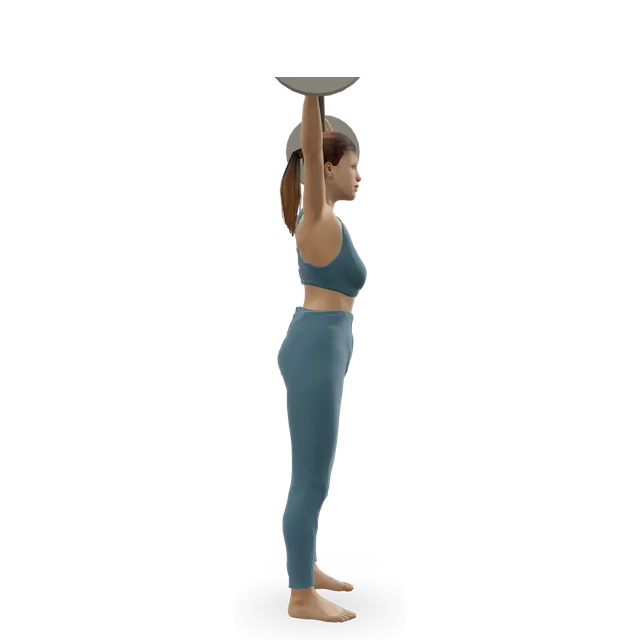
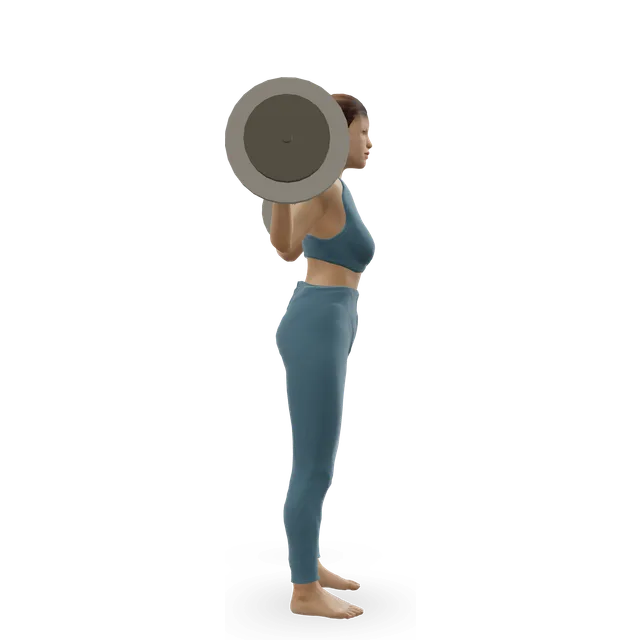
Hold a dowel or bar overhead in a wide grip, arms locked and pushing up into it. With your feet hip- to shoulder-width apart and your toes out a little, sit down between your heels as deep as you control, keeping the bar over the middle of your feet, your heels down and your back holding its shape. Stand up with your arms still locked.
Ankles that bend, hips that let you sit deep, an upper back that straightens, shoulders that reach fully overhead and elbows that lock. The National Strength and Conditioning Association (NSCA) lists a poor lockout, elbows that can't fully straighten and a lack of depth among the flexibility errors it sees in beginners.
In 53 healthy people, everyone with stiff ankles failed the overhead squat, so a good one rules stiff ankles out; but about two-thirds of people with normal ankles failed it too, so a poor one doesn't show which joint is the limit. Scores agreed poorly with measured joint ranges, and rose when people could lower their arms. Simple checks narrow it down.
Trained observers agree well on whether your knees cave in during an overhead squat. But overhead squat scores weren't linked to injuries in 108 college athletes or 1,714 military recruits, and in 627 Gaelic players the overall score didn't predict injury. One more detailed scoring did, but missed more than half of the players who got injured.
In 14 people, the overhead squat worked the front trunk muscles only about 2 to 7% more than a back squat, and the legs and lower back less, largely because the loads overhead are lighter. A plank worked the abs harder than front or overhead squats in 7 men.
Goblet squat, then a dowel overhead squat, then the empty bar, shortening the range while the mobility comes, as weightlifting coaches progress it. With a dowel or the empty bar, 3 sets of 5 slow reps (our weightlifting technique workout); loaded, 3 or 4 sets of 3 to 5, adding weight only while every rep looks the same (our suggestion).
A squat with a dowel, bar, dumbbell or kettlebell locked overhead on straight arms, usually in a wide (snatch-width) grip, the load kept over the middle of your feet as you sit down between your heels and stand up. It is the bottom position of the squat snatch and the first step of the snatch's top-down progression, as the NSCA sets out.
Ankles that let your knees travel forward, hips that let you sit deep, an upper back that straightens, shoulders that reach fully overhead with the shoulder blades turning up, and elbows that lock. Whatever is stiff shows up straight away, which is why trainers use it as a screen: the National Academy of Sports Medicine (NASM) calls its version a movement screen, not a medical diagnosis.
Your legs and hips as in any squat, but with much lighter loads: in 7 trained men, the best 3-rep overhead squat was about 91 kg against 125 kg for the front squat. The front trunk muscles worked only 2 to 7% harder than in a back squat and the legs and lower back less, largely because of the lighter load; the middle of the trapezius, between your shoulder blades, worked harder than in a front squat. Adding weight raised the hip's work more than the knee's.
A controlled back squat and a comfortable straight-armed reach overhead, which is the move page's prerequisite. A goblet squat to depth and the wall reach check in our overhead press guide are the practical tests.
How people differ
In one screening study, men showed more knee caving, less ankle range and less hip rotation than women in the overhead squat. Many people with normal ankles still fail it, and a test that's new to you can understate how well you squat. Long thighs and short arms make an upright overhead squat harder (coaching practice); raised heels or a wider grip partly make up for them.
The muscle activity studies had 7 to 14 trained adults; the screening studies had 28 to 1,714 people, mostly young athletes or recruits. No trial has trained the overhead squat on its own. We say so where a point rests on them.
How to do an overhead squat, step by step
From our overhead squat move page, our snatch guide's set-up and the NSCA's bar position. The hip-crease grip is our snatch guide's starting point; armpits forward is coaching practice.
Take a dowel or broomstick in a wide overhand grip. As a starting point, widen your grip until, with straight arms, it rests at your hip crease, then adjust.
Press it overhead, lock your elbows and push up into it, armpits facing forward and the dowel over the back of your head and the middle of your feet.
Stand with your feet hip- to shoulder-width apart, toes turned out a little.
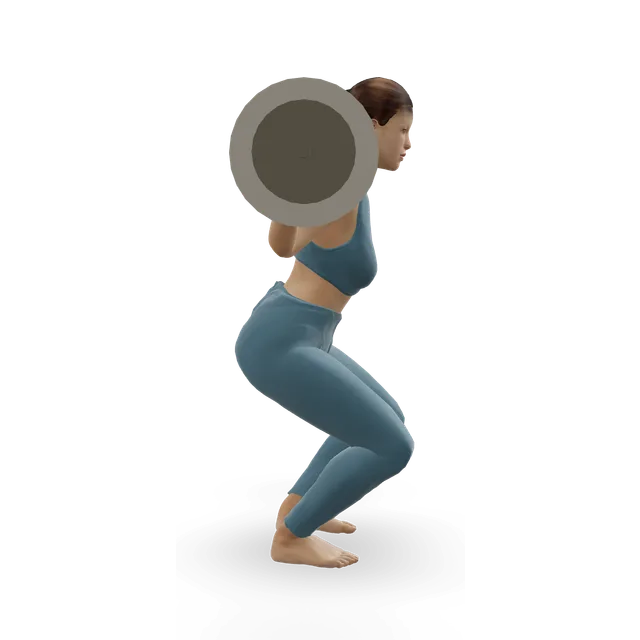
Breathe in and brace, then sit down between your heels, knees travelling forward and out over your toes, chest up, keeping the dowel over the middle of your feet.
Go as deep as you control with your heels down, your arms locked and your back keeping its shape.
Stand up, arms locked throughout, breathing out near the top.
With a bar, practise the bail with the empty bar first: push it forward and step back, or let it go behind you and step forward, on bumper plates with a clear space around you.
Loading the 3D figure…
Drag to turn
Gets into position, then repeats the movement. Technical checks passed; qualified exercise review is pending.
The NSCA lists restricted shoulder elevation causing a poor lockout, elbows that can't straighten fully, and a lack of depth in the bottom among beginners' flexibility errors. It also counts technique adapted to limited flexibility as within the range of acceptable technique, so a slightly different overhead squat isn't wrong.
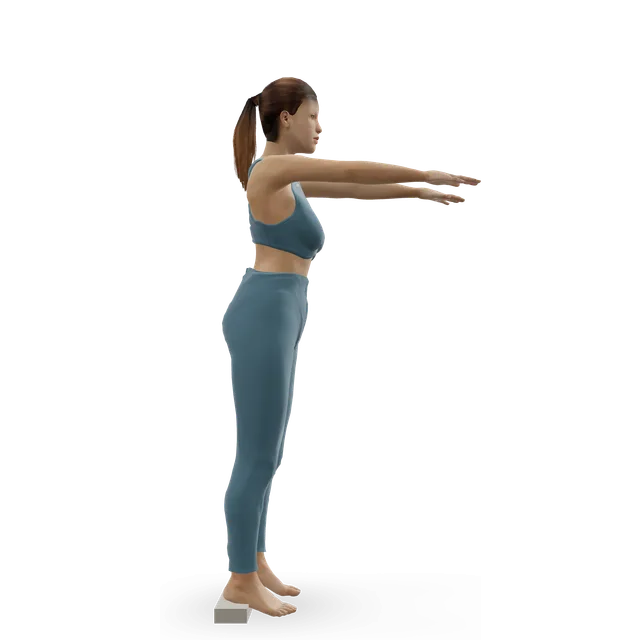
In 53 healthy people, everyone with limited ankle bend failed the overhead squat, but so did about two-thirds of people with normal ankles. A forward-arm squat, arms straight out in front, was better at confirming stiff ankles, so the authors suggest the overhead squat first, then the forward-arm squat to confirm. Better squat scores went with more ankle bend in 28 people, and more ankle range in a lunge test went with more knee and ankle bend in the overhead squat.
Knees caving in often points to the anklesEmerging evidence
In 37 adults whose knees caved in during squats, the hips were stronger, not weaker, while the calf (plantarflexion) was weaker. In another 37, their inner thigh, calf and shin muscles worked harder, and raising their heels 5 cm removed the knee movement. In 97 adults, those whose knees caved in had less ankle bend with the knee straight.
If your arms drift forward or bend, check your overhead reach with the wall test in our overhead press guide: stand with your back to a wall and raise straight arms until they touch it overhead, without your lower back lifting off. If that's hard, your upper back, lats or shoulders are a limit (coaching practice).
Check your overhead squat
Editorial, as in our snatch guide: built on the NSCA's use of the overhead squat as a first step and check, an ankle screening study in 53 people (Rabin 2017), NASM's heel-raise check and a study where raised heels removed the knees caving in (Padua 2012). No check has been tested against injuries.
Hold a dowel or broomstick overhead with a wide grip, arms locked, feet hip- to shoulder-width apart and toes out a little.
Push up into the dowel and squat slowly, as deep as you can control, keeping it over the middle of your feet.
Film it from the side. A good one has your heels down, your arms locked, the dowel over the middle of your feet and your back keeping its shape.
If your heels lift or you tip forward, test your ankles with the knee-to-wall rock and a forward-arm squat, arms straight out in front. If raising your heels on a small plate fixes it, your ankles were a big part.
If your arms drift forward or bend, check your overhead reach with the wall test.
Work on what's limited with the mobility moves below, and keep training the squat at the depth you control. Check again every few weeks.
Loading the 3D figure…
Drag to turn
Gets into position, then repeats the movement. Technical checks passed; qualified exercise review is pending.
The overhead squat assessment: what it can and can't tell you
How trainers do it
In NASM's version you stand barefoot or in flat shoes, feet shoulder-width and pointing forward, arms overhead with your elbows straight, and squat to about chair height for around five reps. The trainer watches from the front (feet flattening or turning out, knees caving in or bowing out) and the side (leaning forward, the lower back arching or rounding, the arms falling forward). NASM calls each fault a sign of probable imbalances, and says it's a movement screen, not a medical diagnosis.
Observers agree well on knees caving inEmerging evidence
Three athletic trainers rating videos of 100 college students agreed well on whether the knees caved in (agreement scores of about 0.7, where 1 is perfect), and their ratings matched motion-capture measures moderately well. That's one fault, rated by trained eyes.
It can't tell you which joint is limitedEmerging evidence
In 60 adults, the Functional Movement Screen (FMS) deep squat score, a squat with a dowel overhead, agreed poorly with measured joint ranges and couldn't separate people by their mobility. In 20 healthy adults, taking the arms down or letting people choose their foot position raised scores, so the test might underestimate how well you squat. And a poor overhead squat was common in people with normal ankles.
Overhead and single-leg squat movement wasn't linked to leg injuries over a season in 108 female college athletes, and the overhead squat assessment wasn't linked to injury over 180 days in 1,714 military recruits. In 627 male Gaelic players, the overall score from an overhead squat, a single-leg squat and a push-up test didn't predict injury; a detailed scoring of body segments did predict it, but picked out only about 40 to 44% of those who went on to be injured.
Reviews of squat and movement screens disagreeMixed evidence
A 2026 review of 7 studies concluded squat tasks can be used to assess injury risk, while noting two of its studies found a squat alone wasn't enough. For the whole FMS, of which the overhead deep squat is one part, one review found a small link with injury in male military personnel and evidence against using it in football; another found higher odds of injury with low scores but significant concerns about its validity; a third, of 29 studies, found the link varied by sport and age.
Use the overhead squat to see what's hard for you today, then check the joints with simple tests. Don't read a poor one as a diagnosis, a muscle imbalance chart or an injury forecast, and don't read a good one as a clean bill of health (our reading).
Corrective exercise: what it can and can't do
It can change the screenEmerging evidence
In a randomised trial of 32 young adults whose knees caved in during squats, 10 sessions of hip and ankle strength and flexibility work over 2 to 3 weeks reduced the knee movement and improved ankle range. In 37 golfers, 8 weeks of strength and flexibility work improved the overhead squat against controls. In an uncontrolled pilot of 11 firefighters, an app-generated corrective programme raised movement screen scores, the deep overhead squat among them.
It hasn't shown it changes much elseEmerging evidence
The golfers' better overhead squat didn't change their swing, and the authors don't recommend using the overhead squat to explain swing faults, though they call it a possible check of strength and range of movement.
We found no trial showing that improving your overhead squat prevents injuries, no training trial of the overhead squat itself, and no count of injuries from the lift.
What it trains
Against the back squatEmerging evidence
In 14 people lifting 60 to 90% of each squat's best 3-rep weight, the overhead squat worked the front trunk muscles more on the way down, but by only about 2 to 7%; the back squat worked the lower back and every leg muscle harder and produced more force. The authors said the results don't support a substantially greater trunk stimulus, and an earlier study found the differences were largely due to the lighter loads lifted overhead.
Against the front squat and the plankEmerging evidence
In 7 trained men, the best 3-rep front squat was 125 kg and the overhead squat 91 kg. The middle trapezius worked harder in the overhead squat and the front of the shoulder in the front squat, and the plank drew more abdominal activity than both.
Adding weight moves work to the hipsEmerging evidence
In 14 male students, adding 20% or 40% of body weight to the overhead squat raised the hip's peak effort but not the knee's, and more hip effort went with more forward lean of the lower trunk.
We found no trial that has trained the overhead squat for strength, muscle, mobility or sport, and muscle activity in one session isn't a validated predictor of growth. Its real jobs are teaching the snatch catch and moving through a full range under a light load (our reading of the NSCA's use of it).
Bodyweight squat with your arms straight out in front, 1 set of 5, as the forward-arm check (our suggestion); goblet squat, 3 sets of 5 with a 3-second lowering and a 1-second pause, and the heel-raised squat, 2 sets of 6 to 8, if your heels lift (our squat technique workout); overhead squat with a dowel, then the empty bar, 3 sets of 5, slowly (our weightlifting technique workout), then loaded, 3 or 4 sets of 3 to 5 (our suggestion). The one-arm kettlebell overhead squat gives 2 to 3 sets of 5 to 8 each arm, stopping 2 or 3 short, and the Sots press 3 sets of 3 to 5 with an empty bar or a light dumbbell (their move pages' doses; leave the Sots press out with neck or shoulder pain). For the snatch, the snatch balance comes next, 3 sets of 3 with the empty bar and a coach (our weightlifting technique workout).
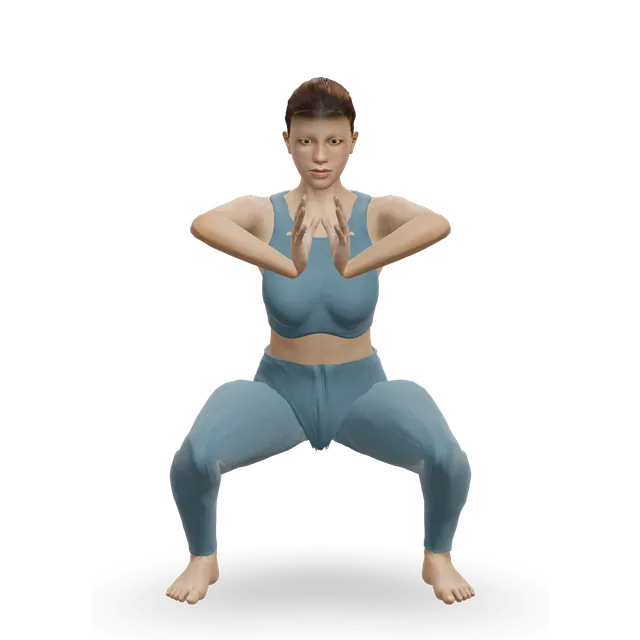
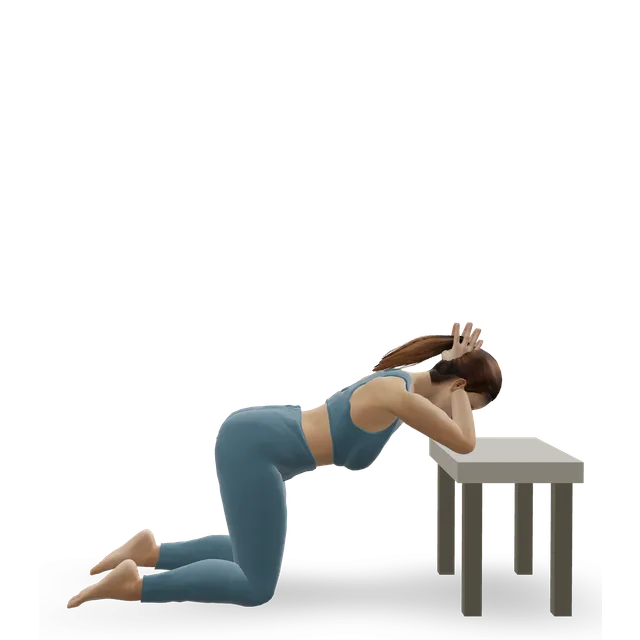
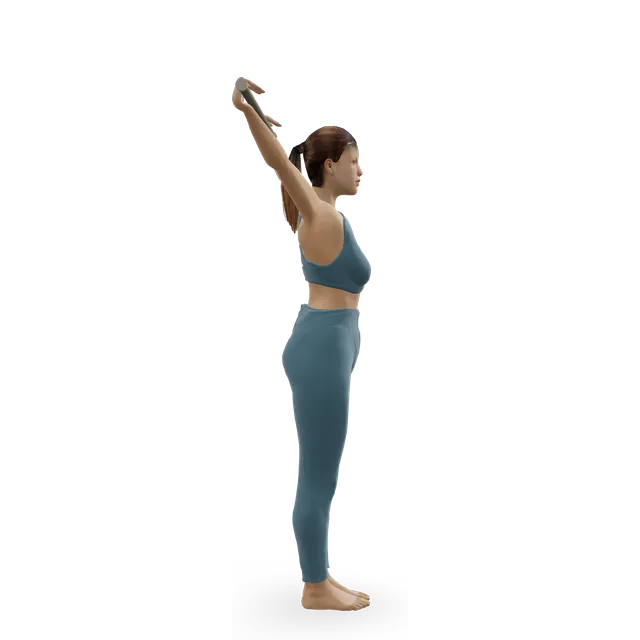
Pick by your check. Ankles: knee-to-wall rocks, 10 slow rocks each side (the move page's dose); depth: the deep squat hold, 30 to 60 seconds holding a support if needed (our weightlifting technique workout); upper back: thoracic rotations, 6 each side, moving with your breath, and foam roller extensions, 5 to 8 slow breaths at 3 or 4 spots (their move pages' doses); lats and reach: the overhead lat stretch at a bench, held 30 to 45 seconds 2 to 4 times (the move page's dose, from ACE), and wall angels, 8 slow slides (our overhead press technique workout); the chest and front of the shoulder: the overhead stick stretch, held 15 to 30 seconds 2 to 4 times, and shoulder CARs, 3 slow circles each way on each arm (their move pages' doses); overhead steadiness: the overhead carry, 2 walks of 15 to 20 metres each arm with a light weight, only if your arm locks out overhead without pain (our loaded carry workout); bracing: dead bugs, 2 sets of 5 to 8 each side (our squat technique workout).
Dowel, bar, kettlebell, dumbbell and narrow-grip versions
Dowel or PVC pipe
Where everyone starts: a broomstick does the job. The overhead squat demo shows a bar, but the movement is the same.
Empty bar, then loaded
Move to the empty bar when 3 sets of 5 with the dowel look the same, then add weight in small steps on bumper plates (our suggestion, as in our snatch guide).
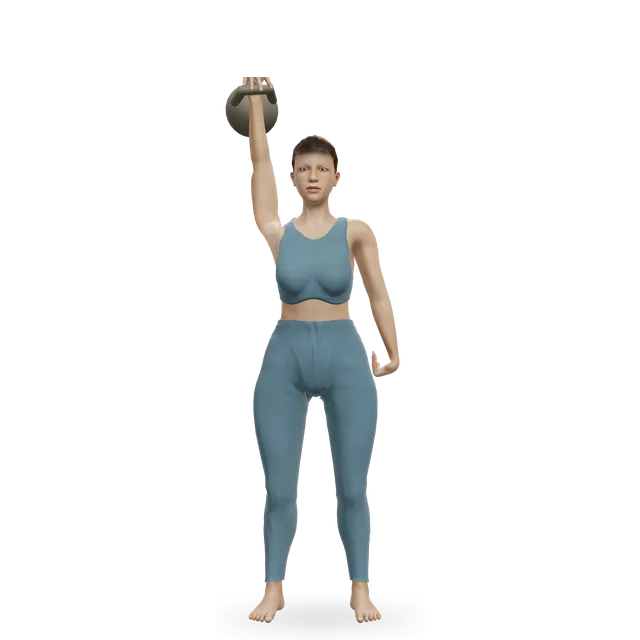
One-arm kettlebell overhead squat
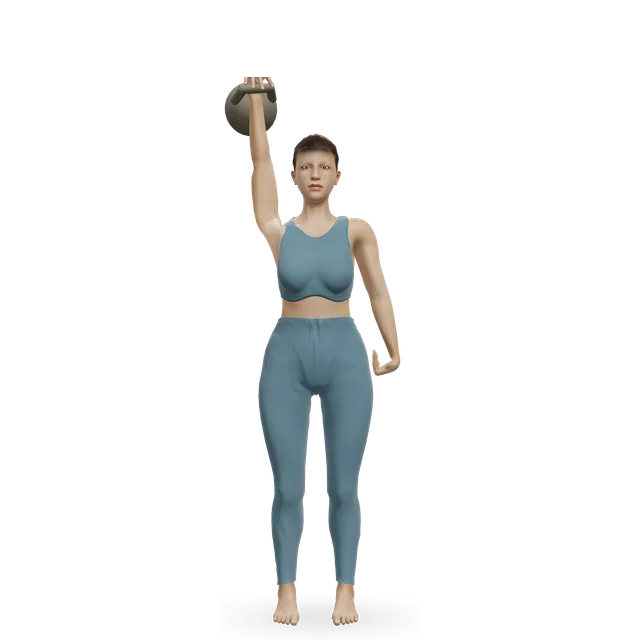
One bell locked out above your shoulder, your free arm out to the side for balance. The load sits high and to one side, so your shoulder and trunk must keep it steady, as its move page says; some people find one arm overhead easier than two.
Dumbbell overhead squat, one or two arms
The one-arm version works like the kettlebell one. Two dumbbells are harder to keep steady than a bar. Neither has a 3D demo of its own: the kettlebell demo shows the one-arm movement.
Narrow (clean) grip
It needs more shoulder range than a wide grip (coaching practice). Learn the wide grip first.
Sots press and snatch balance
The Sots press presses a bar from behind the neck while you sit in the bottom of the squat: light, optional and not for sore necks or shoulders, as our snatch guide cautions. The snatch balance drops under a bar into the overhead squat, the next step towards the snatch, with a coach.
Overhead split squat and walking lunge
The same bar position in a split stance. They need the overhead squat's shoulder range, without the ankle and hip demands of a deep squat; our walking lunge guide covers the lunge.
Overhead squats against front, back and goblet squats, thrusters and presses
Front squat
The front squat lets you lift more: 125 against 91 kg in one study of 7 men. The overhead squat is a skill and mobility lift and the catch of the snatch. Our front squat guide covers the rack.
The back squat moves much more weight and works the legs and lower back harder; the overhead squat works the front trunk muscles only slightly more. For leg strength, the back squat wins.
The goblet squat is the step before: the weight in front of your chest helps you sit upright. If your goblet squat isn't deep and upright yet, start there.
Thruster
A thruster is a front squat that drives into a press overhead; the overhead squat keeps the bar overhead the whole time. Our thruster guide covers it.
Overhead press
The press moves the bar overhead from your shoulders while you stand; the overhead squat holds it there while you squat. Both need the same overhead reach.
Common mistakes
Arms drifting forward
The bar leaves the line over your mid-foot and you tip. Widen your grip, push up into the bar, and check your overhead reach and upper back. NASM lists arms falling forward among its faults, and the NSCA names restricted shoulder elevation.
Push up into the bar and lock out. If your elbows can't straighten fully, the NSCA lists that as a flexibility limit: ask a physiotherapist rather than forcing it.
2 sets of 5 with a dowel or the empty bar, slowly, as our weightlifting strength and jerk technique workouts use.
While you learn
3 sets of 5, slowly, with a dowel and then the empty bar, resting about 90 seconds, and stopping when a rep looks different (our weightlifting technique workout and snatch guide).
Loaded
3 or 4 sets of 3 to 5, every rep the same and well short of failure, resting about 2 minutes (our suggestion, within our snatch guide's low-rep advice).
One-arm kettlebell
2 to 3 sets of 5 to 8 each arm, stopping 2 or 3 reps short, with 60 to 90 seconds' rest: the move page's dose, its editorial starting point.
How often
Two or three short practices a week, often as a warm-up before squats or snatches (our suggestion; our weightlifting technique workout runs twice a week). Film a set from the side every few weeks to recheck, as our snatch guide suggests.
Bailing
If the bar drifts in front, push it away and step back; if it goes behind you, let go and step or jump forward. Never try to save a lost bar on bent arms. Practise both with the empty bar, on bumper plates, with nobody near (our move page and snatch guide).
Weight standards
We don't give overhead squat weight standards: what matters is that every rep looks the same. Compare yourself with yourself.
Workouts to follow
The overhead squat progression is the follow-along for this page: a check, mobility picked by your check, then a ladder from the goblet squat to the empty bar. The weightlifting technique workout uses the overhead squat before the snatch balance; the squat technique workout builds the squat; the shoulder mobility and CrossFit warm-up sessions cover the overhead range; the thruster workout puts the squat and the overhead lockout together.
Leave the overhead steps out and stay with the goblet squat and the heel-raised squat, as the move page advises. Shoulder discomfort up to about 5 out of 10 during strengthening is acceptable if it's back to its usual level by your next session; stop if your shoulder feels about to slip out (our shoulder guide).
After a shoulder dislocation or shoulder surgery
Follow your team's stages before any overhead work, as our shoulder dislocation guide sets out.
Neck pain
Leave out behind-the-neck work such as the Sots press, as our snatch guide cautions.
Wrist or elbow pain overhead
Try a slightly wider or narrower grip, or the one-arm kettlebell version with a straight wrist, and stop if it still hurts. Our wrist pain from lifting guide covers the wrists.
Back or knee pain
Squat to the depth that stays within the back rule (up to about 5 out of 10, settled within an hour, no worse the next morning, no pain down a leg) and the knee rule (0 to 2 out of 10 safe, up to 5 if it's back to usual by the next morning), as our back and knee guides say.
Pregnancy
The NHS advises against starting a new vigorous activity in pregnancy and against activities with a risk of falling. Our view: don't start learning the overhead squat while pregnant; if you already do it, keep it light and stop if you feel uncomfortable, too hot or unwell.
High blood pressure, heart disease or eye conditions
Breathe out as you stand up rather than holding your breath, keep the loads light, and get advice first if your blood pressure isn't controlled. The American Heart Association says high-intensity strength training shouldn't be done with active proliferative retinopathy, a diabetic eye disease.
The dowel version is a fine mobility drill at any age. Squat to a box or chair, hold the dowel lightly, and add load only if you want to learn the lift itself (our suggestion).
Get advice first
If you haven't exercised for some time or have a medical condition, speak to your GP first, as the NHS advises.
If you get chest pain or pressure, feel faint or dizzy, are unusually breathless, or your heart races or beats irregularly during exercise, as our plans advise. The American Heart Association says these need immediate medical evaluation.
For chest pain that comes on suddenly and doesn't go away, feels tight or like squeezing, spreads to your arms, neck, jaw, stomach or back, or comes with sweating, feeling sick, light-headedness or breathlessness; someone who faints while exercising; palpitations that don't go away, or come with chest pain, shortness of breath or feeling faint; or a sudden headache that is extremely painful, or comes with numbness or weakness, difficulty speaking or loss of vision. Don't drive yourself to A&E.
If back pain comes with pain, tingling, weakness or numbness in both legs, loss of feeling around your genitals or bottom, or changes in your bladder or bowels.
For sudden or very bad shoulder pain, an arm you can't move, a shoulder that has changed shape or is badly swollen, pins and needles that don't go away, no feeling in your arm or shoulder, an arm or shoulder that's hot or cold to the touch, pain that started after a fall or injury, severe pain in both shoulders, or feeling feverish or unwell. In the US, your doctor or urgent care.
If shoulder pain is getting worse or hasn't improved after 2 weeks, or it's very difficult to move your arm; or for wrist pain that stops your normal activities, gets worse, keeps coming back or hasn't improved after 2 weeks, or comes with tingling in your hand.
Get advice from NHS 111 now if your knee is very painful, you can't put weight on it, it's badly swollen, or it locks, gives way or painfully clicks; see a GP if knee pain doesn't improve within a few weeks.
"If you can't overhead squat, your body is broken"Mixed evidence
About two-thirds of people with normal ankles failed the overhead squat in one study, the deep squat test score agreed poorly with measured joint ranges, and scores rose when people could lower their arms or choose their foot position. The NSCA counts technique adapted to limited flexibility as acceptable. A poor overhead squat tells you a position is hard for you today, not that something is wrong with you.
"Failing the overhead squat assessment means you'll get injured"Mixed evidence
Overhead squat scores weren't linked to injury in 108 college athletes or 1,714 military recruits, and in 627 Gaelic players the overall score didn't predict injury. Reviews of squat and movement screens disagree, so a poor score isn't a forecast.
"Each fault pins down a tight or weak muscle"Mixed evidence
In people whose knees caved in, the hips were stronger, not weaker, while the ankles were weaker and stiffer, and raising the heels removed the knee movement. NASM itself calls its fault mapping probable imbalances: use it as a starting point, then check.
"The overhead squat is the ultimate core exercise"Emerging evidence
It worked the front trunk muscles only about 2 to 7% more than a back squat in 14 people, and a plank drew more abdominal activity than both front and overhead squats in 7 men. Our snatch guide makes the same correction.
Hold a dowel or bar overhead in a wide grip with your arms locked, then sit down between your heels as deep as you control, keeping the bar over the middle of your feet and your heels down. Stand up with your arms still locked. Start with a broomstick, not a loaded bar.
Why is the overhead squat so hard?
It asks your ankles, hips, upper back, shoulders and elbows for their full range at once. Most people's limit is one or two of those, and the checks on this page help you find which.
Why can't I overhead squat?
If your heels lift or you tip forward, check your ankles: a good overhead squat rules out stiff ankles, but many people with normal ankles fail it too. If your arms drift forward, check your overhead reach and upper back. A test that's new to you can also understate how well you squat.
What is the overhead squat assessment?
A screen trainers use: you squat with your arms overhead for a few reps while they watch your feet, knees, hips, trunk and arms from the front and side. Observers agree well on whether your knees cave in. NASM calls its version a movement screen, not a medical diagnosis.
Does failing the overhead squat assessment mean I'll get injured?
No study we found shows it. Overhead squat scores weren't linked to injury in 108 college athletes or 1,714 military recruits, and in 627 Gaelic players the overall score didn't predict injury.
How do I improve my overhead squat mobility?
Work on what your check shows: ankle rocks for heels that lift, upper-back rotations and a lat stretch for arms that drift forward, and deep squat holds for depth. An exercise programme improved ankle range and knee control in one trial, and our overhead squat progression puts the moves together.
What muscles does the overhead squat work?
Your legs and hips as in any squat, plus your upper back and shoulders holding the bar. It worked the front trunk muscles only 2 to 7% more than a back squat, and the legs less, because you lift much less.
How wide should my grip be?
Wide, as for a snatch: one way is to widen your grip until the bar sits at your hip crease with straight arms, then adjust. A narrower grip needs more shoulder range.
Overhead squat or front squat?
The front squat lets you lift more: 125 against 91 kg in one study of 7 men. The overhead squat is a skill and mobility lift and the catch of the snatch; our front squat guide covers the rack.
Can I overhead squat with dumbbells or a kettlebell?
Yes: one kettlebell or dumbbell overhead, with your free arm out to the side, is an easier start for some shoulders, and the one-arm kettlebell overhead squat has a 3D demo. Two dumbbells are harder to keep steady.
How many overhead squats should I do?
While learning, 3 sets of 5 slow reps with a dowel or the empty bar, as our weightlifting technique workout uses. Loaded, 3 or 4 sets of 3 to 5, adding weight only while every rep looks the same.
Is the overhead squat bad for your shoulders?
No study we found has counted overhead squat injuries. Leave it out with shoulder pain overhead, a shoulder that has dislocated or feels as if it might slip, or after shoulder surgery until your physiotherapist agrees, and keep a clear space to drop the bar.
Exercise education, not a personal prescription, and clinical review of these guides is pending. Check with a GP before starting hard training if you have a heart condition, chest pain, dizziness or breathlessness when active, and stop for sharp or increasing pain. Health disclaimer.