Strength at home
Thruster workout: learn the squat-to-press, then an 8-minute EMOM
The thruster is a front squat whose drive carries the weights overhead. This session builds it from its parts: goblet and double kettlebell front squats, then the push press, then thrusters with 2 or 3 reps to spare and, when you're ready, an 8-minute EMOM (every minute on the minute) of thrusters and rowing. We found no trial of a thruster workout, so the doses are our starting points; the EMOM is here because, for the same work, it kept heart rate and effort well below racing the clock in a study.
Warm-up
- Indoor rowing (rowing machine)3 to 5 min easyBeginner · Quads, Glutes, Back · 3D demoLegs, then body, then arms. No rower: 60 s of jumping jacksHarder: Stair climbing
- Thoracic rotation6 each sideBeginner · 3D demoEasier: Side-lying open bookHarder: World's greatest stretch
- Beginner · Forearms · 3D demoSlow circles and palm turnsEasier: Wrist circlesHarder: Wrist flexor stretch
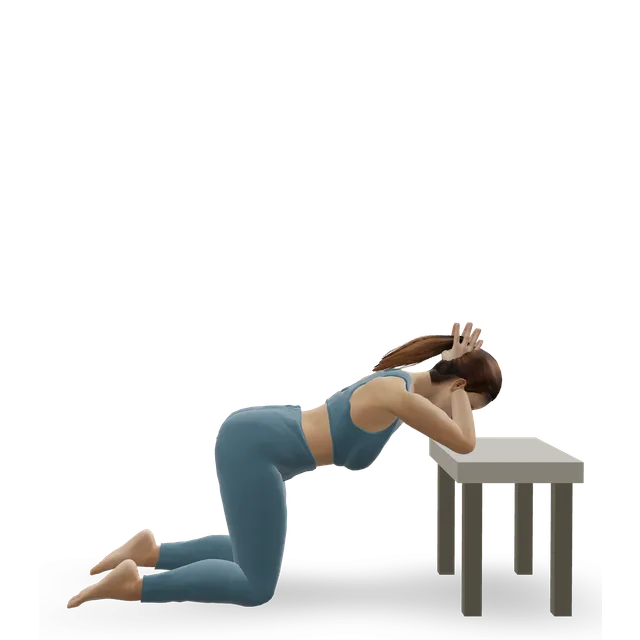
- Overhead lat stretch at a bench (elbows on the bench)2 × 30 to 45 sIntermediate · Back, Triceps, Shoulders · 3D demoElbows on the bench; let your chest sink and keep your lower back longEasier: Overhead triceps stretchHarder: Sots press
- Bodyweight squat10 repsBeginner · Quads, Glutes, Hamstrings · 3D demoKnees over your middle toesEasier: Sit squat (partial squat)Harder: Dumbbell goblet squat




The parts
Rest 60 s, and 90 s after the push presses
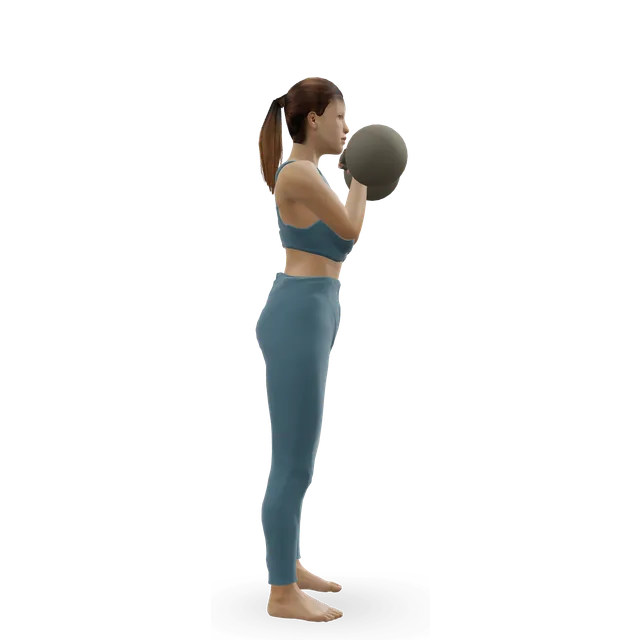
- Intermediate · Quads, Glutes, Abs · 3D demo3 s down; elbows inside your knees; chest upEasier: Bodyweight squatHarder: Barbell front squat
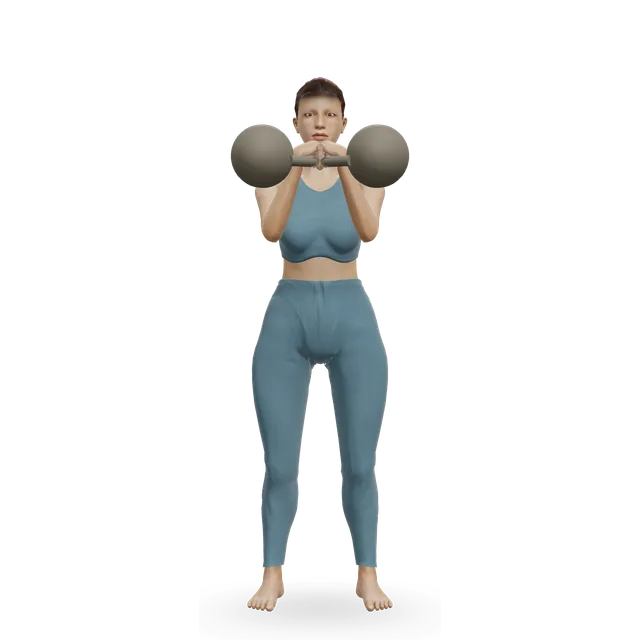
- Intermediate · Quads, Glutes, Abs · 3D demoElbows in front, wrists straightEasier: Bodyweight squatHarder: Back squat with bands
- Intermediate · Shoulders, Triceps, Quads · 3D demoA short, straight dip and drive, feet flat; finish with locked arms, biceps by your earsEasier: Standing overhead pressHarder: Power jerk (push jerk)

Thrusters
Rest 2 min
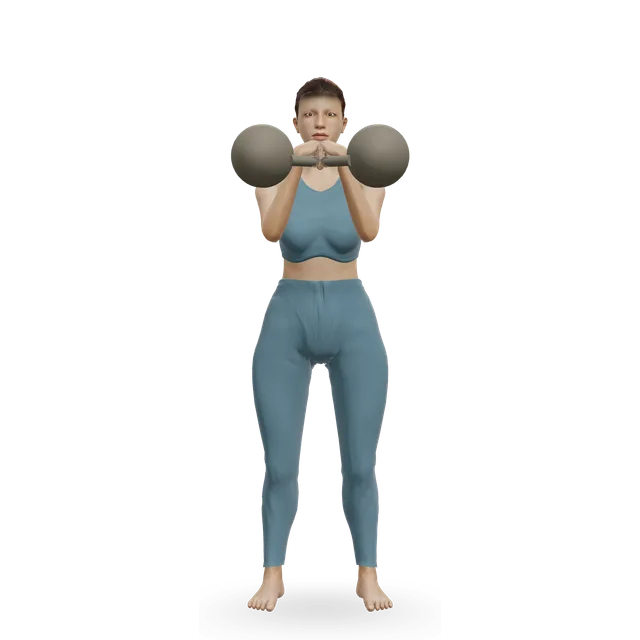
- Double kettlebell thruster2 to 3 × 5 to 8Advanced · Shoulders, Quads, Glutes · 3D demoStop 2 or 3 reps short, 3 or 4 in your first two weeks. One movement: let your legs start the press, and bring the bells back to your shoulders under controlEasier: Double kettlebell push press
EMOM: 8 minutes (optional)
4 rounds
- Advanced · Shoulders, Quads, Glutes · 3D demo5 thrusters with lighter bells, ones you could lift about 15 to 20 times, then rest for the rest of the minute. Still going at 40 s? Do fewer next minuteEasier: Double kettlebell push press
- Beginner · Quads, Glutes, Back · 3D demo30 to 40 s of brisk rowing, then rest. No rower: 20 jumping jacksHarder: Stair climbing
Cool-down
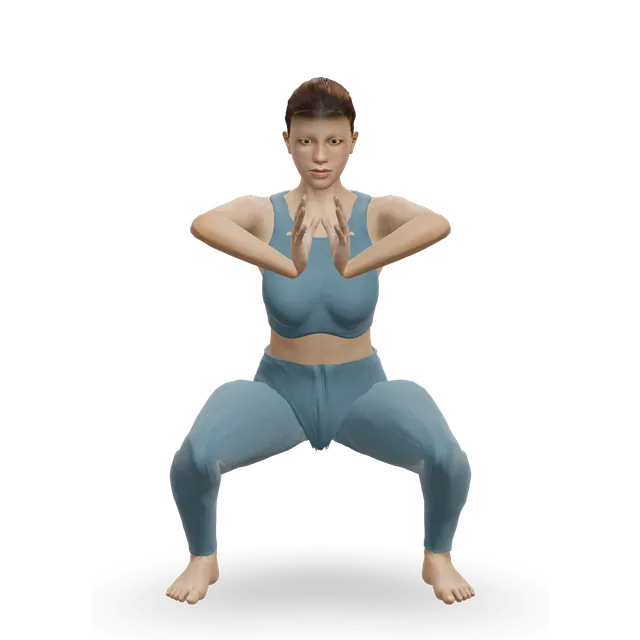
- Deep squat hold60 sIntermediate · Quads, Glutes, Adductors · 3D demoHold a supportEasier: Goddess pose (Utkata Konasana)Harder: Cossack squat
- Wrist flexor stretch30 s each sideBeginner · Forearms · 3D demoA gentle pull, not painEasier: Wrist circlesHarder: Quadruped wrist rocks

Tips
- Once or twice a week, with a day between. The EMOM counts as one of your harder sessions: hard intervals once or twice a week for most people, up to three.
- Choose bells for the thruster sets that leave 2 or 3 reps to spare at 5 to 8 reps, and lighter ones for the EMOM. A barbell or dumbbells work the same way: take a barbell from a rack with the clean grip, and hold dumbbells at your shoulders, palms facing.
- Add a rep to each thruster set each week up to 8, then use the next bells for your first set only. In the EMOM, add minutes, up to 12, before you add weight.
- Brace as you sit and breathe out as the bells pass your face. With high blood pressure, heart disease, glaucoma or diabetic eye disease, a hernia, recent surgery or in pregnancy, breathe out through every drive and keep the bells moderate.
- If you're inactive and have heart, metabolic or kidney disease, or symptoms when you're active, check with your GP before the EMOM. Stop for chest pain, dizziness, unusual breathlessness or a racing or irregular heartbeat.
- Stiff wrists in the rack? Hold dumbbells palms in. Shoulder pain overhead? Leave the presses out for now and see our overhead press guide.
- Leaking during thrusters is common and treatable: our pelvic floor guide explains how.
- Muscles far sorer, more swollen or weaker than the session explains need a same-day check, with or without dark pee: it can be rhabdomyolysis.
- Training for Hyrox? Swap the EMOM for wall balls to a target if your gym has them.
The doses are suggested starting points, not a prescription. Choose a range you can control and stop for sharp or increasing pain, numbness or tingling. Get individual advice after an injury or surgery, or if you are pregnant or managing a health condition.
Guides that recommend it
Find more moves like these
More strength at home



Beginner bodyweight workout
A 20-minute full-body workout with no equipment: squats, knee push-ups, bridges, lunges and planks.
20 minBeginner10 movesNo equipment


Full-body bodyweight workout
An intermediate no-equipment workout: push-ups, split squats, single-leg bridges, pike push-ups and core work.
30 minIntermediate11 movesNo equipment

Full-body dumbbell workout
A 35-minute full-body strength workout with dumbbells: goblet squats, presses, rows, Romanian deadlifts and carries.
35 minIntermediate9 movesA band, A dumbbellQuestions people ask
How long does the thruster workout: learn the squat-to-press, then an 8-minute emom take?
About 35 minutes, including any warm-up and cool-down listed. Shorten it by doing fewer rounds; lengthen it by adding one.
What equipment do I need?
You need: Cardio machine, A bench or box, A dumbbell, A kettlebell, A wall. Each move links to its guide, where you can find an alternative if you are missing something.
Is it suitable for me?
It is written at intermediate level. 10 of its 11 moves have an easier option listed beside them; use them freely.
How do I make it easier or harder?
Use the easier or harder option listed under each move, change the number of rounds, or adjust the rest. Progress one change at a time.