Skill progressions
Overhead squat progression: ankle, hip and shoulder mobility, then the dowel and the bar
The overhead squat asks your ankles, hips, upper back and shoulders for their full range at once, so this session starts by finding which one is holding you back. Pick the mobility moves your check points to, then work at the hardest squat step you can do with your heels down and the bar over the middle of your feet. Shorten the range while the mobility comes; there's no need to force depth. Two or three times a week, or the first half as a warm-up before squats or snatches.
Warm-up
- Indoor rowing (rowing machine)3 min easyBeginner · Quads, Glutes, Back · 3D demoNo rower: march on the spot or walk brisklyHarder: Stair climbing
- Shoulder CARs (controlled articular rotations)3 slow circles each way, each armBeginner · Shoulders, Back · 3D demoWork around any pinchEasier: Arm circlesHarder: Sleeper stretch


Check
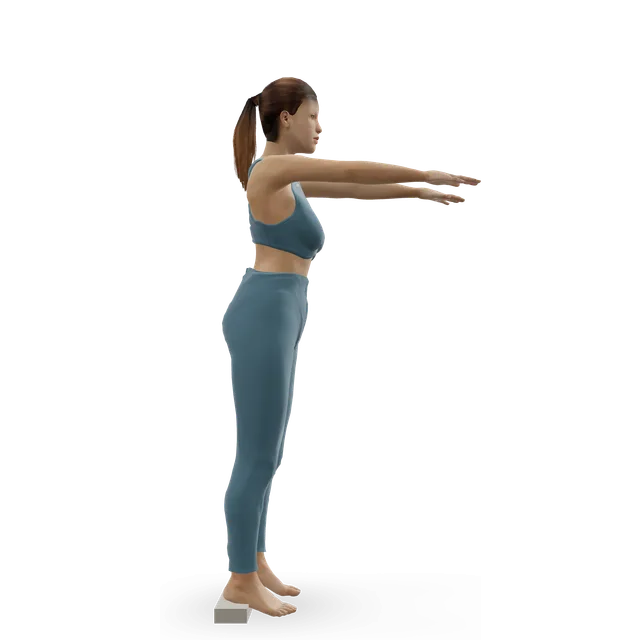
- Bodyweight squat5 reps, arms straight out in frontBeginner · Quads, Glutes, Hamstrings · 3D demoThe forward-arm squat: if your heels lift here too, your ankles are a limitEasier: Sit squat (partial squat)Harder: Dumbbell goblet squat
- Wall angel8 slow slidesBeginner · Back, Shoulders · 3D demoYour reach check: arms towards the wall overhead without your lower back lifting off itEasier: Table slide (seated forward reach)Harder: Prone Y-T-W raises


Mobility: pick 3 or 4 by your check
- Knee-to-wall ankle rock10 slow rocks each sideBeginner · 3D demoFor heels that lift or a big forward lean. Keep your heel down
- Thoracic rotation6 each sideBeginner · 3D demoFor arms that drift forward. Move with your breathEasier: Side-lying open bookHarder: World's greatest stretch
- Foam roller thoracic extension5 to 8 slow breaths at 3 or 4 spotsBeginner · Back, Chest · 3D demoFor arms that drift forward. Support your head with your handsHarder: Fish pose (Matsyasana)
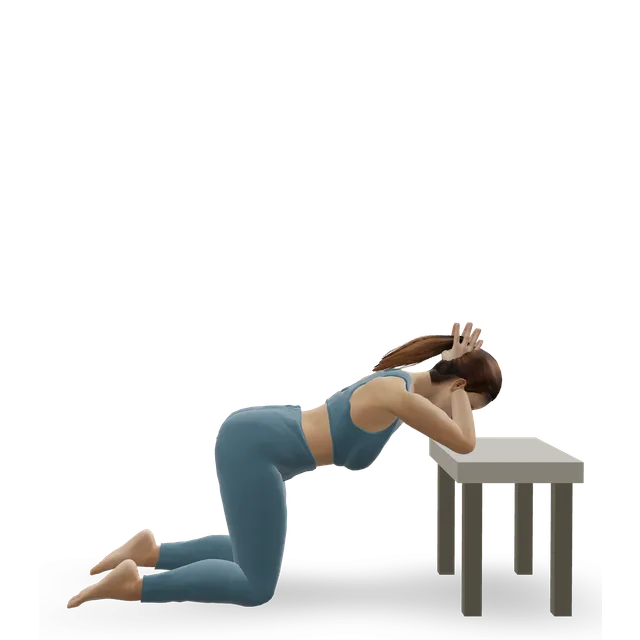
- Overhead lat stretch at a bench (elbows on the bench)2 holds of 30 to 45 sIntermediate · Back, Triceps, Shoulders · 3D demoFor arms that drift forward. Keep your lower back longEasier: Overhead triceps stretchHarder: Sots press
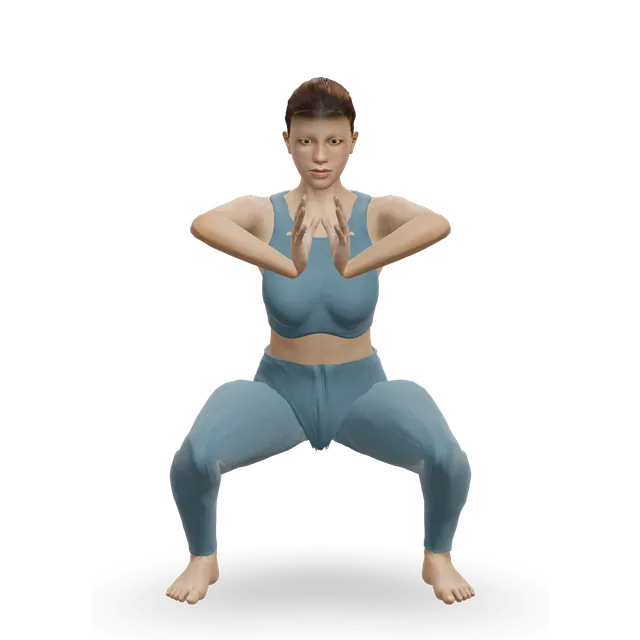
- Deep squat hold30 to 60 sIntermediate · Quads, Glutes, Adductors · 3D demoFor depth. Hold a support; rest your heels on a folded mat if they liftEasier: Goddess pose (Utkata Konasana)Harder: Cossack squat



The ladder: pick your step
Rest 60 to 90 s between sets
- Dumbbell goblet squat3 sets of 5Intermediate · Quads, Glutes, Abs · 3D demoStep 1. 3 s down and a 1 s pause, elbows inside your knees, chest upEasier: Bodyweight squatHarder: Barbell front squat
- Heel-elevated deep squat (slant board squat)2 sets of 6 to 8Intermediate · Quads, Glutes, Adductors · 3D demoStep 2, only if your heels lift: heels on a small plate or slant boardEasier: Bodyweight squatHarder: Deep squat hold
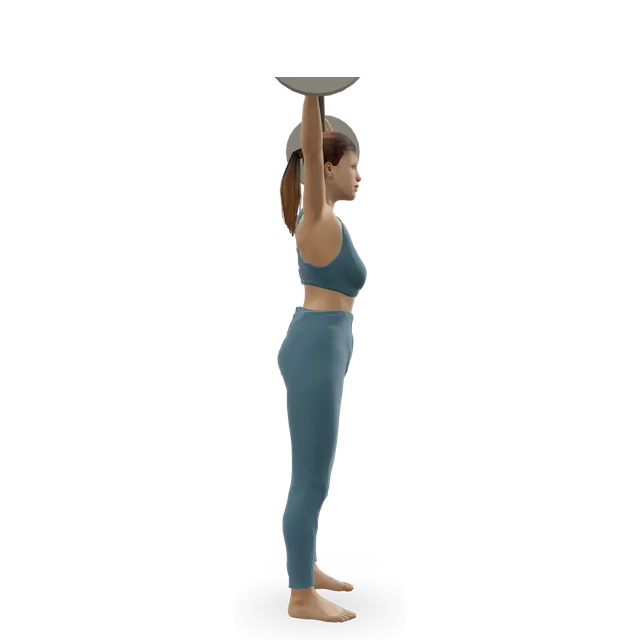
- Overhead squat3 sets of 5, slowlyAdvanced · Quads, Glutes, Shoulders · 3D demoStep 3, with a dowel or broomstick. Push up into it and keep it over the middle of your feet; squat to a box or part way at firstEasier: Bodyweight squatHarder: Squat snatch
- Overhead squat3 sets of 5, slowlyAdvanced · Quads, Glutes, Shoulders · 3D demoStep 4, with the empty bar, on bumper plates with a clear space. Practise the bail firstEasier: Bodyweight squatHarder: Squat snatch

Overhead hold (optional)
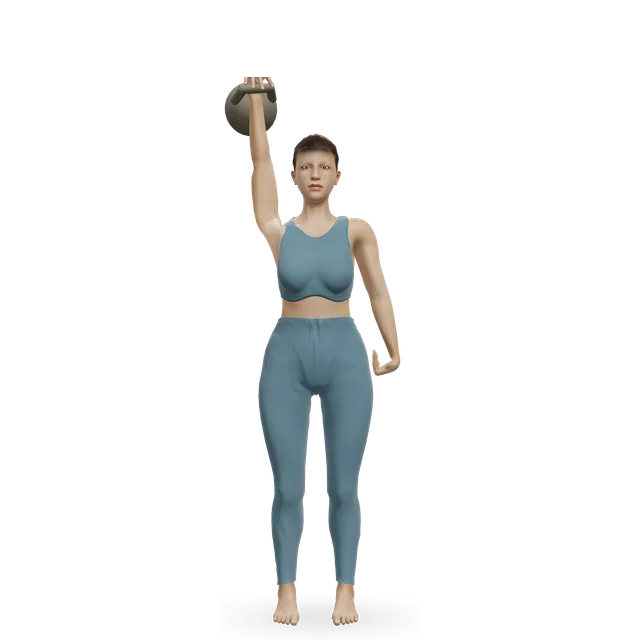
- Overhead carry (waiter's walk)2 walks of 15 to 20 m each armIntermediate · Shoulders, Abs, Triceps · 3D demoA light kettlebell or dumbbell, arm locked straight overhead. Only if you can hold it there without pain; keep a clear pathEasier: Suitcase carryHarder: Yoke walk
Cool-down
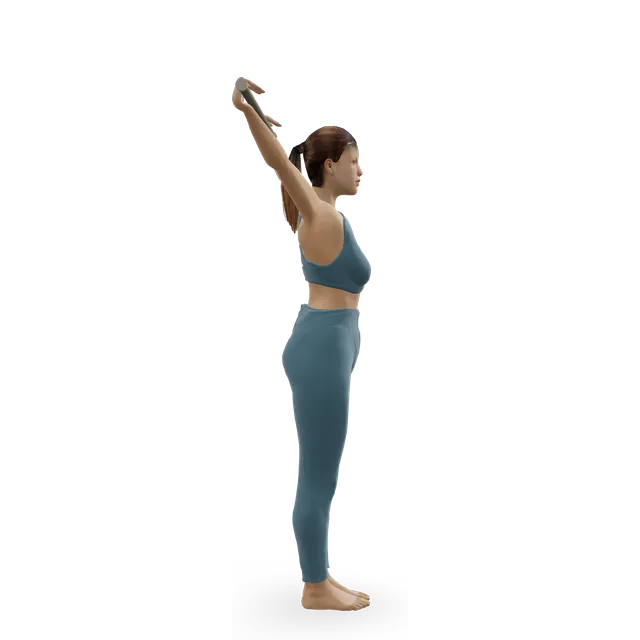
- Overhead stick stretch2 holds of 15 to 30 sBeginner · Chest, Shoulders, Back · 3D demoStick overhead, arms straight; ease off before any pinchingEasier: Upward stretch, hands pressing backHarder: Shoulder dislocates with a strap (pass-throughs)
Tips
- Choose your mobility moves from the check: heels lifting points to your ankles (knee-to-wall rocks, raised heels for now); arms drifting forward points to your upper back, lats or shoulders (rotations, the foam roller, the lat stretch). If raising your heels fixes the squat, your ankles were a big part of it.
- Move up a step when all 3 sets of 5 look the same, filmed from the side, with the bar over the middle of your feet and your heels down. Start each new step at the bottom of its range and finish on your old step.
- Squat only as deep as you control. A box or a shorter range is how weightlifting coaches progress the overhead squat while mobility comes.
- Leave the overhead steps out with shoulder pain overhead, a shoulder that has dislocated or feels as if it might slip, or after shoulder surgery until your physiotherapist agrees; stay with steps 1 and 2.
- With the bar: bumper plates and a clear space. To bail, push the bar forward and step back, or let it go behind you and step forward. Practise both with the empty bar before you need them.
- With high blood pressure, heart disease, glaucoma or diabetic eye disease, breathe out as you stand up rather than holding your breath, and keep the loads light.
- Stop for chest pain or pressure, dizziness, unusual breathlessness or a racing or irregular heartbeat, and get medical help. If you feel light-headed standing up from the deep squat, sit down until it passes.
- A poor overhead squat isn't a diagnosis or an injury forecast: overhead squat scores haven't predicted injuries in the studies we found. Train it for the lift, not to fix your body.
The doses are suggested starting points, not a prescription. Choose a range you can control and stop for sharp or increasing pain, numbness or tingling. Get individual advice after an injury or surgery, or if you are pregnant or managing a health condition.
Guides that recommend it
Find more moves like these
More skill progressions




Push-up progression workout
Work up to full push-ups: wall, incline and knee push-ups, then the floor push-up and harder variations.
15 minBeginner8 movesA wall, A bench or box

Pull-up progression workout
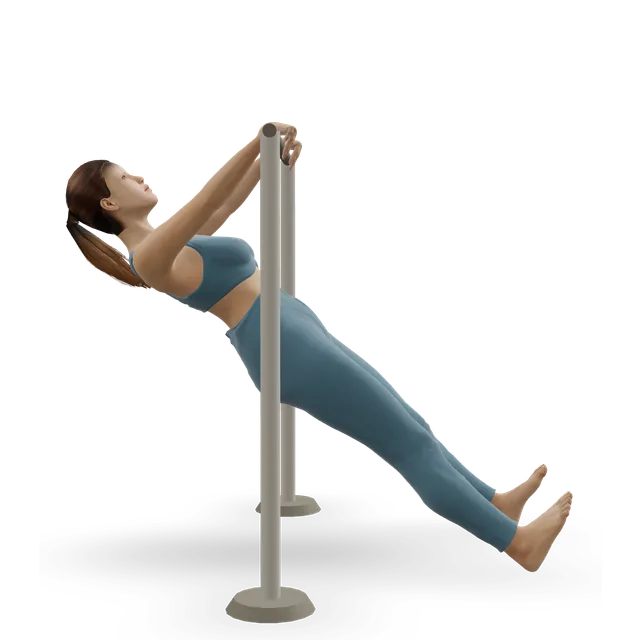
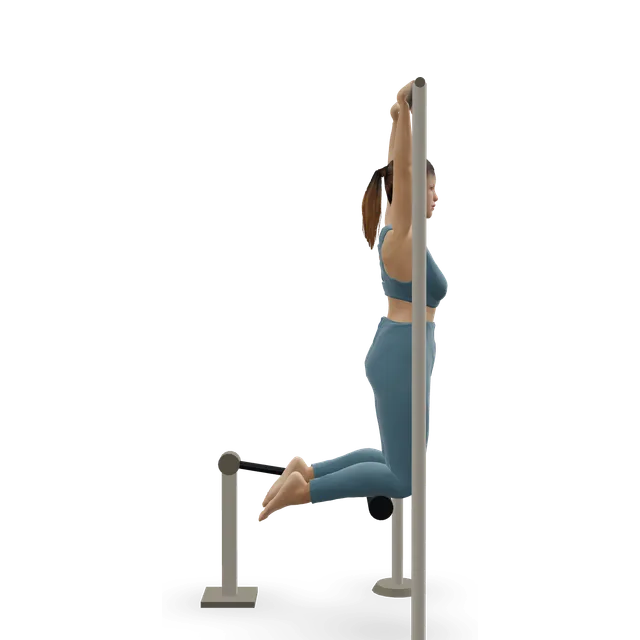
Work up to your first pull-up: dead hangs, scapular pulls, rows, negatives and assisted pull-ups.
25 minBeginner7 movesPull-up bar, A step

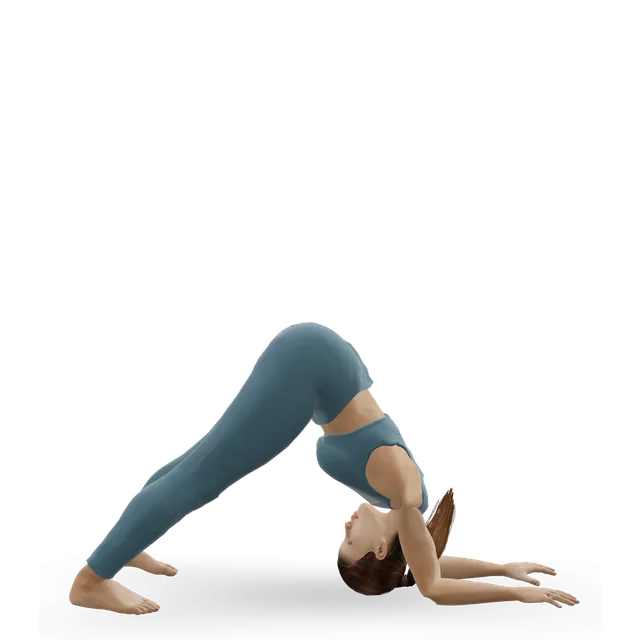
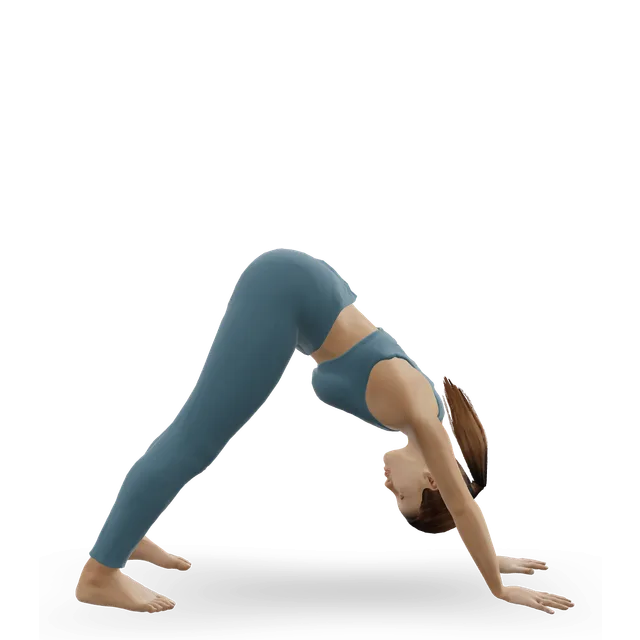
Handstand progression
Build toward a handstand: wrist prep, dolphin pose, pike push-ups, crow, the wall handstand and freestanding holds.
25 minAdvanced9 movesA wallQuestions people ask
How long does the overhead squat progression: ankle, hip and shoulder mobility, then the dowel and the bar take?
About 25 minutes, including any warm-up and cool-down listed. Shorten it by doing fewer rounds; lengthen it by adding one.
What equipment do I need?
You need: Cardio machine, A wall, A foam roller, A bench or box, A dumbbell, A step, A barbell, A kettlebell, Other / check instructions. Each move links to its guide, where you can find an alternative if you are missing something.
Is it suitable for me?
It is written at intermediate level. 11 of its 14 moves have an easier option listed beside them; use them freely.
How do I make it easier or harder?
Use the easier or harder option listed under each move, change the number of rounds, or adjust the rest. Progress one change at a time.