Yoga guide

Yoga for weightlifters: mobility for the squat, hinge and press, when to fit it around lifting, recovery and strength

Yoga can give lifters something lifting doesn't: controlled range at the ends of the positions the squat, hinge and overhead press need, single-leg balance and a calm rest day. It won't make you stronger or more powerful, and in the one trial in Olympic weightlifters it didn't make them less powerful either. Timing is what matters: long holds just before heavy sets cost a little force, so do yoga after lifting or on rest days.

This guide is for gym-goers, powerlifters, Olympic weightlifters, bodybuilders and CrossFit-style trainers. It covers what each lift asks of your ankles, hips, upper back and shoulders, whether yoga makes you weaker, how lifting builds range on its own, recovery, loose joints and shoulders, the warning signs, and a 25-minute class with 3D demos.

The short version

Each lift asks for range somewhere

Squat depth went with how far your ankle bends with the knee bent, and with hip bend; stiff ankles went with more forward lean and lower-back rounding. Raising both arms overhead used about 10 to 13 degrees of upper-back extension.

Sources 1, 2, 3, 4

The one trial in lifters found no change either way

In 18 Olympic weightlifters, 10 one-hour hatha yoga classes over 7 weeks changed neither flexibility nor power against a control group. It's small, short and published as a conference paper: yoga neither helped nor hurt.

Source 5

Yoga won't make you weaker, if you time it

Stretching over weeks nudged strength up a little, but stretching done right before lifting sessions blunted strength gains. Do yoga after lifting or on other days.

Sources 6, 7, 8

Flow before, hold after

Holds of 60 seconds or more per muscle just before testing cut performance by about 4.6%, shorter holds by about 1.1%, and moving afterwards removed most of the loss. Before lifting: a short dynamic warm-up and ramp-up sets (our warm-up guide).

Sources 9, 10

Lifting builds range too

Strength training improved range of motion as much as stretching, and full-range lifting built more strength and muscle than partial range. Yoga adds range you can control in positions your training doesn't reach.

Sources 11, 12, 13

Strength, not stretching, prevents injuries

Lifting injuries are uncommon: about 1 to 4 per 1,000 training hours. Across 25 trials, stretching didn't prevent sports injuries, while strength training cut them to about a third.

Sources 14, 15

What the lifts ask for

The squatEmerging evidence

A deep squat needs ankles that bend forward with the knee bent, hips that bend fully and a braced trunk. Squat depth went with ankle bend measured standing in 20 people, and with ankle and hip bend together in 101 adults. Limited ankle bend went with more forward lean and lower-back movement, and with knees caving in when ankle bend was restricted in the lab.

Sources 1, 2, 3, 16, 17

The hinge

The deadlift and Romanian deadlift need hamstrings that let your pelvis tip forward; stiffer hamstrings went with more lower-back rounding (our hip hinge guide). Hamstring holds and slow hinges practise the position.

The overhead press and overhead squatEmerging evidence

Arms fully overhead need shoulders that reach and an upper back that extends: raising both arms took the upper back into about 10 to 13 degrees more extension in 21 men, varying between people. Overhead squat scores agreed poorly with measured joint ranges and haven't predicted injuries (our overhead squat guide).

Source 4

Raised heelsMixed evidence

Weightlifting shoes or wedges reduced forward lean in a review of 14 articles. In 14 recreational lifters at 80% of their maximum they changed nothing, and they reduced lower-back loading in novices but only a little in regular trainers. They can help some lifters reach depth while mobility improves.

Sources 18, 19, 20

Where yoga sits

Most yoga is light to moderate activity: about 2.3 METs (metabolic equivalents, multiples of resting effort) for hatha, 2.7 for vinyasa and 4.0 for power yoga, against 5.0 for squats or deadlifts (our strength guide). Yoga presses but barely pulls and can't keep adding load, so it doesn't replace lifting. It can add balance, controlled range at the ends of your positions, and a calm rest day.

What yoga has been shown to do in lifters

One small trial in lifters, a few in other athletes, and nothing on squat depth or the press. Treat yoga as a supplement, not a performance tool.

One small trial in Olympic weightliftersMixed evidence

Eighteen weightlifters (10 men, 8 women, about 4 years of training) did ten 1-hour hatha yoga classes over 7 weeks, or meditation and weightlifting videos instead; 17 finished. Both groups changed over time, but there was no difference between them in sit-and-reach, overhead squat joint angles, the jump or snatch force, and all the differences were trivial or small. It's small, short and published as a conference paper.

Source 5

In other athletesMixed evidence

In 26 male college athletes who also lifted weights, twice-weekly yoga for 10 weeks improved sit-and-reach, shoulder flexibility and one-leg balance, in a study that wasn't randomised. In 21 untrained young adults, 8 weeks of Bikram yoga raised a static deadlift pull and back and hamstring flexibility.

Sources 21, 22

Yoga breathing doesn't add powerEmerging evidence

Ujjayi, bhastrika and kapalbhati breathing before or during leg presses didn't change power in 32 adults.

Source 23

No trial on squat depth or the pressMixed evidence

No trial shows a yoga or mobility programme deepens a loaded squat or improves the press. An 8-week ankle programme improved ankle bend in 30 young female athletes with stiff ankles, without measuring a lift.

Sources 24, 25

Timing: flow before, hold after

Long holds just before heavy lifts cost a littleStrong evidence

Static stretching just before testing cut performance by 3.7% on average: 4.6% with holds of 60 seconds or more per muscle and 1.1% with shorter holds, and when moving followed, no clear loss remained. Holds under 30 seconds had no clear effect across 106 studies, and across 104 studies strength fell 5.4%, least with holds of 45 seconds or less.

Sources 9, 26, 27

What stretching researchers adviseStrong evidence

An international expert consensus (95% agreement) advises against holds over 60 seconds per muscle before maximal or explosive efforts. Short static stretches inside a dynamic warm-up are fine.

Source 10

Stretching right before lifting blunted gains over weeksEmerging evidence

Across 7 studies, stretching just before resistance sessions blunted strength gains by a small to moderate amount, more so over 8 weeks. The authors suggest stretching in sessions away from lifting.

Source 8

Lift first when strength is the goalStrong evidence

The American College of Sports Medicine's (ACSM) 2026 position stand found strength improved more when resistance exercise came first in a session.

Source 28

Our suggestion

Before lifting: a short dynamic warm-up and ramp-up sets, with any yoga as 2 to 5 minutes of flow and holds under 30 seconds. Longer holds after lifting or on rest days, as in our yoga for athletes guide.

Does yoga make you weaker?

Stretching over weeks doesn't weaken youEmerging evidence

Long-term static stretching raised strength a little across 41 studies, more in inactive people, and raised strength and muscle size slightly across 42 trials (1,318 people).

Sources 6, 7

But it isn't a strength methodStrong evidence

The expert consensus doesn't recommend stretching as a main way to build strength. The ACSM bases strength on heavier loads (80% of your maximum or more), a full range of motion, 2 to 3 sets and at least 2 sessions a week.

Sources 10, 28

In lifters themselvesMixed evidence

In the one trial, 7 weeks of yoga didn't change jump or snatch power in Olympic weightlifters.

Source 5

Lifting builds range too

Strength training improves rangeStrong evidence

Strength training improved range of motion as much as stretching in 11 trials (452 people). Across 55 studies, resistance training improved range against no training, though not with body weight alone, and a 2025 review of 36 studies agreed.

Sources 11, 12, 29

Full range builds moreStrong evidence

Full-range training built more strength and leg muscle than partial range across 16 studies, and the ACSM advises a complete range of motion.

Sources 13, 28

Range fades when you stopEmerging evidence

Range gained by stretching faded a little within 2 to 6 weeks of stopping.

Source 30

Our reading

Add yoga or mobility work for the specific positions you can't reach, such as a deep squat or arms overhead, and practise those positions with light weights so the range carries over (our mobility guide).

Recovery

Soreness barely changesStrong evidence

Stretching before or after exercise reduced soreness by about 1 point on a 100-point scale across 12 studies.

Source 31

Strength doesn't come back fasterEmerging evidence

Stretching after exercise didn't speed the return of strength or ease soreness (11 trials, very low certainty), and the expert consensus doesn't recommend stretching as a recovery routine.

Sources 32, 10

A calmer cool-downMixed evidence

Fifteen minutes of yoga after 30 minutes of hard intervals slowed breathing and raised heart rate variability more than static stretching, over 10 to 15 minutes, in 20 male athletes. That's a short-term calming effect.

Source 33

Heart rate recovery in people who do yogaMixed evidence

Long-term yoga practitioners had higher heart rate variability after a step test than strength trainers in one snapshot study, but a published letter notes that slow breathing alone raises that measure, and breathing wasn't measured.

Sources 34, 35

Our suggestion

Use yoga on recovery days because it feels good and calms you down, not to flush soreness.

Loose joints and shoulders

Very flexible joints get hurt moreEmerging evidence

In athletes, joint hypermobility (very flexible joints) went with about 3 times the odds of shoulder injury (6 studies, 2,335 athletes, low quality) and more knee injuries in contact sport.

Sources 36, 37

Loose shoulders in weight trainersMixed evidence

Weight trainers had more looseness at the front of the shoulder than people who didn't lift, linked with behind-the-neck pulldowns and presses, and with weaker muscles that turn the arm out.

Source 38

Control, not more rangeStrong evidence

The NHS's main advice for joint hypermobility syndrome is to improve strength and fitness, and "do not overextend your joints just because you can". If you're very flexible or a shoulder has slipped, keep yoga to strength and control in the middle of your range, skip deep binds and end-range shoulder stretches, and see our hypermobility guide.

Source 39

Injuries in lifting

Uncommon, and mostly knees, back and shouldersEmerging evidence

Weightlifting has about 2.4 to 3.3 injuries per 1,000 training hours (knees, lower back, shoulders, hands) and powerlifting 1.0 to 4.4 (lower back and pelvis, shoulders, elbows), low next to team sports. About half of women lifters reported pelvic floor symptoms such as leaking, against 9.3% of men.

Sources 14, 40

CrossFitEmerging evidence

Shoulder (26%), spine (24%) and knee (18%) injuries led across 25 studies, with lack of coach supervision among the risk factors.

Source 41

Strength prevents injuries; stretching doesn'tStrong evidence

Across 25 trials (26,610 people), stretching didn't reduce sports injuries, while strength training cut them to about a third. No study has tested a warm-up, mobility or stretching routine for preventing lifting injuries.

Sources 15, 42

A week with lifting and yoga

A starting point

Keep lifting 2 to 4 days a week as you do now. Add yoga once or twice a week, 20 to 30 minutes after training or on a rest day, and use flowing moves inside your warm-up rather than long holds (our editorial starting point).

The ACSM's flexibility doseStrong evidence

For adults in general, the ACSM advises flexibility exercises for each major muscle group, a total of 60 seconds per exercise, on at least 2 days a week.

Source 43

Pick by your sticking point

Ankle rocks for heels that lift in the squat, hamstring holds for a rounding hinge, thread the needle and wall angels for arms that drift forward overhead (our suggestion, as in our overhead squat progression).

Ankles and hips (the squat)

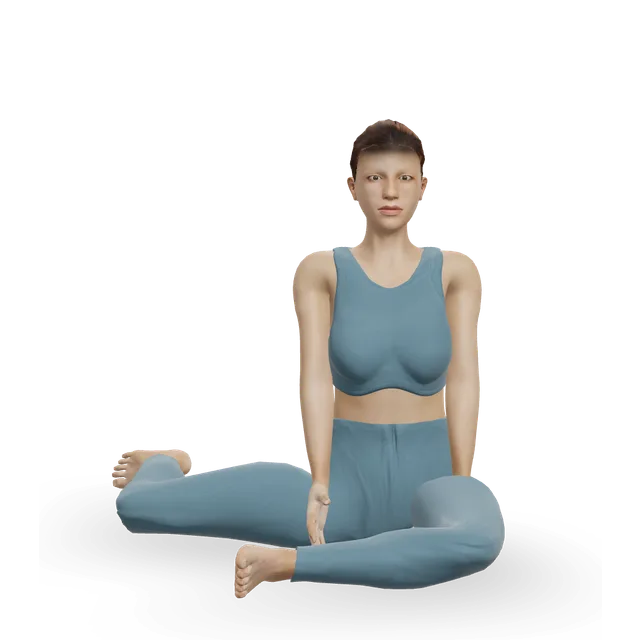
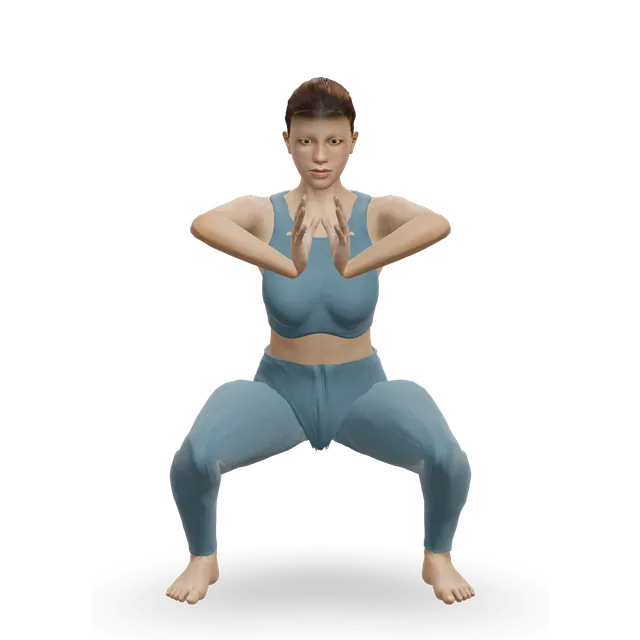
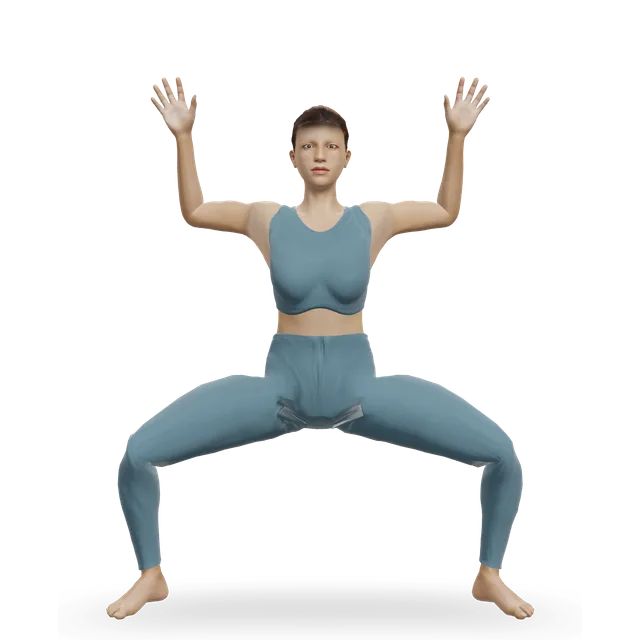
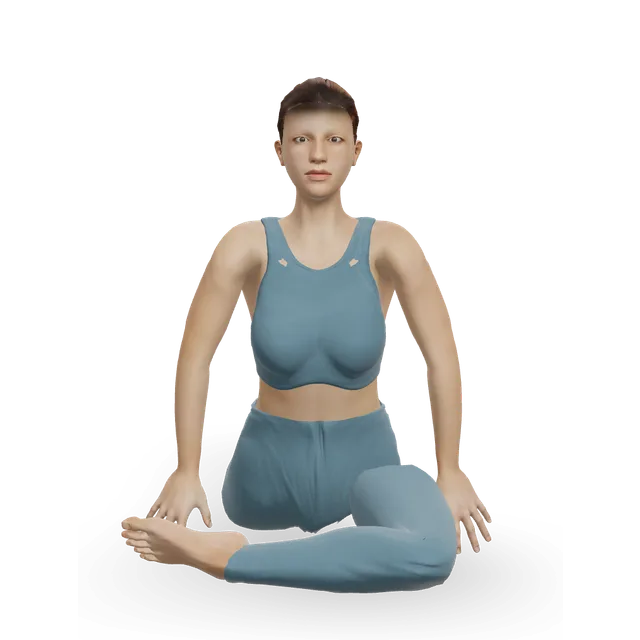
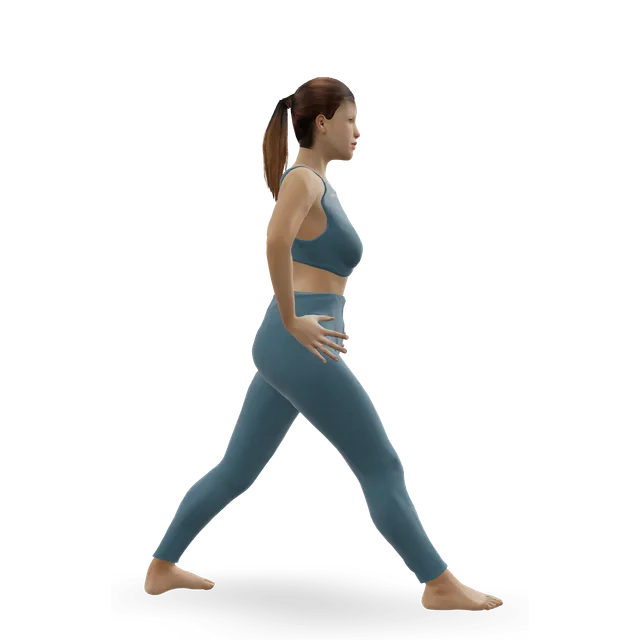
Knee-to-wall rocks: 10 slow rocks each side, heel down (the move's page). Ankle circles: 5 each way with each ankle (the move's page). Low lunge: 45 seconds each side, back knee padded, and lizard: 30 to 45 seconds each side (our yoga for footballers class). 90/90 switch: 10 slow switches (the move's page). 90/90 hip lift-off: 3 holds of 5 seconds each way, each side (our yoga for mobility class). Deep squat hold: 60 seconds holding a door frame (our yoga for mobility class). Goddess pose: 3 holds of 3 breaths, shallow (our yoga for footballers class). Pigeon preparation: 45 to 60 seconds each side (our yoga for athletes guide), or reclined figure four, 45 seconds each side (our yoga for runners class), if the front knee hurts.

Hamstrings and the hinge

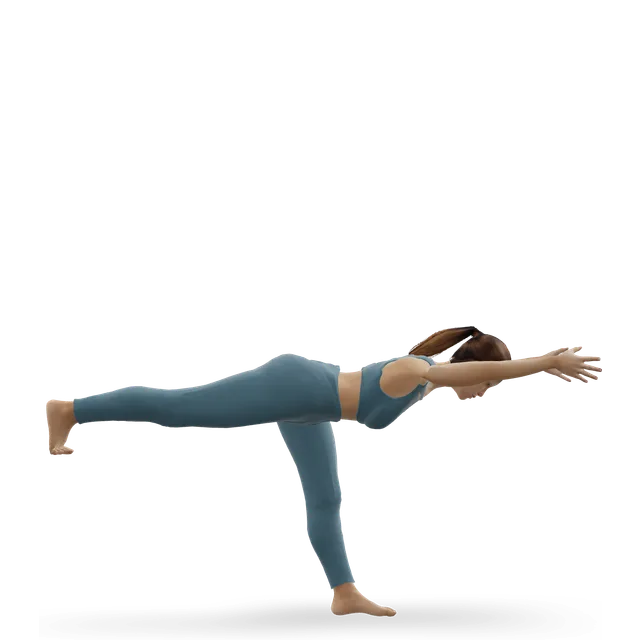
Hip hinge fold: 5 slow folds, 3 breaths at the bottom (the move's page). Strap hamstring stretch: 45 seconds each side, stopping at a mild pull, about 3 out of 10 (our yoga for footballers class). Pyramid pose: 30 seconds each side, hands on blocks (our yoga for runners guide). Warrior III: 3 breaths each side, twice, hands on a chair at hip height (our yoga for footballers class).

Upper back and overhead

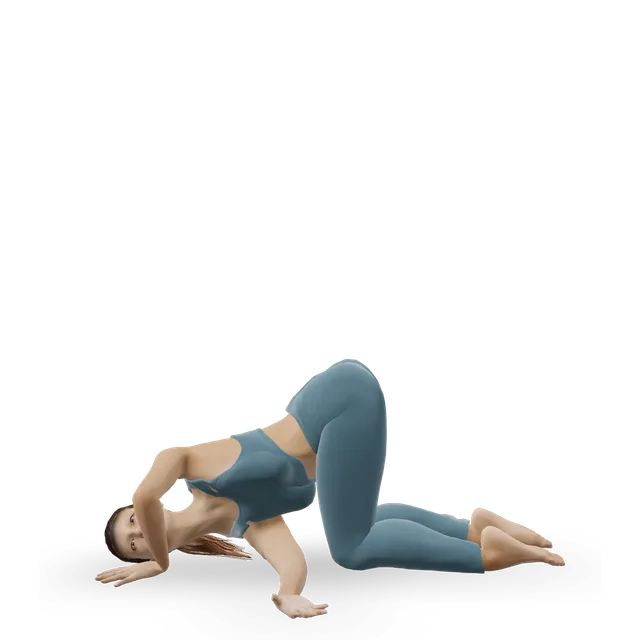
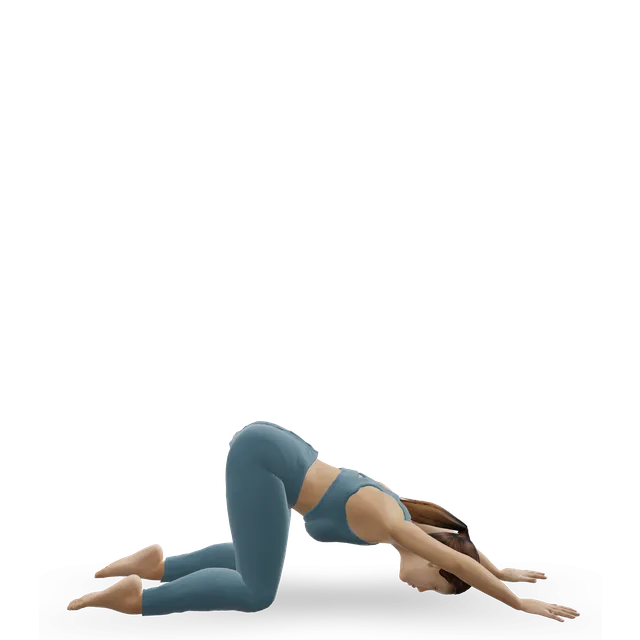
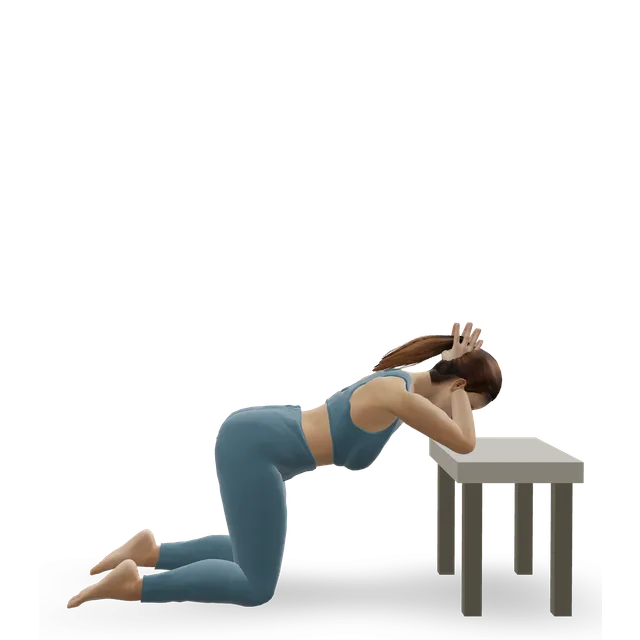
Cat-cow: 8 slow waves (the move's page). Thread the needle: 30 seconds each side (our yoga for mobility class). Thoracic rotation: 6 each side with your breath (our overhead squat progression). Extended puppy: 2 holds of 45 seconds (our yoga for athletes guide). Wall angel: 8 slow slides; overhead lat stretch: 2 holds of 30 to 45 seconds; foam roller upper-back extension: 5 to 8 slow breaths at 3 or 4 spots (our overhead squat progression). Downward dog: 5 breaths, knees bent generously (our yoga for mobility class).

Balance and trunk (rest days)

One-leg stand: 2 holds of 30 seconds each leg. Side plank: 2 holds of 20 to 30 seconds each side (both from our yoga for footballers class).

Recovery

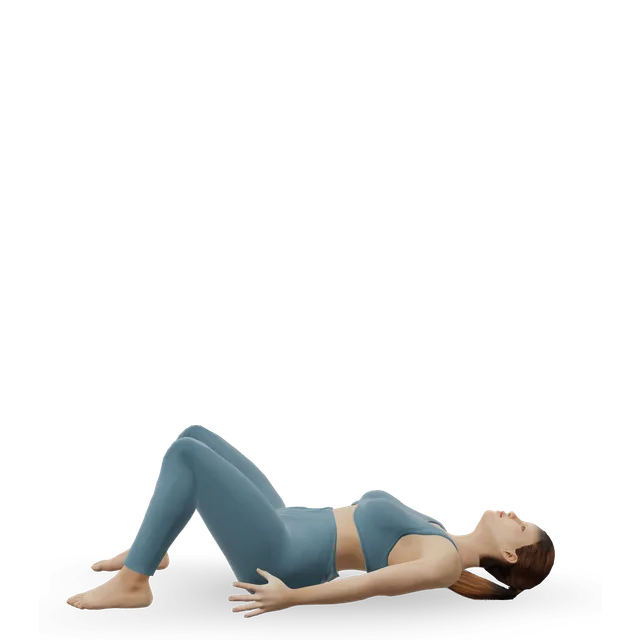
Slow breathing: 2 minutes after training, in about 4 and out about 6 (our yoga for athletes guide). Child's pose: 50 seconds; legs up the wall: 2 minutes, optional; corpse pose: 3 minutes (our yoga for runners class).

What to change or leave out

Long holds in the hour before heavy liftingStrong evidence

Holds over 60 seconds per muscle cost a few per cent of force, and stretching just before resistance sessions blunted strength gains over weeks. Save them for after.

Sources 9, 10, 8

Deep binds and behind-the-head positionsMixed evidence

Cow face arms, eagle arms and full wheel: with a shoulder that has slipped or feels loose, skip end-range shoulder work. Our overhead press guide drops behind-the-neck pressing for loose shoulders.

Sources 38, 39

Very long hip holds if you're hypermobile

Front splits and deep pigeon: build control, not more range.

Sources 39, 36

Forceful breathing and breath holds

Kapalbhati and bhastrika raised blood pressure during practice in a lab study, and yoga breathing didn't add power.

Sources 44, 23

Hot yoga before a heavy session

It can leave you dehydrated: our yoga for athletes guide suggests no hot class in the 24 hours before a long event.

Headstands and shoulder stands

US health advice is for beginners to avoid them, and your neck doesn't need the load. Skip head-down poses with glaucoma or blood pressure that isn't controlled.

Source 45

Our yoga class for weightlifters and other workouts

Our 25-minute class works ankles and hips, the hinge, and the upper back and overhead position, for after lifting or a rest day. The squat technique workout and overhead squat progression practise the positions with the bar; the dynamic warm-up goes before lifting.

Lifters' yoga: a 25-minute class for squat, hinge and overhead positions, after lifting or on a rest day

A 25-minute yoga class for people who lift: ankles and hips for the squat, the hinge, and the upper back and shoulders for overhead, after training or on a rest day.

25 minBeginner16 movesA wall

Yoga for mobility: a 20-minute flow for range you can control

Twenty minutes of joint circles, a standing flow and end-of-range strength: yoga for range you can reach and control, for desk days, rest days or older joints.

20 minBeginner16 movesA step, A wall

Squat technique workout

A 25-minute practice session for the squat: find your depth on a chair, groove the bodyweight squat with pauses, then load it with a slow goblet squat.

25 minBeginner8 movesA wall, A bench or box

Overhead squat progression: ankle, hip and shoulder mobility, then the dowel and the bar

A 25-minute session for the overhead squat: check your ankles and reach, loosen what the check shows, then climb from the goblet squat to a dowel and an empty bar.

25 minIntermediate14 movesCardio machine, A wall

Shoulder mobility and rotator cuff routine (with a band)

A 25-minute band routine for healthy shoulders: move the shoulder and upper back through their range, then strengthen the rotator cuff and shoulder blades.

25 minBeginner12 movesA wall, A band

10-minute dynamic warm-up

A 10-minute warm-up for any workout: raise your heart rate, move each joint through its range, rehearse the main movements, then ramp up to your first lift.

10 minBeginner12 movesA wall, A band

Cool-down routine: 10 minutes after any workout

A 10-minute cool-down for after a run, a class or a gym session: a few minutes of easy movement, stretches for the muscles you used, then slow breathing.

10 minBeginner9 movesCardio machine, A wall

Active recovery workout

A 25-minute easy session for rest days and sore muscles: easy cardio, a gentle mobility flow, optional rolling for sore spots, and slow breathing to finish.

25 minBeginner11 movesCardio machine, A wall

Warning signs: when to stop and get help

These follow our weightlifting, pain when lifting, neck, hand, elbow, knee, foot, hamstring and mobility guides word for word. This is general information, not a diagnosis. A&E means accident and emergency; in the US, call 911 where this page says 999.

Fainting or chest pain: call 999

Call 999 if someone faints while exercising, or has chest pain that doesn't go away, spreads to the arms, neck, jaw, stomach or back, or comes with sweating, feeling sick, light-headedness or breathlessness.

Sources 46, 47

A shoulder that slips

Call 999 or go to A&E: after a fall or injury, or after the bar came down on you or the shoulder slipped during a press, your shoulder looks out of place or has changed shape, or you cannot move your arm. Do not drive yourself, and do not try to put it back in yourself.

See a doctor or physiotherapist if your shoulder has partly or fully come out of joint, or you worry it might, including a clunk or a feeling it will slip with the arm low and back at the bottom of a press.

If a shoulder feels as if it slips during circles or hangs, leave out end-range shoulder work and see a physiotherapist. Our shoulder dislocation guide has the strengthening plan.

Numbness, tingling or weakness in an arm

Same day (urgent GP appointment or NHS 111): severe neck pain that starts suddenly or gets worse quickly; heaviness or weakness in the arms or legs; pins and needles in an arm along with neck or arm pain; or pain between the shoulder blades.

Same day: clumsiness in your hands, or numbness, pins and needles or weakness in one or both arms, that is getting worse; problems with balance or walking since the neck pain started; or neck pain with a severe headache.

Same day: you have lost the feeling in part or all of your hand.

Numbness, tingling or weakness in a leg

Call 999 or go to A&E: loss of feeling or numbness around the genitals or bottom, new trouble peeing or controlling your bladder or bowels, changes in genital sensation during sex or problems with erections or orgasm, or pain, tingling, weakness or numbness in both legs. These are signs of cauda equina syndrome, which needs treating in hospital urgently. Don't drive yourself.

Same day: leg weakness that is getting worse.

Same day (urgent GP appointment or NHS 111): new difficulty lifting the front of your foot or toes (foot drop), or a foot that slaps down or catches as you walk, especially if it is getting worse. Weakness in both legs, or with numbness around the genitals or bottom or bladder or bowel changes, is the 999 emergency above.

Pain, tingling or numbness spreading below the knee that isn't settling after a few weeks, is getting worse or stops your normal activities: see a GP.

A pop or tearing feeling

Each tendon's own guide gives its own advice:

  • Same day (NHS 111 or an urgent treatment centre): a pop or tearing at the front of the armpit or chest during a lift, a dip or a tackle, followed by bruising into the chest or upper arm, a change in the shape of the chest or armpit (a thinner or lost armpit fold, or a chest or nipple that looks uneven), or weakness pushing. Don't wait for it to settle: it can be a torn pec tendon, and repairs done within about 6 weeks did better than later ones.
  • Urgent treatment centre or A&E: a pop or snap and sudden pain during an effort, which could be a torn tendon. At the front of the elbow, with bruising and a bulge in the upper arm, don't wait for it to settle: a torn biceps tendon is best repaired within the first 2 to 3 weeks. If it happened weeks ago, still get it checked: repair is often still possible, though it may need a tendon graft.
  • Same day: a pop or tearing feeling at the front of the knee after a fall, stumble, jump or landing, then you can't straighten the knee or lift the straight leg off the bed, there's a dent above or below the kneecap, or the kneecap sits higher or lower than on the other side. Go to A&E or an urgent treatment centre, or get help from NHS 111. A torn quadriceps or patellar tendon does best when it's repaired soon.
  • Same day: a sudden snap or pop at the back of the heel or calf, or a feeling of being kicked there, then walking flat-footed and being unable to push off, stand on tiptoe or climb stairs. It could be an Achilles tendon rupture or a broken heel bone. Go to A&E or a minor injuries unit, or contact NHS 111.
  • Stop if you feel a sudden sharp pain, a snap or a pop at the back of the thigh during a stretch: it may be a hamstring strain. Get help from NHS 111 if it's very painful or getting worse, there's a lot of swelling or bruising, it hurts to walk or stand on the leg, or the leg feels very stiff. Our hamstring strain guide has more.

Very flexible joints

If you're hypermobile, don't use mobility work to push further: the NHS says "do not overextend your joints just because you can". See a GP if you think you have joint hypermobility syndrome: for example, your joints keep dislocating, or you keep getting sprains, strains, pain or stiffness.

Source 39

A pinch at the end of your range

A pinch at the front of the hip or ankle is the joint, not a stretch: stay just short of it, and see a GP or physiotherapist if it keeps happening (our suggestion).

Stop and swap

A joint pain that is sharp, gets worse during a session, lingers into the next day or changes how you move is a reason to use an easier version, and to see a GP or physiotherapist if it keeps happening (the rule in our plans). Muscle soreness for a day or two after something new is normal. In a hot class, stop if you feel dizzy, sick or unwell; our hot yoga guide lists the signs of heat illness.


Myths

"Yoga makes lifters weaker"Emerging evidence

Long-term stretching raised strength slightly, and 7 weeks of yoga didn't change power in Olympic weightlifters. The catch is timing: stretching just before resistance sessions blunted gains.


Sources 6, 7, 5, 8

"Stretch before you lift to prevent injury"Strong evidence

Stretching didn't prevent injuries in 25 trials, while strength training did, and long holds before maximal lifts cost a few per cent.

Sources 15, 9, 10

"Lifting makes you stiff, so you need yoga"Strong evidence

Resistance training improved range as much as stretching, especially through a full range.

Sources 11, 12, 29, 13

"The more flexible, the better"Emerging evidence

Very flexible athletes had more shoulder injuries, and loose shoulders went with behind-the-neck lifts. The NHS: "do not overextend your joints just because you can".

Sources 36, 38, 39

"Yoga flushes soreness and speeds recovery"Emerging evidence

Stretching cut soreness by about 1 point out of 100 and didn't speed strength recovery, and experts don't recommend it as recovery. Yoga's calming effect is real but short.

Sources 31, 32, 10, 33

"Yoga breathing boosts your lifts"Emerging evidence

Ujjayi, bhastrika and kapalbhati didn't change leg press power.

Source 23

"Fix your mobility before you lift"Mixed evidence

Coaches shorten the range while mobility improves, and raised heels help some lifters reach depth now (our overhead squat guide).

Sources 18, 20

"Yoga builds as much muscle as weights"Strong evidence

No trial shows it: strength and size come from progressive loading (our strength guide).

Source 28

Questions people ask

Is yoga good for weightlifters?

It can add controlled range in the positions your lifts need, balance, and a calm rest-day session. In the one trial in Olympic weightlifters, 7 weeks of yoga changed neither flexibility nor power, so treat it as a supplement, not a performance tool.

Will yoga make me weaker or less powerful?

Not if you time it. Long-term stretching nudged strength up slightly, but long holds just before heavy lifts cost a few per cent of force, and stretching right before resistance sessions blunted strength gains over weeks.

Should I do yoga before or after lifting?

After, or on another day. Before lifting, use a short dynamic warm-up and lighter sets, with any yoga as a few minutes of flow and holds under 30 seconds.

Can I do yoga and lift on the same day?

Yes. If strength is the priority, lift first: the ACSM's 2026 review found strength improved more when resistance exercise came at the start of a session. Do yoga afterwards, or later in the day.

Which yoga poses help my squat?

Ankle rocks against a wall, low lunge, lizard, the 90/90 switch and a supported deep squat, because squat depth goes with ankle and hip bend. Practise the squat itself with light weight so the range carries over.

What about the overhead press?

Thread the needle, puppy pose and wall angels work the upper back and the reach overhead. If a shoulder feels loose or has slipped, skip end-range shoulder stretches and see a physiotherapist.

Do I need yoga if I lift through a full range?

Not necessarily: lifting improved range as much as stretching across 55 studies. Add yoga for positions you still can't reach, or because you enjoy it.

Does yoga help recovery and soreness?

Not much for soreness: stretching cut it by about 1 point out of 100. A short yoga cool-down calmed breathing faster than stretching after hard intervals, and a rest-day class can feel good.

How often should lifters do yoga?

Once or twice a week, 20 to 30 minutes after training or on rest days, is a reasonable start (our suggestion). Keep your lifting sessions as they are.

What about powerlifters and bodybuilders?

The same rules apply: no long holds before maximal attempts, yoga after or on other days, and control rather than extra range if you're already very flexible. Powerlifting injury rates are low, about 1 to 4 per 1,000 training hours.

Is yin yoga good for lifters?

Long passive holds are fine on rest days if they feel good, but they won't speed recovery. Very flexible lifters should skip end-range holds (our hypermobility guide).

Sources

  1. Gomes 2022 · Back squat depth and ankle bend: 20 people (cross-sectional study, Sports Biomech)
  2. Kim 2015 · Leg strength, range of motion and squat depth: 101 adults (cross-sectional study, J Hum Kinet)
  3. Zawadka 2025 · Limited ankle bend and squat movement: 44 people (lab study, J Manipulative Physiol Ther)
  4. Edmondston 2012 · Upper-back extension when raising both arms: 21 men (X-ray and photo study, J Orthop Sports Phys Ther)
  5. Ernst 2016 · Seven weeks of yoga, flexibility and power in Olympic weightlifters: 18 lifters (randomised trial, ISBS conference proceedings; full text read)
  6. Arntz 2023 · Long-term static stretching, strength and power: 41 studies (systematic review and meta-analysis, Sports Med)
  7. Warneke 2024 · Long-term static stretching, strength and muscle size: 42 trials, 1,318 people (systematic review and meta-analysis, Sports Med Open)
  8. Thomas 2023 · Stretching training and muscle strength: 35 studies, 1,179 people (systematic review and meta-analysis, J Strength Cond Res)
  9. Behm 2016 · Acute effects of stretching on performance, range of movement and injury (systematic review, Appl Physiol Nutr Metab)
  10. Warneke 2025 · Practical recommendations on stretching: an international expert consensus (Delphi study, J Sport Health Sci; full text read)
  11. Afonso 2021 · Strength training or stretching for range of motion: 11 trials, 452 people (systematic review and meta-analysis, Healthcare)
  12. Alizadeh 2023 · Resistance training and range of motion: 55 studies (systematic review and meta-analysis, Sports Med)
  13. Pallarés 2021 · Full or partial range of motion in resistance training: 16 studies (systematic review and meta-analysis, Scand J Med Sci Sports)
  14. Tung 2024 · Injuries in weightlifting and powerlifting: 17 reports (systematic review, BMJ Open Sport Exerc Med)
  15. Lauersen 2014 · Exercise programmes to prevent sports injuries: 25 trials, 26,610 people (systematic review and meta-analysis, Br J Sports Med)
  16. Macrum 2012 · Limiting ankle bend during a squat: 30 people (lab study, J Sport Rehabil)
  17. Dill 2014 · Ankle bend and knee and ankle movement in squats: 40 adults (lab study, J Athl Train)
  18. Pangan 2021 · Footwear and raised heels in the back squat: 14 articles (review, J Biomech Eng)
  19. Lee 2019 · Raised heels and the back squat: 14 recreational lifters (lab study, J Strength Cond Res)
  20. Sayers 2020 · Raised heels and the spine in the back squat: 20 novice and trained lifters (lab study, J Sports Sci)
  21. Polsgrove 2016 · Ten weeks of yoga, flexibility and balance in college athletes: 26 men (non-randomised controlled study, Int J Yoga)
  22. Tracy 2013 · Bikram yoga and physical fitness: 21 young adults (randomised trial, J Strength Cond Res)
  23. Wooten 2020 · Yoga breathing and leg press power: 32 adults (lab study, J Strength Cond Res)
  24. PubMed · Searches for yoga in weightlifters, powerlifters and resistance-trained people, and for mobility programmes and squat depth: no PubMed trial found (29 October 2026)
  25. Sohrabi 2024 · An 8-week programme for stiff ankles: 30 female athletes (randomised trial, PLoS One)
  26. Kay 2012 · Static stretching and maximal muscle performance: 106 studies (systematic review, Med Sci Sports Exerc)
  27. Simic 2013 · Static stretching before exercise and maximal performance: 104 studies (meta-analysis, Scand J Med Sci Sports)
  28. Currier 2026 · American College of Sports Medicine (ACSM) position stand on resistance training: 137 reviews (position stand, Med Sci Sports Exerc; full text read)
  29. Favro 2025 · Resistance training and joint flexibility: 36 studies, 1,469 adults (systematic review and meta-analysis, J Strength Cond Res)
  30. Konrad 2025 · How much range is lost when you stop stretching: 13 studies, 556 people (systematic review and meta-analysis, Sports Med Open)
  31. Herbert 2011 · Stretching to prevent or reduce muscle soreness after exercise: 12 studies (Cochrane review)
  32. Afonso 2021 · Stretching after exercise and recovery: 11 trials (systematic review and meta-analysis, Front Physiol)
  33. Petviset 2025 · Yoga or static stretching after interval training: 20 male athletes (crossover trial, Int J Exerc Sci)
  34. N S 2026 · Heart rate recovery in yoga, aerobic and strength trainers: 51 adults (cross-sectional study, Ann Med)
  35. Sun 2026 · Letter on the yoga heart rate recovery study: slow breathing alone raises the measure used (letter, Ann Med; full text read)
  36. Liaghat 2021 · Joint hypermobility and shoulder injuries in athletes: 6 studies, 2,335 athletes (systematic review and meta-analysis, BMC Musculoskelet Disord)
  37. Pacey 2010 · Joint hypermobility and leg joint injuries in sport: 18 studies (systematic review and meta-analysis, Am J Sports Med)
  38. Kolber 2013 · Shoulder looseness and instability in weight trainers: 159 men (case-control study, J Strength Cond Res)
  39. NHS · Joint hypermobility syndrome (past its review date: reviewed August 2023, review due August 2026)
  40. Keogh 2017 · Injuries across the weight-training sports: 20 studies (systematic review, Sports Med)
  41. Ángel Rodríguez 2022 · Injury in CrossFit: 25 studies, 12,079 people (systematic review, Phys Sportsmed)
  42. Lauersen 2018 · Strength training to prevent sports injuries: 6 trials, 7,738 people (systematic review and meta-analysis, Br J Sports Med)
  43. Garber 2011 · ACSM position stand: quantity and quality of exercise, including flexibility (position stand, Med Sci Sports Exerc)
  44. Nivethitha 2021 · Heart rate and blood pressure during different yoga breathing techniques: 20 adults (lab study, Int J Yoga)
  45. NCCIH (US National Center for Complementary and Integrative Health) · Yoga: effectiveness and safety (updated August 2023)
  46. NHS · Chest pain (past its review date: reviewed August 2023, review due August 2026)
  47. NHS · Fainting

Exercise education, not a personal prescription, and clinical review of these guides is pending. If you are pregnant, have a health condition such as glaucoma, high blood pressure or osteoporosis, or have had recent surgery, check with a doctor, midwife or physiotherapist before starting, and stop for sharp or increasing pain. Health disclaimer.