Yoga flows
Yoga for epilepsy: a 30-minute seated and lying practice with slow breathing, in the order a trial used
A 30-minute home practice in the order used by the best trial of yoga in epilepsy, 160 adults in New Delhi: gentle seated loosening, slow breathing, a 15-minute lying meditation and a short positive resolve, with no fast breathing, standing poses or upside-down poses. The trial asked people to practise "at least 5 times a week for a duration of 30 minutes". Its main result was a small fall in felt stigma, with less anxiety and better quality of life; fewer seizures were only a secondary result in 72 people, from self-reported diaries. So this isn't a seizure treatment, and it never replaces your anti-seizure medicine or your epilepsy team's advice.
Loosening, sitting (about 5 minutes)
- Wrist circles5 each wayBeginner · Forearms · 3D demoSitting on a chair or a cushion; slow and smooth, breathing evenlyHarder: Wrist flexor stretch
- Shoulder rolls5 each wayBeginner · Shoulders, Back, Neck · 3D demoMove with your breathHarder: Shoulder CARs (controlled articular rotations)
- Neck CARs (controlled articular rotations)5 slow nods, tilts and turns, as separate movementsBeginner · Neck · 3D demoSmall and slow; stop if you feel dizzy
- Ankle circles5 each way, each footBeginner · Calves, Shins · 3D demoSlow circlesHarder: Ankle CARs (controlled articular rotations)
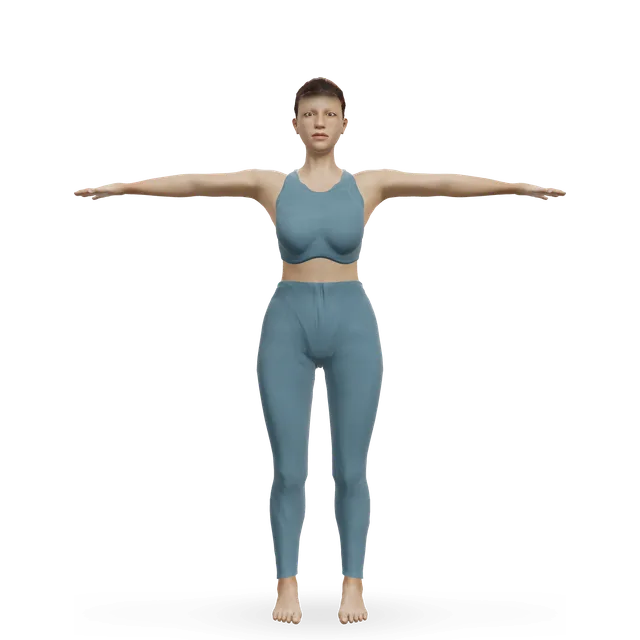



Slow breathing, sitting (about 10 minutes)
- Beginner · 3D demoSlow rounds. The trial held the breath for 2 seconds after each in-breath; you can leave the hold out, as the move page saysEasier: Slow breathing (6 breaths a minute)
- Beginner · 3D demo2 minutes of slow, easy breathing (the trial breathed through the left nostril here), then 3 minutes humming gently on each out-breath, the trial's humming bee breath (bhramari). No holdsEasier: Breath reachHarder: Crocodile breathing (prone diaphragmatic breathing)


Lying meditation (about 15 minutes)
- Corpse pose (Savasana)15 minBeginner · 3D demoLie comfortably. If you like, hum A, U, M and Om slowly, feeling the vibration, then rest in silence; or listen to a recorded relaxation. If your seizures come when you're very relaxed, keep this short or sit up

Positive resolve (1 minute)
- Beginner · Hip flexors, Back · 3D demoRoll to your side and sit up slowly. Choose a short, positive sentence to repeat to yourselfHarder: Pigeon preparation (Eka Pada Rajakapotasana prep)

Tips
- "Do not change your dose or stop taking your medicine without talking to your specialist." The ILAE says changes to medicine should always be made under close medical supervision. Missing doses is one of the most common triggers.
- Practise on the floor or in a chair with arms, away from hard furniture and edges. If your seizures aren't controlled, tell someone at home what your seizures look like and how to help (our suggestion).
- Keep the breathing slow. As our kundalini guide says: "Skip breath of fire unless your epilepsy team agrees." With absence epilepsy, and for children, leave out fast breathing altogether (our suggestion).
- The Epilepsy Society: "If your seizures tend to happen when you are very relaxed, or during sleep, then deeply relaxing activities such as meditation and hypnotherapy may increase your risk of having seizures." Then keep the lying meditation short, or do it sitting up.
- Do it in a room at a normal temperature, not a heated one, especially on topiramate or zonisamide, which can reduce sweating (our suggestion).
- For standing poses on other days, our gentle yoga for beginners class fits, with balances beside a wall.
- Call 999 for a seizure that is someone's first, lasts more than 5 minutes, or is followed by another without recovery in between; our yoga for epilepsy guide has the first aid and the other warning signs.
The doses are suggested starting points, not a prescription. Choose a range you can control and stop for sharp or increasing pain, numbness or tingling. Get individual advice after an injury or surgery, or if you are pregnant or managing a health condition.
Guides that recommend it
Find more moves like these
More yoga flows



Beginner yoga flow
A 20-minute beginner yoga sequence: mountain, chair, warrior II, triangle, tree, down dog, cobra and child's pose.
20 minBeginner11 movesA step


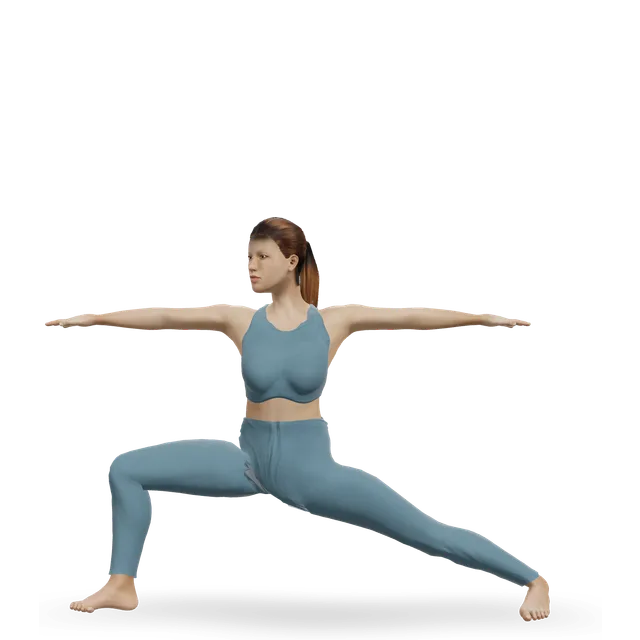
Sun salutation flow
A 20-minute flow built on sun salutations A and B, with warrior poses and a short cool-down.
20 minIntermediate8 movesNo equipment



Yoga for tight hips
A hip-opening yoga sequence: low lunge, lizard, goddess, pigeon, bound angle and happy baby.
25 minBeginner10 movesA wallQuestions people ask
How long does the yoga for epilepsy: a 30-minute seated and lying practice with slow breathing, in the order a trial used take?
About 30 minutes, including any warm-up and cool-down listed. Shorten it by doing fewer rounds; lengthen it by adding one.
What equipment do I need?
No equipment: your body and some floor space. A mat makes floor work more comfortable.
Is it suitable for beginners?
It is written for beginners. 2 of its 8 moves have an easier option listed beside them if you need one.
How do I make it easier or harder?
Use the easier or harder option listed under each move, change the number of rounds, or adjust the rest. Progress one change at a time.