Yoga guide

Yoga for anger and anger management: how to calm down, why venting doesn't work, and when anger needs more help

Yoga can help with anger mainly because it teaches you to slow down. Across 154 studies, calming activities such as slow breathing and mindfulness reduced anger and aggression, while "letting it out" by hitting a bag or going for a run didn't. In prison trials, weekly yoga improved mood and behaviour, though the trials are small, and anger management courses, which mostly include cognitive behavioural therapy (CBT), are the main help for anger problems.

If anger is leading to violence or making people around you afraid, get help now: see a GP, call the Respect Phoneline on 0808 802 4040 if you're worried about your own behaviour, or call 999 if anyone is in danger. If you're thinking about harming yourself, the crisis lines are just below.

This guide covers what anger does in your body, calming down versus venting, breathing and poses that help, what the trials found, a free 12-minute cool-down class and when anger needs more help.

If you need help now

Get help straight away

The NHS says a mental health emergency should be taken as seriously as a physical one, and that you will not be wasting anyone's time.

  • Call 999 or go to A&E if your life is at risk: for example, you have seriously harmed yourself or taken an overdose, or you feel you can't keep yourself safe.
  • For urgent help in England, call 111 and select the mental health option, or use 111 online.
  • Call Samaritans on 116 123. It is free, any time, day or night.
  • In the US, call or text 988, the 988 Suicide and Crisis Lifeline, any time.

Sources 1, 2, 3

If anger is turning violent or abusive

Call 999 in an emergency. If you're worried you're behaving abusively in a relationship, the NHS says call the free Respect Phoneline on 0808 802 4040 (Monday to Friday), and see a GP, who may be able to refer you to an anger management programme. If someone's anger is hurting you, women can call the National Domestic Abuse Helpline, run by Refuge, free on 0808 2000 247, any time, and men can call the Men's Advice Line on 0808 8010 327.

Sources 4, 5, 6

The short version

Anger shows in your body

A faster heartbeat, tense muscles, clenched fists, a tight chest and feeling hot. Heart attacks and strokes were more common in the 2 hours after outbursts of anger.

Sources 6, 7, 8

Calm down rather than vent

Across 154 studies, calming activities reduced anger and aggression, and activities that raise arousal, such as hitting a bag or jogging, didn't. Hitting a punchbag while thinking about the person kept people angrier than doing nothing.

Sources 9, 10

The NHS and Mind put calming first

The NHS suggests counting to 10 with calming breathing, mindfulness, talking to someone, and exercise: running, walking, swimming and yoga can help you relax and reduce stress. Mind suggests delaying your reaction, leaving the situation and breathing slowly.

Sources 6, 11

Yoga has some trial evidence

In UK and Swedish prisons, 10 weeks of weekly yoga improved mood and wellbeing, and across prison studies, yoga and meditation improved behaviour by a small amount. The trials are small and short.

Sources 12, 13, 14

Yoga isn't anger management

Psychological treatments for anger work well across 96 studies, and most NHS anger management programmes include CBT. A GP may be able to refer you, and in England you can refer yourself to NHS talking therapies.

Sources 15, 6

What anger does in your body

A normal emotion

Mind calls anger a normal, healthy emotion: it can protect us, motivate change and give us a burst of energy when we're threatened, but it can also make us say or do things we regret. Being treated unfairly, feeling threatened or not being respected are common triggers, and stress, past trauma, alcohol and drugs can make it harder to control.

Sources 16, 6

What it feels like

The NHS lists a faster heartbeat, tense muscles, clenched fists, a tight chest and feeling hot. Mind adds a churning stomach, headaches and "seeing red". Some people turn anger inward rather than outward, sulking or harming themselves.

Sources 6, 7

Anger and the heartEmerging evidence

In 9 studies, heart attacks, strokes and dangerous heart rhythms were more common in the 2 hours after an outburst of anger. Over the long term, anger and hostility went with a little more coronary heart disease. These are observational studies, but they're one more reason to learn to cool down.

Sources 8, 17

Calm down, don't vent

Calming works; pounding doesn'tStrong evidence

Across 154 studies with 10,189 people, activities that lower arousal, such as deep breathing, mindfulness and meditation, reduced anger and aggression by a moderate amount, in men and women, students, offenders and people of all ages. Activities that raise arousal, such as hitting a bag, jogging or cycling, had no overall effect. The authors say the findings don't support venting anger or going for a run as ways to manage it. We read this as including calm yoga, though the study was read as an abstract and we can't say whether yoga itself was one of the activities tested (our reading).

Source 9

Venting can keep anger goingEmerging evidence

In experiments, people who hit a punchbag while thinking about the person who'd angered them felt angrier and were more aggressive afterwards than people who did nothing. People told that hitting a punchbag relieves anger were more aggressive after hitting one.

Sources 10, 18

What Mind suggests

Mind suggests using up the energy safely with physical activity, such as running, boxing or even hitting a pillow, so that you don't hurt anyone. Research has found that venting by hitting things tends to keep anger going, while calming activities lower it, so we recommend calming down first: slow your breathing, then move slowly.

Source 11

Exercise over weeks is differentEmerging evidence

Regular exercise programmes reduced aggression and anger in children and teenagers (18 studies), with bigger effects from programmes of 8 to 16 weeks. That's training over time, which is good for you, not venting in the moment.

Source 19

A calming breath for anger, step by step

Built from the NHS breathing exercise for stress and the NHS anger page's "try counting to 10 and doing calming breathing exercises"; the 2 to 5 minutes is our editorial starting point. For daily practice, the NHS exercise is at least 5 minutes. If you feel light-headed, make the breaths smaller.

  1. If you can, step away from the situation first: another room, outside, or log off.
  2. Sit or stand with your feet flat on the floor, and let your shoulders drop.
  3. Breathe in gently through your nose, counting up to 5 if that helps.
  4. Let the breath flow out gently, counting up to 5, or a little longer. There's no need to hold your breath.
  5. Keep going for 2 to 5 minutes, or count to 10 slow breaths, before you decide what to say or do.

See the movement on the 3D figure: Slow breathing (6 breaths a minute)

What the breathing evidence shows

Slow breathing calms the bodyEmerging evidence

Slow breathing raises heart rate variability, a sign of the body's calming side, during and after practice (223 studies), and breathing exercises lowered stress by a small amount in trials.

Sources 20, 21

Leave out fast, forceful breathing when you're angryEmerging evidence

Breath of fire (kapalabhati) and bellows breath raised heart rate and blood pressure while people did them, and US health advice tells beginners to avoid forceful breathing. Our suggestion: keep them for another time, if at all.

Sources 22, 23

What the trials show

Mindfulness reduced anger and aggressionEmerging evidence

In experimental studies, mindfulness training reduced anger and aggression by a medium amount against control groups, with larger effects against no treatment than against other activities. Yoga classes that include breathing and quiet attention are one way to practise it (our reading).

Source 24

Yoga in prisonsEmerging evidence

In 100 people in 7 UK prisons, one yoga class a week for 10 weeks improved mood, stress and a computer test of response control. In 152 people in Swedish prisons, 10 weeks of yoga improved emotional wellbeing, antisocial behaviour, attention and impulse control against controls. Across prison studies, yoga and meditation improved behaviour by a small amount. A 2025 pilot targeting anger in 40 people was feasible, but attendance was low, and reviews call the evidence promising but limited.

Sources 12, 13, 14, 25, 26

Yoga in other adultsEmerging evidence

In 173 healthy adults in India who finished an 8-week programme, an hour of integrated yoga a day, 6 days a week, reduced verbal aggressiveness more than mild exercise. In 74 people with schizophrenia, a 4-week yoga programme reduced aggression and anger against usual care. Each is a single trial.

Sources 27, 28

Schools: mixed resultsMixed evidence

In one US secondary school, yoga improved anger control compared with PE. In another, it improved mood but not anger. In 30 middle school children, yoga made no difference to aggression, and negative mood rose. A school programme built around controlled yogic breathing improved emotion regulation in 79 US eighth-graders.

Sources 29, 30, 31, 32

Sleep matters tooEmerging evidence

In 142 adults, two nights of short sleep made people angrier. A calm bedtime routine is part of the picture.

Source 33

Yoga and anger management

Talking treatments have the most evidenceStrong evidence

Across 96 studies, psychological treatments for anger, including cognitive therapy, CBT, relaxation and skills training, had medium to large effects. Another review found cognitive therapies helped long-standing anger, and recommended relaxation for anger in the moment. The NHS says most anger management programmes include CBT, with counselling.

Sources 15, 34, 6

How to get help

A GP may be able to refer you to a local anger management programme or counselling, and in England you can refer yourself to NHS talking therapies. Mind says that if anger means you're acting in an abusive or violent way, getting help is often the most important first step towards changing your behaviour. Yoga can sit alongside these, as a way to practise calming down.

Sources 6, 35

Pause and breathe

Mountain pose: 5 to 10 slow breaths, feeling your feet; slow breathing: at least 5 minutes, regularly, or 2 to 5 minutes when you're angry (our editorial starting point); breath reach: 5 breaths, breathing out for longer than in; alternate nostril breathing: 3 to 5 minutes of slow rounds with no holds (the moves' pages).

Let the tension go

Shoulder circles: 10 to 15 slow circles each way; upper trap release: 2 slow holds of 30 seconds each side; side neck stretch: 5 to 10 seconds, 2 to 4 times each side (the moves' pages). Unclench your hands and jaw as you go.

Slow down to the floor

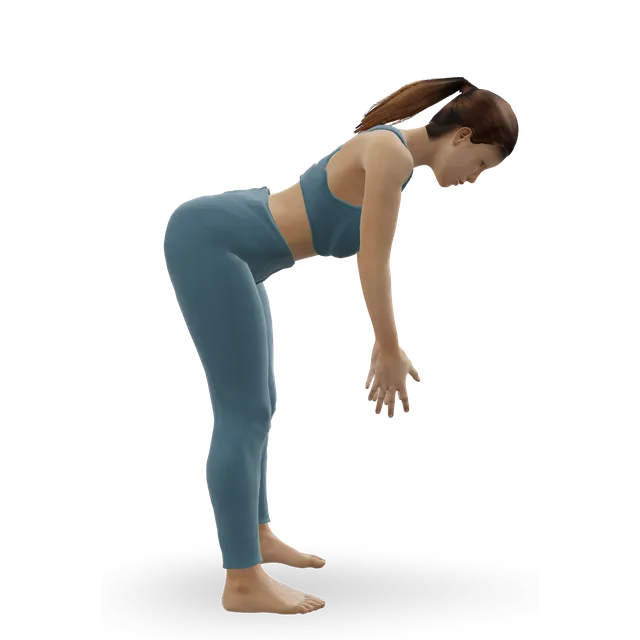
Hip hinge fold: 5 slow folds, 3 breaths at the bottom; child's pose: 1 to 3 minutes; corpse pose: at least 5 minutes, up to 10 (the moves' pages). Legs up the wall: 2 minutes (our bedtime stretch routine). With glaucoma or high blood pressure that isn't controlled, keep your head above your hips in the fold and skip legs up the wall.

Tense and relax, step by step

Let your muscles go

Mind suggests tensing and then relaxing your muscles when you can feel your body getting tense. Our editorial version, sitting or lying:

  • Breathe in and clench your fists for a moment.
  • Breathe out slowly and let them go.
  • Do the same with your shoulders, then your face and jaw.
  • Work through the rest of your body if you like.
  • Finish with a few slow breaths, letting the out-breath be longer.

Source 11

What to leave out when you're angry

Fast breathing and "anger release" flows

Leave out breath of fire, bellows breath, and flows with punching, stamping or shouting. Arousal-raising activities didn't reduce anger, and venting kept people angrier.

Sources 9, 10, 22

Lion's breath

No study has tested lion's breath for anger, and our yoga for TMJ guide leaves it out with jaw pain.

Hot or fast classes in the moment

Power yoga, fast flows and hot yoga are fine as exercise, but save them for when you've calmed down (our suggestion).

Source 9

Long silent stillness, if it stirs you up

If lying still with your eyes closed brings up distress or more anger, open your eyes and sit up, as our yoga for stress guide says.

Free classes

Use the 12-minute cool-down when anger builds, after stepping away. For lasting change, practise 2 or 3 times a week for 8 to 12 weeks, as in the trials, with the NHS breathing exercise on other days (our editorial starting point). In the stress relief workout, skip the brisk first block when you're angry and start with the loosen and breathe blocks. The trauma-sensitive class suits anger that comes with trauma.

Yoga to cool down anger: a 12-minute slow-down practice

A 12-minute practice for when anger builds: pause and breathe, let the tension go, then slow down to the floor. No punching, no fast breathing.

12 minBeginner9 movesA wall

Breathing exercises to relax

A 6-minute breathing routine: slow breathing, crocodile breathing, alternate nostril breathing, box breathing and 4-7-8 breathing.

6 minBeginner5 movesNo equipment

Yoga for stress relief: a 20-minute class to breathe, loosen, move and slow down

Twenty minutes of yoga for stressful days: the NHS breathing exercise, neck, shoulder and spine moves, standing poses that warm you up, then a slow wind-down.

20 minBeginner13 movesA wall

Bedtime stretch routine

A slow, 10-minute floor routine to unwind before sleep: child's pose, twists, happy baby and slow breathing.

10 minBeginner7 movesFirm cushion, A wall

10-minute desk yoga routine: seated and standing

Ten minutes of yoga at your desk, no mat needed: slow breathing, neck, shoulder, wrist and spine moves in your chair, then standing poses with a hand on the desk.

10 minBeginner13 movesA bench or box, A wall

Trauma-sensitive yoga: a gentle practice where you choose

A gentle 20-minute yoga practice, sitting and standing with your eyes open, where every pose is optional and you can stop at any point.

20 minBeginner11 movesA bench or box

Stress relief workout: a 12-minute move, loosen and breathe reset

A 12-minute reset for stressful days: 4 minutes of brisk movement, 3 minutes to loosen your neck, shoulders and back, then 5 minutes of slow breathing.

12 minBeginner10 movesA bench or box, A wall

Children and teenagers

What helps young peopleMixed evidence

School yoga trials have mixed results for anger, while regular exercise programmes reduced aggression in children and teenagers overall. Movement breaks and calming breathing suit children; our yoga for kids and ADHD guides have classes, and our sensory movement break ends with slow muscle work and a calm finish.

Sources 29, 31, 19

Warning signs: when anger needs more help

These follow the NHS and Mind. A&E means accident and emergency. In the US, call 911 for 999.

If anyone is in danger, call 999

Call 999 in an emergency situation. If you might harm yourself or someone else, use the crisis help at the top of this page.

Source 4

See a GP

The NHS says see a GP if:

  • you're struggling to cope with anger
  • things you're doing to help yourself are not working
  • you're acting in an abusive or violent way
  • you're struggling to cope with stress, anxiety or depression
  • you've had a low mood for more than 2 weeks

Source 6

Signs anger is becoming a problem

Mind's signs include:

  • you feel like you can't control your anger
  • you express it through violence or self-harm, or worry your behaviour may become abusive
  • it's often hurting, frightening or upsetting the people around you
  • you can't get on with daily life, or can't remember what you do or say when you're angry
  • you're using alcohol or drugs to cope with it

Source 16

Chest pain: call 999

Anger can bring on a tight chest, but if you're not sure, treat it as your heart. Call 999 if:

  • you have chest pain that feels tight or like squeezing on your chest
  • you have chest pain that spreads to your arms, neck or jaw
  • you're having severe difficulty breathing: you're gasping, choking or not able to get words out
  • your lips or skin are pale, blue or grey (on brown or black skin, this may be easier to see on the palms of the hands)
  • someone has passed out and is not responding normally

Sources 36, 8

During practice

If a breathing exercise makes you dizzy or tingly, make the breaths smaller or breathe normally. If stillness brings up distress, open your eyes and sit up.

Source 37

Myths

"Punching a pillow releases anger"Strong evidence

Venting this way tends to keep anger going, and arousal-raising activities didn't reduce anger across 154 studies. Mind suggests it as a way to use up energy without hurting anyone, but calming down works better.

Sources 9, 10, 11

"A hard run or boxing gets the anger out"Strong evidence

Not in the moment: jogging and hitting a bag didn't reduce anger. Over weeks, regular exercise reduced aggression in young people, so it's good for you, just not the fastest way to cool down.

Sources 9, 19

"Breath of fire or lion's breath releases anger"Mixed evidence

Fast breathing raises heart rate and blood pressure. Slow breathing is the calming one, and no study has tested lion's breath for anger.

Sources 22, 20

"Anger is stored in your hips, and hip openers release it"Mixed evidence

No study shows emotions are stored in tissues, as our fascia guides explain. Calming practices work by slowing you down.

Source 9

"Yoga cures anger issues"Mixed evidence

Small trials, mostly in prisons, found better mood and behaviour. Talking treatments have the strongest evidence for anger problems.

Sources 14, 15

"If you do yoga, you shouldn't feel angry"Strong evidence

Mind calls anger a normal, healthy emotion. The aim is managing it, not never feeling it.

Source 16

"Yoga calms everyone"Mixed evidence

In one school trial, negative mood rose after yoga, and stillness can stir some people up. Choose the practice that calms you.

Source 31

Questions people ask

Does yoga help with anger?

It can, mainly by helping you calm down. Calming activities such as slow breathing and mindfulness reduced anger across 154 studies, and in prison trials yoga improved mood and behaviour. The trials are small, so use it alongside other help if anger is a problem.

What's the best yoga for anger management?

A calm practice: slow breathing, gentle stretches and stillness. Fast, intense flows and breath of fire raise arousal, which doesn't reduce anger.

What breathing exercise helps with anger?

Slow breathing with a longer breath out. The NHS suggests counting to 10 and calming breathing, and Mind suggests breathing slowly in through your nose and out through your mouth. Leave out fast, forceful breathing while you're angry.

Is punching a pillow good for anger?

Not for calming down. In experiments, hitting a punchbag while thinking about the person made people angrier and more aggressive, and calming activities worked better. It's better than hurting someone, but slowing down works best.

Does exercise help anger?

In the moment, a hard run or boxing doesn't reduce anger. Over weeks, regular exercise programmes reduced aggression in young people, and the NHS lists running, walking, swimming and yoga as ways to relax and reduce stress.

How quickly does yoga help with anger?

A few minutes of slow breathing can take the edge off in the moment. The trials that changed behaviour ran for 8 to 10 weeks, so give a regular practice at least that long.

Can yoga replace anger management?

No. Psychological treatments have the strongest evidence for anger problems, and most anger management programmes include CBT. A GP may be able to refer you to a programme or counselling, and you can refer yourself to NHS talking therapies.

Is mindfulness good for anger?

Yes: in experimental studies, mindfulness training reduced anger and aggression by a medium amount, though less against other active activities. Many yoga classes include it.

Can yoga make you angry?

Sometimes stillness or a hard pose stirs up frustration, and in one school trial negative mood rose after yoga. Keep your eyes open, sit up, or choose a different practice if it does.

Can yoga help children with anger?

Results are mixed: one school trial found better anger control than PE, and another found no difference. Regular exercise programmes reduced aggression in young people overall, and our kids and ADHD guides have classes.

Why do I feel angry all the time?

Stress, poor sleep, low mood, past trauma, alcohol and drugs can all make anger harder to manage. If it's affecting your life, see a GP or refer yourself to NHS talking therapies.

When does anger need professional help?

If you're acting in an abusive or violent way, struggling to cope, or have had low mood for more than 2 weeks, see a GP; the Respect Phoneline on 0808 802 4040 helps people worried about their own behaviour. If anyone is in danger, call 999, and if you might harm yourself, call 999 or Samaritans on 116 123, or 988 in the US.


Sources

  1. NHS · Where to get urgent help for mental health (past its review date: reviewed April 2023, review due April 2026)
  2. Samaritans · Contact a Samaritan: 116 123, free, any time
  3. 988 Suicide and Crisis Lifeline (US): call or text 988, any time
  4. NHS · Getting help for domestic violence and abuse (last reviewed June 2026)
  5. Respect Phoneline · For anyone worried about their own abusive behaviour: 0808 802 4040, Monday to Friday
  6. NHS · Anger (last reviewed August 2026)
  7. Mind · Anger: signs you're feeling angry (published June 2023; read as the Internet Archive copy of 1 November 2025)
  8. Mostofsky 2014 · Outbursts of anger as a trigger of heart attacks and strokes: 9 studies (systematic review and meta-analysis, Eur Heart J)
  9. Kjærvik 2024 · Anger management activities that raise or lower arousal: 154 studies, 10,189 people (meta-analysis, Clin Psychol Rev)
  10. Bushman 2002 · Does venting anger feed or extinguish the flame? (experiment, Pers Soc Psychol Bull)
  11. Mind · Anger: tips for coping with anger right now (published June 2023; read as the Internet Archive copy of 29 April 2026)
  12. Bilderbeck 2013 · Ten weeks of yoga in 100 people in UK prisons (randomised trial, J Psychiatr Res)
  13. Kerekes 2017 · Ten weeks of yoga in 152 people in Swedish prisons (randomised trial, Front Psychiatry)
  14. Auty 2017 · Yoga and meditation in prison (systematic review and meta-analysis, Int J Offender Ther Comp Criminol)
  15. Saini 2009 · Psychological treatments for anger: 96 studies (meta-analysis, J Am Acad Psychiatry Law)
  16. Mind · Anger: when is anger a problem? (published June 2023; read as the Internet Archive copy of 20 October 2026)
  17. Chida 2009 · Anger, hostility and coronary heart disease: 44 studies (meta-analysis, J Am Coll Cardiol)
  18. Bushman 1999 · Catharsis, aggression and hitting a punchbag (experiments, J Pers Soc Psychol)
  19. Zhao 2025 · Exercise and aggression in children and teenagers: 18 studies, 2,479 people (systematic review and meta-analysis, BMC Public Health)
  20. Laborde 2022 · Slow breathing and heart rate variability: 223 studies (systematic review and meta-analysis, Neurosci Biobehav Rev)
  21. Fincham 2023 · Breathwork for stress and mental health: 12 trials for stress, 785 people (meta-analysis of randomised trials, Sci Rep)
  22. Nivethitha 2021 · Heart rate and blood pressure during four yogic breathing techniques: 20 healthy adults (lab study, Int J Yoga)
  23. NCCIH · Yoga: effectiveness and safety (US National Center for Complementary and Integrative Health)
  24. O'Dean 2025 · Mindfulness, anger and aggression: 118 studies (meta-analysis, Clin Psychol Rev)
  25. Georgiadis 2025 · Yoga in prisons: 10 studies, 1,815 people (systematic review, Healthcare)
  26. Uebelacker 2025 · Yoga targeting anger in 40 people in prison (pilot randomised trial, J Integr Complement Med)
  27. Deshpande 2008 · Yoga or mild exercise and verbal aggressiveness: 173 healthy adults (randomised trial, Int J Yoga)
  28. Fırıncık 2026 · A yoga-based programme and aggression in 74 people with schizophrenia (randomised trial, Explore)
  29. Khalsa 2012 · Yoga or PE in a US secondary school (randomised trial, J Behav Health Serv Res)
  30. Noggle 2012 · Yoga or PE in a US high school: 51 students (randomised trial, J Dev Behav Pediatr)
  31. Haden 2014 · Yoga or PE in 30 middle school children (randomised trial, Focus Altern Complement Ther)
  32. Newman 2024 · A school programme with controlled yogic breathing in 79 US eighth-graders (randomised trial, J Adolesc)
  33. Krizan 2019 · Restricted sleep and anger in 142 adults (randomised trial, J Exp Psychol Gen)
  34. Del Vecchio 2004 · Treatments for anger problems in adults: 23 studies (meta-analysis, Clin Psychol Rev)
  35. Mind · Anger: find support for anger problems (read as the Internet Archive copy of 19 March 2026)
  36. NHS · Heart attack (last reviewed March 2026)
  37. NHS · Breathing exercises for stress (last reviewed June 2026)

Exercise education, not a personal prescription, and clinical review of these guides is pending. If you are pregnant, have a health condition such as glaucoma, high blood pressure or osteoporosis, or have had recent surgery, check with a doctor, midwife or physiotherapist before starting, and stop for sharp or increasing pain. Health disclaimer.