Strength at home
Strength workout for acid reflux: upright moves, no head-down poses
Built for heartburn and acid reflux, from the laboratory studies of what brings reflux on during exercise; it hasn't been tested as a programme. Every move is standing, seated or on all fours with your head level, there are no crunches, and you breathe out on each effort instead of holding your breath and bracing. Do it 2 days a week, not on consecutive days, as the National Health Service (NHS) strength guideline suggests. Our suggestion is to leave about 2 hours after a main meal first: no guideline gives a figure, but exercise brought on more reflux after eating in laboratory studies.
Warm up
- Standing march2 minBeginner · Hip flexors, Abs, Glutes · 3D demoEasy pace, arms swinging; hold a counter if you likeEasier: Seated marchHarder: Standing band hip flexion
- Thoracic rotation6 each sideBeginner · 3D demoSitting or standing tall, turning with the breathEasier: Side-lying open bookHarder: World's greatest stretch


Strength (2 rounds, a minute's rest between rounds)
2 rounds · Rest 60 s
- Beginner · Quads, Glutes, Hamstrings · 3D demoBreathe out as you stand upEasier: Sit to stand, pushing on the thighsHarder: Bodyweight squat
- Wall push-up10 to 15Beginner · Chest, Triceps, Shoulders · 3D demoBreathe out as you push away. In a gym, the chest press machine insteadHarder: Push-up
- Band row12 to 15Beginner · Back, Biceps, Shoulders · 3D demoStop 2 to 3 reps short of failure. In a gym, the seated cable row insteadHarder: Supported single-arm dumbbell row
- Low step-up8 to 12 each legBeginner · Quads, Glutes, Hamstrings · 3D demoThe bottom stair, with the rail in reachHarder: Step-up
- Dumbbell goblet squat12 to 15Intermediate · Quads, Glutes, Abs · 3D demoA light dumbbell held at your chest, one you can lift without straining. Keep your chest up rather than folding forwardEasier: Bodyweight squatHarder: Barbell front squat





Core without crunching
- Half-kneeling Pallof press8 to 10 each sideBeginner · Abs, Glutes, Shoulders · 3D demoBreathe out as you press; stand with your feet hip-width apart if kneeling is uncomfortableHarder: Pallof press
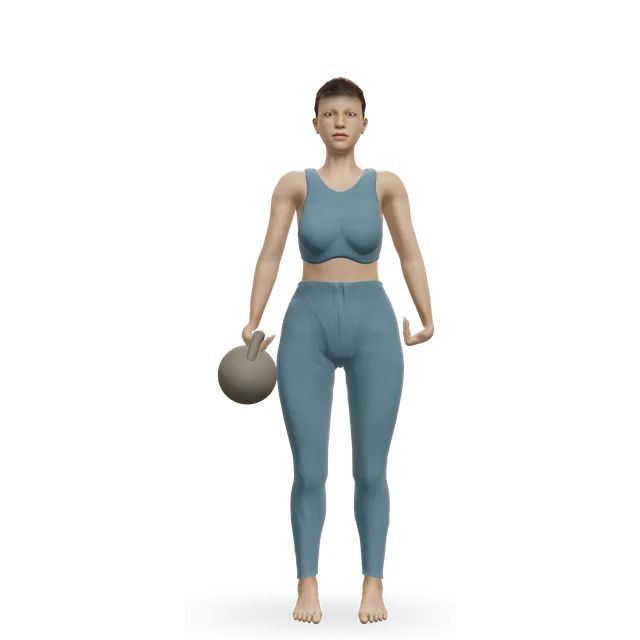
- Suitcase carry2 walks of about 20 m each sideIntermediate · Abs, Forearms, Back · 3D demoLight enough to stay level and breathe normallyEasier: Farmer's carryHarder: Overhead carry (waiter's walk)
- Bird dog, one limb at a time5 to 8 each side, holding 3 to 5 sBeginner · Abs, Back, Glutes · 3D demoKeep your head level with your back, not dropping below itEasier: Side-lying tummy draw-inHarder: Bird dog


Finish
- Beginner · Calves · 3D demoA hand on a wallEasier: Seated bent-knee calf raise (soleus raise)Harder: Standing dumbbell calf raise
- Beginner · 3D demoSitting upright with your waistband loose: in for 4, out for 6Easier: Breath reachHarder: Crocodile breathing (prone diaphragmatic breathing)


Tips
- Leave about 2 hours after a main meal before this session (our suggestion): hard exercise soon after eating brought reflux on in laboratory studies.
- Breathe out on the effort and don't hold your breath or brace hard: straining set off reflux in about two-thirds of people with daytime reflux in one study.
- Use a weight you can lift 12 to 15 times without straining.
- Loosen tight waistbands, and skip the lifting belt.
- If you get chest pain, pressure or tightness, stop and call 999 (911 in the US): don't assume it's heartburn.
The doses are suggested starting points, not a prescription. Choose a range you can control and stop for sharp or increasing pain, numbness or tingling. Get individual advice after an injury or surgery, or if you are pregnant or managing a health condition.
Guides that recommend it
Find more moves like these
More strength at home




Beginner bodyweight workout
A 20-minute full-body workout with no equipment: squats, knee push-ups, bridges, lunges and planks.
20 minBeginner10 movesNo equipment


Full-body bodyweight workout
An intermediate no-equipment workout: push-ups, split squats, single-leg bridges, pike push-ups and core work.
30 minIntermediate11 movesNo equipment

Full-body dumbbell workout
A 35-minute full-body strength workout with dumbbells: goblet squats, presses, rows, Romanian deadlifts and carries.
35 minIntermediate9 movesA band, A dumbbellQuestions people ask
How long does the strength workout for acid reflux: upright moves, no head-down poses take?
About 25 minutes, including any warm-up and cool-down listed. Shorten it by doing fewer rounds; lengthen it by adding one.
What equipment do I need?
You need: A bench or box, A wall, A band, An anchor point, A step, A dumbbell, A kettlebell. Each move links to its guide, where you can find an alternative if you are missing something.
Is it suitable for beginners?
It is written for beginners. 8 of its 12 moves have an easier option listed beside them if you need one.
How do I make it easier or harder?
Use the easier or harder option listed under each move, change the number of rounds, or adjust the rest. Progress one change at a time.