Yoga guide

Yoga for hockey players (ice and field): the crouch, hips and groin, the lower back, rotation for shooting, the evidence and a class

Ice hockey and field hockey are both played bent forward, both load the hips and groin, and both turn hard one way to shoot. Yoga can give hockey players the front of the hips back after the crouch, back endurance, turning both ways, groin and side-hip strength, one-leg balance and a calm way to wind down after a game. No trial has tested yoga in hockey players, and stretching your groin hasn't been shown to prevent groin strains: the evidence is for groin strengthening.

This guide covers where hockey players get hurt, the cam-shaped hips many players and most goalies have and the deep poses to keep out of, the crouch and the back, turning for shooting, young players, how yoga fits around games and strength work, and a free 25-minute class with a 3D demo of every move. It ends with the warning signs, from concussion to a lump in the groin.

The short version

No yoga trial in hockey players

We found no trial of yoga in ice or field hockey players that measured injuries, pain or performance. The only yoga study in hockey used six hot yoga classes as heat stress in 10 elite female field hockey players, with no comparison group.

Sources 1, 2

Hips and groins are hockey's big problem

In one season, 45.4% of 163 Swedish professional and semi-professional players had a hip or groin problem, 7 in 10 coming on gradually, and so did 69% of 101 elite goalkeepers. Field hockey players get them too: 17% of 100 Dutch men had hip or groin pain at any one time.

Sources 3, 4, 5

Groin strength, not groin stretch

Groin flexibility didn't differ between NHL (National Hockey League) players who strained an adductor and those who didn't. Adductor strengthening went with fewer strains in one NHL team, and the Copenhagen adductor programme cut groin problems by 41% in footballers. So the groin work in this guide is squeezes, side planks and shallow wide stances, not wide-legged stretching.

Sources 6, 7, 8, 9

Many hockey hips have a cam shape

A cam is extra bone at the front of the ball of the hip. It was found in 75% of symptom-free youth players and about 94% of professional goalies, forms mostly between 13 and 16, and is usually painless. Deep hip bends with the thigh turned in or pulled across are the positions that can pinch, so keep them out of your yoga if your hip crease pinches, and get it checked (our reading).

Sources 10, 11, 12, 13

The crouch and the back

The lower back is the commonest site of spine injury in US college ice hockey. In one cohort of high school and college players, those with tight hip flexors had about 3 times the rate of back pain, but it was one observational study with 33 cases, and stretching hasn't been tested. Back pain is common in field hockey, though one study found it no more common than in non-players.

Sources 14, 15, 16

Yoga sits beside hockey training

Stretching programmes don't prevent sports injuries; strength and balance training do better. Use yoga once or twice a week on a lighter day or after a game, never instead of the warm-up, the adductor programme, strength work, the concussion rules or treatment for an injury.

Sources 17, 18

What hockey asks of your body, and where yoga fits

Two games, one crouch

Ice hockey is skated in a deep crouch with long, wide strides, and field hockey is run bent forward with the stick low. Both turn hard one way to shoot, pass or drag flick. In a small laboratory study of 7 field hockey players, dribbling in the crouch shortened the spine faster than other activities measured before.

Source 19

Where hockey players get hurtStrong evidence

In US college ice hockey, hip and groin injuries were mostly strains, and about half came with no contact. In the NHL in the 1990s, groin and abdominal strains were five times as common in training camp as in the regular season, and more than 90% came without contact. In Swedish elite hockey, 53.2% of 329 professionals had had a hip or groin problem in the season before, and in women the hip and groin were the most reported and most burdensome region for overuse problems.

Sources 20, 21, 22, 23, 24

Where yoga fits

Off the ice or pitch: the front of the hips and back endurance after the crouch, turning both ways, groin and side-hip strength in yoga shapes, one-leg balance and slow breathing, all kept out of deep hip bends with the thigh turned in. It doesn't replace the adductor (Copenhagen) programme, strength and power training, the warm-up, the body checking rules and kit, or treatment for a hip impingement, a hernia or a concussion. Our ice hockey and field hockey pages have the training, the warm-ups and the rules, and our Pilates for hockey players guide covers similar ground with Pilates moves.

What the evidence says

Groin strengthening and body checking rules carry the evidence in hockey. No trial has tested yoga in hockey players.

No yoga trial in hockey playersStrong evidence

PubMed found 2 records for yoga with hockey: a mindfulness review across sports and one hot yoga study. In that study, 10 elite female field hockey players did six 60-minute hot yoga classes in 6 days as heat stress, with no comparison group. Their blood plasma volume rose 5.0% three days later, and maximal fitness barely changed. It says nothing about hips, backs or injuries.

Sources 1, 2

No stretching programme tested on hockey injuriesStrong evidence

A PubMed search for stretching, flexibility, yoga or mobility programmes with injury outcomes in hockey found 13 records and no such trial. Across sport, 25 trials with 26,610 people found that stretching programmes didn't prevent injuries, while strength training cut them to under a third and balance training to about half.

Sources 25, 17

Groin flexibility hasn't predicted groin strainsStrong evidence

In 47 NHL players, preseason adductor flexibility didn't differ between those who strained an adductor and those who didn't, while players whose adductor strength was under 80% of their abductor strength were 17 times as likely to strain one (only 8 were injured). In 1,292 NHL players, neither adductor strength nor hip flexibility predicted groin injury; a previous groin injury and too little off-season training did. In Swedish professionals and US college players, preseason strength and range didn't predict later problems. So flexibility hasn't predicted groin injury in any hockey study, and strength is a mixed predictor.

Sources 6, 7, 3, 26

Groin strengthening has the evidenceEmerging evidence

In one NHL team, 33 players judged at risk did 6 weeks of adductor strengthening, and adductor strains fell from 11 in the 2 seasons before to 3 in the 2 seasons after: one team, compared with its own past. In 652 semi-professional footballers randomised by team, the Copenhagen adductor programme cut groin problems by 41%. An earlier review of 7 trials found no clear effect, and there is no groin prevention trial in hockey.

Sources 8, 9, 27

Tight hip flexors and back painEmerging evidence

In 289 player-seasons of high school and college ice hockey, 60% were tight on a hip flexor test, and tight players had about 3 times the rate of back pain (relative risk 3.17). It is one observational cohort with 33 cases, hip strength wasn't protective, and the authors say it remains to be found out whether hip flexor stretching lowers the risk.

Source 15

Turning and shot speedMixed evidence

In 20 players on real ice, turning the trunk further away from the net went with faster wrist shots: that's technique, how far you wind up. No study has tested whether more rotation range adds speed, and in a 10-player pilot, resisted trunk rotation exercise made no difference to shot speed.

Sources 28, 29

Body checking rulesStrong evidence

In 2,154 players aged 11 and 12, game injuries were 3.26 times as common where body checking was allowed. After Hockey Canada stopped checking at that age in 2013, game injuries halved and concussions fell by about two-thirds. In non-elite players aged 13 and 14, disallowing checking went with 56% fewer injuries (a 2024 correction to that study couldn't be opened). Our ice hockey page has the checking ages.

Sources 30, 31, 32

A field hockey warm-upMixed evidence

In 22 Dutch youth field hockey teams, the Warming-up Hockey programme, which includes stability and flexibility exercises, went with fewer days lost, but not with a significantly lower injury rate. The teams weren't randomised.

Source 33

Breathing and winding downEmerging evidence

No study has tested this in hockey players. In 20 male athletes, 15 minutes of yoga after interval training slowed breathing and raised heart rate variability more than 15 minutes of stretching. Slow breathing raises heart rate variability in the moment, but 4 weeks of slow breathing after sprint training added no recovery or performance benefit in 34 people. Use it to wind down, not as a performance aid.

Sources 34, 35, 36

Hips, groin and the cam shape

What a cam is, and how commonStrong evidence

A cam is extra bone at the front of the ball of the hip, one cause of hip impingement (femoroacetabular impingement). On MRI, 75% of 61 symptom-free youth ice hockey players had one, against 42% of skiers. In professionals, 69% to more than 85% of hips had one, and 92% of 26 professional women. In 74 young Swiss players, hip strength, hip range and on-ice performance didn't differ between those with and without an impingement-type hip.

Sources 10, 12, 37, 38, 39

It forms in the growth spurtEmerging evidence

In 25 elite Swiss boys scanned from about age 12, the cam developed mostly between 13 and 16, during the final growth spurt. In 77 elite players, 19.5% had hip pain with a positive impingement test, and those with symptoms turned the hip in less (17 degrees against 23). It is a bone shape, so stretching can't change it.

Sources 11, 40

The positions that pinch (our reading)Mixed evidence

An expert commentary explains that the hip pinches when it is bent deeply and turned in, or pulled across, for example 85 degrees of hip bend with 15 degrees of turning in. That's why this guide's class keeps out of deep hip bends with the thigh turned in or pulled across. This is our reading: no study has tested yoga poses in cam hips.

Source 13

Ease off a pinch

Ease off a deep fold, lunge or twist that brings a sharp pinch deep in the groin. Get a catching, locking or giving-way feeling in the hip checked.

In a growing player or a goalie, a deep pinch when you bend the hip or turn the knee in is a reason to get it checked rather than stretch into it (our suggestion). Our hip impingement guide starts with exercise. One hockey session cut total hip rotation by 18.5 degrees and adductor strength by 6.6 kg at 24 hours in 42 players, so keep the day after a game gentle (our suggestion).

Sources 13, 41

The groin work in this guide

A ball squeeze between the knees, knee side planks, a glute bridge and a shallow goddess pose held for strength. Keep the Copenhagen exercise in your strength sessions, as in our off-ice hockey workout, where it is 1 set each side of 3 to 15 reps; leave it out while your groin hurts.

Sources 8, 9

The crouch and the back

Ice hockeyStrong evidence

In US college ice hockey, about half of all back, neck and spine injuries were in the lower back (52.2% in men, 48.5% in women), with few fractures. In Swedish elite players, 24.2% had a lower back problem in the past season, mostly from overuse.

Sources 14, 23

Field hockeyMixed evidence

Back pain was reported by 59% of 158 female players, and by 44% of 194 UK Premier and Division One players, where drag flicking, the shortest sticks and morning stiffness after hockey went with it (an online survey with a low response rate). But in 90 US college players and 98 non-players, back pain was equally common (56% against 55%). Drag flickers reported more lower back injuries.

Sources 42, 43, 16, 44

What it means for yoga (our reading)

The class starts with the front of the hips (low lunge) and back endurance (sphinx and locust) for the crouch. That is reasonable, given the link between tight hip flexors and back pain, but it is our reading: whether hip flexor stretching lowers back pain in hockey players hasn't been tested. Leave sphinx and locust out if arching hurts your back.

Source 15

Turning both ways for shooting

Turn both ways (our reading)

Shooting, passing and drag flicking turn the trunk hard one way, season after season. Upper-back turns the same amount each way are for comfort and even movement, not a harder shot: turning further goes with shot speed as technique, and no training study shows that more range adds speed.

Sources 28, 29

Drag flickersMixed evidence

In a survey of 432 field hockey players, the 140 drag flickers reported more hip and lower back injuries, and in a laboratory study of 25 drag flick specialists, the drag flick bent and turned the lower back more than a hit. Keep the turning in your upper back and the lower back strong, rather than pushing it to the end of its twist (our suggestion).

Sources 44, 45

Goalies

Goalies have the most hip problemsEmerging evidence

In 101 elite Swedish goalkeepers, 69% had a hip or groin problem in a season and 36% a substantial one. In 130 professional players, 93.8% of goalies had a cam-shaped hip. In the NHL, labral tears made up 69.1% of hip joint injuries, and goalies had about 4.7 times the risk per game played, though not per hour played.

Sources 4, 12, 46

The butterflyEmerging evidence

In 14 elite goalies on the ice, the butterfly didn't take the hip to its biggest range or into the classic impingement test position; the authors suggest repeated end-range inward turning of the hip may be the main cause of goalies' hip problems. Butterfly goalies having hip surgery had larger cams than skaters. College data estimate goalies drop to the butterfly about 34 times a game and 300 times a practice.

Sources 47, 48, 20

Yoga for goalies (our suggestion)

Hip strength and control, in a range that doesn't pinch: the ball squeeze, side planks, bridges and one-leg work in the class. Leave deep lizard, frog, long-held pigeon and happy baby out if your hip pinches, and get a hip that catches, locks or pinches checked. Yoga can't change how often you drop into the butterfly.

Young players: growth, the cam shape and backs

The growth spurtEmerging evidence

The cam shape forms mostly between 13 and 16. In one elite junior programme, 44% of 25 players with back pain had a stress fracture in the back of a vertebra (spondylolysis), 73% of them on the shooting side: a small case series.

Sources 11, 49

A young player's back

A teenager in a sport that arches or twists the back, such as gymnastics, dance, diving, volleyball, tennis, cricket fast bowling, baseball pitching, weightlifting, football or rugby, with back pain that lasts more than a couple of weeks, is worse arching back or stops them training: get it checked by a GP or sports physiotherapist. It can be a stress fracture in the spine.

Sources 49, 50

A child's sudden hip pain or limp

Call 999 or go to A&E if your child gets sudden pain in their hip, knee or thigh (hip problems can sometimes be felt in the thigh or knee) or cannot put any weight on their leg. If your child is limping, ask for an urgent GP appointment or get help from NHS 111 the same day. This applies to teenagers too, and in some children knee pain is the only sign.

Source 51

Hours and load

The American Orthopaedic Society for Sports Medicine's consensus asks that children who train more hours a week than their age be watched for burnout, overuse injury and dips in performance, and the International Olympic Committee calls poor load management a major risk factor for injury. Count a strong yoga class as training. Gentle yoga is fine for young players; strength and coordination training, as on our ice hockey page, matter more.

Sources 52, 53

Fitting yoga around hockey

Our suggested week

Our editorial starting point:

  • One or two 25-minute yoga sessions a week, on a lighter day or after a game, not in the hour before you skate or play.
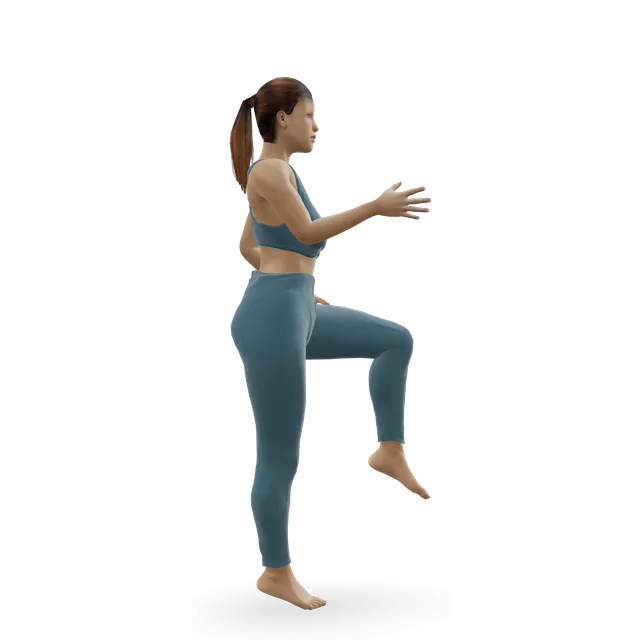
  • Before play, the ice hockey warm-up or Warming-up Hockey.
  • Keep the Copenhagen exercise and your off-ice strength work: they carry the groin evidence.
  • Count a strong flow class as training in a heavy week, and don't use hot yoga as heat training.

Sources 53, 33

Long holds before a gameStrong evidence

Static holds of 60 seconds or more per muscle just before testing cut performance by about 4.6% on average; shorter holds and dynamic stretching didn't, and stretching had no clear effect on injuries. Save long holds for after the game.

Source 54

Out of the crouch: the front of the hips and the back

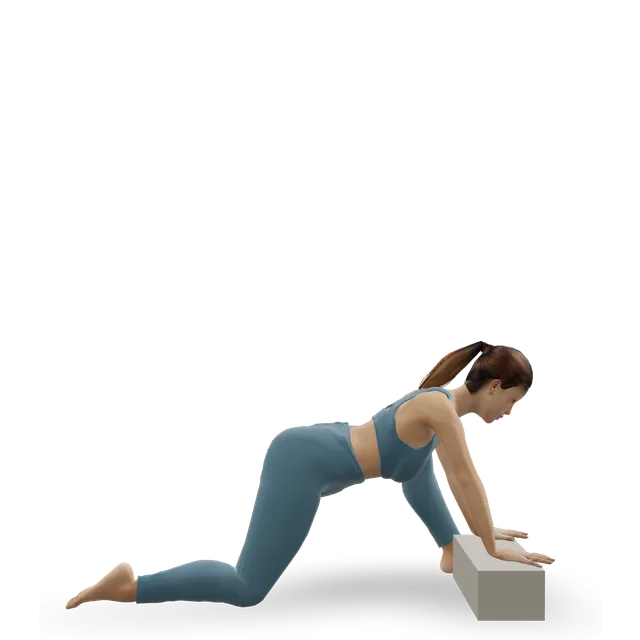
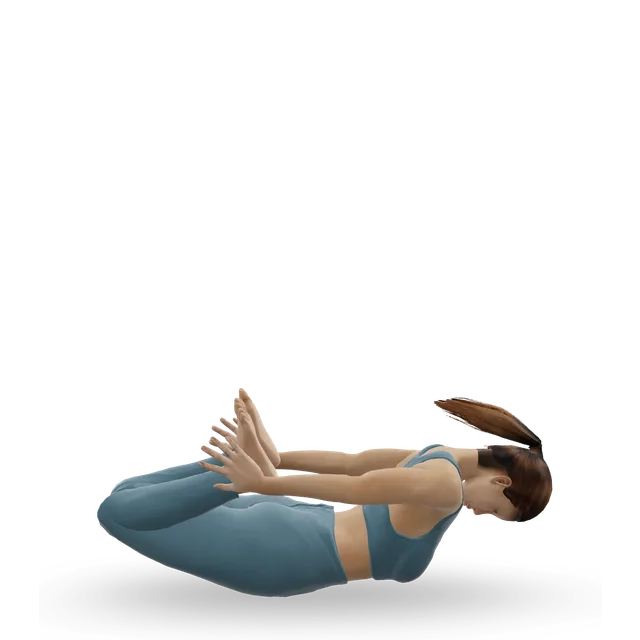
Cat-cow: "8 waves, slower than feels natural" (the move page's dose). Low lunge, 45 seconds each side, back knee padded (our yoga for cricketers class), or the kneeling hip flexor stretch, 2 holds of 30 seconds each side, mild (our yoga for a hip labral tear class). Sphinx, 2 holds of 3 to 5 breaths, only if leaning back eases your back (our yoga for wrists class). Locust, 2 holds of 5 breaths, lowering if your back pinches (our yoga for volleyball players class).

Turn both ways

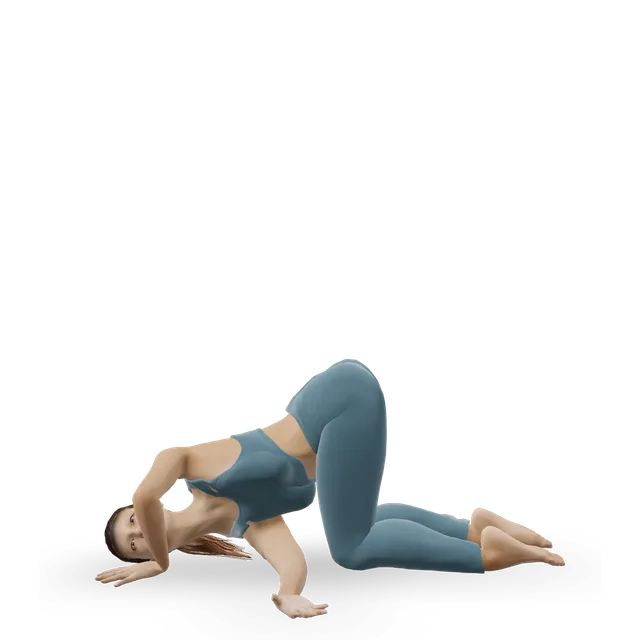
Thoracic rotation: "6 rotations per side, moving with the breath" (the move page's dose), the same amount each way, whichever way you shoot. Open book: "8 to 10 slow openings each side, pausing 2 seconds at the end" (the move page's dose). Thread the needle, 30 seconds each side (our martial arts yoga class; adapted from the move page's dose).

Groin and side hips: strength, not stretch

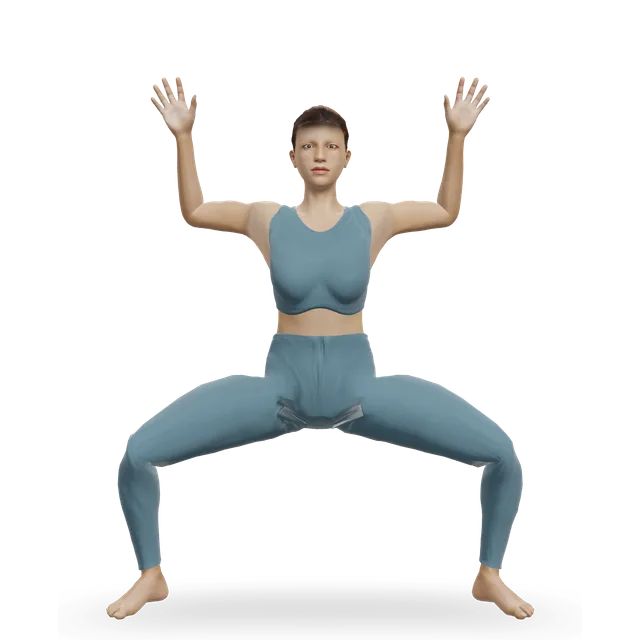
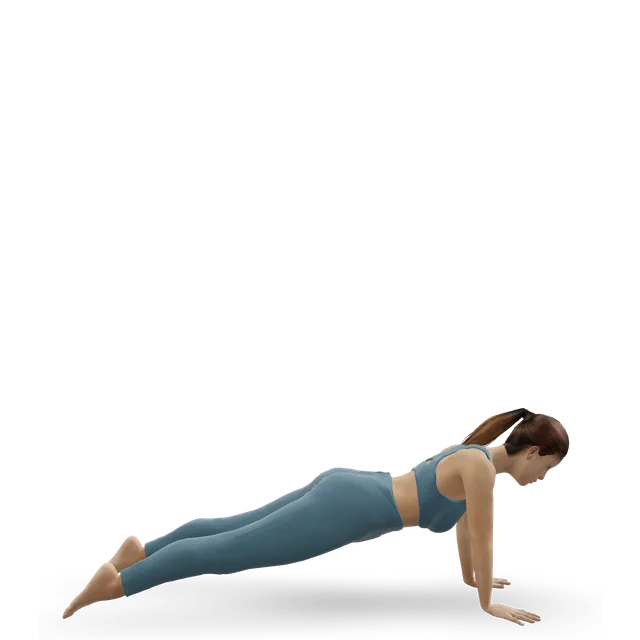
Ball squeeze, 5 holds of 5 to 10 seconds, only as hard as is comfortable; knee side plank, 2 holds of 20 to 30 seconds each side; warrior II, 3 breaths each side, twice; glute bridge, 2 sets of 10; bird dog, 2 sets of 6 each side (all our yoga for a hip labral tear class). Side plank, once the knee version is easy, 2 holds of 20 to 30 seconds each side (our yoga for volleyball players class). Goddess pose, 2 holds of 3 breaths, shallow, knees over your middle toes (our yoga after a groin strain class).

One leg

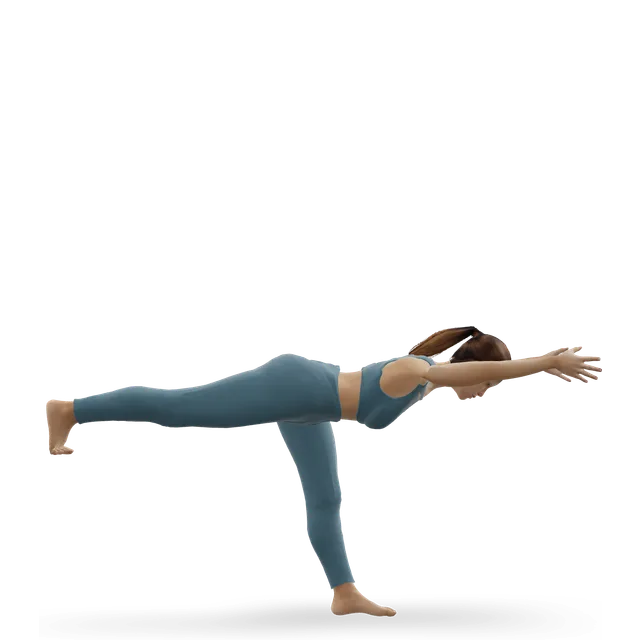
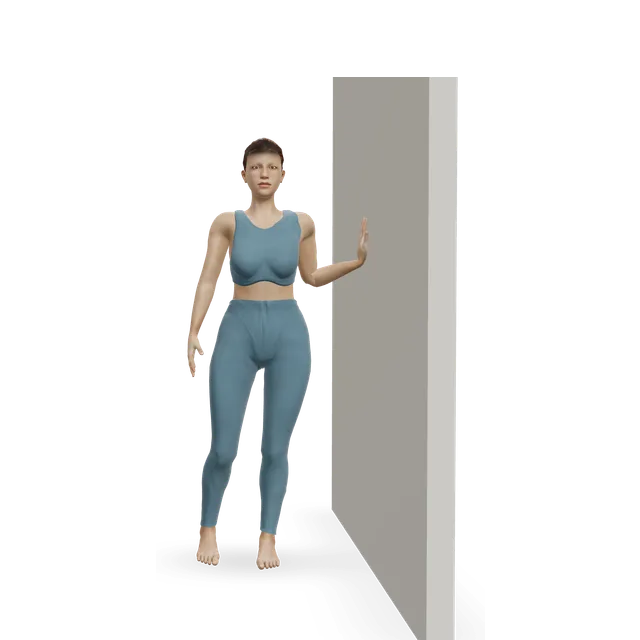
Warrior III, 3 breaths each side, twice, hands on a wall at first, and single-leg stand, 2 holds of 30 seconds each leg, knee soft (our yoga for volleyball players class). Hip airplane: "2 sets of 5 slow turns each leg" (the move page's dose), holding a wall; with pain at the front of the standing hip, keep to the opening turn, as its page says.

Hips in a range that doesn't pinch

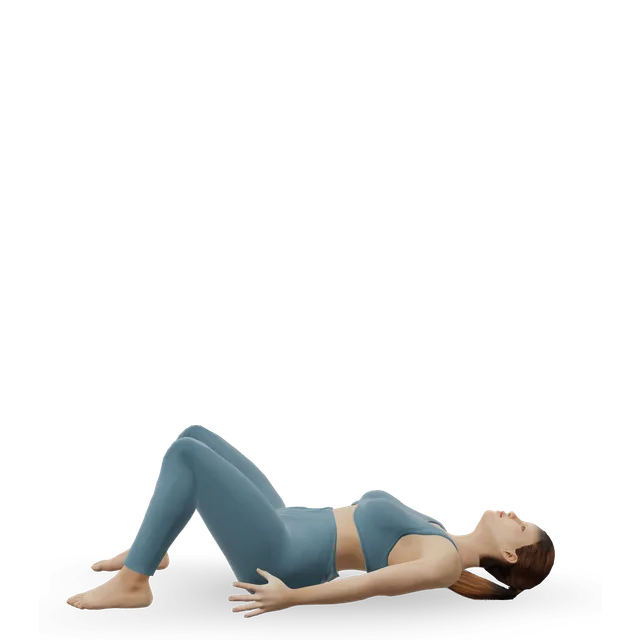
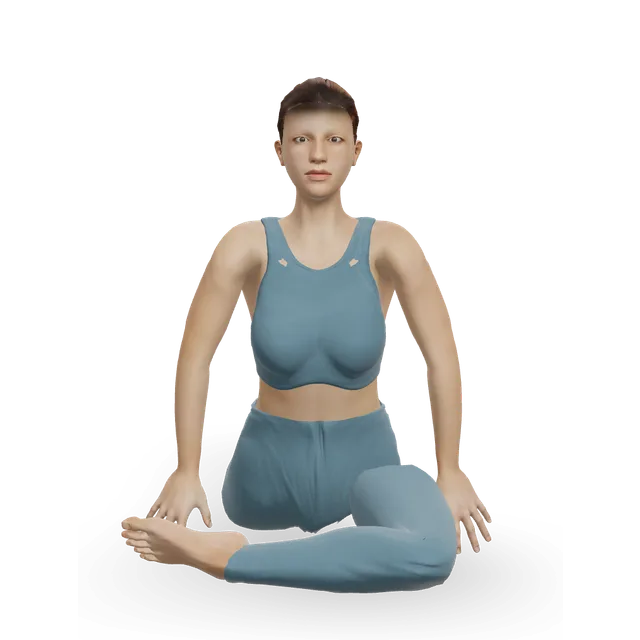
90/90 switch: "10 slow switches, pause at the ends" (the move page's dose), only in a range that doesn't pinch the front of the hip (our suggestion). Reclined figure four, 45 seconds each side, holding behind your thigh rather than pulling on your shin (our yoga for runners routine).

Breathing and rest

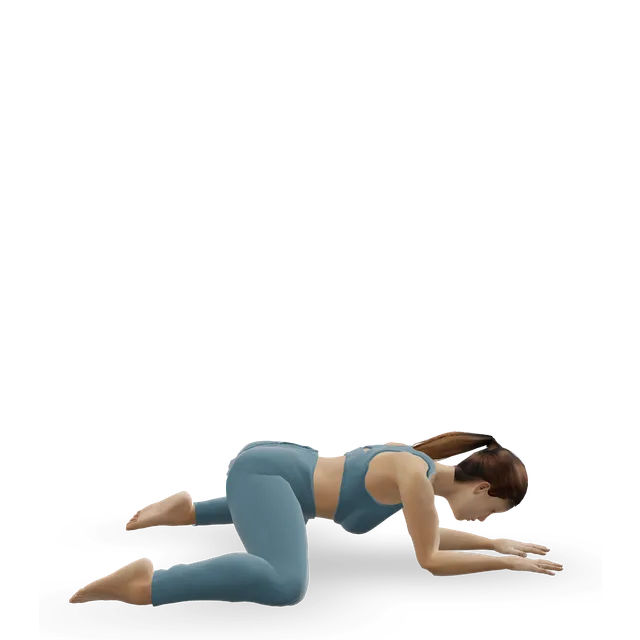
Slow breathing, 2 minutes, in for about 4 and out for about 6, with no holds (our yoga for cricketers class; adapted from the move page's dose). Child's pose, 60 seconds, knees wide (our yoga for wrists class; adapted from the move page's dose); skip it if your hip crease pinches. Corpse pose, 3 minutes (adapted from the move page's dose).

Poses to change or leave out

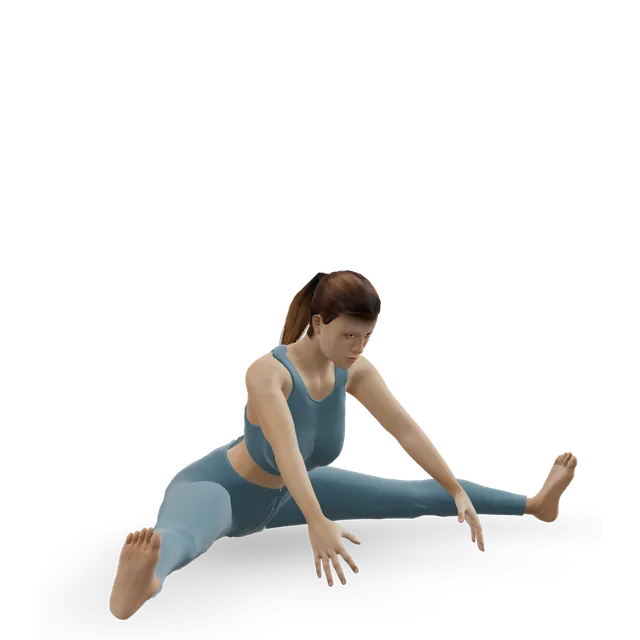
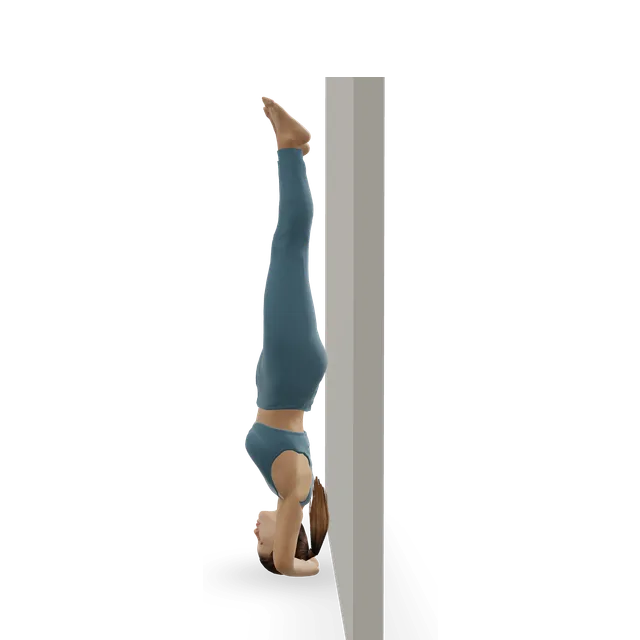
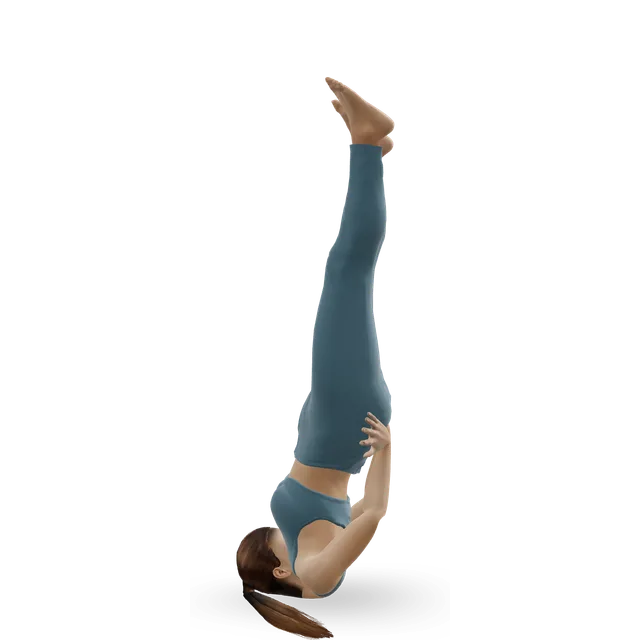
With a pinch in the hip crease, a known cam or labral tear, or as a goalie with hip pain, leave out deep lizard, frog, long-held pigeon, happy baby and twists that pull the knee across, and use our yoga for a hip labral tear class; without pain, keep them in a range that doesn't pinch (our suggestion). With a sore groin, leave out wide-legged folds, frog, splits and deep squats, as our yoga after a groin strain class does. A young player whose back hurts arching leaves out backbends, and sphinx and locust until it's checked. Headstands and shoulder stands aren't needed, and after a blow to the head, nothing head-down until you're cleared. NCCIH advises beginners to avoid forceful breathing.

A class and workouts to follow

On a lighter day or after a game, our 25-minute class for hockey players: our own selection, untested in a trial. Before play, the ice hockey or field hockey warm-up; for strength and the Copenhagen exercise, the off-ice hockey workout and the hamstring and groin programme. With a sore groin or a pinching hip, the groin strain and hip labral tear classes come first. Yoga after a concussion only within the concussion stages.

Yoga for hockey players: a 25-minute class for the front of the hips, the upper back, groin strength, turning both ways and one-leg balance, on a lighter day or after a game

A 25-minute yoga class for ice and field hockey players: the front of the hips, back endurance, turning both ways, groin strength and one-leg balance.

25 minBeginner14 movesOther / check instructions

Ice hockey warm-up: hips and groins off the ice

A 15-minute ice hockey warm-up: a jog or bike, skips and shuffles, leg swings, Cossack squats, band walks, bridges, ball squeezes, side planks and bounds.

15 minBeginner14 movesCardio machine, wall

Field hockey warm-up: the Warming-up Hockey sample session

A 12-minute field hockey warm-up from the Dutch Warming-up Hockey programme: running drills, one-leg jumps, a plank, deep squats and hockey sprints.

12 minBeginner10 movesCardio machine, step

Off-ice hockey workout: jumps, legs, groins and trunk

A 50-minute off-ice session for ice hockey: lateral bounds and broad jumps, squats, split squats, single-leg hinges, chin-ups, Copenhagen planks and trunk work.

50 minIntermediate13 movesWall, band

Hamstring and groin injury prevention

The Nordic hamstring and Copenhagen adduction programmes from the football trials: a 10-week build, three adductor levels, then once a week in season.

15 minIntermediate6 movesWall, anchor point

Out-of-the-crouch Pilates for hockey players: a 25-minute class for the front of the hips, the upper back, groin and side hips, rotation both ways and one-leg balance

A 25-minute Pilates class for ice and field hockey players: the front of the hips, upper back, groin and side hips, rotation both ways and one-leg balance.

25 minBeginner19 movesOther / check instructions, wall

Yoga after a groin strain: a 25-minute class with squeezes, side planks and short stances, and no wide-legged stretching

A 25-minute yoga class after a groin strain: squeezes, bridges and side planks, then short-stance standing poses and side steps, with no wide-legged stretches.

25 minBeginner15 movesOther / check instructions, wall

Yoga for a hip labral tear or impingement: a 25-minute class that builds hip strength and stays out of the pinch

A 25-minute yoga class for a hip labral tear or hip impingement (FAI): hip and trunk strength, shallow standing poses, and no deep hip bends or twists.

25 minBeginner17 movesOther / check instructions, wall
Show all 12 workoutsShow fewer workouts

Warning signs: when to stop and get help

These are the warning signs from our ice hockey, field hockey, groin, hip, hip openers and yoga guides, word for word. This is general information, not a diagnosis. A&E means accident and emergency; in the US, call 911 for 999.

A blow to the head (a puck, a stick, the boards or the ice)

Call 999 if someone has hit their head and has been knocked out and hasn't woken up, can't stay awake or keep their eyes open, has a fit, has fallen from a height of more than 1 metre or 5 stairs, has problems with their vision or hearing, has clear fluid coming from their ears or nose, has new numbness or weakness, has problems with walking, balance, understanding, speaking or writing, hit their head at high speed, or their behaviour has changed. Get help from NHS 111 if they're being sick, feel dizzy or take medicine that thins the blood. If you're told to go to A&E (accident and emergency), don't drive yourself there if you have hit your head.

Stop playing: if in doubt, sit them out. Under the UK guidelines, there's no return that day, an assessment within 24 hours by a healthcare professional or NHS 111, and no competition before day 21; under Hockey Canada's protocol, players under 18 don't return to that game or practice. Contact NHS 111 straight away if they're being sick, feel dizzy or take medicine that thins the blood.

Stop playing: if in doubt, sit them out. No further sport that day, an assessment within 24 hours by a healthcare professional or NHS 111, and no competition before day 21 under England Hockey's policy. Contact NHS 111 straight away if they're being sick, feel dizzy or take medicine that thins the blood.

With a suspected concussion, if in doubt, sit them out. The UK's grassroots guidelines say no sport for at least 24 hours, get checked by a healthcare professional or NHS 111 within 24 hours, follow a staged return, and no competition before day 21; if symptoms last beyond 28 days, stay out of sport and see a doctor. Yoga waits too: gentle breathing fits the early, light-activity stages, and no head-down poses or inversions until you're cleared (our reading). Our concussion guide has the stages.

Sources 55, 18, 56, 57

A neck injury after hitting the boards

Neck pain, a fit, a worsening headache or repeated vomiting are red flags: call an ambulance. Don't remove the player's helmet or equipment unless you're trained to, don't move them, and don't leave them alone. Our stingers guide covers a burning, dead arm after a hit: the warning signs and the checks before playing again.

Sources 56, 18

A lump in the groin

Call 999 or go to A&E now if you have a femoral hernia (a small lump at the top of your thigh, in your groin) and very bad tummy pain, you feel sick or you're being sick, you cannot fart or poo, you have a high temperature or you feel hot, cold or shivery, or you've suddenly become confused. Do not drive to A&E. With any other hernia and pain in or around it, a bloated tummy, feeling or being sick, vomiting blood or vomit that looks like coffee grounds, constipation, a high temperature or feeling hot, cold or shivery, or sudden confusion, get help from NHS 111.

See a GP or physiotherapist for:

  • A lump in the groin, or groin pain with coughing or straining (a possible hernia).

Sources 58, 59

A pop high on the inner thigh

A pop high on the inner thigh, then a large bruise, a dent or a gap you can feel, and weakness squeezing the legs together, can be a complete tear of the adductor longus tendon: get it checked within days, as our inner thigh pain guide says.

Sources 67, 68

Hip pain after a fall, or in a child

Call 999 or go to A&E: severe hip pain after a fall or injury, or you cannot stand, walk or put weight on the leg. In an older adult this can be a broken hip; the leg may be at an odd angle or look shorter. Don't drive yourself.

Call 999 or go to A&E if your child gets sudden pain in their hip, knee or thigh (hip problems can sometimes be felt in the thigh or knee) or cannot put any weight on their leg. If your child is limping, ask for an urgent GP appointment or get help from NHS 111 the same day. This applies to teenagers too, and in some children knee pain is the only sign.

See a GP or physiotherapist for:

  • Hip pain that stops normal activities or disturbs sleep, keeps getting worse or keeps coming back, or has not improved after 2 weeks of looking after it at home.

Source 51

A pinch in the hip crease

Ease off a deep fold, lunge or twist that brings a sharp pinch deep in the groin. Get a catching, locking or giving-way feeling in the hip checked.

Source 69

A young player's back

A teenager in a sport that arches or twists the back, such as gymnastics, dance, diving, volleyball, tennis, cricket fast bowling, baseball pitching, weightlifting, football or rugby, with back pain that lasts more than a couple of weeks, is worse arching back or stops them training: get it checked by a GP or sports physiotherapist. It can be a stress fracture in the spine.

Sources 49, 50

Chest pain or fainting: call 999

Call 999 if:

  • You get sudden pain or discomfort in your chest that doesn't go away; it can feel like squeezing or pressure, burning or indigestion.
  • The pain spreads to your left or right arm, or your neck, jaw, stomach or back.
  • You have chest pain and feel sweaty, sick, light-headed or short of breath.
  • Someone faints while exercising, can't be woken within 1 minute, or has chest pain or a pounding, fluttering or irregular heartbeat.

Sources 60, 61

Very flexible joints

If you're hypermobile, don't use mobility work to push further: the NHS says "do not overextend your joints just because you can". See a GP if you think you have joint hypermobility syndrome: for example, your joints keep dislocating, or you keep getting sprains, strains, pain or stiffness.

Source 62

During yoga

A joint pain that is sharp, gets worse during a session, lingers into the next day or changes how you move is a reason to use an easier version, and to see a GP or physiotherapist if it keeps happening (the rule in our plans). Muscle soreness for a day or two after something new is normal. In a hot class, stop if you feel dizzy, sick or unwell; our hot yoga guide lists the signs of heat illness.

With glaucoma, or high blood pressure that isn't under control, skip headstands, shoulder stands and long head-down holds. With osteoporosis, swap deep forward folds for a flat-back hinge from the hips, and twist smoothly. In pregnancy, our yoga in pregnancy guide covers the changes. NCCIH advises beginners to avoid headstands, shoulder stands, the lotus position and forceful breathing.

You can say no to any hands-on adjustment, and a teacher registered with Yoga Alliance must get your explicit consent each time.

Source 63

Before you start

The NHS advises getting advice from a healthcare professional first if you have a health problem, an injury or symptoms, or have recently had a heart attack or an operation.


Myths

"Yoga prevents groin strains in hockey"Strong evidence

No yoga or stretching programme has been tested on hockey injuries, groin flexibility didn't predict strains in NHL players, and across sport, stretching programmes didn't prevent injuries while strength training did.

Sources 25, 6, 7, 17

"Stretching makes you less likely to get hurt"Strong evidence

Hockey Canada's 2006 safety module says "Stretching ultimately allows a player to increase their level of performance and decrease their risk of injury." The trials don't support the injury claim: across 25 trials, stretching programmes showed no benefit, and a 2025 consensus of stretching researchers agreed that stretching isn't an all-round injury prevention strategy.

Sources 64, 17, 65

"Pigeon pose is non-negotiable for hockey players"

No study supports it. Most hockey hips have a cam shape, and deep hip bends with the thigh turned in or pulled across are the positions that pinch; our yoga for a hip labral tear class leaves out deep hip bends and crossed legs. Choose hip moves that don't pinch.

Sources 13, 12

"Tight hips cause hip impingement"Emerging evidence

The cam is a bone shape that forms during the growth spurt, most cam hips don't hurt, and stretching can't change bone.

Sources 11, 12, 39

"The hockey crouch wrecks your back"Mixed evidence

Back pain is common in both games, but US college field hockey players had no more back pain than non-players, and drag flicking went with more back injury. Tight hip flexors went with more back pain in ice hockey players, an association still to be tested.

Sources 16, 44, 15

"More rotation gives a harder shot"Mixed evidence

Turning further goes with shot speed as technique. No trial has shown that stretching for more range adds speed, and a rotation exercise pilot made no difference.

Sources 28, 29

"Hot yoga is good heat training for hockey"Mixed evidence

The one study had 10 players and no comparison group, and maximal fitness barely changed.

Source 2

"NHL players do yoga, so it works"Strong evidence

That's anecdote: no trial in hockey players has counted injuries after yoga.

Source 1

"You need to be flexible to do yoga"

No. Elite ice hockey players had less hip rotation than non-players in one study, every pose here has an easier version, and the aim is comfortable range and control, not the splits.

Source 66

Questions people ask

Is yoga good for hockey players?

It can help with the front of the hips after the crouch, back endurance, turning both ways, groin and side-hip strength, balance and winding down after a game. No trial has tested yoga in hockey players, so use it alongside your strength work and the adductor programme, not instead of them.

What are the best yoga poses for hockey players?

Low lunge, sphinx and locust for the crouch; upper-back turns both ways; a ball squeeze, side planks and a shallow goddess pose for the groin; warrior III and hip airplanes on one leg. Our 25-minute class puts them together.

Can yoga prevent groin strains?

It hasn't been shown to. Groin flexibility didn't predict strains in NHL players, while adductor strengthening went with fewer strains in one team, and the Copenhagen programme cut groin problems by 41% in footballers.

Should hockey players stretch their groin?

Gently, if it feels good, but don't expect it to prevent strains: stretching programmes don't prevent sports injuries. With a sore groin, leave out wide-legged stretches, frog and the splits, and use our yoga after a groin strain class.

Is yoga good for hockey goalies?

It can help with hip strength and control, but goalies have the most cam-shaped hips (about 94% of professionals) and the most hip problems (69% of elite goalkeepers in a season). Keep deep hip bends that pinch out of your practice, and get a pinching or catching hip checked.

What is hip impingement, and can yoga fix it?

A cam is extra bone at the front of the ball of the hip that can pinch in deep bends with the thigh turned in. It forms in the teenage growth spurt and is usually painless. Yoga can't change bone; our hip impingement guide starts with exercise-based treatment.


Can yoga help back pain from hockey?

It may help you move more comfortably, and tight hip flexors went with more back pain in one study of ice hockey players, but no trial has tested yoga or stretching for hockey back pain. Back pain that lasts more than a couple of weeks or is worse arching back, especially in a teenager, needs checking.

Will yoga make my shot harder?

No study shows it. Turning further away from the net goes with faster wrist shots as technique, which is your coach's job, and strength and power training have better support.

Should I do yoga before or after a game?

After a game or on a lighter day. Before you skate or play, use the ice hockey warm-up or Warming-up Hockey: holds of 60 seconds or more just before explosive work cost a little power.

Is yoga good for field hockey players?

The same ideas apply: the front of the hips and back endurance for the crouch, turning both ways if you drag flick, and one-leg balance. Back pain was no more common in college field hockey players than in non-players in one study, and drag flicking went with more back injury.

Is yoga good for young hockey players?

Gentle yoga is fine, but young players' hips are still forming, so skip deep hip bends that pinch, and get back pain that lasts or hurts when arching checked. Strength and coordination training, as on our ice hockey page, matter more.

What happens to yoga after a concussion?

If in doubt, sit them out: no sport for at least 24 hours, a check within 24 hours and no competition before day 21 under the UK guidelines and England Hockey's policy. Yoga waits too, with nothing head-down until you're cleared.

Sources

  1. PubMed · Search for yoga with hockey: 2 records, neither a yoga trial in hockey players; ice hockey 0, field hockey 1 (1 November 2026)
  2. Perrotta 2018 · Hot yoga as heat training in 10 elite female field hockey players (study with no comparison group, J Strength Cond Res)
  3. Wörner 2022 · Hip and groin problems over a season in 163 Swedish professional and semi-professional players (cohort study, J Athl Train)
  4. Wörner 2019 · Hip and groin problems in 101 elite Swedish goalkeepers (cohort study, Orthop J Sports Med)
  5. Beddows 2023 · Hip and groin pain in 100 Dutch male field hockey players (cross-sectional study, Phys Ther Sport)
  6. Tyler 2001 · Hip strength, flexibility and adductor strains in 47 professional ice hockey players (cohort study, Am J Sports Med)
  7. Emery 2001 · Risk factors for groin injuries in 1,292 NHL players (cohort study, Med Sci Sports Exerc)
  8. Tyler 2002 · A preseason adductor strengthening programme in one NHL team (before-and-after study, Am J Sports Med)
  9. Harøy 2019 · The Copenhagen adductor programme in 652 male footballers (cluster randomised trial, BJSM)
  10. Philippon 2013 · Cam shapes in 61 symptom-free youth ice hockey players and 27 skiers (MRI cohort study, Am J Sports Med)
  11. Hanke 2021 · A cam shape develops during the final growth spurt in 25 elite adolescent ice hockey players (prospective MRI study, Clin Orthop Relat Res)
  12. Lerebours 2016 · Cam shapes in 130 elite ice hockey players (X-ray study, Am J Sports Med)
  13. Kelly 2024 · Hip shape, hip and groin pain and injuries in hockey (clinical commentary, Int J Sports Phys Ther; read in full)
  14. Zupon 2018 · Back, neck and spine injuries in US college men's and women's ice hockey (surveillance study, Res Sports Med)
  15. McHugh 2026 · Tight hip flexors and low back pain in 289 player-seasons of high school and college ice hockey (cohort study, Orthop J Sports Med; read in full)
  16. Haydt 2012 · Low back pain in 90 US college female field hockey players and 98 non-players (survey, Int J Sports Phys Ther)
  17. Lauersen 2014 · Exercise programmes to prevent sports injuries: 25 randomised trials, 26,610 people (meta-analysis, BJSM)
  18. UK Government and Sport and Recreation Alliance · UK concussion guidelines for non-elite (grassroots) sport (November 2024 update; read in full)
  19. Reilly 1990 · Dribbling in the crouch: energy cost and spinal shrinkage in 7 field hockey players (laboratory study, J Sports Med Phys Fitness)
  20. Dalton 2016 · Hip and groin injuries in US college men's and women's ice hockey (surveillance study, Orthop J Sports Med; read in full)
  21. Emery 1999 · Groin and abdominal strains in the National Hockey League (league records, Clin J Sport Med)
  22. Wörner 2020 · Hip and groin problems in 329 Swedish professional players by position (survey, Knee Surg Sports Traumatol Arthrosc)
  23. Wörner 2024 · Past-season injuries in 360 Swedish elite female and male players (survey, Phys Ther Sport)
  24. Wörner 2025 · Health problems over a season in 129 Swedish women's league players (cohort study, Transl Sports Med)
  25. PubMed · Search for stretching, flexibility, yoga or mobility programmes with injury outcomes in hockey: 13 records, none a stretching or yoga trial with injury outcomes (1 November 2026)
  26. Suits 2026 · Hip and groin symptoms over a season in 51 college club ice hockey players (cohort study, J Sport Rehabil)
  27. Esteve 2015 · Groin injury prevention programmes: 7 trials, 4,191 athletes (meta-analysis, BJSM)
  28. Robbins 2021 · Trunk rotation and wrist shot speed in 20 ice hockey players (laboratory study on ice, J Sports Sci)
  29. Dagher 2018 · Resisted trunk rotation exercise and shot speed in 10 ice hockey players (pilot crossover study, J Chiropr Med)
  30. Emery 2010 · Body checking and injuries in 2,154 ice hockey players aged 11 and 12 (cohort study, JAMA)
  31. Black 2017 · Hockey Canada's 2013 body checking policy change and injuries in players aged 11 and 12 (cohort study, BJSM)
  32. Emery 2020 · Disallowing body checking in non-elite players aged 13 and 14 (cohort study, BJSM; a 2024 correction couldn't be opened)
  33. Barboza 2019 · The Warming-up Hockey programme in 22 Dutch youth field hockey teams (non-randomised study, J Athl Train)
  34. Petviset 2025 · Yoga or static stretching for recovery after high-intensity interval training: 20 male athletes (randomised crossover trial, Int J Exerc Sci)
  35. Laborde 2022 · Voluntary slow breathing, heart rate and heart rate variability: 223 studies (systematic review and meta-analysis, Neurosci Biobehav Rev)
  36. Raidl 2026 · Slow breathing as recovery during 4 weeks of sprint interval training: 34 people (randomised trial, Int J Sports Physiol Perform)
  37. Larson 2017 · Hip shape, range and symptoms in 59 players from one NHL organisation (X-ray study, Am J Sports Med)
  38. Carter 2021 · Cam shapes in 26 professional women ice hockey players (X-ray study, Phys Sportsmed)
  39. Brunner 2016 · Impingement-type hip shapes in 74 young male ice hockey players (MRI and laboratory study, Am J Sports Med)
  40. Siebenrock 2013 · Cam shapes and hip pain in 77 elite ice hockey players before and after the end of growth (MRI study, Am J Sports Med)
  41. Suits 2024 · One ice hockey session and hip range and strength in 42 players (controlled cohort study, Sports Health)
  42. Murtaugh 2001 · Injuries and back pain in 158 female field hockey players (questionnaire study, Med Sci Sports Exerc)
  43. Dobbin 2024 · Low back pain in 194 UK Premier and Division One field hockey players (survey, PLoS One; read in full)
  44. Ng 2016 · Injuries in 432 field hockey players, including 140 drag flickers (online survey, J Sports Sci)
  45. Ng 2018 · The lower back and legs in the hit and the drag flick: 25 drag flick specialists (laboratory study, J Sports Sci)
  46. Epstein 2013 · Hip joint injuries in NHL players, 2006 to 2010 (surveillance study, Am J Sports Med)
  47. Whiteside 2015 · On-ice hip movement in 14 elite goalkeepers (laboratory study, Am J Sports Med)
  48. Ross 2015 · Hip impingement in 44 butterfly goalkeepers having hip arthroscopy (case series, Arthroscopy)
  49. Donaldson 2014 · Spondylolysis in an elite junior ice hockey programme (case series, Sports Health)
  50. Selhorst 2019 · Spondylolysis in 1,025 adolescent athletes with back pain (case series, Clin J Sport Med)
  51. NHS · Hip pain
  52. LaPrade 2016 · Early sport specialisation (AOSSM consensus statement, Orthop J Sports Med; read in full)
  53. Soligard 2016 · How much is too much? Training load and the risk of injury (International Olympic Committee consensus statement, BJSM)
  54. Behm 2016 · Stretching before activity: performance, range of motion and injury (systematic review, Appl Physiol Nutr Metab)
  55. NHS · Head injury and concussion
  56. Hockey Canada · Concussion protocol (effective 6 May 2025; read in full)
  57. England Hockey · Concussion policy, version 2.0 (reviewed 2025, next review 2028; read in full)
  58. NHS · Femoral hernia repair
  59. NHS · Hernia
  60. NHS · Chest pain (past its review date: reviewed August 2023, review due August 2026)
  61. NHS · Fainting
  62. NHS · Joint hypermobility syndrome (past its review date: reviewed August 2023, review due August 2026)
  63. NCCIH (US National Center for Complementary and Integrative Health) · Yoga: effectiveness and safety
  64. Hockey Canada · Safety program: injury prevention techniques, stretching (PDF from 2006; read in full)
  65. Warneke 2025 · Practical recommendations on stretching: a Delphi consensus of 20 research experts (consensus statement, J Sport Health Sci; read in full)
  66. Mala 2025 · Hip range and joint space in elite and sub-elite ice hockey players and non-players (case-control study, Orthop J Sports Med)
  67. Serner 2021 · Examination findings and MRI injury extent in 81 male athletes with acute adductor injuries (cross-sectional study, J Sci Med Sport)
  68. Serner 2021 · Exercise-based treatment for complete adductor longus tendon tears in 16 male athletes: one-year follow-up (case series, Am J Sports Med)
  69. Le Corroller 2012 · Yoga-related injuries on scans: 38 patients (case series, AJR Am J Roentgenol)

Exercise education, not a personal prescription, and clinical review of these guides is pending. If you are pregnant, have a health condition such as glaucoma, high blood pressure or osteoporosis, or have had recent surgery, check with a doctor, midwife or physiotherapist before starting, and stop for sharp or increasing pain. Health disclaimer.