Drop-back to wheel (Urdhva Dhanurasana from standing)
From standing, you arch back with the hips pressing forward until the hands land on the floor in wheel pose, then press back up to standing. Wheel is usually pressed up from lying down; here the legs and trunk control the whole descent and the climb back. Yoga Journal's progression says you are ready only if you can press up into wheel with straight arms, starts by walking the hands down a wall, and warns it may take years.
Movement guide
Drop-back to wheel (Urdhva Dhanurasana from standing)
Make it easier or harder
Choose a version that fits your control and comfort.
Easier option
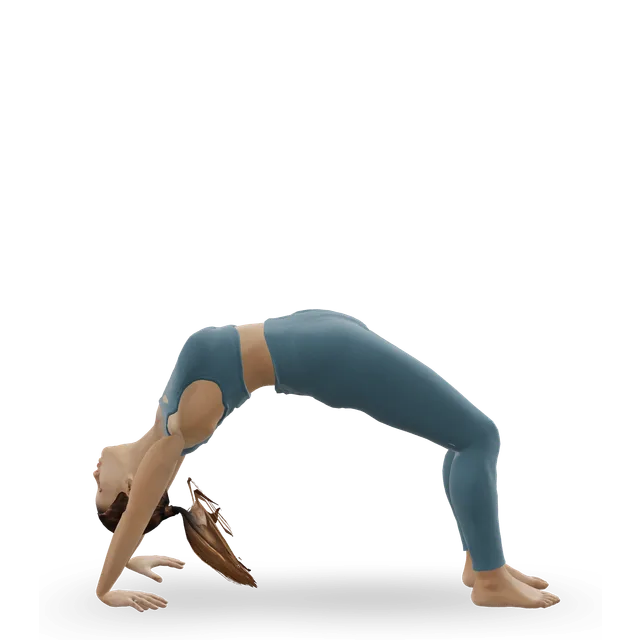 3D demoWheel pose (Urdhva Dhanurasana)Advanced · No equipment
Similar move, advanced grade.
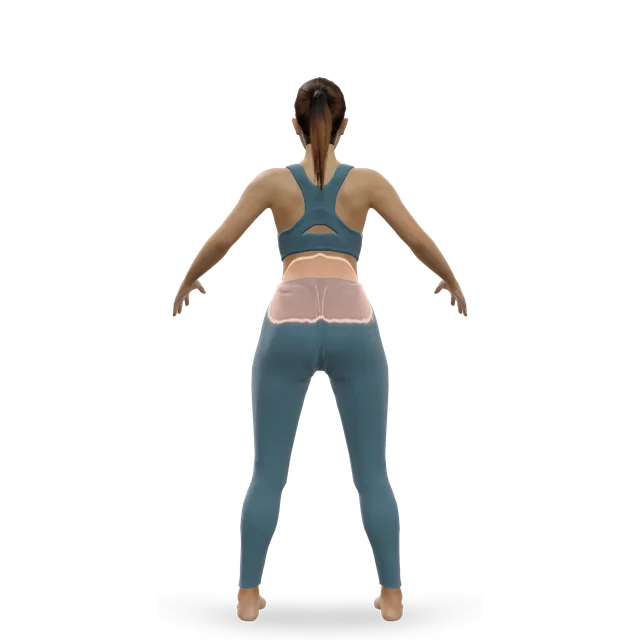
Harder option
Keep a comfortable range and follow any technique and timing given in the guide. A deeper stretch or more complex pose is optional, not a required next step. Ingram 2025 review of stretching and range of motion
Source-researched guide.
How to move
- Stand with your back to a wall, a short step away from it, feet hip-width apart and parallel. Bring the palms together at the chest, then reach the arms overhead.
- Press down through the feet, draw the thighs back and move the pelvis forward, then lift the chest up and back, the head following the chest.
- Arch back until you can see the wall, place the hands on it and walk them down a few steps and back up. Over weeks, walk all the way down to wheel and back.
- Away from the wall, with a teacher supporting your hips at first, keep arching until the hands land on the floor in wheel, elbows soft.
- To rise, shift your weight into the feet, press the hips forward and lift through the chest, the head coming up last.
Form cues
- Lead with the chest, not the chin; the head goes back last.
- Keep pressing the thighs back as the pelvis moves forward; if both move forward, the low back takes the bend.
- Avoid: tucking the tailbone hard, which flattens the low back's curve.
Practice and cautions
3 to 5 slow drop-backs at a wall or with a spotter, once or twice a week at most (our editorial starting point).
Lean back only as far as you can control. To come down from wheel instead of rising, tuck the chin and lower the upper back to the floor, never the crown of the head. It is not a move for children: in case series from China, backbends in children's dance classes were the commonest cause of spinal cord injury without a fracture, often with severe paralysis. Most adults never need this. Learn it with a qualified teacher spotting you, and avoid it entirely with any spine, shoulder or blood pressure condition. This is movement education, not an assessment or treatment prescription. Stop for sharp or increasing pain, dizziness, numbness or tingling; seek individual guidance for symptoms, injury or restrictions.
Sources and review status
Sources support the educational description; they do not establish that this exercise is suitable for you.
- Yoga Journal · Learn to drop back into wheel pose (ready once you can press up with straight arms; walk the hands down a wall first; a partner when you leave it) ↗
- Yoga International · How to drop back into Urdhva Dhanurasana from standing (lead with the chest, the head last; a teacher supporting the hips; come down chin tucked onto the upper back) ↗
- Liu 2022 · Dance-class backbends caused 46% of 74 spinal cord injuries without fracture in children, with a worse outlook than other causes (retrospective study, Front Pediatr) ↗
- Guo 2023 · Spinal cord injury from backbend practice in 42 girls averaging 6 years old; three in four had complete paralysis below the injury on admission (case series, Front Pediatr) ↗
No variation is labeled clinically validated.
What it works
Muscles
Main: Back, Quads. Also: Hip flexors, Abs, Shoulders, Glutes.
Anatomy: Latissimus dorsi, Teres major, Trapezius, Rhomboids, Erector spinae, Multifidus.
Equipment
A wall
Level
Expert. See the easier and harder options above.
Similar moves
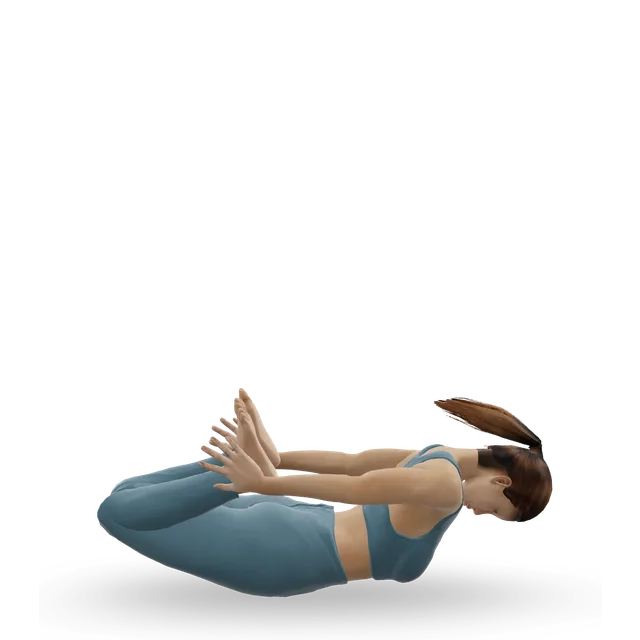 3D demoBow pose (Dhanurasana)Intermediate · No equipment
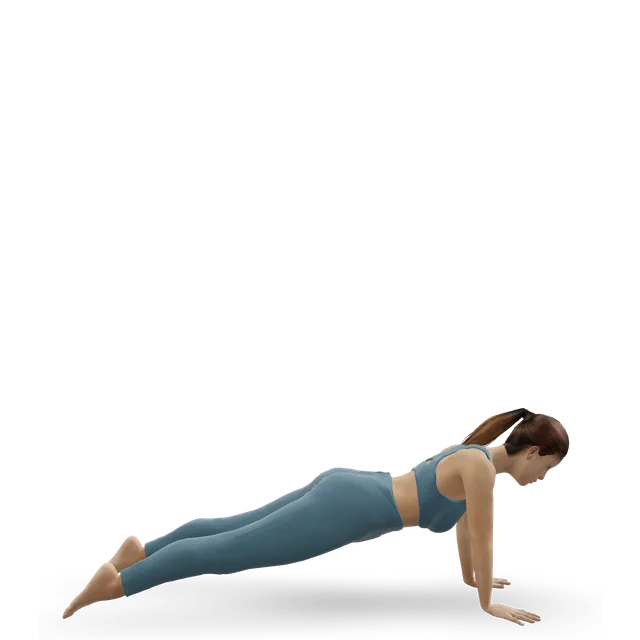 3D demoUpward-facing dog (Urdhva Mukha Svanasana)Intermediate · No equipment
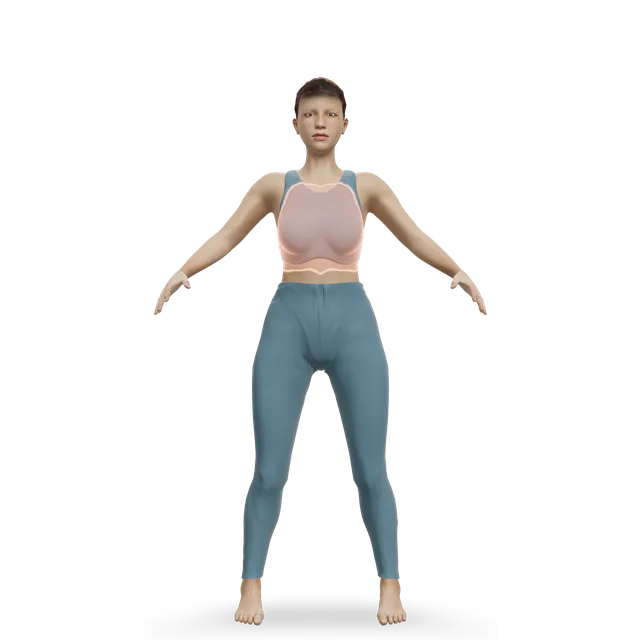 King dancer pose (full Natarajasana, both hands overhead)Expert · No equipment
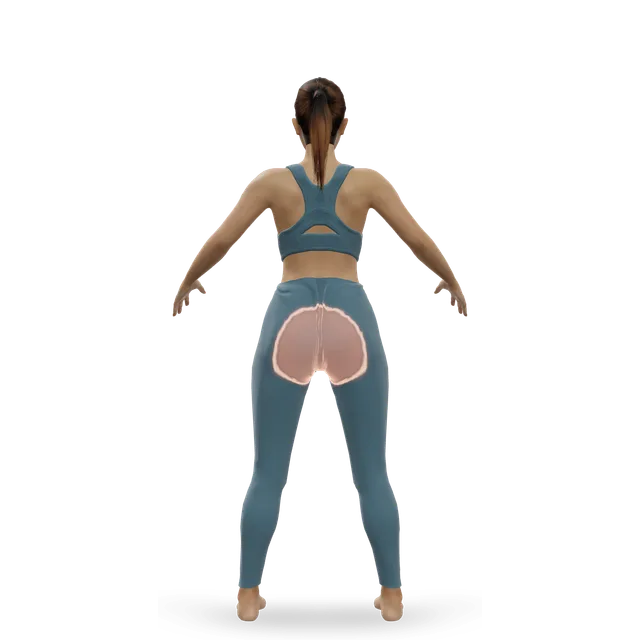 One-legged king pigeon (Eka Pada Rajakapotasana, full)Expert · No equipment
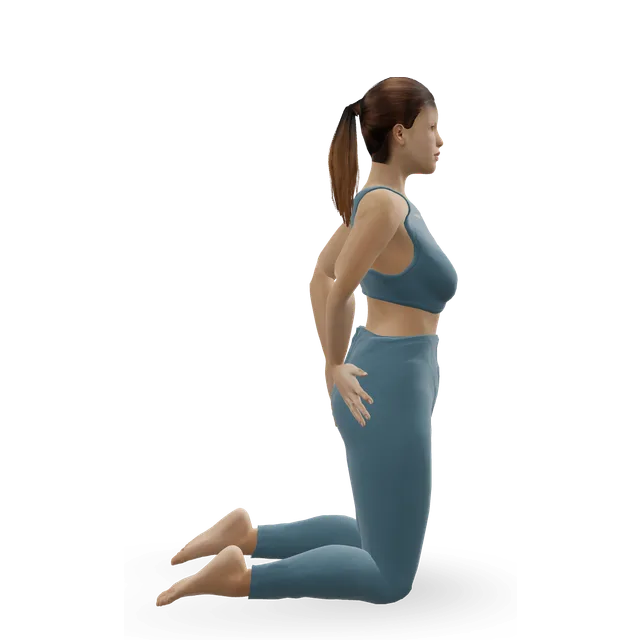 3D demoCamel pose (Ustrasana)Intermediate · No equipment
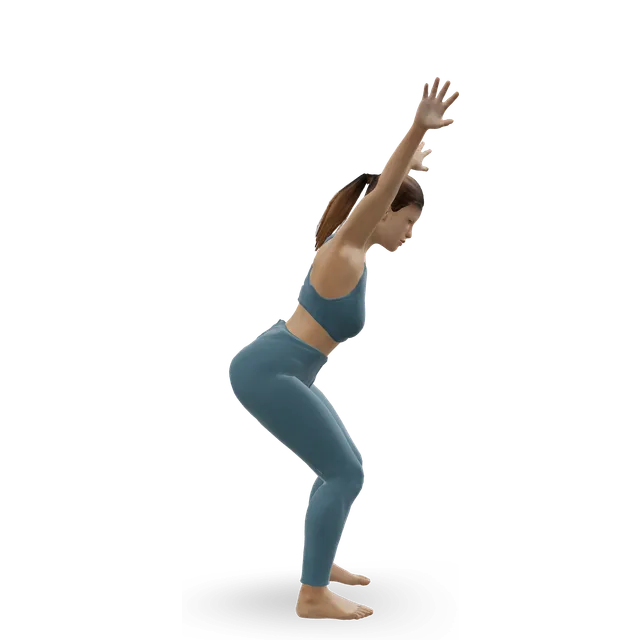 3D demoChair pose (Utkatasana)Beginner · No equipment
Browse more
Questions people ask
What muscles does the Drop-back to wheel (Urdhva Dhanurasana from standing) work?
Mainly the back and quads, with help from the hip flexors, abs, shoulders and glutes.
What equipment do I need for the Drop-back to wheel (Urdhva Dhanurasana from standing)?
A wall.
Is the Drop-back to wheel (Urdhva Dhanurasana from standing) good for beginners?
It is an advanced move. Build up to it with the Wheel pose (Urdhva Dhanurasana) first.
What is an easier alternative to the Drop-back to wheel (Urdhva Dhanurasana from standing)?
Try the Wheel pose (Urdhva Dhanurasana) or the Standing splits (Urdhva Prasarita Eka Padasana). It works similar muscles at a lower grade.