No yoga trial in baseball or softball
We found no trial of yoga in baseball or softball players. The college study often quoted had baseball players as the group that didn't do yoga.
Yoga guide
No trial has tested yoga in baseball or softball players, and stretching programmes don't prevent sports injuries. What protects a throwing arm most is limiting pitch counts, resting and never throwing with a tired or sore arm. Yoga's part is the rest of the body: turning through the upper back, hip range for the stride, endurance at the back of the shoulder, one-leg balance and calm breathing, the same kinds of moves as a 10-minute warm-up that nearly halved arm injuries in young players.
This guide covers what the game asks of the body, where players get hurt, when (and when not) to stretch the throwing shoulder, hips and the trunk, before or after practice, softball pitchers and young players, and a 25-minute class for non-throwing days. It ends with the warning signs every thrower should know, from a pop on the inside of the elbow to a knock to the head.
We found no trial of yoga in baseball or softball players. The college study often quoted had baseball players as the group that didn't do yoga.
Pitching with a tired arm was the strongest risk factor for arm injury in young pitchers, and more than 100 innings a year went with 3.5 times the risk of serious injury. Pitch counts and rest days come first, and yoga never counts as rest for a sore arm if it loads the arm.
In 237 players aged 9 to 11, teams doing a 10-minute warm-up of stretches, cat and dog, trunk rotation and one-leg balance had 1.7 shoulder and elbow injuries per 1,000 practices and games, against 3.1. Yoga can cover similar ground on non-throwing days.
Across 25 trials, stretching programmes didn't prevent sports injuries, and injured young pitchers didn't stretch any differently from uninjured ones. Keep long holds for after throwing.
In professional pitchers, too little outward rotation, not inward, went with shoulder injury, and in a trial strength training did at least as well as sleeper stretches. Cross-body stretch first, and the sleeper stretch only for a clear loss on one side, measured by a physiotherapist.
Experts describe throwing as a chain: the legs and trunk make the energy and pass it through the shoulder and elbow to the ball, so stiffness or weakness anywhere along the chain can show up as arm trouble (a narrative review). Hip and upper-back turning and one-leg control are where yoga can help.
Source 14
In professionals, pitchers had 34% more injuries than fielders, two-thirds of them in the arm. Across 83,215 professional injuries, hamstring strains were commonest, and the elbow's inner ligament (the ulnar collateral ligament, UCL) cost the most days out; it was the injury most likely to end a season. In US high schools, the shoulder took 17.6% of injuries, and pitchers had most of the shoulder and elbow injuries, mostly from overuse. Softball players had more injuries than baseball players in one high school study.
Most college windmill pitchers in one survey had been injured in a season, often at the shoulder or lower back. The windmill pitch isn't easy on the arm, and as of 2023 there were no official pitch limits in US or Canadian softball.
Being hit by a batted ball caused 11.6% of US high school injuries, and catchers were over-represented among fielding concussions in professional baseball.
Pitch counts, rest, a throwing programme and strength work carry the evidence. Yoga has no trial.
PubMed found 4 records for yoga with baseball or softball, and none was a trial of yoga in players. In the often-cited college study, 14 soccer players did yoga twice a week for 10 weeks and gained flexibility and balance, while 12 baseball players were the comparison group who didn't. Seven Minor League players who took yoga and mindfulness classes described using breathing to cope and feeling more aware of their bodies, in an interview study.
In Japan, 16 youth teams (237 players aged 9 to 11) were randomised to a 10-minute warm-up at least once a week for a year: a massage of the upper arm, forearm and shoulder stretches, a stretch for the back of the hip, cat and dog, trunk rotation, a sideways slide on one leg and an elbow-to-knee balance. Shoulder and elbow injuries were 1.7 against 3.1 per 1,000 practices and games, and hip turning and upper-back posture improved. One unblinded trial in children; it wasn't yoga.
Pitching with arm fatigue had pooled odds of 13.3 for injury, more than 100 innings a year went with 3.5 times the risk of serious injury over 10 years, and half of 9 to 14 year olds had elbow or shoulder pain in a season. In US high schools, rules requiring rest between pitching days went with about two-thirds fewer shoulder and elbow injuries.
Stretching didn't prevent injuries across 25 trials or in 1,538 army recruits, while strength training cut sports injuries to under a third. Stretching researchers agree it isn't an all-round injury prevention strategy, and long holds just before effort can cost a little power.
In a randomised trial of 113 high school pitchers, 9.8% of those doing daily outward-rotation strength holds were injured over 150 days, against 22.6% of those doing daily sleeper stretches. The trial was too small to show strength was better, only that it was at least as good.
Source 12
In 296 professional pitchers, too little outward rotation in the throwing shoulder went with 2.2 times the risk of shoulder injury, while lost inward rotation, total rotation and raising the arm didn't predict shoulder injury. Deficits of 5 degrees or more in total rotation or raising the arm forwards went with elbow injury. Pooled across professional pitchers, too little outward rotation had about twice the odds of injury.
Across 17 studies of overhead athletes, no shoulder range measure was clearly linked with injury; another review found a link in adults but not teenagers; a third found it in baseball. In high school players, losing 25 degrees or more of inward rotation went with 4 times the risk.
Where inward rotation is clearly lost, stretching gets back about 7 degrees (6 trials, 255 athletes), and the cross-body stretch did better than the sleeper stretch in one trial in non-throwers. In one study where high school pitchers chose their own groups, daily sleeper stretches went with fewer injuries, but in the randomised trial strength did at least as well. Experts warn the sleeper stretch can pinch the shoulder and suggest gentler versions.
Our rule, as on our baseball page: the cross-body stretch first, and the sleeper stretch only for a clear loss of inward rotation on one side, measured by a physiotherapist.
If you're hypermobile, don't use mobility work to push further: the NHS says "do not overextend your joints just because you can". See a GP if you think you have joint hypermobility syndrome: for example, your joints keep dislocating, or you keep getting sprains, strains, pain or stiffness.
Athletes with hypermobile joints had about 3 times the odds of shoulder injury, on low-quality evidence.
Stop an exercise, or shrink its range, if you get the feeling the shoulder is about to slip out (editorial).
In 353 junior players, a rounded upper back and a stiff elbow went with inner-elbow injury, but hip rotation didn't. In a programme that wasn't randomised, players whose lead-leg hip turned in further had fewer inner-elbow injuries, and the Yokohama warm-up improved that hip's turn. A 2026 review found only 1 to 4 degrees more hip rotation in healthy than injured young players, too small for a firm rule.
Turning the upper back both ways, the lead hip's inward turn and the back hip's front, one-leg control for the stride, and a calm upper back. Both sides, not only the throwing side.
Use the arm care warm-up on our baseball page before practice and games; short, moving stretches are fine, and holds of 30 seconds or more can wait.
Our 25-minute class, 1 to 3 times a week, fits a rest or mobility day (our editorial starting point). With a tired or sore throwing arm, keep the session to hips, legs, trunk and breathing until it has been checked (our suggestion).
Major League Baseball (MLB) and USA Baseball's Pitch Smart sets daily limits from 50 pitches at ages 7 and 8 to 105 at 17 and 18, rest days by the number thrown, no pitching on 3 days in a row, and at least 4 months off throwing every year. Our baseball page gives the full table.
Source 5
Gentle yoga can help balance and body awareness, and the warm-up trial in 9 to 11 year olds used similar moves. Pain or tiredness in the arm means stop throwing and get it checked, not stretch it.
With no official pitch counts, plan rest days and share the pitching. The same yoga suits windmill pitchers, with the shoulder work on both sides.
Source 22
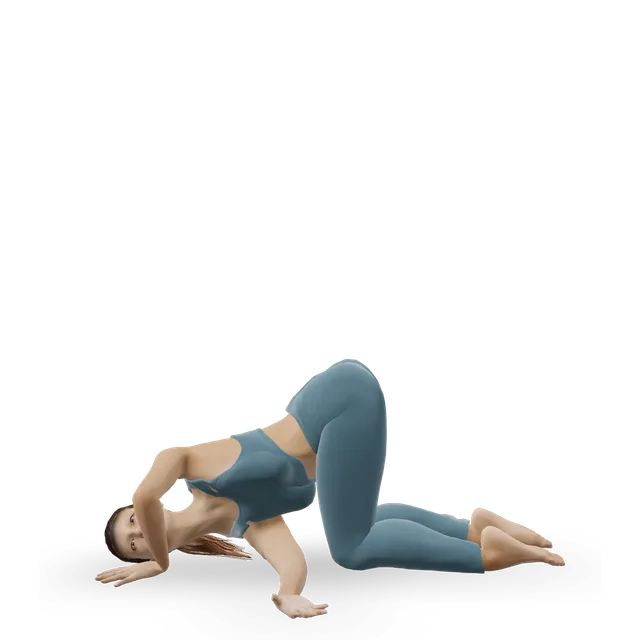
Cat-cow: "8 waves, slower than feels natural" (the move page's dose). Thoracic rotation: "6 rotations per side, moving with the breath" (the move page's dose). Open book: "8 to 10 slow openings each side, pausing 2 seconds at the end (our editorial starting point); ACE suggests 5 to 10." (the move page's dose). Thread the needle, 30 to 45 seconds each side, on your forearm if your wrist is sore (our yoga for tennis players class).
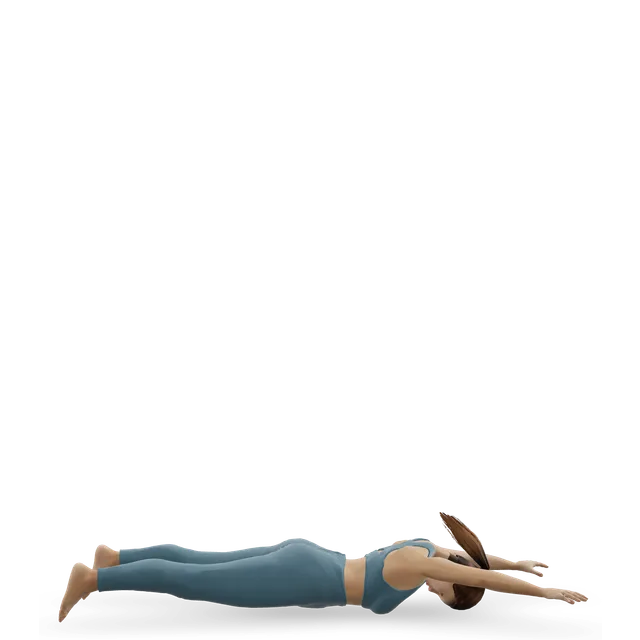
Y-T-W raises, 5 of each shape with your forehead on a towel, and locust with your arms reaching forward, 2 holds of 5 breaths (our yoga for tennis players class). Band turn-out with your elbow at your side, 2 sets of 12 each arm (our throwing arm strength workout). Prone swimmers: "4 or 5 slow circles, 2 rounds, resting between rounds (our editorial starting point)." (the move page's dose). Cross-body stretch only on a side a physiotherapist has found tight, 2 holds of 20 seconds, below shoulder height if the front pinches (our arm care warm-up); skip it with a loose shoulder. The sleeper stretch is left out of the class.
90/90 switch: "10 slow switches, pause at the ends" (the move page's dose). Hip airplane: "2 sets of 5 slow turns each leg (our editorial starting point); Squat University suggests 3 to 5 turns before standing up." (the move page's dose), holding a counter. Low lunge, 45 seconds each side, back knee padded (our yoga for tennis players class). Standing figure four, 2 holds of 20 seconds each side (our arm care warm-up). Half-kneeling hip flexor stretch, 2 mild holds of 30 seconds each side (our yoga for hip pain class).
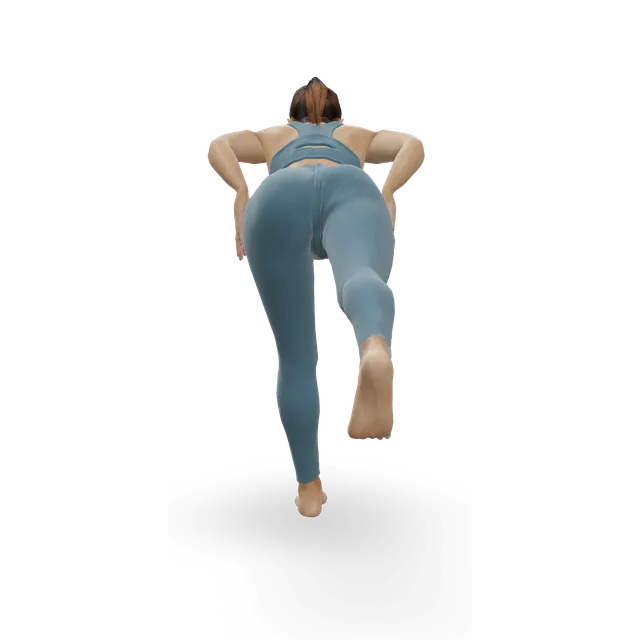
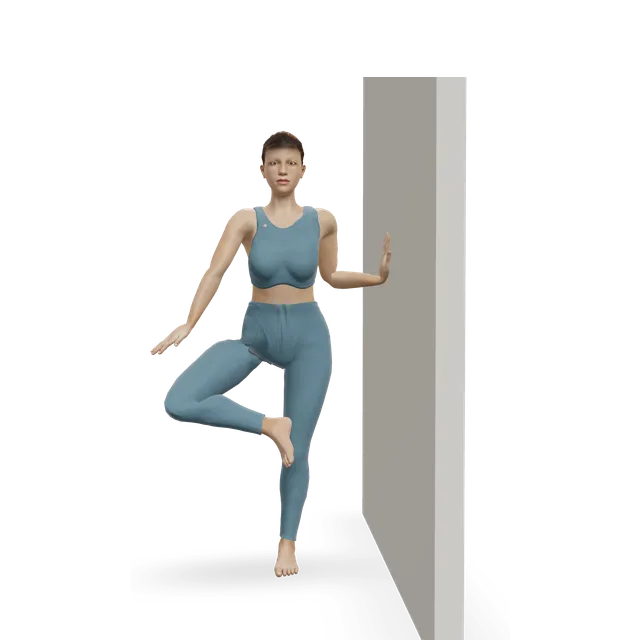
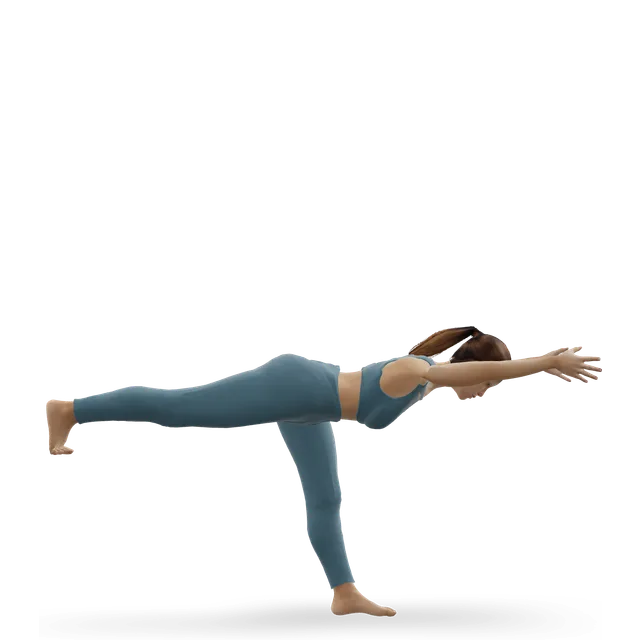
Sideways slide on one leg, 4 reaches each direction each leg, and elbow-to-knee balance, 8 touches each side (our arm care warm-up, as stand-ins for the Yokohama warm-up's balance drills). Warrior III with your hands on a wall, 3 to 5 breaths each side (our yoga for glutes class). Tree pose, 30 seconds each side, fingertips on a wall at first (our yoga for tennis players class).
Forearm stretch, palm up, 2 holds of 15 to 20 seconds each arm (our arm care warm-up). Lying twist, 45 seconds each side; corpse pose, 3 minutes (our yoga for tennis players class). Slow breathing, 2 minutes, in for about 4 and out for about 6 with no holds (our classes). Legs up the wall is optional after a long day on your feet, 2 minutes (our editorial starting point).
Leave the sleeper stretch out unless a physiotherapist has measured a clear one-sided loss. With a sore throwing shoulder or elbow, take chaturanga, crow and long planks at a wall or knees down, or skip them, until it has been checked (our suggestion). After a shoulder dislocation, no end-range overhead holds, binds or extended puppy until you're cleared. A teenager whose back hurts when arching leaves out wheel, bow and camel and gets it checked. Headstands and shoulder stands aren't needed for baseball.
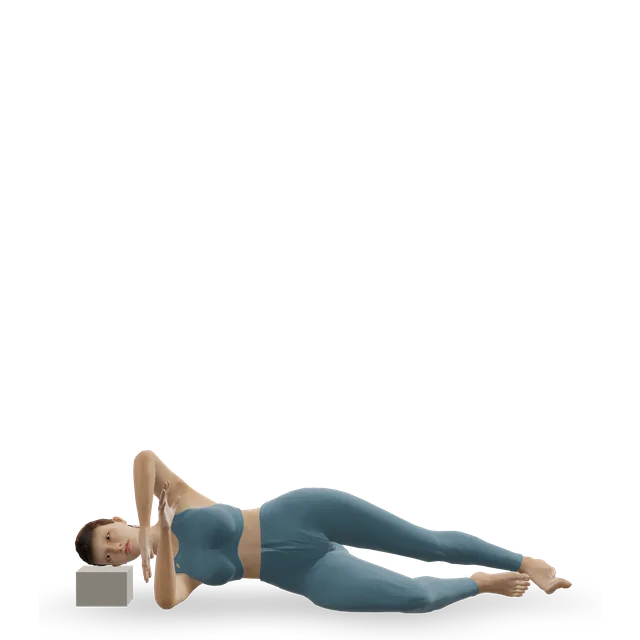 3D demoSleeper stretchIntermediate · No equipment
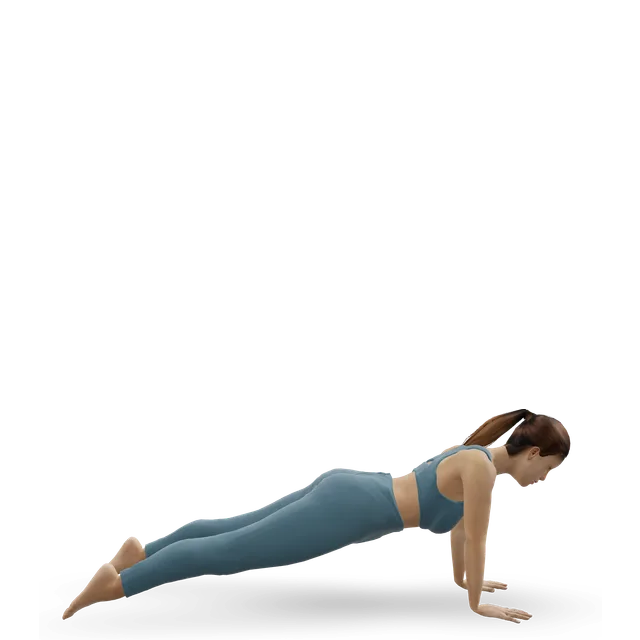 3D demoFour-limbed staff pose (Chaturanga Dandasana)Advanced · No equipment
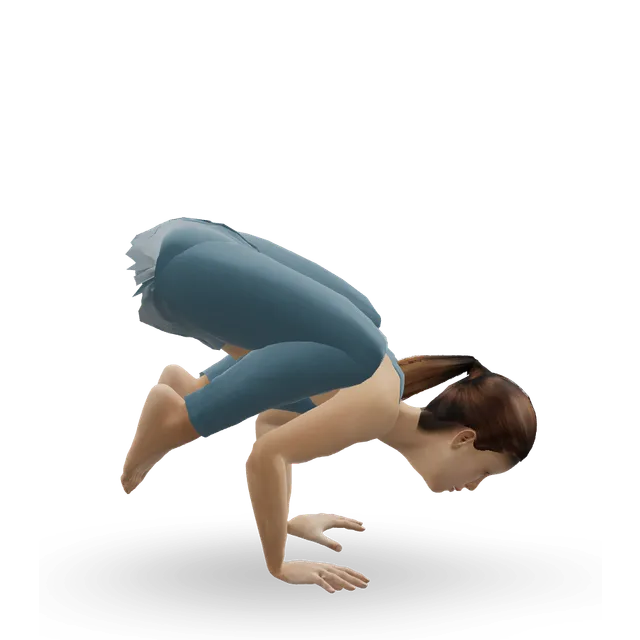 3D demoCrow pose (Bakasana)Intermediate · No equipment
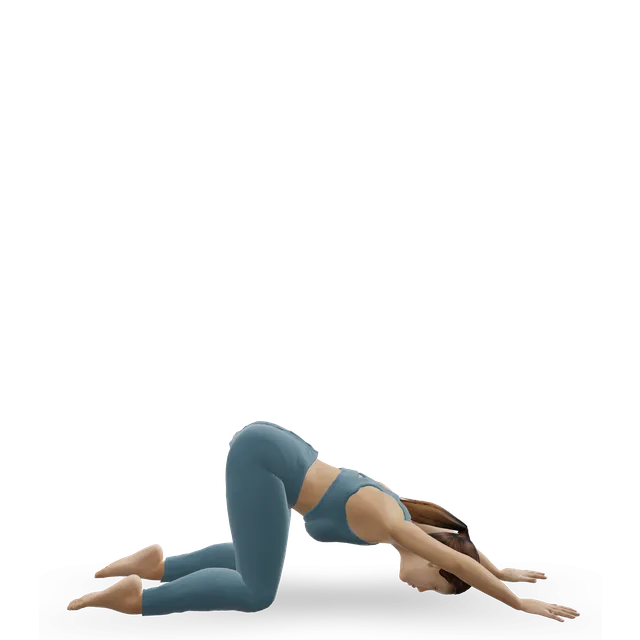 3D demoExtended puppy pose (Uttana Shishosana)Beginner · No equipment
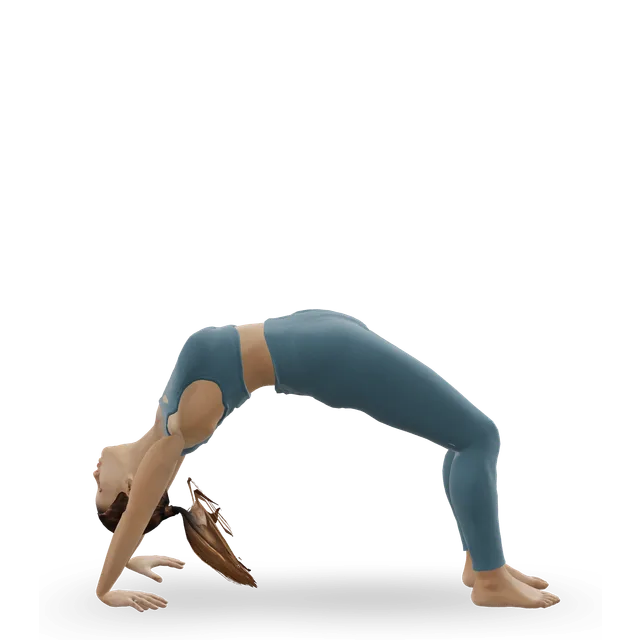 3D demoWheel pose (Urdhva Dhanurasana)Advanced · No equipment
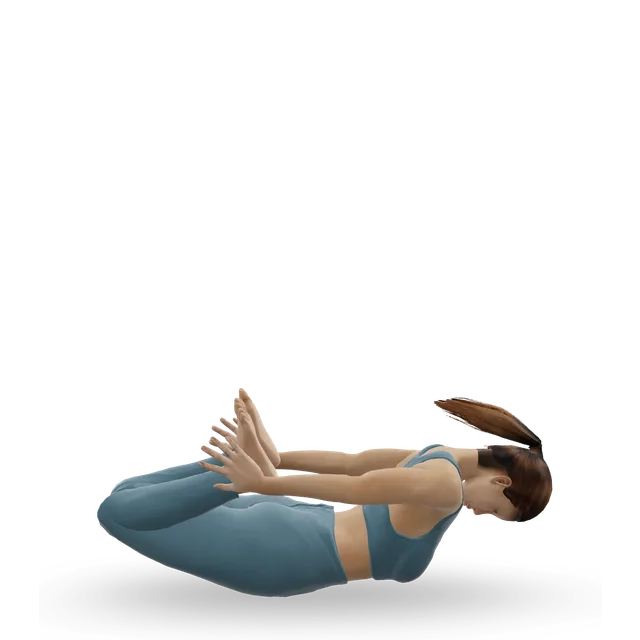 3D demoBow pose (Dhanurasana)Intermediate · No equipment
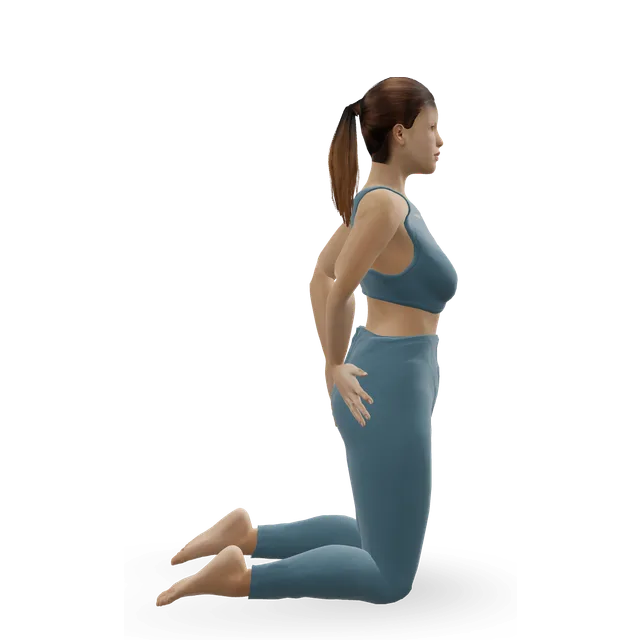 3D demoCamel pose (Ustrasana)Intermediate · No equipment
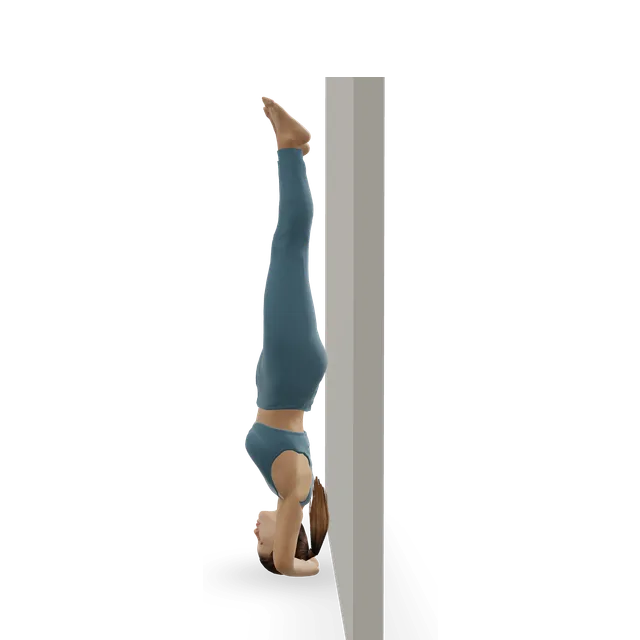 3D demoSupported headstand (Salamba Sirsasana)Expert · A wall
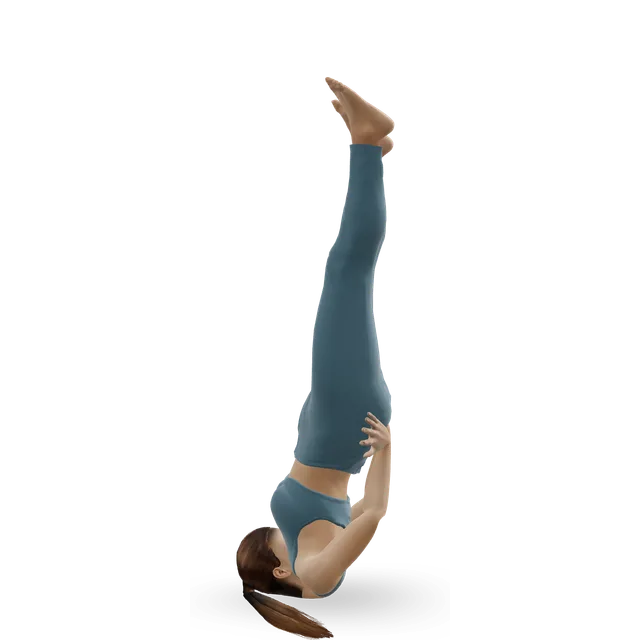 3D demoSupported shoulderstand (Salamba Sarvangasana)Advanced · No equipment
On non-throwing days or after practice, our 25-minute class for baseball and softball players: our own selection, inspired by the Yokohama warm-up, not the trial's programme. Before practice and games, the arm care warm-up; for strength, the throwing arm workout, twice a week out of season. Our yoga for tennis players class is an alternative, with similar rotation work and more balance poses.
A 25-minute yoga class for baseball and softball players on non-throwing days: trunk turning, the back of the shoulder, hips for the stride and one-leg balance.
25 minBeginner17 movesA band, An anchor pointA 12-minute arm care warm-up for baseball and softball, built on a Japanese youth programme: an arm massage, shoulder, forearm and hip stretches, and balance.
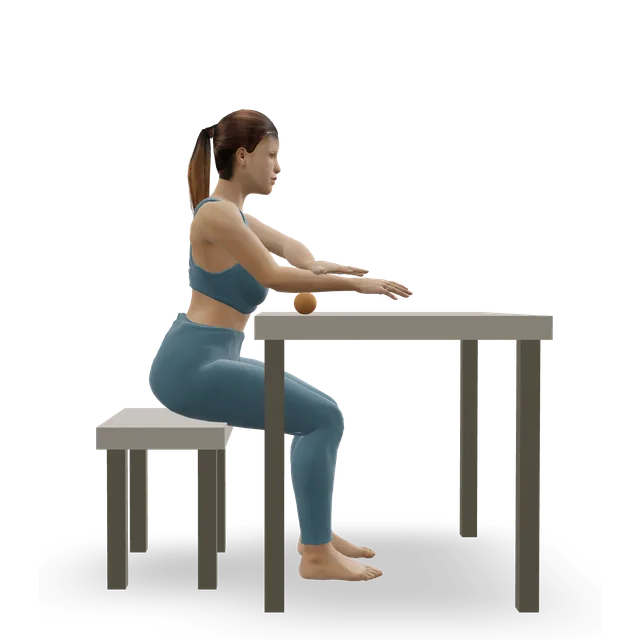
12 minBeginner9 movesA massage ball, A wallA 35-minute session for baseball and softball players: the five Shoulder Control exercises, rotator cuff and forearm work, medicine-ball throws and legs.
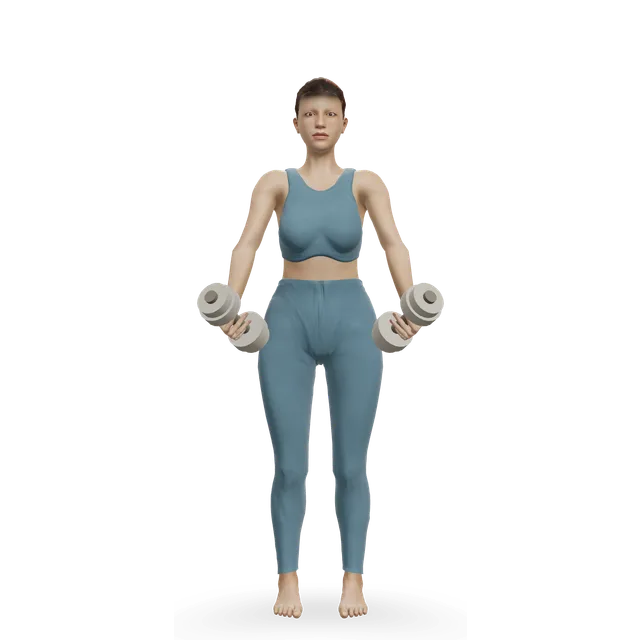
35 minIntermediate17 movesA dumbbell, A cable machineTwenty-five minutes of yoga for tennis and padel players: rotation both ways, shoulder blades, hips, one-leg balance and forearms, for non-match days.
25 minBeginner19 movesA wallA 25-minute band routine for healthy shoulders: move the shoulder and upper back through their range, then strengthen the rotator cuff and shoulder blades.
25 minBeginner12 movesA wall, A bandThese are the warning signs from our elbow, shoulder and baseball guides, word for word. This is general information, not a diagnosis. A&E means accident and emergency; in the US, call 911 for 999.
Same day (NHS 111, or your team doctor): a pop on the inside of the elbow while throwing, with sudden pain, especially if you can't carry on throwing or the elbow feels loose. Stop throwing and get it checked.
Same day (A&E or an urgent treatment centre): a sudden pop or sharp pain on the inside of the elbow during a throw, followed by pain, swelling or bruising, or an elbow that won't straighten. The growth plate bump can pull away (an avulsion fracture), and an X-ray shows how far it has moved.
Go to A&E or call 999 if you've injured your arm and it is numb, tingling or has pins and needles; a bone is sticking out or a bad cut is bleeding heavily; or the arm or elbow has changed colour or shape, or is at an odd angle. Don't drive yourself.
Urgent treatment centre or A&E: severe pain in your arm and it's difficult to move; you've injured your arm and heard a snap, or your arm has changed shape; or your arm tingles or feels numb.
Source 44
Source 45
Call 999 or go to A&E: after a fall or injury, your shoulder looks out of place or has changed shape, you cannot move your arm, or your shoulder is painful, bruised or swollen. Do not drive yourself, and do not try to put it back in yourself.
Same day (GP or NHS 111): sudden weakness lifting the arm after an injury or fall. A rotator cuff tear caused by an injury needs urgent referral to a shoulder specialist. After a dislocation in anyone over 40, the rotator cuff should be checked: about 40% have a tear.
Call 999 if someone has hit their head and has been knocked out and hasn't woken up, can't stay awake or keep their eyes open, has a fit, has fallen from a height of more than 1 metre or 5 stairs, has problems with their vision or hearing, has clear fluid coming from their ears or nose, has new numbness or weakness, has problems with walking, balance, understanding, speaking or writing, hit their head at high speed, or their behaviour has changed. Get help from NHS 111 if they're being sick, feel dizzy or take medicine that thins the blood. If you're told to go to A&E (accident and emergency), don't drive yourself there if you have hit your head.
With a suspected concussion, if in doubt, sit them out. The UK's grassroots guidelines say no sport for at least 24 hours, get checked by a healthcare professional or NHS 111 within 24 hours, follow a staged return, and no competition before day 21; if symptoms last beyond 28 days, stay out of sport and see a doctor. Yoga waits too: gentle breathing fits the early, light-activity stages, and no head-down poses or inversions until you're cleared (our reading). Our concussion guide has the stages.
If a player collapses and isn't breathing normally: call 999, start CPR straight away and send someone for a defibrillator.
Call 999 if:
Back pain that is worse arching back and has lasted more than a couple of weeks can be a stress fracture of the spine (spondylolysis): get it checked.
A joint pain that is sharp, gets worse during a session, lingers into the next day or changes how you move is a reason to use an easier version, and to see a GP or physiotherapist if it keeps happening (the rule in our plans). Muscle soreness for a day or two after something new is normal. In a hot class, stop if you feel dizzy, sick or unwell; our hot yoga guide lists the signs of heat illness.
Stop for sharp pain, a feeling that the shoulder is slipping, pins and needles or numbness down the arm, or pain that is still worse by your next session after strengthening.
You can say no to any hands-on adjustment, and a teacher registered with Yoga Alliance must get your explicit consent each time.
The NHS advises getting advice from a healthcare professional first if you have a health problem, an injury or symptoms, or have recently had a heart attack or an operation.
No trial has tested it, and the college study often cited used baseball players as the group without yoga. The nearest evidence is a warm-up trial in children.
Stretching didn't prevent injuries across 25 trials or in 1,538 recruits, and injured pitchers didn't stretch differently. Warm up actively; hold stretches after.
Lost inward rotation alone didn't predict shoulder injury in professionals, strength did at least as well in a trial, and the stretch can pinch. Keep it for a measured loss on one side.
Hypermobile athletes had about 3 times the odds of shoulder injury, and in professional pitchers it was too little outward rotation, not too little stretch, that went with shoulder injury.
No study in players has tested it. Hip and trunk turning can be worked at normal room temperature, and bat speed comes from strength and power training.
Source 1
It can add trunk rotation, hip range, shoulder-blade endurance, one-leg balance and calm breathing on non-throwing days. No trial has tested yoga in baseball or softball players, so it goes alongside pitch counts, rest and strength work, not instead of them.
Upper-back twists, cat-cow, shoulder-blade lifts lying face down, hip moves like low lunge and 90/90, and one-leg balances. They're similar to a 10-minute warm-up that nearly halved arm injuries in young players, which wasn't yoga.
Only for a measured loss. Too little outward rotation, not inward, went with shoulder injury in professional pitchers, and strength work did at least as well as sleeper stretches in a trial. A physiotherapist can measure your range.
Use them only for a clear loss of inward rotation on one side, and gently: they can pinch the front of the shoulder. Try the cross-body stretch first.
No trial has shown it. Stretching programmes in general don't prevent sports injuries; the strongest protection is limiting pitch counts, resting and not throwing with a tired or sore arm.
Before, use an active warm-up like the arm care routine on our baseball page; long holds can wait. Yoga fits after practice or on non-throwing days.
The same ideas apply, and the windmill pitch loads the shoulder hard too. Softball has no official pitch counts, so plan rest days and share the pitching.
Some do, but no trial has tested yoga in professional players. In one interview study, 7 Minor League players who took yoga and mindfulness classes described using breathing to cope and feeling more aware of their bodies.
Gentle yoga can help balance and body awareness, and a trial in 9 to 11 year olds used similar stretches and balance drills. For children, Pitch Smart's limits and rest days matter most.
Hip range, upper-back movement and one-leg balance suit the catcher's squat and throw, though no study has tested it. Catchers are over-represented in fielding concussions, so a knock to the head means stopping and getting checked.
No study has tested it. Turning through the trunk and hips is part of the swing, so rotation work may feel useful, but strength and power training is what has been tested for bat speed.
A pop on the inside of the elbow, tingling in the ring and little fingers, a shoulder that slips out, or losing speed and control with pain all need checking. Stop throwing first; a young player should see a GP or physiotherapist.
Exercise education, not a personal prescription, and clinical review of these guides is pending. If you are pregnant, have a health condition such as glaucoma, high blood pressure or osteoporosis, or have had recent surgery, check with a doctor, midwife or physiotherapist before starting, and stop for sharp or increasing pain. Health disclaimer.