Yoga guide

Yoga for opening the chest: the chest, shoulders and upper back, posture and breathing claims, the evidence, and a class

Chest-opening poses, or heart openers, stretch the front of your chest and shoulders and bend your upper back backwards. They feel good and keep your shoulders and upper back moving, but stretching on its own hasn't been shown to change posture, and no study has tested whether backbends open your lungs or release emotions. What changes posture a little is strengthening the upper back, so a good chest-opening practice pairs the stretches with back lifts.

If you have chest pain, this isn't the page for it: the signs to call 999 come first, below. This guide covers what opens when you open the chest, what chest stretches can and can't change, posture and pain, breathing and mood, safe backbends and osteoporosis, the poses to start with and the ones to change, and a free 25-minute class with a 3D demo of every pose.

Chest pain first

Yoga isn't a treatment for chest pain. These are the site's own lines, word for word; the full warning signs are at the end of this guide.

Chest pain: call 999

Call 999 if:

  • You get sudden pain or discomfort in your chest that doesn't go away; it can feel like squeezing or pressure, burning or indigestion.
  • The pain spreads to your left or right arm, or your neck, jaw, stomach or back.
  • You have chest pain and feel sweaty, sick, light-headed or short of breath.
  • Someone faints while exercising, can't be woken within 1 minute, or has chest pain or a pounding, fluttering or irregular heartbeat.

Sources 1, 2

Chest pain that comes and goes

Get help from NHS 111: pain or tightness in your chest, neck, shoulders, jaw or arms that comes and goes, often brought on by exercise, stress, emotion or cold and easing after a few minutes' rest. It can be angina, a sign of a heart problem. If you've been diagnosed with angina, get help from NHS 111 too if it feels worse than before, is happening more often, lasts longer or happens when you're resting.

Source 1

Even if it's sore to press

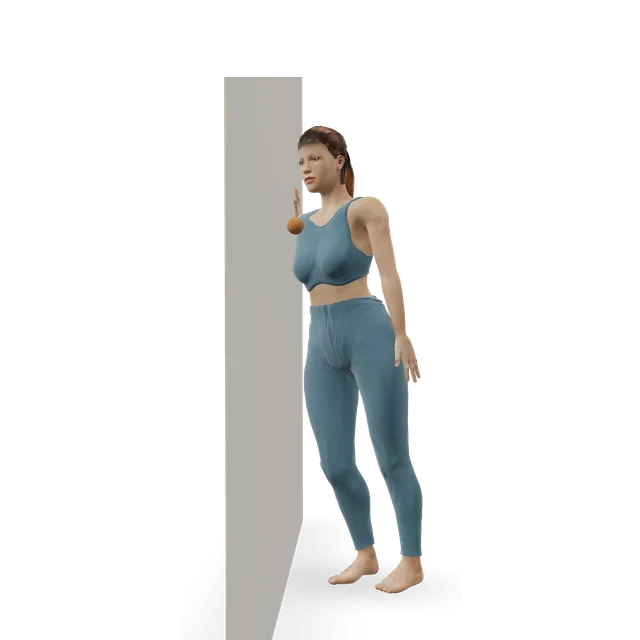
The chest ball release's page says: "Never use it for chest pain, which needs checking first, even if the chest is sore to press." The same goes for every stretch on this page.

The short version

Opening the chest means two things

Stretching the front of the chest and shoulders, and bending the upper back backwards. The upper back bends back less than it moves any other way, about 13 degrees, and further on all fours or lying face down than standing.

Sources 3, 4

Chest stretches lengthen the muscle while you hold them, not for good

The small chest muscle lengthened about 2 cm during a one-arm stretch, but at normal doses, weeks of stretching didn't change its resting length in small studies, and adding it to a shoulder programme added nothing. Contract-relax stretching and very high doses did more.

Sources 5, 6, 7, 8, 9

Stretching hasn't been shown to change posture; strengthening has

Across 23 studies, stretching programmes had no effect on posture, while strengthening improved the upper back and neck, and 20 stretching researchers agreed not to recommend stretching for posture.

Sources 10, 11

Backbends haven't been shown to open your lungs

Sitting upright rather than slumped helps breathing measures in the moment, but we found no study of backbends or chest openers on lung function, and yoga's lung gains in healthy people come with breathing practice.

Sources 12, 13, 14, 15

Heart openers don't release stored emotions

We found no study testing that idea. Backbends, forward bends and neutral poses all shifted mood a little in short studies, and slumping lowers mood more than opening up lifts it.

Sources 16, 17, 18

Backbends are safe for most people, built up gently

Yoga was as safe as usual care and other exercise across 94 trials, the practices most often linked with injuries were handstands, shoulder stands and headstands, and with osteoporosis, gentle back strengthening is recommended. Keep the neck long and the backbend moderate.

Sources 19, 20, 21

What opens: the chest, shoulders and upper back

The chest muscles

The big chest muscle (pectoralis major) runs from the breastbone and collarbone to the upper arm; the small chest muscle (pectoralis minor) runs under it, from the ribs to the front of the shoulder blade. Both draw the arms and shoulders forward, and both stretch when the arms go back or out to the side, as our pectoralis major and minor pages explain.

The upper backEmerging evidence

In adults without symptoms, the upper back bends back about 13 degrees, against about 40 for twisting and 21 for bending forward, and every direction falls by about 5 degrees a decade while the curve rises about 3 degrees a decade. In 40 young adults, it bent back further on all fours or lying face down than standing, which is where cat-cow, sphinx and cobra work.

Sources 3, 4

Rounded shoulders and a rounded upper backEmerging evidence

Rounded shoulders, a forward head and a rounded upper back are related shapes that can come alone or together. A rounded upper back above 40 degrees (hyperkyphosis) affects about 20% to 40% of older adults. Shorter chest muscles go with it, but it isn't known which comes first.

Source 22

"Tight pecs" are hard to measureEmerging evidence

The usual lying test of the small chest muscle is repeatable, but people without symptoms averaged about 6 cm against a textbook normal of 2.6 cm or less, so almost everyone would fail it. A 2026 review found too little evidence to recommend any test of its length.

Sources 23, 24

What chest-opening poses are

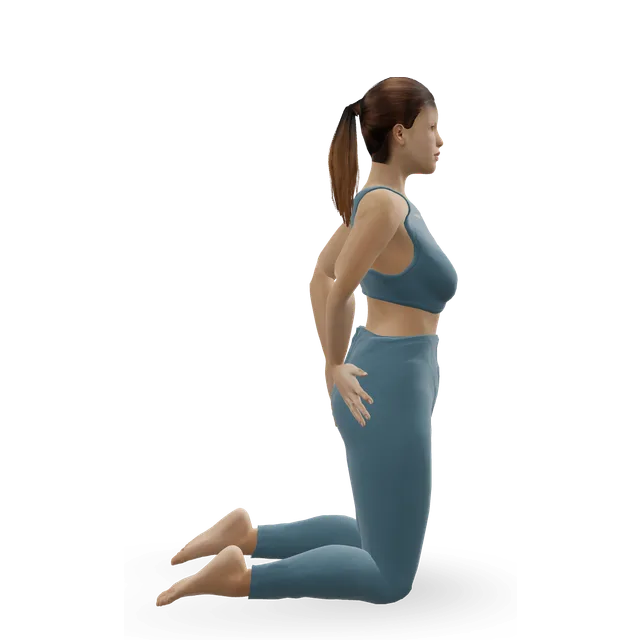
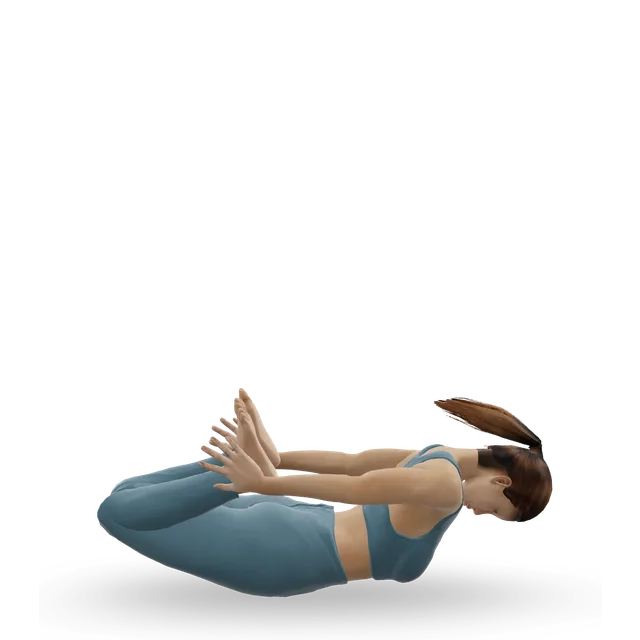
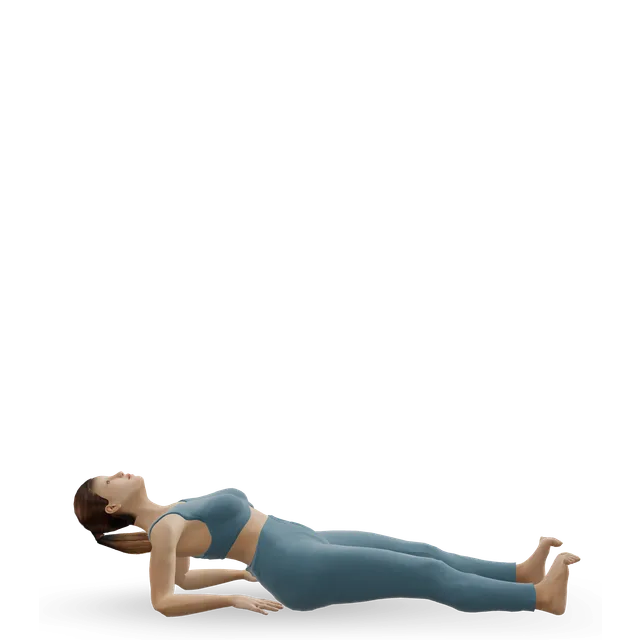
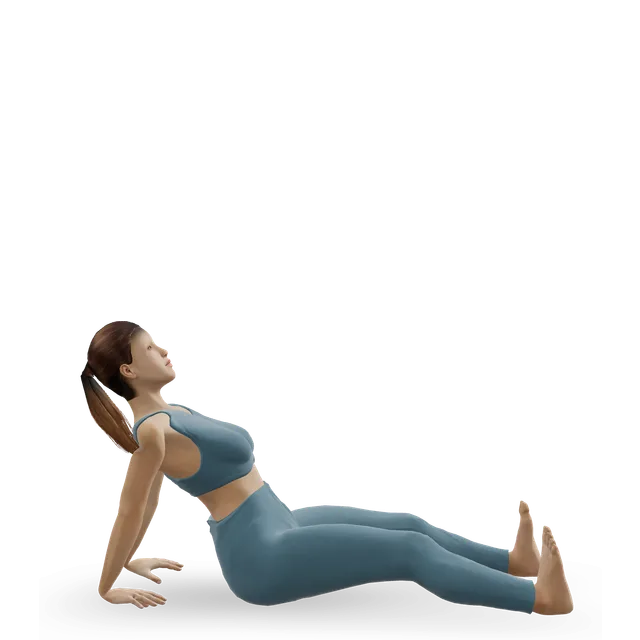
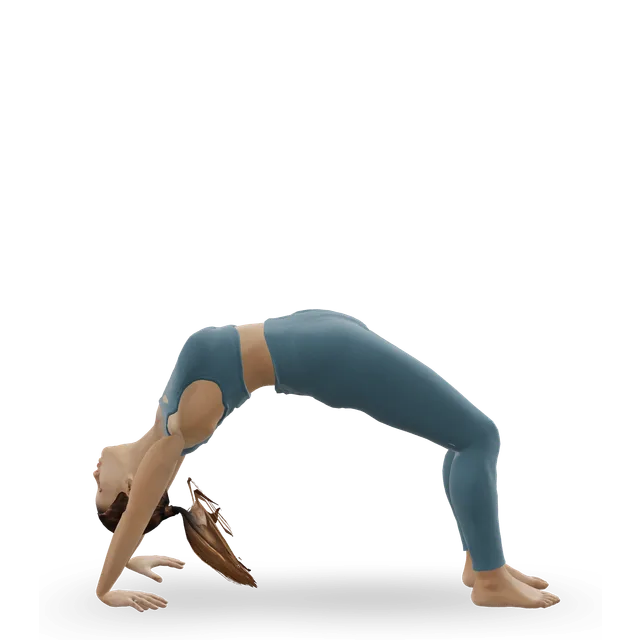
Floor and wall stretches (a doorway stretch, arms out on the floor), supported openers (lying over a block, supported bridge, reclining bound angle, fish), backbends lying face down (sphinx, low cobra, cobra, locust, bow), kneeling and standing backbends (camel, dancer) and full backbends (upward dog, wheel). Backbends lying face down work the back muscles; supported openers are passive.

What the evidence says: chest stretches

In the momentEmerging evidence

In 50 people, the small chest muscle lengthened 2.24 cm during a one-arm self-stretch, 1.69 cm in a lying partner stretch and 0.77 cm in a sitting partner stretch.

Source 5

Over weeks, at normal dosesEmerging evidence

In 50 people, 25 of them with shoulder pain, 6 weeks of daily stretching didn't change the small chest muscle's length or how the shoulder blade moved, in a study that wasn't randomised. Across 6 small trials, held stretching alone had no effect on its length, while contract-relax stretching (tensing the muscle, then stretching further) raised it. In 80 adults with shoulder pain, adding the stretch to 12 weeks of exercise gave no extra benefit.

Sources 6, 7, 8

Very high doses add rangeEmerging evidence

Stretching on a board for 15 minutes a day, 4 days a week for 8 weeks, improved a shoulder range test by 8.9%, against 2.4% with chest strength training, and the authors say its practical use is limited.

Source 9

Keeping itEmerging evidence

Range from regular stretching stays above where you started 2 to 6 weeks after you stop, but falls a little from its peak.

Source 25

What the evidence says: posture

Stretching didn't change posture; strengthening didStrong evidence

Across 23 studies of 969 healthy people, neither one-off nor regular stretching changed posture, while strengthening improved the upper back and neck and did better than stretching, with moderate certainty from small trials. A 2025 panel of 20 stretching researchers agreed unanimously not to recommend stretching to change posture.

Sources 10, 11

Combined programmes change angles, not clearly painEmerging evidence

Across 28 trials of corrective exercise for rounded shoulders and a forward head, mostly stretching plus strengthening, head and shoulder angles improved, but pain and function didn't consistently, and most trials had no follow-up. In 10 trials of people with neck pain, exercise improved the head and neck angle by about 3 degrees, with a small, low-certainty effect on pain. In one school trial, posture gains held 16 weeks after the programme stopped.

Sources 26, 27, 28

What to strengthenEmerging evidence

Of 15 held poses measured in 20 women, locust with the arms reaching forward worked the middle and lower trapezius hardest (the lower part at 56.8% of its maximum). Pair chest openers with back lifts, rows and wall angels on at least 2 days a week.

Source 29

Older adults' upper backsEmerging evidence

In the one yoga trial, 6 months of classes for 118 adults aged 60 and over didn't change the main kyphosis measure, though two others improved by about 4% to 5%. Spine-strengthening exercise reduced the curve by 3 degrees in 99 older adults, and exercise improved kyphosis by a small amount across 24 studies.

Sources 30, 31, 32

No yoga trial of rounded shoulders

We found no published controlled trial of yoga for rounded shoulders, a forward head or chest muscle length; two registered trials have posted no results.

Source 33

Posture and pain are only loosely linkedMixed evidence

Upper-back rounding didn't differ between people with and without shoulder pain, and adults with neck pain held the head only slightly further forward, in studies that compared people at one time. The Chartered Society of Physiotherapy says "There is no perfect posture" and "Your best posture is your next posture".

Sources 34, 35, 36

Breathing and "opening the lungs"

Sitting tall helps in the momentEmerging evidence

Across 43 studies, lung measures were higher in more upright positions. Slumped sitting lowered lung capacity and flow in 70 people, and a breathing muscle test in 35 young men.

Sources 37, 13, 14

A rounded back over yearsEmerging evidence

In 323 adults aged 65 and over, a rounded upper back went with breathlessness and lower lung volumes, and in women followed for 16 years, more rounding went with a faster fall in lung function. These are links, not proof that changing the curve changes breathing.

Sources 38, 39

Backbends and the lungs: no study

Our searches found no study of backbends or chest openers on lung function. One registered trial of bridge pose in asthma has posted no results.

Source 12

What movement and breathing practice doEmerging evidence

One session of upper-back mobility exercises didn't improve breathing in 15 adults. In 61 students, chest expansion rose as much with Pilates, breathing exercises or interval training as with yoga. In healthy people, yoga's lung gains came after at least 10 weeks and were linked to time spent on breathing practice, not poses. Our yoga for lungs guide covers breathing conditions.

Sources 40, 41, 15

Heart openers and mood

Slumping lowers mood more than opening up lifts itEmerging evidence

Across 73 studies, slumped postures lowered mood more than open postures raised it, compared with neutral ones. Sitting upright rather than slumped raised self-esteem and mood under stress in 74 people.

Sources 17, 42

Backbends against other posesMixed evidence

In 64 practitioners, backbends raised calm and active feelings while forward bends raised others, and in 40, backbends and forward bends changed heart rate variability equally. In 11 students with no comparison group, backbend classes went with larger rises in positive mood. In 82 students, whether a pose left the front of the body open made no difference, and those open poses weren't backbends.

Sources 18, 43, 44, 45

Stored emotions: no study

We found no study testing whether backbends release emotions stored in the chest; the idea comes from yoga tradition. Yoga can be part of looking after your mood, and our yoga for depression and anxiety guides cover it.

Source 16

Safe backbends, the neck and osteoporosis

About as safe as other exerciseStrong evidence

Across 94 trials of 8,430 people, yoga was as safe as usual care and other exercise. In 1,702 German practitioners, there were 0.6 injuries per 1,000 hours of practice, and handstands, shoulder stands and headstands were the practices most often involved.

Sources 19, 20

The neckMixed evidence

Rare case reports link poses that drop the head far back with reduced blood flow to the back of the brain, including a 2026 case of dizziness and sight problems in upward dog. Keep the back of the neck long, and come out at once for dizziness, blurred vision or a sudden headache, as the fish and wheel pages say.

Sources 46, 47

The lower backMixed evidence

In one clinic's 89 people injured in yoga, extreme bending forward and back were the movements most often involved, and repeated deep arching of the lower back is a known stress fracture risk in diving, weightlifting and gymnastics, though no study has measured it in yoga. Let the backbend come mostly from the upper back and hips (our suggestion).

Sources 48, 49

Osteoporosis: back strengthening is encouragedStrong evidence

The UK consensus recommends exercises to strengthen the back, with each lift held 3 to 5 seconds, 3 to 5 times, at least twice a week, and says sustained, repeated or end-range bending forward should be modified or avoided. The Royal Osteoporosis Society's posture page warns about bending forward and curling, not gentle back extension.

Sources 21, 50

Breathe and warm up

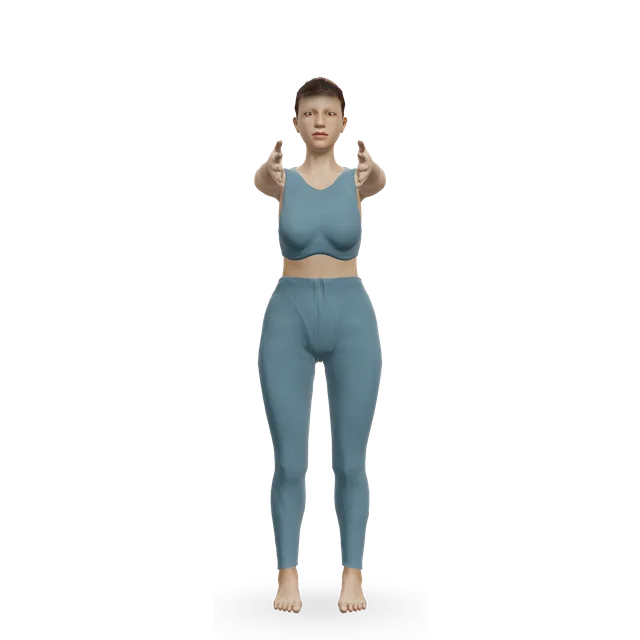
Slow breathing 2 minutes, sitting tall (our yoga for shoulders class). Breath reach: "5 breaths, exhale longer than inhale" (the move page's dose). Cat-cow: "8 waves, slower than feels natural" (the move page's dose). Dynamic chest stretch, optional: "5 to 10 swings, once or twice through, as part of a warm-up (our editorial starting point)." (the move page's dose).

Stretch the chest and the front of the shoulders

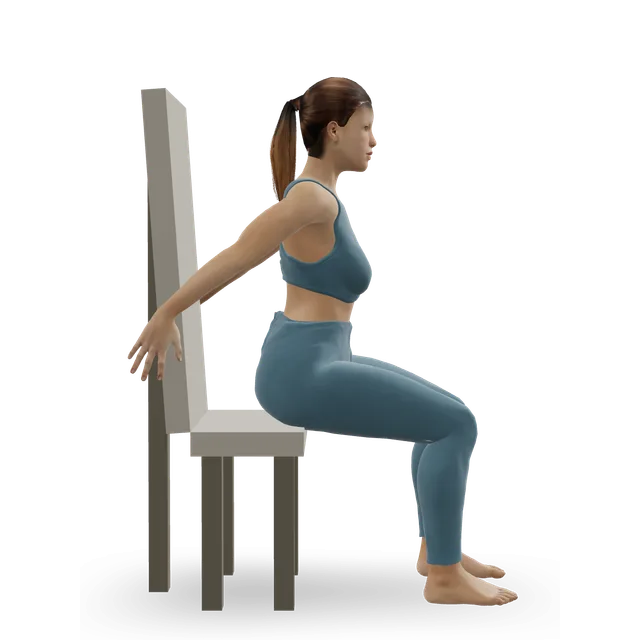
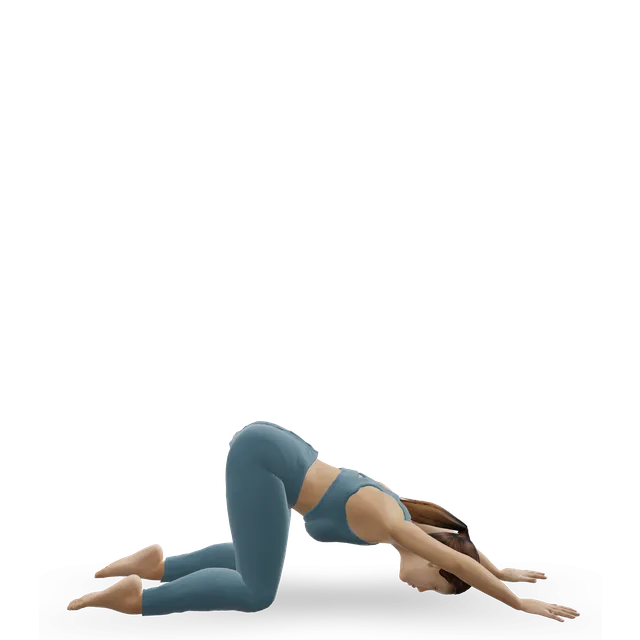
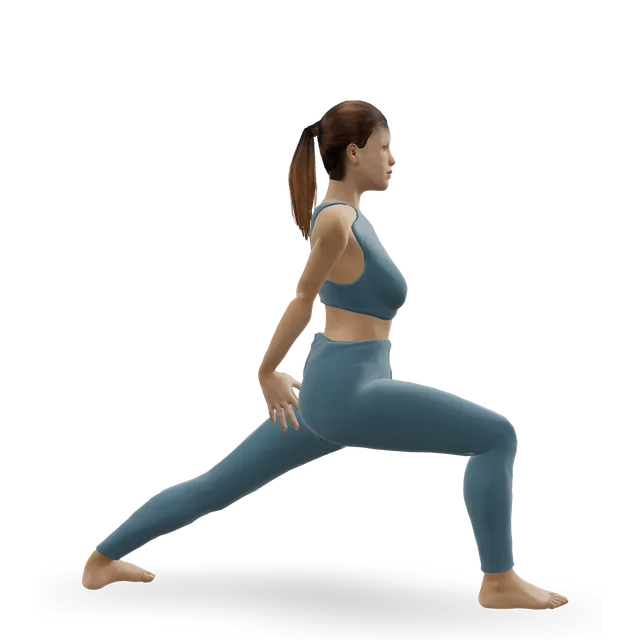
Doorway chest opener 2 holds of 30 seconds each side, elbow at shoulder height (our chest release routine). Chair chest stretch: "Hold 15 to 30 seconds, 2 to 4 times: about 60 seconds in all per stretch, on 2 or more days a week, as the ACSM recommends." (the move page's dose; the ACSM is the American College of Sports Medicine). Extended puppy pose 3 to 5 slow breaths (our editorial starting point, as on our yoga for shoulders guide). Humble warrior, optional, 3 breaths each side with soft elbows (our editorial starting point).

Move the upper back

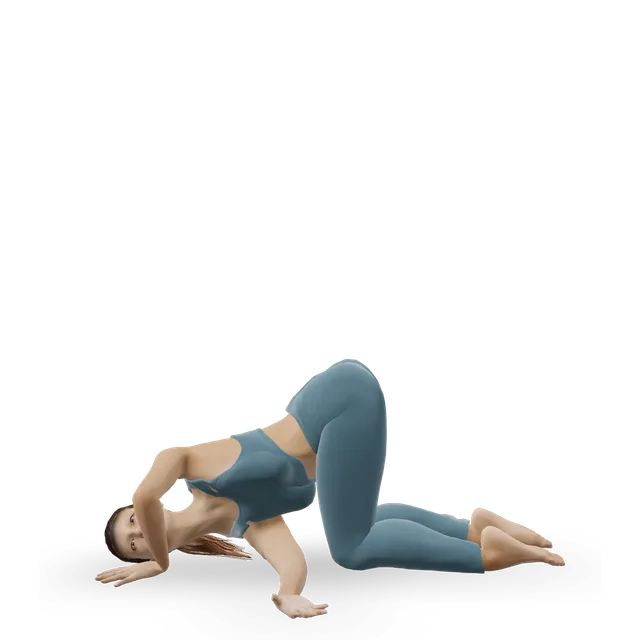
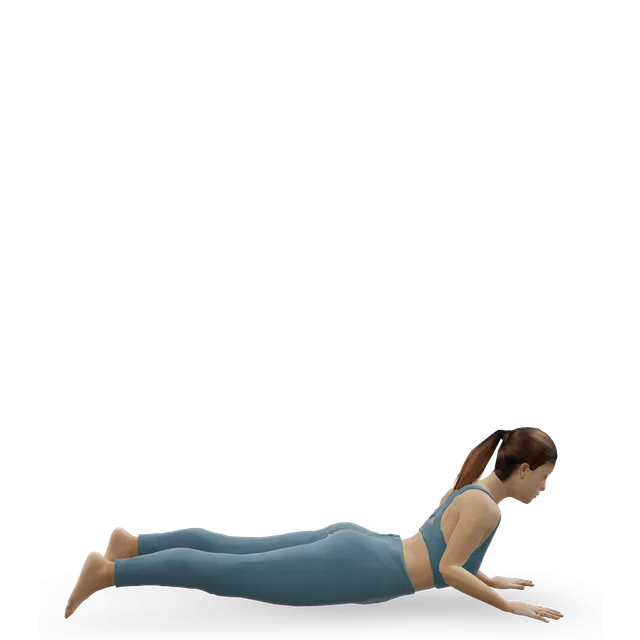
Thread the needle: "Hold 30 to 60 seconds, about 5 to 10 slow breaths, each side, 2 rounds (our editorial starting point)." (from the move page's dose). Open book: "8 to 10 slow openings each side, pausing 2 seconds at the end (our editorial starting point)" (from the move page's dose). Foam roller, optional: "5 to 8 slow breaths at each of 3 or 4 spots along the upper back (our editorial starting point)" (from the move page's dose). Sphinx 2 holds of 3 to 5 breaths (our yoga for posture class).

Strengthen the upper back

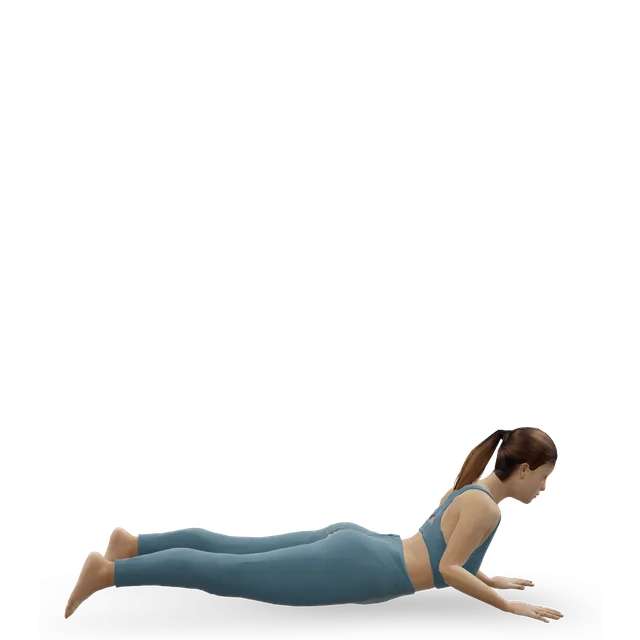
Low cobra 5 lifts and locust 3 to 5 lifts, each held 3 to 5 seconds (our yoga for posture class). Y-T-W raises 2 rounds of 5 of each letter, light, and wall angels 8 slow reps (our chest release routine). Band row, optional: "3 sets of 10 to 15, stopping 2 to 3 reps short of failure, with 60 to 90 seconds' rest" (from the move page's dose).

Supported openers and rest

Supported bridge: "Rest 3 to 5 minutes on the block, the time Yoga Journal suggests, breathing slowly through your nose." (the move page's dose). Reclining bound angle: "Rest 2 to 5 minutes with a support under each thigh (our editorial starting point)." (from the move page's dose). Crocodile breathing, optional, 3 minutes (our yoga for asthma class); corpse pose 2 to 3 minutes (our editorial starting point).

Deeper backbends, for experienced students

Not needed for chest opening, and each page carries neck, lower back, wrist or shoulder cautions. Fish pose: "Hold 15 to 30 seconds, the hold Yoga Journal gives, 2 rounds, resting on your back in between." (the move page's dose), with your forearms carrying the load.

Poses to change or leave out

Tingling in the arm

The Chartered Society of Physiotherapy's chest stretch says: "You should not feel pain or tingling in your arms". A stretch is a clear pull across the chest or the front of the shoulder; tingling or numbness into the arm or hand means ease off or come out, and a pinch at the front of the shoulder means bring the arm lower (our suggestion).

Source 36

A shoulder that has dislocated or feels loose

The doorway chest opener's page says: "After a shoulder dislocation, start with the elbow low and stop at any feeling of the shoulder slipping." Wheel's page says: "With a history of shoulder dislocation, choose bridge pose instead." Leave out shoulder dislocates with a strap, which its page says to leave out "after a dislocation or with an unstable shoulder, a frozen shoulder or rotator cuff pain."

The neck

Fish pose's page says: "Skip it with a neck injury or cervical spondylosis, with migraine, or with uncontrolled high or low blood pressure." Camel's says: "do not drop your head back if your neck complains". In every backbend, let your head follow your spine rather than dropping back (our suggestion).

Sources 46, 47

Low back pain that sharpens with arching, or spinal stenosis

Low cobra's page says: "Skip it with spinal stenosis, where bending back narrows the space for the nerves." and "Ease off if you have current low back pain that sharpens with arching, and stop if symptoms travel into a leg."

Osteoporosis

The foam roller's page says: "Clear it first if you have osteoporosis." Back lifts such as locust are what the UK consensus recommends; keep forward folds to a flat-back hinge.

Source 21

After chest, breast or heart surgery, or with a pacemaker, port or implants

The chest ball release's page says: "Skip it over breast implants, a pacemaker or port, after recent chest or shoulder surgery, or with a recent rib injury." The band row's page says: "After heart surgery through the breastbone, or a heart or lung transplant, follow your surgeon's advice before pushing, pulling or lifting with your arms." After breast cancer surgery, follow your team's leaflet.

Sore wrists

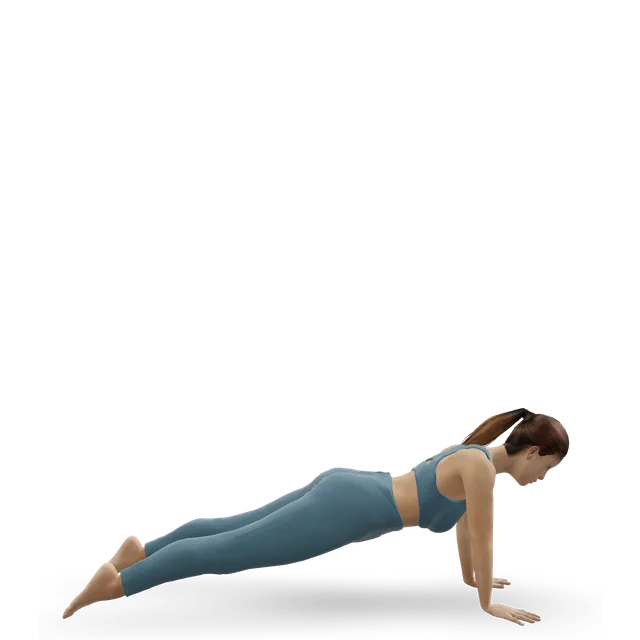
Upward plank's page says: "Skip it with a wrist injury or carpal tunnel syndrome, or a current shoulder problem; reverse tabletop is the kinder version."

Pregnancy

The sphinx and locust pages say lying face down becomes uncomfortable as a pregnancy bump grows, and suggest "an all-fours version such as the bird dog instead". Camel's page says: "In pregnancy, keep the backbend small and support your lower back with your hands." Our yoga in pregnancy guide covers the rest.

Headstands, shoulder stands and handstands

They were the practices most often involved in yoga injuries in a national survey, and they aren't part of opening the chest.

Source 20

Classes to follow

Our yoga for opening the chest class pairs chest and shoulder stretches with upper-back lifts in 25 minutes. For back strength, the yoga for posture class; for a short break from a desk, the chest release routine. For lung conditions, the asthma and COPD (chronic obstructive pulmonary disease) classes; with osteoporosis, the yoga for osteoporosis class.

Yoga for opening the chest: a 25-minute class for the chest, shoulders and upper back

A 25-minute yoga class that opens the chest and shoulders, moves the upper back, strengthens it with back lifts and ends in supported rest.

25 minBeginner14 movesWall, firm cushion

Yoga for posture: a 25-minute back-strengthening practice

Twenty-five minutes of back-strengthening yoga for posture: arm and leg reaches, face-down back lifts and standing poses with the arms raised.

25 minBeginner15 movesNo equipment

Chest release routine: press, stretch, strengthen

A tight chest from desk work or pressing: a minute of ball release each side, a doorway stretch, then the back and shoulder-blade work that changed posture.

12 minBeginner7 movesMassage ball, wall

Upper back mobility routine

A 12-minute routine for a stiff upper back and rounded shoulders: chin tucks, wall angels, Y-T-W raises and open books.

12 minBeginner8 movesFoam roller, wall

Spine mobility routine: neck to pelvis, every direction

A 15-minute routine that moves your neck, upper back and lower back through bending, arching, side bending and twisting, then holds the spine steady.

15 minBeginner12 movesNo equipment

Yoga for your shoulders: a 25-minute class for the shoulder blades, the rotator cuff, weight on your hands in steps and reach overhead

A 25-minute yoga class for your shoulders: shoulder-blade lifts, band work for the rotator cuff, plank and downward dog built up in steps, and reach overhead.

25 minBeginner17 movesWall, band

10-minute desk yoga routine: seated and standing

Ten minutes of yoga at your desk, no mat needed: slow breathing, neck, shoulder, wrist and spine moves in your chair, then standing poses with a hand on the desk.

10 minBeginner13 movesBench or box, wall

Neck and shoulder stretches

Eight gentle neck and shoulder stretches for desk stiffness, done standing or seated in ten minutes.

10 minBeginner8 movesWall
Show all 14 workoutsShow fewer workouts

Who should change what

Older adults

See your GP first if you get chest pain, breathlessness or dizziness when you are active, if you have a heart condition and want to exercise harder, or if you have had a fall.

Source 51

Hypermobility

Keep stretches mild and in the middle of your range, and favour the strengthening moves: the NHS says not to overextend your joints just because you can.

Source 52

Glaucoma

Extended puppy pose's page says: "With glaucoma, keep head-down positions brief or use a head-up version: in a small study, eye pressure rose within a minute in head-down yoga poses."

Source 53

Warning signs: when to get help

These are the site's lines from our chest muscle pain, yoga for shoulders and other guides, word for word. This is general information, not a diagnosis. A&E means accident and emergency; in the US, call 911 for 999, and use your doctor's urgent line or urgent care for NHS 111.

Chest pain or fainting while exercising: call 999

Call 999 if:

  • You get sudden pain or discomfort in your chest that doesn't go away; it can feel like squeezing or pressure, burning or indigestion.
  • The pain spreads to your left or right arm, or your neck, jaw, stomach or back.
  • You have chest pain and feel sweaty, sick, light-headed or short of breath.
  • Someone faints while exercising, can't be woken within 1 minute, or has chest pain or a pounding, fluttering or irregular heartbeat.

Sources 1, 2

Chest pain that could be the heart or a collapsed lung: call 999

Call 999: sudden pain or discomfort in your chest that does not go away (it can feel like squeezing or pressure, burning or indigestion); pain that spreads to your left or right arm, or your neck, jaw, shoulder, stomach or back; or chest pain and you feel sweaty, sick, light-headed or short of breath. It could be a heart attack. Don't drive yourself to A&E.

Call 999: sudden chest pain or discomfort, or chest pain with feeling sweaty, sick, light-headed or breathless. A collapsed lung (pneumothorax) causes a sudden, sharp, stabbing pain in the chest or shoulder that gets worse when you breathe in, with breathlessness; it is more common in people aged 15 to 34, people who smoke, and tall, thin people.

Sources 1, 54

A shoulder out of place, a stroke or pressure on the spinal cord: call 999

  • Call 999 or go to A&E: after a fall or injury, your shoulder looks out of place or has changed shape, you cannot move your arm, or your shoulder is painful, bruised or swollen. Do not drive yourself, and do not try to put it back in yourself.
  • Call 999: you suddenly can't fully lift both arms and keep them there, because of weakness or numbness in one arm, especially if one side of your face droops or you slur your words or sound confused. It could be a stroke. Call even if the signs have stopped.
  • Call 999 or go to A&E: new problems walking, loss of bladder or bowel control, or a sudden loss of coordination, such as difficulty doing up buttons. These can be signs of pressure on the spinal cord.

Sources 54, 1, 55, 56, 57

Unusual breathlessness

Call 999 or go to A&E (accident and emergency) straight away for severe difficulty breathing (gasping, choking or not able to get words out), a chest that feels tight or heavy, pain that spreads to your arms, back, neck and jaw, lips or skin turning very pale, blue or grey, or sudden confusion. If you're more short of breath than usual, or your heart is racing, fluttering or skipping beats, contact NHS 111.

Source 58

Back pain with chest pain: call 999

Call 999 or go to A&E: back pain with chest pain, or back pain that started after a serious accident, such as a car crash.

Source 59

Get help from NHS 111

  • Get help from NHS 111: you're suddenly more short of breath than usual; you have chest pain and you feel sick or are being sick; or you have chest pain and you feel like your heart is racing, going too slowly, skipping a beat or fluttering.
  • Get help from NHS 111: pain or tightness in your chest, neck, shoulders, jaw or arms that comes and goes, often brought on by exercise, stress, emotion or cold and easing after a few minutes' rest. It can be angina, a sign of a heart problem. If you've been diagnosed with angina, get help from NHS 111 too if it feels worse than before, is happening more often, lasts longer or happens when you're resting.
  • Get help from NHS 111 if you think you have costochondritis. Chest pain needs checking to rule out other, more serious conditions, and costochondritis is diagnosed only once the heart and lungs have been considered.

Sources 54, 1

See a GP

See a GP if you have chest pain that comes and goes, or that goes away quickly but still worries you.

Source 1

A pulled chest muscle

Same day (NHS 111 or an urgent treatment centre): a pop or tearing at the front of the armpit or chest during a lift, a dip or a tackle, followed by bruising into the chest or upper arm, a change in the shape of the chest or armpit (a thinner or lost armpit fold, or a chest or nipple that looks uneven), or weakness pushing. Don't wait for it to settle: it can be a torn pec tendon, and repairs done within about 6 weeks did better than later ones.

A dip or change in the chest's shape that you only notice once the bruising fades, or weakness pushing that isn't getting better: get it checked promptly through your GP or NHS 111, and ask about a shoulder specialist. A tendon tear found late can often still be repaired, though the results are better early.

The NHS lists chest pain that "Starts after chest injury or chest exercise, may get worse when you breathe in, feels better when resting the muscle" as a possible chest sprain or strain. If you're not sure, it still needs the checks above (our suggestion).

Source 1

The shoulder: the same day

  • Same day (GP or NHS 111): sudden or very bad shoulder pain; you cannot move your arm; the arm or shoulder is badly swollen or has changed shape; pins and needles that do not go away; no feeling in the arm; the arm is hot or cold to the touch; pain that started after an injury such as a fall; or severe pain in both shoulders.
  • Same day (GP or NHS 111): the shoulder or arm is hot, swollen or red, or you have a high temperature (although not everyone has one) or feel unwell. A joint infection needs same-day care.
  • Same day (GP or NHS 111): sudden weakness lifting the arm after an injury or fall. A rotator cuff tear caused by an injury needs urgent referral to a shoulder specialist. After a dislocation in anyone over 40, the rotator cuff should be checked: about 40% have a tear.

Source 56

The neck and arm: the same day

  • Same day (urgent GP appointment or NHS 111): severe neck pain that starts suddenly or gets worse quickly; heaviness or weakness in the arms or legs; pins and needles in an arm along with neck or arm pain; or pain between the shoulder blades.
  • Same day: clumsiness in your hands, or numbness, pins and needles or weakness in one or both arms, that is getting worse; problems with balance or walking since the neck pain started; or neck pain with a severe headache.
  • Arm weakness or numbness that keeps getting worse, severe pain that painkillers and rest do not touch, or an unexplained fever.

Source 57

See a GP or physiotherapist

  • Your shoulder has partly or fully come out of joint, or you worry it might.
  • Pain that is getting worse or has not improved after 2 weeks of looking after it yourself, or it is very hard to move your arm. In many areas you can refer yourself to physiotherapy.
  • Pins and needles or a cold arm alongside neck pain, or a new loss of strength or feeling in the arm that you cannot explain (a possible nerve problem).
  • Neck pain or stiffness that has not eased after a few weeks, or after 8 weeks of looking after it yourself; painkillers are not helping; or you are worried. In many areas you can refer yourself to NHS physiotherapy.
  • See a GP if you have pain and stiffness for more than a week, especially if you're over 50, it's in both shoulders (often the neck and hips too) and the stiffness lasts longer than 45 minutes in the morning. It can be polymyalgia rheumatica.

Sources 56, 57, 60

The back

Back pain that is worse arching back and has lasted more than a couple of weeks can be a stress fracture of the spine (spondylolysis): get it checked.

Modify or avoid exercises that round your back deeply or repeatedly, especially with a weight: sit-ups, toe touches, Pilates roll-downs and curl-ups, and extreme yoga forward folds. Bend from the hips instead. You do not need to avoid bending, twisting or lifting altogether: move smoothly and keep your upper back straight.

Tingling during a pose

Burning, tingling, numbness or pins and needles down an arm or leg usually means a nerve is under tension, so ease off to a position without it. A pinch at the front of the hip or shoulder at the end of a pose is the joint, so work below it. See a GP or physiotherapist if either keeps happening (our suggestion).

Stop and get medical help

If you get chest pain or pressure, feel faint or dizzy, are unusually breathless, or your heart races or beats irregularly during exercise, as our plans advise.

During yoga

A joint pain that is sharp, gets worse during a session, lingers into the next day or changes how you move is a reason to use an easier version, and to see a GP or physiotherapist if it keeps happening (the rule in our plans). Muscle soreness for a day or two after something new is normal. In a hot class, stop if you feel dizzy, sick or unwell; our hot yoga guide lists the signs of heat illness.

You can say no to any hands-on adjustment, and a teacher registered with Yoga Alliance must get your explicit consent each time.

Sources 61, 62

Head-down poses, bones and pregnancy

With glaucoma, or high blood pressure that isn't under control, skip headstands, shoulder stands and long head-down holds. With osteoporosis, swap deep forward folds for a flat-back hinge from the hips, and twist smoothly. In pregnancy, our yoga in pregnancy guide covers the changes. NCCIH advises beginners to avoid headstands, shoulder stands, the lotus position and forceful breathing.

Sources 53, 61

Before you start

The NHS advises getting advice from a healthcare professional first if you have a health problem, an injury or symptoms, or have recently had a heart attack or an operation.

If you have a heart, lung or joint condition, are pregnant or have recently been unwell, start gently and read our guide for your condition. Muscle soreness for a day or two after a new exercise is common and fades as you repeat it.

If you have a heart condition, follow your cardiac team's advice on how hard to work, and stop for the warning signs above. People with long-term conditions may wish to ask their specialist before starting. With uncontrolled high blood pressure, avoid straining against a held breath; the high blood pressure guide has more.


Myths

"Chest openers fix rounded shoulders"Strong evidence

Stretching programmes didn't change posture across 23 studies, experts agree not to recommend stretching for posture, and 6 weeks of daily chest stretching didn't change the chest muscle's resting length in a small study. Strengthening the upper back changed posture a little.

Sources 10, 11, 6

"Backbends open your lungs"Emerging evidence

We found no study of backbends on lung function. Yoga's lung gains in healthy people come with breathing practice, and chest expansion improved as much with Pilates, breathing exercises or interval training as with yoga.

Sources 12, 15, 41

"Heart openers release stored emotions"Emerging evidence

We found no study of the idea. Short studies show mood shifts after backbends, forward bends and neutral poses alike, and slumping lowers mood more than opening up raises it.

Sources 16, 18, 17

"Bad posture causes neck and shoulder pain"Mixed evidence

Upper-back rounding didn't differ between people with and without shoulder pain, and a forward head is only slightly more common in adults with neck pain. The Chartered Society of Physiotherapy says "There is no perfect posture".

Sources 34, 35, 36

"Backbends are bad for your back"Mixed evidence

Yoga is about as safe as other exercise, the practices most linked with injuries are upside-down poses and handstands, and the UK osteoporosis consensus recommends back strengthening. Deep, repeated arching and dropping the head far back carry rare risks, so build up gently.

Sources 19, 20, 21, 49

"With osteoporosis, avoid all backbends"Strong evidence

The UK consensus recommends back-strengthening exercise and says to modify or avoid sustained, repeated or end-range bending forward. Our yoga for osteoporosis guide uses gentle back lifts.

Source 21

Questions people ask

What does opening the chest mean in yoga?

Stretching the front of the chest and shoulders, and bending the upper back backwards. The upper back bends back only about 13 degrees, and it moves most on all fours or lying face down, which is why cat-cow and sphinx work well.

What are the best yoga poses for opening the chest?

A doorway or chair chest stretch, puppy pose, thread the needle and the open book for stretching; sphinx, low cobra and locust for the upper back; supported bridge and reclining bound angle to rest open. Deep backbends such as camel and wheel aren't needed.

Will chest openers fix rounded shoulders?

Not on their own: stretching didn't change posture across 23 studies, while strengthening the upper back did, a little. Pair chest stretches with back lifts like locust; our yoga for rounded shoulders guide has the plan.

Do chest openers lengthen tight chest muscles?

Only while you hold them: the small chest muscle lengthened about 2 cm during a stretch, but 6 weeks of daily stretching didn't change its resting length in a small study. They still feel good and keep the shoulders moving.

Do backbends help you breathe better?

No study has tested backbends on lung function. Sitting upright rather than slumped helps breathing measures in the moment, and yoga's lung gains come from breathing practice; our yoga for lungs guide covers breathing conditions.

Do heart openers release emotions?

There's no research behind that idea. Backbends, forward bends and neutral poses all shifted mood a little in short studies, and sitting slumped lowers mood more than opening up lifts it.

Are backbends safe?

For most people, yes, built up gently: yoga is about as safe as other exercise. Keep your neck long, because rare case reports link dropping the head far back with reduced blood flow to the brain, and avoid deep, repeated arching of the lower back.

Can I do chest openers with osteoporosis?

Gentle back strengthening is encouraged: the UK consensus recommends back exercises held 3 to 5 seconds, 3 to 5 times, at least twice a week, and says to avoid end-range bending forward. Clear foam roller work first, as its page says.

Is yoga good for chest pain?

No. Chest pain needs checking first, even if it hurts to press: call 999 for chest pain that is sudden, feels tight or spreads, or comes with breathlessness, sweating or feeling sick.

Why do I feel tingling in my arm in a chest stretch?

The stretch may be pulling on a nerve: ease off or bring the arm lower, and stop if it doesn't settle. The Chartered Society of Physiotherapy says you shouldn't feel pain or tingling in your arms, and pins and needles that don't go away need a GP.

How often should I do chest-opening yoga?

Two or 3 times a week, with the back-strengthening part on at least 2 days a week, and stretches held 30 to 60 seconds. Moving and changing position often through the day matters too: the Chartered Society of Physiotherapy says your best posture is your next posture.

Sources

  1. NHS · Chest pain (past its review date: reviewed August 2023, review due August 2026)

  2. NHS · Fainting (last reviewed August 2026)
  3. Pan 2018 · Shape and movement of the upper back in adults without symptoms: 45 studies (systematic review, J Biomech)
  4. Edmondston 2011 · Upper-back extension in 40 young adults in different positions (lab study, J Orthop Sports Phys Ther)
  5. Borstad 2006 · Three stretches for the pectoralis minor in 50 people (lab study, J Shoulder Elbow Surg)
  6. Rosa 2017 · 6 weeks of pectoralis minor stretching in 50 people with and without shoulder pain (non-randomised study, J Hand Ther)
  7. Lai 2019 · Stretching against taping for pectoralis minor length: 6 trials (network meta-analysis, Phys Ther Sport)
  8. Gutiérrez-Espinoza 2019 · Adding pectoralis minor stretching to exercise for shoulder pain: 80 adults (randomised trial, Musculoskelet Sci Pract)
  9. Wohlann 2024 · 8 weeks of high-dose chest stretching against chest strength training in 81 adults (randomised trial, Eur J Appl Physiol; read in full)
  10. Warneke 2024 · Stretching or strengthening and posture: 23 studies, 969 people (systematic review and meta-analysis, Sports Med Open; read in full)
  11. Warneke 2025 · Practical recommendations on stretching: a consensus of 20 research experts (Delphi study, J Sport Health Sci; read in full)
  12. Our searches · PubMed (40 records), Europe PMC (5) and ClinicalTrials.gov (6) for backbends or chest openers and lung function (3 November 2026): no study found; one registered trial, no results
  13. Lin 2006 · Sitting posture, lung capacity and breathing out in 70 people (lab study, Arch Phys Med Rehabil)
  14. Albarrati 2018 · Upright and slouched sitting and breathing muscle strength in 35 young men (lab study, Biomed Res Int; read in full)
  15. Abel 2013 · Regular yoga and lung function in healthy people (literature review, J Altern Complement Med)
  16. Our searches · PubMed (6 records) and Europe PMC (7) for backbends or heart openers and mood, emotion or heart rate variability (3 November 2026): no study of stored emotions
  17. Elkjær 2022 · Expansive and contractive postures and movement: 73 studies (systematic review and meta-analysis, Perspect Psychol Sci)
  18. Telles 2026 · Mood after backbends, forward bends and easy pose in 64 practitioners (randomised crossover trial, Int J Yoga Therap)
  19. Cramer 2015 · The safety of yoga: 94 trials, 8,430 people (systematic review and meta-analysis, Am J Epidemiol)
  20. Cramer 2019 · Adverse effects of yoga in 1,702 practitioners (national survey, BMC Complement Altern Med; read in full)
  21. Brooke-Wavell 2022 · Strong, steady and straight: UK consensus on exercise for osteoporosis (consensus statement, Br J Sports Med; read in full)
  22. Katzman 2010 · Age-related hyperkyphosis: causes, consequences and management (narrative review, J Orthop Sports Phys Ther; read in full)
  23. Lewis 2007 · The pectoralis minor length test in people with and without shoulder symptoms (diagnostic study, BMC Musculoskelet Disord; read in full)
  24. Rosa 2026 · Tests of pectoralis minor length (systematic review, J Hand Ther)
  25. Konrad 2025 · What happens to range of motion after stretching stops: 13 studies (systematic review and meta-analysis, Sports Med Open)
  26. Khorramroo 2026 · Corrective exercise for upper crossed syndrome: 28 trials, 901 people (systematic review and meta-analysis, BMC Sports Sci Med Rehabil; read in full)
  27. Xing 2026 · Exercise for forward head posture in people with neck pain: 10 trials (systematic review and meta-analysis, J Pain Res; read in full)
  28. Ruivo 2016 · Posture after an 8-month school strength and stretching programme, and 16 weeks after it stopped (randomised trial, Man Ther)
  29. Chopp-Hurley 2018 · Shoulder blade muscle activity in 15 held yoga poses in 20 women (lab study, J Orthop Sports Phys Ther)
  30. Greendale 2009 · Yoga for a rounded upper back in 118 adults aged 60 and over (randomised trial, J Am Geriatr Soc; read in full)
  31. Katzman 2017 · Spine-strengthening exercise for hyperkyphosis in 99 older adults (randomised trial, Osteoporos Int; read in full)
  32. Ponzano 2021 · Exercise for age-related hyperkyphosis: 24 studies (systematic review and meta-analysis with GRADE, Arch Osteoporos)
  33. Our searches · PubMed (7 records) and ClinicalTrials.gov for yoga trials of rounded shoulders, forward head or chest muscle length (3 November 2026): no published controlled trial; two registered trials, no results
  34. Barrett 2016 · Upper-back posture and shoulder pain (systematic review, Man Ther)
  35. Mahmoud 2019 · Forward head posture and neck pain: 15 studies (systematic review and meta-analysis, Curr Rev Musculoskelet Med)
  36. Chartered Society of Physiotherapy · Working from home: easy exercises (last reviewed May 2019)
  37. Katz 2018 · Body position and lung function: 43 studies (systematic review, BMC Pulm Med)
  38. Di Bari 2004 · A rounded upper back and breathing in 323 adults aged 65 and over (population study, J Am Geriatr Soc)
  39. Lorbergs 2017 · Kyphosis and the fall in lung function over 16 years (Framingham cohort study, J Gerontol A Biol Sci Med Sci)
  40. Leak 2026 · One session of upper-back mobility exercises and breathing in 15 adults (pilot crossover trial, J Sport Rehabil)
  41. Csepregi 2022 · Breathing exercises against yoga, Pilates and interval training for chest and spine mobility in 61 students (randomised trial, Int J Environ Res Public Health; read in full)
  42. Nair 2015 · Slumped or upright sitting during a stress task: 74 people (randomised lab experiment, Health Psychol)
  43. Shetty 2025 · Backbends, forward bends and heart rate variability in 40 practitioners (randomised crossover trial, Int J Yoga)
  44. Shapiro 2004 · Mood changes with different Iyengar yoga classes in 11 students (pilot study without a comparison group, Int J Yoga Therap)
  45. Golec de Zavala 2017 · Two yoga poses or power poses and state self-esteem in 82 students (lab experiment, Front Psychol; read in full; corrected)
  46. Cramer 2013 · Adverse events associated with yoga: 76 published cases (systematic review of case reports, PLoS One; read in full)
  47. Shenouda 2026 · Reduced blood flow to the back of the brain after yoga, with sight problems (case report, Case Rep Ophthalmol)
  48. Lee 2019 · Soft tissue and bone injuries from yoga in 89 people (case series, Mayo Clin Proc)
  49. Mohile 2022 · Spondylolysis and spondylolisthesis: diagnosis and management (review, J Am Board Fam Med)
  50. Royal Osteoporosis Society · Exercises to help with posture (past its review date: reviewed February 2019, review due February 2022)
  51. NHS · Physical activity guidelines for older adults (last reviewed August 2024)
  52. NHS · Joint hypermobility syndrome (past its review date: reviewed August 2023, review due August 2026)
  53. Jasien 2015 · Eye pressure in four common yoga positions: 10 people with glaucoma and 10 without (lab study, PLoS One)
  54. NHS · Heart attack (last reviewed March 2026)
  55. NHS · Stroke: symptoms (last reviewed September 2024)
  56. NHS · Shoulder pain (past its review date: reviewed May 2023, review due May 2026)
  57. NHS · Neck pain (past its review date: reviewed April 2023, review due April 2026)
  58. NHS · Shortness of breath (last reviewed January 2024)
  59. NHS · Back pain (last reviewed March 2026)
  60. NHS · Polymyalgia rheumatica (past its review date: reviewed April 2023, review due April 2026)
  61. NCCIH · Yoga: effectiveness and safety (US National Center for Complementary and Integrative Health)
  62. Yoga Alliance · Code of conduct: consent before hands-on adjustments

Exercise education, not a personal prescription, and clinical review of these guides is pending. If you are pregnant, have a health condition such as glaucoma, high blood pressure or osteoporosis, or have had recent surgery, check with a doctor, midwife or physiotherapist before starting, and stop for sharp or increasing pain. Health disclaimer.