Pilates guide

Pilates for the chest: your chest muscles, posture and shoulders, the chest lift, what Pilates can build, the evidence, and a routine

Pilates works your chest mainly through push-ups and the positions where you hold yourself up, such as planks and the leg pulls; many of its other moves work your upper back while your chest opens. In trials it built upper-body endurance in people starting out, but no study has measured whether it builds chest muscle. Push-ups made hard enough do build it, much like a light bench press.

No exercise has been shown to lift or firm the breasts, which have no muscle in them, and the Pilates "chest lift" is a tummy exercise. Chest stretches feel good but haven't been shown to change posture; strengthening your upper back helps a little more.

This guide covers your chest muscles, the moves that work them, both meanings of "chest lift", stretching and posture, breathing, the classes to follow, and the chest pain signs that always need help. Chests of every shape and size do the same jobs, and nothing here promises a look.

The short version

Push-ups and support positions are Pilates' chest work

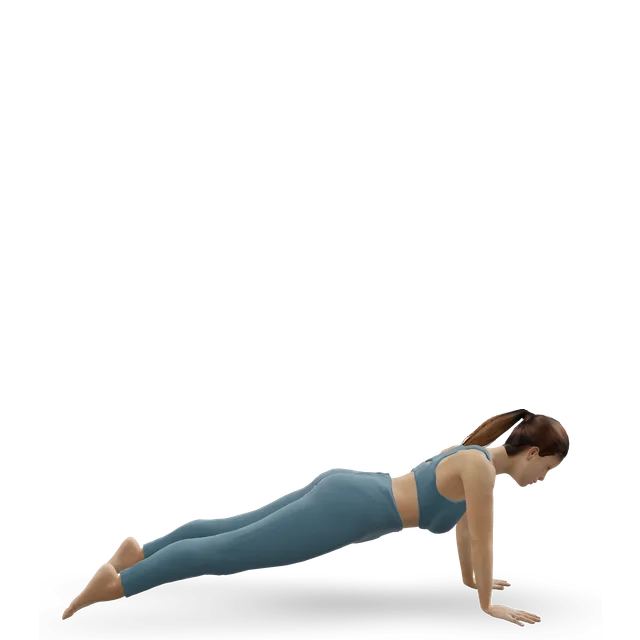
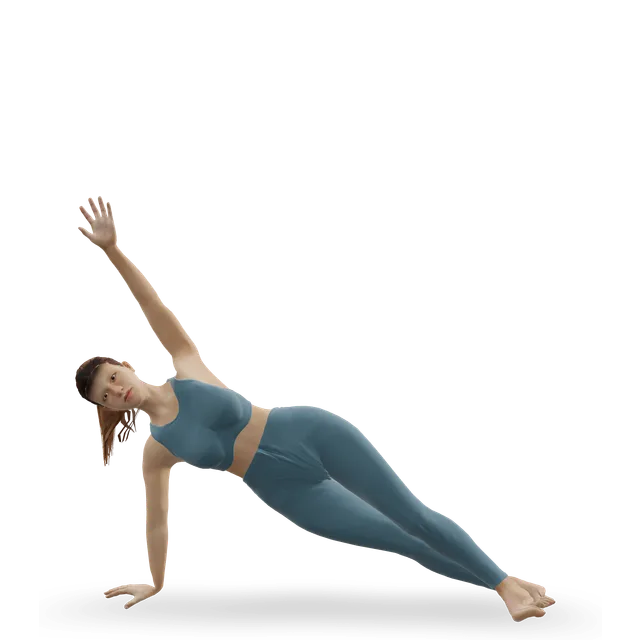
The push-up and the positions where you hold yourself up (planks, the leg pulls, the side bend) work the chest. Face-down moves, reformer arm work and chest expansion mostly work your upper back while your chest opens.

Sources 1, 2, 3

It builds upper-body endurance, not proven chest muscle

In people starting out, push-ups per minute rose after 8 to 12 weeks of Pilates. No Pilates trial has measured chest muscle size or bench press strength.

Sources 4, 5, 6

Hard push-ups build the chest like a light bench press

Push-ups set to the right load (kneeling counts) grew the chest by 18.3% against 19.4% for the bench press in 8 weeks, and women's chest muscle grew by 14% to 18% in 10 weeks of pressing. For size, aim for about 10 or more hard sets a week; bands count.

Sources 7, 8, 9

No exercise has been shown to lift or firm the breasts

The breast has no muscle in it and sits on top of the chest muscle. The only trial, 34 women over 3 weeks, found no change in breast size, shape or volume. Breasts change with age, weight and pregnancy, which is normal.

Sources 10, 11, 12, 13

The Pilates "chest lift" is a tummy exercise

It's a curl-up, the building block of the abdominal series, and most searches for "Pilates chest lift" are about it. It works your abs, not your chest or breasts; no study has tested any Pilates move on breast shape.

Source 14

Chest stretches feel good but don't change posture; pair every push with a pull

Static stretching didn't lengthen the small chest muscle in 6 trials, and stretching didn't change posture across 23 studies, while strengthening, especially the upper back, did a little.

Sources 15, 16, 17

Your chest, and what sits over it

The chest muscles

The pectoralis major is a fan-shaped muscle with an upper (collarbone) part and a lower (breastbone and ribs) part; it pushes the arm forwards and draws it across the body. The pectoralis minor lies underneath and moves the shoulder blade, and the serratus anterior runs along the side of the ribs and holds the shoulder blade to them. In push-ups, the chest and triceps work hardest; in the push-up plus, where you push the floor away at the top, the serratus does.

Source 1

What sits over the muscleEmerging evidence

In women, the breast sits on the chest wall over the pectoralis major. It's fat and glandular tissue in proportions that vary a lot: in 21 specimens, "The percentage of fat volume in the total breast volume varied from 7 to 56%". There is no muscle inside the breast. Connective tissue gives it shape, though a review calls the evidence "relatively limited and disputed". Two recent studies, read only as abstracts, go further: in 24 body donors, the ligaments that support the breast didn't attach directly to the skin, and in 196 women, "Breast is shaped by the superficial fascial system and anchored to the chest wall at its periphery.", with no ligaments running from the chest muscle to the skin. How the breast attaches is still debated; that the muscle sits underneath it isn't (our reading).

Sources 10, 18, 19, 11

What changes breast shape over timeEmerging evidence

In 132 women seeking breast surgery, age, losing a lot of weight, a higher body mass index, a larger cup size, more pregnancies and smoking went with sagging, while "History of breast-feeding, weight gain during pregnancy, and lack of participation in regular upper body exercise were not found to be significant risk factors for ptosis." (ptosis means sagging), and in a second study by the same team, breastfeeding wasn't a risk factor on its own. These are surgical-clinic samples with exercise reported by the women themselves. Breasts change with age, weight and pregnancy for everyone; that's ordinary, not a fault to fix.

Sources 13, 20

The male chestStrong evidence

Bigger breast tissue in men (gynaecomastia) is common, reported in 32% to 65% of men depending on age and how it's defined. Sometimes it's fat rather than gland. The NHS lists causes including "hormone changes in men aged over 50, or during puberty", "being overweight", "certain medicines" and "drug use, including anabolic steroids". Our guide to losing chest fat covers it.

Sources 21, 22, 23

Two meanings of "chest lift"

In Pilates, the chest lift is an abdominal curl-up: lying on your back, you "curl the head and shoulders up to the base of the shoulder blades", as its move page says. It's the building block of the abdominal series, and our Pilates for the core guide covers it. Searches like "Pilates for breast lift" mean something else: a claim that exercise lifts the breasts, which the chest lift section below answers.

Chest expansion works the upper back

The classical chest expansion, kneeling or standing and pulling straps or a band back past your hips, lists "Muscle Focus: Upper back and arms." and "Objective: Strengthen the upper back and arms and improve posture." on one teaching platform. The chest opens while the back of the shoulders works.

Source 3

Which moves work the chest, and how hard

These figures come from single lab sessions in small groups: they show how hard a move works a muscle, not how much it will grow.

Push-ups work the chest like a bench pressEmerging evidence

A full push-up lifts about two-thirds of your body weight. In trained men, push-ups and the bench press showed no differences in movement or muscle activity: "For coaches and athletes, push-ups and bench presses for strength training can be used interchangeably." Of bodyweight moves, push-ups worked the chest and triceps more than crawling moves.

Sources 24, 25, 26

Step them from easy to hardEmerging evidence

Push-ups with your hands raised, or from your knees, load you least, and with your feet raised most. Knee push-ups use the same muscles in the same proportions, so "knee push-ups may be ideal as a novice push-up variation". A full push-up is a bigger ask for women relative to their strength: "a push-up provides a greater challenge for women than men". There's no shame in the wall or the knees.

Sources 27, 28, 29

Hands narrow or standard, not wideEmerging evidence

"The triceps brachii and pectoralis major exhibited greater activation during the narrow-base variant.", and diamond push-ups worked the chest and triceps most in another small study. Raising the feet steeply shifts the work from the chest to the shoulders.

Sources 30, 31, 32, 33

Wobbly surfaces aren't neededEmerging evidence

Push-ups on an unstable surface didn't reliably work the shoulder blade muscles harder, and the standard push-up plus already worked the serratus hard without one.

Sources 34, 35

Pilates moves: the chest works lightlyEmerging evidence

In the one Pilates study that measured the chest, a kneeling push-up plus worked it at 6.55% of its maximum (up to 14.66% in other versions), while the serratus did most of the work (up to 51.57%). Reformer arm work mainly worked the muscles around the shoulder blade. These figures come from one small lab sample of trained young men: three 2025 papers from the same lab share it, so treat them as one study.

Sources 2, 36, 37

Not measured: reformer chest work, the ring and planks

Our searches found no study measuring the chest in the reformer chest press, hug a tree, rowing, the long stretch, ring squeezes, the leg pull front or a Pilates plank. Planks load the shoulders and arms: in one study, planks ended for arm and shoulder fatigue in nearly half of 17 young adults.

Sources 38, 39, 40, 41

Face-down moves work the backEmerging evidence

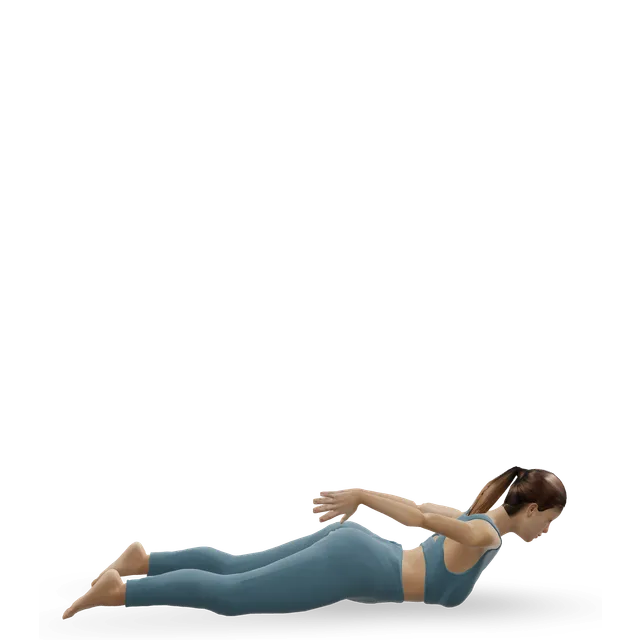
The swan studies measured "the back muscles of the trunk", not the chest, and swimming and strap work train the back of the shoulders. The chest opens in these moves; it doesn't work.

Sources 42, 36

A move that burns isn't necessarily growing the muscleEmerging evidence

Muscle activity in one session isn't a proven guide to growth. The trials that measured growth come next.

Source 43

What builds the chest, and what Pilates trials show

Hard push-ups grew the chest like a light bench pressEmerging evidence

In 18 young men training 3 sets to failure twice a week for 8 weeks, push-ups set to the load of a light bench press (kneeling counts) grew the chest by 18.3%, against 19.4% for the bench press. The paper's summary prints the bench group's figures for both groups; its table gives these. Band-loaded push-ups matched the bench press for strength over 5 weeks, while 4 weeks of progressive push-ups raised strength but not chest thickness.

Sources 7, 44, 45

Women's chest muscle grows with the same trainingEmerging evidence

In 23 young women, chest muscle thickness rose by about 14% to 18% over 10 weeks of pressing, and fell again when they stopped.

Source 8

How muchStrong evidence

"Muscle hypertrophy was enhanced by higher volumes (≥10 sets/wk) and eccentric overload." (the ACSM, the American College of Sports Medicine, 2026; hypertrophy is muscle growth). More sets give more growth, with smaller gains for each extra set, and bands matched weights for upper-body strength in a review, corrected in 2020 for a mistyped figure and swapped labels.

Sources 9, 46, 47, 48

Lighter loads work only if the sets are hardStrong evidence

Muscle grows about as well with light or heavy loads when sets are taken close to failure, while heavy loads build more strength. So push-ups count as long as they get hard: if you can do more than about 15 to 20, make them harder (our reading).

Sources 49, 50

Stretching isn't a chest builderEmerging evidence

One trial matched chest training with 15 minutes a day of machine-assisted stretching, but its authors say "practical application seems limited to special circumstances". The 2025 expert panel: "The panel does not recommend stretching as a primary strategy to enhance muscle mass."

Sources 51, 52

Pilates builds upper-body endurance in people starting outEmerging evidence

Twelve weeks of basic mat Pilates "was enough to promote statistically significant increases in abdominal endurance, hamstring flexibility, and upper-body muscular endurance" against a control group in 50 adults. In 40 inactive women, push-ups per minute rose by about 7 to 9 over 8 weeks of online or studio Pilates, with no group that didn't exercise. In older adults, the evidence for upper-body endurance is very low quality.

Sources 5, 4, 53

Against other exercise: no clear differenceMixed evidence

Strength was no different from other exercise at very low to low certainty, and in women there was no overall effect on lean mass or grip. In a tiny trial of 8 people a group, a Pilates chair matched traditional resistance training for push-up endurance in breast cancer survivors.

Sources 54, 55, 56

No scan of the chest after Pilates

Our search found 54 records on Pilates and upper-body strength or muscle size, and none measured bench press strength or the chest muscle on ultrasound or MRI (magnetic resonance imaging). On a body scan, reformer and Cadillac classes added lean mass only in the arms after 10 weeks.

Sources 6, 57

So, to build the chest

Push 2 or 3 days a week, stepping from the wall to your knees to your toes and keeping sets hard (stop with 2 or 3 good reps left); when you can do more than about 15 to 20, make them harder or add a band; and pull as much as you push (our editorial starting point, from the trials and guidelines above). That agrees with our Pilates for the upper body guide.

Sources 7, 9, 58

The chest lift: can Pilates lift or firm the breasts?

No exercise has been shown to lift the breasts. Breasts of every shape and size are normal, and nothing about how they change with age, weight or pregnancy needs fixing.

The only trial found no changeMixed evidence

In 1985, 34 young women were randomised to 21 days on a commercial chest exercise device or not, with girths, standardised photographs and breast volume measured. The device "does not result in changes in breast size, shape, or volume". It's old, short and small, and we read only its abstract, but it measured shape directly.

Source 12

Nothing else has tested it

Our searches found no other trial of chest exercise, push-ups, Pilates or yoga on breast shape, and no study of whether a bigger chest muscle changes how the breast looks.

Source 14

Why it's unlikelyEmerging evidence

The breast has no muscle in it and sits on top of the pectoralis major, held by connective tissue anchored at its edge. Not doing upper-body exercise wasn't linked with sagging. Training builds the muscle underneath; no trial shows that changes the breast, as our bigger chest guide says.

Sources 10, 11, 13

Support and comfortEmerging evidence

Unsupported breasts moved about 4 cm walking and 15 cm running in women with D cups. About a third of marathon runners and 44% of elite athletes had breast pain with exercise, and sports bras cut breast movement by 36% to 74%. "Results found that the breast was a barrier to physical activity participation for 17% of women." Most Pilates moves bounce little (our reading), so a comfortable bra is about comfort; no study has tested whether bras prevent sagging.

Sources 59, 60, 61, 62, 63

The Pilates chest lift itself

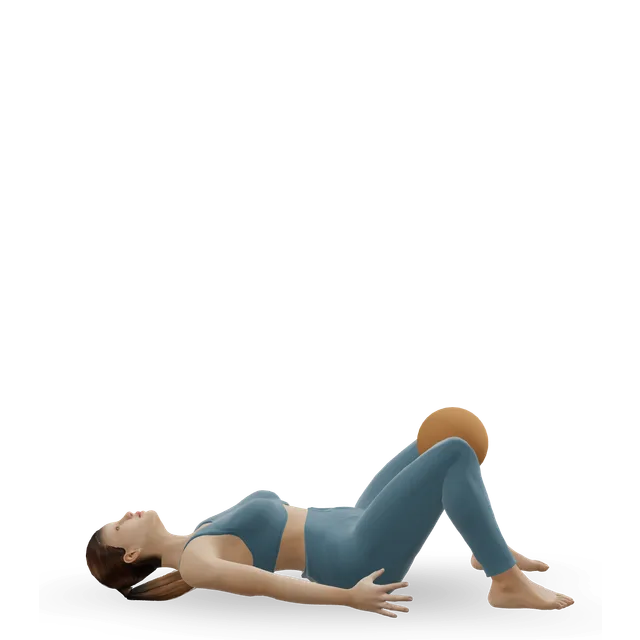
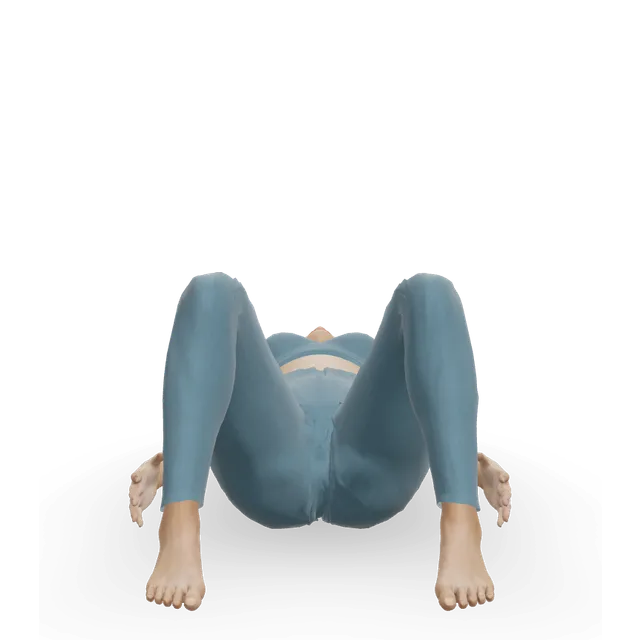
Lying on your back with your knees bent, you breathe out and curl your head and shoulders up to the base of your shoulder blades, then lower with control. It works the tummy muscles; our Pilates for the core guide covers the abdominal series it starts.

Chest stretches, posture and rounded shoulders

Chest stretches lengthen the muscle while you hold them, not for goodEmerging evidence

A one-arm self-stretch lengthened the small chest muscle most while held. Six weeks of daily stretching didn't change its length or how the shoulder blade moved, static stretching alone had no effect on its length across 6 trials (263 people), and adding it to 12 weeks of shoulder exercise "does not provide significant clinical benefit".

Sources 64, 65, 15, 66

No reliable test for a "tight" chestEmerging evidence

"There is currently insufficient evidence to recommend any test for estimating pectoralis minor length."

Source 67

Stretching doesn't change posture; strengthening the upper back does, a littleStrong evidence

Across 23 studies, neither short nor long-term stretching changed posture, while strengthening did, at moderate certainty. The expert panel: "Based on the current evidence, the panel does not recommend stretching to promote postural changes." Corrective programmes, mostly strengthening, changed the measured shoulder and head angles in small trials, but didn't reliably ease pain.

Sources 16, 52, 17, 68

Pilates and rounded shoulders: not shownMixed evidence

In 45 teenage girls, Pilates didn't significantly change head position, rounded shoulders or upper-back rounding. In 26 students, head and upper-back angles improved but the shoulder angle didn't, and in 40 women, Pilates did no better than usual posture exercise for rounded shoulders. A review found very low to low certainty that Pilates improves the shoulder angle. Head position improved in some small trials, and a 9-month school programme kept teenagers' upper-back curve from increasing.

Sources 69, 70, 71, 72, 73, 74

Posture and pain are only loosely linkedEmerging evidence

"There is a moderate level of evidence of no significant difference in thoracic kyphosis between groups with and without shoulder pain." (kyphosis is upper-back rounding). Age muddles the link between head posture and neck pain, and the length of the small chest muscle wasn't linked with shoulder pain and disability in 144 people.

Sources 75, 76, 77

So: open the chest for comfort, and strengthen the back

Chest openers feel good and keep the shoulders moving. Pair them with back work (rows, swimming, the swan, Y-T-W raises), which is what changed posture a little in trials (our reading). Our Pilates for posture and rounded shoulders guides go further.

Sources 16, 17

Breathing and "opening the chest"

Pilates breathing aims into the back and sides of the ribs

STOTT PILATES teaches "In through the nose, out through the mouth with pursed lips.", with the breath directed into the back and sides of the rib cage "because these tend to be under-utilized areas." That's a method, not evidence that the breath does anything specific.

Source 78

Chest expansion improved about as much with other exerciseEmerging evidence

In female students, chest expansion rose with Pilates, yoga, breathing exercises and interval training alike: "All programmes resulted in significant improvement in chest expansion." The breathing muscles got stronger in small Pilates trials, but "No alterations in lung function were found." in one, and lung volumes moved mainly when separate breathing practice was added: "Pilates and breathing exercises are more effective when performed together".

Sources 79, 80, 81, 82, 83

Opening the chest doesn't open the lungsEmerging evidence

One session of upper-back mobility work "did not improve respiratory function". Sitting upright helps breathing measures a little in the moment, as our yoga for the lungs guide explains.

Sources 84, 85, 86

After breast cancer or heart surgery

After breast cancer surgery, your team's exercises come firstStrong evidence

Structured exercise after surgery improved shoulder movement, and "There was no evidence of increased risk of lymphedema from exercise at any time point." In the UK PROSPER trial of 392 women, physiotherapist-led exercise from 7 to 10 days after surgery improved arm function at 12 months, with "No increase in complications, lymphoedema, or adverse events".

Sources 87, 88

Pilates later: about as good as other exerciseEmerging evidence

Pilates improved shoulder range and strength about as much as other exercise and eased pain in pooled trials, but in one trial "none of these gains were sustained at follow-up assessments", and in a small study without a comparison group, arm swelling rose. No Pilates trial measured chest tightness or cording after breast surgery. Our Pilates for breast cancer guide covers when to start and what to watch for.

Sources 89, 90, 91, 92, 93

After heart surgery through the breastbone

With heart disease, keep breathing and ask your cardiac team before long holds; with heart failure, avoid planks; after heart surgery through the breastbone, follow your surgeon's advice before pushing, pulling or lifting with your arms, as the plank moves' pages say.

Chest pain in training: what it can be

Most chest pain isn't a pulled muscleEmerging evidence

Only about 16% of chest pain in emergency departments comes from the muscles and joints. Costochondritis, pain where the ribs meet the breastbone, can follow a new strenuous upper-body exercise, but it's diagnosed only once other causes have been ruled out, and "No high-quality studies have examined the effectiveness of any treatment options". So chest pain is never a stretching job: see the warning signs.

Sources 94, 95, 96

Torn pec tendons are mostly heavy-lifting injuriesEmerging evidence

In 365 published cases, "83% were a result of indirect trauma, with 48% occurring during weight-training activities", mostly in men, and "Acute repair was significantly superior to chronic repair". We found no Pilates case in these reviews (our reading).

Sources 97, 98, 99

Breathe and open the upper back

Lateral breathing: 5 to 8 breaths at the start of every session (from the move page's dose); breath reach: 5 breaths, exhale longer than inhale; thoracic rotation: 6 rotations per side, moving with the breath; cat-cow: 8 waves, slower than feels natural (all the move pages' doses).

Set the shoulder blades

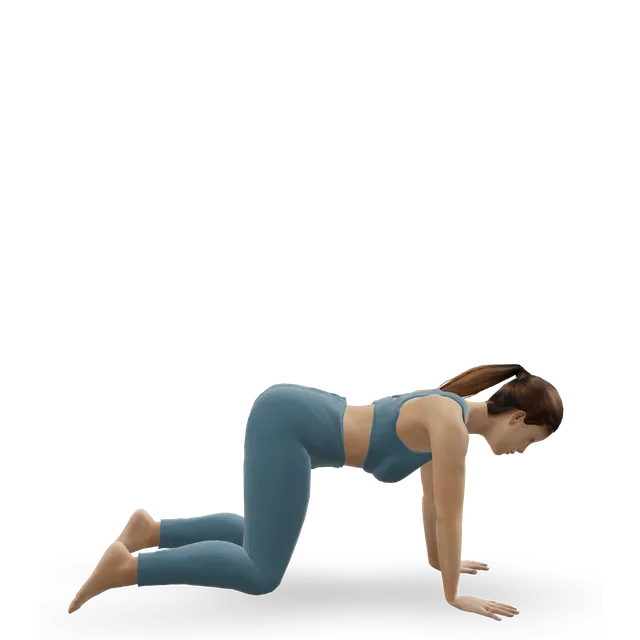
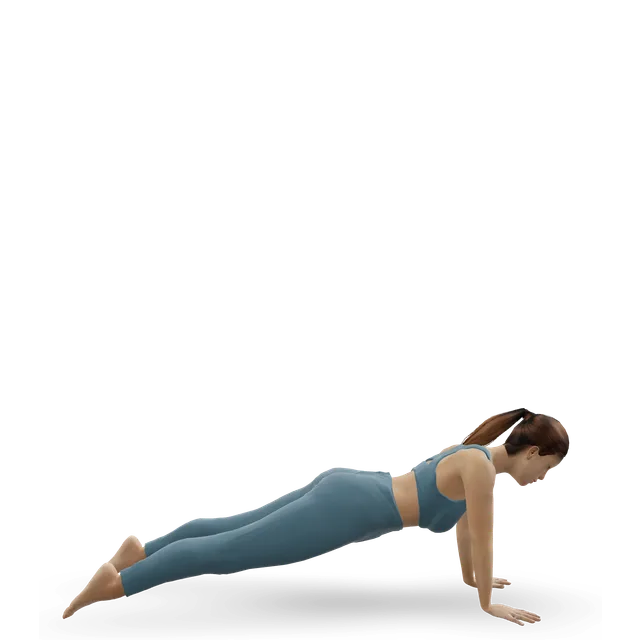
Scapular push-up: 8 reps, at the wall or on hands and knees (our Pilates upper body class); knee hover: 3 holds of 15 to 30 seconds (from the move page's dose). The push-up plus is the serratus anterior's exercise.

Push, in steps

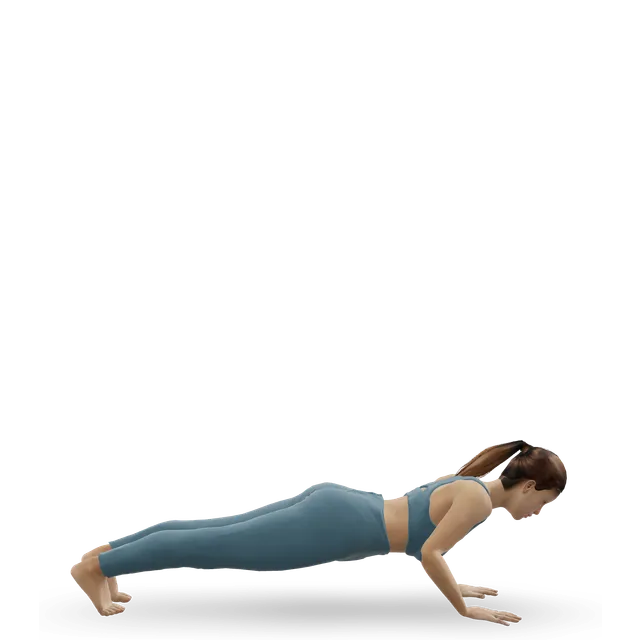
Wall push-up: 2 sets of 8 (our shoulder Pilates class); knee push-up: 2 sets of 6 to 10 (our Pilates upper body class); Pilates push-up: 2 to 3 rounds of 3 push-ups (from the move page's dose); push-up: 3 sets, stopping 2 to 3 reps short of failure (our Pilates strength workout), knees down if you need to. Move up a step when the last few reps stop feeling hard.

Squeeze and support

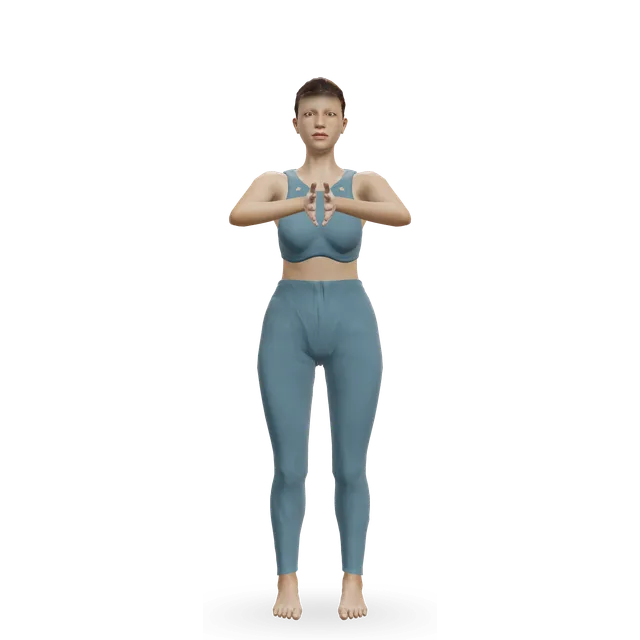
Chest squeeze: hold each squeeze 5 to 10 seconds, rest about as long, and repeat 6 to 10 times (our editorial starting point) (from the move page's dose), palms together or a ring between them at chest height; straight-arm plank: 3 holds of 15 to 30 seconds; leg pull front and side bend: 3 to 5 each side (the classical sequence uses 3) (all from the move pages' doses).

Pull as much as you push

Band row: 3 sets of 10 to 15, band pull-apart: 2 sets of 10 to 15, Y-T-W raises: 5 of each shape, and swimming: 2 sets of 20 s (all our Pilates upper body class); swan: 5 to 6 reps (from the move page's dose). Back strengthening is what changed posture a little in trials.

Open the front of the chest and shoulders

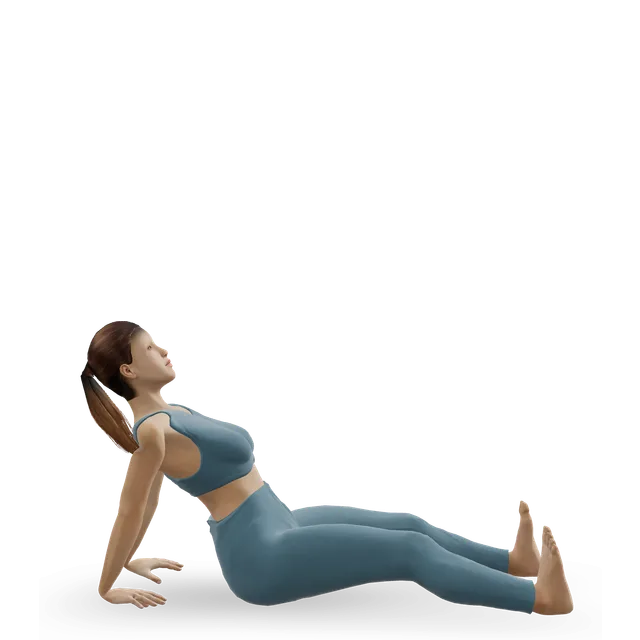
Doorway chest opener: 2 holds of 30 s each side, and upward plank: 2 holds of 5 breaths from reverse tabletop with the knees bent (both our Pilates upper body class); open book: 8 to 10 slow openings each side, pausing 2 seconds at the end (our editorial starting point), and double-leg kick: 4 to 5 each side (the classical sequence uses 5) (both from the move pages' doses). These feel good and keep the shoulders moving; they don't lengthen the muscle for good or change posture.

The other "chest lift": a tummy exercise

Chest lift: 8 to 10 reps (from the move page's dose), resting your head between reps if your neck aches. It works your abs, not your chest or breasts.

Change or leave out

Our suggestions, unless a source is given.

Rocking is left out

Its page says: "Holding your ankles pulls your shoulders back, so skip it if the front of your shoulder hurts (our suggestion)." The swan and double-leg kick open the chest without it.

Wide push-ups, wobble boards and balls aren't needed

Narrow and standard hand positions work the chest at least as much as wide ones, and unstable surfaces add no extra chest work.

Sources 30, 31, 34

Reformer chest press and strap work

Learn them with a teacher before doing them alone, especially if a shoulder has slipped out before, and leave them while a shoulder hurts, as the warning lines below say.

Holding your breath in push-ups and planks

Breathe out as you lift, and don't hold your breath.

Classes to follow

Our push-and-pull Pilates upper body class is the class for your chest: a push block (knee hover, knee push-ups, the Pilates push-up, chest squeezes), a pull block (band rows, pull-aparts, Y-T-W raises, swimming) and a doorway chest stretch. The arm class has push-ups and chest squeezes with light weights or none; the shoulder class builds up weight on your hands from the wall; the posture class works the upper back; the ring class has the ring chest squeeze and the chest lift; and the strength workout has full push-ups and band presses.

Push-and-pull Pilates for the upper body: a 30-minute class with a band

A 30-minute Pilates class for your chest, shoulders, upper back and arms: push-ups in steps, a band row and face-down pulls, side support and a band press.

30 minBeginner21 movesBand, anchor point

Pilates arm workout: a 20-minute class with light weights or none

A 20-minute Pilates class for your arms: planks and push-ups, side and back support, face-down work and a standing series with light weights or a band.

20 minBeginner16 movesBench or box, dumbbell

Shoulder Pilates: a 25-minute class for the shoulder blades, the rotator cuff, weight on your hands and reach overhead

A 25-minute Pilates class for healthy shoulders: the shoulder blades face down, a light band for the rotator cuff, weight on your hands in steps, and reach.

25 minBeginner20 movesBand, anchor point

Pilates for posture: upper back, shoulders and neck

A 20-minute Pilates routine for posture: breathing, head and shoulder-blade control, back strength and upper-back mobility, with no loaded rounding.

20 minBeginner13 movesWall, band

Pilates ring workout: a 20-minute magic circle class (a cushion works too)

A 20-minute Pilates ring workout for beginners: squeeze, press and balance with a magic circle, or a cushion and a belt if you don't have one.

20 minBeginner11 movesOther / check instructions, band

Pilates strength workout: a 30-minute class with weights or a band

A 30-minute Pilates strength class with dumbbells or a band: Pilates trunk work plus squats, lunges, rows and push-ups, each set taken until it is hard.

30 minIntermediate15 movesDumbbell, band

Plans

The push-up challenge builds a daily habit in small steps, with a harder track; the band plan adds load you can keep increasing at home.

Who should change what

A sore shoulder

Build up in steps from the wall, leave out the leg pulls, the kneeling side kick and control balance, and do the side bend as a knee side plank while it hurts, as our shoulder pain class advises. Do push-ups against a wall, and skip rocking, as their move pages say. Our Pilates for shoulder pain guide has the pain rule and the plan. After breast cancer surgery, start with your team's exercises; our Pilates for breast cancer guide has more.

A shoulder that slips, or after a dislocation

Keep your arm in front of you, avoid taking it out to the side and turning it back, and stop if it feels about to slip, as our shoulder pain class advises. Build up prone swimmers slowly, as its move page says.

While a shoulder hurts

The NHS says not to make up your own strenuous exercises or use heavy gym equipment with shoulder pain, so leave arm weights and reformer straps until it settles or a physiotherapist guides you. A tingling, numb or weak arm, or a shoulder that feels like it's clicking or locking, can mean an unstable shoulder, sometimes with hypermobility.

Source 100

Very flexible shoulders

Keep stretches mild and in the middle of your range rather than pushing to the end, and favour the strengthening moves (our suggestion, from our Pilates for hypermobility guide).

Sore wrists

Sore wrists? Make fists or go onto your forearms.

The Pilates push-up's page adds: "Use fists if your wrists hurt, and do the push-ups on your knees if needed."

Osteoporosis, and pregnancy

With a high fracture risk, avoid or change side bending, as the side bend and mermaid pages advise, and keep twists smooth. Don't lie face down later in pregnancy; use an all-fours version of the face-down moves.

In pregnancy, after the first trimester, keep time flat on your back to a few minutes: prop your upper body up, or use a side-lying or all-fours version.

After breast cancer surgery

Start with your care team's arm and shoulder exercises, and come to Pilates when they agree; our Pilates for breast cancer guide has more (our suggestion).

Sources 87, 88

When worry about your chest or breasts takes over

The NHS lists spending a lot of time worrying about your weight and body shape, avoiding socialising when food might be involved, eating very little, making yourself sick or taking laxatives, exercising too much, very strict habits around food, and changes in mood. See a GP as soon as you can, or call Beat on 0808 801 0677.

Source 101

Living with a higher weight

Start where you're comfortable: chair, wall and standing versions all count. Our Pilates for plus-size bodies guide covers getting up and down from the floor and the equipment that helps.

Warning signs: when to get help

These are the warning signs of our chest pain, pec strain, shoulder, bigger chest and Pilates guides, word for word. Chest pain is never something to stretch out. This is general information, not a diagnosis. A&E means accident and emergency; in the US, call 911 for 999, and use your doctor's urgent line or urgent care for NHS 111.

Chest pain or fainting while exercising: call 999

Call 999 if:

  • You get sudden pain or discomfort in your chest that doesn't go away; it can feel like squeezing or pressure, burning or indigestion.
  • The pain spreads to your left or right arm, or your neck, jaw, stomach or back.
  • You have chest pain and feel sweaty, sick, light-headed or short of breath.
  • Someone faints while exercising, can't be woken within 1 minute, or has chest pain or a pounding, fluttering or irregular heartbeat.

Sources 102, 103, 104

Call 999

  • Call 999 (911 in the US) if you have chest pain that feels tight or like squeezing on your chest.
  • Call 999 (911 in the US) if you have chest pain that spreads to your arms, neck or jaw.
  • Call 999 (911 in the US) if you're having severe difficulty breathing: you're gasping, choking or not able to get words out.
  • Call 999 (911 in the US) if your lips or skin are pale, blue or grey. On brown or black skin, this may be easier to see on the palms of the hands.
  • Call 999 (911 in the US) if someone has passed out and is not responding normally.
  • Call 999 for any of these signs even if your chest is sore to press: pain you can press on can still come from the heart or a clot (our suggestion, from the studies in this guide).
  • Call 999: sudden chest or back pain that can feel like something being torn inside, with shortness of breath and problems walking, seeing or speaking.
  • Call 999: sudden chest pain or discomfort, or chest pain with feeling sweaty, sick, light-headed or breathless. A collapsed lung (pneumothorax) causes a sudden, sharp, stabbing pain in the chest or shoulder that gets worse when you breathe in, with breathlessness; it is more common in people aged 15 to 34, people who smoke, and tall, thin people.
  • Call 999: shoulder or arm pain with chest pain that feels tight or squeezing, or chest pain that spreads to your arms, neck or jaw, especially with shortness of breath, sweating or feeling sick. It could be a heart attack.

Sources 102, 103

Unusual breathlessness

Call 999 or go to A&E (accident and emergency) straight away for severe difficulty breathing (gasping, choking or not able to get words out), a chest that feels tight or heavy, pain that spreads to your arms, back, neck and jaw, lips or skin turning very pale, blue or grey, or sudden confusion. If you're more short of breath than usual, or your heart is racing, fluttering or skipping beats, contact NHS 111.

Source 105

Get help from NHS 111

  • Get help from NHS 111: you're suddenly more short of breath than usual; you have chest pain and you feel sick or are being sick; or you have chest pain and you feel like your heart is racing, going too slowly, skipping a beat or fluttering.
  • Get help from NHS 111: pain or tightness in your chest, neck, shoulders, jaw or arms that comes and goes, often brought on by exercise, stress, emotion or cold and easing after a few minutes' rest. It can be angina, a sign of a heart problem. If you've been diagnosed with angina, get help from NHS 111 too if it feels worse than before, is happening more often, lasts longer or happens when you're resting.
  • Get help from NHS 111 if you think you have costochondritis. Chest pain needs checking to rule out other, more serious conditions, and costochondritis is diagnosed only once the heart and lungs have been considered.

Sources 102, 96

The same day: a pop or tear at the front of the chest or armpit

Same day (NHS 111 or an urgent treatment centre): a pop or tearing at the front of the armpit or chest during a lift, a dip or a tackle, followed by bruising into the chest or upper arm, a change in the shape of the chest or armpit (a thinner or lost armpit fold, or a chest or nipple that looks uneven), or weakness pushing. Don't wait for it to settle: it can be a torn pec tendon, and repairs done within about 6 weeks did better than later ones.

Breast pain or changes

  • Ask for an urgent GP appointment or get help from NHS 111: breast pain with a very high temperature, or you feel hot, cold or shivery; any part of the breast is red, hot or swollen; a hard lump in the breast that doesn't move; nipple discharge, which may be streaked with blood; one or both breasts change shape; dimpled skin like orange peel; or a rash on or around the nipple, or a nipple that has sunk in.
  • Breast pain that isn't improving or painkillers aren't helping, with a family history of breast cancer, or with any signs of pregnancy: see a GP.

Sources 106, 107

A shoulder injury: call 999, or the same day

  • Call 999 or go to A&E: after a fall or injury, your shoulder looks out of place or has changed shape, you cannot move your arm, or your shoulder is painful, bruised or swollen. Do not drive yourself, and do not try to put it back in yourself.
  • Same day (GP or NHS 111): sudden weakness lifting the arm after an injury or fall. A rotator cuff tear caused by an injury needs urgent referral to a shoulder specialist. After a dislocation in anyone over 40, the rotator cuff should be checked: about 40% have a tear.
  • Same day (GP or NHS 111): the shoulder or arm is hot, swollen or red, or you have a high temperature (although not everyone has one) or feel unwell. A joint infection needs same-day care.
  • Same day (GP or NHS 111): sudden or very bad shoulder pain; you cannot move your arm; the arm or shoulder is badly swollen or has changed shape; pins and needles that do not go away; no feeling in the arm; the arm is hot or cold to the touch; pain that started after an injury such as a fall; or severe pain in both shoulders.

Source 100

See a GP or physiotherapist

  • See a GP if you have chest pain that comes and goes, or that goes away quickly but still worries you.
  • A dip or change in the chest's shape that you only notice once the bruising fades, or weakness pushing that isn't getting better: get it checked promptly through your GP or NHS 111, and ask about a shoulder specialist. A tendon tear found late can often still be repaired, though the results are better early.
  • Pain that is getting worse or has not improved after 2 weeks of looking after it yourself, or it is very hard to move your arm. In many areas you can refer yourself to physiotherapy.
  • Your shoulder has partly or fully come out of joint, or you worry it might.
  • Pins and needles or a cold arm alongside neck pain, or a new loss of strength or feeling in the arm that you cannot explain (a possible nerve problem).
  • For swollen breast tissue in boys or men that's painful, a lump, skin changes or discharge from the nipple, or shoulder or chest pain from training that isn't improving after a couple of weeks.

Sources 102, 100, 23

A heart condition

If you have a heart condition, follow your cardiac team's advice on how hard to work, and stop for the warning signs above. People with long-term conditions may wish to ask their specialist before starting. With uncontrolled high blood pressure, avoid straining against a held breath; the high blood pressure guide has more.

Older adults

See your GP first if you get chest pain, breathlessness or dizziness when you are active, if you have a heart condition and want to exercise harder, or if you have had a fall.

Source 108

Stop the session if

You feel any pain or become unwell, as the NHS advises for its Pilates videos, and especially for chest pain or pressure, unusual breathlessness, dizziness or fainting. If you have a health problem, an injury or any symptoms, get advice from a healthcare professional, such as a GP, before you start.

Source 109

Before you start

The NHS advises getting advice from a healthcare professional first if you have a health problem, an injury or symptoms, or have recently had a heart attack or an operation.

If you have a heart, lung or joint condition, are pregnant or have recently been unwell, start gently and read our guide for your condition. Muscle soreness for a day or two after a new exercise is common and fades as you repeat it.

Source 109

Myths

"Pilates lifts your breasts"Emerging evidence

The breast has no muscle in it and sits on top of the chest muscle; the one trial of chest exercise on breast shape found no change; and no study has tested whether a bigger chest muscle changes how the breast looks. Popular pages that promise a "lifted look" are guessing.

Sources 10, 11, 12, 14

"Chest exercises prevent sagging"Emerging evidence

Not doing regular upper-body exercise wasn't linked with sagging; age, weight change, pregnancies, cup size and smoking were.

Source 13

"The Pilates chest lift lifts your chest"

A naming mix-up: the Pilates chest lift is a curl-up for the tummy muscles.

"Chest exercises burn chest fat"Emerging evidence

Training one arm for 12 weeks gave "a generalized subcutaneous fat loss" on MRI, not more fat loss on the trained side. Swollen breast tissue in men is often gland, not fat; our guide to losing chest fat covers it.

Sources 110, 22, 23

"Pilates builds a big chest"Emerging evidence

Not shown: no Pilates trial has measured chest muscle. Push-ups made hard enough do build it, and the guidelines call for about 10 or more hard sets a week.

Sources 6, 7, 9

"Push-ups will make a woman's chest bulky"Emerging evidence

Women's chest muscle grows at the same relative rate as men's: slowly, and only with hard, progressive training.

Sources 8, 111

"Stretching your chest fixes rounded shoulders"Strong evidence

Stretching didn't change posture across 23 studies, and the expert panel doesn't recommend it for posture; strengthening the upper back changed it a little.

Sources 16, 52

"A tight chest causes your shoulder pain"Emerging evidence

The length of the small chest muscle wasn't linked with shoulder pain and disability, and there's no reliable test for chest tightness.

Sources 77, 67

"Opening your chest opens your lungs"Emerging evidence

Upper-back mobility work didn't improve breathing, and chest expansion improved as much with other exercise as with Pilates.

Sources 84, 79

"Wide push-ups or a wobble board work the chest more"Emerging evidence

Narrow hands worked the chest at least as much as wide ones, and unstable surfaces didn't add chest work.

Sources 30, 31, 34

"A sports bra stops your breasts sagging"

Untested: sports bras reduce movement and discomfort, which is reason enough to wear one.

Sources 62, 14

Questions people ask

Does Pilates work your chest?

Yes, mainly through push-ups and support positions such as planks, the leg pulls and the side bend. Reformer arm work, the swan and chest expansion mostly work your upper back while your chest opens.

What are the best Pilates exercises for the chest?

Push-ups in steps (wall, knees, the Pilates push-up, full push-ups), chest squeezes with your palms or a ring, planks and the leg pull front. Balance them with pulling moves, such as band rows and swimming. Our Pilates upper body class has them all.

Can Pilates build chest muscle?

It builds upper-body endurance in people starting out, but no Pilates trial has measured chest muscle. Push-ups made hard enough grew the chest like a light bench press, so keep making them harder, or add a band or weights.

Does Pilates lift your breasts?

No. Breasts have no muscle in them and sit on top of the chest muscle, and the one trial of chest exercise found no change in breast size, shape or volume. Breasts change with age, weight and pregnancy, which is normal, and nothing about that needs fixing.

What is the Pilates chest lift?

It's an abdominal exercise: lying on your back, you curl your head and shoulders up to the base of your shoulder blades. It works your tummy muscles, not your chest or breasts. Our move page shows it, and our Pilates for the core guide covers the series it starts.

Will Pilates make my chest smaller or bigger?

Pilates won't take fat off your chest on its own: fat comes off your whole body. It won't make your chest noticeably bigger either unless the push work gets hard and keeps getting harder, and even then muscle grows slowly.

Is Pilates good for a tight chest and rounded shoulders?

Chest stretches feel good, but they don't lengthen the muscle for good or change posture. Strengthening your upper back helps a little more, and in small trials Pilates didn't change rounded shoulders. Our Pilates for rounded shoulders and posture guides go further.

Can Pilates help men with chest fat?

Pilates can be part of losing body fat overall, but it can't shrink fat from the chest alone. Swollen breast tissue in men (gynaecomastia) is often gland, with causes such as hormones, medicines and anabolic steroids, so see a GP if it's painful or you find a lump.

Does Pilates breathing open your chest or lungs?

Pilates breathing fills the back and sides of your ribs, and chest expansion improved after Pilates about as much as after yoga or other exercise. Opening your chest hasn't been shown to open your lungs.

Is the reformer good for the chest?

The reformer's chest press and arm work add springs, but no study has measured the chest in them, and spring settings don't tell you the load. Learn strap work with a teacher, especially if a shoulder has slipped out before.

Can Pilates cause chest pain?

Muscle soreness after new push-ups is common, but chest pain during exercise is never assumed to be a pulled muscle: only about 16% of chest pain in emergency departments comes from muscles and joints. Chest pain that's tight, heavy or spreading, or comes with breathlessness, sweating or feeling sick, is a 999 call.

Can I do Pilates for my chest after breast cancer surgery?

Yes, once your team agrees: their arm and shoulder exercises come first, and Pilates later helped shoulder movement about as much as other exercise. Our Pilates for breast cancer guide covers when to start and what to watch for.


Sources

  1. Kowalski 2022 · Shoulder and chest muscle activity in push-up variations, 30 studies (scoping review, Shoulder Elbow; read in full)
  2. Jung 2025 · Shoulder blade and chest muscle activity in four push-up plus variations in trained young men (laboratory study, Life; read in full; the same small sample as two other 2025 papers)
  3. Pilates Anytime · Chest expansion on the reformer, exercise description (teaching platform)
  4. Lazarowitz Zanzuri 2024 · Online or studio Pilates and fitness in 40 inactive women (randomised trial, Healthcare; read in full)
  5. Kloubec 2010 · Mat Pilates and endurance, flexibility, balance and posture in 50 adults (controlled trial, J Strength Cond Res)
  6. PubMed · Our search for Pilates and push-ups, bench or chest press, upper-body strength or muscle size (4 November 2026): 54 records, none measuring bench press strength or chest muscle size
  7. Kikuchi 2017 · Low-load bench press against push-ups for chest growth in 18 young men (trial, J Exerc Sci Fit; read in full; its abstract misprints the push-up group's figures)
  8. Häkkinen 2022 · Upper-body training, muscle growth and detraining in 23 young women (trial, J Sports Sci Med)
  9. Currier 2026 · ACSM position stand: resistance training for muscle function, growth and physical function (guideline, Med Sci Sports Exerc; read in full)
  10. Vandeweyer 2002 · How much of breast tissue is fat and how much gland, in 21 specimens (laboratory study, Ann Anat)
  11. Duraes 2026 · Breast anatomy from MRI and surgery in 196 women (study, Clin Anat)
  12. Wilmore 1985 · A 21-day chest exercise device programme and breast shape in 34 women (randomised trial, Med Sci Sports Exerc)
  13. Rinker 2010 · What goes with breast sagging in 132 women seeking surgery (clinic study, Ann Plast Surg)
  14. PubMed · Our searches for exercise, push-ups, chest training, Pilates or yoga and breast shape, sagging or lift, and for bras and sagging (4 November 2026): 191, 21 and 27 records; one trial (Wilmore 1985)
  15. Lai 2019 · Stretching or taping to lengthen the small chest muscle, 6 trials (systematic review and network meta-analysis, Phys Ther Sport)
  16. Warneke 2024 · Stretching or strengthening and posture, 23 studies (systematic review and meta-analysis, Sports Med Open)
  17. Khorramroo 2026 · Corrective exercise for upper crossed posture: posture, pain and function (systematic review and meta-analysis, BMC Sports Sci Med Rehabil; read in full)
  18. Duncan 2022 · The connective tissue of the breast (systematic review, Plast Reconstr Surg)
  19. Hall 2024 · A new reading of breast anatomy in 24 body donors (anatomy study, Anat Rec)
  20. Rinker 2008 · Breastfeeding and breast appearance (clinic study, Aesthet Surg J)
  21. Kanakis 2019 · Gynaecomastia: assessment and management (clinical guideline, Andrology)
  22. Pozza 2026 · Gynaecomastia in teenagers and adults (clinical guideline, J Endocrinol Invest; read in full)
  23. NHS · Gynaecomastia
  24. van den Tillaar 2019 · Push-up against bench press: movement and muscle activity in trained men (laboratory study, Sports Med Int Open; read in full)
  25. Stastny 2017 · Muscle activity in the bench press (systematic review, PLoS One; read in full)
  26. Buxton 2024 · Muscle activity in crawling moves against bodyweight exercises (laboratory study, J Bodyw Mov Ther)
  27. Ebben 2011 · How much each push-up variation loads you (laboratory study, J Strength Cond Res)
  28. Gottschall 2018 · Muscle activity in push-ups and the bench press, knee push-ups included (laboratory study, J Appl Biomech)
  29. Alizadeh 2020 · Push-ups against bench press in women and men (laboratory study, J Sports Sci Med; read in full)
  30. Cogley 2005 · Hand position and muscle activity in push-ups (laboratory study, J Strength Cond Res)
  31. Marcolin 2015 · Shoulder, trunk and arm muscle activity in push-up variations (laboratory study, J Athl Train)
  32. Intziegianni 2026 · Chest and triceps activity in standard, diamond and wide push-ups (laboratory study, Muscles; read in full)
  33. Lin 2026 · Upper-body muscle activity in suspension push-ups at different angles (laboratory study, BMC Sports Sci Med Rehabil; read in full)
  34. Arghadeh 2023 · Shoulder blade muscle activity in push-ups on stable and unstable surfaces (systematic review and meta-analysis, Front Physiol; read in full)
  35. Kang 2019 · Serratus anterior activity in the push-up plus (systematic review and meta-analysis, J Athl Train)
  36. Seo 2025 · Shoulder girdle muscle activity in Pilates-based exercises (laboratory study, Life; read in full; the same small sample as Jung 2025)
  37. Mun 2025 · Shoulder blade muscle activity in reformer arm work (laboratory study, Medicina; read in full; the same small sample as Jung 2025)
  38. PubMed · Our searches for Pilates and chest muscle activity, planks, the ring, hug a tree, the chest press and rowing (4 November 2026): no study measuring the chest in these moves
  39. Fayh 2018 · Teaching cues, stability and muscle use in the long stretch (laboratory study, J Bodyw Mov Ther)
  40. Devorski 2022 · Shoulder and hip muscle activity in common therapeutic exercises, planks included (laboratory study, J Sport Rehabil)
  41. Can 2024 · Shoulder muscle activity in low and high plank variations (laboratory study, J Strength Cond Res)
  42. Kim 2021 · Upper-body muscle activity in swan Pilates moves (laboratory study, J Bodyw Mov Ther)
  43. Vigotsky 2022 · Muscle activity in one session is not a proven guide to growth (methods review, Sports Med)
  44. Calatayud 2015 · Bench press against band push-ups for strength (trial, J Strength Cond Res)
  45. Kotarsky 2018 · Progressive push-up training, strength and muscle thickness (trial, J Strength Cond Res)
  46. Schoenfeld 2017 · Weekly training volume and muscle growth (systematic review and meta-analysis, J Sports Sci)
  47. Pelland 2026 · Weekly volume and frequency of resistance training, strength and growth (meta-regression, Sports Med)
  48. Lopes 2019 · Elastic bands against weights for strength (systematic review and meta-analysis, SAGE Open Med; a 2020 corrigendum corrects a mistyped figure and swapped labels)
  49. Schoenfeld 2017 · Light or heavy loads for strength and growth (systematic review and meta-analysis, J Strength Cond Res)
  50. Lopez 2021 · Light or heavy loads for muscle growth and strength (network meta-analysis, Med Sci Sports Exerc; a 2022 corrigendum corrects three effect sizes)
  51. Wohlann 2024 · Chest stretching or resistance training for 8 weeks and chest muscle size (trial, Eur J Appl Physiol)
  52. Warneke 2025 · Practical recommendations on stretching from international researchers (Delphi consensus, J Sport Health Sci; read in full)
  53. Oliveira 2024 · Pilates and strength, endurance and power in older adults, 24 trials (systematic review and meta-analysis, J Bodyw Mov Ther)
  54. Pinto 2022 · Is Pilates better than other exercise for strength? (systematic review, Heliyon; read in full)
  55. Bajčetić 2026 · Pilates and body composition, flexibility and strength in adult women, 12 studies (systematic review and meta-analysis, Sports; read in full)
  56. Martin 2013 · A Pilates chair against resistance training in breast cancer survivors (small feasibility trial, J Sci Med Sport)
  57. Karpouzi 2025 · Body composition on DXA after 10 weeks of reformer and Cadillac Pilates (trial, J Int Soc Sports Nutr; read in full)
  58. NHS · Physical activity guidelines for adults aged 19 to 64
  59. Scurr 2011 · Breast movement with and without support on a treadmill (laboratory study, J Sports Sci)
  60. Brown 2014 · Breast pain in London Marathon runners (survey, Br J Sports Med)
  61. Brisbine 2020 · Breast pain in elite female athletes (survey, J Sports Sci)
  62. Norris 2021 · How sports bra design affects breast movement (laboratory study, Ergonomics)
  63. Burnett 2015 · The breast as a barrier to physical activity in women (survey, J Phys Act Health)
  64. Borstad 2006 · Three stretches for the small chest muscle (laboratory study, J Shoulder Elbow Surg)
  65. Rosa 2017 · Six weeks of chest stretching with and without shoulder pain (trial, J Hand Ther)
  66. Gutiérrez-Espinoza 2019 · Chest stretching added to 12 weeks of shoulder exercise (trial, Musculoskelet Sci Pract)
  67. Rosa 2026 · Tests of small chest muscle length (systematic review of measurement properties, J Hand Ther)
  68. Xing 2026 · Exercise for forward head posture with neck pain (systematic review and meta-analysis, J Pain Res)
  69. Shadi 2024 · Pilates, corrective exercise or the Alexander technique for posture in 45 teenage girls (quasi-experimental trial, BMC Sports Sci Med Rehabil)
  70. Mun 2024 · 60 or 30 minutes of Pilates and posture in 26 students (trial, J Clin Med; read in full)
  71. Karkousha 2024 · Pilates, balance and spinal curves in 40 women with upper crossed posture (randomised trial, Physiotherapy Quarterly; read in full)
  72. Roque 2024 · Pilates and posture (systematic review and meta-analysis, Musculoskeletal Care)
  73. Lee 2016 · Pilates for forward head posture (trial, J Phys Ther Sci; read in full)
  74. González-Gálvez 2020 · A 9-month school Pilates programme and spinal curves (trial, Sci Rep)
  75. Barrett 2016 · Upper-back posture and shoulder pain (systematic review, Man Ther)
  76. Mahmoud 2019 · Forward head posture and neck pain (systematic review and meta-analysis, Curr Rev Musculoskelet Med)
  77. Rosa 2025 · Small chest muscle length, shoulder tightness and shoulder pain in 144 people (cross-sectional study, J Hand Ther)
  78. STOTT PILATES (Merrithew) · The five basic principles, breathing (teacher-training school)
  79. Csepregi 2022 · Breathing exercises, Pilates, yoga and interval training and chest expansion in female students (trial, Int J Environ Res Public Health; read in full)
  80. Vieira 2022 · The breathing effects of a Pilates programme in 62 women (randomised trial, J Bodyw Mov Ther)
  81. Giacomini 2016 · Pilates, breathing muscle strength and lung function (study, J Bodyw Mov Ther)
  82. Zhang 2025 · Pilates with breathing exercise, lung function and posture in female students (trial, PLoS One; read in full)
  83. Adıgüzel 2023 · Equipment Pilates and diaphragmatic breathing compared (trial, BMC Sports Sci Med Rehabil; read in full)
  84. Leak 2026 · Upper-back mobility exercises and breathing (pilot crossover trial, J Sport Rehabil)
  85. Albarrati 2018 · Upright or slouched sitting and breathing muscle strength (laboratory study, Biomed Res Int)
  86. Katz 2018 · Body position and lung function (systematic review, BMC Pulm Med)
  87. McNeely 2010 · Exercise for arm and shoulder problems after breast cancer treatment (Cochrane review, Cochrane Database Syst Rev)
  88. Bruce 2021 · UK PROSPER: physiotherapy-led exercise after breast cancer surgery in 392 women (randomised trial, BMJ; read in full)
  89. Pinto-Carral 2018 · Pilates for women with breast cancer (systematic review and meta-analysis, Complement Ther Med)
  90. Ryu 2026 · Pilates and health in people with breast cancer (systematic review and meta-analysis, Oncol Nurs Forum)
  91. Boing 2026 · Pilates or dance and arm function after breast cancer surgery in 69 women (randomised trial, Support Care Cancer; read in full)
  92. Stan 2012 · Pilates for breast cancer survivors (small study without a comparison group, Clin J Oncol Nurs)
  93. PubMed · Our search for Pilates after breast cancer and the shoulder, chest, cording or tightness, 2023 to 2026 (4 November 2026): 7 records, none measuring chest tightness or cording
  94. Mandrekar 2021 · How much emergency chest pain comes from muscles and joints (systematic review and meta-analysis, Scand J Pain)
  95. Mott 2021 · Costochondritis (rapid evidence review, Am Fam Physician; read in full)
  96. NHS · Costochondritis
  97. ElMaraghy 2012 · Pec major tears, 365 cases (systematic review, J Shoulder Elbow Surg)
  98. Bodendorfer 2020 · Surgery or not for torn pec tendons (systematic review and meta-analysis, Orthop J Sports Med)
  99. Bodendorfer 2020 · Timing of repair for torn pec tendons (systematic review and meta-analysis, Am J Sports Med)
  100. NHS · Shoulder pain (past its review date: reviewed May 2023, review due May 2026)
  101. NHS · Eating disorders: overview
  102. NHS · Chest pain (past its review date: reviewed August 2023, review due August 2026)
  103. NHS · Heart attack
  104. NHS · Fainting
  105. NHS · Shortness of breath
  106. NHS · Breast pain
  107. NHS · Breast lumps (past its review date: reviewed June 2023, review due June 2026)
  108. NHS · Physical activity guidelines for older adults
  109. NHS · Pilates for beginners, with its safety advice
  110. Kostek 2007 · Training one arm, and fat on MRI in 104 adults (trial, Med Sci Sports Exerc)
  111. Roberts 2020 · Sex differences in strength training results (systematic review and meta-analysis, J Strength Cond Res)

Exercise education, not a personal prescription, and clinical review of these guides is pending. If you are pregnant, have a health condition or have had recent surgery, check with a doctor, midwife or physiotherapist before starting, and stop for sharp or increasing pain. Health disclaimer.