Pilates guide

Pilates for the upper body: your shoulders, arms, chest and upper back, what mat and reformer Pilates can build, the evidence, and a class

Pilates works your upper body mostly by making you hold yourself up, in planks, push-ups and side bends, and with face-down moves such as swimming. In small trials it built upper-body endurance and some strength, mostly in people who weren't doing much, but it adds little muscle on its own, and the classical mat has almost no pulling.

So the plan is Pilates with a pull for every push: push-ups made harder in steps, a band row, face-down arm work and a press, all made harder over the weeks.

This guide covers which muscles Pilates works, what the trials found, mat or reformer, how Pilates compares with weights, how to look after your shoulders, neck and wrists, and a free 30-minute class. Our Pilates for arms and Pilates for shoulders guides go deeper on each.

The short version

Pilates loads your upper body mostly by holding you up

Planks, the push-up, the leg pulls and the side bend hold you up on your hands, and face-down moves such as swimming and the swan work the back of your body. None of the 34 classical mat exercises pulls against resistance, so add a band row.

Source 1

It builds endurance and some strength in people starting out

Kneeling push-ups rose by about 7 to 9 a minute after 8 weeks of mat classes, with no non-exercise group, and older adults managed about 5 more arm repetitions than control groups, at very low certainty. Grip didn't change when trials in women were pooled. The trials are small, mostly in women and older adults.

Sources 2, 3, 4

For strength, about as good as other exercise in small trials

Against other exercise, strength training included, Pilates did about as well in 11 small trials, at very low to low certainty. No trial has compared it with progressive weight training for upper-body strength or muscle size.

Sources 5, 6

It adds little muscle on its own

No study has scanned arm, chest or back muscle after Pilates. In one group with no comparison, arm lean mass rose by about 0.1 kg on DXA (dual-energy X-ray absorptiometry) scans.

Sources 7, 6

To build more, add load and pull as well as push

The 2026 ACSM (American College of Sports Medicine) position stand advises 2 to 3 hard sets, at least twice a week, and about 10 or more sets a week for each muscle for size; bands count. Push-ups made hard enough built the chest and triceps like a light bench press.

Sources 8, 9

Look after your shoulders, neck and wrists

Use fists or your forearms for sore wrists, leave out the leg pulls and dips while the front of a shoulder hurts, and learn reformer strap work with a teacher. Arm or shoulder pain with chest pain is a 999 call.

Sources 10, 11, 12

What Pilates works in your upper body

Your chest, shoulders, back muscles and arms

Your upper body is your chest (pectoralis major), shoulders (the deltoids and the rotator cuff), upper back (trapezius, rhomboids and latissimus dorsi), the serratus anterior that holds each shoulder blade to your ribs, and your arms (biceps and triceps). Pushing moves such as push-ups and planks use the chest, the front of the shoulders and the triceps; pulling moves such as rows and face-down arm lifts use the upper back, the back of the shoulders and the biceps.

Where mat Pilates loads the upper body

One teaching guide to the classical mat says the push-up "will work out your triceps, chest and upper back muscles" and the leg pull front "will strengthen the hip extensors and shoulder girdle"; the side bend works the "shoulder stabilizers", and the double leg kick is described as "opening and stretching the muscles of the shoulders and chest". None of the 34 exercises pulls against resistance (our reading of the list), which is why our Pilates for strength and Pilates for arms guides add a band row.

Source 1

The shoulder blades

One major teacher-training school makes "Scapular movement & stabilization" one of its five basic principles: "Stabilizing the scapulae is necessary during the initiation of every exercise." Our Pilates for shoulders guide covers shoulder-blade control in depth.

Source 13

Props and equipment

The Pilates Method Alliance describes the ring (magic circle) as giving "gentle resistance" and being "used in various exercises to target the inner thighs, upper arms, and chest", and the reformer's springs as giving "controlled movements against varying resistance". The classical standing arm series uses light hand weights; our Pilates for arms guide has the details.

Source 14

What "toned" means

A toned upper body is some muscle with less fat over it. Muscle grows with load, and fat comes off the whole body: when adults trained one arm, fat came off both arms. Our Pilates for toning guide covers this.

Sources 15, 8

What the evidence says

The trials are small (14 to 109 people), mostly in women and older adults, often without a non-exercise group, and several were read only as abstracts. None studied men alone.

Working-age adults: endurance roseEmerging evidence

In 50 active middle-aged adults, 12 weeks of mat Pilates twice a week raised upper-body muscular endurance against a control group (the abstract doesn't give the test or the size of the gain). In 40 inactive women, 8 weeks of online or studio mat classes raised kneeling push-ups in a minute from about 26 to 34 and from 23 to 30, with no non-exercise group. In students with rounded shoulders, 30-minute Pilates sessions improved some shoulder strength measures as well as 60-minute ones, in tiny groups.

Sources 16, 2, 17

Older adults: endurance yes, strength unclearMixed evidence

In 30 older women, 12 weeks of Pilates left elbow strength higher than in the control group, and grip rose against controls in 109 women over 60. Across 24 trials of 1,190 older adults, Pilates improved arm endurance by about 5 repetitions at very low certainty, but strength against control groups didn't change significantly; an earlier review of 39 studies found a moderate strength gain, all muscles pooled. The reviews disagree.

Sources 18, 19, 3, 20

Reformer and mat trials in womenEmerging evidence

Twelve reformer sessions raised shoulder-blade stabiliser strength in a pilot study of 24 inactive young women, and reformer classes 3 times a week for 8 weeks raised grip from about 20.9 to 23.4 kg in women with overweight while the control group's fell slightly. In breast cancer survivors on hormone therapy, mat Pilates improved shoulder strength by 12 weeks, but in a later trial arm strength gains after surgery weren't kept at follow-up.

Sources 21, 22, 23, 24

Grip often doesn't changeMixed evidence

In adult women, grip didn't change in pooled trials, and 8 weeks of apparatus Pilates with heavier springs every 15 days didn't change grip in 32 young women. Grip doesn't reflect most Pilates arm work, but it's what many trials measure.

Sources 4, 25

The trunk is where Pilates gains are most consistentEmerging evidence

Across 9 trials, Pilates added about 10 curl-ups a minute, and most trials in younger adults measured the trunk, not the arms.

Sources 26, 27

Muscle: almost no scansMixed evidence

No study has measured arm, chest or upper-back muscle size with scans after Pilates. On DXA scans, arm lean mass went from 4.4 to 4.5 kg in 19 trained women after 10 weeks of reformer and Cadillac classes, with no comparison group, and lean mass didn't change in pooled trials. The one MRI (magnetic resonance imaging) study of Pilates grew the six-pack muscle, not the arms.

Sources 7, 4, 28, 6

Pilates or weights?

About the same in small trials of people starting outEmerging evidence

Across 11 trials against other exercise, strength training included, there was very low to low certainty evidence of no difference for strength. In one included trial, a 10-repetition maximum rose by 4 with Pilates and 7.5 with strength training. In older adults, Pilates and other exercise did about the same (moderate certainty).

Sources 5, 3

Head-to-head trials rarely measured the upper bodyMixed evidence

The closest trial, Pilates against light resistance training in 60 women aged 60 to 80, measured only the trunk and hips. A Pilates-style chair and traditional resistance training improved push-ups equally in breast cancer survivors, with 8 in each group, and a high-repetition group class improved grip where Pilates didn't. People who trained with weights had stronger grips than people doing Pilates in a cross-sectional study, mostly of men, which can't show cause.

Sources 29, 30, 31, 32

No trial against progressive weights for the upper body

Our searches found no trial comparing Pilates with progressive weight training for upper-body strength or muscle size, and no Pilates trial in men alone that measured upper-body strength.

Source 6

How strength and muscle growStrong evidence

The 2026 ACSM position stand, from 137 reviews, found strength grew most with heavier loads, 2 to 3 sets and 2 or more sessions a week, and muscle grew more with about 10 or more sets a week; bands count. It doesn't mention Pilates, and body-weight training wasn't studied on its own. Light loads build about as much muscle as heavy ones when sets are hard, but heavy loads build more maximum strength.

Sources 8, 33, 34

Bands countEmerging evidence

Across 8 studies, bands built upper-body strength about as well as weights and machines.

Source 35

Push-ups made hard enoughEmerging evidence

In 18 men, push-ups made harder to match a light bench press grew the chest and triceps as much as the bench press did, though only the bench press grew the biceps. Band-loaded push-ups matched the bench press for strength gains in 5 weeks. Push-ups from the knees or with the hands raised put the least force through the arms, and feet raised the most.

Sources 9, 36, 37, 38

What this means for your Pilates

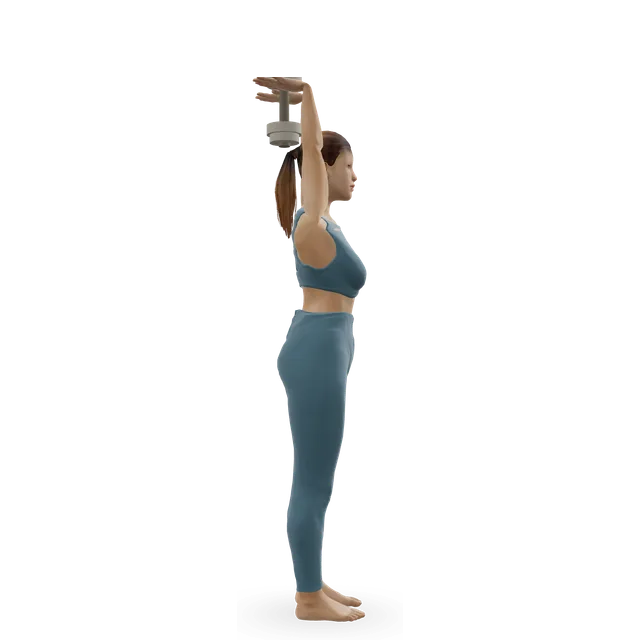
Make the pushing moves harder over the weeks, take sets close to the point where you need to stop, add a band row and an overhead press, and use springs, bands or light weights you can increase. Overhead triceps work grew the triceps 1.4 times as much as arms-down work in 21 adults, as our Pilates for arms guide says. If you already lift, Pilates complements it; for the most muscle, weights or bands made heavier over time do more (our reading).

Sources 8, 39

Which muscles the moves work

Muscle-activity studies show how hard a move works a muscle in one session in a lab, not what it does over weeks.

The push-up plus for the serratus anteriorEmerging evidence

Across 19 studies, the standard push-up plus (pushing a little further at the top, so the shoulder blades move apart) worked the serratus anterior well, more in the full than the knee version, and wobbly surfaces didn't raise the work of all the shoulder-blade muscles. In one lab, the kneeling version worked it at about a third of its maximum, and about half with one leg lifted.

Sources 40, 41, 42

Face-down moves for the back of the shouldersEmerging evidence

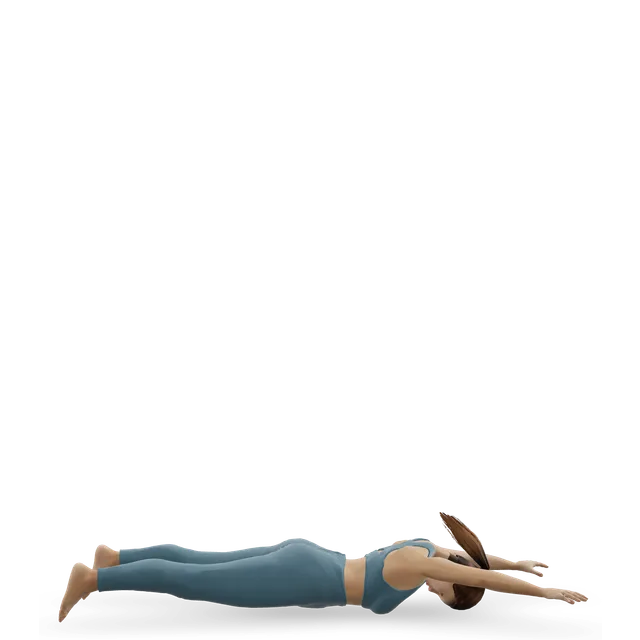
Pilates swimming worked the latissimus dorsi at about 46% of its maximum in 18 women, and swan versions that hold or push worked the shoulders and upper back more than the basic swan. Face-down arm raises are the best-studied moves for the lower trapezius, and lying positions keep the upper trapezius quiet.

Sources 43, 44, 45, 46, 47

Planks are shoulder work tooEmerging evidence

In 17 young adults holding to failure, a plank worked the middle deltoid at about 43% of its maximum and a raised side support at about 56%, and nearly half stopped because their arms tired. Straight-arm planks worked the lower trapezius and triceps more than forearm planks, and taking away a point of support raised shoulder work: the logic of moving from the knee hover to the leg pull front.

Sources 48, 49

Reformer strap work: one lab's small sampleMixed evidence

In young Pilates-trained men, one-arm strap work worked the serratus anterior and middle deltoid at about 15% to 23% of their maximum, more with heavier springs, but at the heaviest spring in the overhead version a neck muscle took over, and the authors warn against too heavy a spring there. On one spring, the arm's angle decided which part of the upper back worked. These figures, and the push-up plus figures above, come from one lab's small sample of young men, reported inconsistently across three papers.

Sources 50, 51, 42

No measurements for most Pilates moves

No study has measured the shoulder muscles in the Pilates push-up, the leg pulls, the side bend or the reformer long stretch.

Sources 52, 53

How to make upper-body Pilates harder

Our editorial plan, from the 2026 ACSM position stand (2 to 3 hard sets, about 10 or more a week for each muscle), the push-up force study (wall and knees easiest, feet raised hardest) and the push-up and band training trials.

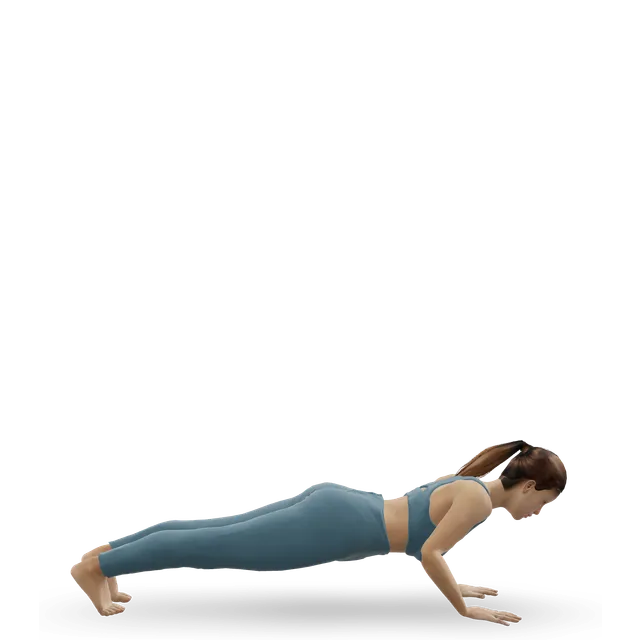
  1. Start push-ups at the wall, then on your knees, then from your toes, then try the Pilates push-up. Move up a step when the last few reps of each set feel easy.
  2. In each set, stop when you have 2 or 3 good reps left. When that takes more than about 15 reps, move to the next step.
  3. Pair every push with a pull: a band row or face-down arm raises.
  4. When the last few reps of a row or press feel easy, use a firmer band or light weights.
  5. Add an overhead press and an overhead triceps move, and leave both out while your shoulder hurts.
  6. Count your hard sets for each muscle across the week, and build towards about 10, over 2 or more sessions.
  7. For the most muscle, add weights or machines and keep making them heavier, as our Pilates for strength guide explains.

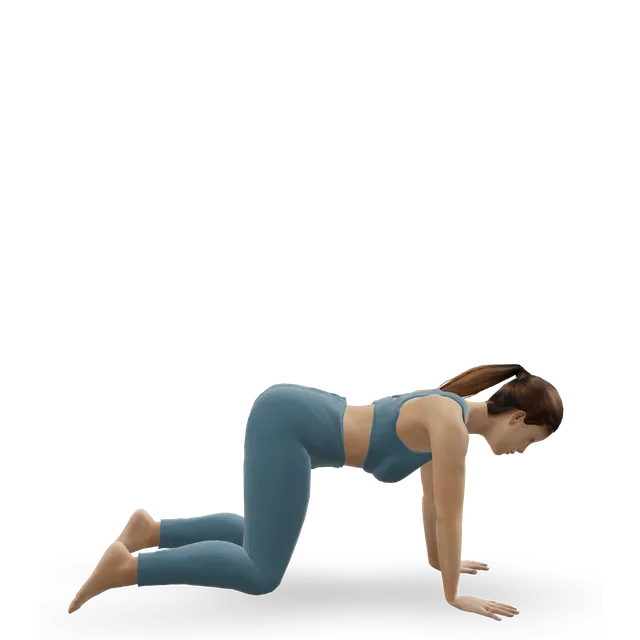
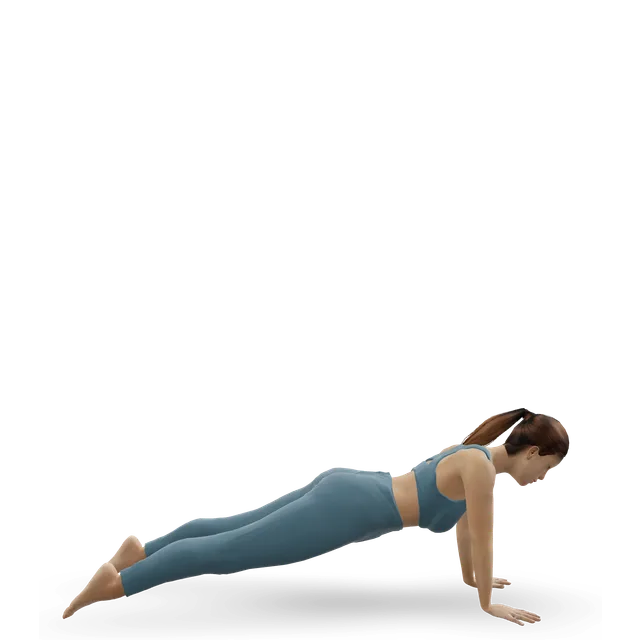
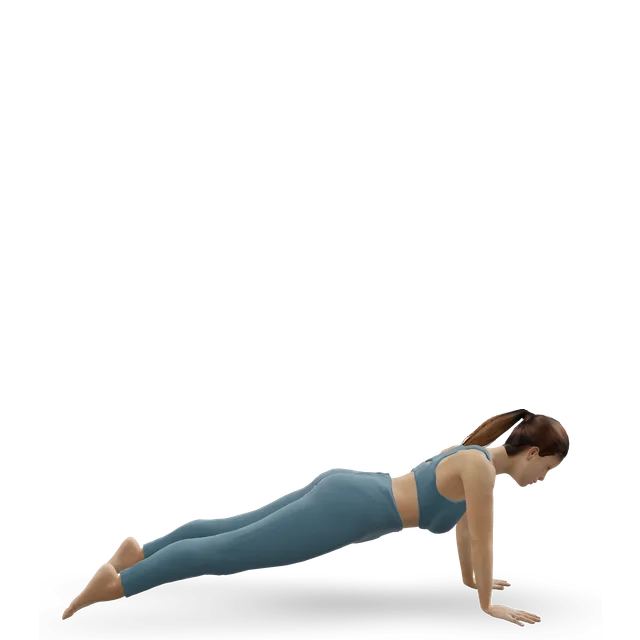
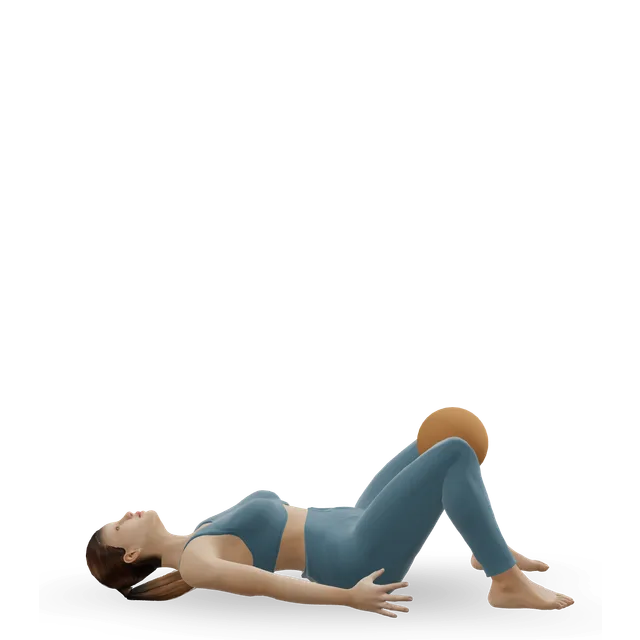
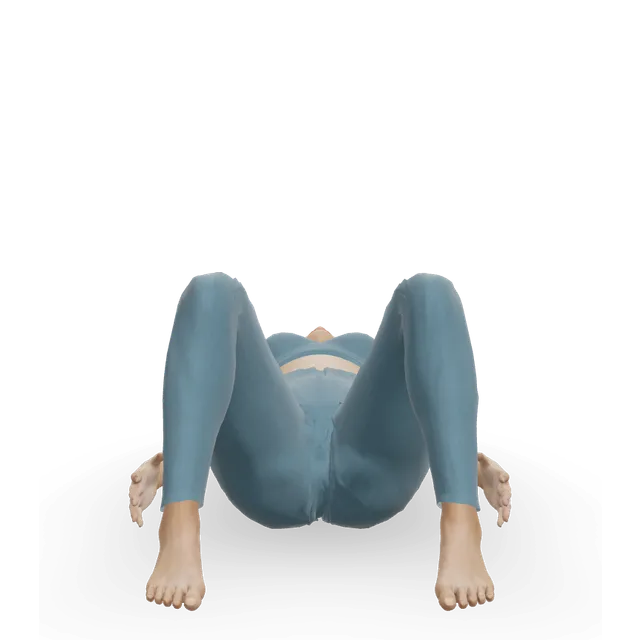
See the movement on the 3D figure: Knee push-up

Mat or reformer

Mat and apparatus did about equallyEmerging evidence

In 48 active older women, mat and apparatus Pilates improved upper and lower body strength and endurance equally, and mat and barrel Pilates did the same in 20 women. In 24 women after the menopause, grip rose only with apparatus Pilates, which the authors put down to that group's higher starting grip.

Sources 54, 55, 56

Spring colours don't tell you the loadEmerging evidence

In the one study that measured the force on a Pilates foot bar, the force worked out from the springs was significantly different from the force measured, and nobody has published the forces of reformer arm work in kilograms. Lighter springs can make some moves harder, by making the carriage less steady.

Sources 57, 58, 59

Learn strap work with a teacherMixed evidence

In one case report, both shoulders of a 41-year-old woman dislocated during an unsupervised reformer session. In a Dutch survey of gym injuries, yoga and Pilates injuries were mostly to the back, while strength training injuries were most often to the shoulder. The Pilates Method Alliance recommends learning the equipment with a skilled instructor.

Sources 11, 14, 60

Wall Pilates

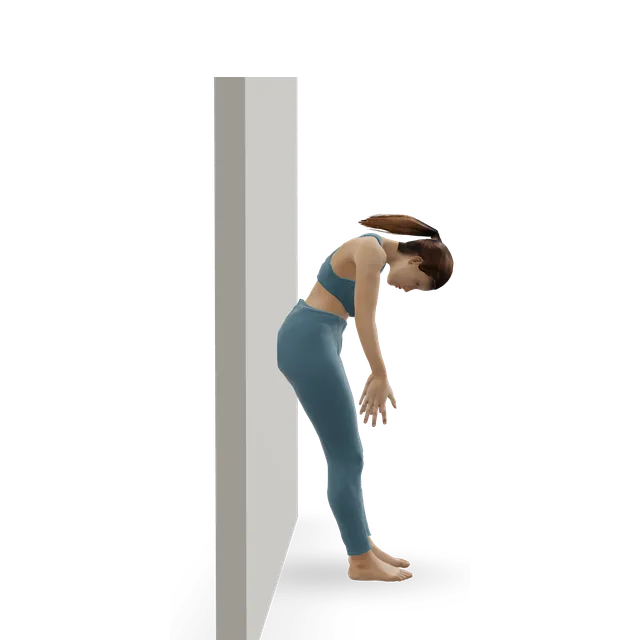
Wall push-ups and wall angels are a gentle start: push-ups with your hands raised put the least force through your arms. Move to your knees, then the floor, as they get easy. Our wall Pilates guide has more.

Source 38

Warm up and set your shoulder blades

Cat-cow: "8 waves, slower than feels natural", and thoracic rotation: "6 rotations per side, moving with the breath" (both the move pages' doses); scapular push-up: 8 reps, at the wall or on hands and knees (our Pilates for shoulders class); knee hover: 3 holds of 15 to 30 seconds (from the move page's dose).

Push: chest, the front of the shoulders and the triceps

Wall push-up: 2 sets of 8 (our Pilates for shoulders class); knee push-up: 2 sets of 6 to 10 (our Pilates arm workout); Pilates push-up: 2 to 3 rounds of 3 push-ups (from the move page's dose), with fists for sore wrists; push-up: 3 sets, stopping 2 to 3 reps short of failure (our Pilates strength workout); chest squeeze: "Hold each squeeze 5 to 10 seconds, rest about as long, and repeat 6 to 10 times" (from the move page's dose), palms together or a ring between them.

Pull: your back muscles, the back of the shoulders and the biceps

Band row: 3 sets of 10 to 15, stopping 2 to 3 reps short of failure (from the move page's dose), anchored to something fixed, never a door handle; band pull-apart: 2 sets of 10 to 15, and Y-T-W raises: 5 of each shape (both our Pilates arm workout); swimming: 2 to 3 sets of 20 to 30 seconds, and swan: 5 to 6 reps (both from the move pages' doses); external rotation: 2 sets of 12 each arm (our Pilates for shoulders class); prone swimmers: "4 or 5 slow circles, 2 rounds, resting between rounds (our editorial starting point)." (the move page's dose).

Support: whole-body holds on your hands

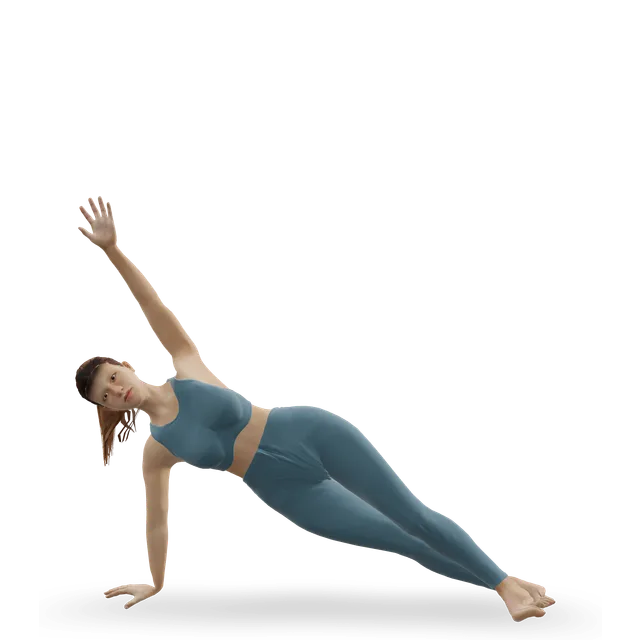
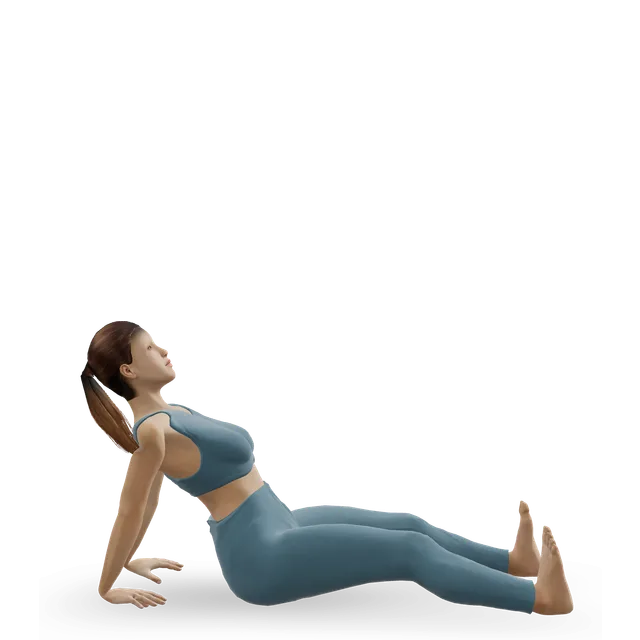
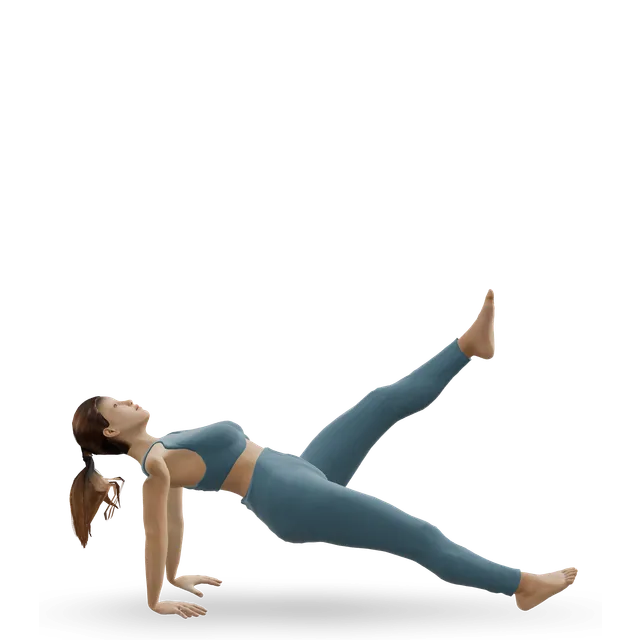
Straight-arm plank: 3 holds of 15 to 30 seconds; leg pull front: 3 to 5 each side; side bend: 3 to 5 each side (all from the move pages' doses); knee side plank: 2 holds of 15 to 20 s each side, and upward plank: 2 holds of 5 breaths, building up in reverse tabletop with knees bent first (both our Pilates arm workout); leg pull back: 3 each side (from the move page's dose), skipped if your wrists or the front of your shoulders hurt.

Arms and overhead, with light weights or a band

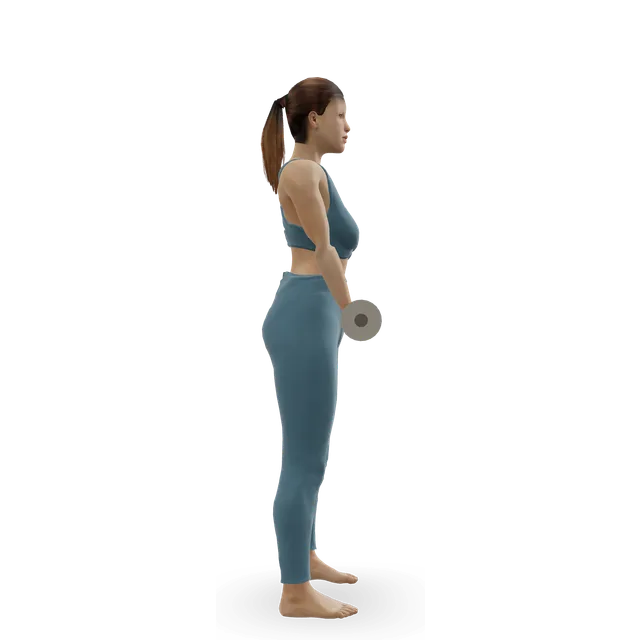
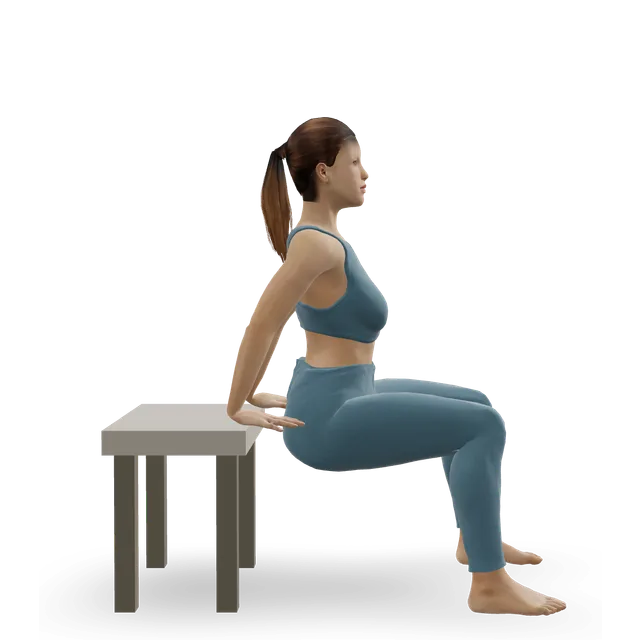
Biceps curl and overhead triceps extension: 2 sets of 10 to 15, and bench dip: 2 sets of 6 to 10 (all our Pilates arm workout), leaving overhead extensions out with shoulder pain and lowering dips only as far as the front of your shoulder is comfortable; band shoulder press: 2 sets of 8 to 12 (our Pilates strength workout), left out with shoulder pain.

Reach and open

Mermaid: 3 each direction, each side (from the move page's dose); doorway chest opener: 2 holds of 30 s each side (our Pilates for posture class), elbow low after a shoulder dislocation; child's pose: 1 to 3 minutes (from the move page's dose).

Classes to follow

Start with our new 30-minute push-and-pull class, which pairs a band row and face-down pulls with every push. The arm class goes further on the arms, the shoulders class keeps the load light for shoulders that feel weak or stiff, and the strength class trains the whole body; the push-up progression is the pushing ladder.

Push-and-pull Pilates for the upper body: a 30-minute class with a band

A 30-minute Pilates class for your chest, shoulders, upper back and arms: push-ups in steps, a band row and face-down pulls, side support and a band press.

30 minBeginner21 movesBand, anchor point

Pilates arm workout: a 20-minute class with light weights or none

A 20-minute Pilates class for your arms: planks and push-ups, side and back support, face-down work and a standing series with light weights or a band.

20 minBeginner16 movesBench or box, dumbbell

Shoulder Pilates: a 25-minute class for the shoulder blades, the rotator cuff, weight on your hands and reach overhead

A 25-minute Pilates class for healthy shoulders: the shoulder blades face down, a light band for the rotator cuff, weight on your hands in steps, and reach.

25 minBeginner20 movesBand, anchor point

Pilates strength workout: a 30-minute class with weights or a band

A 30-minute Pilates strength class with dumbbells or a band: Pilates trunk work plus squats, lunges, rows and push-ups, each set taken until it is hard.

30 minIntermediate15 movesDumbbell, band

Push-up progression workout

Work up to full push-ups: wall, incline and knee push-ups, then the floor push-up and harder variations.

15 minBeginner8 movesWall, bench or box

Full-body mat Pilates workout

A 30-minute intermediate mat Pilates class that follows the classical order, from the hundred to the push-up, with prep versions of the hardest moves.

30 minIntermediate22 movesNo equipment

Reformer-inspired mat Pilates (no machine)

A 25-minute mat workout built on the order of a classical reformer class, with a mat or standing version of each reformer exercise. No machine needed.

25 minBeginner16 movesWall

Pilates ring workout: a 20-minute magic circle class (a cushion works too)

A 20-minute Pilates ring workout for beginners: squeeze, press and balance with a magic circle, or a cushion and a belt if you don't have one.

20 minBeginner11 movesOther / check instructions, band
Show all 11 workoutsShow fewer workouts

Plans

The push-up and arm challenges build in small daily steps; the band plan adds progressive load at home; the 4-week Pilates plan is a gentle start.

Who should change what

A sore shoulder

Build up in steps from the wall, leave out the leg pulls, the kneeling side kick and control balance, and do the side bend as a knee side plank while it hurts, as our shoulder pain class advises. Do push-ups against a wall, and skip rocking, as their move pages say. Our Pilates for shoulder pain guide has the pain rule and the plan. After breast cancer surgery, start with your team's exercises; our Pilates for breast cancer guide has more.

A shoulder that slips, or after a dislocation

Keep your arm in front of you, avoid taking it out to the side and turning it back, and stop if it feels about to slip, as our shoulder pain class advises. Build up prone swimmers slowly, as its move page says.

Very flexible shoulders and elbows

In planks, keep your elbows soft rather than locked and push the floor away rather than sinking into your shoulders, as the move pages advise.

Source 61

Sore wrists

Sore wrists? Make fists or go onto your forearms.

The Pilates push-up's page adds: "Use fists if your wrists hurt, and do the push-ups on your knees if needed."

Heart conditions

With heart disease, keep breathing and ask your cardiac team before long holds; with heart failure, avoid planks; after heart surgery through the breastbone, follow your surgeon's advice before pushing, pulling or lifting with your arms, as the plank moves' pages say.

Osteoporosis, and pregnancy

With a high fracture risk, avoid or change side bending, as the side bend and mermaid pages advise, and keep twists smooth. Don't lie face down later in pregnancy; use an all-fours version of the face-down moves.

The Pilates push-up's page adds: "With osteoporosis, swap the rounded roll-down for a flat-back hip hinge."

In pregnancy, after the first trimester, keep time flat on your back to a few minutes: prop your upper body up, or use a side-lying or all-fours version.

Moves this page leaves out

The roll-over, jack knife and control balance put weight on your shoulders and neck, so this page leaves them out (our suggestion). If the front of your shoulder hurts, skip rocking and the leg pull back, as their move pages say.

A sore neck in the curl-up moves

If your neck works harder than your abs, lower your head, rest it in your hands, and nod gently without jamming your chin down. Neck pain that persists, or spreads into an arm, is a reason to see our neck pain guide or a professional.

Source 13

Breathing

Breathe out as you lift, and don't hold your breath.

Warning signs

These are the warning signs of our shoulders, arms and Pilates guides, word for word, apart from the line given in the NHS's words. This is general information, not a diagnosis. A&E means accident and emergency; in the US, call 911 for 999, and use your doctor's urgent line or urgent care for NHS 111.

Call 999

  • Call 999: shoulder or arm pain with chest pain that feels tight or squeezing, or chest pain that spreads to your arms, neck or jaw, especially with shortness of breath, sweating or feeling sick. It could be a heart attack.
  • Call 999: you suddenly can't fully lift both arms and keep them there, because of weakness or numbness in one arm, especially if one side of your face droops or you slur your words or sound confused. It could be a stroke. Call even if the signs have stopped.
  • Call 999 or go to A&E: after a fall or injury, your shoulder looks out of place or has changed shape, you cannot move your arm, or your shoulder is painful, bruised or swollen. Do not drive yourself, and do not try to put it back in yourself.
  • Call 999 or go to A&E: new problems walking, loss of bladder or bowel control, or a sudden loss of coordination, such as difficulty doing up buttons. These can be signs of pressure on the spinal cord.

Sources 12, 62, 63

Get help from NHS 111

  • Get help from NHS 111: pain or tightness in your chest, neck, shoulders, jaw or arms that comes and goes, often brought on by exercise, stress, emotion or cold and easing after a few minutes' rest. It can be angina, a sign of a heart problem. If you've been diagnosed with angina, get help from NHS 111 too if it feels worse than before, is happening more often, lasts longer or happens when you're resting.
  • Get help from NHS 111: an arm that hurts when you exercise but the pain goes away when you rest.

Sources 62, 64, 65, 10

New weakness lifting the arm, or a hot, swollen shoulder: the same day

  • Same day (GP or NHS 111): sudden weakness lifting the arm after an injury or fall. A rotator cuff tear caused by an injury needs urgent referral to a shoulder specialist. After a dislocation in anyone over 40, the rotator cuff should be checked: about 40% have a tear.
  • Same day (GP or NHS 111): the shoulder or arm is hot, swollen or red, or you have a high temperature (although not everyone has one) or feel unwell. A joint infection needs same-day care.
  • Same day (GP or NHS 111): sudden or very bad shoulder pain; you cannot move your arm; the arm or shoulder is badly swollen or has changed shape; pins and needles that do not go away; no feeling in the arm; the arm is hot or cold to the touch; pain that started after an injury such as a fall; or severe pain in both shoulders.

Source 10

Neck pain with numbness or pins and needles in an arm: the same day

  • Same day (urgent GP appointment or NHS 111): severe neck pain that starts suddenly or gets worse quickly; heaviness or weakness in the arms or legs; pins and needles in an arm along with neck or arm pain; or pain between the shoulder blades.
  • Same day: clumsiness in your hands, or numbness, pins and needles or weakness in one or both arms, that is getting worse; problems with balance or walking since the neck pain started; or neck pain with a severe headache.
  • Arm weakness or numbness that keeps getting worse, severe pain that painkillers and rest do not touch, or an unexplained fever.

Source 66

See a GP or physiotherapist

  • Pain that is getting worse or has not improved after 2 weeks of looking after it yourself, or it is very hard to move your arm. In many areas you can refer yourself to physiotherapy.
  • Your shoulder has partly or fully come out of joint, or you worry it might.
  • Pins and needles or a cold arm alongside neck pain, or a new loss of strength or feeling in the arm that you cannot explain (a possible nerve problem).
  • Neck pain or stiffness that has not eased after a few weeks, or after 8 weeks of looking after it yourself; painkillers are not helping; or you are worried. In many areas you can refer yourself to NHS physiotherapy.
  • No improvement after 6 weeks of exercise, or arm symptoms still there beyond 6 to 12 weeks.
  • See a GP if you have pain and stiffness for more than a week, especially if you're over 50, it's in both shoulders (often the neck and hips too) and the stiffness lasts longer than 45 minutes in the morning. It can be polymyalgia rheumatica.

Sources 10, 66, 67

Pins and needles on their own

The NHS says: "Everyone can get pins and needles but see a GP if you keep getting it or it lasts a long time." Our lines above cover pins and needles that come with shoulder, neck or arm symptoms.

Source 68

During a session

Tingling or numbness down your arm? Stop that move, and see a GP if it keeps happening or your arm feels weak.

Stop if neck circles bring on dizziness, light-headedness or tingling into an arm. Make the movement smaller, with separate turns and nods, and see a GP if it keeps happening. Our neck pain guide has more.

While a shoulder hurts

The NHS says not to make up your own strenuous exercises or use heavy gym equipment with shoulder pain, so leave arm weights and reformer straps until it settles or a physiotherapist guides you. A tingling, numb or weak arm, or a shoulder that feels like it's clicking or locking, can mean an unstable shoulder, sometimes with hypermobility.

Source 10

On the reformer

In one case report, both shoulders of a 41-year-old woman dislocated during an unsupervised reformer session as her arms moved out to the side and turned outwards. The Pilates Method Alliance recommends learning equipment with a skilled instructor: do that before strap arm work, especially with hypermobile or previously dislocated shoulders.

Sources 11, 14

Chest pain or fainting while exercising: call 999

Call 999 if:

  • You get sudden pain or discomfort in your chest that doesn't go away; it can feel like squeezing or pressure, burning or indigestion.
  • The pain spreads to your left or right arm, or your neck, jaw, stomach or back.
  • You have chest pain and feel sweaty, sick, light-headed or short of breath.
  • Someone faints while exercising, can't be woken within 1 minute, or has chest pain or a pounding, fluttering or irregular heartbeat.

Sources 62, 12, 69

Unusual breathlessness

Call 999 or go to A&E (accident and emergency) straight away for severe difficulty breathing (gasping, choking or not able to get words out), a chest that feels tight or heavy, pain that spreads to your arms, back, neck and jaw, lips or skin turning very pale, blue or grey, or sudden confusion. If you're more short of breath than usual, or your heart is racing, fluttering or skipping beats, contact NHS 111.

Source 70

A heart condition

If you have a heart condition, follow your cardiac team's advice on how hard to work, and stop for the warning signs above. People with long-term conditions may wish to ask their specialist before starting. With uncontrolled high blood pressure, avoid straining against a held breath; the high blood pressure guide has more.

Stop the session if

You feel any pain or become unwell, as the NHS advises for its Pilates videos, and especially for chest pain or pressure, unusual breathlessness, dizziness or fainting. If you have a health problem, an injury or any symptoms, get advice from a healthcare professional, such as a GP, before you start.

Source 71

Before you start

The NHS advises getting advice from a healthcare professional first if you have a health problem, an injury or symptoms, or have recently had a heart attack or an operation.

If you have a heart, lung or joint condition, are pregnant or have recently been unwell, start gently and read our guide for your condition. Muscle soreness for a day or two after a new exercise is common and fades as you repeat it.

Source 71

Myths

"Pilates builds as much upper-body strength as weights"Emerging evidence

In small trials of mostly untrained people, Pilates did about as well as other exercise, at very low to low certainty. But no trial has compared it with progressive weights for the upper body, heavier loads build more maximum strength, and people who train with weights had stronger grips in a cross-sectional study.

Sources 5, 6, 33, 32

"Studies show Pilates builds upper-body strength"Mixed evidence

The trials mostly show endurance gains, in small groups of women and older adults, and grip didn't change when trials in women were pooled. The reviews disagree about strength.

Sources 3, 4

"Pilates gives you long, lean arms and shoulders"Strong evidence

No study has measured muscle length after Pilates, and stretching doesn't make muscles meaningfully longer. Lean means less body fat, which comes off the whole body.

Sources 72, 73, 74

"You need a reformer for real upper-body work"Emerging evidence

Mat and apparatus Pilates improved strength tests about equally in small trials, and bands built upper-body strength about as well as weights.

Sources 54, 55, 35

"Body weight can't build muscle"Emerging evidence

Push-ups made hard enough grew the chest and triceps as much as a light bench press, and band-loaded push-ups matched the bench press for strength, as long as the sets are hard and keep getting harder.

Sources 9, 36, 8

"Heavier springs are always better"Emerging evidence

In one small lab study, the shoulder-blade muscles levelled off and a neck muscle took over at the heaviest spring, and lighter springs can make some reformer moves harder by making the carriage less steady.

Sources 50, 59

"A wobble board or ball makes push-ups better for your shoulders"Emerging evidence

Unstable surfaces raised the upper trapezius more than the shoulder-blade stabilisers, and the push-up plus on a stable surface works the serratus anterior well.

Sources 41, 40

"Pilates arm and back work burns arm or back fat"Strong evidence

When adults trained one arm for 12 weeks, MRI scans showed fat came off both arms, not just the trained one.

Source 15

"1 to 3 pounds is all the weight you'll ever need"Mixed evidence

Classical arm work uses light weights, and light loads build muscle when sets are hard. But loads need to rise as you get stronger, and heavier loads build more maximum strength.

Sources 33, 8

Questions people ask

Is Pilates good for the upper body?

Yes, for endurance, control and some strength, especially if you're starting from little: in small trials, push-ups and arm endurance improved. It works the upper body mostly by holding you up, so add a band row and harder push-up steps for more.

Does Pilates build upper body strength?

Some, in people who weren't training: older women's elbow strength and grip ended higher than control groups'. But grip didn't change when trials in women were pooled, and gains level off unless the load rises.

Can Pilates build muscle in my arms, chest and back?

A little, at first. No study has scanned upper-body muscle after Pilates, and one found about 0.1 kg more arm lean mass with no comparison group. Muscle grows with hard sets that keep getting harder, which bands, springs and weights make easier.

Is Pilates as good as weights for the upper body?

For strength in beginners, about the same in small trials at very low to low certainty. But no trial has compared Pilates with progressive weights for upper-body muscle, and heavy loads build the most maximum strength. Do both if you can; our Pilates for strength guide explains how.

Which Pilates exercises work the upper body?

The push-up, the leg pull front and back, the side bend, planks, swimming and the swan, with face-down arm raises and a band row for the upper back. Planks work the shoulders as much as the core.

Should I use weights in Pilates upper-body work?

Light weights or a band help, as long as you increase them when the last few reps get easy, and bands built upper-body strength about as well as weights in trials. The classical arm series uses about 1 kg, which is fine to learn with but light for people who already train.

Is reformer Pilates better for the upper body than mat?

The springs add pulling and pushing load, but mat and apparatus Pilates improved strength tests about equally in small trials, and spring colours don't tell you the force. Learn strap work with a teacher.

Can I do upper-body Pilates with no equipment?

Yes: push-ups in steps, planks, the leg pulls, swimming and the swan need only a mat. Push-ups made hard enough built the chest and triceps like a light bench press. Add a band when you can, for pulling.

Is wall Pilates good for the upper body?

Wall push-ups and wall angels are a gentle start, and push-ups with your hands raised put the least force through your arms. Move to your knees, then the floor, as they get easy.

How often should I do upper-body Pilates?

Twice a week counts towards the NHS strength guideline, worked to the point where you need a short rest. For more muscle, aim for about 10 or more hard sets a week for each muscle group across all your training.

Can I do it with sore wrists or shoulders?

Use fists or your forearms for sore wrists, and leave out the leg pulls, dips and overhead moves while the front of a shoulder hurts. Tingling, numbness or new weakness in an arm needs a GP, and arm pain with chest pain is a 999 call.

Will Pilates tone my arms or get rid of back and arm fat?

It builds strength and a little muscle, but it doesn't burn fat from your arms or back, which comes off your whole body. Our Pilates for arms guide and our training guide to losing arm fat cover the rest.


Sources

  1. Pilates Anytime · The 34 Pilates mat exercises: names, order and precautions (teaching platform)

  2. Lazarowitz Zanzuri 2024 · Online or studio mat Pilates for 8 weeks in 40 inactive women: fitness tests (RCT, Healthcare; read in full)
  3. Oliveira 2024 · Pilates and strength, endurance and power in older adults: 24 trials (systematic review and meta-analysis, J Bodyw Mov Ther)
  4. Bajčetić 2026 · Pilates and body composition, strength and flexibility in women: 12 studies (systematic review and meta-analysis, Sports; read in full)
  5. Pinto 2022 · Is Pilates better than other exercise for strength? 11 trials (systematic review, Heliyon; read in full)
  6. PubMed and Europe PMC · Our searches for Pilates trials of upper-body strength or muscle size, against weight training, or in men (3 November 2026): no trial against progressive weights
  7. Karpouzi 2025 · Body composition on scales and DXA scans in 19 trained women over 10 weeks of reformer and Cadillac Pilates (RCT of protein, J Int Soc Sports Nutr; read in full)
  8. Currier 2026 · ACSM position stand: resistance training for strength and muscle growth, 137 reviews (Med Sci Sports Exerc; read in full)
  9. Kikuchi 2017 · Low-load bench press and push-ups built similar muscle and strength in 18 men (randomised trial, J Exerc Sci Fit; read in full)
  10. NHS · Shoulder pain (past its review date: reviewed May 2023, review due May 2026)
  11. Ergün 2023 · Both shoulders dislocated during an unsupervised reformer session (case report, Physiother Theory Pract)
  12. NHS · Heart attack
  13. STOTT PILATES (Merrithew) · Exam FAQs: the five basic principles, including shoulder-blade movement and stabilisation
  14. Pilates Method Alliance · Beginner's guide to Pilates equipment, including the Magic Circle
  15. Kostek 2007 · Training one arm for 12 weeks in 104 adults: fat on MRI (trial, Med Sci Sports Exerc)
  16. Kloubec 2010 · 12 weeks of mat Pilates in 50 active middle-aged adults: endurance, flexibility and balance (RCT, J Strength Cond Res)
  17. Mun 2024 · 60 or 30 minutes of Pilates in university students with rounded shoulders (trial, J Clin Med; read in full)
  18. Oliveira 2017 · Pilates and elbow strength in 30 older women (RCT, J Bodyw Mov Ther)
  19. Aibar-Almazán 2022 · Pilates, body composition, strength and walking speed in 109 women over 60 (RCT, J Strength Cond Res)
  20. Fernández-Rodríguez 2021 · Pilates, physical performance and falls in older adults: 39 studies (systematic review and meta-analysis, Physiotherapy)
  21. Dos Santos 2017 · 12 reformer sessions and shoulder-blade and lower-back strength in 24 young women (pilot study, J Bodyw Mov Ther)
  22. Gökalp 2025 · Reformer Pilates for 8 weeks in 47 women with overweight (RCT, Sci Rep; read in full)
  23. Bertoli 2023 · Mat Pilates and strength in 43 breast cancer survivors on hormone therapy (RCT, Disabil Rehabil)
  24. Boing 2026 · Pilates or dance and arm function after breast cancer surgery (randomised three-arm trial, Support Care Cancer)
  25. Dos Reis 2024 · Apparatus Pilates with or without stretching in 32 young women: fitness and grip (RCT, BMC Sports Sci Med Rehabil; read in full)
  26. Campos 2016 · Pilates and fitness in healthy people (systematic review and meta-analysis, J Sports Med Phys Fitness)
  27. Kibar 2016 · Pilates for balance, flexibility and muscle endurance (RCT, J Sports Med Phys Fitness)
  28. Dorado 2012 · 36 weeks of Pilates and the tummy muscles on MRI in 9 inactive women (uncontrolled study, Med Sci Sports Exerc)
  29. Carrasco-Poyatos 2019 · Pilates or resistance training for trunk and hip strength in 60 women aged 60 to 80 (cluster randomised trial, PeerJ; read in full)
  30. Martin 2013 · A Pilates-style chair or traditional resistance training in breast cancer survivors (feasibility study, J Sci Med Sport)
  31. Evangelou 2021 · A high-repetition group class or Pilates for 3 months in 42 inactive women (trial, J Bodyw Mov Ther)
  32. Dragoumis 2026 · Fitness and grip in adults doing Pilates, weights and other gym exercise (cross-sectional study, Sports; read in full)
  33. Lopez 2021 · Light, moderate or heavy loads and muscle growth: 28 studies (network meta-analysis, Med Sci Sports Exerc; a 2022 corrigendum changed three strength figures, not the findings)
  34. Schoenfeld 2017 · Light or heavy loads for strength and muscle growth (systematic review and meta-analysis, J Strength Cond Res)
  35. Lopes 2019 · Elastic bands against weights and machines for strength: 8 studies (systematic review and meta-analysis, SAGE Open Med; a 2020 corrigendum swapped the upper and lower limb labels, and the corrected figures are used)
  36. Calatayud 2015 · Bench press or band push-ups at matched muscle activity: strength gains (randomised trial, J Strength Cond Res)
  37. van den Tillaar 2019 · Push-ups and the bench press compared (lab study, Sports Med Int Open)
  38. Ebben 2011 · Forces through the hands and feet in push-up versions (lab study, J Strength Cond Res)
  39. Maeo 2023 · Overhead or arms-down triceps extensions for 12 weeks in 21 adults (trial, Eur J Sport Sci)
  40. Kang 2019 · The push-up plus and the serratus anterior: 19 studies (systematic review and meta-analysis, J Athl Train; read in full)
  41. Arghadeh 2023 · Shoulder-blade muscles in push-ups on stable and unstable surfaces (systematic review and meta-analysis, Front Physiol)
  42. Jung 2025 · Shoulder-blade muscle activity in four push-up plus versions in young men (lab study, Life; read in full; the same lab's sample)
  43. Kim 2014 · Muscle activity in face-down Pilates moves in 18 women (lab study, J Phys Ther Sci; read in full)
  44. Kim 2021 · Swan Pilates versions and upper-body muscle activity in 24 men (lab study, J Bodyw Mov Ther)
  45. Ekstrom 2003 · Which exercises work the trapezius and serratus anterior hardest (lab study, J Orthop Sports Phys Ther)
  46. Cools 2007 · Which exercises balance the shoulder-blade muscles (lab study, Am J Sports Med)
  47. Schory 2016 · Exercises that balance the shoulder-blade muscles in healthy shoulders (systematic review, Int J Sports Phys Ther)
  48. Devorski 2022 · Shoulder and hip muscle activity in planks and other exercises in 17 young adults (lab study, J Sport Rehabil)
  49. Can 2024 · Shoulder muscle activity in low and high plank versions in 21 men (lab study, J Strength Cond Res)
  50. Seo 2025 · Shoulder-girdle muscle activity with lighter and heavier springs in reformer arm work in young men (lab study, Life; read in full; one lab's small sample, shared with Mun 2025 and Jung 2025)
  51. Mun 2025 · Shoulder-blade muscle activity at different arm angles in reformer arm work in 26 young men (lab study, Medicina; read in full; the same lab's sample)
  52. PubMed and Europe PMC · Our searches for shoulder muscle-activity studies of Pilates moves (3 November 2026): none for the push-up, leg pulls or side bend
  53. Fayh 2018 · Instruction, stability and muscle activity in the reformer long stretch (lab study, J Bodyw Mov Ther)
  54. Mueller 2021 · Mat or apparatus Pilates and functional fitness in 48 older women (trial, J Bodyw Mov Ther)
  55. Seong 2025 · Mat or barrel Pilates in 20 adult women (trial, J Bodyw Mov Ther)
  56. Lim 2026 · Prop or apparatus Pilates for 8 weeks in 24 women after the menopause (trial, Phys Act Nutr; read in full)
  57. Brodt 2014 · Measuring the force on a Pilates foot bar (lab study, J Appl Biomech)
  58. PubMed and Europe PMC · Our searches for measured forces in reformer and Cadillac arm work (3 November 2026): none found
  59. Kim 2024 · Lighter or heavier reformer springs and core muscle activity (lab study, Healthcare)
  60. Kemler 2022 · Fitness-related injuries in the Netherlands (descriptive study, Sports; read in full)
  61. NHS · Joint hypermobility syndrome (past its review date: reviewed August 2023, review due August 2026)
  62. NHS · Chest pain (past its review date: reviewed August 2023, review due August 2026)
  63. NHS · Symptoms of a stroke
  64. NHS · Angina
  65. NHS · Elbow and arm pain
  66. NHS · Neck pain and stiff neck (past its review date: reviewed April 2023, review due April 2026)
  67. NHS · Polymyalgia rheumatica (past its review date: reviewed April 2023, review due April 2026)
  68. NHS · Pins and needles
  69. NHS · Fainting
  70. NHS · Shortness of breath
  71. NHS · Pilates video for beginners, with its safety advice
  72. PubMed · Our search for Pilates studies of muscle length or "long and lean" muscles (3 November 2026): none measured muscle length
  73. Ingram 2025 · How static stretching increases range of motion (systematic review, meta-analysis and meta-regression, Sports Med)
  74. Panidi 2023 · Static stretching and muscle structure (systematic review and meta-analysis, Sports Med Open)

Exercise education, not a personal prescription, and clinical review of these guides is pending. If you are pregnant, have a health condition or have had recent surgery, check with a doctor, midwife or physiotherapist before starting, and stop for sharp or increasing pain. Health disclaimer.