Sore knees, kneeling and replacements
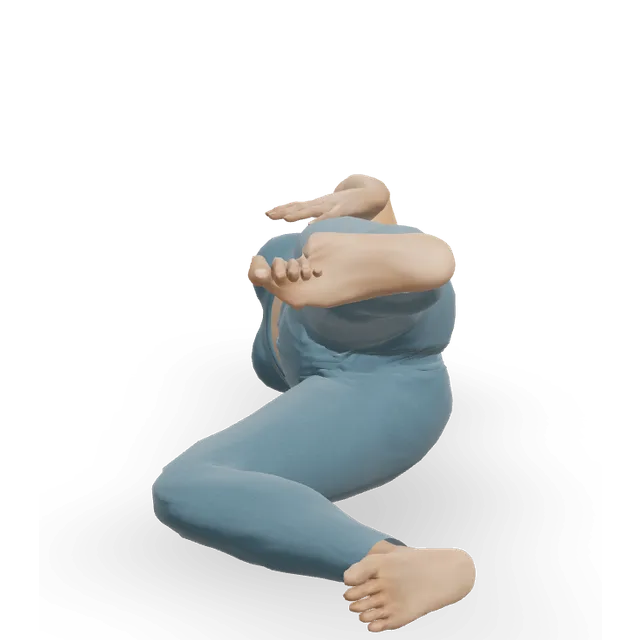
Pilates Anytime says those with knee problems should avoid the kneeling side kick. Pad or skip kneeling, keep deep knee bends small while a knee is sore, and after a knee replacement don't kneel on the new knee until your doctor says you can, as the move pages advise. After a hip replacement, follow your team's precautions: the inner thigh lift crosses the top leg over, like crossing your legs. Our Pilates for knee pain guide has the detail.
Source 1
Pain on the outside of the hip
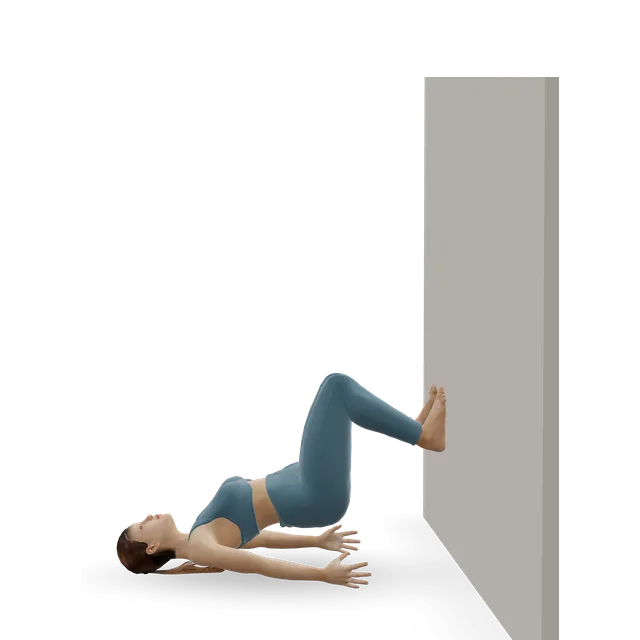
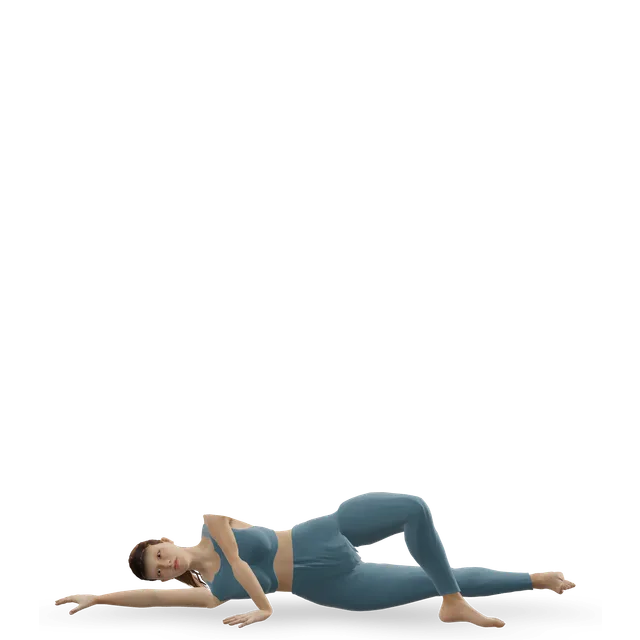
The side kick's and side leg circles' pages say: "Padding only eases pressure from the floor: with pain on the outside of the hip, our suggestion is to never lie on the sore side. Lie on your good side with a pillow between your knees so the top leg stays level, and if it still hurts, swap to the wall side leg lift, a standing version at a wall."
The inner thigh lift's page adds: "With pain on the outside of the hip, our suggestion is to leave this one out, as you'd either lie on the sore hip or cross that leg over the other."
After a hip replacement, or with a groin strain
The inner thigh lift's page says: "After a hip replacement, follow the precautions your team gives you: the top leg crosses over the other one here, much like crossing your legs, which the NHS lists among the movements to avoid while your hip recovers." It adds: "With a groin strain, start with a small lift."
Very flexible joints
If you're hypermobile, don't use mobility work to push further: the NHS says "do not overextend your joints just because you can". See a GP if you think you have joint hypermobility syndrome: for example, your joints keep dislocating, or you keep getting sprains, strains, pain or stiffness.
The single-leg circle's page adds: "With hypermobility, work in the middle of your range, as hypermobility charities and Pilates teachers' bodies advise: keep the circle small and stop before the end of your range rather than swinging into it."
Source 59
Wall sits and blood pressure
Wall sits raise blood pressure while you hold them, so breathe normally and never hold your breath. Ask your GP first if your blood pressure is 160/100 or higher and untreated, or if you have heart disease, and skip them with Marfan syndrome, vascular Ehlers-Danlos syndrome or aortic disease.
Osteoporosis
Keep your head down in the hundred and single-leg stretch, as our walk and Pilates workout advises, or choose the dead bug, bird dog and planks instead of the curl-up moves. Our Pilates for osteoporosis guide has more.
With osteoporosis or a past spinal fracture, avoid repeated or loaded deep rounding of the back, and bend from the hips. The osteoporosis guide covers impact and lifting.
Source 60
Pregnancy
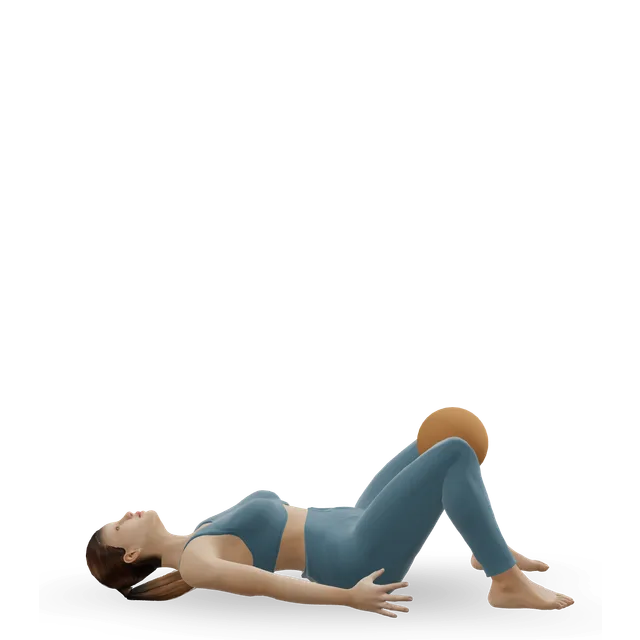
In pregnancy, after the first trimester, keep time flat on your back to a few minutes: prop your upper body up, or use a side-lying or all-fours version.
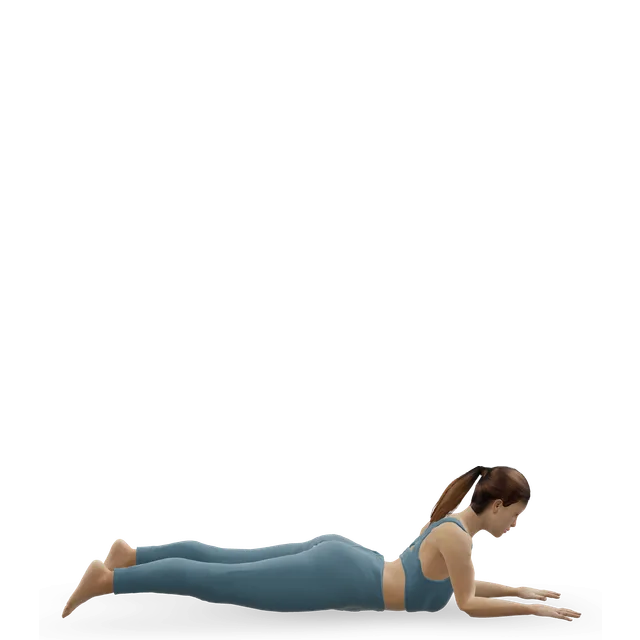
The swan's and swimming's pages add: "Do not lie face down in later pregnancy." The bird dog on all fours is the swap (our suggestion).
Shaky balance in standing and one-leg work
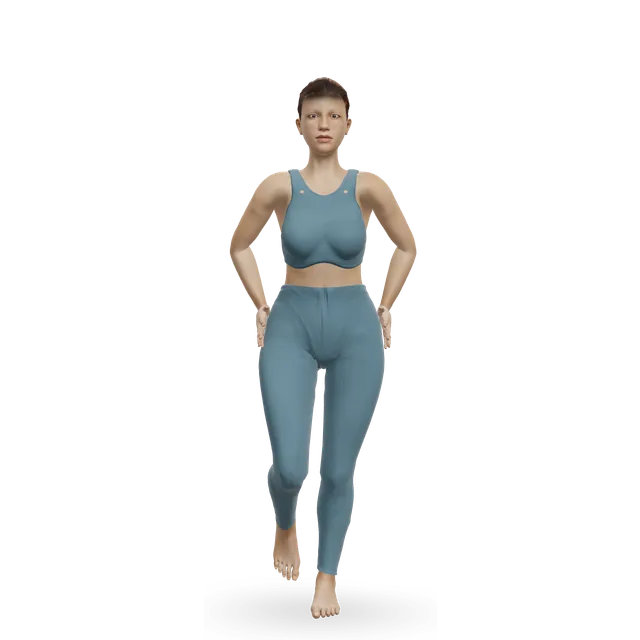
Stop if you feel dizzy or light-headed. Keep a counter or wall within reach, and have someone nearby for the hardest moves if you've fallen recently (our suggestion, as in our older adults guide).
Living with a higher weight
Start where you're comfortable: chair, wall and standing versions all count. Our Pilates for plus-size bodies guide covers getting up and down from the floor and the equipment that helps.
Breathing
Breathe out as you lift, and don't hold your breath.