Pilates guide

Pilates for your hips: strength, mobility and control, the hips and lower back, the moves, the evidence, and a class

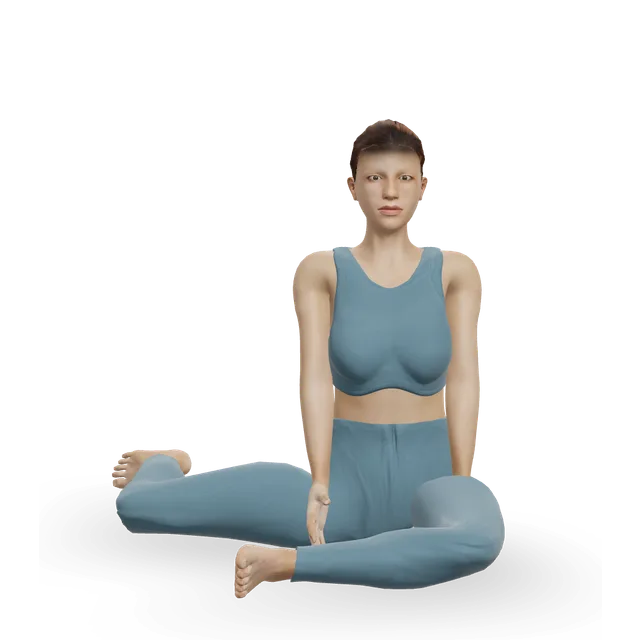
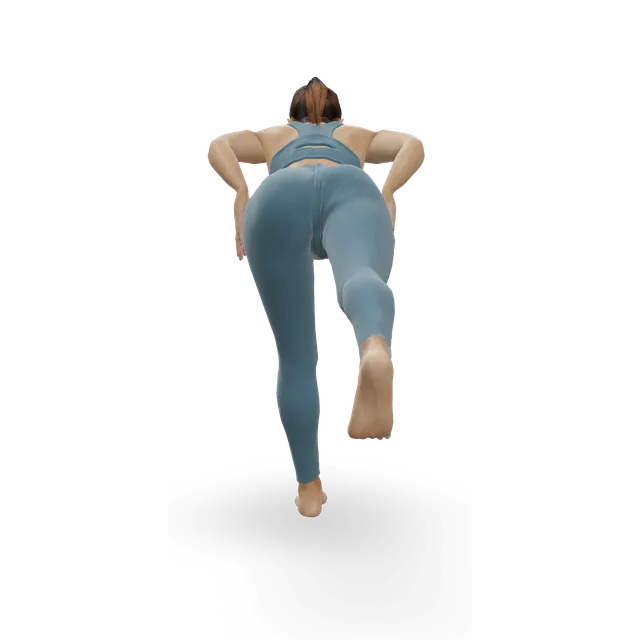
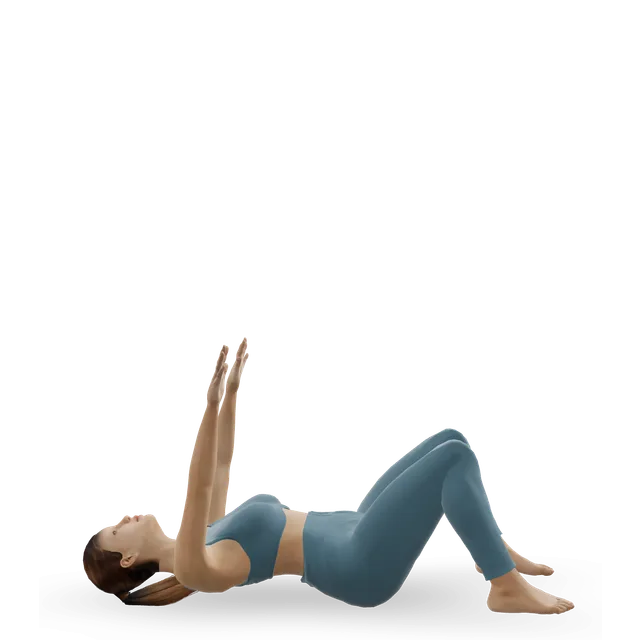
Pilates works your hips in every direction they move: bridges and swimming for the back of the hip, the side kick series for the side and the inner thigh, leg circles and 90/90 turns for turning in and out, and standing work for balancing on one leg. In small trials, mostly of women and older adults, it made hips a little stronger and more flexible than doing nothing, and about as much as other exercise. It hasn't been shown to build more strength than training with weights.

This guide covers what your hips do and why they feel tight, what Pilates can and can't change (including your lower back and knees), the moves, the reformer, who should change what, and a free 25-minute class. If your hip hurts, start with our Pilates for hip pain guide; for the glutes alone, our Pilates for glutes guide goes further.

The short version

Every direction the hip moves

Pilates trains the hip pushing back, out to the side, across, turning in and out, and lifting the knee, then on one leg. This guide is for hips that work but feel weak, stiff or tight. If your hip hurts, our Pilates for hip pain guide comes first.

Sources 1, 2

A little stronger than doing nothing

In the best trial, 18 weeks of Pilates raised hip strength held against a machine by 35.5% in women aged 60 to 80. Across 11 trials, Pilates built strength about as well as other exercise, not better. The trials are small and mostly in women and older adults.

Sources 3, 4, 5

Tight hips are mostly a feeling

Usually you've reached the stretch you tolerate, not a short muscle. Strength through the range built range about as well as stretching in reviews, so Pilates' strength moves count too. A pinch at the front of the hip is the joint: stay short of it.

Sources 6, 7

Strong hips help sore knees, not most backs

For kneecap pain, hip and knee strengthening together beat knee exercises alone. For back pain, adding hip work helped a little at best, and two trials found no extra benefit.

Sources 8, 9, 10, 11

Side hip strength matters as you get older

Stronger side hips went with fewer injurious falls in a large study of older adults, and in one small trial hip strengthening cut falls. Add balance work if falls worry you.

Sources 12, 13

Two or three times a week, and make it harder

Strength work on at least 2 days a week, until you need a short rest, is the guideline. Make the moves harder over the weeks with one-leg versions, a band or springs.

Sources 14, 15

What your hips do

Six directions, four jobs

The hip is a deep ball and socket built to carry load. It bends (knee towards chest), extends (leg behind you), moves out to the side and across, and turns in and out. Its muscles do four jobs: pushing the hip forward (gluteus maximus and the hamstrings), holding the pelvis level on one leg (gluteus medius and minimus at the side), control on one leg and the inner thigh (the adductors), and lifting the knee (the hip flexors, mainly iliopsoas). Our hip joint page has the anatomy.

How Pilates trains the hip

Joseph Pilates' 1945 mat sequence is full of hip work: the one leg circle, the shoulder bridge, the side kick (forward and back), swimming, the leg pulls and the kneeling side kick. A teaching platform describes the circle as giving "pelvic stabilization and mobilization of the hip joint". Classes today usually add a longer side kick series (side leg circles, the inner thigh lift), and the clam comes from rehabilitation and clinical Pilates rather than the classical mat. On the reformer, springs make the same directions harder or easier.

Sources 1, 2, 16, 17

Which moves work the side of the hipEmerging evidence

In 21 active adults, side-lying leg raises worked gluteus medius at about 81% of its maximum, against about 40% for two clam versions. Across 56 studies of muscle activity measured with electrodes (electromyography, or EMG), side-lying lifts with the hip turned slightly in, single-leg bridges, standing holds, step-ups to the side and side steps against a band worked the side glutes hardest; the clam wasn't among them. The clam does work the glutes far more than the small muscle at the front of the hip, which is why it's a good easy start.

Sources 18, 19, 20

Pilates moves in the labEmerging evidence

In 18 experienced women, face-down Pilates moves worked gluteus maximus at about 20% to 33% of its maximum, swimming about 30%. In 60 women, the mat shoulder bridge worked it harder than a reformer hip roll. Muscle activity in one session isn't growth: in the one study that scanned the hips, 36 weeks of studio Pilates didn't change the size of the glutes or the deep hip muscles in 12 women, with no comparison group.

Sources 21, 22, 23, 24

"Tight hips"Emerging evidence

Usually a feeling at the end of a range rather than a short muscle: in stretching programmes, people mainly come to tolerate more stretch, as our hip mobility and hip openers guides explain. People who sat more than 7 hours a day and moved little had about 6 degrees less hip extension than active people who sat less, in a snapshot study of 98 adults. Bone shape sets some limits, especially for turning in.

Source 25

Where people differ

Women are on average more mobile in most directions, and hip sockets and thigh bones differ in depth and angle, so the stance that feels right differs too. Very flexible people need strength and control more than stretch: our Pilates for hypermobility guide covers it.

What the evidence says

The best trial: holding strength roseEmerging evidence

In Spain, 60 women aged 60 to 80 (49 finished) did Pilates, resistance training or no training, twice a week for 18 weeks. Strength holding the hip extended rose 35.5% with Pilates and 21.4% with resistance training, and only that measure beat no training. On a machine that measures strength through movement (isokinetic), every hip measure rose 27% to 34% within the resistance group and some within the Pilates group, but the groups didn't differ. Both groups improved everyday function tests and lean mass. There were no adverse events.

Sources 3, 26

Other small trialsEmerging evidence

Twelve weeks of mat Pilates, made harder every 4 weeks, raised machine-measured hip strength in 14 women aged about 62, with no separate control group. In 48 active women aged about 65, mat and apparatus Pilates both improved leg and arm strength tests over 8 weeks against controls, with no difference between them. Two non-randomised studies of middle-aged women found more leg strength, about 13.5% in one.

Sources 27, 28, 29, 30

About as good as other exerciseEmerging evidence

Against doing nothing, Pilates improved strength in people aged 60 and over across 39 studies (a moderate effect, moderate certainty). Against other exercise, it built no more strength across 11 trials (very low to low certainty) or 24 trials in people over 60.

Sources 4, 5, 31

No glute growth shownEmerging evidence

In 12 inactive women, 36 weeks of studio Pilates twice a week didn't change the size of gluteus maximus, medius or minimus on magnetic resonance imaging (MRI). There was no comparison group. Our Pilates for glutes guide covers growing them.

Source 24

Hip range: small gainsEmerging evidence

In 32 women over 60, 3 months of Pilates improved trunk and hip bending, and static stretching improved them too; only trunk extension differed between the groups. In 20 older adults with no control group, 10 weeks of Pilates raised hip bending by 10% to 16%. Across 12 studies of adult women, Pilates improved the sit-and-reach test, which measures the hamstrings and lower back more than the hip; an earlier review of 9 trials found no clear flexibility gain.

Sources 32, 33, 34, 35

Strength through the range adds rangeEmerging evidence

Strength training improved range of movement about as much as stretching across 11 trials, and across 55 studies, except when it used body weight alone. So the side kick, bridges and 90/90 lifts count, and making them harder helps.

Sources 6, 7

Control on one leg: mixedMixed evidence

Eight weeks of mat Pilates let 85% of 40 healthy adults pass a pressure-cuff test of lower back control, against none of the controls, but that's a tummy test, not a one-leg task. In 36 young adults whose knee drifted inwards on a single-leg squat, Pilates and neuromuscular training both improved the knee angle (12 people per group). In 34 novice runners, 12 weeks of home Pilates didn't significantly change the knee drifting in while running. In 34 teenagers with kneecap pain, Pilates-based core work added to physiotherapy raised side hip strength more than physiotherapy alone, in a small trial.

Sources 36, 37, 38, 39

Mat, reformer or wallEmerging evidence

Mat and apparatus Pilates improved strength and flexibility tests equally in older women. In 30 amateur footballers, reformer Pilates beat mat on agility and a hop test. On the Cadillac, where the spring is attached changes how the load peaks through a hip extension. You don't need a reformer; springs, bands and one-leg versions all make the work harder.

Sources 28, 40, 41

What we couldn't find

Our searches found no Pilates trial of hip strength in healthy adults under 60 with a proper control group, none that measured glute growth against a control group, and no study of muscle activity in the side kick, side-lying series or leg circle. A trial of clinical Pilates in hip osteoarthritis and two studies of the bridge on the mat and reformer have finished but posted no results.

Sources 42, 43, 44, 45

How much, and how often

Two or three times a week

The trials used 2 or 3 sessions of 45 to 60 minutes a week for 8 to 18 weeks. The NHS and the UK Chief Medical Officers ask for muscle-strengthening on at least 2 days a week, worked "to the point where you need a short rest before repeating the activity".
Sources 14, 15, 3, 28

Make it harder over the weeks

Move from two legs to one in the bridge, add a band above the knees, lower more slowly, or use heavier springs on the reformer (our editorial starting point). For bigger strength gains, add loaded hip work such as hip thrusts and step-ups: our guide to strengthening your hips has the plan.

How long it takes

Expect moves to feel easier within a few weeks and measurable strength changes over 8 to 18 weeks, as in the trials.

Sources 3, 28

Older adults

The NHS asks older adults to do "activities that improve strength, balance and flexibility on at least 2 days a week". The standing block of our class covers balance; our Pilates for balance guide goes further.

Source 46

Move the hip first

Lying on your back: knee folds and fall-outs (2 sets of 5 to 10 each side, from the move pages' doses), windshield wipers (10 slow passes side to side, 2 rounds, from the move page's dose) and leg circles (5 circles each direction, each leg, from the move page's dose), small and with the pelvis still.

The back of the hip

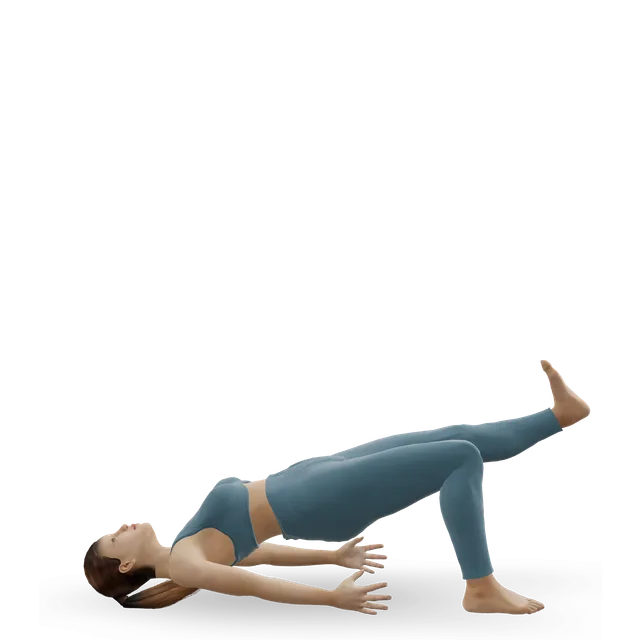
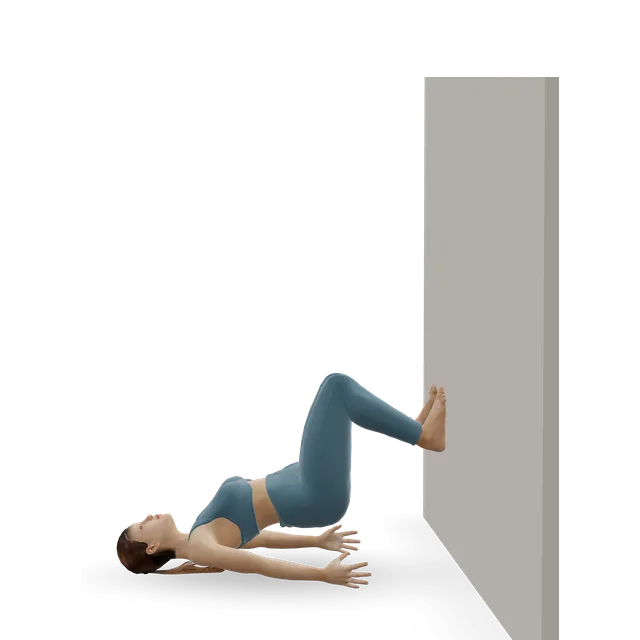
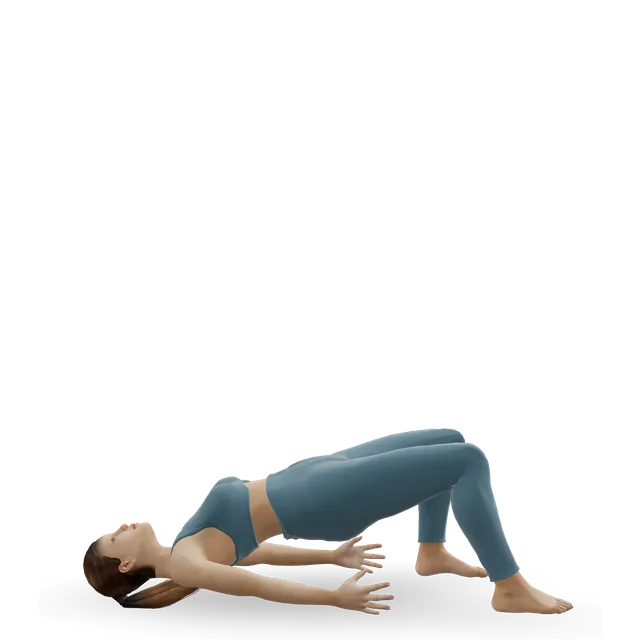
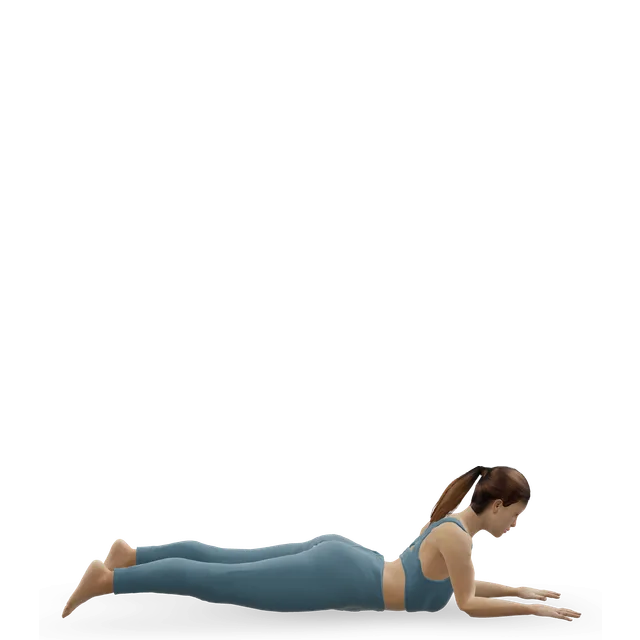
The shoulder bridge (3 to 5 kicks each leg, from the move page's dose), the wall bridge (8 to 10 reps, from the move page's dose) or a glute bridge (2 sets of 10 to 12, our Pilates glute workout), then swimming (2 to 3 sets of 20 to 30 seconds) and the single-leg kick (6 to 8 each leg), both from the move pages' doses.

The side of the hip and the inner thigh

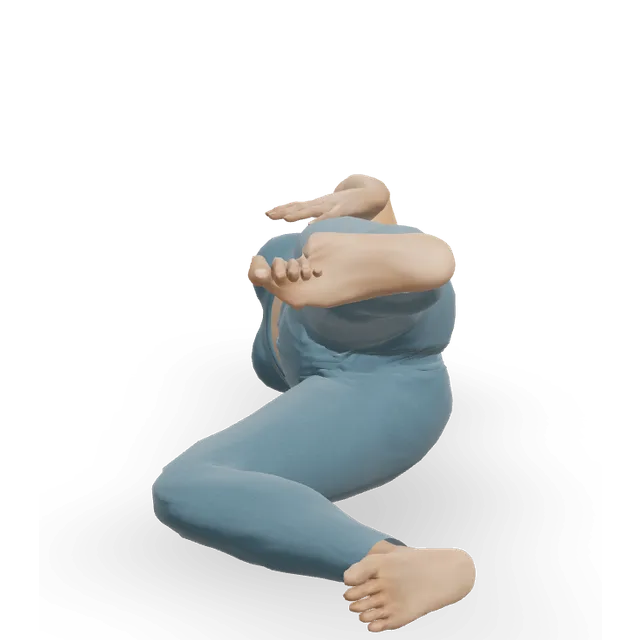
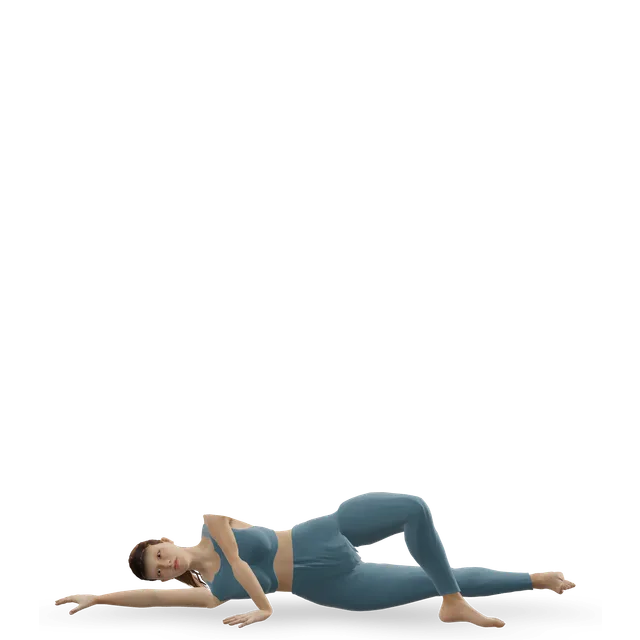
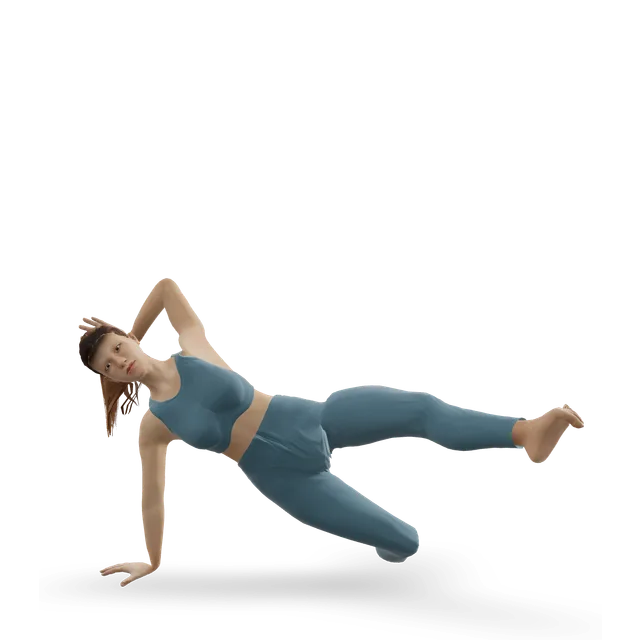
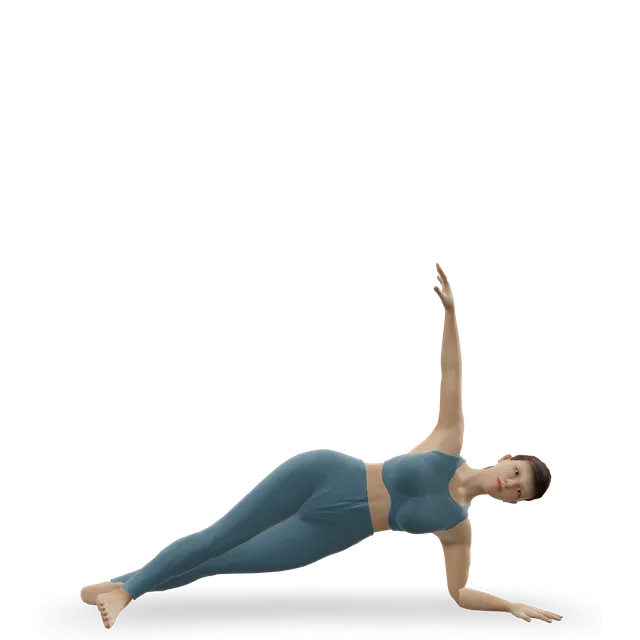
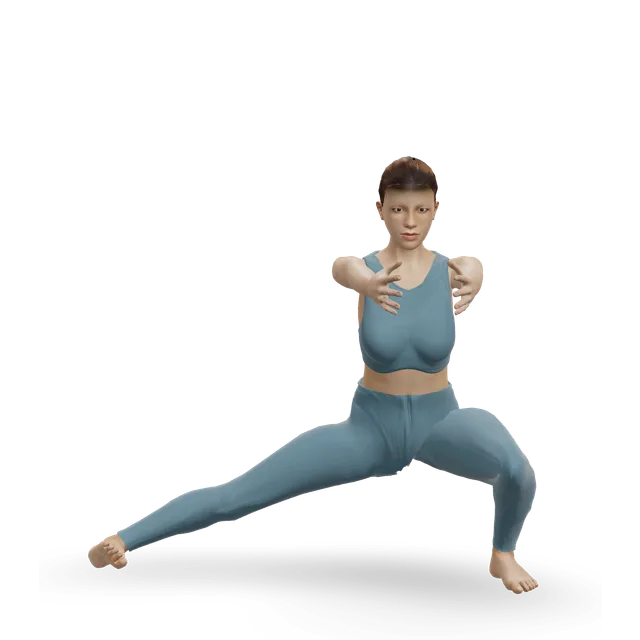
The side kick series: the side kick (8 to 10 each side, from the move page's dose), side leg circles (8 each direction, each side), side-lying leg raises (8 to 10 each side, our labral tear class and glute workout) and the inner thigh lift (10 to 12 each side, from the move page's dose). The clam is an easy start; skip it if the outside of your hip is sore. The kneeling side kick and side plank lift are harder.

Turning the hip, and control at the end of the range

The 90/90 switch (10 slow switches, from the move page's dose), the 90/90 lift-off (3 holds of 5 to 8 seconds each way, each side, from the move page's dose) and standing hip circles (3 slow circles each way, from the move page's dose). Stop at any pinch in the groin.

Standing on one leg

Single-leg stands (2 holds of 20 to 30 seconds each leg, fingertips on a support, our labral tear class), the wall press (from the LEAP trial programme, as its page gives), then the hip airplane and step-ups when steady. The half-kneeling stretch eases the front of the hip; our Pilates for hip flexors guide has more.

The side kick, step by step

From the move page's steps and dose; in Joseph Pilates' sequence the side kick goes forward and back. With pain on the outside of the hip, lie on your good side with a pillow between your knees, or use the wall side leg lift, as the move page advises.

  1. Lie on your side in a straight line, then bring both legs slightly forward of your hips so you can see your toes. Rest your head on your lower arm, top hand on the mat in front of you.
  2. Lift the top leg to hip height.
  3. Breathe in and swing it forward with a double pulse, foot flexed, only as far as your pelvis stays still.
  4. Breathe out, point the foot and sweep the leg back behind you without arching your lower back.
  5. Do 8 to 10, then switch sides. If the front of your hip pinches, swing it further back than forward.

See the movement on the 3D figure: Side kick (Pilates side kick series)

Your hips and your lower back

People with back pain have stiffer, weaker hipsEmerging evidence

In 54 observational studies, people with low back pain had less hip range (especially turning in) and weaker side and back hip muscles than people without. These are snapshots, so they can't show which came first, and an earlier review rated the link between hip range and back pain as very low quality.

Sources 47, 48

Tight hip flexors and back pain: not linkedEmerging evidence

The length of the main hip flexor wasn't linked with back pain in 600 people, while back-muscle endurance was. In 118 adults, people with back pain had a little less hip flexor range, but body weight, not back pain, explained it. One session of hip flexor stretching tilted the pelvis by only 1.2 degrees and didn't change the curve of the lower back in 23 men.

Sources 49, 50, 51

Adding hip work: a little at bestMixed evidence

Across 8 trials, hip strengthening helped back pain a little in the short term (about two thirds of a point on a 0 to 10 scale), at very low certainty, with no benefit later. Another review found a small gain and a third none. In trials, adding hip strengthening gave no extra benefit in 80 people, adding hip treatment made no difference in 76, and 8 weeks of hip flexor stretching did no better than no exercise in 30 women.

Sources 10, 52, 53, 11, 54, 55

What helps the backEmerging evidence

Pilates itself helps long-term back pain, and our Pilates for back pain guide has the trials. Yoga helps a little too, about as much as other back exercise, across 21 trials. Strong hips are worth having for their own sake; don't expect them to fix your back.

Source 56

Your hips and your knees

Hip and knee work together for kneecap painStrong evidence

For pain at the front of the knee around the kneecap, hip and knee strengthening together beat knee strengthening alone for pain (about 1.5 points on a 0 to 10 scale) and activity across 14 trials of 673 people, and later reviews agree. A 2016 consensus says: "Combining hip and knee exercises is recommended to reduce pain and improve function in the short, medium and long term". These trials aren't Pilates; Pilates side and back hip work is one way to do the hip half. Our Pilates for knee pain guide has the plan.

Sources 8, 57, 58, 9, 59, 60

Hips as you get older

Taking the leg behind you falls mostEmerging evidence

In 1,683 US adults aged 25 to 74, most hip movements were only 3 to 5 degrees smaller in the oldest group than the youngest; only hip extension fell by more than a fifth. Older adults who kept falling used about 11 degrees of hip extension while walking, against 14 in other older adults and 20 in young adults, in a small gait study. The swan, swimming and bridges work it.

Sources 61, 62

Side hip strength and power fallEmerging evidence

Older adults had lower side hip strength, power and speed than young adults, and in the older group these went with slower stair climbing and chair rising (40 people). In another study of 42 adults, strength was already lower in middle age. Both are small snapshot studies.

Sources 63, 64

Side hip strength and falls: an association and one small trialEmerging evidence

In 952 adults aged 65 and over followed for a median of 11.5 years, each extra unit of side hip strength (1 newton per kilogram) went with a 16.5% lower risk of an injurious fall. That's an association, not proof. In 102 older adults, 12 weeks of hip strengthening cut falls against seated stretching and relaxation, but it was a small trial and we read only its summary. No Pilates trial has shown fewer falls; our Pilates for balance guide covers what does.

Sources 12, 65, 13

Who should change what

Pain on the outside of the hip

Never lie on the sore side. Lie on your good side with a pillow between your knees, or use the wall side leg lift, and leave out the inner thigh lift, as the move pages advise. Our Pilates for hip bursitis guide has the plan.

A pinch at the front of the hip

Keep knee folds, circles and bridges above the pinch, swing the side kick less far forward than back, and skip clams, as our labral tear class advises. Our Pilates for a hip labral tear guide covers impingement.

After a hip replacement

Follow your team's precautions. The hip twist and inner thigh lift carry the leg across the middle of the body, and after a front (anterior) approach the fall-out and swimming need your team's say-so, as their move pages say. Our Pilates after a hip replacement guide has the plan.

Very flexible hips

Keep stretches mild and in the middle of your range, and favour the strengthening moves: the NHS says not to overextend your joints just because you can.

Source 66

Pregnancy

After the first trimester, keep time flat on your back to a few minutes and prop yourself up, and don't lie face down later in pregnancy, as the move pages advise. With pelvic girdle pain, skip the single-leg stand, which its page says can provoke it. Our Pilates in pregnancy guide has more.

Osteoporosis

The hip work suits most people with thin bones. Swap the hip twist for a knee sway with your feet on the floor, as its move page advises, and see our Pilates for osteoporosis guide for the rounding moves.

Reformer and wall Pilates for your hips

What the reformer adds

Footwork, the feet-in-straps series (frogs and leg circles) and side splits load the hip against a spring, and the springs can be made heavier as you get stronger. A teacher sets them.

Sources 17, 41

Mat or reformer: about the sameEmerging evidence

In older women, mat and apparatus Pilates improved strength and flexibility tests equally. The mat moves here do the same job; a band adds load at home.

Source 28

Wall Pilates

The wall bridge, the wall side leg lift and the wall press give the same hip work standing or with your feet supported, and suit anyone who can't lie on their side or get down to the floor easily (our suggestion).

Classes to follow

Our hips class trains every direction the hip moves, then balance on one leg. The glute, mobility and hip flexor classes go further on one part; the hip strengthening workout adds load.

Hip Pilates: a 25-minute class for strength, range and control in every direction

A 25-minute Pilates class for healthy hips: the back and side of the hip, the inner thigh, turning at the end of your range and one-leg control.

25 minBeginner21 movesWall

Pilates glute workout: a 25-minute mat class (with a band if you have one)

A 25-minute Pilates class for your glutes: bridges, the side kick series, face-down kicks and standing work at a wall, with a band to make it harder.

25 minBeginner16 movesWall, band

Mobility Pilates: a 25-minute class for your spine, hips and shoulders, from standing to the floor and back

A 25-minute Pilates mobility class: standing joint circles, spine and hip work on the mat, strength at the end of your range, then sit-to-stands and balance.

25 minBeginner18 movesWall, bench or box

Stretch-and-strengthen Pilates for the hip flexors: a 25-minute class for the front and back of the hip

A 25-minute Pilates class for the hip flexors: pelvic control, hip flexor strength, the glutes and back of the hip, and a gentle pelvis-tucked stretch.

25 minBeginner16 movesBand, anchor point

Pilates for runners: trunk, hips and single-leg control

A 30-minute mat Pilates workout for runners, adapted from one small trial's programme: the abdominal series, side kicks for the hips, planks and balance.

30 minIntermediate18 movesWall

Hip strengthening workout: bridges, side hips, single-leg control and balance

A 30-minute session for hips that don't currently hurt: bridges, side-hip work, step-ups and single-leg control, an optional harder block, then balance.

30 minBeginner13 movesWall, band

Hip mobility routine

A 15-minute hip opener: 90/90 switches, windshield wipers, CARs, Cossack squats, frog and pigeon.

15 minIntermediate8 movesWall

Warning signs

Stiffness that eases as you move is usually nothing to worry about. These are the signs that a hip needs checking, in the words of our hip pain guide, apart from the line marked as our suggestion. This is general information, not a diagnosis. A&E means accident and emergency; in the US, call 911 for 999, and use your doctor's urgent line or urgent care for NHS 111.

After a fall or injury: call 999

  • Call 999 or go to A&E: severe hip pain after a fall or injury, or you cannot stand, walk or put weight on the leg. In an older adult this can be a broken hip; the leg may be at an odd angle or look shorter. Don't drive yourself.
  • Call 999 or go to A&E: tingling or loss of feeling in the hip or leg after an injury.

Source 67

Back pain with numbness or bladder changes: call 999

Call 999 or go to A&E if you have sciatica on both sides, weakness or numbness in both legs that's severe or getting worse, or numbness around or under your genitals, or around your bottom (anus); if you find it hard to start peeing, cannot pee or cannot control when you pee; or if you do not notice when you need to poo or cannot control when you poo, and this is not normal for you. These could be symptoms of a serious back problem that needs to be treated in hospital as soon as possible.

A hot, swollen hip or a fever: the same day

Ask for an urgent GP appointment or get help from NHS 111 if you have severe hip pain that started suddenly but you've not had a fall or injured your hip, your hip is swollen and feels hot, the skin around your hip has changed colour, or you have hip pain, feel generally unwell and have a high temperature (or feel hot, cold or shivery). A hot, swollen hip with a high temperature can be a joint infection.

Sources 67, 68

See a GP

  • Hip pain that stops normal activities or disturbs sleep, keeps getting worse or keeps coming back, or has not improved after 2 weeks of looking after it at home.
  • Stiffness lasting more than 30 minutes after waking.
  • Outer hip pain that hasn't improved within 6 weeks of following our outer hip pain guide's advice, or that gets worse: talk to a GP or physiotherapist. In many areas you can refer yourself.
  • See a GP if you have pain and stiffness for more than a week, especially if you're over 50, it's in both shoulders (often the neck and hips too) and the stiffness lasts longer than 45 minutes in the morning. It can be polymyalgia rheumatica.

Sources 67, 69

Pain at night

Bone pain that is constant or worse at night, especially with a lump, unexplained weight loss, fever or tiredness, or a past history of cancer.

During a session

A pinch at the front of the hip or ankle is the joint, not a stretch: stay just short of it, and see a GP or physiotherapist if it keeps happening (our suggestion).

Keep stretches mild and in the middle of your range, and favour the strengthening moves: the NHS says not to overextend your joints just because you can.

Source 66

Chest pain or fainting: call 999

Call 999 if:

  • You get sudden pain or discomfort in your chest that doesn't go away; it can feel like squeezing or pressure, burning or indigestion.
  • The pain spreads to your left or right arm, or your neck, jaw, stomach or back.
  • You have chest pain and feel sweaty, sick, light-headed or short of breath.
  • Someone faints while exercising, can't be woken within 1 minute, or has chest pain or a pounding, fluttering or irregular heartbeat.

Sources 70, 71

Breathlessness

Call 999 or go to A&E (accident and emergency) straight away for severe difficulty breathing (gasping, choking or not able to get words out), a chest that feels tight or heavy, pain that spreads to your arms, back, neck and jaw, lips or skin turning very pale, blue or grey, or sudden confusion. If you're more short of breath than usual, or your heart is racing, fluttering or skipping beats, contact NHS 111.

Source 72

Stop and get advice if

You feel any pain or become unwell, as the NHS advises for its Pilates videos, and especially for chest pain or pressure, unusual breathlessness, dizziness or fainting. If you have a health problem, an injury or any symptoms, get advice from a healthcare professional, such as a GP, before you start.

Source 73

Before you start

The NHS advises getting advice from a healthcare professional first if you have a health problem, an injury or symptoms, or have recently had a heart attack or an operation.

Source 73

Myths

"Hip openers fix back pain"Mixed evidence

Hip flexor length wasn't linked with back pain in 600 people, 8 weeks of hip flexor stretching did no better than no exercise for back pain in 30 women, and adding hip work helped back pain a little at best.

Sources 49, 50, 55, 10

"Tight hips just need more stretching"Emerging evidence

Strength through the range built range as well as stretching in reviews, and very flexible hips need strength and control, not more stretch.

Sources 6, 7

"Clams are the best hip exercise"Emerging evidence

Side-lying leg raises worked the side glute about twice as hard, and the clam wasn't among the highest-activity moves across 56 studies. It's a good easy start that works the glutes much more than the front of the hip.

Sources 18, 19, 20

"Pilates gives you long, lean hips and thighs"Emerging evidence

Training doesn't lengthen muscles: stretching changed muscle fibre length only trivially across 19 studies, and 36 weeks of Pilates didn't change hip muscle size on MRI. A leaner look comes from less body fat, which our guide to losing hip fat covers.

Sources 74, 24

"Pilates will get rid of hip dips"

Hip dips come mostly from the shape of your pelvis and thigh bone, which no exercise changes; side hip work can build the muscle over them a little. Our hip dips guide explains what training can change.

"You need a reformer for real Pilates"Emerging evidence

Mat and apparatus Pilates improved strength and flexibility tests equally in older women. Springs help to make the work harder, and so do a band and one-leg versions.

Source 28

"Pilates is bad for your hips"Emerging evidence

No trial found harm, and the best trial reported no adverse events. Most hip trouble in classes comes from a pinch in deep bends, lying on a sore outer hip or crossing the leg after a replacement, which the moves above change. Our hip pain after Pilates guide covers it.

Source 3

Questions people ask

Is Pilates good for your hips?

Yes, for strength, range and control. It works the hip in every direction, and in small trials, mostly of women and older adults, it made hips a little stronger and more flexible than doing nothing, about as much as other exercise.

What are the best Pilates exercises for your hips?

The shoulder bridge and swimming for the back of the hip, the side kick series for the side, the single-leg circle and 90/90 turns for turning in and out, and standing hip circles and one-leg balance for control. Side-lying leg raises work the side glute harder than clams in lab studies.

Is Pilates good for tight hips?

Yes, if you move through the range and build strength in it. Tight hips are mostly what you tolerate, and strength training added range about as well as stretching. A pinch at the front of the hip is the joint, not tightness, so stay short of it.

Is Pilates good for hips and lower back?

It's good for both, but loosening or strengthening the hips adds little for most back pain: small, short-lived effects at best in trials. If your back hurts, our Pilates for back pain guide has what helps.

Is Pilates good for hips and glutes?

Yes: bridges, side-lying work, swimming and the kneeling side kick all work the glutes. To grow them you need load that keeps rising, which our Pilates for glutes guide covers; the one scan study found no glute growth from Pilates alone.

Does Pilates strengthen your hips?

A little. In women aged 60 to 80, strength holding the hip extended rose 35.5% over 18 weeks, though resistance training improved machine-tested hip strength at least as much within its group. Make the moves harder over the weeks, and add loaded work for bigger gains.

How often should I do Pilates for my hips?

Two or three times a week, on days that aren't back to back. The NHS asks for strength work on at least 2 days a week. Expect changes over 8 to 12 weeks.

Is Pilates bad for your hips?

Not in trials: the best one reported no harm. Stay short of a pinch in deep bends, don't lie on a sore outer hip, and follow your team's precautions after a hip replacement.

Will Pilates get rid of hip dips?

No exercise changes the bone shape that mostly makes hip dips. Side hip work can build the muscle a little; our hip dips guide explains what training can change.

Is reformer Pilates better for your hips?

Not clearly: mat and apparatus Pilates improved strength and flexibility tests equally in older women. Springs make it easy to add load, and so do a band and one-leg versions.

Do strong hips help your knees?

For pain around the kneecap, yes: hip and knee strengthening together beat knee exercises alone, and guidelines recommend the combination. Pilates side and back hip work is one way to do the hip half.

Why do my hips matter more as I get older?

Taking the leg behind you is the range that falls most with age, and weaker side hips went with more falls in a large study. In one small trial, hip strengthening cut falls; add balance practice too.

Sources

  1. Pilatesology · Return to Life mat: a walk-through of the 1945 sequence (classical teaching platform)
  2. Pilates Anytime 2024 · The 34 Pilates mat exercises: names, order and precautions (teaching platform)
  3. Carrasco-Poyatos 2019 · Pilates or resistance training for trunk and hip strength in 60 women aged 60 to 80 (cluster randomised trial, PeerJ; read in full)
  4. Fernández-Rodríguez 2021 · Pilates, physical performance and falls risk in older adults: 39 studies (systematic review and meta-analysis, Physiotherapy)
  5. Pinto 2022 · Pilates against other exercise for strength: 11 trials (systematic review and meta-analysis, Heliyon; read in full)
  6. Afonso 2021 · Strength training or stretching for range of motion: 11 trials (systematic review and meta-analysis, Healthcare)
  7. Alizadeh 2023 · Resistance training and range of motion: 55 studies (systematic review and meta-analysis, Sports Med)
  8. Nascimento 2018 · Hip and knee strengthening against knee alone for kneecap pain: 14 trials, 673 people (systematic review and meta-analysis, J Orthop Sports Phys Ther)
  9. Crossley 2016 · Patellofemoral pain consensus statement, part 2: physical interventions (consensus, Br J Sports Med; read in full)
  10. Ceballos-Laita 2023 · Hip treatments for low back pain: 8 trials, 508 people (systematic review and meta-analysis, Braz J Phys Ther)
  11. Kendall 2015 · Adding hip strengthening to lumbopelvic exercise in 80 people with back pain (randomised trial, J Sci Med Sport)
  12. Yosef 2026 · Side hip strength and injurious falls in 952 adults aged 65 and over over 11.5 years (cohort study, J Cachexia Sarcopenia Muscle; read in full)
  13. Rogers 2021 · Hip strengthening or step training and falls in 102 older adults (randomised trial, J Gerontol A Biol Sci Med Sci)
  14. NHS · Physical activity guidelines for adults aged 19 to 64
  15. UK Chief Medical Officers · Physical activity guidelines (updated July 2026)
  16. Lim 2023 · The clinical Pilates clam at four hip angles in 21 adults (lab study, J Bodyw Mov Ther)
  17. Pilates Method Alliance · Beginner's guide to Pilates equipment
  18. Distefano 2009 · Glute muscle activity in 12 exercises in 21 active adults (lab study, J Orthop Sports Phys Ther)
  19. Moore 2020 · Exercises that work the side glutes hardest: 56 EMG studies (systematic review and meta-analysis, Int J Sports Phys Ther)
  20. Selkowitz 2013 · Which exercises work the glutes more than the front of the hip, in 20 people (fine-wire EMG study, J Orthop Sports Phys Ther)
  21. Kim 2014 · Muscle activity in face-down Pilates moves in 18 women (lab study, J Phys Ther Sci; read in full)
  22. Oliveira 2017 · Muscle activity in mat and apparatus Pilates moves in 60 women with and without back pain (lab study, Arch Phys Med Rehabil)
  23. Queiroz 2010 · Muscle activity in four kneeling Pilates positions in 19 practitioners (lab study, Arch Phys Med Rehabil)
  24. Dorado 2020 · Thirty-six weeks of Pilates and hip and lower back muscle size on MRI in 12 women (study, Sports Health; read in full)
  25. Boukabache 2021 · Sitting, inactivity and hip extension in 98 adults (cross-sectional study, Musculoskelet Sci Pract)
  26. Carrasco-Poyatos 2019 · Pilates or resistance training and everyday function in the same women (randomised trial, Physiol Behav)
  27. Bertoli 2018 · Twelve weeks of mat Pilates and hip and knee strength in 14 older women (study, J Bodyw Mov Ther)
  28. Mueller 2021 · Mat or apparatus Pilates and functional fitness in 48 older women (trial, J Bodyw Mov Ther)
  29. Su 2022 · Twelve weeks of Pilates and physical fitness in 45 middle-aged women (quasi-experimental study, Int J Environ Res Public Health)
  30. Kao 2015 · A 12-week Pilates course and leg strength in 96 women (controlled study, Health Care Women Int)
  31. Oliveira 2024 · Pilates for strength, endurance and power in older adults: 24 trials (systematic review and meta-analysis, J Bodyw Mov Ther)
  32. Oliveira 2016 · Static stretching or Pilates and flexibility in 32 older women (randomised trial, J Bodyw Mov Ther)
  33. Geremia 2015 · Ten weeks of Pilates and joint range in 20 older adults (uncontrolled study, Age)
  34. Bajčetić 2026 · Pilates in adult women: body composition, flexibility, strength and more, 12 studies (systematic review and meta-analysis, Sports; read in full)
  35. Campos 2016 · The Pilates method and physical conditioning in healthy people: 9 trials (systematic review and meta-analysis, J Sports Med Phys Fitness)
  36. Phrompaet 2011 · Pilates, lumbopelvic stability and flexibility in 40 adults (randomised trial, Asian J Sports Med; read in full)
  37. Demir 2026 · Pilates or neuromuscular exercise for a knee that drifts inwards, in 36 young adults (randomised trial, Res Sports Med)
  38. González 2023 · Home mat Pilates and knee movement while running in 34 novice runners (randomised trial, J Bodyw Mov Ther)
  39. Azab 2022 · Pilates-based core work added to physiotherapy in 34 teenagers with kneecap pain (randomised trial, Eur Rev Med Pharmacol Sci)
  40. Yılmaz 2025 · Reformer or mat Pilates in 30 footballers (randomised trial, PLoS One; read in full)
  41. Melo 2011 · Spring position and load in a Cadillac hip extension, in 14 people (lab study, Rev Bras Fisioter)
  42. PubMed · Our search for Pilates trials of hip strength, range, control and glute activity (2 November 2026; Europe PMC and ClinicalTrials.gov also searched)
  43. ClinicalTrials.gov · NCT06783452: clinical Pilates in hip osteoarthritis, 52 people (Turkey; completed June 2025, no results posted)
  44. ClinicalTrials.gov · NCT07741760: muscle activity in single-leg bridges on the mat and reformer, 30 women (Turkey; completed July 2026, no results posted)
  45. ClinicalTrials.gov · NCT07741799: muscle activity in mat and reformer bridges with a heel raise, 30 women (Turkey; completed March 2026, no results posted)
  46. NHS · Physical activity guidelines for older adults
  47. Pizol 2024 · The hips in people with low back pain: 54 studies (systematic review, BMC Musculoskelet Disord; read in full)
  48. Avman 2019 · Hip range and low back pain: 24 studies (systematic review, Musculoskelet Sci Pract)
  49. Nourbakhsh 2002 · Muscle length, strength and endurance and low back pain in 600 adults (cross-sectional study, J Orthop Sports Phys Ther)
  50. Eimiller 2026 · Hip flexor tightness and low back pain in 118 adults (cross-sectional study, Clin Biomech)
  51. Preece 2021 · Pelvic tilt before and after hip flexor stretching in 23 men (lab study, J Manipulative Physiol Ther)
  52. de Jesus 2020 · Adding hip strengthening for low back pain: 5 trials (systematic review and meta-analysis, Clin Rehabil)
  53. Bernet 2019 · Hip-targeted physiotherapy for low back pain: 6 trials (systematic review and meta-analysis, Musculoskelet Sci Pract)
  54. Burns 2021 · Adding hip treatment for back pain with a hip impairment, in 76 people (randomised trial, J Orthop Sports Phys Ther)
  55. Hatefi 2021 · Hip flexor stretching and back pain in 30 women (randomised trial, J Exp Orthop; read in full)
  56. Wieland 2022 · Yoga for chronic low back pain: 21 trials (Cochrane review)
  57. Halabi 2025 · Hip and knee or knee-only strengthening for kneecap pain: 6 trials (systematic review and meta-analysis, Musculoskeletal Care)
  58. Contreras-Mora 2026 · Hip strengthening for kneecap pain: 15 trials, 1,002 people (systematic review and meta-analysis, Muscles)
  59. Collins 2018 · Consensus statement on exercise therapy for patellofemoral pain (consensus, Br J Sports Med)
  60. Ophey 2025 · Dutch multidisciplinary guideline on anterior knee pain (guideline, Knee Surg Sports Traumatol Arthrosc; read in full)
  61. Roach 1991 · Normal hip and knee range of motion and age: 1,683 US adults (population survey, Phys Ther)
  62. Kerrigan 2001 · Hip extension while walking in young adults, older adults and older fallers (gait lab study, Arch Phys Med Rehabil)
  63. Lanza 2025 · Ageing, side hip strength and stairs and chair rising in 40 adults (cross-sectional study, J Geriatr Phys Ther)
  64. Gray 2026 · Side hip torque, power and speed across adulthood in 42 adults (cross-sectional study, Physiother Theory Pract)
  65. Gafner 2018 · Hip muscle strength in 60 older fallers and non-fallers (cross-sectional study, Clin Interv Aging; read in full)
  66. NHS · Joint hypermobility syndrome (past its review date: reviewed August 2023, review due August 2026)
  67. NHS · Hip pain in adults
  68. NHS · Septic arthritis
  69. NHS · Polymyalgia rheumatica (past its review date: reviewed April 2023, review due April 2026)
  70. NHS · Chest pain (past its review date: reviewed August 2023, review due August 2026)
  71. NHS · Fainting
  72. NHS · Shortness of breath
  73. NHS · Pilates video for beginners, with its safety advice
  74. Panidi 2023 · Static stretching training and muscle shape: 19 studies (systematic review and meta-analysis, Sports Med Open)

Exercise education, not a personal prescription, and clinical review of these guides is pending. If you are pregnant, have a health condition or have had recent surgery, check with a doctor, midwife or physiotherapist before starting, and stop for sharp or increasing pain. Health disclaimer.