Pilates
Mobility Pilates: a 25-minute class for your spine, hips and shoulders, from standing to the floor and back
A 25-minute Pilates class for moving more freely, 2 or 3 times a week. It starts standing with slow joint circles, goes down to the floor to move your spine and hips through their range with your trunk steady, adds strength at the end of the range, then comes back up for sit-to-stands and balance. Getting down to the floor and up is part of the class, with a chair beside you. No trial has tested this class, so its structure is our editorial choice, and it doesn't replace the balance and strength training that prevents falls: our Pilates for balance class adds that.
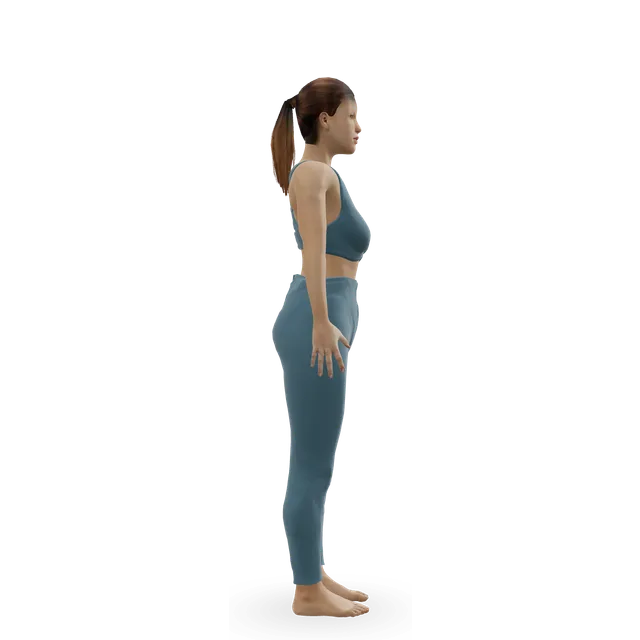
Standing: joint circles (about 6 minutes)
- Neck CARs (controlled articular rotations)2 slow circles each wayBeginner · Neck · 3D demoOnly your head moves. Use separate turns and nods instead if your neck is sore; stop if you feel dizzy or tingling in an arm
- Shoulder CARs (controlled articular rotations)2 slow circles each way with each armBeginner · Shoulders, Back · 3D demoKeep your ribs still; make the circle smaller where it pinchesEasier: Arm circlesHarder: Sleeper stretch
- Standing hip CARs2 slow circles each way with each legBeginner · Glutes, Hip flexors, Hip abductors · 3D demoHold a wall; only the leg movesEasier: Hip circles on all foursHarder: 90/90 hip lift-off
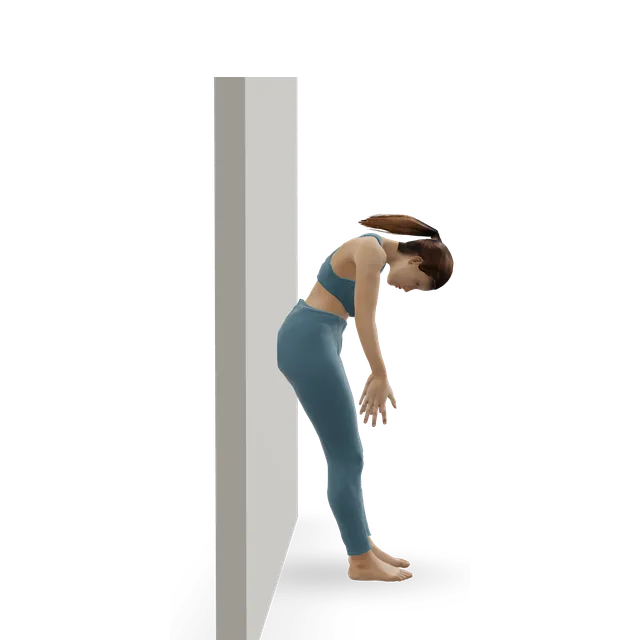
- Wall roll-down (wall Pilates)3 slow repsBeginner · Abs, Back, Hamstrings · 3D demoBack against the wall, knees soft. With osteoporosis, hands on your thighs and only as far as is comfortableHarder: Roll-up (Pilates)
- Get up and down from the floor1 slow cycle, ending on the floorBeginner · Quads, Glutes, Abs · 3D demoA chair beside you: one knee, then both, then sit to the sideEasier: Sit to stand from a chairHarder: Bodyweight get-up



Spine (about 7 minutes)
- Cat-cow8 waves, slower than feels naturalBeginner · Back, Abs · 3D demoFists or forearms if your wrists complainHarder: Half lord of the fishes (Ardha Matsyendrasana)
- Swan (Pilates swan dive)5 small liftsIntermediate · Back, Glutes, Triceps · 3D demoForehead to the mat between lifts; skip it if arching pinches your backEasier: Mermaid (Pilates seated side bend)Harder: Double-leg kick (Pilates double kick)
- Side-lying open book8 slow openings each sideBeginner · Back, Chest, Shoulders · 3D demoKnees stacked; pause for 2 s at the endHarder: Thoracic rotation
- Mermaid (Pilates seated side bend)3 each direction, each sideBeginner · Back, Abs, Shoulders · 3D demoSit cross-legged, on a block or on a chair; reach only as high as is comfortableHarder: Side bend (Pilates)
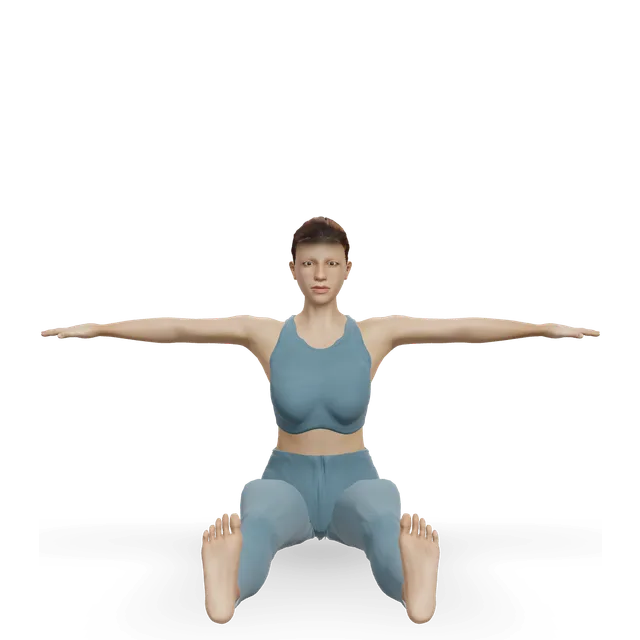
- Spine twist (Pilates)3 each sideBeginner · Abs, Back, Shoulders · 3D demoSit tall on a folded towel; turn smoothly from your ribs, hips stillHarder: Saw (Pilates)




Hips (about 8 minutes)
- Single-leg circle (Pilates one leg circle)5 circles each direction, each legBeginner · Abs, Hip flexors, Adductors · 3D demoBottom knee bent; small circles, pelvis stillHarder: Corkscrew (Pilates)
- Hip windshield wipers10 slow passes side to sideBeginner · Glutes, Adductors · 3D demoFeet wide, knees bent; smaller if the groin pinchesEasier: Supine heel slideHarder: 90/90 switch
- Side-lying leg circles (Pilates side kick series)8 each direction, each sideBeginner · Hip abductors, Glutes, Abs · 3D demoSmall circles from the hip; pillow between the knees to restEasier: Side kick (Pilates side kick series)Harder: Kneeling side kick (Pilates side kick kneeling)
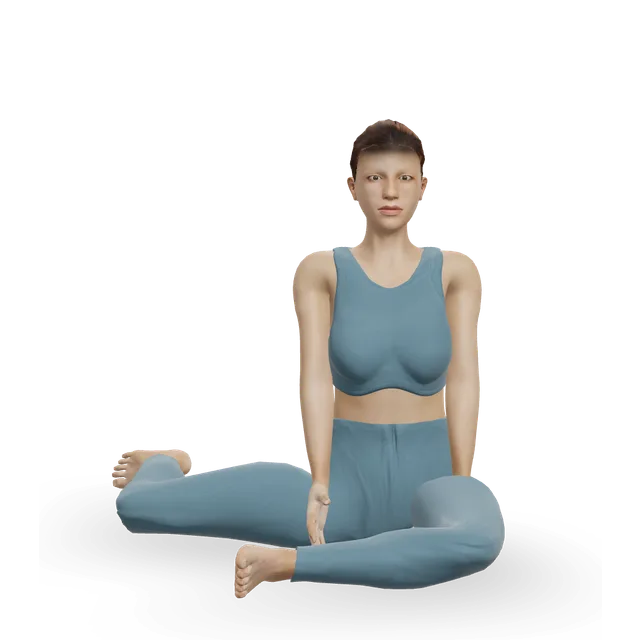
- 90/90 switch8 slow switches, pause at the endsIntermediate · 3D demoHands behind you are fineEasier: Reclined figure four (eye of the needle, Sucirandhrasana)Harder: 90/90 hip lift-off
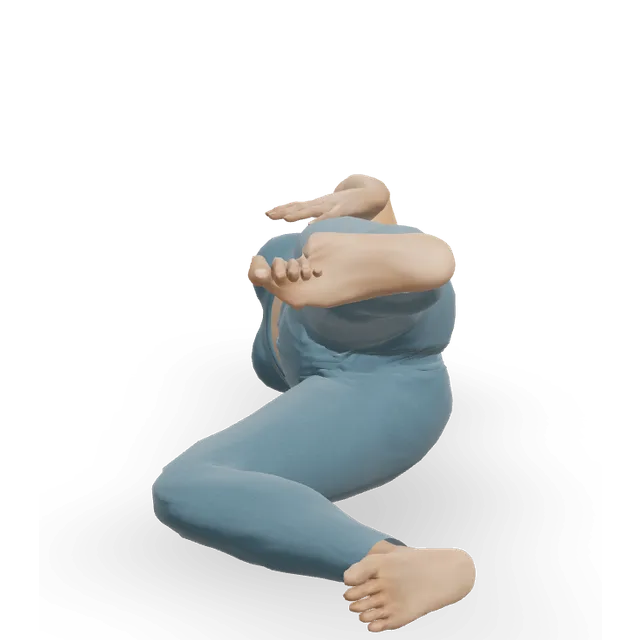
- 90/90 hip lift-off2 holds of 5 s each way, each sideIntermediate · Glutes, Hip abductors, Hip flexors · 3D demoLift the back shin, then the front knee; cramp is common and harmless, sharp groin pain means stopEasier: 90/90 switchHarder: Active pancake lift-off



Back up, and standing (about 4 minutes)
- Get up and down from the floor1 slow cycleBeginner · Quads, Glutes, Abs · 3D demoRoll to your side, come onto all fours, then one knee, and push up with the chairEasier: Sit to stand from a chairHarder: Bodyweight get-up
- Beginner · Quads, Glutes, Hamstrings · 3D demoStand up with your legs, not your arms, and lower slowlyEasier: Sit to stand, pushing on the thighsHarder: Bodyweight squat
- Single-leg stand2 holds of 10 s each sideBeginner · Hip abductors, Calves, Glutes · 3D demoFingertips on a counter; hips levelEasier: Tandem stance and heel-to-toe walkHarder: Single-leg reach matrix
- Breath reach5 breaths, exhale longer than inhaleBeginner · 3D demoArms rise as you breathe in, only as high as is comfortableHarder: Slow breathing (6 breaths a minute)



Tips
- Two or three times a week; judge it after 6 to 8 weeks on how easily you move, not on how far you reach.
- For fewer falls, add standing balance and strength work 3 or more times a week, made harder over at least 12 weeks: our Pilates for balance class does it.
- Stiffness that lasts more than 30 minutes after waking, or a joint that is hot, swollen or locking, needs a GP or physiotherapist.
- With osteoporosis, keep your hands on your thighs in the roll-down and keep the cat small; this class has no rolling or loaded rounding.
- After a hip or knee replacement, check the floor work and the hip turns (windshield wipers, 90/90) with your team first.
The doses are suggested starting points, not a prescription. Choose a range you can control and stop for sharp or increasing pain, numbness or tingling. Get individual advice after an injury or surgery, or if you are pregnant or managing a health condition.
Guides that recommend it
Find more moves like these
More pilates




Beginner Pilates workout
A 20-minute mat Pilates workout for complete beginners. It covers breathing, spine position and the foundation moves, each with an easier option.
20 minBeginner13 movesNo equipment

10-minute Pilates abs
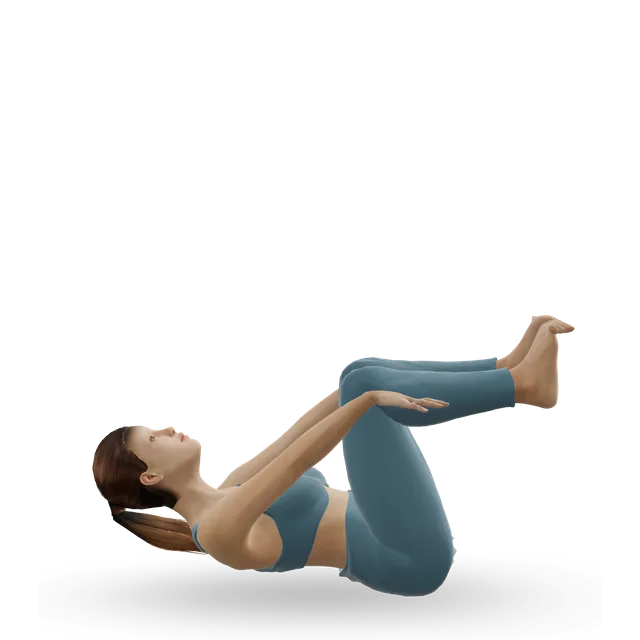
Ten minutes of the classic Pilates abdominal series: the hundred, the roll-up and the series of five, with a plank to finish.
10 minIntermediate11 movesNo equipmentFull-body mat Pilates workout
A 30-minute intermediate mat Pilates class that follows the classical order, from the hundred to the push-up, with prep versions of the hardest moves.
30 minIntermediate22 movesNo equipmentQuestions people ask
How long does the mobility pilates: a 25-minute class for your spine, hips and shoulders, from standing to the floor and back take?
About 25 minutes, including any warm-up and cool-down listed. Shorten it by doing fewer rounds; lengthen it by adding one.
What equipment do I need?
You need: A wall, A bench or box. Each move links to its guide, where you can find an alternative if you are missing something.
Is it suitable for beginners?
It is written for beginners. 10 of its 18 moves have an easier option listed beside them if you need one.
How do I make it easier or harder?
Use the easier or harder option listed under each move, change the number of rounds, or adjust the rest. Progress one change at a time.