Flexibility in older adultsEmerging evidence
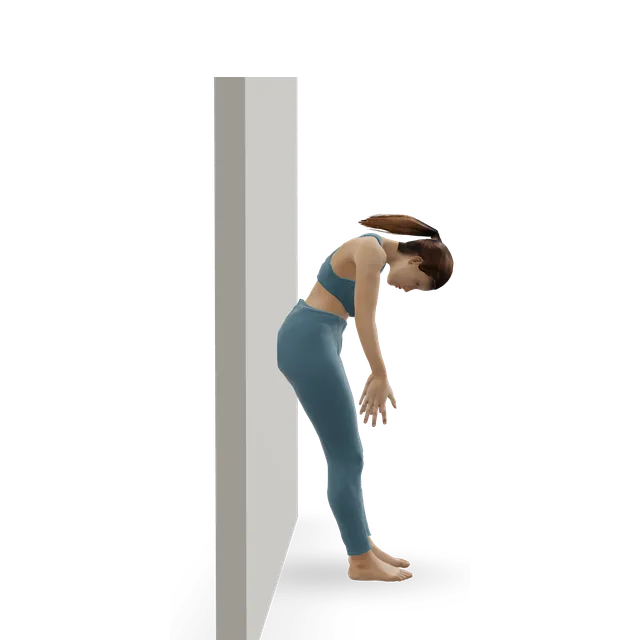
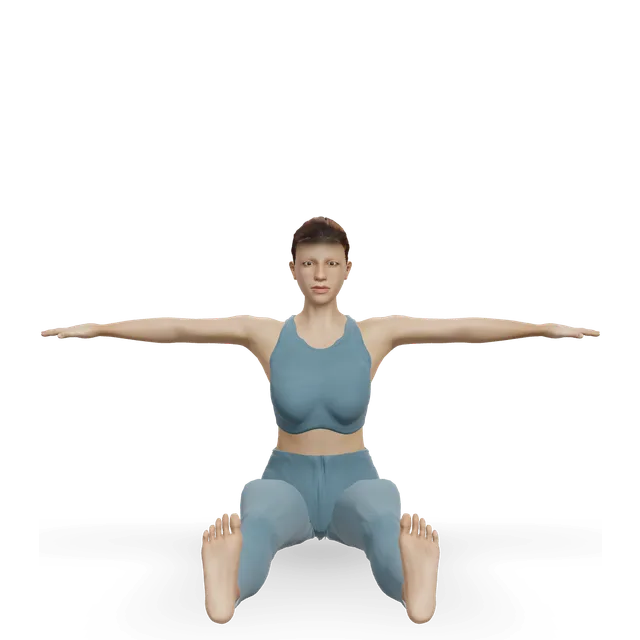
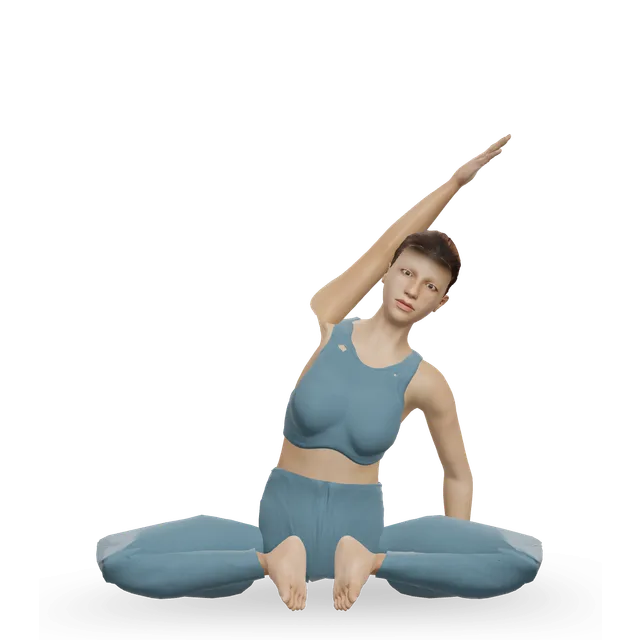
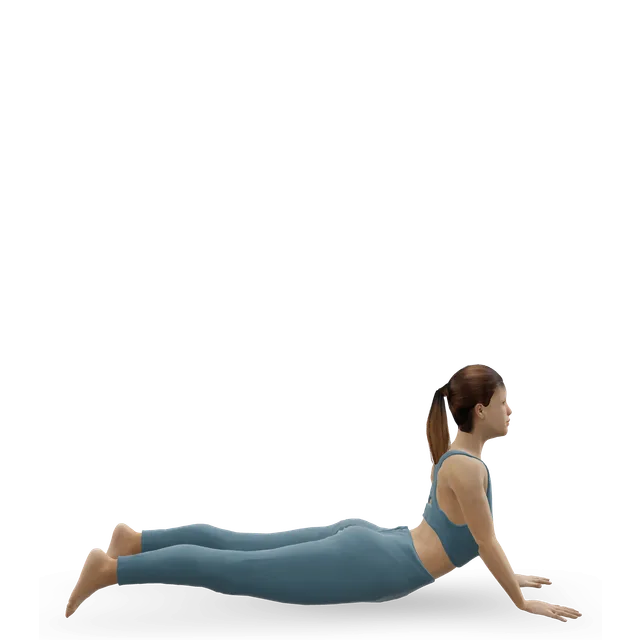
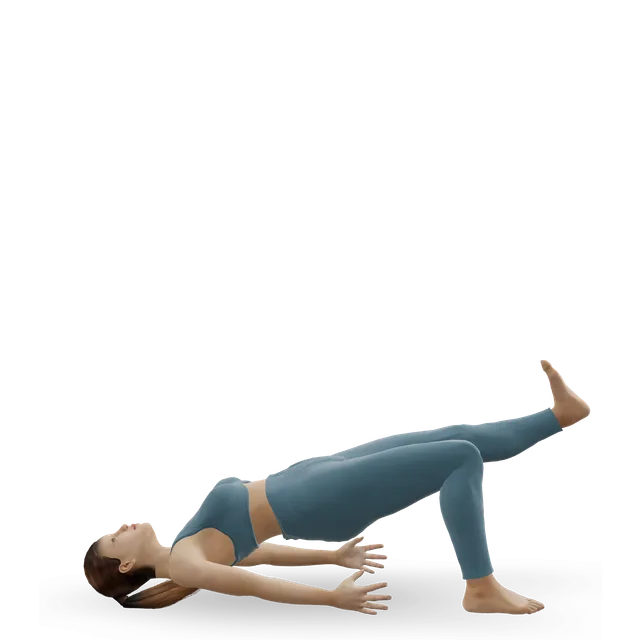
Across 39 trials in people aged 60 and over, Pilates improved flexibility against no exercise, at low certainty; mat Pilates improved hip and lower back flexibility across 9 trials, and an earlier review of 10 studies found a smaller effect. In 20 people aged about 70, with no control group, 10 weeks of Pilates raised spinal bending, side bending and rotation by 16% to 40% and hip bending by 10% to 16%.
Sources 7, 26, 27, 28
Getting up and aboutEmerging evidence
A review of 6 trials found people were about 0.9 seconds faster on the timed up and go test, which times standing up, walking and sitting back down. We read that review only as an abstract, which prints its confidence interval oddly, and its trials varied a lot and had a high risk of bias. Across 39 trials, everyday function improved at low certainty, and across 51 trials of adults over 55 (2,485 people), physical measures improved moderately against no exercise and a little against other exercise, with no harms reported. Reformer Pilates once a week for 10 weeks improved the up and go, balance, walking and hip and ankle range against no exercise in 55 people aged 65 to 95 at risk of falls.
Sources 8, 7, 9, 29
ShouldersEmerging evidence
In the same 20 older adults without a control group, shoulder range improved after 10 weeks. In 69 women after breast cancer surgery, the shoulder range gained with 16 weeks of mat Pilates wasn't kept at 6 and 12 months, so keep going.
Sources 28, 30
Balance scores improveEmerging evidence
Reviews of 6 to 39 trials found better balance test scores in older adults, about as good as with other exercise, at very low to moderate certainty. A 2026 analysis of 423 trials in people over 60 found 18 of 19 types of exercise improved balance and "stretching showed no clear benefit". Pilates had the largest estimate for balance while moving, but the authors add: "These estimates do not establish superiority."
Sources 13, 31, 32, 10, 33
Fewer falls: not shownStrong evidence
The largest review, of 39 studies and 1,770 people, found Pilates improved balance but "not to reduce the number of falls or the fear of falling". Only a few studies counted falls. In 60 women over 65 living in care homes, the Pilates group had fewer falls, but the comparison group lived in a different home. A pilot trial of 53 people aged 61 to 84 found 42% fewer fall injuries, which could have been chance; a full trial would need 804 people. A review of 12 trials found only two reported the number of falls.
Two more trials with falls in their titles measured balance tests, not falls, and a Spanish trial registered to count falls for a year has posted no results. No large enough Pilates trial has counted falls.
Sources 10, 34, 11, 35, 36, 37, 38, 39
Why: too little balance challengeStrong evidence
In the Pilates trials that described their exercises, only 2% to 36% challenged balance moderately or strongly. The World Falls Guidelines recommend "balance challenging and functional exercises (e.g. sit-to-stand, stepping), with sessions three times or more weekly which are individualised, progressed in intensity for at least 12 weeks and continued longer for greater effect". In the Cochrane review, exercise cut the rate of falls by 23% (59 trials, high certainty), and "No trials compared flexibility or endurance exercise versus control." An Australian position statement from 2025 agrees that balance and strength training work best.
Sources 13, 12, 40, 41
Strength: not clearlyMixed evidence
Across 24 trials of 1,190 older adults, of low quality, Pilates didn't significantly build strength against no exercise, or differ from other exercise; the authors say "it is not feasible to recommend Pilates exercises as a means to improve strength, endurance and muscle power in the older adults." Another review found a moderate gain.
Sources 16, 7
Against other exerciseEmerging evidence
About the same, sometimes behind. In 44 people aged 60 to 69, aerobic exercise for the same total time beat Pilates for walking speed and balance while moving, though both improved getting up and walking and fear of falling. In 153 people over 55, sensorimotor training improved every test over 24 weeks, while the 22 who did Pilates didn't improve significantly. In small trials, Pilates did about as well as resistance training, a stretching method, Latin dance or traditional balance training, each better on some measures. Against yoga, flexibility improved about equally in one small trial.
Sources 14, 15, 42, 43, 44, 45, 46
No trial against mobility drillsStrong evidence
No trial has compared Pilates with mobility drills such as controlled joint circles, and we found no study of Pilates and joint fluid, cartilage or "hydration".
Source 39