Pilates and hamstring flexibility: small trials, small to moderate gainsEmerging evidence
A Spanish review of 21 studies (read in full) found Pilates increased hamstring flexibility, with the largest changes after at least 3 sessions a week for 6 weeks and contradictory results in athletes; 14 of its studies used reach tests and only 2 measured an angle. A 2026 review of 12 studies in adult women (read in full) found a moderate gain in sit-and-reach against no exercise, across 7 studies and 279 women, though its abstract and its certainty table give different sizes for it (effect sizes of 0.69 and 0.86 on a standardised scale) and the studies varied a lot.
A review of 9 trials in healthy adults found the gain wasn't statistically clear, and an older review called the evidence strong, though its studies averaged 4.1 out of 10 for quality. No trial has tested Pilates in adults chosen for tight hamstrings with a direct hamstring measure.
Sources 32, 7, 33, 34, 10
About the same as stretching, yoga or other exerciseEmerging evidence
Pooled against other exercise, Pilates made no difference to sit-and-reach (169 people, very low certainty). In 32 women over 60, Pilates and static stretching both improved trunk and hip bending, in a trial from a research group whose several small reports may share participants. In 23 adults with stress, Pilates and yoga matched for effort improved sit-and-reach about equally, though the yoga group started about 10 cm more flexible. In 80 girls aged 10 to 13, Pilates, eutony and holistic gymnastics improved hamstring flexibility equally.
Sources 8, 9, 35, 36
The only Pilates trial that measured a hamstring angleEmerging evidence
In 236 teenagers, 15 minutes of Pilates twice a week at school for 9 months raised the straight-leg raise by about 14 degrees, against 3.5 in the control group. That's teenagers, not adults with tight hamstrings.
Source 37
Its stretches matterEmerging evidence
In 32 inactive young women, 8 weeks of equipment Pilates with its stretching block raised sit-and-reach from 23.1 to 27.3 cm; without the stretches it went from 26.7 to 27.5 cm, with the same strength gains. The groups started with different flexibility, so treat it as a hint, but it fits the stretching evidence: held stretches add range that Pilates' short holds may not.
Source 14
Strength work builds range tooStrong evidence
Across 11 trials (452 people), strength training and stretching improved range by the same amount, and across 55 studies resistance training improved range, "with the exception of no significant range of motion improvement with resistance training using only body mass". Slow-lowering (eccentric) exercise improved flexibility across 32 trials and lower-limb range across 17 studies. In 69 teenage boys with tight hamstrings, 6 weeks of slow-lowering hamstring training gained 12.8 degrees, against 12.1 with static stretching and 1.7 with neither, and in 27 amateur athletes, 6 weeks of field exercises raised the straight-leg raise by 11.4 degrees. One trial of 45 adults found neither stretching nor strength work in a lengthened position changed flexibility on its test.
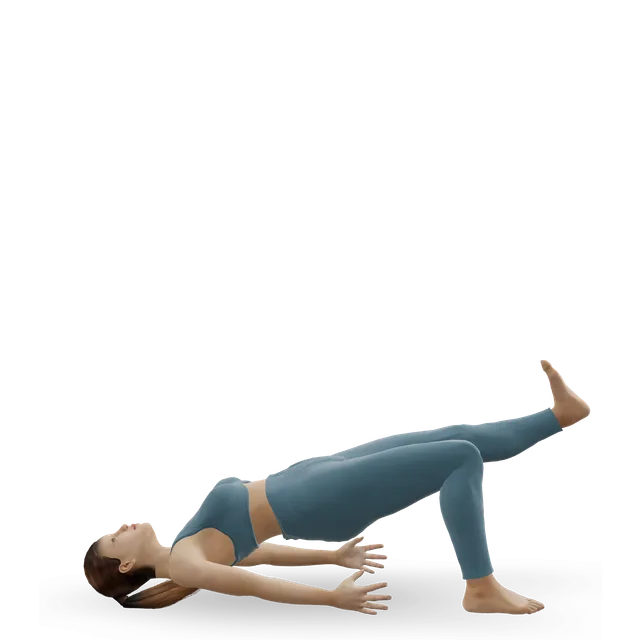
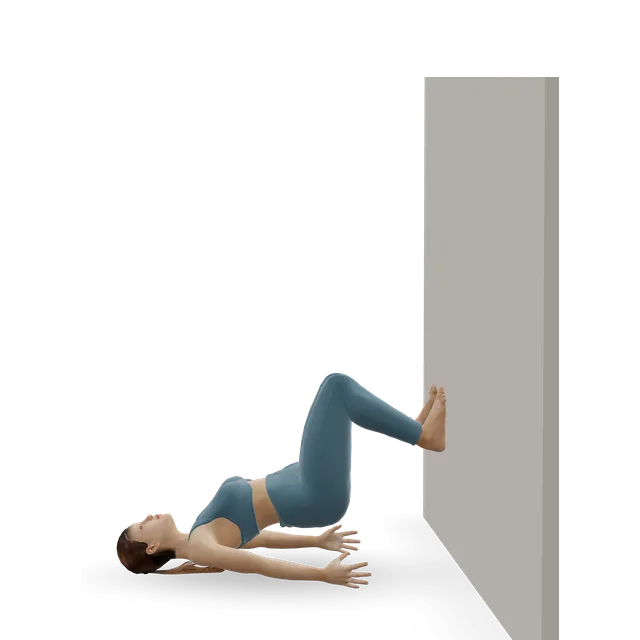
Pilates' bridges, kicks and leg pulls use body weight only, so on their own they may add little range. That's our reading of the resistance training review, not a Pilates trial: no trial has compared Pilates' strength moves with a slow-lowering hamstring programme.
Sources 11, 13, 38, 39, 12, 40, 41
How long and how often to holdStrong evidence
In 57 young adults with tight hamstrings, 30- and 60-second holds 5 days a week beat 15 seconds and no stretching, and equalled each other; in 93 adults, once a day did as well as three times. In 62 people aged 65 to 97, 60-second holds gained 2.4 degrees a week against 1.3 for 30-second holds. Across 189 studies, gains peaked at about 4 minutes a session and 10 minutes a week, though a review of 77 studies found no clear effect of how much or how often people stretched.
Sources 16, 42, 17, 15, 43, 44
Gentle beats hardStrong evidence
How hard people stretched didn't change their gains across 189 studies, and static and contract-relax stretching beat bouncing or fast stretches across 77. In 39 dance students, gentle stretching or strengthening at the end of the range improved the range they could lift through more than hard stretching. A panel of researchers recommends no technique over another: "The panel does not recommend any specific technique in particular, since all show similar effects."
Sources 15, 43, 45, 28
It fades if you stopEmerging evidence
Across 13 studies, range stayed above the start after stopping but slipped from its peak, and only active people kept it. In 18 students, the range gained in 6 weeks had gone 4 weeks after stopping, while in 32 adults, stretching 2 or 3 days a week kept the gain and stopping lost about 7 degrees. After Pilates, lower-body flexibility held through 3 weeks off in 20 women and 12 weeks off in 441 teenagers, but the Spanish review found losses from the second week.
Sources 19, 46, 20, 47, 48, 32
"Lengthening" hasn't been measuredStrong evidence
No Pilates study has measured hamstring muscle length, muscle fibre length or stiffness. With stretching, the fibres lengthened only trivially, so the idea that Pilates lengthens your muscles is untested.
Sources 10, 27, 4
Stretching doesn't prevent sports injuriesStrong evidence
Across 25 trials and 26,610 people, stretching didn't prevent sports injuries, while strength training did, and the researchers' panel "does not recommend stretching for injury prevention in general". This page sells range and comfort in movement, not injury prevention.
Sources 23, 28
Trials in progress
A Turkish trial of a Pilates programme in 60 students with tight hamstrings has posted no results, and nor has a second of 26 women that measured the knee angle.
Sources 49, 50