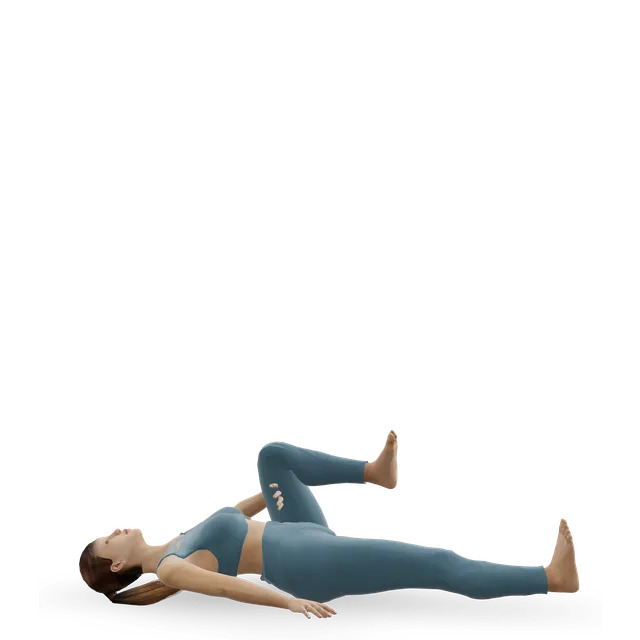
Fascia release for the hamstrings: rolling, stretching and nerve glides for tight hamstrings, and when to get checked
Hamstring release usually means rolling the backs of your thighs on a foam roller or ball, then stretching. Across many trials, rolling gives a few minutes of extra range, about as much as stretching, but it doesn't lengthen the muscle or release fascia: the hamstrings' measured stiffness barely changed after rolling, and 10 minutes did no more than 2.
The honest headline: range that lasts comes from regular stretching and strength work, and for hamstrings that feel "nervy", gentle nerve glides may add a little. A fresh strain needs a few days without massage, then the lengthening and strength work that did best in trials.
This guide shows how to roll, stretch and glide your hamstrings, what trials found for tight hamstrings, back pain and strains, a 10-minute sequence, and the hamstring pain that needs checking first, such as a sudden pop with bruising or a swollen leg.
Across 26 trials, one rolling session gave a short-term gain in range about the same as stretching. On the hamstrings, single studies are mixed: rolling helped flexibility after Nordic curls in 32 men, but 2 or 10 minutes did no better than rest in 57 men.
Hamstring rolling changed measured muscle stiffness little or not at all in four studies. Short-term gains come mainly from tolerating more stretch, not longer muscles.
Over 4 weeks or less, stretching programmes beat rolling programmes, and rolling added nothing to stretching in a 4-week trial. One 30-second hamstring stretch a day gained as much range over 6 weeks as longer or repeated holds.
Nerve glides: a small extra, on low certainty evidence
Across 30 small trials, gentle nerve techniques improved hamstring flexibility tests by a few degrees more than static stretching, but the trials varied a lot and the certainty was low.
The NHS says to avoid heat, massages and alcohol for the first 3 days after a hamstring injury. Lengthening exercises returned footballers to training sooner, and programmes with Nordic curls halve hamstring injuries.
The three hamstrings run down the back of the thigh, mostly from the sitting bone, to below the knee, under the thick fascia of the thigh. The sciatic nerve runs down the middle of the back of the thigh, beneath them. The hamstrings sit on the superficial back line, which dissection studies support as a continuous chain from the sole of the foot to the scalp. Our muscle guides cover the anatomy.
Feeling a strong pull early in a forward bend or a straight-leg raise. A review concluded that the gains from a stretching session, and from programmes of 3 to 8 weeks, mostly come from changed sensation (stretch tolerance) rather than longer muscles. The pull can also come from the sciatic nerve: pain or tingling below the knee points to the back, which our sciatica guide covers.
In 14 men, rolling lowered hamstring stiffness only slightly (about 5% at 5 minutes) without meaningfully changing range, while cycling did more. In 14 people, 2 minutes of rolling changed neither stiffness, soreness nor range. After Nordic curls, rolling improved a sit-and-reach test by 12.7% in 32 men without changing stiffness, and in 57 men, 2 or 10 minutes changed neither stiffness, strength nor a marker of muscle damage. That fits the evidence that rolling works mainly through the nervous system.
Rolling any of five parts of the back line for 10 minutes, from the sole to the scalp, improved hamstring flexibility in 94 people, with half the gain in the first 2 minutes, and rolling the soles with a tennis ball improved a sit-and-reach test in 24 people. In 11 people, a machine stretching the calf moved a hamstring muscle by about 6 mm and the fascia over it by under 1 mm. These links are real but small, and changed sensation explains remote effects too.
A meta-analysis of 26 trials found a large short-term gain in range against no exercise, the same as stretching, and 20 studies found single bouts of rolling and stretching equal for up to 20 minutes.
On the hamstrings, single studies are mixedMixed evidence
One bout of rolling after Nordic curls improved a sit-and-reach test by 12.7% against resting in 32 men. In 14 men, rolling didn't meaningfully change range. In 57 men, neither 2 nor 10 minutes beat 20 minutes of rest on a sit-and-reach test, and 10 did no more than 2. In 80 young athletes, contract-relax stretching gave more flexibility than rolling at 30 seconds and 2 minutes.
In a meta-analysis of 11 rolling programmes (290 people), the hamstrings gained range, more in programmes longer than 4 weeks. In 40 men, rolling 3 times a week for 4 weeks matched contract-relax stretching. But in 19 men, rolling before stretching twice a day for 4 weeks added nothing to stretching alone, and across 85 studies, stretching programmes beat rolling programmes over 4 weeks or less.
In 93 adults with tight hamstrings, one 30-second stretch a day, 5 days a week for 6 weeks, gained as much range as 60-second holds or three a day. Across 11 trials (452 people), strength training through a full range improved range as much as stretching.
Across 16 trials (515 people), rolling after exercise eased soreness slightly straight away and more at 24 to 72 hours. After Nordic curls, one bout kept flexibility up at 48 hours but didn't change stiffness, pressure pain, jump height or strength.
A review of 17 studies couldn't say whether people with low back pain have tighter hamstrings, because the evidence was very low quality and the measures were problematic. A review of cohort studies found less hamstring range only weakly linked with later back pain.
In 75 elite footballers, a programme of lengthening exercises returned them to full training in 28 days on average, against 51 with conventional exercises. A review of treatments for acute hamstring injuries found only limited evidence for any, including stretching. The NHS advises avoiding massage for the first 3 days.
Almost all of these trials were in young, healthy, active people, measured over minutes to weeks, and none compared hamstring rolling with a fake roll. We read the studies' summaries (abstracts), not their full texts.
Hamstring release in about 10 minutes: roll, stretch, glide, strengthen
Steps 1 to 3 follow the hamstring rolling move's page, which gives about 90 seconds for each muscle you roll; the strap stretch, slider, towel slide and 90/90 doses are their move pages' (the stretch from a trial of 93 adults, the slider from an NHS service, the towel slide from an NHS hospital's knee exercises and the 90/90 from a hamstring rehabilitation protocol). Pausing on a tender spot is our editorial suggestion. No trial has tested this sequence.
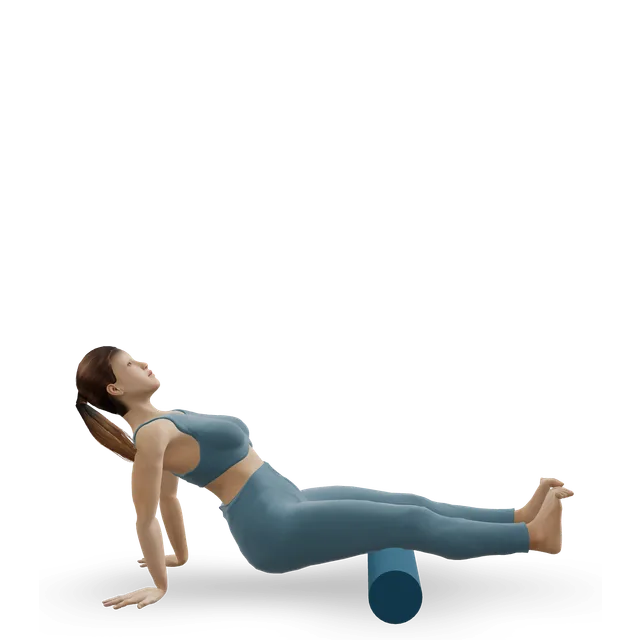
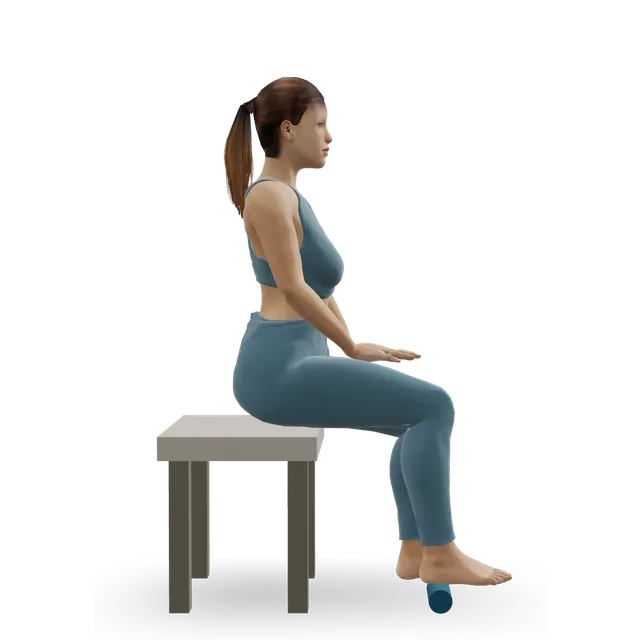
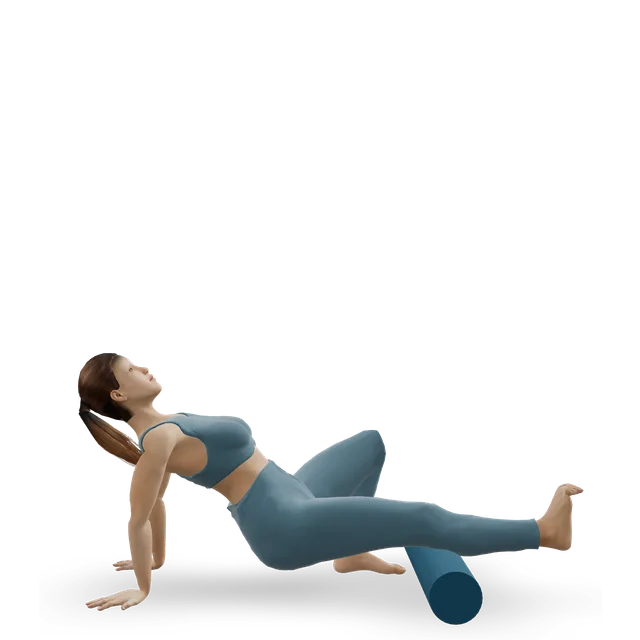
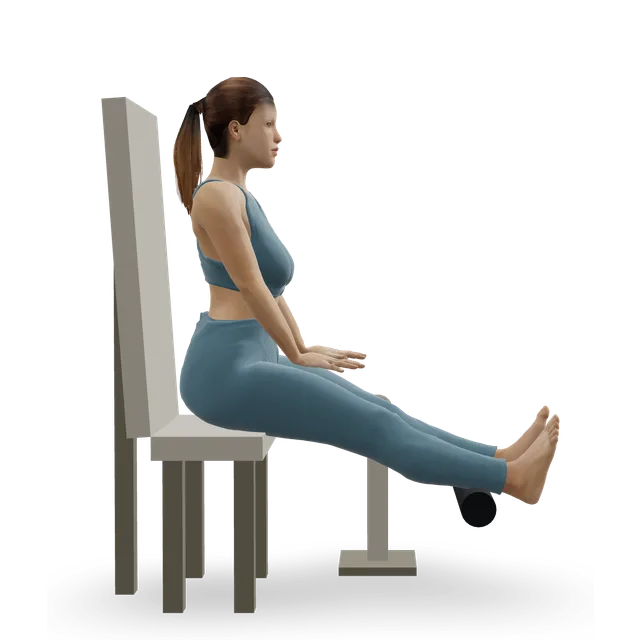
Sit with your legs long over a foam roller under the backs of your thighs, hands planted behind you, and lift your hips.
Rock slowly so the roller travels from just above the backs of your knees towards your buttocks and back, turning your legs slightly in and out. For more pressure, cross one leg over the other. Keep off the backs of your knees.
Give each leg about 90 seconds, for example 2 or 3 slow rounds of 30 to 45 seconds, and pause on a tender spot for a few breaths if it eases.
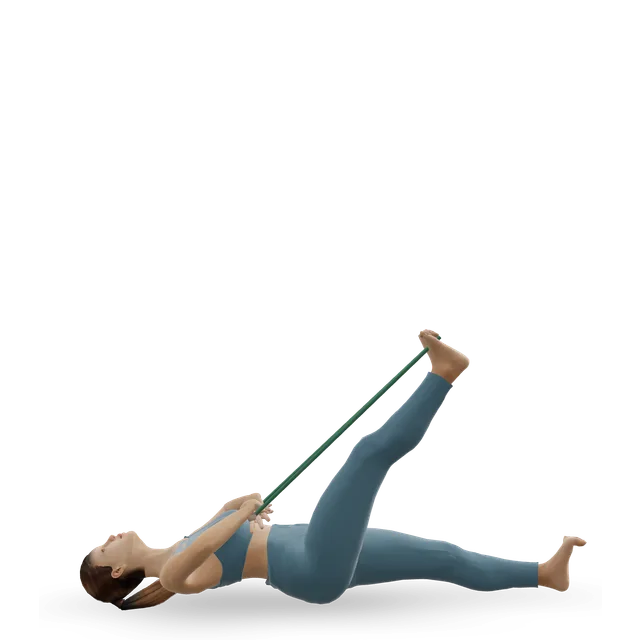
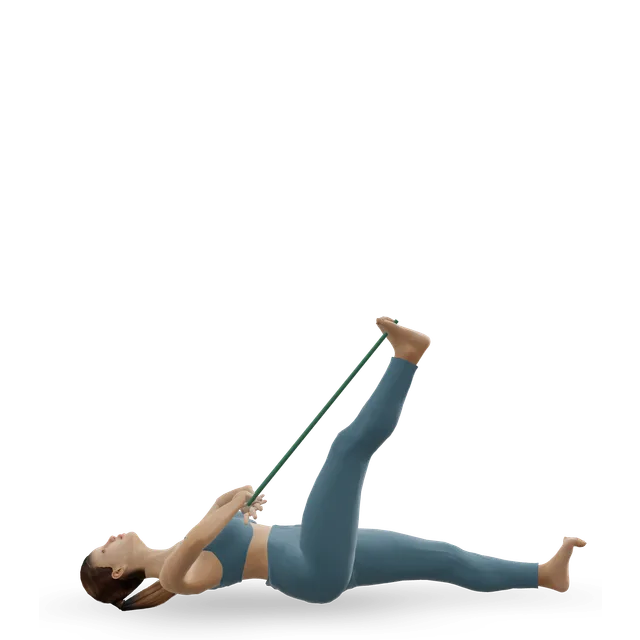
Stretch straight away: the lying hamstring and calf stretch with a strap, 30 seconds, 1 to 3 times each leg.
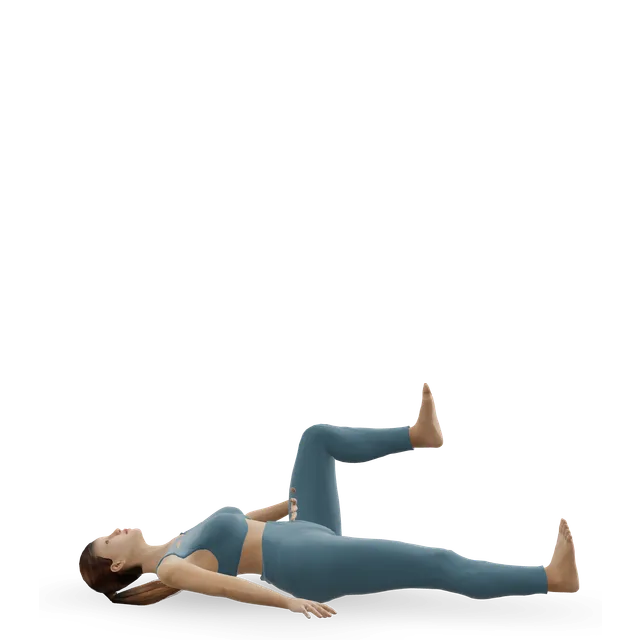
If your hamstrings feel "nervy", with a pull behind the knee that changes when you move your foot or head, swap the hold for the lying sciatic nerve slider: 10 slow repetitions with a 1-second pause. A pull is fine; pain or tingling is not.
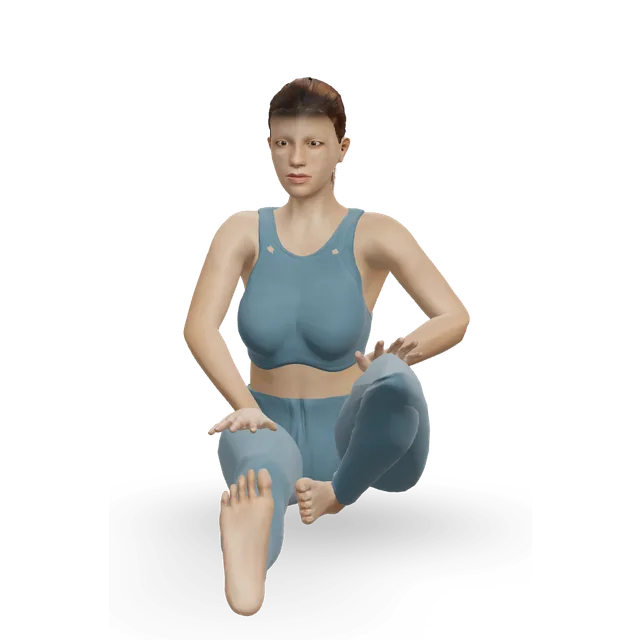
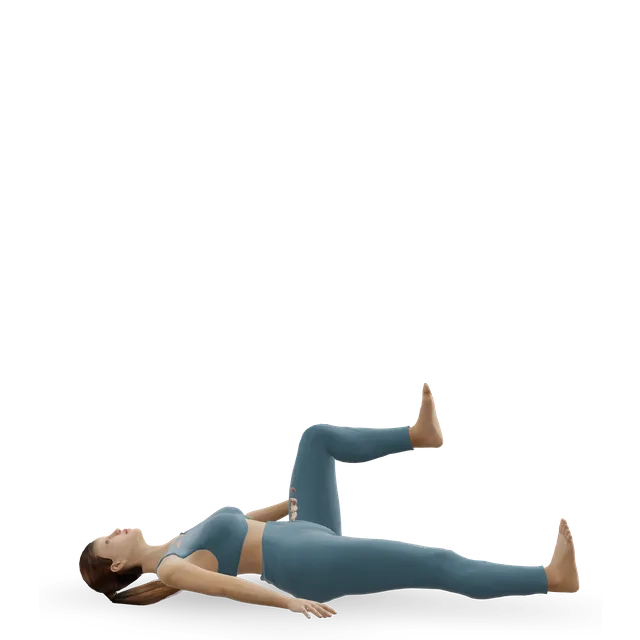
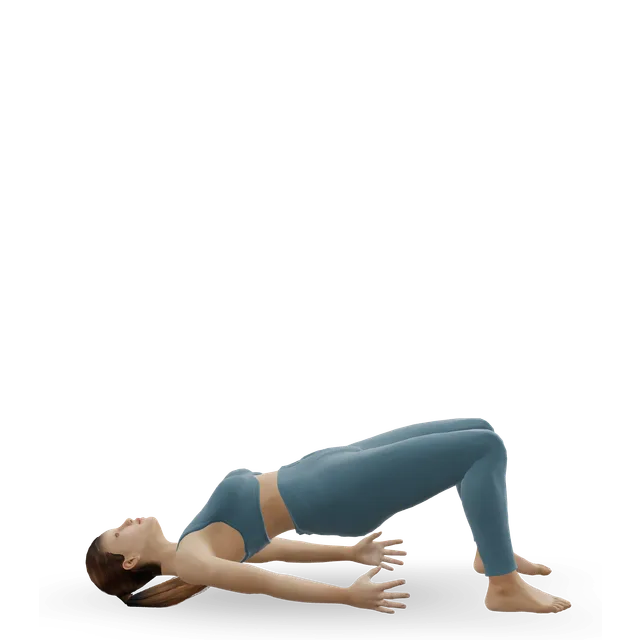
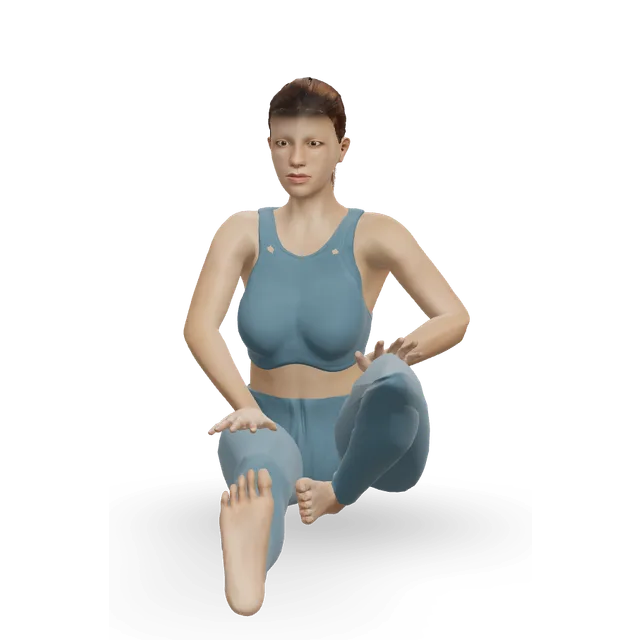
Strengthen: towel hamstring slides, 3 sets of 15 each leg, or the 90/90 hamstring straightening, 3 sets of 12 slow straightenings each leg.
Skip the roller on a fresh strain for the first 3 days, over bruises or varicose veins and on a sore sitting bone, and stop if pain or tingling spreads down your leg.
Loading the 3D figure…
Drag to turn
Gets into position, then repeats the movement. Technical checks passed; qualified exercise review is pending.
Each dose names its trial or move page, or is our editorial starting point. Doses are starting points, not prescriptions.
Foam roller
About 90 seconds per leg, the move page's dose: in a review, about 90 seconds per muscle was the least that eased soreness, and on the hamstrings 10 minutes did no more than 2. Use a pressure you can breathe through: harder rolling added nothing in a thigh trial.
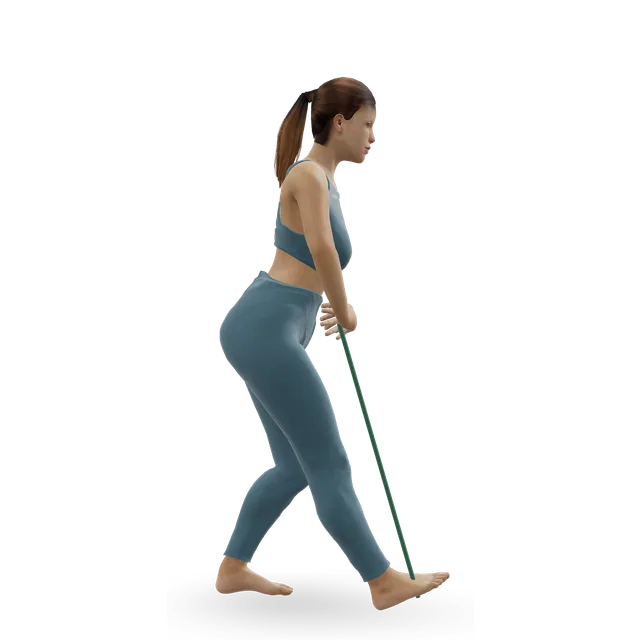
The lying strap stretch, the seated single-leg stretch or the standing strap stretch: hold 30 seconds, 1 to 3 times each leg, at least 5 days a week, their move pages' dose from a trial of 93 adults. For lasting range, keep it up for more than 4 weeks.
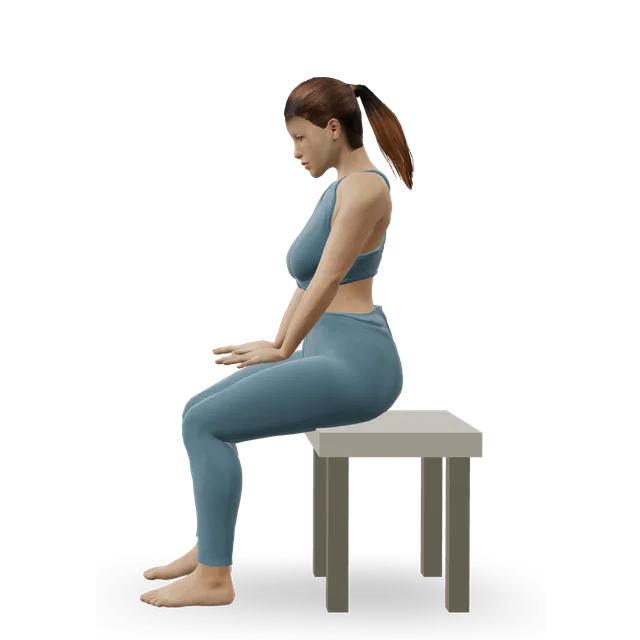
The lying sciatic nerve slider: 10 repetitions with a 1-second pause, 2 to 3 times a day, the move page's dose from an NHS service, which adds to try it for two weeks and keep it only if it helps. The seated slider: 10 slow repetitions, 2 to 3 times a day, its move page's dose. Move gently: these are glides, not stretches.
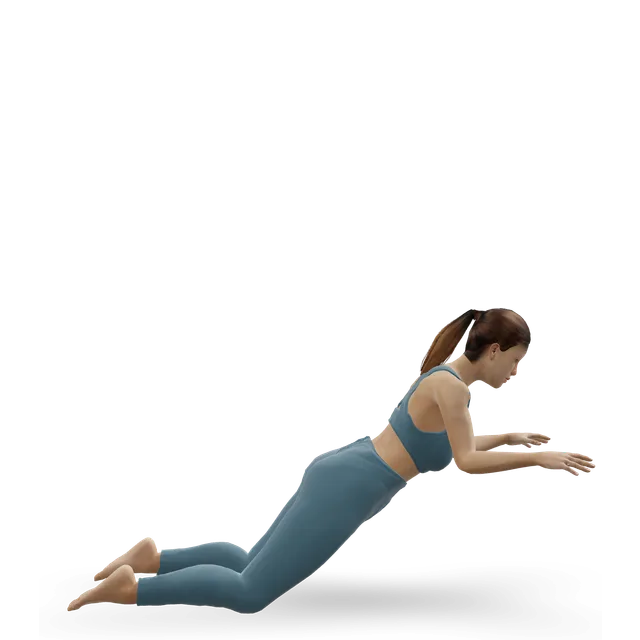
Towel hamstring slides, 3 sets of 15 each leg, and the 90/90 hamstring straightening, 3 sets of 12 each leg: their move pages' doses. Bridges, Romanian deadlifts and Nordic curls build the strength that protects the hamstrings; 2 or 3 sessions a week, building up slowly, is our editorial starting point, and our hamstring workout puts them together.
Across 38 studies, rolling and stretching gave no more flexibility than other warm-ups. If you like rolling first, keep it brief, and follow it with your usual warm-up.
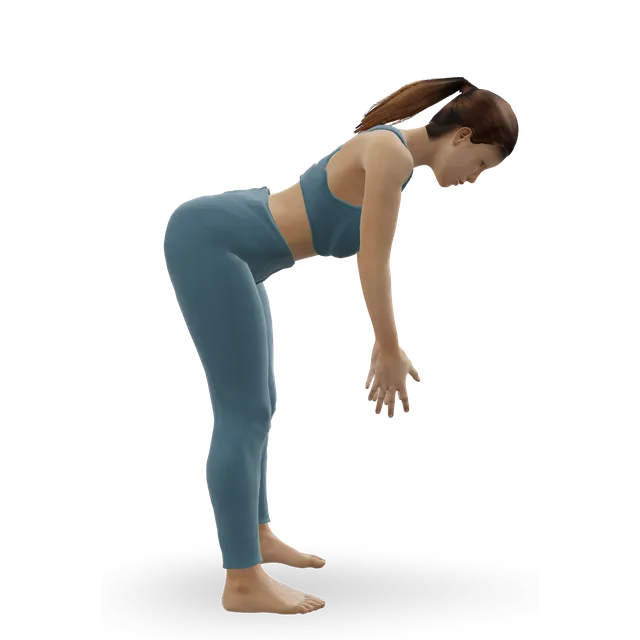
Nerve glides (also called sliders or nerve flossing) move the sciatic nerve gently along its path, for example by straightening one knee while looking up, then bending it as you look down. The slump stretch adds a rounded back and a lowered chin, which puts more tension on the nerve. Our sciatica guide uses sliders for leg pain from the back.
For hamstring flexibilityMixed evidence
A review of 6 trials (294 people) and one of 13 trials (624 people) found nerve techniques improved hamstring flexibility tests. The largest, of 30 trials (1,379 people), found about 3.5 degrees more on a straight-leg raise than static stretching, with sliders about 1 degree better than stronger tensioning versions, but contract-relax stretching beat nerve techniques on one test, and the certainty was low.
In people with muscle and joint pain, nerve mobilisation eased low back pain and helped function, but not flexibility, with very low confidence in the results. A review of slump stretching for low back pain reported effects so large that they are hard to believe, from evidence of very low to moderate quality.
The slump stretch after a hamstring strainEmerging evidence
In 28 Australian footballers with mild hamstring strains, those given slump stretching on top of usual care returned to full function sooner; the summary doesn't say how players were allocated, and a later review called this limited evidence. Follow our hamstring strain guide's plan.
A gentle pull is fine; pain, tingling or numbness is not. Move slowly, never hold the end position, and stop if symptoms spread further down the leg.
Routines to follow
The legs routine rolls and stretches each part of the leg, including the hamstrings; the flexibility routine builds range, the hamstring workout builds strength, and the yoga routine includes a gentle nerve slider.
In an expert consensus of 37 researchers, open wounds and broken bones were reasons not to roll, and inflammation, a clot, a bone infection or bone forming in a muscle after an injury were at least reasons for caution.
Keep the pressure light, or ask your doctor first, if you take blood thinners, which make bruising more likely, or have a nerve condition such as peripheral neuropathy: the NHS lists these among the reasons hands-on treatments may not be safe.
Clots are more likely in pregnancy and for 6 weeks after giving birth, so never roll or massage a swollen or painful leg: in a case report, a pregnant woman collapsed with a clot in her lungs shortly after a leg massage.
Call 999 or go to A&E: leg pain with numbness around the genitals or bottom, new trouble starting or controlling peeing, not knowing when you need to poo or losing control of it, sciatica in both legs, or weakness or numbness in both legs that is severe or getting worse. These can be signs of cauda equina syndrome, which needs treating in hospital as soon as possible.
Call 999 or go to A&E if breathing suddenly becomes difficult, if pain in your chest or upper back comes on suddenly with breathlessness or a very fast heartbeat, or if someone passes out. Do not drive yourself. It can be a blood clot that has reached the lungs.
Throbbing pain in one leg (rarely both), usually the calf or thigh; swelling in one leg (rarely both); red, blue or darkened skin around the painful area, which may be harder to see on brown or black skin; or swollen veins. This can be a deep vein thrombosis (DVT). It is more likely after surgery, a hospital stay, 3 or more days in bed, a journey of over 4 hours, pregnancy or a recent birth, cancer, a previous clot, or contraception or hormone replacement therapy (HRT) that contains oestrogen.
Same day (NHS 111 or your GP): you felt a pop or tearing high on the back of your thigh, near the sitting bone, and it's very painful, there's a lot of swelling or bruising (which can spread down the thigh over the next few days), it hurts to walk or stand, or sitting is painful. The tendon may have come away from the bone.
Get help from NHS 111 if you think you've injured your hamstring and it's very painful or getting worse, there's a lot of swelling or bruising or it's getting worse, it hurts to walk or stand, the leg feels very stiff or is difficult to move, it isn't getting better after looking after it yourself, or you have a very high temperature or feel hot, cold and shivery.
Pain in the back of the thigh with tingling, numbness, or pain spreading below the knee: it may come from the back (sciatica).
See a GP if your sciatica hasn't improved after trying home treatments for a few weeks, is getting worse, or is stopping you doing your normal activities.
"Rolling lengthens your hamstrings for good"Mixed evidence
Rolling changed hamstring stiffness little or not at all, rolling added nothing to stretching over 4 weeks, and stretching programmes beat rolling programmes over 4 weeks or less. The gains are mainly stretch tolerance.
"Hamstring knots and adhesions need breaking up"Mixed evidence
Reviewers concluded that rolling tools don't work by releasing fascia, and rolling didn't change hamstring stiffness. Tender spots ease for a while with pressure; nothing is broken up.
"Nerve flossing frees a stuck sciatic nerve"Mixed evidence
Sliders improved flexibility tests by a few degrees in small trials, and for pain the evidence is very low confidence. No study shows a nerve being "freed".
"Roll your feet to loosen your hamstrings, because it's all one line"Mixed evidence
Partly true: rolling the soles or calves improved hamstring flexibility tests briefly, and the back line is real anatomy. But the changes were small and short-lived, and changed sensation explains them as well as tissue links.
Roll the back of each thigh for about 90 seconds, then stretch for 30 seconds while any extra range lasts. For range that lasts, stretch on most days for more than 4 weeks and strengthen the hamstrings.
Does foam rolling lengthen the hamstrings?
No. Rolling changed hamstring stiffness little or not at all in studies; it can give a few minutes of extra range, mainly by changing how much stretch you tolerate.
How long should I foam roll my hamstrings?
About 90 seconds per leg, the move page's dose. In a trial, 10 minutes did no more than 2, so use the time you save to stretch.
Is stretching or rolling better for tight hamstrings?
For a few minutes they do about the same. Over weeks, stretching has the stronger evidence, and one 30-second stretch a day was enough in a trial. Doing both is fine.
What is nerve flossing for the hamstrings?
Gentle movements that slide the sciatic nerve, such as straightening one knee while looking up. In small trials they improved flexibility tests by a few degrees more than static stretching, on low certainty evidence. A pull is fine; pain or tingling is not.
Are my tight hamstrings causing my back pain?
Probably not on their own: studies can't say whether people with back pain have tighter hamstrings, and the link with later back pain was weak. Our back pain guides cover what helps.
Can I foam roll a pulled hamstring?
Not for the first few days: the NHS says to avoid heat, massages and alcohol for the first 3 days. After that, the lengthening and strength exercises in our hamstring strain guide did best in trials.
Can I use a massage ball on my hamstrings?
You can, gently, sitting with the ball under the thigh. Keep off the back of the knee and a sore sitting bone, and stop if pain or tingling spreads down the leg.
Why do my hamstrings feel tight all the time?
Often it's how much stretch your nervous system allows rather than short muscles, and the pull can also come from the sciatic nerve. Pain or tingling below the knee needs our sciatica guide.
Does rolling my feet loosen my hamstrings?
Briefly, in small trials, because the back of the body is linked from the soles upwards. The effect is small and short-lived.
When does hamstring pain need checking?
Get help the same day for a sudden pop with a lot of swelling or bruising, or pain when you sit or walk, and urgently for a swollen, throbbing leg, which can be a clot. Numbness around your genitals or bottom, or new bladder or bowel trouble with leg pain, needs a 999 call.
Movement education, not medical advice. Stop for sharp or increasing pain, numbness or tingling, and get individual advice if you are pregnant, after an injury or surgery, or managing a health condition. Health disclaimer.