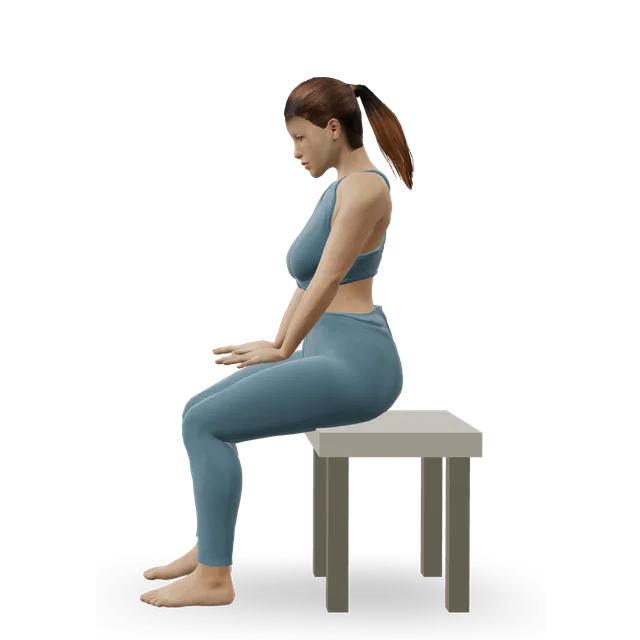
Someone else moves you into the stretch
A partner, coach, therapist or stretch-studio practitioner moves your body into a stretch. It may be a held stretch, or PNF: you push against their hand, relax, and they take you a little further.
Fascia guide
Assisted stretching means someone else moves you into a stretch: a partner, a coach, a physiotherapist or a stretch-studio practitioner. Done well, it's pleasant and can help you stretch more often. But in a trial a partner added nothing over a strap, and lasting range comes from stretching regularly, not from who does it.
This guide explains what happens in a session, including proprioceptive neuromuscular facilitation (PNF, or contract-relax) stretching, fascial stretch therapy and stretch studios, and what the evidence shows for flexibility and pain. It shows how to stretch with a partner safely, with a 3D demo, and who should avoid it. For stretching in general, see the flexibility and fascia stretching guides.
A partner, coach, therapist or stretch-studio practitioner moves your body into a stretch. It may be a held stretch, or PNF: you push against their hand, relax, and they take you a little further.
Across 77 studies, regular stretching gave a moderate, lasting gain in range, with static and PNF stretching ahead of bouncing or moving stretches. One analysis of 189 studies found gains topped out at about 4 minutes per session and 10 minutes per muscle a week, but the 77-study review found the amount made no clear difference, so treat that as a rough target.
In 13 adults, partner contract-relax, the same stretch with a strap, and plain static stretching gave the same immediate gain. A version where you push "off stretch" needs no partner and gained as much range. One review found low-quality evidence that partner hold-relax beat doing it yourself.
Pushes at 20% of maximum gained as much range as all-out pushes, and in the big reviews stretch intensity made no clear difference.
Programmes of 3 to 8 weeks didn't measurably change muscle or tendon structure: you get used to more stretch. PNF's extra range also comes from changed stretch tolerance, not from "switching off" the muscle.
Slow stretching movements caused hamstring injuries in professional dancers, a shoulder nerve injury followed a therapist's forceful arm stretch, and an independent review found gymnastics coaches had used their body weight to force children into the splits.
A partner or therapist moves your limb into a stretch and holds it there while you relax. In PNF, this held stretch follows each push.
Source 2
The muscle is taken into a stretch, you push against the partner's resistance for a few seconds, relax, and the partner takes up the new slack. In one variation you then tighten the opposite muscle to move further. A review found a push of about 3 seconds at no more than 20% of your maximum is enough, with most of the gain after the first round.
A branded method from the Stretch to Win Institute, done on a table and taught to massage therapists and other professionals. It uses traction, a slow rocking movement, breathing and a very gentle first barrier, and its developers say it uses no held static stretches. We found no published trials of it; the developer's article cites a 2019 conference abstract on low back pain, which we couldn't open.
One-to-one sessions on a padded bench, often 25 or 50 minutes. One chain describes its method as "push and release" PNF, aims for about 7 on a 1 to 10 intensity scale, prefers not to stretch anyone with an acute injury, and says plainly that its staff are not physical therapists.
A 2025 consumer report found practitioners usually came from personal training, massage, yoga or physical therapy, with company training of about 15 hours online plus 2 days in person at one chain and a 40-hour programme at another.
Across 77 studies (186 effect sizes), regular stretching improved range moderately compared with not stretching, and static and PNF stretching did better than bouncing or moving stretches. An analysis of 189 studies (6,654 adults) found a large long-term effect of static stretching, with gains topping out at about 4 minutes per session and 10 minutes per muscle a week. The 77-study review, though, found the amount made no clear difference. People with poor flexibility gained most. A panel of international experts agreed stretching improves range and reduces stiffness.
In 13 adults tested on separate days, partner contract-relax, three strap versions and static stretching all gave the same gain, about 3% to 5%, and all slowed leg movement a little afterwards.
Doing the push "off stretch", at the starting position, then returning to the stretch, gained as much as classic contract-relax. That was about 4 degrees at the ankle in 14 people, and 4.6 to 5.2 degrees at the knee in 17 people, including a version done without a partner. A review of 46 studies (1,864 young adults) found low-quality evidence that partner hold-relax beat doing it yourself.
In 72 young men with tight hamstrings, contract-relax with pushes at 20%, 60% or 100% of maximum, three 6-second pushes a day for 5 days, gained the same, and all beat no stretching. A review suggests a push of about 3 seconds at no more than 20% is enough, with most of the gain after the first round. Intensity didn't change gains in the large reviews.
During a stretch, muscle and tendon lengthen, but only for a while. Over 3 to 8 weeks, stretching programmes didn't measurably change muscle or tendon structure or stiffness: people tolerate more stretch, so most of the gain is in how the stretch feels. PNF's extra range is put down to changed stretch tolerance too, not to reflexes switching the muscle off.
In a pilot trial of 17 people with an average age of 89, 10 assisted stretches twice a week for 8 weeks improved range at most joints and all six tests of everyday function, compared with a low-activity group. In 62 people aged 65 to 97, 60-second hamstring holds built range faster than 30- or 15-second holds.
In a Cochrane review of 49 trials (2,135 people) of stretching stiff joints, stretch made no clinically important difference to joint movement, and in people without neurological conditions no clinically important difference to pain (high-quality evidence).
Reviews of PNF training for back pain report large effects, but from small, low-quality trials, and they pooled exercise programmes rather than partner stretch sessions. In knee osteoarthritis, PNF eased pain by less than the smallest change that matters to patients.
Experts agree stretching isn't an all-round way to prevent injuries and doesn't speed recovery after exercise, and static and PNF stretching had no clear effect on injury rates. Holding stretches for 60 seconds or more straight before an all-out effort can cost a little performance.
We found no published trials of it (searched October 2026). Until there are, judge it by what assisted stretching in general does.
The 3D figure shows the strap version; here a partner does the strap's job. The move's page gives no dose, so each number has its own source. The push follows a review (about 3 seconds at no more than 20%, Sharman 2006) and a trial in which 6-second pushes at 20% gained as much as all-out ones (Feland & Marin 2004). The 10 to 30 second hold and 2 or 3 rounds are our editorial starting point, as most of the extra range comes after the first round (Sharman 2006). The move's page adds: not for a hamstring that is currently strained.
Loading the 3D figure…
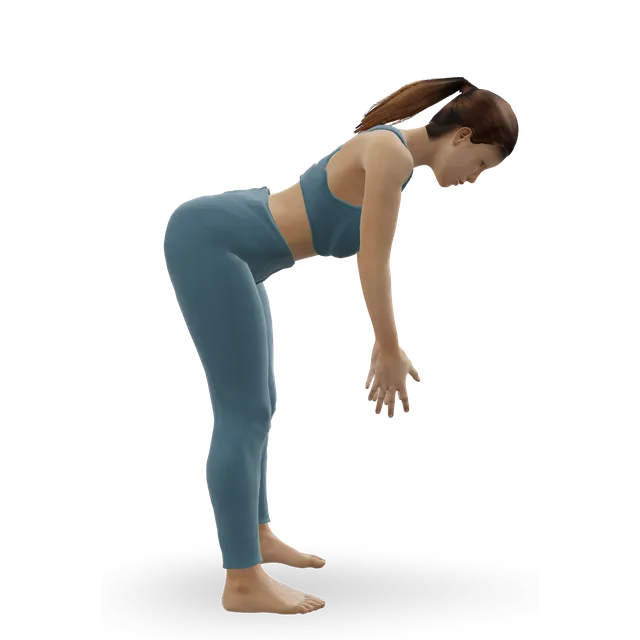
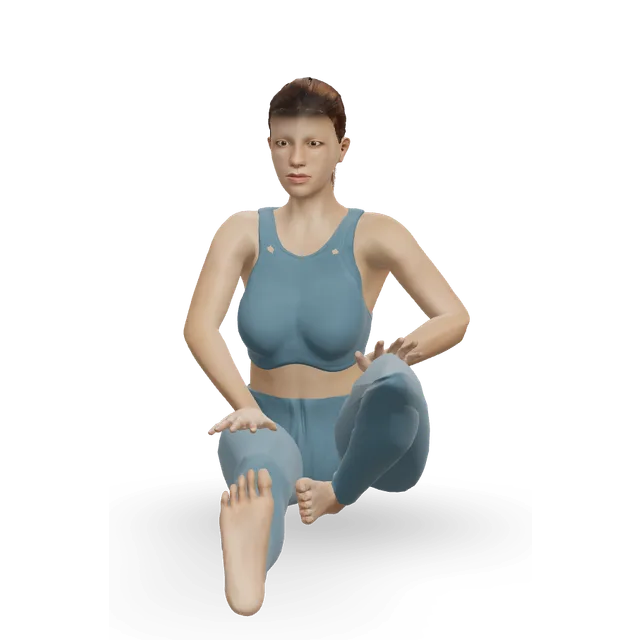
The movement on the figure: Contract-relax hamstring stretch (PNF)
Our editorial rules, built on the harms evidence:
Two or three sessions a week is plenty (our editorial starting point). One review suggests once or twice a week keeps PNF gains, another at least twice, and static stretching gains topped out at about 10 minutes per muscle a week in one large analysis, a rough target.
Our checklist, built from the sources:
A strap does the same job, and pushing "off stretch" at the starting position before returning to the stretch also matches classic contract-relax. The strap stretching routine below is the do-it-yourself version.
A strap holds the stretch the way a partner would: use each move page's dose where it gives one, or the strap routine below.
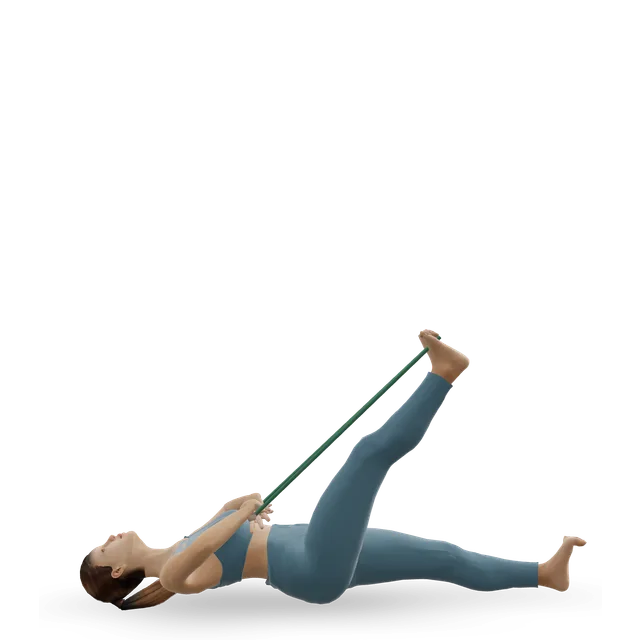 3D demoLying hamstring and calf stretch with a strapBeginner · Other / check instructions
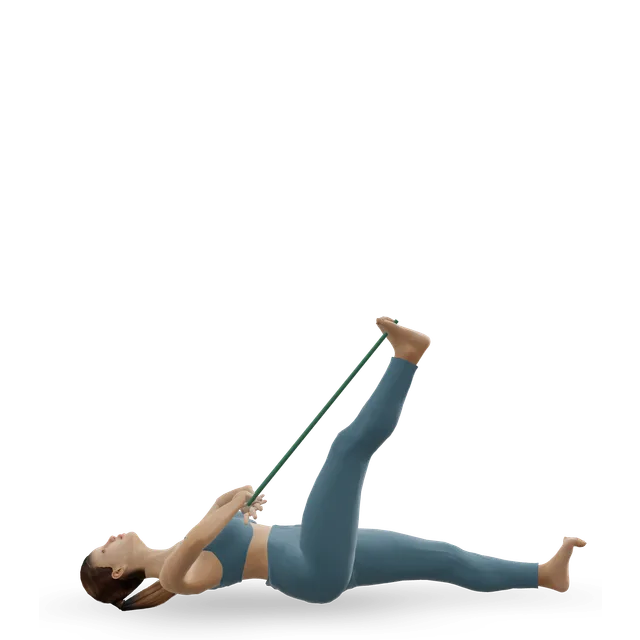 3D demoContract-relax hamstring stretch (PNF)Intermediate · No equipment
 3D demoSupine hamstring stretch with a strapBeginner · No equipment
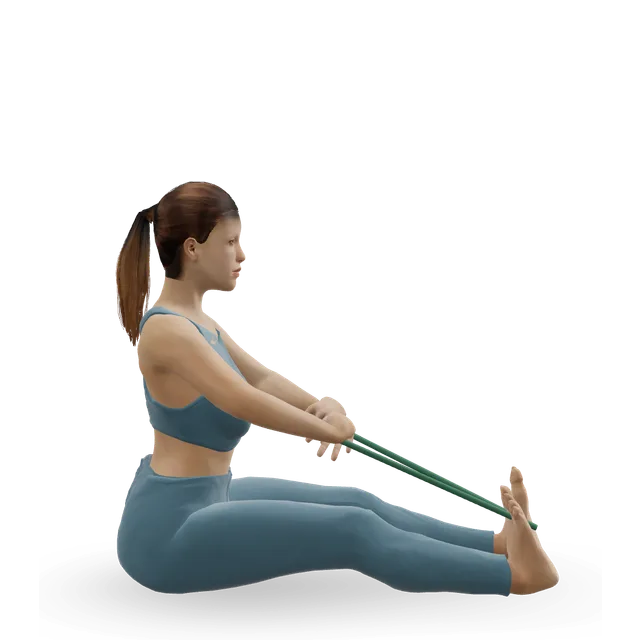 3D demoSeated hamstring and calf stretch with a strapBeginner · Other / check instructions
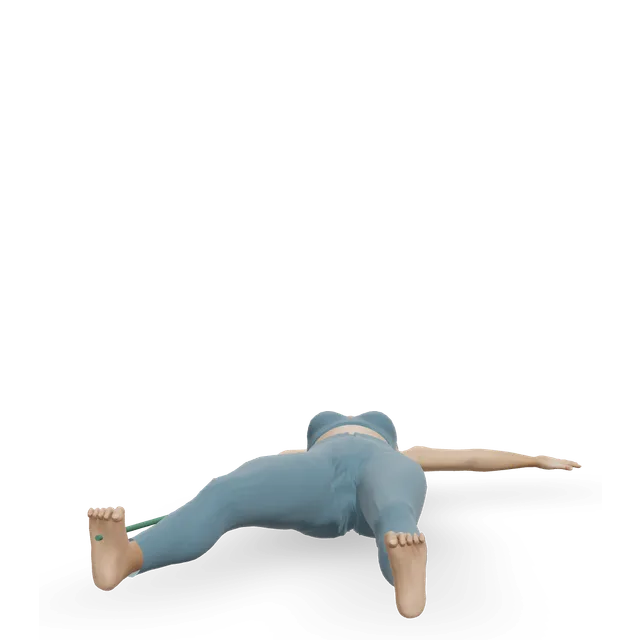 3D demoLying inner thigh stretch with a strapIntermediate · Other / check instructions
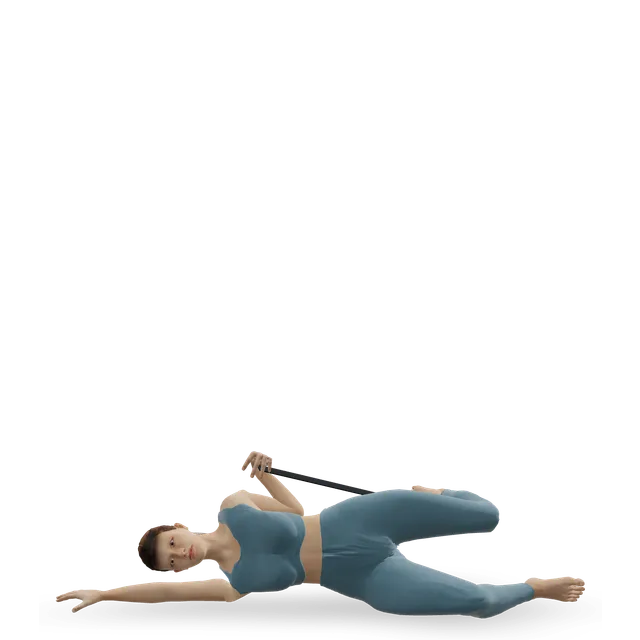 3D demoSide-lying quad stretch with a strapBeginner · Other / check instructions
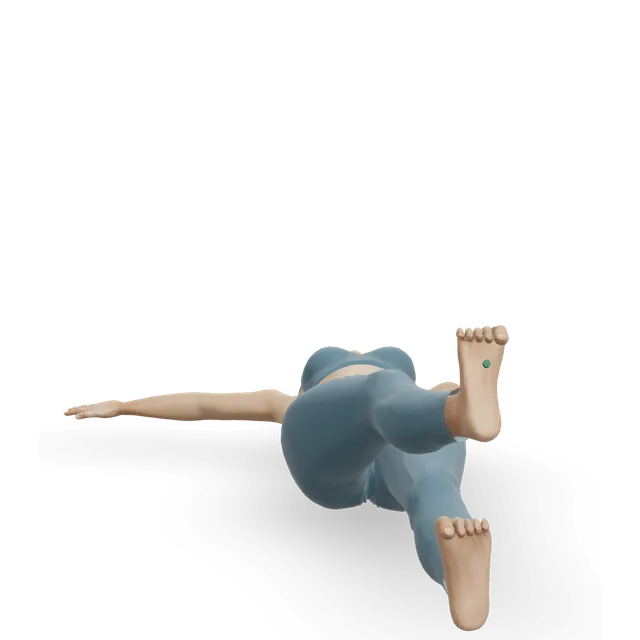 3D demoLying IT band stretch with a strapIntermediate · Other / check instructions
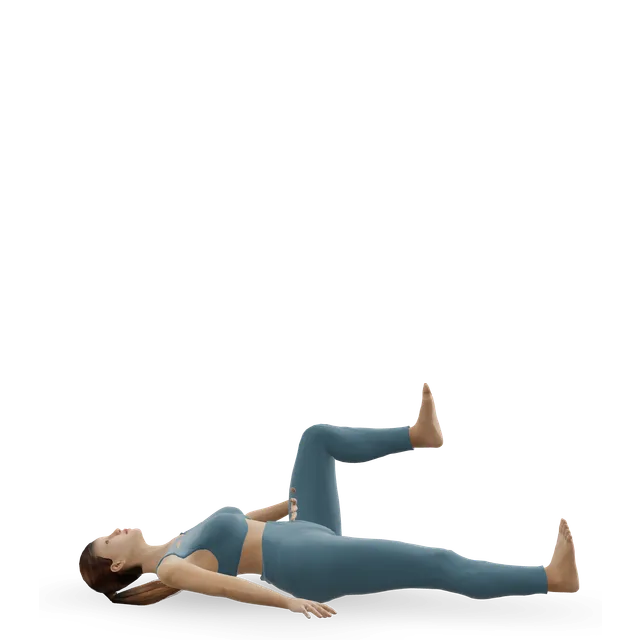 3D demo90/90 hamstring stretch (active knee extension)Beginner · No equipment
The strap routine is assisted stretching on your own; the others build general range.
A 20-minute strap routine for the hips and legs: long holds and contract-relax stretches, the do-it-yourself version of assisted stretching.
20 minBeginner9 movesOther / check instructionsA 12-minute routine to loosen tight hamstrings with strap stretches, PNF, folds and hinges.
12 minBeginner7 movesNo equipmentA 15-minute head-to-toe stretch for the neck, shoulders, back, hips, hamstrings and calves.
15 minBeginner11 movesA wallA 12-minute routine to bring your fingertips to your toes: test, nerve glide, hamstring and calf stretches, a slow hinge for strength at length, then retest.
12 minBeginner7 movesA bench or box, A wallFront-split and middle-split days: hip flexor, hamstring and inner-thigh stretches, then strength in the stretched position. Alternate them 3 to 4 times a week.
25 minIntermediate16 movesA wall, An anchor pointA 10-minute cool-down for after a run, a class or a gym session: a few minutes of easy movement, stretches for the muscles you used, then slow breathing.
10 minBeginner9 movesCardio machine, A wallIn 15 professional dancers, slow stretching movements caused hamstring strains close to the sitting bone, and full return took a median of 50 weeks. A shoulder nerve injury followed a therapist's forceful overhead arm stretch, and recovered fully. In people with spasticity, a hamstring and a calf muscle tore during therapeutic stretching.
An independent review of gymnastics heard of coaches using their body weight to push children into the splits, causing pain, distress and injury. In trials of stretching for stiff joints, reported harms included skin breakdown, bruising, blisters, pain and numbness. Even the developer of fascial stretch therapy warns that over-stretching raises the risk of muscle strains, tears and nerve palsy.
Source 29
Source 29
Source 28
A partner and a strap gave the same gains in 13 adults, and contract-relax done without a partner matched the classic partner version. One review found low-quality evidence for partner hold-relax.
Programmes of 3 to 8 weeks didn't change muscle or tendon structure; the gain is mostly tolerance, and dense fascia doesn't change shape under hand forces. The fascia stretching guide covers this.
Pushes at 20% of maximum worked as well as all-out ones, and intensity didn't change gains across 77 and 189 studies.
Experts agree stretching isn't an all-round injury prevention strategy, and static and PNF stretching had no clear effect on injuries. The warm-up and flexibility guides cover what helps.
Stretch made no clinically important difference to pain in stiff joints (high-quality evidence), experts agree stretching doesn't improve posture, and the reviews of PNF for back pain rest on small, low-quality trials.
Its developers say it stretches fascia, not just muscle, but we found no published trials of it, and dense fascia needs far more force than hands apply to change shape.
Stretching where someone else moves or holds your body in the stretch: a partner, coach, therapist or stretch-studio practitioner. It can be a held stretch, or PNF, where you push against their hand, relax and then go a little further.
It can be, if it helps you stretch regularly, get into positions you can't manage alone, or enjoy the routine. It isn't worth paying for a special effect: in a small trial a partner added no extra range over a strap, and lasting range comes from stretching regularly.
Not by much, if at all. In a small trial a partner and a strap gained the same range, and contract-relax done without a partner matched the classic partner version. One review found low-quality evidence favouring partner hold-relax.
PNF (proprioceptive neuromuscular facilitation) means you take a muscle into a stretch, push it gently against resistance for a few seconds, relax, then take the stretch a little further. Over weeks, PNF and held stretches build more range than bouncing or swinging. It works mainly by raising your tolerance to the stretch, not by switching the muscle off.
Your partner holds your leg or arm at a mild stretch, and you push gently into their hand at about a fifth of your effort for 3 to 6 seconds. Then you relax while they ease you into the new slack and hold. Two or three rounds is plenty, since most of the gain comes in the first; agree a stop word and never push into pain.
A clear pull you can breathe through, not pain. In large reviews, stretch intensity made no difference to the gains, and gentle pushes at 20% of maximum worked as well as all-out ones.
Regular stretching matters more than the method. One large analysis found static stretching gains topped out at about 10 minutes per muscle a week, a rough target rather than a rule. Two or three short sessions a week, plus your own stretching, is a sensible starting point (our editorial suggestion).
A branded form of assisted stretching on a table, using traction, slow rocking and breathing, aiming for gains without pain. We found no published trials of it, so judge it by what assisted stretching in general does.
There's little good evidence. Stretching stiff joints made no clinically important difference to pain in a large Cochrane review, and reviews of PNF training for back pain rest on small, low-quality trials. Exercise you keep up with is the better-supported route, which the back pain guides cover.
Gentle assisted stretching is low risk, but forcing a stretch can strain a muscle or injure a nerve. Skip it or ask first with a recent strain, a hip replacement, hypermobility, osteoporosis, or in later pregnancy. Stop for tingling, numbness or sharp pain.
They do different things: massage presses and moves soft tissue, while assisted stretching moves joints through their range. Both change how an area feels for a while, and neither has been shown to lengthen fascia. The sports massage guide covers massage.
It varies. A 2025 consumer report found stretch-studio practitioners usually came from personal training, massage, yoga or physical therapy and took company courses of tens of hours, and one chain says plainly that its staff aren't physical therapists. If you have an injury or a medical condition, see a registered physiotherapist first.
Movement education, not medical advice. Stop for sharp or increasing pain, numbness or tingling, and get individual advice if you are pregnant, after an injury or surgery, or managing a health condition. Health disclaimer.