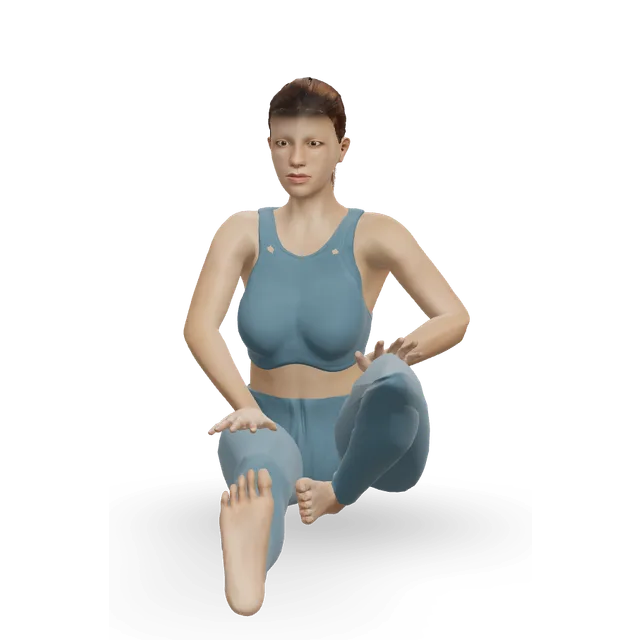
No Pilates trial after a hamstring injuryStrong evidence
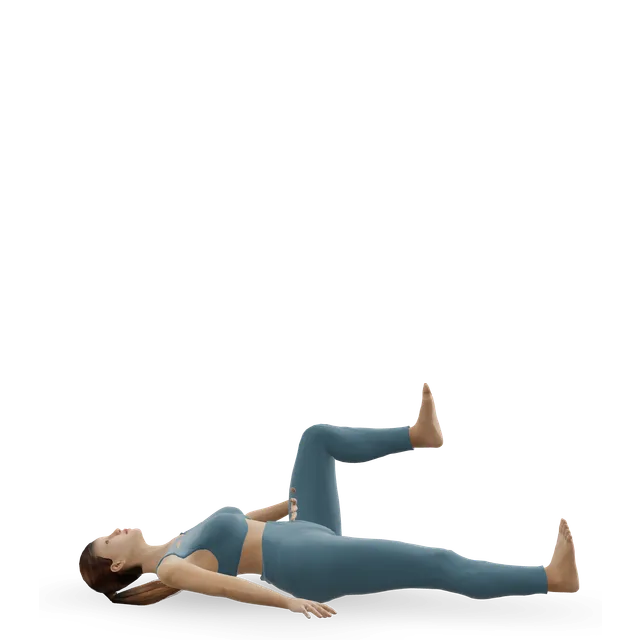
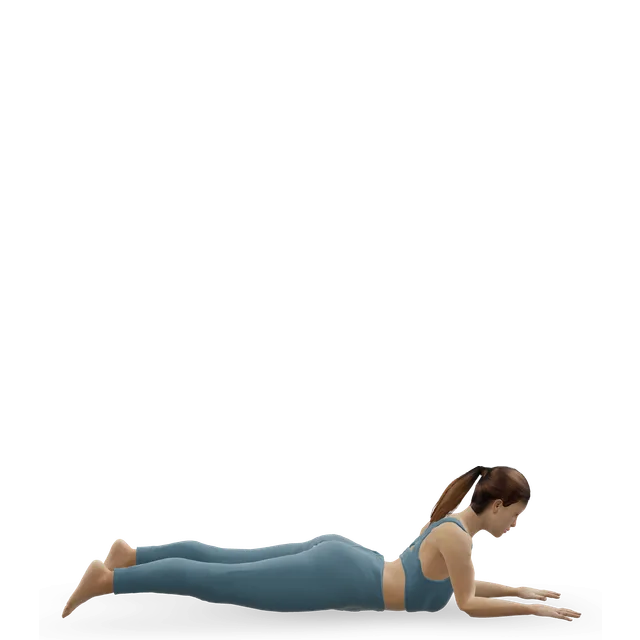
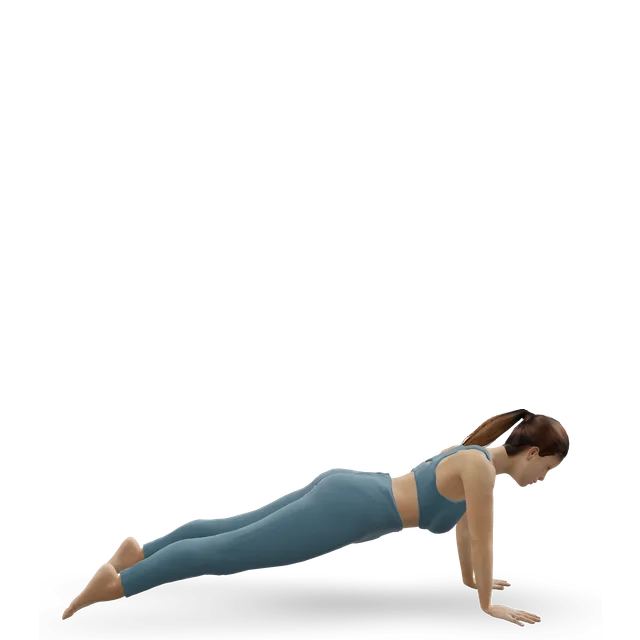
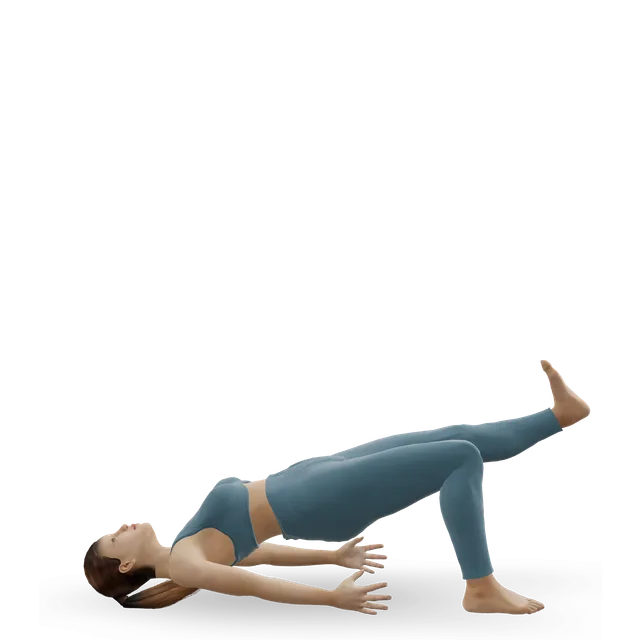
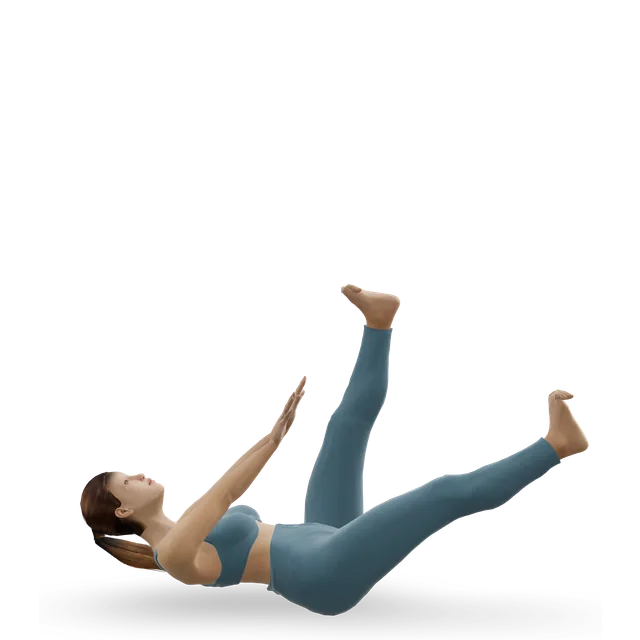
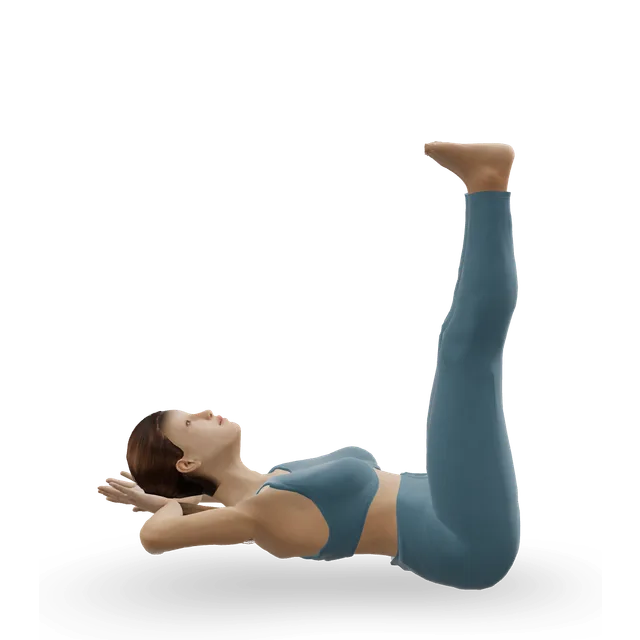
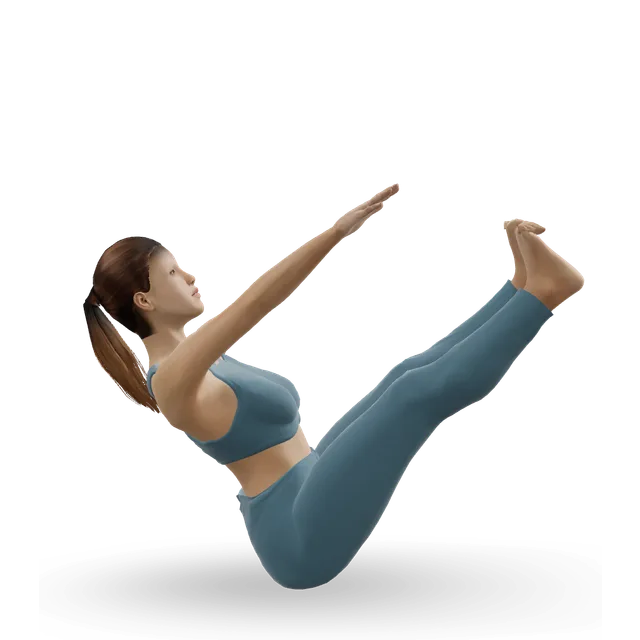
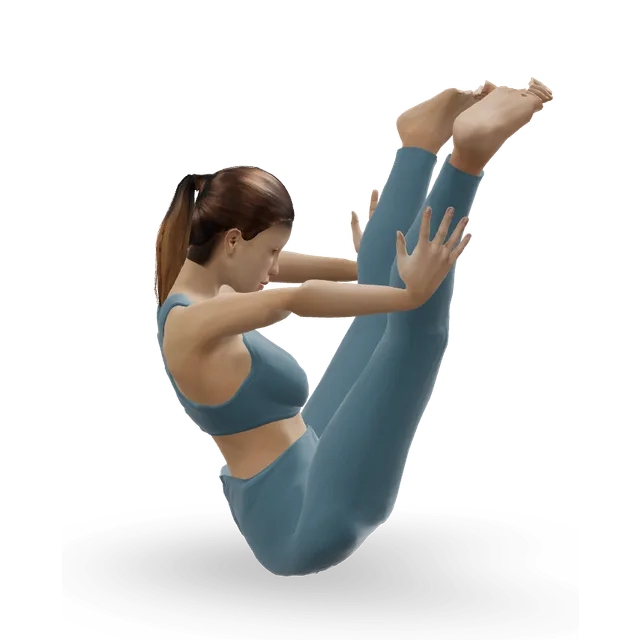
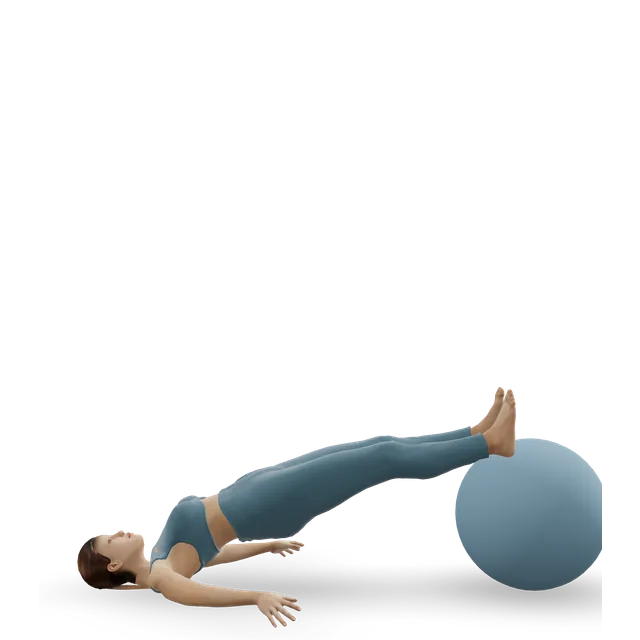
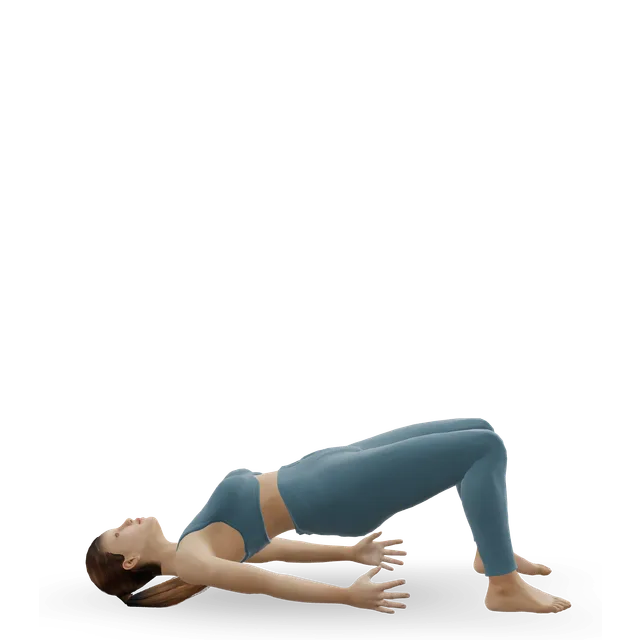
Our searches of PubMed, Europe PMC and ClinicalTrials.gov found no trial of Pilates after a hamstring strain, tear or tendon injury. The Pilates hamstring studies measured flexibility, strength, posture or back pain, and a 2025 review of Pilates in football found no study that counted hamstring or groin injuries.
Sources 1, 25, 26
Lengthening exercises got athletes back soonerEmerging evidence
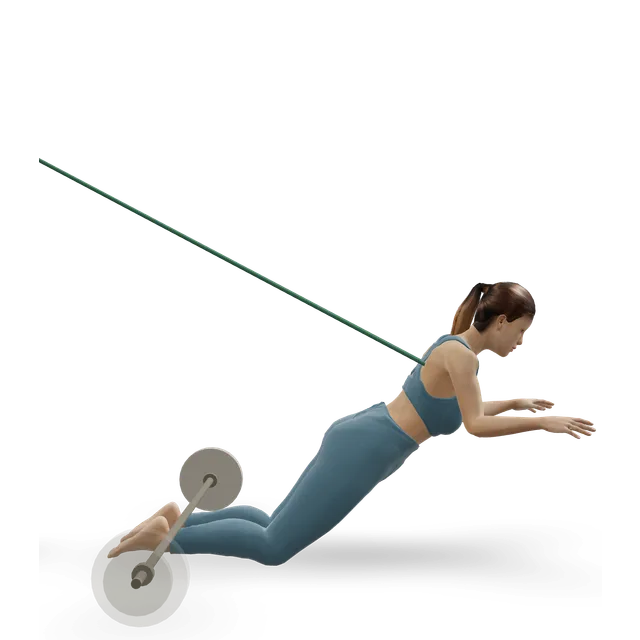
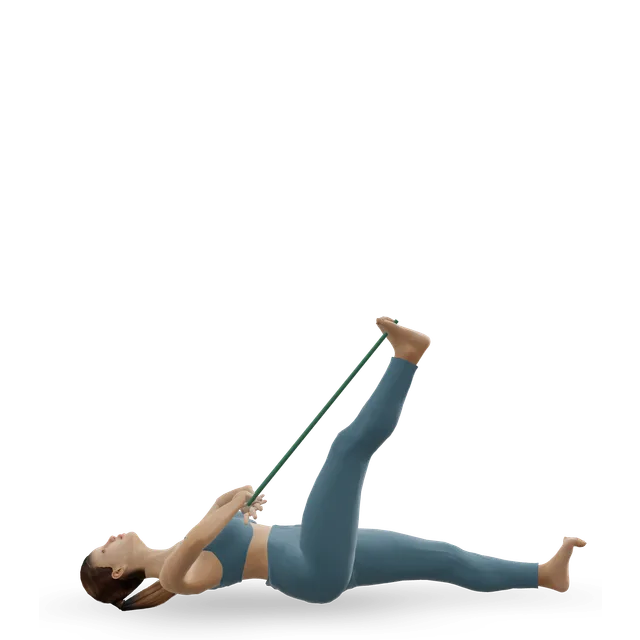
In two Swedish trials from one research group, a programme built on three lengthening exercises (the Extender, the Diver and the Glider) returned elite footballers to full training in a mean of 28 days against 51, and sprinters and jumpers in 49 against 86, compared with conventional exercises. Pooled across 10 trials, lengthening exercises roughly tripled the rate of return without changing re-injury, though only 2 trials were of good quality. Starting them on day 1 rather than later didn't speed the return in 90 men.
Sources 3, 4, 27, 7
Start within daysEmerging evidence
In 50 recreational athletes with a severe thigh or calf strain, starting rehab 2 days after the injury rather than 9 got them back to sport after 63 days rather than 83 (figures from the research group's later review), with similar healing and strength. Not every strain in that trial was a hamstring.
Sources 6, 28
Some pain is all rightEmerging evidence
In 43 men, rehab that allowed pain up to a tolerable level returned players in a median of 17 days against 15 for strictly pain-free rehab (no real difference) and recovered 15% more knee-bending strength. An expert consensus adds that early rehab should avoid high strain, and that sprinting should be pain-free before you go back.
Sources 29, 30
Trunk stabilisation in rehabMixed evidence
In 24 athletes in the USA, agility and trunk stabilisation had 1 re-injury in 13 at a year, against 7 in 10 after stretching and isolated strengthening, though the return to sport didn't differ significantly. A later trial in 29 people found few differences against running and lowering strength work. A 2023 analysis of 9 trials concluded that trunk and agility work can prevent re-injury but doesn't shorten recovery, and the Cochrane review (2 trials, searched to 2012) calls the evidence limited. All of this is rehab, not prevention.
Sources 8, 9, 10, 2
Stretching after a strainMixed evidence
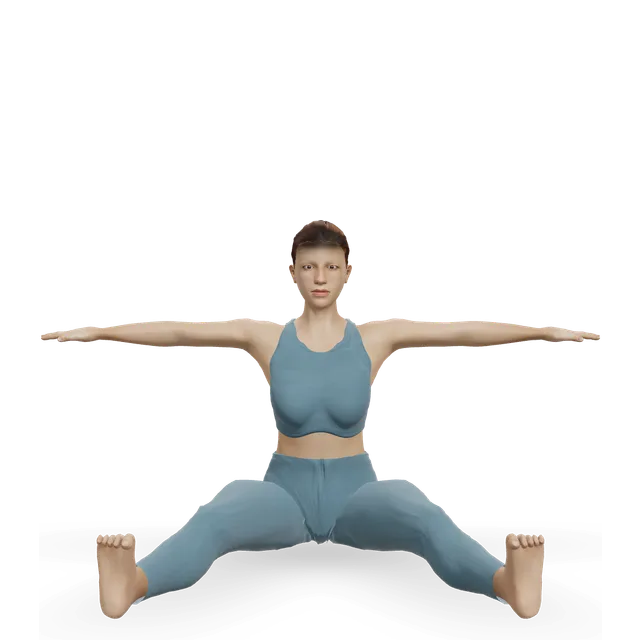
In the only trial of stretching dose, stretching 4 times a day rather than once shortened rehab from about 15 days to 13 in 80 athletes. No trial compares stretching with not stretching after a strain, and most rehab methods haven't been tested in trials.
Sources 31, 2
Core training and preventing strainsMixed evidence
A 2023 analysis credited football prevention programmes with core exercises with 47% fewer hamstring injuries, but those programmes also included the Nordic curl, so the core part can't be separated. Trials of trunk training haven't measured trunk stability. At a European championships, athletes who did more core training had fewer hamstring injuries, but there were only 5 injuries and the authors call it preliminary.
Sources 14, 13, 32, 23
The Nordic curl and warm-up programmesMixed evidence
Programmes that include the Nordic curl were linked with about half as many hamstring injuries across 15 studies of 8,459 athletes, and two football trials found big falls. But only 5 of those studies randomised players to the Nordic itself, and pooling them leaves the effect uncertain. A 2026 analysis of 11 football trials found the FIFA 11+ warm-up reduced hamstring injuries (low certainty) and the Nordic curl on its own didn't clearly do so.
Sources 15, 33, 34, 16, 35
Stretching doesn't prevent strainsStrong evidence
Across 25 trials (26,610 people), stretching didn't prevent sports injuries, while strength training cut them to under a third. In elite football, flexibility training on its own made no difference to hamstring strains.
Sources 17, 36
Pilates in athletesMixed evidence
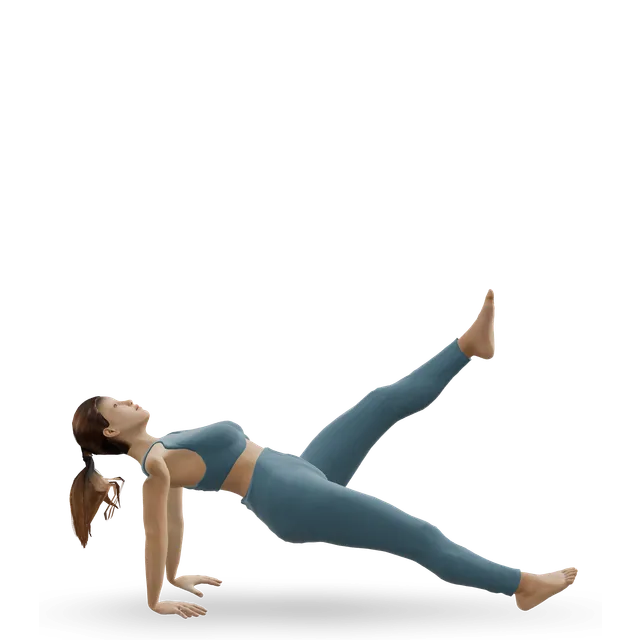
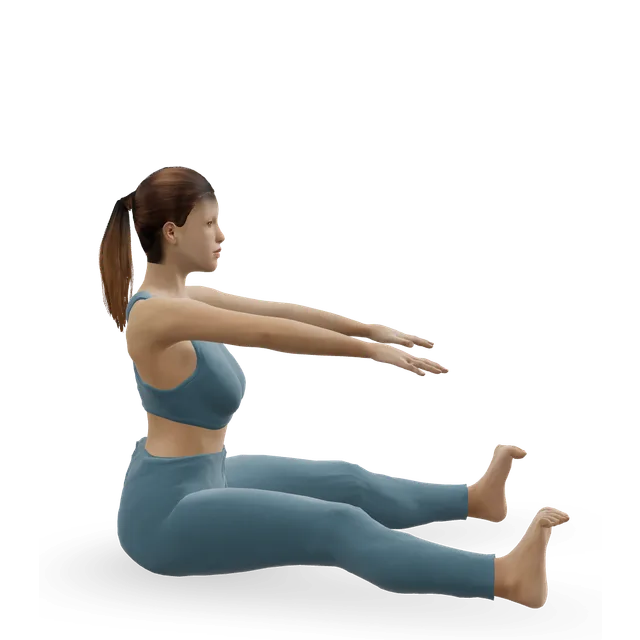
Pilates increased hamstring flexibility in a review of 21 mostly small studies, with mixed results in athletes and gains that faded within 2 weeks of stopping. In 30 amateur footballers, mat or reformer Pilates improved agility and hop tests, and in 15 youth players it raised leg strength; neither counted injuries. Across 11 trials, Pilates built strength about as well as other exercise. One professional club used reformer Pilates as one of seven changes for a player with repeated strains, which can't show what Pilates did. In elite Australian footballers, Pilates was what players did while waiting for a tested trunk programme: the comparison, not the treatment.
Sources 25, 37, 38, 39, 40, 41