Band-assisted Nordic curl
A Nordic curl with a long resistance band looped round your chest and fixed high behind you, so the band takes some of your weight as you lower yourself towards the floor. In one small trial in 31 young footballers, 8 weeks of band-assisted Nordics built the same Nordic strength as the full exercise, about 20%, with less soreness and less effort. It's a step between slider curls and the Nordic curl. There is no 3D demo yet: follow the written steps.
Movement guide
Band-assisted Nordic curl
Make it easier or harder
Start where you can move well, then step up.
Easier option
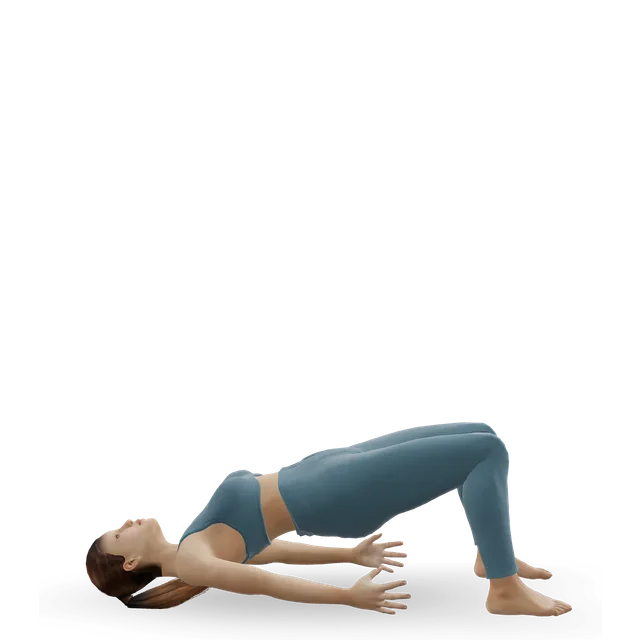 3D demoSlider hamstring curl, lowering onlyBeginner · No equipment
Similar move, beginner grade.
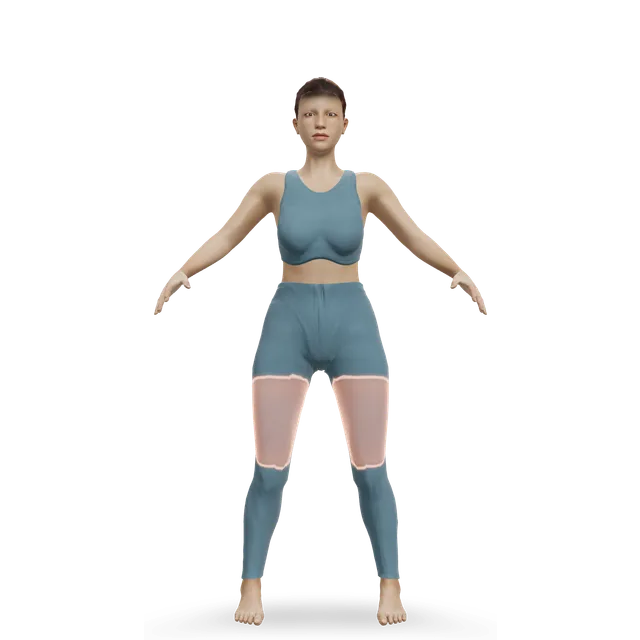
Harder option
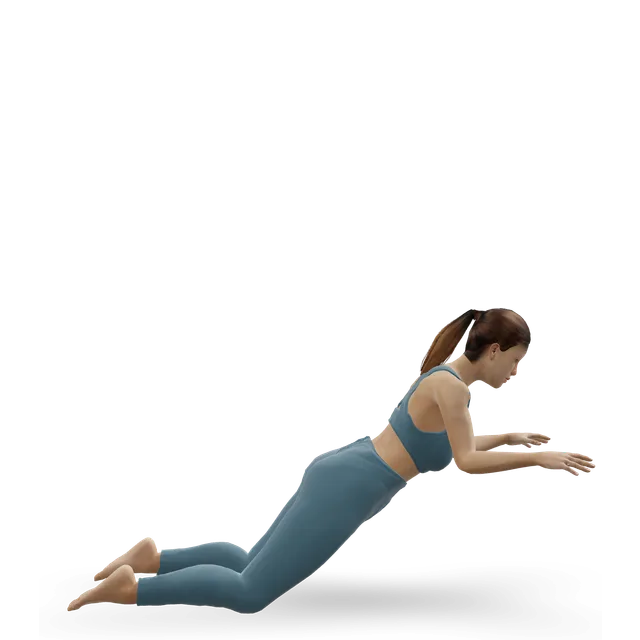 3D demoNordic curlAdvanced · An anchor point
Similar move, advanced grade.
Source-researched guide. Clinical review is pending.
How to move
- Fix a long resistance band high behind you, round a rack or a bar above head height, and loop the other end round your chest, under your arms.
- Kneel on a thick pad facing away from the band, with your lower legs held by a partner or hooked under something solid and padded that can't move. The band should be just taut when you kneel upright.
- Make a straight line from your knees to your head, brace your trunk and squeeze your glutes.
- Lean forward from your knees as slowly as you can, braking with your hamstrings. The band stretches and takes more of your weight the further you go.
- When you can't slow the fall any more, catch yourself on your hands, then push back up to kneeling.
- As it gets easier, change to a lighter band, until you can lower yourself without one.
Form cues
- Keep your hips straight: don't bend at the waist.
- Choose a band that lets you control the lowering most of the way down.
- Avoid: dropping quickly to your hands as soon as you lean.
Practice and cautions
2 sets of 3 to 6 slow lowers, twice a week, moving from a heavier band to a lighter one over several weeks (our editorial starting point). The heavy-to-light band progression follows one small trial in 31 young footballers.
Check the band and its anchor before every set, and don't use a worn or nicked band, which can snap. Kneel on a thick pad. Expect sore hamstrings for a few days after the first sessions, so start with very few reps. With muscular dystrophy, leave out exercises that focus on lowering a heavy load or hard landings unless your neuromuscular team advises them. This is movement education, not an assessment or treatment prescription. Stop for sharp or increasing pain, dizziness, numbness or tingling; seek individual guidance for symptoms, injury or restrictions.
Sources and review status
Sources support the educational description; they do not establish that this exercise is suitable for you.
- Ishøi 2025 · Band-assisted against unassisted Nordic hamstring training in 31 youth footballers (RCT, Phys Ther Sport) ↗
- University of Calgary SHRed Injuries · Nordic hamstring curl (injury-prevention programme) ↗
No variation is labeled clinically validated.
What it works
Equipment
An anchor point + A band
Level
Intermediate. See the easier and harder options above.
Guides that use it
Similar moves
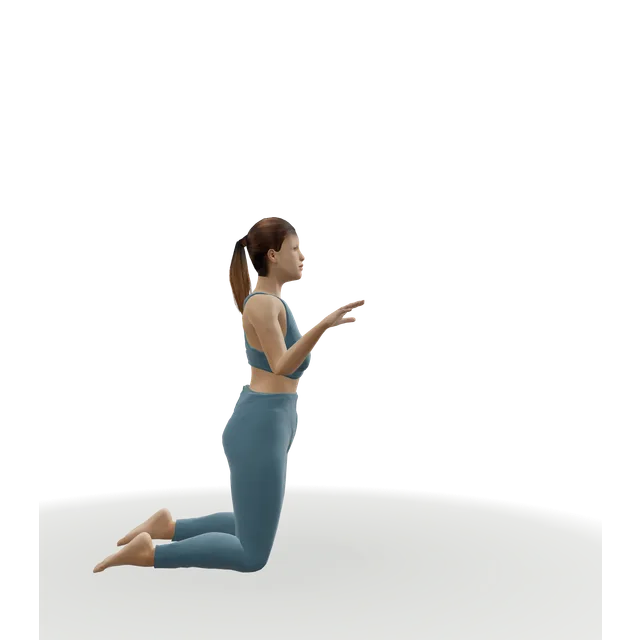 3D demoFull Nordic curlExpert · An anchor point
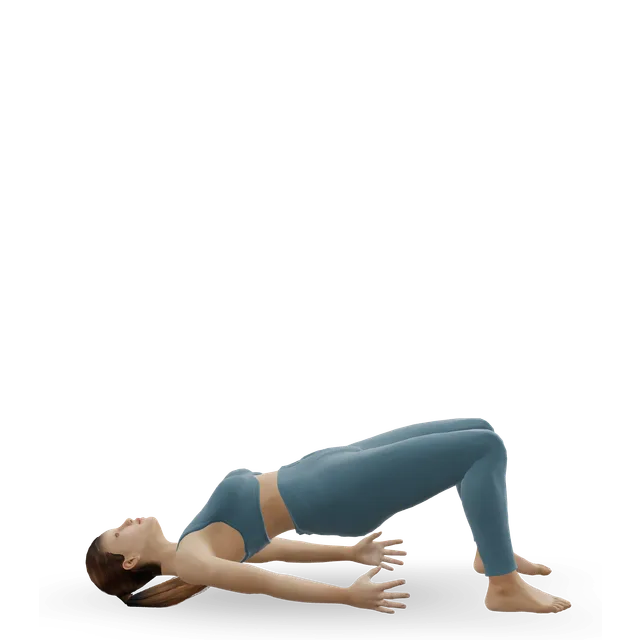 3D demoSlider hamstring curlIntermediate · No equipment
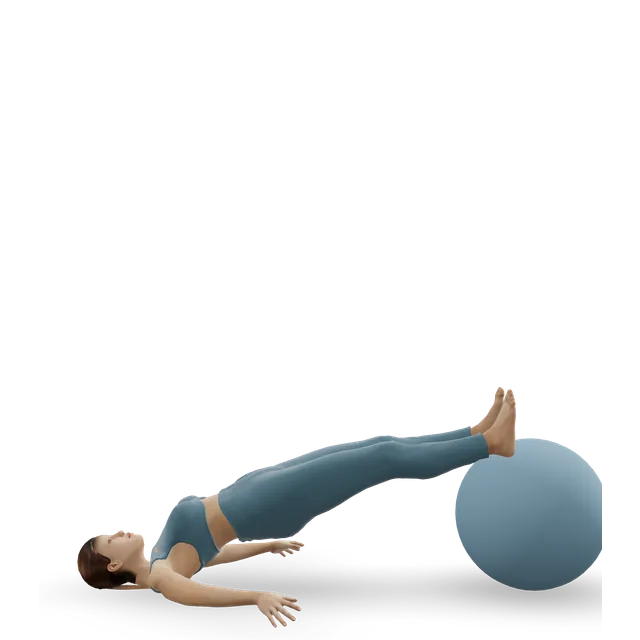 3D demoStability ball leg curlIntermediate · Exercise ball
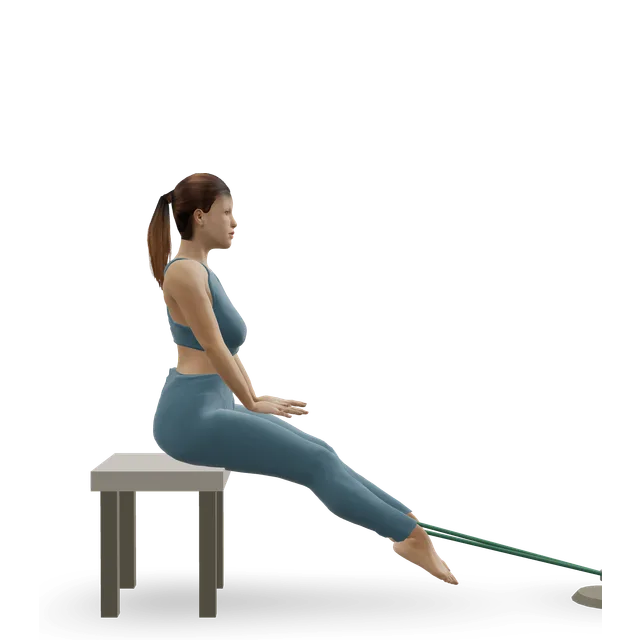 3D demoSeated band hamstring curlBeginner · A band + An anchor point + A bench or box
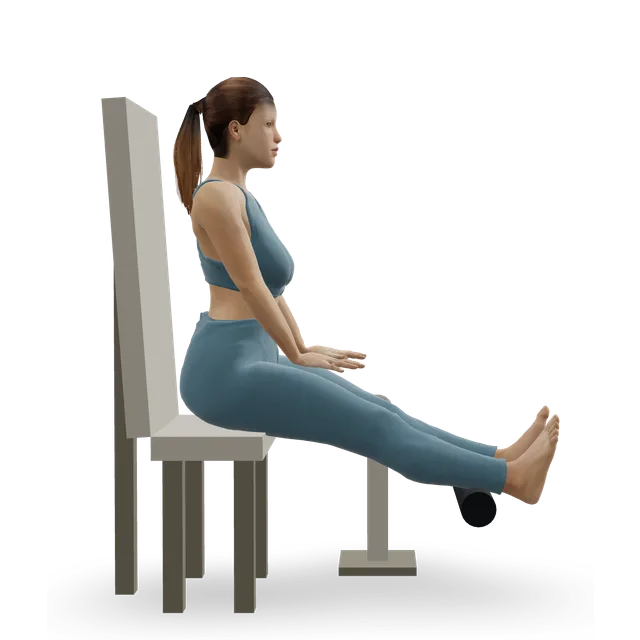 3D demoMachine leg curlBeginner · Strength machine
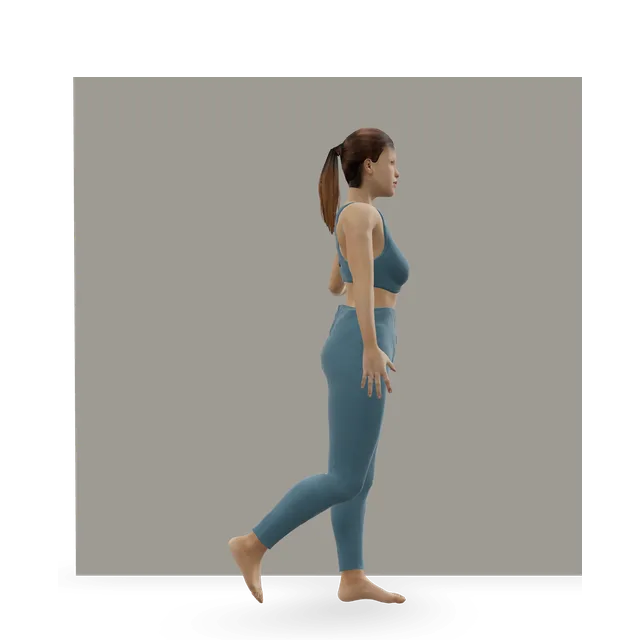 3D demoStanding hamstring curlBeginner · A wall
Browse more
Questions people ask
What muscles does the Band-assisted Nordic curl work?
Mainly the hamstrings, with help from the glutes.
What equipment do I need for the Band-assisted Nordic curl?
An anchor point + A band.
Is the Band-assisted Nordic curl good for beginners?
It is graded intermediate. If it is too hard right now, start with the Slider hamstring curl, lowering only.
What is an easier alternative to the Band-assisted Nordic curl?
Try the Slider hamstring curl, lowering only. It works similar muscles at a lower grade.
How do I make the Band-assisted Nordic curl harder?
Progress to the Nordic curl, or add load, range or slower lowering once your form is solid.