Pilates guide

Pilates for polymyalgia rheumatica: stiff shoulders and hips, steroids and muscle, bones, flare days, the evidence, and classes

Polymyalgia rheumatica (PMR) makes the shoulders, neck and hips stiff and achy, worst in the morning, mostly in people over 65. Moving usually eases it, and the PMR charity's exercise booklet suggests trying Pilates. No study has tested Pilates, or any exercise programme, in PMR yet, so this guide uses the UK and European guidelines, that booklet and research on exercise in older adults and in people taking steroids.

Steroids treat PMR; Pilates doesn't, and it never replaces them. This guide starts with the giant cell arteritis signs that need urgent help, then covers seated moves for stiff mornings, strength and balance at a chair, bone-safe swaps while you take steroids, pacing and flare days, and the classes to follow. Our exercise for polymyalgia rheumatica guide has the full exercise plan; this page fits Pilates into it.

Giant cell arteritis: the warning signs that can't wait

This is general information, not a diagnosis. A&E means accident and emergency. In the US, call 911 where this page says 999, and get same-day medical care where it says NHS 111.

Call 999 or go to A&E

Call 999 or go to A&E if any of these happen. Don't drive yourself: ask someone to drive you, or call 999 for an ambulance.

  • You suddenly can't see from 1 or both eyes, or suddenly have severe eye pain.
  • You have a headache with loss of vision, or a headache that started suddenly and is extremely painful.
  • You have signs of a stroke: your face drooping on one side, weakness in one arm, or slurred or confused speech. Call 999 even if the symptoms stop.

Sources 1, 2, 3

Contact a GP or call NHS 111 immediately

The NHS says to contact a GP or call NHS 111 immediately if you've been diagnosed with polymyalgia rheumatica, or it's suspected, and you have:

  • A new or frequent headache that usually develops suddenly (your scalp may also feel sore or tender).
  • Pain in your jaw muscles or tongue when eating or talking.
  • Problems with sight, such as double vision or loss of vision in 1 or both eyes.

Sources 4, 5

Why it's urgent

In the NHS's words: "Unlike polymyalgia rheumatica, temporal arteritis requires immediate medical attention. It can lead to serious problems like stroke or blindness if not treated quickly." Temporal arteritis is another name for giant cell arteritis. If it affects your sight, the NHS says you should have a same-day appointment with an eye specialist at a hospital eye department, and treatment starts before the diagnosis is confirmed.

The 2026 UK guideline adds that "symptoms or signs of GCA, especially if there are new visual symptoms, require same-day assessment by a specialist" (GCA is giant cell arteritis), and the UK guideline on giant cell arteritis says: "GCA is a medical emergency."

Sources 5, 6, 7, 8

Even if it only lasts a few minutes

The charity PMRGCAuk says sudden changes in your sight need a doctor the same day even if they only last a few minutes, and if you can't see your doctor, go to A&E. Arthritis UK says that if you can't get an immediate appointment, contact an out-of-hours doctor or go to A&E straight away. Less often, giant cell arteritis causes pain in the arm muscles when you use them, or in the calves when you walk. In Scotland, NHS inform says to phone 111 or your GP practice urgently, and for sudden changes in your vision, to contact an optician immediately or phone 111.

Sources 9, 10, 11

How often PMR comes with giant cell arteritisMixed evidence

It depends on the source. The NHS says up to 1 in 5 people with PMR develop giant cell arteritis; the 2026 UK guideline from the British Society for Rheumatology (BSR) and the charity PMRGCAuk say about 5% to 10%; and in a review of scan studies, about a quarter (23%) of people newly diagnosed with PMR had signs of giant cell arteritis on scans without its symptoms. Arthritis UK says about half of people with giant cell arteritis may also have symptoms of PMR. Whatever the figure, the signs above always need urgent help, during a Pilates class too.

Sources 5, 7, 9, 12, 10

The short version

Steroids treat PMR; Pilates doesn't

Prednisolone, a steroid, "does not cure polymyalgia rheumatica, but it can help relieve the symptoms", usually over about 2 years. Never stop or change the dose yourself. Pilates sits beside your GP and rheumatology team, never instead.

Sources 13, 7

No Pilates or exercise trial in PMR

The UK guideline says "the evidence for exercise specifically in PMR is lacking" and expects research from other conditions to apply. A 2026 European review found no exercise trial in PMR, and our searches found no study of Pilates. So the amounts here are expert and patient advice.

Sources 7, 14, 15

But every guideline recommends activity

The 2026 UK guideline wants everyone given advice on physical activity and pacing, and the 2015 European and American recommendations conditionally recommend an individual exercise programme to keep muscle and function and cut falls. The PMR charity's booklet suggests trying Pilates.

Sources 7, 16, 17

Gentle seated moves first, then strength and balance

The booklet's stretches go as far as is comfortable, held for up to 20 seconds, 5 of each, at least twice a day. Once symptoms are controlled, strength and balance build from 5 to 20 repetitions over a month. Chair Pilates fits both.

Sources 17, 7

Protect steroid-thinned bones

In UK records, the risk of breaking a bone was 63% higher in people with PMR, and it's highest in the first year of steroids. Swap rounding and rolling moves for hip hinges and smooth twists.

Sources 18, 7, 19

Build strength, at about half your old pace

Steroids can cause painless weakness in the thigh and shoulder muscles, and in other conditions, exercise improved muscle strength in people taking steroids. Pilates alone builds little strength in older adults, so add sit-to-stands and light weights, starting at about half your earlier level of activity.

Sources 20, 21, 22, 23

PMR, and what a Pilates class asks of it

What it is

The NHS: "The main symptom is muscle stiffness in the morning that lasts longer than 45 minutes." Pain and stiffness are around the shoulders, neck and hips, usually on both sides, and the stiffness "usually starts to improve after about 45 minutes as you become more active". Arthritis UK: it "is worse when resting or after rest." Some people also feel very tired, lose their appetite or weight, or feel low. Most people diagnosed are over 65 (NHS inform says over 70), and it's more common in women; the UK guideline says "PMR is most commonly diagnosed in people over the age of 50".

Sources 5, 4, 24, 11, 7

Treatment, and how long it lasts

"You'll probably need to continue taking a low dose of prednisolone for about 2 years." The dose is usually reduced every 1 to 2 months. The UK guideline says "The other 50% of people with PMR follow a relapsing course", and in a review of studies, about half of people were still taking steroids after 2 years and a quarter after 5.

Sources 13, 7, 25

What steroids do to musclesEmerging evidence

Steroid muscle weakness "typically affects the proximal skeletal muscles and is characterised by pain-free weakness and muscle atrophy which affects physical performance" (the muscles nearest the trunk, such as the thighs and shoulders; atrophy means wasting). In an Australian study, women with PMR were about 3 seconds slower at standing up from a chair 5 times than women without it, 18 months in. In a US study of 41 people with PMR, 17% were frail and 59% on the way to it.

Sources 20, 26, 27, 28

Weight and other side effects: the studies disagreeMixed evidence

The UK guideline reports "around 85% of people with PMR experiencing GC-related toxicity" (GC means glucocorticoid, the family of steroids prednisolone belongs to; toxicity means side effects). In an Italian study of 222 people on long-term low-dose steroids, 43% had at least 1 side effect, mostly after 2 years, and a review found 6% of people with PMR developed diabetes, against about 4.8% expected. But in a US study of 359 people, only cataracts were more common than in people of the same age without PMR. The studies disagree, so ask your team what to watch for.

Prednisolone increases appetite, "which often leads to weight gain", and in interviews, people with PMR said changes in their weight and face shape mattered to them. PMRGCAuk advises: "Don't skip meals, starve yourself or crash diet in an effort to deal with steroid-related weight gain."

Sources 7, 29, 30, 31, 13, 32, 23

Where a typical class meets PMR

Mat classes start lying down and get up and down from the floor; many classical moves round the spine under load (the roll-up, the hundred and curl-ups held with the head up) or roll onto it; some take the arms overhead in long holds; and morning classes meet the worst of the stiffness (our reading). With PMR these meet stiff shoulders and hips, steroid-thinned bones and weaker thighs. A chair class later in the morning, with hip hinges instead of rounding, arms only as high as is comfortable, and strength and balance at the chair, fits what the guideline asks for.

Sources 7, 33

What the evidence says

No Pilates or exercise trial in PMRStrong evidence

"Overall, the evidence for exercise specifically in PMR is lacking" (the 2026 UK guideline). The 2026 European evidence review included 141 studies, and its 13 PMR trials were all of medicines. Our searches found no study of Pilates, yoga or tai chi in PMR or giant cell arteritis.

The first registered rehabilitation trial in PMR, a feasibility trial of 20 people in the USA practising everyday movements such as getting out of bed and reaching overhead, started recruiting in August 2026 and has no results yet. It isn't Pilates.

Sources 7, 14, 15, 34

Guidelines recommend activity and an individual programmeStrong evidence

The UK guideline: "People with PMR should have access to educational material and support including information on self-care such as diet, physical activity and pacing." (97% of its panel agreed). The 2015 recommendations of the European League Against Rheumatism (EULAR) and the American College of Rheumatology, which we read in full, say: "The panel conditionally recommends considering an individualised exercise programme for PMR patients aimed at the maintenance of muscle mass and function, and reducing risk of falls". They add that "There are no studies investigating the value of non-pharmacological therapies", so the recommendation rests on expert opinion.

The 2026 German, Austrian and Swiss guideline: "Older and frail patients should also be offered an individualized exercise program." The summary of EULAR's 2025 update doesn't mention exercise, and we couldn't read its full text.

Sources 7, 16, 35, 36

What each kind of exercise is forStrong evidence

The UK guideline's table: strength "Counteracts GC-induced myopathy, reduces sarcopenia and improves bone health" (myopathy means muscle weakness; sarcopenia means muscle loss), balance "Reduces the risk of falls, especially important in those at higher risk of fractures", and stretching "Maintains/recovers reduced range of movement and flexibility". It wants muscle strengthening and a review of falls risk to start soon after diagnosis.

Source 7

Exercise while taking steroids, in other conditionsEmerging evidence

A 2026 review of 18 trials in 663 people taking steroids, mostly for rheumatoid arthritis and lupus: "Exercise interventions consistently improved muscle performance and functional outcomes, whereas evidence regarding bone, cardiometabolic, cognitive, and mental health outcomes was limited or inconsistent." It calls progressive resistance training "the first-line intervention for managing glucocorticoid-induced myopathy". In 12 people taking prednisone, a similar steroid, 50 days of training restored thigh muscle and strength. None of these people had PMR.

Sources 21, 37

The only trial with any exercise in PMREmerging evidence

In 47 older people (6 with fibromyalgia rather than PMR), everyone did "as many stand ups as possible twice a day" for two 8-week periods while testing two dairy drinks. Walking speed rose 5.3% and chair stands improved 12.2%, but nobody went without the stand-ups, so the gains can't be credited to them, and a dairy company helped fund the trial.

Source 38

Pilates in related groupsMixed evidence

In older adults, Pilates didn't significantly build strength against no exercise, at low certainty. In people at higher risk of fracture, a review of 5 small studies found "low-certainty evidence that Pilates improved physical functioning and health-related quality of life", with its effect on falls and bone density uncertain, and pooled, Pilates and yoga didn't improve bone density in women. In 30 people with rheumatoid arthritis, Pilates, walking and both together improved some measures, with no difference between them. So Pilates suits the stretching, balance and some of the strength work, with heavier strength training for the thighs and bones alongside (our reading).

Sources 22, 39, 40, 41

Exercise prevents falls in older peopleStrong evidence

In 59 trials of older people living at home, exercise cut the rate of falls by 23%, at high certainty. These weren't PMR trials, but falls matter more when steroids have thinned the bones, which is why the UK guideline wants falls risk reviewed soon after diagnosis.

Sources 42, 7

What people with PMR do and sayEmerging evidence

In a UK study of 197 people with PMR, "only 35 (17%) report using exercise to manage their PMR and 50 (25%) report receiving specific exercise advice from a clinician." Of those who used exercise, 85% reported benefit. In a survey of 1,072 UK physiotherapists, 80% saw a role for physiotherapy in PMR, and 89% prescribed graded exercise, starting with the arms and shoulders. In interviews, people described "profound disability" and challenged "the myth of full resolution of symptoms with steroid treatment", and in an Australian study, fatigue and poor sleep lasted almost 2 years.

Sources 43, 44, 45, 46

How much, and when

Starting points to discuss with your GP or a physiotherapist. The booklet's amounts are expert and patient advice; they haven't been tested in a trial.

Stretches: at least twice a day

The booklet: "Try to stretch as far as you comfortably can, holding the same movement for up to 20 seconds." Start with 5 of each, at least twice a day.

Source 17

Strength and balance: once symptoms are controlled

"Start by repeating each intermediate exercise x5, slowly building up over a month to 20 repetitions every day". The UK guideline wants muscle strengthening and a review of falls risk to start soon after diagnosis.

Sources 17, 7

A class: 2 or 3 times a week

A chair Pilates class 2 or 3 times a week, plus the booklet's short stretches on other days, is our editorial starting point, built up from about half your earlier level of activity. The booklet: "Keep doing all activities you enjoy e.g., swimming, golf, yoga, Pilates etc, but if you find something particularly difficult, ask the teacher/ instructor for alternatives."

Sources 17, 23

Stiff mornings

Do Pilates later in the morning, once the stiffness eases, or after a warm bath or shower. Arthritis UK: "Simple measures such as a hot bath or shower can help to ease pain and stiffness, either first thing in the morning or after exercise."

Sources 24, 4

Keep walking

"Walking is usually the most suitable weight-bearing exercise for people with polymyalgia rheumatica." Pilates goes alongside it.

Source 24

Stiff mornings: seated moves

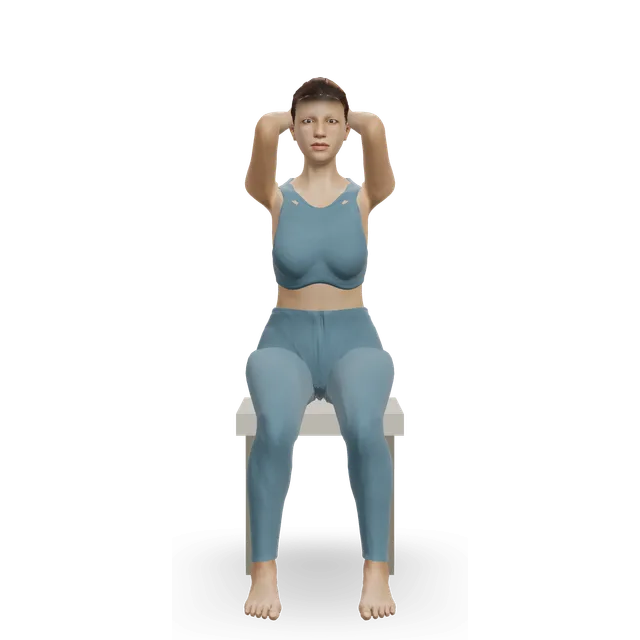
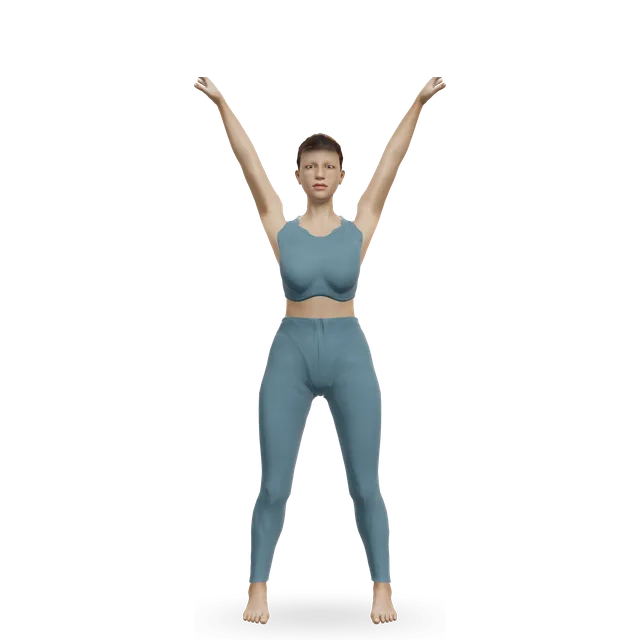
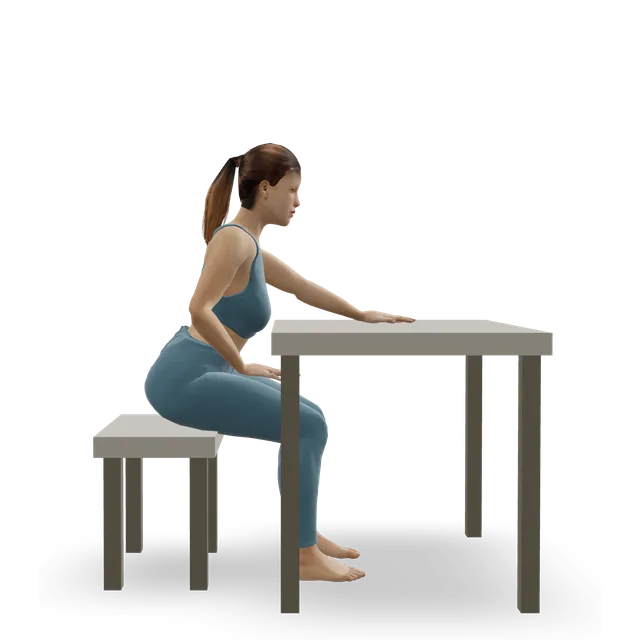
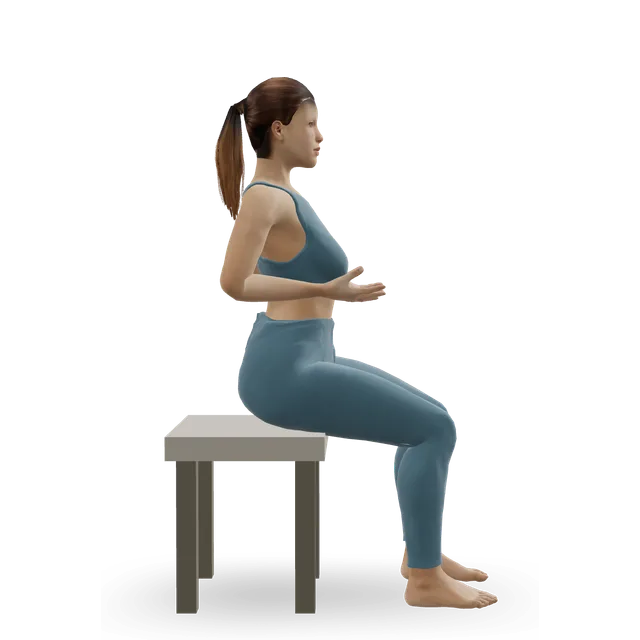
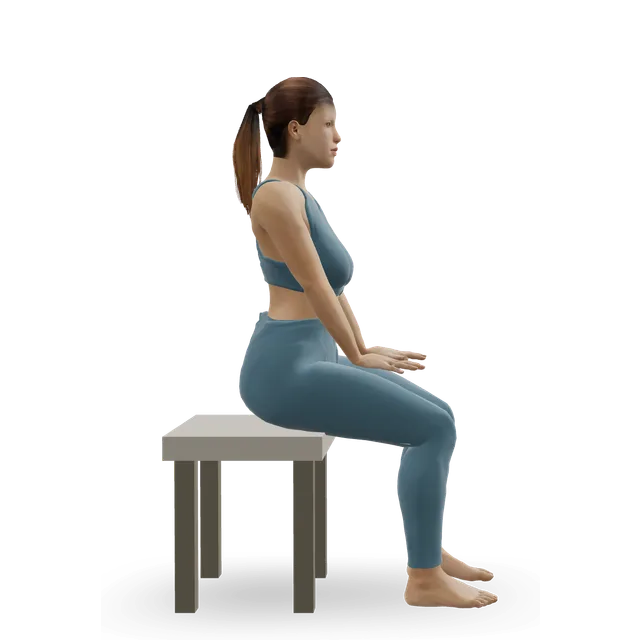
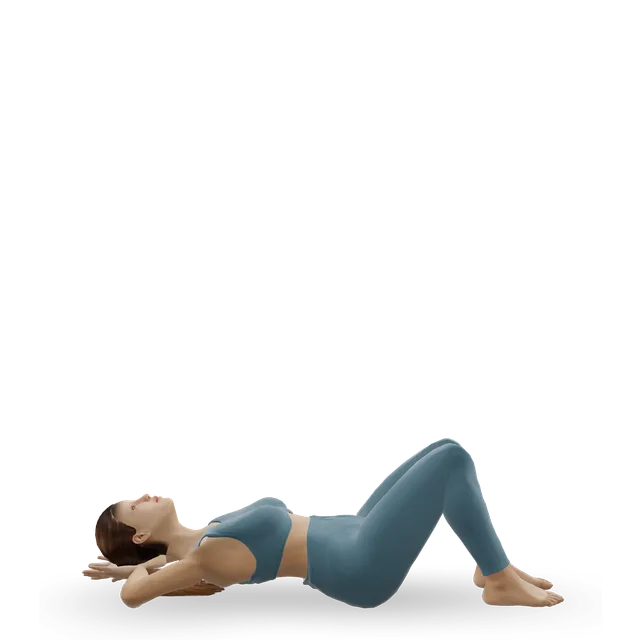
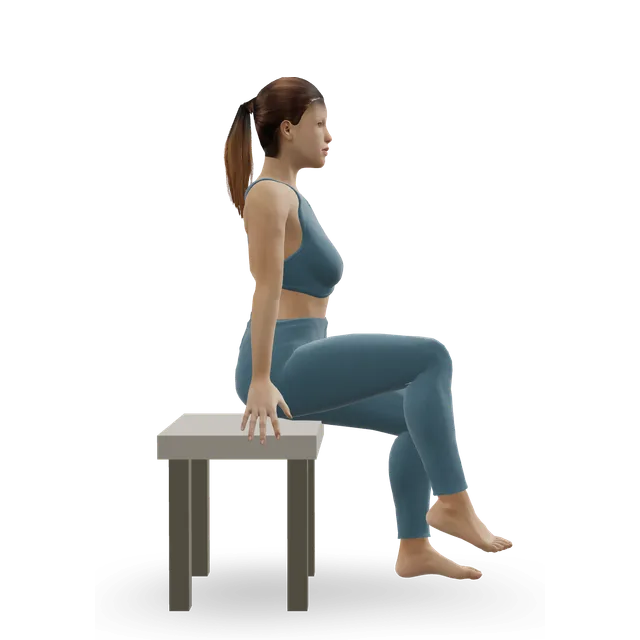
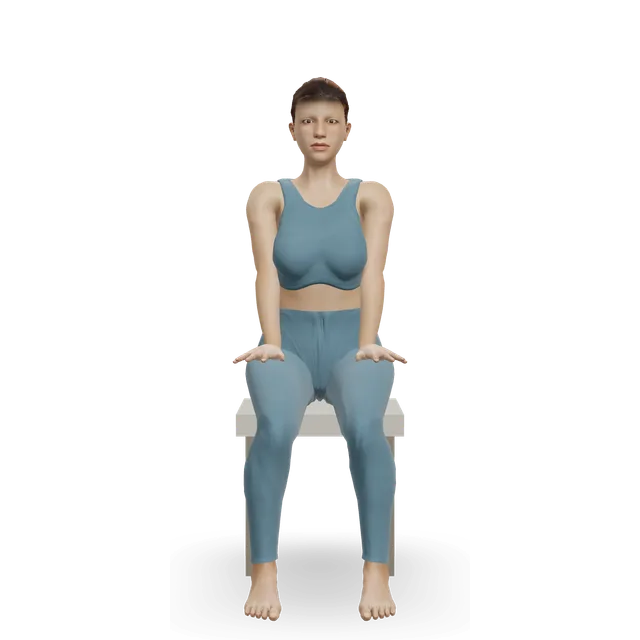
Later in the morning or after a warm shower, arms only as high as is comfortable. Lateral breathing, sitting: "5 to 8 breaths at the start of every session", from the move page's dose. Neck turns, left and right only: 5 slow turns each way, holding up to 20 seconds; stop if you feel dizzy. Shoulder rolls: 5 slow shrugs. Elbow opening with your hands behind your head: 5 times, holding up to 20 seconds. Single knee to chest, sitting: 5 each side, holding up to 20 seconds (those four are our polymyalgia rheumatica routine, from the booklet). Breath reach: "5 breaths, exhale longer than inhale", the move page's dose. Thoracic rotation, seated: 5 each side with 5-second holds; table slide: 8 to 10 slow reps, the bone-friendly swap for rounding forward (our chair Pilates workout). Seated upper-back lift: "3 to 5 repetitions, each held 3 to 5 seconds, at least twice a week (UK osteoporosis consensus, 2022)", from the move page's dose.

Strength and balance at a chair, once symptoms are controlled

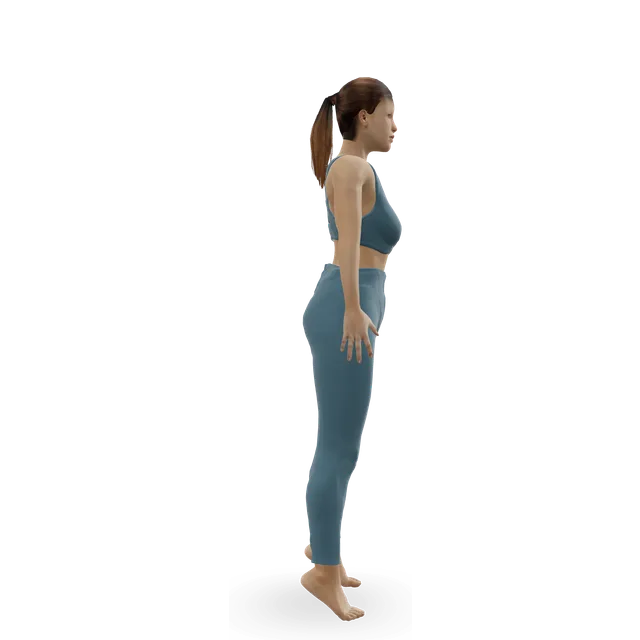
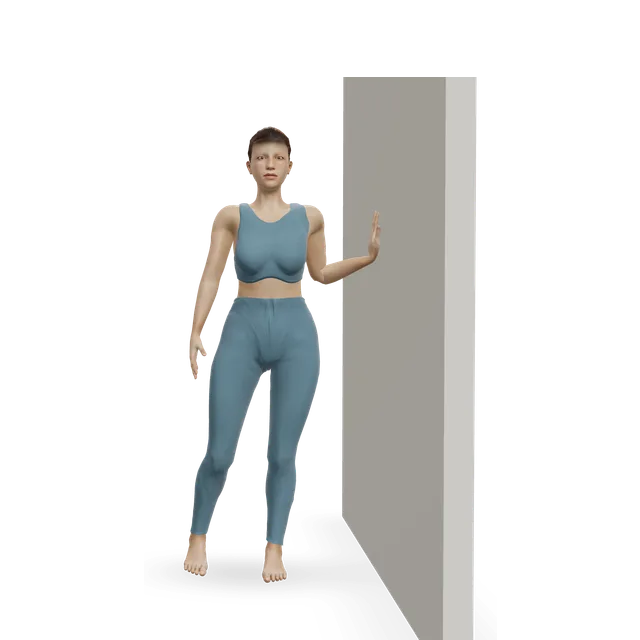
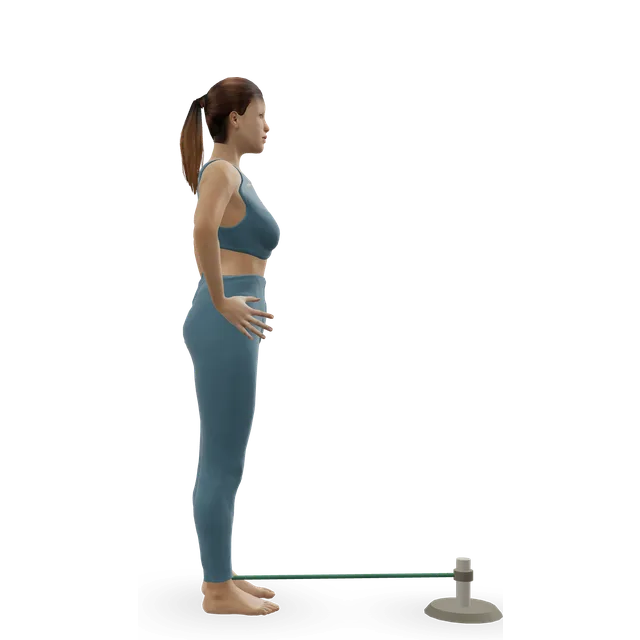
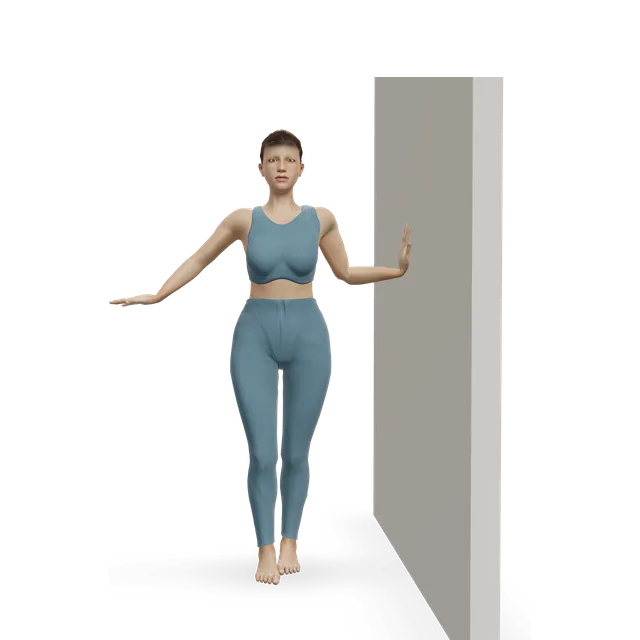
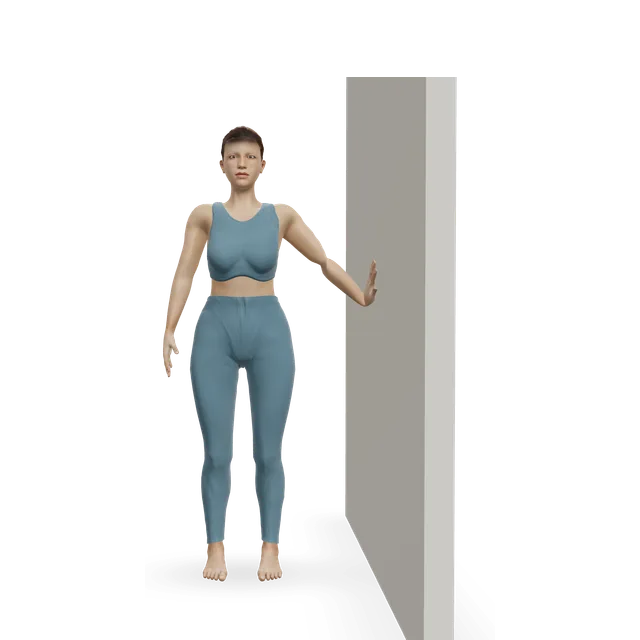
Sit to stand: 5, building over a month to 20 (our polymyalgia rheumatica routine, from the booklet); these are the thigh muscles steroids weaken first. Standing march: 1 minute, holding the back of the chair; slow calf raise: 8 to 10, holding the chair; wall side leg lift: 8 each side, hand on the chair (our chair Pilates workout). Standing hip extension: 5 each leg, holding 5 to 10 seconds, no band to start; semi-tandem stance: up to 10 seconds each side, building to 30, fingertips on a counter (our polymyalgia rheumatica routine). Side-stepping: "10 steps each way, next to a counter (the NHS balance exercises)", from the move page's dose.

On the mat, if getting down and up is comfortable

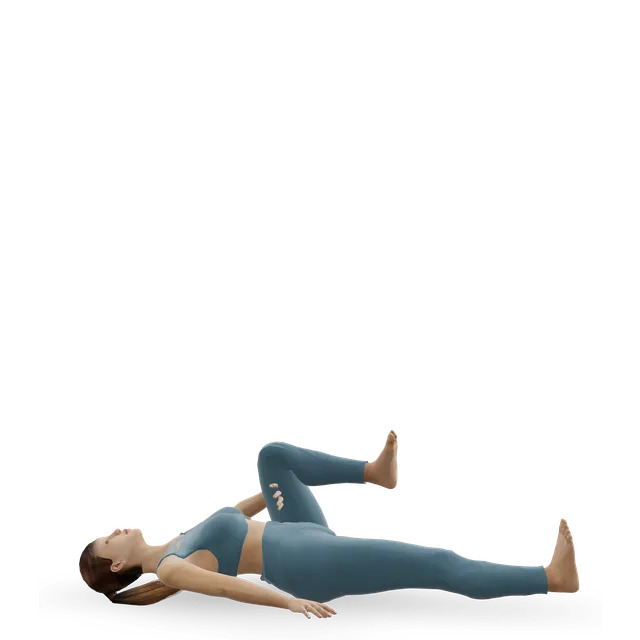
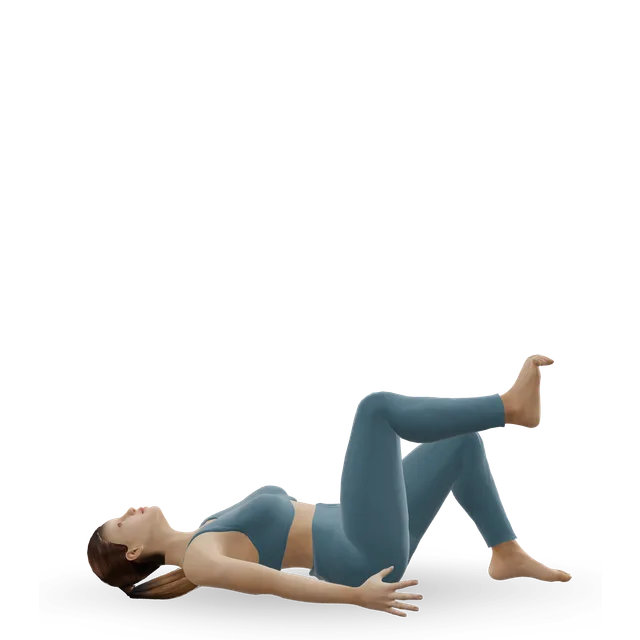
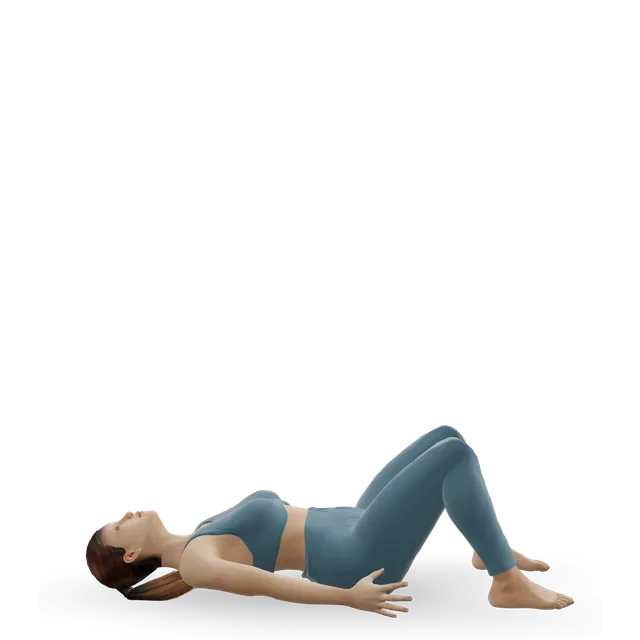
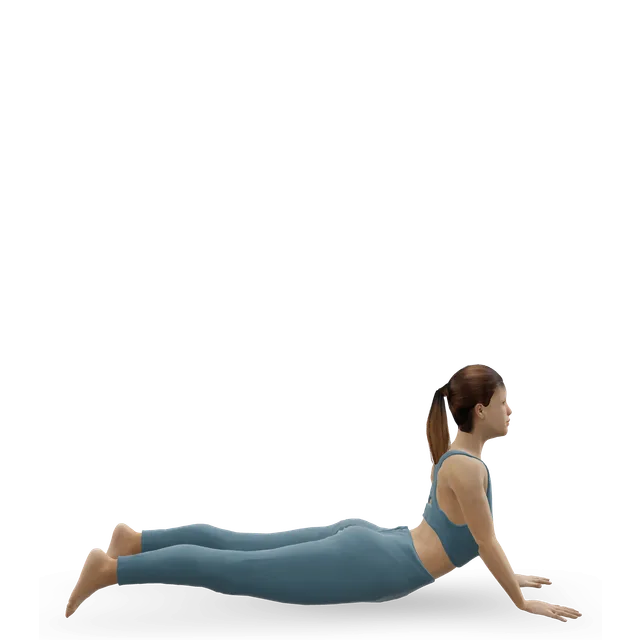
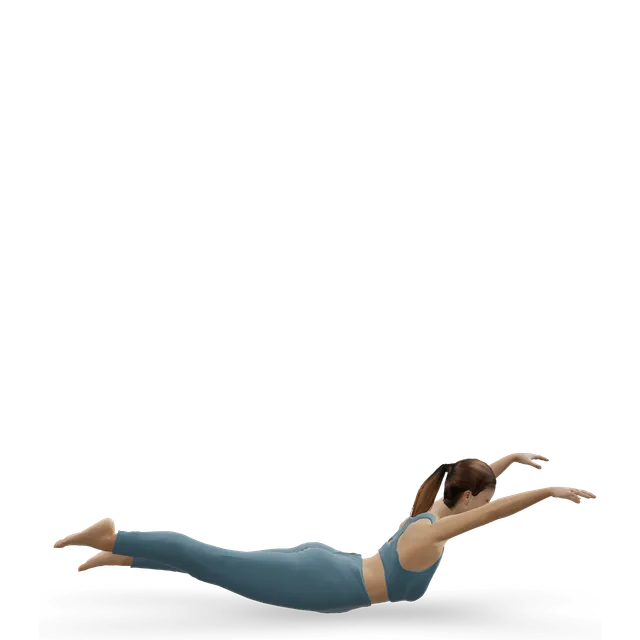
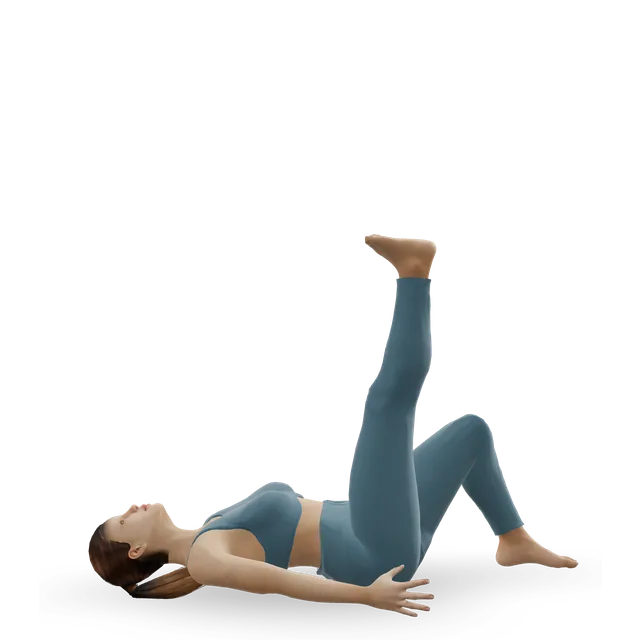
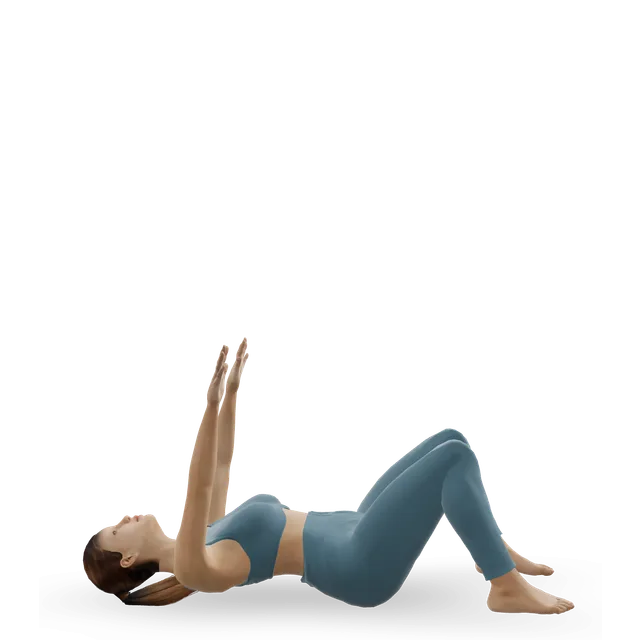
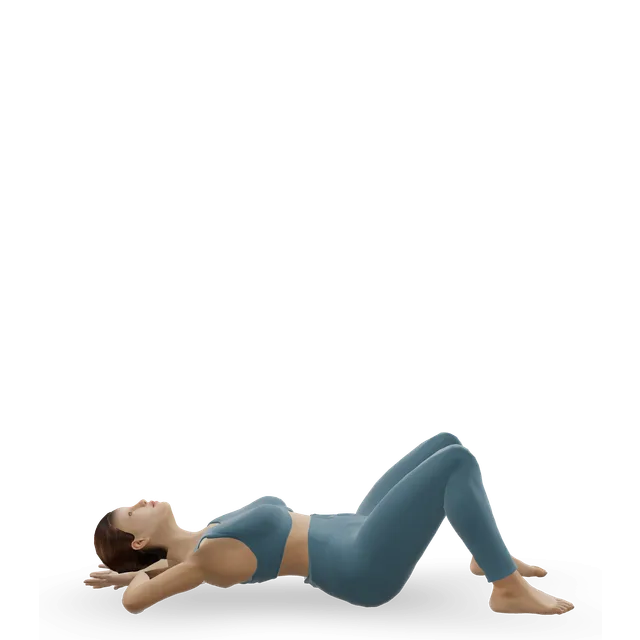
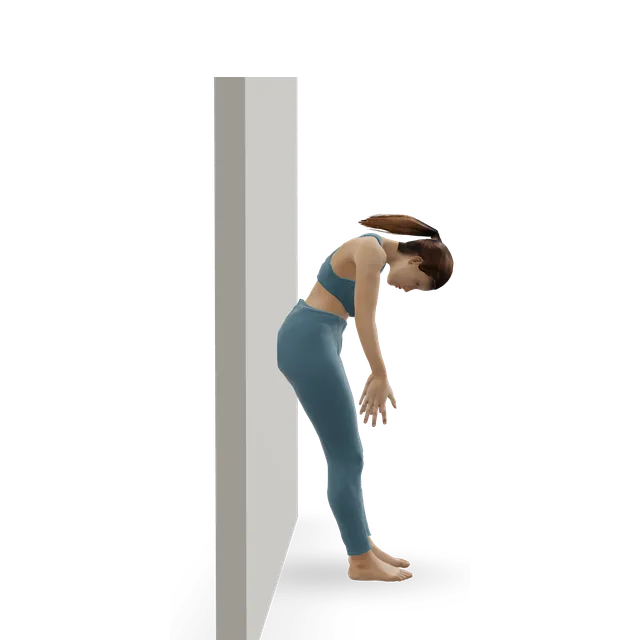
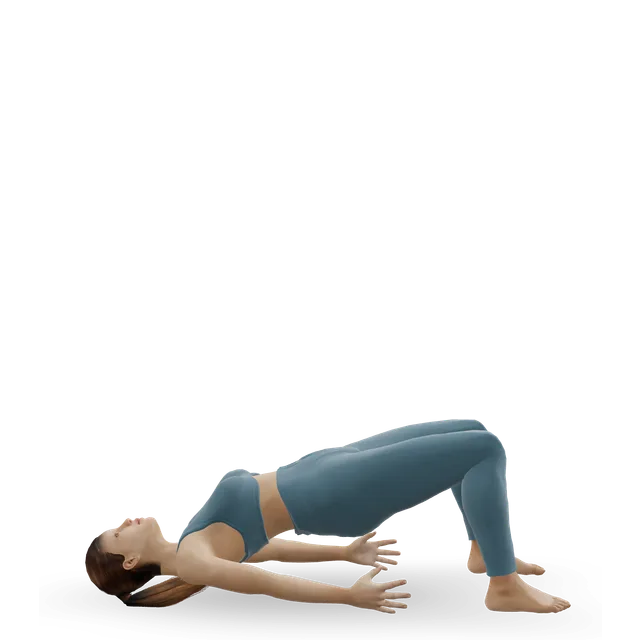
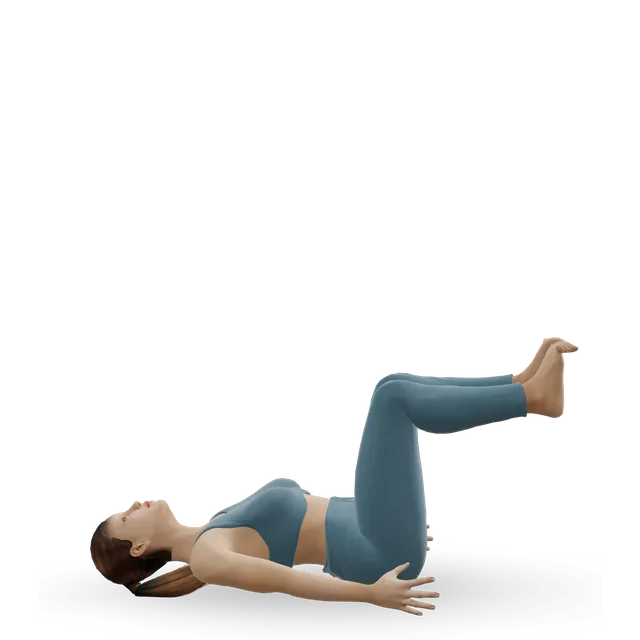
The bone-safe versions from our Pilates for osteoporosis class, which follows the Royal Osteoporosis Society's swaps. Knee fold: "2 sets of 5 to 10 each side, every other day", from the move page's dose, head down: the swap for the hundred and curl-ups. Pelvic tilt into bridge: 6 to 8 slow reps, lifting part of the way; side kick: 8 each side, head resting on your arm; swan: 3 to 5 small lifts, each held 3 to 5 seconds; swimming as slow opposite arm and leg lifts: 3 to 5 each side, each held 3 to 5 seconds; single-leg circle: 5 each direction, each leg, bottom knee bent and small (our Pilates for osteoporosis class). On stiff days, stay in the chair (our suggestion).
Moves to change or leave out while you take steroids (our suggestion)

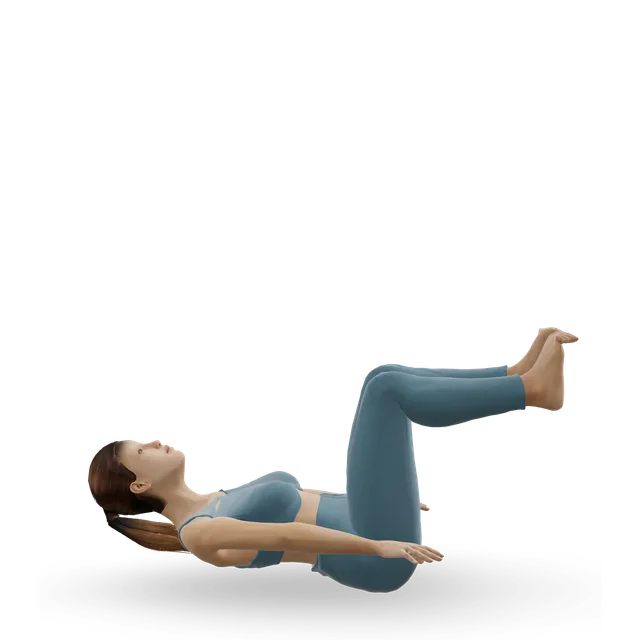
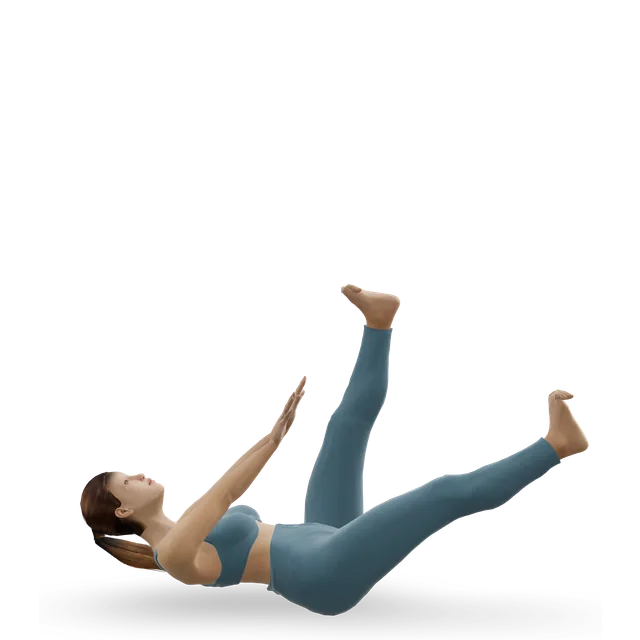
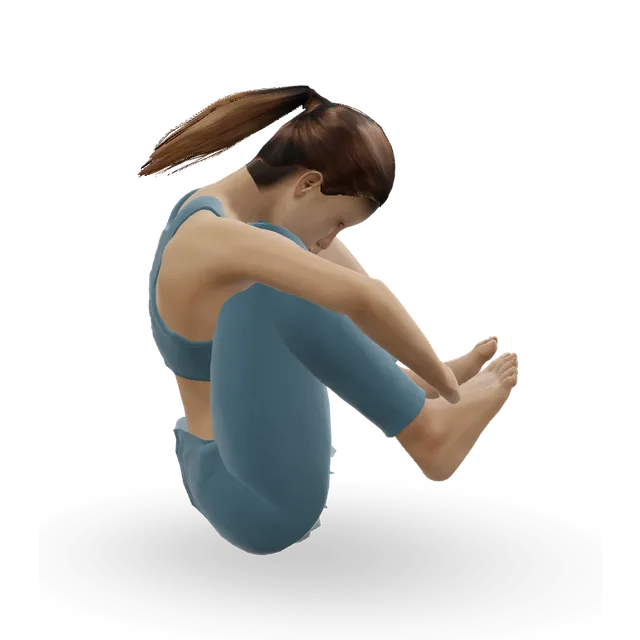
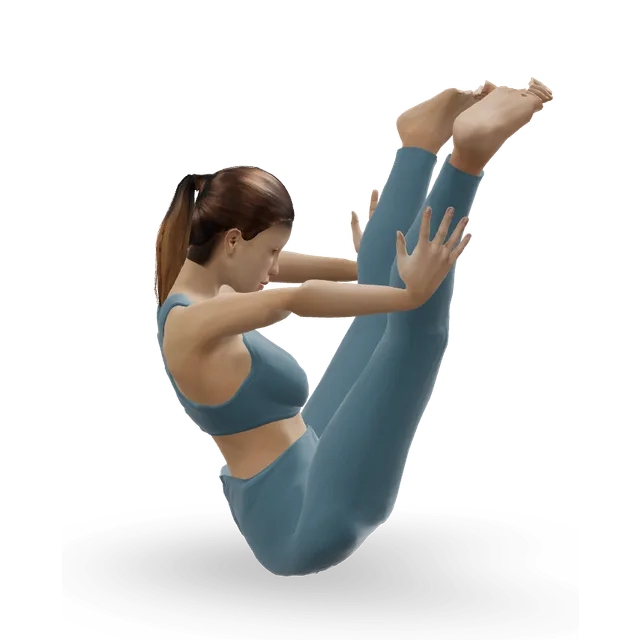
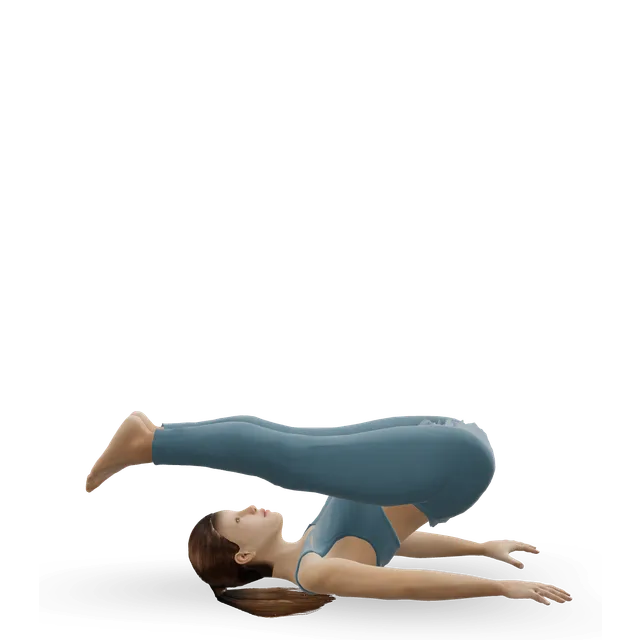
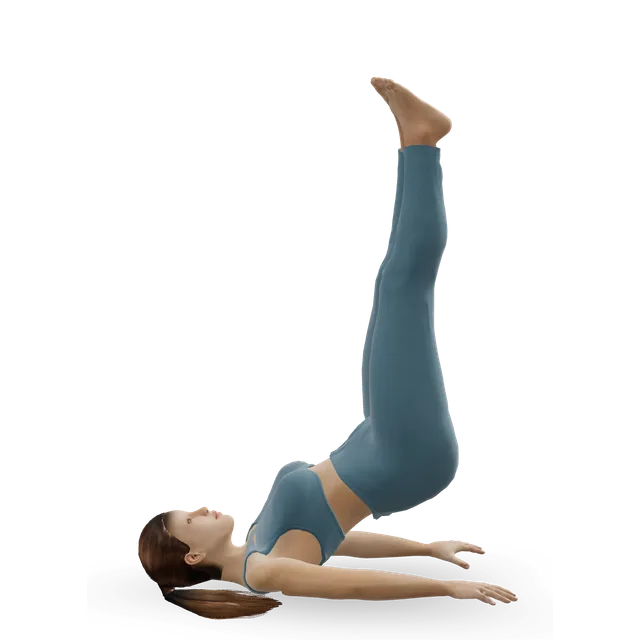
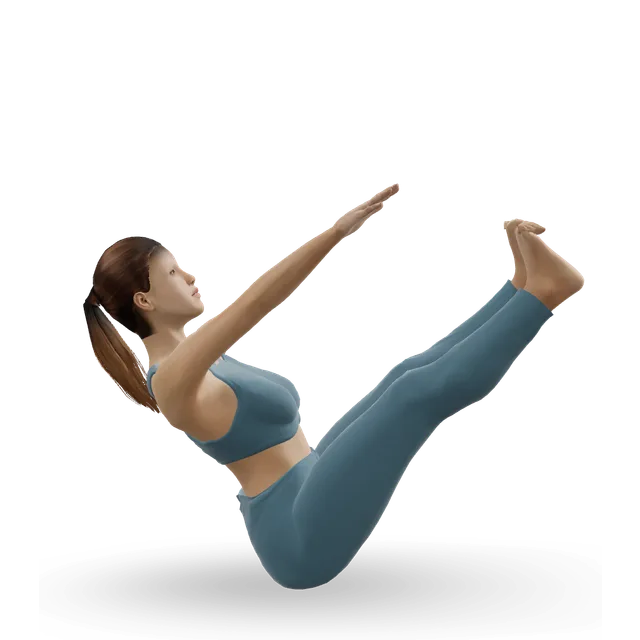
Steroids raise the risk of a broken bone most in the first year, so swap these, as the move pages already do for osteoporosis. Rounding moves, especially loaded or repeated: the roll-up, the spine stretch forward (sit tall and hinge instead), the saw (twist without rounding), the roll-down (use the wall roll-down with your hands on your thighs) and the half roll back. Curl-ups held with the head up: the hundred (head down, as its page says), the chest lift and the scissors (use the knee fold). Rolling and legs-overhead moves: rolling like a ball, the open-leg rocker, the roll-over, the jack knife, the teaser and the neck pull. With stiff shoulders, reach only as high as is comfortable in long holds.

Steroids, muscles and bones

BonesStrong evidence

In UK records of 12,136 people with PMR, "Risk of fracture was increased by 63% in PMR", and the UK guideline says "by 5 years from diagnosis, 9.5% of individuals with PMR had sustained a fracture". It now says: "Prescribe bisphosphonates for people with PMR starting glucocorticoid therapy unless contraindicated." (bisphosphonates are bone-protecting medicines). Even low doses thinned the spine: in 19 people with PMR taking about 6 mg a day, bone density in the lower back fell 2.6%, and the Royal Osteoporosis Society notes that "even a low dose (for example, 2.5 to 7.5mg of prednisolone per day) may increase your risk of breaking a bone". In one PMR study, a past fall was the factor most strongly linked with a broken bone.

Sources 18, 7, 19, 47, 48, 49

Bend and twist safely

The UK osteoporosis guideline says "repetitive forced spinal forward flexion exercises should be undertaken with care", and the Royal Osteoporosis Society says to "use the hip hinge to bend safely." Our osteoporosis lines:

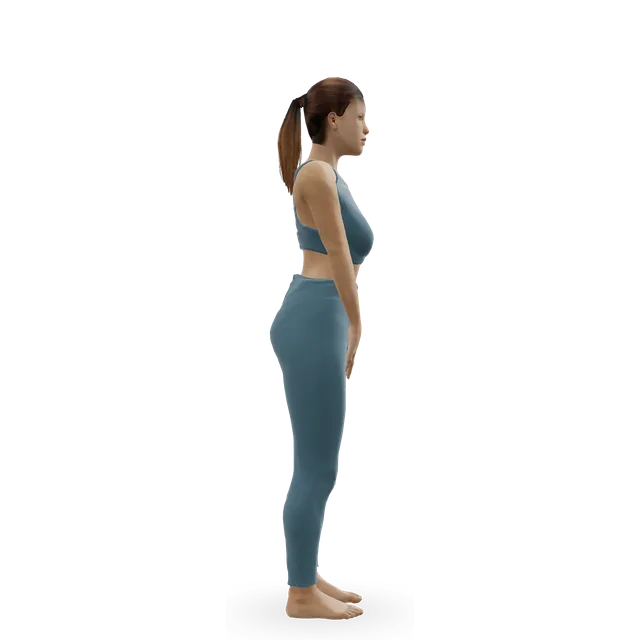
Modify or avoid exercises that round your back deeply or repeatedly, especially with a weight: sit-ups, toe touches, Pilates roll-downs and curl-ups, and extreme yoga forward folds. Bend from the hips instead. You do not need to avoid bending, twisting or lifting altogether: move smoothly and keep your upper back straight.

Twisting should be safe if you do it smoothly and comfortably. Slow down and shorten fast or forceful twists, and leave out the added weight.

Sources 19, 50, 33

Steroid muscle weaknessEmerging evidence

Strength work is the answer the evidence points to: progressive resistance training was the first-line treatment in a review of people taking steroids. Pilates on its own builds little strength in older adults, so add sit-to-stands, step-ups and light weights, building over weeks. Tell your team about new weakness, because it can be hard to tell apart from PMR.

Sources 20, 21, 22

Pilates won't protect your bones on its ownMixed evidence

Pooled, Pilates and yoga didn't improve bone density in women, and in people at higher risk of fracture, Pilates' effect on bone density was uncertain. Bone medicine, walking and progressive strength training do that job, and Pilates helps with balance alongside them.

Sources 40, 39, 19

Never stop steroids suddenly

"Do not suddenly stop taking steroid medicine unless your doctor tells you it's safe to stop. Suddenly stopping treatment with steroids can make you very unwell."

Stopping suddenly can make you very unwell. If you take steroids for more than 3 weeks, your GP or pharmacist should give you a steroid card to carry. If you're ill and being sick, follow the steroid sick day rules your team gave you.

Sources 13, 51, 7

Pacing, flares and tapering

About half of what you used to do

PMRGCAuk's rule of thumb: "think of your earlier level of activity or sport, and then think of half of that". People who go straight back to their old routine often "feel pretty rough" the next day, with the aching and stiffness back.

Source 23

Activity helps; too much doesn't

Arthritis UK: "Too much exercise is likely to make your symptoms worse, but activity usually helps to ease pain and stiffness in the muscles of the shoulders, hips and thighs."

Source 24

Plan, and look at the month

If you ache, "Try halving the amount you did." "Don't be tempted to do more than you had planned, even if you are having a good day." "Expect setbacks and times when your symptoms seem worse; this is normal with PMR."

Source 17

When the dose comes down

The UK guideline says "patients tapering GCs can experience withdrawal symptoms, including arthralgia and fatigue" (joint pain and tiredness), which can be hard to tell from a flare. Cut back for a while rather than stopping.

Source 7

If your PMR symptoms come back

Never stop or change your steroid dose yourself. If your PMR symptoms come back as the dose comes down, contact your GP or rheumatology team, and keep moving gently in the meantime.

Sources 13, 7, 17

Classes to follow

Start with the polymyalgia rheumatica routine's stretches, twice a day; our exercise guide owns it. The chair Pilates workout is the main Pilates class, seated and then standing at the chair, with a hip hinge instead of rounding forward and the back-strengthening holds the bone guidance recommends. Three cues from us: do it later in the morning or after a warm shower; reach only as high as is comfortable in the side bend and the breath reach; and on stiff days, do only the seated half. Use the 15-minute seated class on flare days, the osteoporosis mat class once getting down and up is comfortable, and the balance class for standing balance.

Walking alongside

For building up walking and strength over several weeks, once your symptoms are controlled, as our exercise guide suggests.

Other warning signs: when to get help

The giant cell arteritis signs are at the top of this page. This is general information, not a diagnosis. A&E means accident and emergency. In the US, call 911 where this page says 999, and get same-day medical care where it says NHS 111.

Call 999

Call 999, and don't drive yourself to A&E, for:

  • Chest pain that feels tight or like squeezing, or spreads to your arms, neck or jaw.
  • Signs of a stroke, even if they stop.
  • A fall where you may have hurt your head, back, neck or hip, or you can't get up.
  • Thoughts about harming yourself or ending your life: prednisolone can affect mood.

Sources 52, 3, 53, 13

Chest pain or fainting

Call 999 if:

  • You get sudden pain or discomfort in your chest that doesn't go away; it can feel like squeezing or pressure, burning or indigestion.
  • The pain spreads to your left or right arm, or your neck, jaw, stomach or back.
  • You have chest pain and feel sweaty, sick, light-headed or short of breath.
  • Someone faints while exercising, can't be woken within 1 minute, or has chest pain or a pounding, fluttering or irregular heartbeat.

Sources 54, 55

Breathlessness

Call 999 or go to A&E (accident and emergency) straight away for severe difficulty breathing (gasping, choking or not able to get words out), a chest that feels tight or heavy, pain that spreads to your arms, back, neck and jaw, lips or skin turning very pale, blue or grey, or sudden confusion. If you're more short of breath than usual, or your heart is racing, fluttering or skipping beats, contact NHS 111.

Source 56

Serious steroid side effects

The NHS lists these as possible serious side effects of prednisolone. Call NHS 111 if you think you have one, or if you're having thoughts of harming yourself:

  • An allergic reaction (anaphylaxis), such as a swollen throat or tongue, a raised, itchy rash or difficulty breathing: call 999.
  • Mood changes, including low mood and suicidal thoughts, or high moods (mania or hypomania) where you feel very happy, excited or energetic.
  • Weight gain, a puffy face, muscle weakness, dizziness, excessive hair growth or hair loss (possible Cushing's syndrome).
  • Vomiting, muscle weakness, loss of appetite, weight loss, mood changes or feeling dizzy, faint or very tired (possible adrenal insufficiency).
  • Blurred vision or a dark or grey spot in the middle of your vision (an eye problem called central serous chorioretinopathy).
  • An increased risk of infection, particularly with the varicella-zoster virus, which is the virus that causes chickenpox and shingles. The NHS polymyalgia rheumatica page says: "Get immediate medical advice if you think you've been exposed to the varicella-zoster virus or if a member of your household develops chickenpox or shingles."

Sources 57, 13

Tell your GP or rheumatology team soon

  • Your PMR symptoms come back as the steroid dose comes down.
  • New weakness: trouble with stairs, getting up from a chair or lifting things.
  • Changes in your mood on prednisolone: the NHS says contact a GP as soon as possible.
  • A fall, or worries about your balance.
  • Tiredness that you think comes from your PMR rather than from doing more.

Sources 13, 7, 17, 53

Signs of a broken bone in the spine

Sudden new back pain, often after a bend, lift, cough or minor fall, or new height loss or a change in the curve of your upper back. These can be signs of a spinal fracture, and not all spinal fractures hurt.

See your doctor about unexplained back pain, especially in the upper back, or a change in body shape such as losing height or a more curved back. These can be signs of a spinal fracture, though not all spinal fractures hurt. Our lower back pain after Pilates guide covers back pain after a class, with the swaps for thin bones.

Sources 19, 50

Take care with

  • Doing too much too soon, especially once the steroids have eased the pain.
  • Forcing a stiff shoulder past a comfortable range.
  • Neck turns that make you dizzy: stop that exercise.
  • Bending further than you've been advised after a hip replacement.
  • With a spinal fracture, deep, repeated or loaded rounding of your back: our osteoporosis guide has a checklist.
  • Sitting still for long spells.

Sources 17, 23

In a Pilates class (our suggestion)

Tell the teacher you have PMR and take steroids. Leave out the moves that round the spine under load or roll onto it, because steroids thin bones fastest in the first year; keep your arms at or below a comfortable height; and say no to hands-on pushing into a stiff shoulder or hip.

Sources 7, 19

Not diagnosed yet?

See a GP if you have pain and stiffness for more than a week, especially if you're over 50, it's in both shoulders (often the neck and hips too) and the stiffness lasts longer than 45 minutes in the morning. It can be polymyalgia rheumatica.

Source 5

Support

PMRGCAuk's helpline, answered by volunteers who have had PMR or giant cell arteritis, is on 0300 111 5090, Monday to Friday, 9am to 5pm; it can't give medical advice. Arthritis UK's helpline is on 0800 5200 520.

Sources 59, 24

Stop and get advice if

You feel any pain or become unwell, as the NHS advises for its Pilates videos, and especially for chest pain or pressure, unusual breathlessness, dizziness or fainting. If you have a health problem, an injury or any symptoms, get advice from a healthcare professional, such as a GP, before you start.

Source 58

Myths

"Pilates can treat PMR or replace steroids"Strong evidence

No study has tested Pilates in PMR. Steroids treat it, and stopping them suddenly can make you very unwell.

Sources 15, 13, 7

"Rest is best for polymyalgia rheumatica"Strong evidence

Activity "usually helps to ease pain and stiffness", the UK guideline wants everyone given advice on physical activity and pacing, and the European and American recommendations support an individual exercise programme, though no trial has tested one.

Sources 24, 7, 16

"Exercise causes flares"Emerging evidence

Doing too much can bring the aching back for a day or so, which is why the advice is about half your earlier level. Symptoms that come back as the dose comes down are the PMR returning, and need your GP or team.

Sources 23, 24, 13

"On steroids, you can't build muscle"Emerging evidence

In people taking steroids for other conditions, exercise improved muscle performance, and 50 days of training restored thigh muscle and strength in a small study. It hasn't been tested in PMR.

Sources 21, 37

"Once the steroids work, I can go straight back to my old classes"Emerging evidence

PMRGCAuk's helpline finds that people who do often "feel pretty rough" the next day. Start at about half.

Source 23

"Deep stretches and roll-downs are good for stiff hips and back"Strong evidence

Steroids raise the risk of a broken bone most in the first year, and repeated forced forward bending needs care on thin bones. Hinge from the hips instead.

Sources 18, 19, 50

"You need to be flexible to do Pilates with PMR"

The aim is comfortable range, strength and balance. The booklet says to stretch "as far as you comfortably can", and every move here can be done at a chair.

Source 17

"A new headache after a class is just tension"Strong evidence

With PMR, a new headache, a sore scalp, jaw pain when eating or any change in your sight can be giant cell arteritis: contact a GP or NHS 111 immediately.

Source 4

Questions people ask

Is Pilates good for polymyalgia rheumatica?

It can be a gentle way to stay moving, strong and steady alongside steroids, but no study has tested it in PMR. UK guidance recommends physical activity and pacing for everyone with PMR, and the PMR charity's booklet suggests trying Pilates.

Can Pilates replace steroids for PMR?

No. Steroids relieve the inflammation, and you should never stop or change the dose yourself, because stopping suddenly can make you very unwell. Pilates helps with stiffness, strength and balance around them.

What Pilates exercises are good for PMR?

Seated moves first: Pilates breathing, gentle neck turns, shoulder rolls, elbow opening, seated twists, the table slide and the seated upper-back lift. Once symptoms are controlled, add sit to stand, standing leg lifts and balance at a chair, building from 5 to 20 over a month.

Which Pilates exercises should I avoid with PMR?

Moves that round your back under load or roll onto it, such as the roll-up, the hundred and curl-ups with your head up, rolling like a ball, the roll-over and the jack knife, because steroids thin the bones. Don't force a stiff shoulder, and stop neck turns that make you dizzy.

Is chair Pilates good for PMR?

Yes, especially on stiff mornings. Our chair Pilates workout is all sitting or standing at the chair, with a hip hinge instead of rounding forward. Start with the seated half on bad days.

When is the best time to do Pilates with PMR?

Later in the morning, once the stiffness has eased, or after a warm bath or shower. The NHS says the stiffness usually starts to improve after about 45 minutes as you become more active.

How much Pilates should I do with PMR?

Start short: the booklet's stretches at least twice a day, and a class 2 or 3 times a week is a reasonable aim. Think of about half your earlier activity, and halve it again if you ache.

Can Pilates help steroid muscle weakness?

Strength work can: exercise improved muscle performance in people taking steroids for other conditions, and progressive resistance training is the first-line answer. Pilates on its own builds little strength in older adults, so add sit-to-stands and light weights.

Will Pilates protect my bones on steroids?

Not on its own: Pilates hasn't been shown to build bone. Bone-protecting medicine now usually starts with the steroids, alongside walking and strength training, and Pilates helps with balance.

Can exercise make PMR worse?

Doing too much can bring the aching and stiffness back for a day or so, especially if you go straight back to your old routine. If your symptoms come back as the dose comes down, contact your GP or rheumatology team.

Is reformer Pilates OK with PMR?

No study has looked at it. With a teacher who knows about your steroids and bones, footwork lying down and light seated arm work can suit; skip the rolling and overhead series (our suggestion).

What warning signs should I watch for?

A new headache, a sore scalp, jaw pain when eating or talking, or any change in your sight: contact a GP or NHS 111 immediately. If you suddenly can't see from 1 or both eyes, call 999 or go to A&E.

Sources

  1. NHS · Vision loss
  2. NHS · Headaches
  3. NHS · Stroke: symptoms
  4. NHS · Polymyalgia rheumatica: symptoms (past its review date: reviewed April 2023, review due April 2026)
  5. NHS · Polymyalgia rheumatica (past its review date: reviewed April 2023, review due April 2026)
  6. NHS · Temporal arteritis (giant cell arteritis) (past its review date: reviewed August 2023, review due August 2026)
  7. Toyoda 2026 · The 2026 British Society for Rheumatology guideline for the treatment of polymyalgia rheumatica (guideline, Rheumatology; read in full)
  8. Mackie 2020 · British Society for Rheumatology guideline on diagnosing and treating giant cell arteritis (guideline, Rheumatology; read in part)
  9. PMRGCAuk 2026 · If you have PMR, you could also have GCA
  10. Arthritis UK · Giant cell arteritis (GCA)
  11. NHS inform · Polymyalgia rheumatica (Scotland; updated September 2026)
  12. Hemmig 2022 · Giant cell arteritis seen only on scans in new polymyalgia rheumatica (systematic review and meta-analysis of individual patient data, Semin Arthritis Rheum)
  13. NHS · Polymyalgia rheumatica: treatment (past its review date: reviewed April 2023, review due April 2026)
  14. Dey 2026 · Evidence review for the 2025 EULAR recommendations on polymyalgia rheumatica and large vessel vasculitis: no exercise trial in PMR (systematic review, EULAR Rheumatol Open; read in full)
  15. PubMed · Our search for studies of Pilates or exercise in polymyalgia rheumatica (2 November 2026; Europe PMC and ClinicalTrials.gov also searched)
  16. Dejaco 2015 · 2015 European League Against Rheumatism and American College of Rheumatology recommendations for the management of polymyalgia rheumatica (Ann Rheum Dis; read in full)
  17. PMRGCAuk, Keele University and University of Leeds 2024 · Maintaining movement, activity and exercise with PMR: a self-help guide (booklet written with patients; read in full)
  18. Paskins 2018 · Fracture risk in polymyalgia rheumatica: 12,136 people (population study, BMC Med; read in full)
  19. Gregson 2025 · The 2024 UK clinical guideline for the prevention and treatment of osteoporosis (NOGG, Arch Osteoporos; read in full)
  20. Harkins 2025 · Modern management of isolated polymyalgia rheumatica (review, Rheumatol Ther; read in full)
  21. Etayo-Urtasun 2026 · Exercise alongside steroid treatment: recommendations and evidence (review, Sports Med; read in full)
  22. Oliveira 2024 · Pilates for strength, endurance and power in older adults: 24 trials (systematic review and meta-analysis, J Bodyw Mov Ther)
  23. PMRGCAuk 2021 · Exercise and nutrition (last updated February 2021)
  24. Arthritis UK · Polymyalgia rheumatica (PMR)
  25. Floris 2022 · Long-term steroids and relapses in polymyalgia rheumatica (meta-analysis, Clin Rheumatol; read in full)
  26. Pereira 2011 · Steroid (glucocorticoid) muscle weakness (review, Joint Bone Spine)
  27. Leung 2025 · Physical function in the first 2 years of polymyalgia rheumatica: 36 people and 32 controls (cohort study, Rheumatology; read in full)
  28. Sattui 2022 · Frailty in polymyalgia rheumatica: 41 people (cross-sectional study, Rheumatology)
  29. Mazzantini 2012 · Side effects of long-term low-dose steroids in 222 people with polymyalgia rheumatica (retrospective study, J Rheumatol)
  30. Lai 2018 · Steroids and diabetes in polymyalgia rheumatica and giant cell arteritis (systematic review and meta-analysis, RMD Open; read in full)
  31. Shbeeb 2018 · Steroid side effects in 359 people with polymyalgia rheumatica against people without it (cohort study, Arthritis Care Res; read in full)
  32. Hoon 2019 · What people with polymyalgia rheumatica and giant cell arteritis say about steroids (qualitative study, Open Access Rheumatol; read in full)
  33. Brooke-Wavell 2022 · Strong, steady and straight: UK consensus on exercise for osteoporosis (Br J Sports Med; read in full)
  34. ClinicalTrials.gov · NCT07749547: personalised rehabilitation in polymyalgia rheumatica, a feasibility trial of 20 people (USA; recruiting since August 2026, no results yet)
  35. Buttgereit 2026 · German, Austrian and Swiss recommendations for polymyalgia rheumatica (guideline, Rheumatology)
  36. Mukhtyar 2026 · 2025 EULAR recommendations for managing polymyalgia rheumatica and large vessel vasculitis (recommendations, Ann Rheum Dis; summary only, the full text was blocked)
  37. Horber 1985 · Training and prednisone muscle loss in 12 people (study, J Clin Endocrinol Metab)
  38. Björkman 2011 · Daily stand-ups and two dairy drinks in 47 older people with polymyalgia rheumatica (randomised crossover trial, J Nutr Health Aging; read in full)
  39. McLaughlin 2022 · Pilates in people at increased risk of fracture: 5 studies (systematic review, Appl Physiol Nutr Metab)
  40. Fernández-Rodríguez 2021 · Pilates and yoga for bone density in adult women: 11 studies (systematic review and meta-analysis, PLoS One; read in full)
  41. Yentür 2021 · Pilates, aerobic exercise or both in 30 people with rheumatoid arthritis (randomised trial, Ir J Med Sci)
  42. Sherrington 2019 · Exercise for preventing falls in older people living in the community: 108 trials (Cochrane review)
  43. Weddell 2022 · What non-drug treatments 197 people with polymyalgia rheumatica try (PMR Cohort Study, Rheumatol Int; read in full)
  44. O'Brien 2025 · Physiotherapy for polymyalgia rheumatica: a survey of 1,072 UK physiotherapists (Musculoskeletal Care; read in full)
  45. Twohig 2015 · Living with polymyalgia rheumatica (qualitative study, Patient Educ Couns)
  46. Leung 2025 · Persistent fatigue and sleep disturbance in polymyalgia rheumatica (cohort study, J Rheumatol)
  47. Pearce 1998 · Low-dose steroids and bone density in 19 people with polymyalgia rheumatica (study, Br J Rheumatol)
  48. Royal Osteoporosis Society · Steroids (glucocorticoids) and bone health (past its review date: reviewed March 2022, review due March 2025)
  49. Sokhal 2021 · Broken bones and osteoporosis medicines in the PMR Cohort Study (cohort study, Rheumatol Adv Pract; read in full)
  50. Royal Osteoporosis Society · How to exercise safely for bones
  51. NHS · Steroids
  52. NHS · Heart attack
  53. NHS · Falls
  54. NHS · Chest pain (past its review date: reviewed August 2023, review due August 2026)
  55. NHS · Fainting
  56. NHS · Shortness of breath
  57. NHS · Prednisolone tablets and liquid
  58. NHS · Pilates video for beginners, with its safety advice
  59. PMRGCAuk · Helpline: 0300 111 5090, Monday to Friday, 9am to 5pm

Exercise education, not a personal prescription, and clinical review of these guides is pending. If you are pregnant, have a health condition or have had recent surgery, check with a doctor, midwife or physiotherapist before starting, and stop for sharp or increasing pain. Health disclaimer.