Yoga for polymyalgia rheumatica: stiff shoulders and hips, steroids and bones, pacing and flares, what the evidence shows, and a class
Polymyalgia rheumatica (PMR) makes the shoulders, neck and hips stiff and achy, worst in the morning, mostly in people over 65. Gentle movement usually eases it, and the PMR charity's exercise booklet suggests trying yoga. No study has tested yoga in PMR yet, so this guide uses the UK guideline, that booklet and research on exercise in older adults.
Steroids treat PMR; yoga doesn't, and it never replaces them. This guide starts with the giant cell arteritis signs that need urgent help, then covers poses for stiff mornings, strength and balance while you take steroids, bone-safe swaps, pacing and flares, and classes you can do with a chair.
Giant cell arteritis: the warning signs that can't wait
This is general information, not a diagnosis. A&E means accident and emergency. In the US, call 911 where this page says 999, and get same-day medical care where it says NHS 111.
Call 999 or go to A&E
Call 999 or go to A&E if any of these happen. Don't drive yourself: ask someone to drive you, or call 999 for an ambulance.
You suddenly can't see from 1 or both eyes, or suddenly have severe eye pain.
You have a headache with loss of vision, or a headache that started suddenly and is extremely painful.
You have signs of a stroke: your face drooping on one side, weakness in one arm, or slurred or confused speech. Call 999 even if the symptoms stop.
In the NHS's words: "Unlike polymyalgia rheumatica, temporal arteritis requires immediate medical attention. It can lead to serious problems like stroke or blindness if not treated quickly." Temporal arteritis is another name for giant cell arteritis. If it affects your sight, the NHS says you should have a same-day appointment with an eye specialist at a hospital eye department, and treatment starts before the diagnosis is confirmed.
The charity PMRGCAuk says sudden changes in your sight need a doctor the same day even if they only last a few minutes, and if you can't see your doctor, go to A&E. Arthritis UK says that if you can't get an immediate appointment, contact an out-of-hours doctor or go to A&E straight away. Less often, giant cell arteritis causes pain in the arm muscles when you use them, or in the calves when you walk. In Scotland, NHS inform says to phone 111 or your GP practice urgently, and for sudden changes in your vision, to contact an optician immediately or phone 111.
How often PMR comes with giant cell arteritisMixed evidence
The NHS says up to 1 in 5 people with PMR develop giant cell arteritis (GCA); the 2026 UK guideline from the British Society for Rheumatology (BSR) and the charity PMRGCAuk say about 5% to 10%. Whatever the figure, the signs above always need urgent help, during a yoga class too.
Prednisolone, a steroid, "does not cure polymyalgia rheumatica, but it can help relieve the symptoms", usually over about 2 years. Never stop or change the dose yourself. Yoga sits beside your GP and rheumatology team, never instead.
The UK guideline says "there is a lack of evidence for PMR-specific exercises" and expects research in other conditions to apply. A 2026 European review found no exercise trial in PMR, and our searches found no yoga study. So the amounts here are expert and patient advice.
"Try yoga, Pilates, swimming, tai chi, or any other forms of exercise you enjoy." The booklet, written with patients by PMRGCAuk, Keele University and the University of Leeds, is listed in the UK guideline, and it says to "ask the teacher/ instructor for alternatives" for anything difficult.
Stretches come first, held for up to 20 seconds, 5 of each, at least twice a day. Once symptoms are controlled, add strength and balance: the guideline gives stretching for range, balance to cut falls, and strength to counteract the muscle weakness steroids can cause. Yoga can do all three in one class.
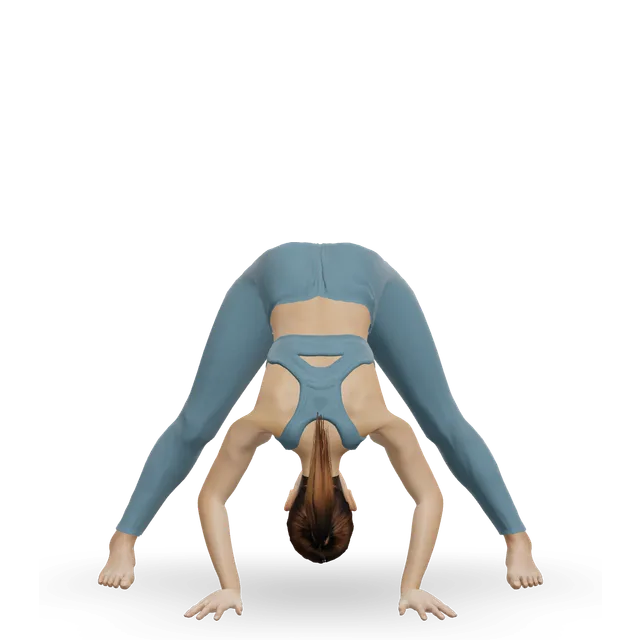
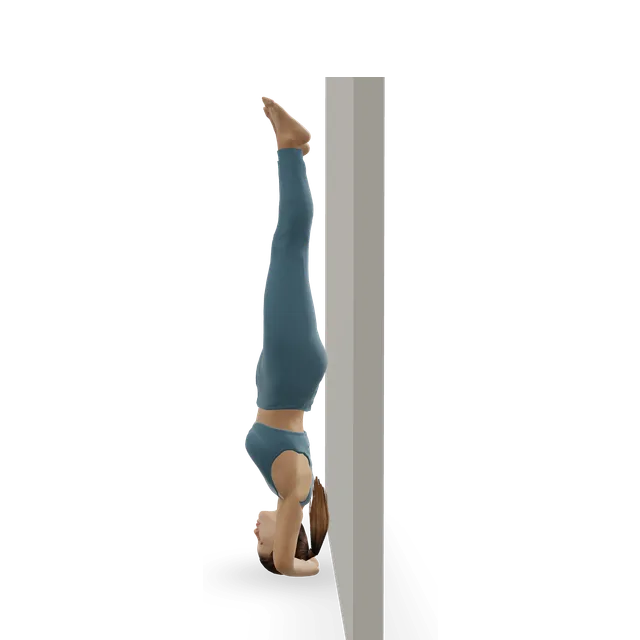
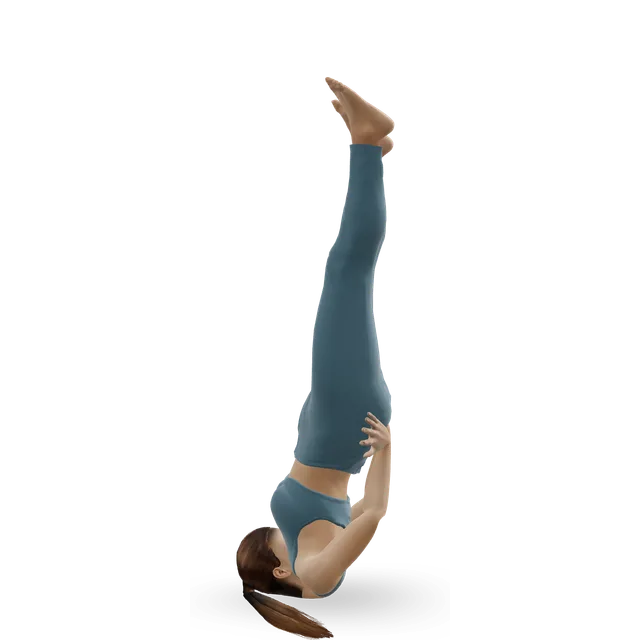
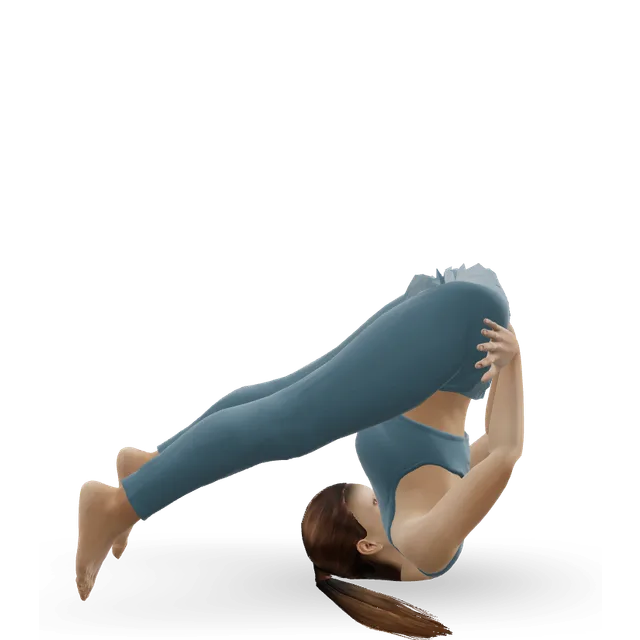
Broken bones are most likely in the first year of steroids. Bend from the hips rather than folding deeply, twist smoothly, and leave out headstands, shoulder stands and the plough.
PMRGCAuk's rule of thumb is to "think of your earlier level of activity or sport, and then think of half of that", and if discomfort sets in, "Try halving the amount you did." If symptoms come back as the dose comes down, that needs your GP, not more yoga.
Polymyalgia rheumatica, and what a yoga class asks of it
What it is
The NHS: "The main symptom is muscle stiffness in the morning that lasts longer than 45 minutes." Pain and stiffness are around the shoulders, neck and hips, and "It usually starts to improve after about 45 minutes as you become more active." Arthritis UK: it "is worse when resting or after rest. Symptoms can improve with activity or as the day goes on." Most people diagnosed are over 65.
"You'll probably need to continue taking a low dose of prednisolone for about 2 years." About half of people have a flare as the dose comes down, and in a review of studies, a quarter were still taking steroids after 5 years.
The UK guideline lists osteoporosis, muscle loss, falls and fractures among the side effects of long-term steroids. In UK records of 12,136 people with PMR, the risk of breaking a bone was 63% higher than in people without it. In a small Australian study, women with PMR were slower at standing up from a chair and walking than women without it, 18 months after starting steroids.
Classes often ask for arms overhead, deep forward folds, long holds on the floor, getting down and up, and sometimes a heated room (our reading). With PMR these meet stiff shoulders and hips, steroid-thinned bones and steroid-weakened thighs. A gentle or chair class, later in the morning, with arms only as high as is comfortable, hip hinges instead of deep folds, and strength and balance poses at a chair fits the guideline's aims.
"Overall, the evidence for exercise specifically in PMR is lacking, but there are many significant benefits of both exercise and physical activity across a wide spectrum of rheumatic diseases." (the 2026 UK guideline). The 2026 European evidence review included 141 studies; its 13 PMR trials were all of medicines. Our PubMed search for yoga or tai chi in PMR found no records.
Guidelines recommend activity and pacingStrong evidence
The UK guideline: "People with PMR should have access to educational material and support including information on self-care such as diet, physical activity and pacing. (GRADE 1C, SoA 97%)". A 2025 review quotes the 2015 European and American recommendations as "considering an individualised exercise programme for PMR patients aimed at the maintenance of muscle mass and function, and reducing risk of falls"; we couldn't read those recommendations in full. The 2026 German, Austrian and Swiss guideline: "Older and frail patients should also be offered an individualized exercise program."
The UK guideline's table: balance "Reduces the risk of falls", stretching "Maintains/recovers reduced range of movement and flexibility", and strength "Counteracts GC-induced myopathy, reduces sarcopenia and improves bone health" (GC means glucocorticoid, a steroid; myopathy means muscle weakness; sarcopenia means muscle loss).
In the only randomised trial with any exercise in PMR, 47 older people did "as many stand ups as possible twice a day" for 16 weeks while testing two dairy drinks: walking speed and chair stands improved, but nobody went without the exercise, so the gains can't be credited to it, and 6 had fibromyalgia rather than PMR. In 12 people taking prednisone, a similar steroid, 50 days of training restored thigh muscle and strength.
In older people living at home, exercise cut the rate of falls by 23% (59 trials, high-certainty evidence). Yoga had "a small effect on balance performance" in people aged 60 and over (6 trials, 307 people), but whether that means fewer falls is unknown. Neither was tested in PMR.
In a UK study of 197 people with PMR, "only 35 (17%) report using exercise to manage their PMR and 50 (25%) report receiving specific exercise advice from a clinician. Of those who reported using exercise to manage their PMR, 85% reported benefit." In a survey of 1,072 UK physiotherapists, 89% prescribed exercise that builds up gradually, starting with the arms and shoulders.
Starting points to discuss with your GP or a physiotherapist. The booklet's amounts are expert and patient advice; they haven't been tested in a trial.
Stretches: at least twice a day
The booklet: "Try to stretch as far as you comfortably can, holding the same movement for up to 20 seconds." Start with 5 of each, at least twice a day.
Strength and balance: once symptoms are controlled
"Start by repeating each intermediate exercise x5, slowly building up over a month to 20 repetitions every day". The guideline wants muscle strengthening and a review of falls risk to start soon after diagnosis.
A gentle or chair class 2 or 3 times a week, plus the booklet's short stretches on other days, is our editorial starting point, built up from about half your earlier level of activity.
Practise later in the morning, once the stiffness eases, or after a warm bath or shower. Arthritis UK: "Simple measures such as a hot bath or shower can help to ease pain and stiffness, either first thing in the morning or after exercise."
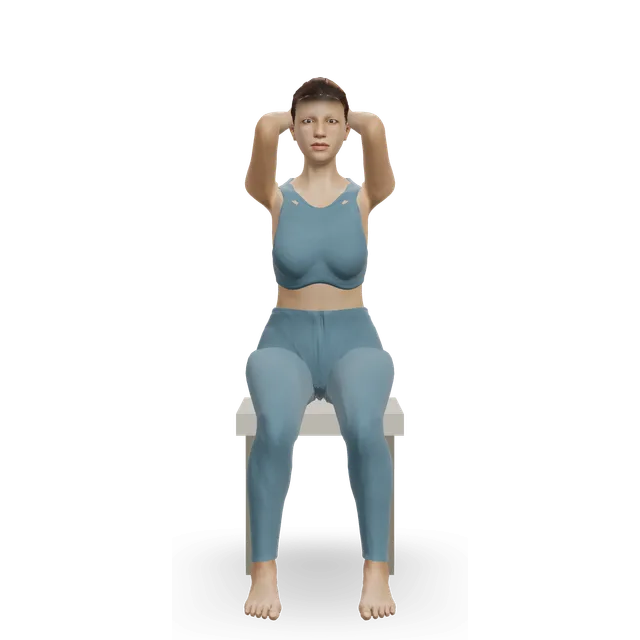
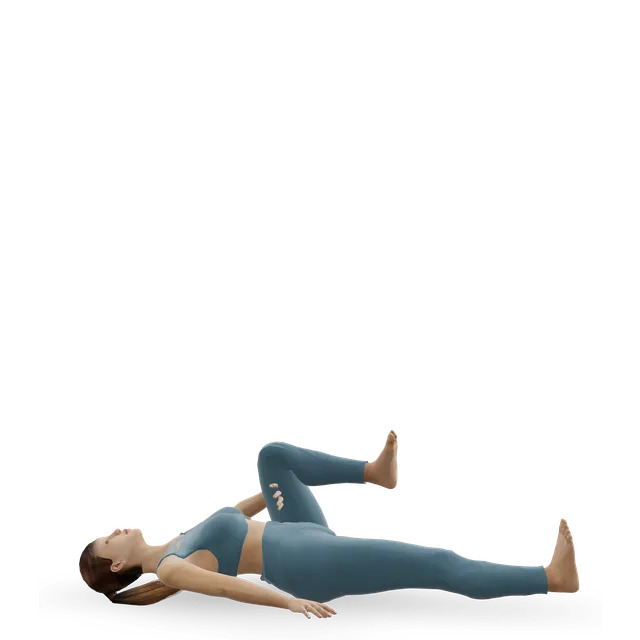
Neck circles: 5 slow turns each way, holding up to 20 seconds, left and right only; shoulder rolls: 5 slow shrugs; elbow opening with hands behind the head: 5 times, holding up to 20 seconds; single knee to chest, sitting: 5 each side, holding up to 20 seconds (our polymyalgia rheumatica routine, from the booklet). Breath reach: the move page's dose, "5 breaths, exhale longer than inhale", arms only as high as is comfortable. Cat-cow, sitting: 6 slow rounds, rounding kept small; thoracic rotation: 5 each side with 5-second holds; table slide: 8 slow reps (our chair yoga class for older adults).
Strength and balance at a chair, once symptoms are controlled
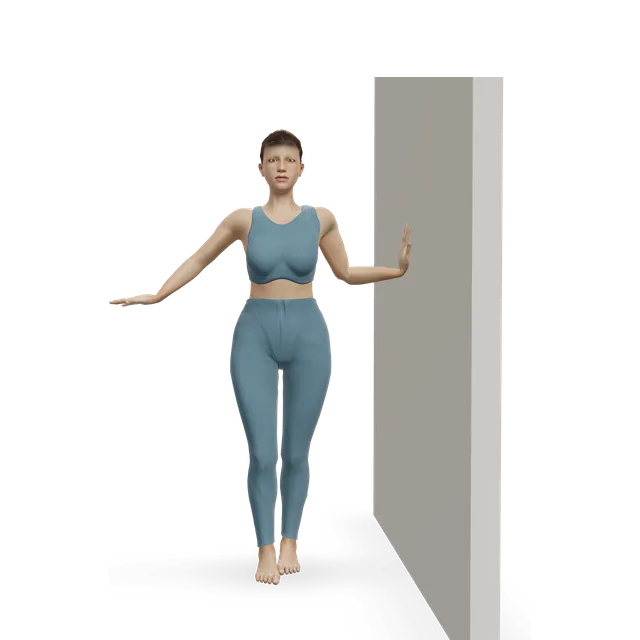
Sit to stand: 5, building over a month (our polymyalgia rheumatica routine). Mountain pose: 5 breaths, one hand on the chair; chair pose: 3 holds of 10 to 15 seconds, hands on the chair; warrior II: 3 breaths each side, short stance, arms low if your shoulders ache; tree pose: 3 breaths each side, fingertips on the chair; slow calf raise: 8 to 10, hands on the chair (our chair yoga class for older adults). Semi-tandem stance: up to 10 seconds each side, building to 30 (our routine). Seated upper-back lift: the move page's dose, "3 to 5 repetitions, each held 3 to 5 seconds, at least twice a week (UK osteoporosis consensus, 2022)."
Slow breathing: 2 minutes, no holds (our chair yoga class for older adults). Corpse pose: 5 minutes with cushions under your knees, or sitting back in the chair (our yoga for rheumatoid arthritis class).
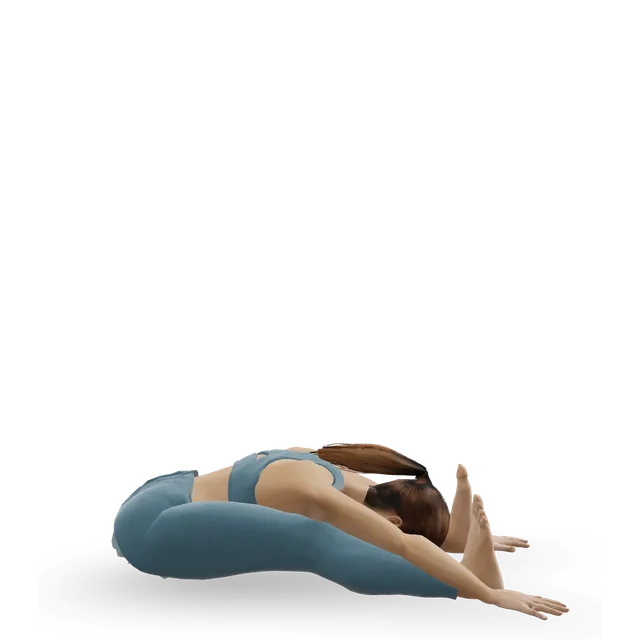
Swap deep forward folds for the table slide or a hip hinge, as the UK osteoporosis guideline advises care with repeated forced forward bending; leave out headstands, shoulder stands and the plough, which put body weight on a rounded neck and upper back; keep arms at or below shoulder height in long holds such as warrior I.
"In PMR, the highest rate of fragility fracture is during the first year of treatment, but the excess risk of fragility fracture compared with non-PMR comparators persists for at least 5 years". Bone-protecting medicine now usually starts with the steroids, and the UK osteoporosis guideline recommends "A combination of regular weight-bearing and muscle strengthening exercise".
The UK osteoporosis guideline: "repetitive forced spinal forward flexion exercises should be undertaken with care". Our osteoporosis lines:
Modify or avoid exercises that round your back deeply or repeatedly, especially with a weight: sit-ups, toe touches, Pilates roll-downs and curl-ups, and extreme yoga forward folds. Bend from the hips instead. You do not need to avoid bending, twisting or lifting altogether: move smoothly and keep your upper back straight.
Twisting should be safe if you do it smoothly and comfortably. Slow down and shorten fast or forceful twists, and leave out the added weight.
The guideline expects that "strengthening larger muscle groups, via resistance and weight-bearing exercises, could help counteract GC-induced myopathy". Choose yoga's standing strength poses, and tell your team about new weakness, because it can be hard to tell apart from PMR.
"Do not suddenly stop taking steroid medicine unless your doctor tells you it's safe to stop. Suddenly stopping treatment with steroids can make you very unwell."
PMRGCAuk: "But we find that almost everyone who does this finds that the next day, they feel pretty rough, with a return of the aching and stiffness." Its rule of thumb is half your earlier level, built up slowly.
"Don't be tempted to do more than you had planned, even if you are having a good day." "Expect setbacks and times when your symptoms seem worse; this is normal with PMR."
"Some people notice their energy levels dip when they start to slowly reduce their steroids. If so, you need to temporarily reduce your planned activity." The UK guideline adds that withdrawal symptoms can be hard to tell from a relapse.
"Contact a GP if your symptoms return during any part of your treatment. Your dosage may need to be adjusted." Keep moving gently in the meantime, with a shorter session.
Start with the polymyalgia rheumatica routine's stretches; the chair yoga class for older adults is the main yoga class, with no deep folds and standing poses at a chair. The osteoporosis class adds back strength and balance with the bone-safe swaps built in, the rheumatoid arthritis class has a 15-minute flare-day version, and the breathing class helps you wind down (leave out its breath holds if your blood pressure isn't under control).
The giant cell arteritis signs are at the top of this page. This is general information, not a diagnosis. A&E means accident and emergency; in the US, call 911 for 999.
Call 999
Call 999, and don't drive yourself to A&E, for:
Chest pain that feels tight or like squeezing, or spreads to your arms, neck or jaw.
Signs of a stroke, even if they stop.
A fall where you may have hurt your head, back, neck or hip, or you can't get up.
Thoughts about harming yourself or ending your life: prednisolone can affect mood.
Call 999 or go to A&E (accident and emergency) straight away for severe difficulty breathing (gasping, choking or not able to get words out), a chest that feels tight or heavy, pain that spreads to your arms, back, neck and jaw, lips or skin turning very pale, blue or grey, or sudden confusion. If you're more short of breath than usual, or your heart is racing, fluttering or skipping beats, contact NHS 111.
The NHS lists "Possible serious side effects of prednisolone", including an allergic reaction (anaphylaxis), mood changes, Cushing's syndrome, adrenal insufficiency ("causing symptoms such as vomiting, muscle weakness, loss of appetite, weight loss, mood changes or feeling dizzy, faint or very tired") and an eye problem causing "blurred vision or a dark or grey spot in the middle of your vision". Call 999 if you think you're having anaphylaxis, and "If you're having thoughts of harming yourself, or you think you're having any other serious side effect, call NHS 111."
The NHS polymyalgia rheumatica page also lists "increased risk of infection, particularly with the varicella-zoster virus, which is the virus that causes chickenpox and shingles" among the side effects of prednisolone, and says: "Get immediate medical advice if you think you've been exposed to the varicella-zoster virus or if a member of your household develops chickenpox or shingles."
A joint pain that is sharp, gets worse during a session, lingers into the next day or changes how you move is a reason to use an easier version, and to see a GP or physiotherapist if it keeps happening (the rule in our plans). Muscle soreness for a day or two after something new is normal. In a hot class, stop if you feel dizzy, sick or unwell; our hot yoga guide lists the signs of heat illness.
You can say no to any hands-on adjustment, and a teacher registered with Yoga Alliance must get your explicit consent each time.
With glaucoma, or high blood pressure that isn't under control, skip headstands, shoulder stands and long head-down holds. With osteoporosis, swap deep forward folds for a flat-back hinge from the hips, and twist smoothly. In pregnancy, our yoga in pregnancy guide covers the changes. NCCIH advises beginners to avoid headstands, shoulder stands, the lotus position and forceful breathing.
Support
PMRGCAuk's helpline, answered by volunteers who have had PMR or giant cell arteritis, is on 0300 111 5090, Monday to Friday, 9am to 5pm; it can't give medical advice. Arthritis UK's helpline is on 0800 5200 520.
Myths
"Yoga can replace steroids for PMR"Strong evidence
Steroids are the treatment, and stopping them suddenly can make you very unwell. No study shows yoga controls PMR.
Stretch only as far as you comfortably can, and halve what you did if discomfort sets in. Arthritis UK: "Too much exercise is likely to make your symptoms worse".
"A new headache after yoga is just tension"Strong evidence
With PMR, a new headache, a sore scalp, jaw pain when eating or any change in your sight can be giant cell arteritis: contact a GP or NHS 111 immediately.
It can help you stay moving, strong and steady alongside steroids. No study has tested yoga in PMR, but the UK guideline recommends physical activity and pacing for everyone with PMR, and the PMR charity's booklet suggests trying yoga.
Can yoga replace steroids for PMR?
No. Steroids relieve the inflammation, and you should never stop or change the dose yourself. Yoga helps with stiffness, strength and balance around them.
What yoga poses are good for PMR?
Gentle seated movements for the shoulders, neck and hips first, then sit to stand, chair pose, warrior II and tree pose holding a chair, and slow breathing to finish. Keep your arms only as high as is comfortable.
What yoga poses should I avoid with PMR?
Deep forward folds, headstands, shoulder stands and the plough, because steroids thin the bones. Don't force a stiff shoulder, and stop neck turns that make you dizzy.
Is chair yoga good for polymyalgia rheumatica?
Yes, especially on stiff mornings. Our chair yoga class is all sitting or holding the chair, and every pose can be made smaller.
When is the best time to do yoga with PMR?
Later in the morning, once the stiffness has eased, or after a warm bath or shower. Stiffness usually starts to improve after about 45 minutes of being up and about.
How much yoga should I do with PMR?
Start short: the booklet's stretches take a few minutes, at least twice a day, and a class 2 or 3 times a week is a reasonable aim. Think of about half your earlier activity, and halve it again if you ache.
Can yoga help steroid muscle weakness?
Strength work can: training restored thigh strength in a small study of people on steroids, and the UK guideline expects strength exercise to counteract steroid weakness. Choose standing strength poses and add the strength part of our PMR routine.
Will yoga protect my bones on steroids?
It helps with balance, and standing poses load the legs, but bone medicine does the main work. Bend from the hips, and add walking and strength work.
What if my PMR symptoms come back as the dose comes down?
Contact your GP or rheumatology team, because the dose may need adjusting. Keep moving gently, and cut back your planned activity for a while.
Is tai chi or yoga better for polymyalgia rheumatica?
Neither has been tested in PMR. The booklet suggests both, so choose the one you enjoy and can keep up.
What are the warning signs to watch for during yoga?
A new headache, a sore scalp, jaw pain when eating or talking, or any change in your sight: contact a GP or NHS 111 immediately. If you suddenly can't see from 1 or both eyes, call 999 or go to A&E.
Exercise education, not a personal prescription, and clinical review of these guides is pending. If you are pregnant, have a health condition such as glaucoma, high blood pressure or osteoporosis, or have had recent surgery, check with a doctor, midwife or physiotherapist before starting, and stop for sharp or increasing pain. Health disclaimer.