Training guide

How to improve hip mobility: what limits it, for squats, running and golf, stretching or strength through the range, how often, and when hip pain needs a different plan

Your hip moves in six directions, and how far it goes depends on your muscles, on how much stretch your nervous system will accept, and on the shape of your bones. Stretching and lifting through a full range both add range over weeks, and slow drills such as 90/90 switches and hip circles let you practise it. Bone shape sets limits that no stretch changes, and a pinch at the front of the hip is a reason to work below it, not into it.

This guide covers what limits the hip, what the trials show for stretching and strength through the range, how often and how long, hip mobility for squats, running and golf, a simple self-check, the moves with doses and a step-by-step session, and when a pinch or pain means our hip pain guides come first.

The short version

Stretching and lifting through a full range both work

Regular stretching raised range by a moderate to large amount across 77 studies, with the hip flexors among the best responders. Strength training through a full range with a weight matched stretching in 11 head-to-head trials, 7 of them measuring the hip. Do either, or both.

Sources 1, 2, 3

Hold 30 to 60 seconds, on most days

Hold stretches for 30 to 60 seconds, 2 or 3 times, on most days, to a clear pull rather than pain, and lift through a full range with a load at least twice a week, as our flexibility guide sets out. Stretching harder added no extra range.

Sources 1, 4

Expect a few degrees over a few weeks

Hip flexor stretching raised hip extension within 3 to 10 weeks in small trials, by about 6 degrees after 6 weeks of a daily 5-minute stretch in one. Range slips back when people stop, so 2 or 3 days a week keeps it once you're happy.

Sources 5, 6, 7, 8

Bone shape sets some limits

How far your hip turns in depends largely on the twist built into your thigh bone and the shape of the ball and socket, which stretching can't change. Bony "cam" shapes are common in people with no pain. A pinch at the front of the hip is the joint, not a tight muscle: work below it, and see the warning signs if it keeps happening.

Sources 9, 10, 11

Practise the range you want to use

After 6 weeks of hip stretching, young men had much more range lying down but used no more of it in lunges or twists, and hip flexor stretching didn't change how people ran. Practise the position you want, such as a deep goblet squat, with a light load.

Sources 12, 13

Not a shield against injury

Stretching programmes didn't cut sports injuries across 25 trials, while strength training did. Sitting a lot is linked with a little less hip extension in one snapshot study, not shown to shorten your muscles. Use mobility work for the range you need, and strength work for protection.

Sources 14, 15, 16

What hip mobility is, and what limits it

Six directions

The hip is a deep ball and socket built to carry load. It bends (knee towards chest), extends (leg behind you), moves out to the side and across, and turns in and out. Hip mobility usually means all six, used under control: deep squats need bend, a long stride and a lunge need extension, and golf, kicking and turning on one leg need rotation. Our hip joint page covers the anatomy.

What's typical

It depends on how it's measured. In a US study of 674 healthy people, adults' hips bent about 127 to 134 degrees and extended 13 to 18 degrees with help, a little less from 45. Measured actively in 1,000 Australians, adults turned the hip in about 33 to 40 degrees and out about 22 to 30. Women usually turn in further (38 against 29 degrees in 339 college athletes). Most hip movements were only 3 to 5 degrees smaller at 65 to 74 than at 25 to 39, but extension fell by more than a fifth.

Sources 17, 18, 19, 20, 21

What limits it

Four things, in different mixes: the muscles (the hip flexors for extension, the glutes and deep rotators for bending and turning in, the inner thigh for opening out); how much stretch your nervous system will accept, which is what changes most in programmes of 3 to 8 weeks; the joint capsule; and bone. Bone matters more at the hip than at most joints: the twist of the thigh bone and a bony bump where the ball meets the neck (a cam shape) explained most of the difference in turning in between people, and a cam shape also reduced bending. Cam shapes are found in 37% of hips without symptoms.

Sources 22, 23, 9, 10, 11

Mobility and flexibility

Flexibility is how far the hip can be moved, with help from gravity, a strap or a partner. Mobility, as our mobility guide defines it, is the range you can reach and control yourself, which is smaller and depends on strength as well. The 90/90 lift-off and the Cossack squat train the second.

"Tight hips"

Usually a feeling at the end of a range rather than a short muscle: in stretching programmes, people mainly come to tolerate more stretch. Our yoga for hip openers guide makes the same point. Stiffness after an injury, or with swelling or pain at rest, is a different matter: see the warning signs.

Sources 22, 23

How people differ

Hip sockets and thigh bones differ in depth and angle, so the stance width and toe-out that feel right differ too, as our strengthen your hips guide says. Women are on average more mobile in most directions. In deep bends the thighs can meet the trunk before the hip reaches its end range; a wider stance with the toes turned out gives more room (our suggestion). Very flexible people need strength and control, not more stretch.

Sources 18, 20

What the evidence says

Most trials are small, short and in young adults; none tested a hip mobility programme for injuries.

Regular stretching adds rangeStrong evidence

Across 77 studies of 3,870 people (average age 27), stretching for 2 weeks or more raised range by about one standard deviation, a moderate to large effect. Holding a stretch and contract-relax stretching beat moving stretches, the hip flexors responded well, and stretching harder made no difference.

Source 1

Strength through a full range works as wellStrong evidence

In 11 trials of 452 people, strength training through a full range improved range as much as stretching (moderate certainty), and 7 of them measured the hip. Across 55 studies, resistance training improved range at the hip and elsewhere; training with a load did, while body weight alone wasn't clearly effective, though only 4 measures tested it.

Sources 2, 3, 24

Slow lowering and long-range strength movesEmerging evidence

Slow lowering (eccentric) training gave large gains in leg range across 17 studies of 376 people. In small trials, 8 weeks of the Copenhagen adduction exercise added 7.3% to how far the hip opened out (45 adults, lost after 4 weeks off), and 6 weeks of Nordic and glider hamstring work added 11.2% to hip bend (34 adults).

Sources 25, 26, 27

Hip flexor stretchingEmerging evidence

Active and passive stretching added the same hip extension over 6 weeks in 33 young patients. In 82 healthy older adults, 10 weeks of twice-daily hip flexor stretching raised hip extension, and those who started with limited extension when walking lengthened their stride. Three weeks of home stretching helped in 20 adults, and 5 minutes a day of a lunge-and-reach stretch for 6 weeks added about 6 degrees in 23 young adults.

Sources 5, 6, 13, 7

New range doesn't automatically show up in how you moveEmerging evidence

In 24 young men with stiff hips, 6 weeks of stretching raised turning range by up to 56%, yet they used no more hip range in lunges, standing hip extension, a twist and reach or on a cross-trainer. Three weeks of hip flexor stretching left running unchanged, and in 14 elite runners, hip extension flexibility wasn't linked to how the pelvis tilted while running.

Sources 28, 12, 13, 29

One session's gain is small and short-livedStrong evidence

Across 47 studies, a single bout of stretching gave a small gain in range, and it fades within about 30 minutes; any warm-up does about the same. One session of hip flexor stretching added 2.6 degrees of hip extension in 23 men, and holds of up to 120 seconds didn't harm performance across 8 studies.

Sources 30, 31, 32, 33, 34

Hip circles (CARs)Mixed evidence

In the one trial of hip CARs (controlled articular rotations: slow circles at the edge of your range), two 1-minute bouts raised inward rotation about as much as static stretching in one session, in 28 young adults, with no group that did nothing and no long-term follow-up. Reviews of mobility training in athletes rate the studies low quality, and 8 weeks of it didn't change flexibility tests in 31 young basketball players.

Sources 35, 36, 37

Cam shapes are common without painStrong evidence

Across 26 studies, 37% of hips without symptoms had a cam shape: 54.8% in athletes and 23.1% in the general population. A bony shape on a scan isn't a diagnosis on its own.

Source 11

Bone shape limits turning inEmerging evidence

In 220 patients, the twist of the thigh bone outweighed a cam shape for how far the hip turned in, and cam size, socket cover and that twist explained 75% of the difference in 30 people. In 226 teenage athletes without symptoms, 8% turned in 10 degrees or less, and 68% of the hips x-rayed in that group had a cam shape. In footballers, a cam shape changed how people chose to squat, and cam size didn't track hip range. A diagnosis of hip impingement needs symptoms, an examination and imaging together.

Sources 9, 10, 38, 39, 40, 41

Range fades when you stop, more slowly than it cameEmerging evidence

Across 13 studies, 2 to 6 weeks off left range above where people started but below its peak, and the loss showed only in inactive people (low certainty). Stretching 2 or 3 days a week after a 4-week daily programme kept the gain in 32 adults, while a 9-degree gain was gone 4 weeks after stopping in 18 students. In footballers, 4 weeks off cost part of an 8-week gain.

Sources 8, 42, 43, 44

Stretching doesn't prevent injuriesStrong evidence

Stretching programmes didn't cut sports injuries across 25 trials of 26,610 people, while strength training cut them sharply. Stretching before exercise didn't change injuries in 1,538 army recruits, and an expert panel doesn't recommend stretching to prevent injury.

Sources 14, 15, 4

Very flexible jointsEmerging evidence

Across 18 studies, very flexible joints (hypermobility) went with more knee injuries in contact sport, though not ankle injuries. The NHS advises not overextending joints just because you can.

Sources 45, 46

Yoga and PilatesMixed evidence

In older adults, yoga improved lower-body flexibility against inactive and active comparison groups across 22 trials. Pilates improved sit-and-reach scores in adult women across 12 studies, though an earlier review of healthy adults found no clear gain. Our yoga for hip openers and Pilates for hip flexors guides cover them.

Sources 47, 48, 49

Hip arthritisEmerging evidence

Exercise improved pain, range and function across 12 trials in mild to moderate hip arthritis, and in 152 people aged 60 and over, strength training, Nordic walking and home exercise all increased hip range, with no difference between them. Our hip arthritis guide has the plan.

Sources 50, 51

How to improve hip mobility: how often, how long and what to do

Stretch the stiff directions, 30 to 60 seconds a hold

Hold each stretch 30 to 60 seconds, 2 or 3 times, on most days, to a clear pull rather than pain: our flexibility guide's dose. An expert panel suggests 2 to 3 holds of 30 to 120 seconds daily for the biggest ranges, and the American College of Sports Medicine's minimum is about 60 seconds per stretch on at least 2 days a week. Holds of 30 seconds worked as well as 60 in younger adults, while over 65, 60-second holds gained faster. The NHS's gentle flexibility exercises use short holds; the trials that built range held for 30 seconds or more.

Sources 4, 52, 53, 54, 55

How much a week is less settled

One meta-regression, an analysis of how results change with the dose, found gains peaked at about 10 minutes of stretching per muscle a week. Other reviews dispute it, including one of 77 studies in which the amount of stretching made no clear difference, so treat it as a rough target.

Sources 56, 1

Load the range at least twice a week

Goblet or Cossack squats, Romanian deadlifts and split squats lowered slowly, 2 or 3 sets, as deep as you control, at least twice a week, using our plans' effort and progression rules. This builds range and strength together.

Sources 2, 3, 25

Drills for practice and control

90/90 switches, hip circles and lift-offs, a few slow reps to the edge of your control, on most days or before training. They're good practice, and before a session they loosen you like any warm-up; the evidence that they build lasting range is weaker than for stretching or loaded range work.

Source 35

Practise the position you want

Want a deeper squat or a longer lunge? Practise that position with a light load as well as stretching for it, so the new range carries over, as our mobility guide suggests.

Source 12

Before training

A short dynamic warm-up is enough. Long static holds are optional before a session and best kept under 60 seconds per muscle, as our warm-up guide explains; save longer holds for after training or rest days.

Sources 31, 32

How long it takes, and keeping it

Stretches feel easier within a couple of weeks; a clear change took 6 to 10 weeks in the trials. People vary a lot, so nobody can promise a number. Once you're happy with your range, 2 or 3 days a week kept it in a trial.

Sources 6, 7, 42

Common slip-ups

Forcing past a pinch at the front of the hip; arching the lower back in hip flexor stretches; turning the pelvis to fake rotation in 90/90 work; long hip stretches right before heavy lifting or sprinting; stretching and never loading the range (our editorial list). Each move's page teaches its technique.

A simple hip self-check

Our suggestion. These guide your practice; they don't diagnose anything, and none has published norms.

1. A deep squat holding a door frame

Squat as low as you can with your heels flat. If your heels lift first, see our ankle mobility guide. If your pelvis tucks under early, or the front of your hip pinches, work hip bend below the pinch.

2. Sitting in 90/90, both ways

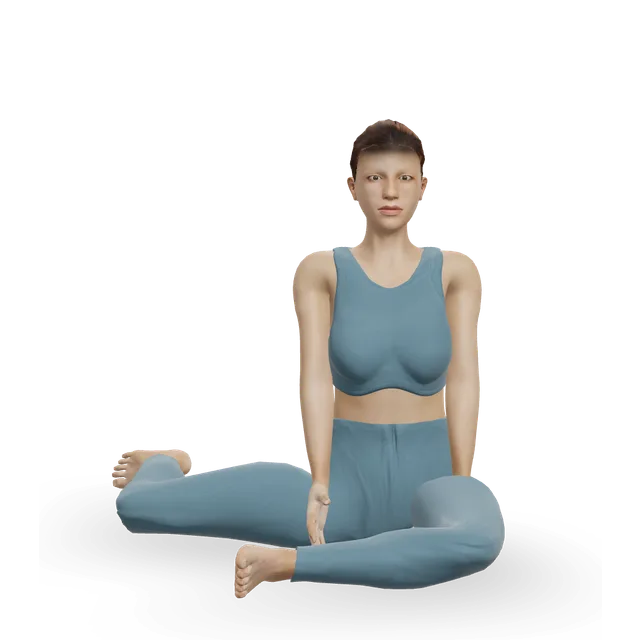
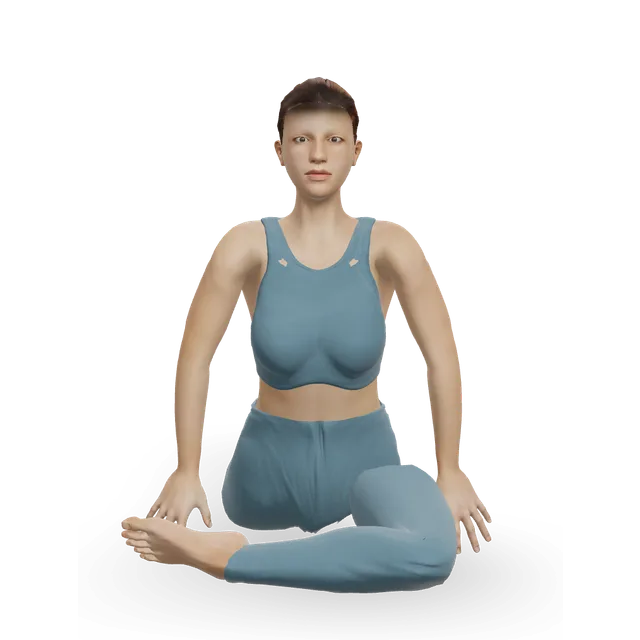
Sit with both knees bent at right angles, one leg in front and one to the side. Compare how tall you can sit on each side, without leaning on your hands.

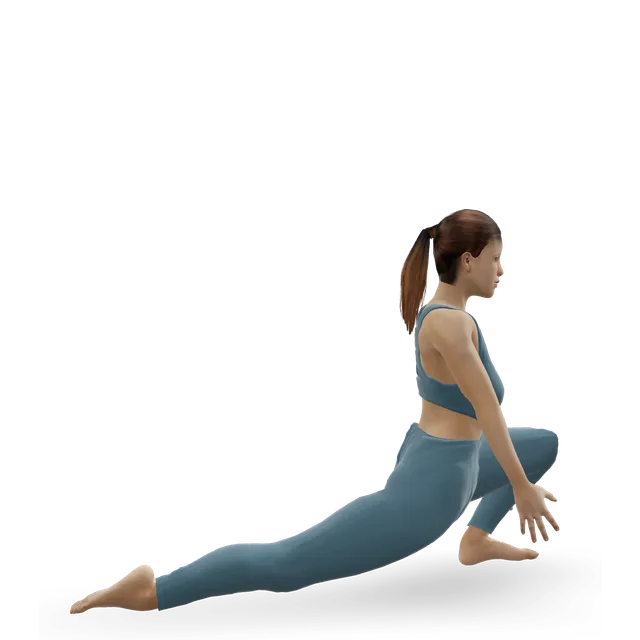
3. The half-kneeling hip flexor stretch

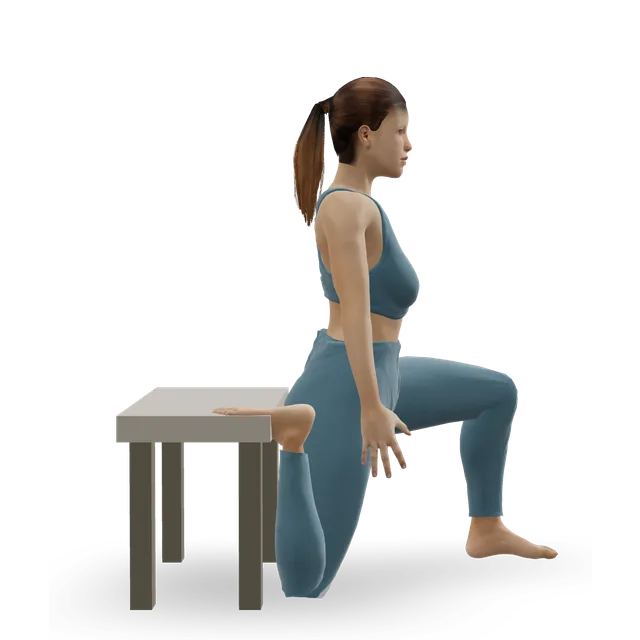
Tuck your tailbone under and squeeze the buttock of the back leg. If you feel it in your lower back rather than the front of the hip, keep the tuck and go less far.

A hip mobility session, step by step

Our editorial session, the shape of our hip mobility routine, with our flexibility guide's hold times and the moves' doses. Do the stretches most days and the loaded moves 2 or 3 times a week.

  1. Warm up for 3 to 5 minutes: march on the spot, then 3 slow hip circles each way with each leg, holding a wall.
  2. 90/90 switches: sit with both knees bent and your feet wider than your hips, then let both knees fall to one side, then the other, sitting tall; 8 to 10 slow switches, pausing at each end.
  3. 90/90 lift-offs: in the 90/90 position, lift the back shin off the floor using the hip alone; 3 holds of 5 to 8 seconds each side.
  4. Front of the hip: the half-kneeling hip flexor stretch, tailbone tucked and back buttock squeezed, gliding forward until the front of the back hip pulls; 2 holds of 30 to 60 seconds each side.
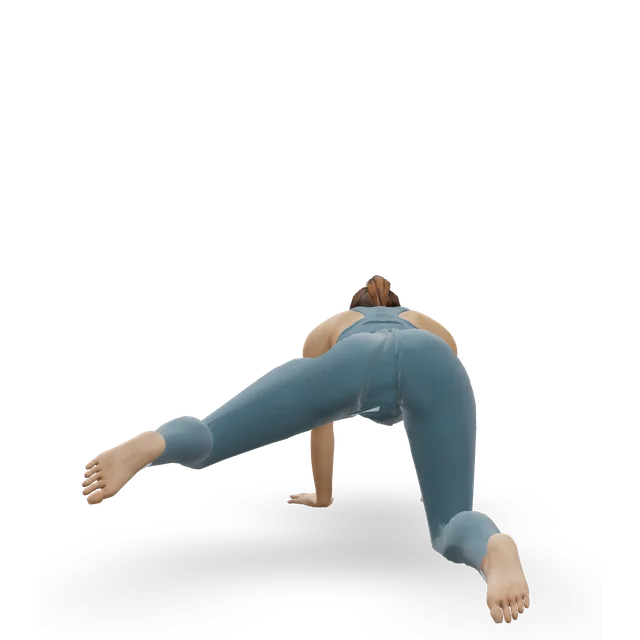
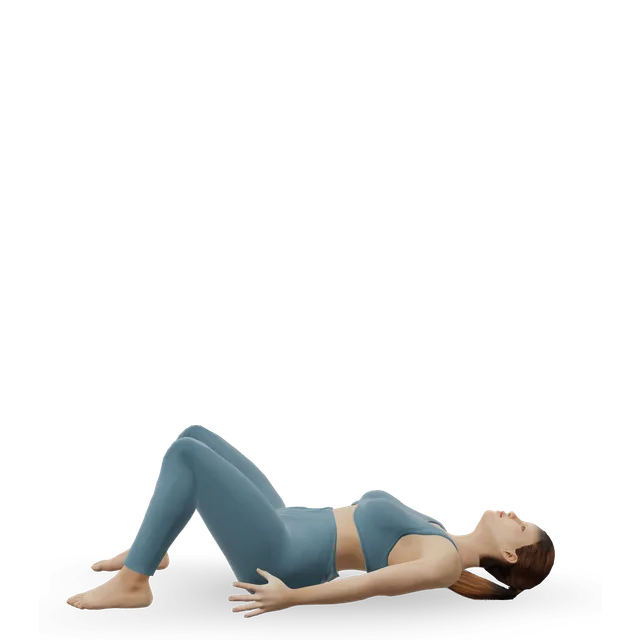
  5. Back and outside of the hip: the reclined figure four or pigeon preparation, 45 to 60 seconds each side.
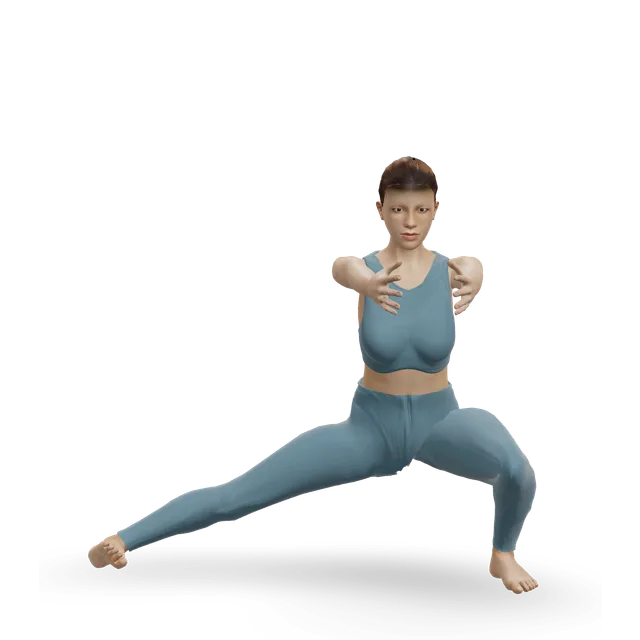
  6. Load the range: goblet squats or Cossack squats, 2 or 3 sets of 5 to 8 slow reps, as deep as you control.
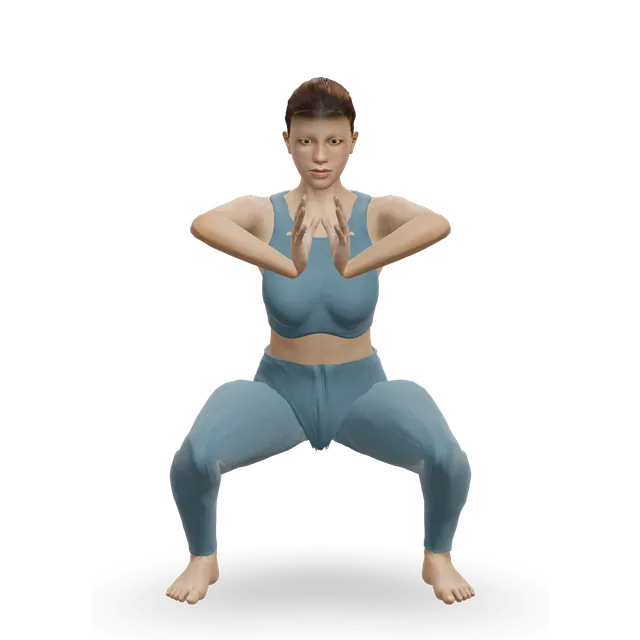
  7. Finish in a deep squat, holding a door frame, for 30 to 60 seconds. Stop short of any pinch at the front of the hip.

Loading the 3D figure…

Gets into position, then repeats the movement. Technical checks passed; qualified exercise review is pending.

The movement on the figure: 90/90 switch

Turn the hip in and out

Slow, controlled reps to the edge of your range with the pelvis still: for the 90/90 switch, 10 slow switches, pause at the ends (the move page's dose); 10 slow reps of windshield wipers and 3 slow standing hip circles each leg (our hip mobility routine); and for lift-offs, 3 holds of 5 to 8 seconds each way, each side (our editorial starting point, as on the move page).

Stretches for the front, back and inside of the hip

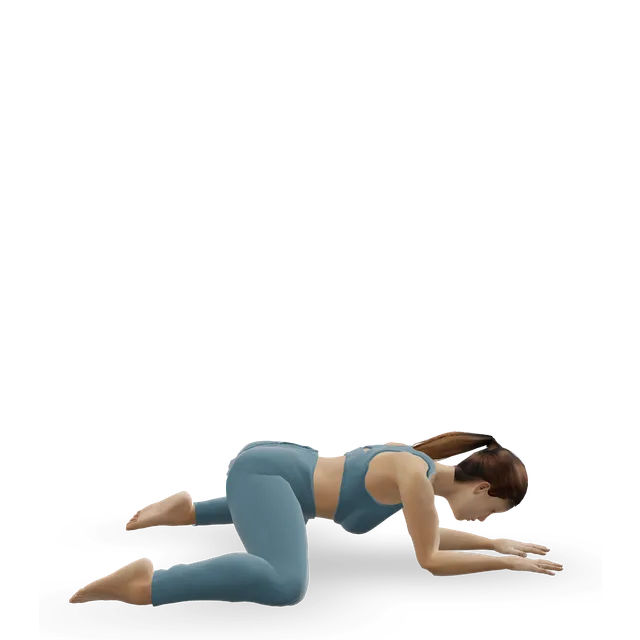
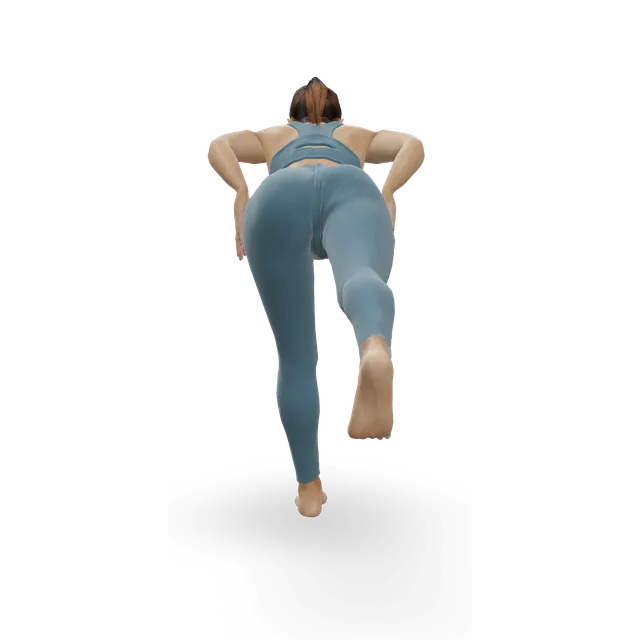
Hold 30 to 60 seconds to a clear pull rather than pain (our flexibility guide's dose): 2 holds of 30 seconds each side for the half-kneeling hip flexor stretch (our tight hip flexors routine), 45 seconds each side in the low lunge and 60 in pigeon preparation (our hip mobility routine), 45 seconds each side for the reclined figure four (our yoga for tight hips session), and 10 slow frog rocks (our hip mobility routine). Move to the couch stretch once the half-kneeling stretch is easy, and use the figure four if pigeon hurts your front knee.

Strength through the range

Full range with a load, at least twice a week: goblet squats and dumbbell Romanian deadlifts at 3 sets of 8 to 12 (our full-body gym workout), Cossack squats at 5 reps each side and a 60-second deep squat hold (our hip mobility routine), ATG split squats at 2 sets of 5 slow reps each side holding a support (our splits routine), and hip airplanes at 2 sets of 5 slow turns each leg (our editorial starting point) once you balance well on one leg.

Hip mobility for squats, running, golf and everyday life

SquatsEmerging evidence

A heels-flat deep squat needed about 95 degrees of hip bend on average in 30 adults, with a wide spread. At the bottom, the pelvis tucks under once the hip runs out of bend, at about the same hip angle as lying down, and stiff ankles cost depth too. A popular screening score for the deep squat said little about joint range in 60 adults. We found no trial testing whether hip mobility work deepens a squat. Train hip bend with goblet squats and deep squat holds, check your ankles, and squat to the depth you control, as our squat guide says.

Sources 57, 58, 59, 60, 61

RunningEmerging evidence

Hip flexor stretching raised hip extension but didn't change how people ran, and in elite runners hip extension flexibility wasn't linked to pelvic tilt. In older adults who started with limited extension, stretching lengthened their walking stride. We found no study showing that hip mobility work prevents running injuries; our hip pain when running guide covers pain.

Sources 13, 29, 6

GolfEmerging evidence

In snapshot studies of professionals, less lead hip turning in went with past back pain (42 golfers) and with more lower-back movement in the swing (30 golfers), and hip rotation flexibility explained 48% of ball speed in 25 golfers. Foam rolling and dynamic stretching of the lead hip raised its inward rotation, and carry distance more than practice swings did, in one session in 22 golfers. In 45 teenage golfers, a 12-week hip-focused warm-up cut back pain episodes (16 against 100), though the number of golfers with back pain didn't differ significantly (5 against 8); the trial counted episodes, not people, and was corrected in 2026.

Sources 62, 63, 64, 65, 66, 67

Back painMixed evidence

People with low back pain have a little less hip range, especially turning in, in observational reviews rated very low quality. In 30 women with back pain, 8 weeks of hip stretching made no difference against no stretching, while in 40 footballers with back pain and stiff hips, supervised dynamic hip flexor stretching improved range, pain and jumping. Our back pain guides own the plan.

Sources 68, 69, 70, 44

Long days sittingEmerging evidence

People who sat more than 7 hours a day and were inactive had 6.1 degrees less hip extension than active people who sat under 4 hours, in one snapshot study of 144 people. Hip flexor length fell over a year in 62 students, but sitting time wasn't tested against the change. No study has followed people to show that sitting shortens the hip flexors. Breaking up sitting, and a few hip flexor stretches and lunges, cost little.

Sources 16, 71, 72

Older adultsEmerging evidence

Most hip range changes little with age, apart from taking the leg behind you, and older adults gained hip extension with 10 weeks of stretching. Hold stretches up to 60 seconds, and hold a support for standing moves. The NHS asks adults over 65 for activities that improve strength, balance and flexibility on at least 2 days a week.

Sources 21, 6, 54, 73

Workouts to follow

Our hip mobility routine moves the hip in every direction in 15 minutes; do it on a rest day or after training, most days if you can. Pair it with strength through the range twice a week: goblet or Cossack squats and Romanian deadlifts.

Hip mobility routine

A 15-minute hip opener: 90/90 switches, windshield wipers, CARs, Cossack squats, frog and pigeon.

15 minIntermediate8 movesA wall

Yoga for tight hips

A hip-opening yoga sequence: low lunge, lizard, goddess, pigeon, bound angle and happy baby.

25 minBeginner10 movesA wall

Tight hip flexors routine: stretch, then strengthen

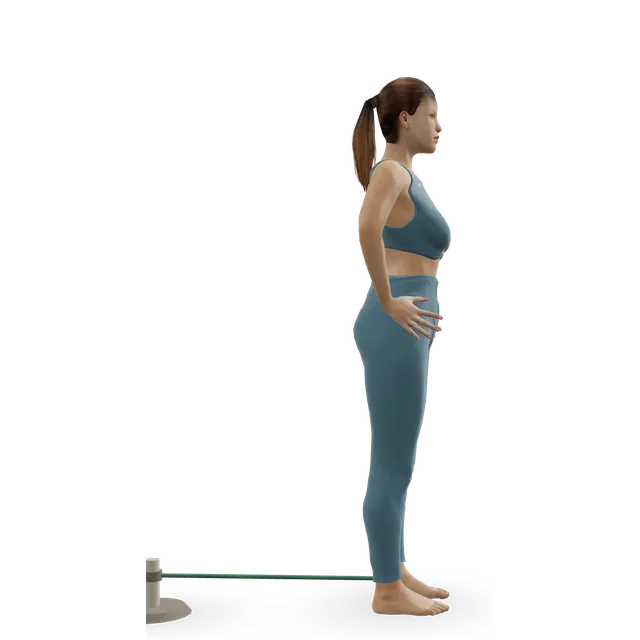
Hips that feel tight: a tucked hip flexor stretch, then band knee drives, leg raises, dead bugs, bridges and lunges. Full-range strength work helps flexibility too.

15 minBeginner8 movesA band, An anchor point

Hip release routine: roll, stretch, strengthen

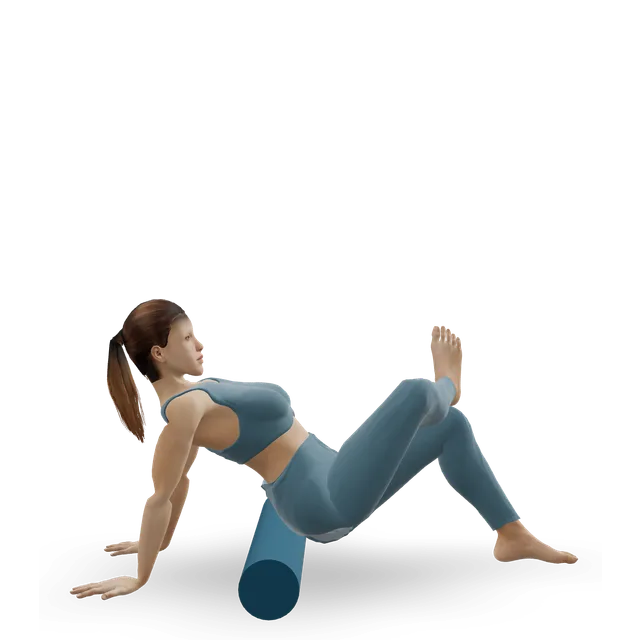
Stiff hips and glutes: a few minutes of rolling the glutes and thighs, two stretches while the extra range lasts, then strength work to keep it. About 15 minutes.

15 minBeginner7 movesA foam roller

Daily mobility routine

A 12-minute routine to move every joint through its range under control: slow neck, shoulder, hip and ankle circles, spine and hip rotation, and deep squats.

12 minBeginner10 movesA wall

Yoga for mobility: a 20-minute flow for range you can control

Twenty minutes of joint circles, a standing flow and end-of-range strength: yoga for range you can reach and control, for desk days, rest days or older joints.

20 minBeginner16 movesA step, A wall

Squat technique workout

A 25-minute practice session for the squat: find your depth on a chair, groove the bodyweight squat with pauses, then load it with a slow goblet squat.

25 minBeginner8 movesA wall, A bench or box

Splits stretching routine

Front-split and middle-split days: hip flexor, hamstring and inner-thigh stretches, then strength in the stretched position. Alternate them 3 to 4 times a week.

25 minIntermediate16 movesA wall, An anchor point

Golf warm-up

A 10-minute golf warm-up: brisk marching, then the hip and trunk turns, hinge, side bend, lunge and jump from the one trial of a golf warm-up, twice through.

10 minBeginner9 movesA wall

Yoga for golfers: a 25-minute rotation, hip and balance class for non-golf days

A 25-minute yoga class for golfers: upper-back and hip rotation done evenly both ways, a hip hinge, one-leg balance, back endurance and forearm stretches.

25 minBeginner18 movesA wall, A step

Runner's warm-up

An 8-minute dynamic warm-up for runners: ankle and hip mobility, lunges, skips and pogo hops.

8 minIntermediate8 movesA wall

Hip strengthening workout: bridges, side hips, single-leg control and balance

A 30-minute session for hips that don't currently hurt: bridges, side-hip work, step-ups and single-leg control, an optional harder block, then balance.

30 minBeginner13 movesA wall, A band

Plans with hip mobility built in

The 7-day plan, the plan for men over 40, the 3-day home plan and the 5-day split give one day a week to hip mobility; the band, kettlebell, beginner strength and full-body plans offer it on rest days.

7 days a week

7-day workout plan

A full week that mixes intensities: three strength days, two cardio days, a mobility day and an easy day, never seven hard days.

3 training days45 minBeginner
3 days a week

Workout plan for men over 40

A 3-day strength plan for men over 40 with power and bone work, two cardio days and mobility, built on research on ageing muscle.

3 training days45 minBeginner
3 days a week

3-day home workout plan

Three full-body home workouts a week with dumbbells or no equipment at all, plus walks and an 8-week plan to keep progressing.

3 training days35 minBeginner
5 days a week

5-day workout split

A 5-day gym split that trains every muscle twice a week: upper, lower, push, pull and legs, with an honest look at the bro split.

5 training days50 minIntermediate
3 days a week

Resistance band workout plan: 3 full-body sessions a week, at home or away

An 8-week resistance band workout plan: three full-body sessions a week at home or away, with how to choose bands, add tension and anchor them safely.

3 training days35 minBeginner
3 days a week

Kettlebell workout plan for beginners

An 8-week kettlebell plan for beginners: two strength sessions and a swing-interval day each week, with how to choose a bell and swing safely.

3 training days35 minBeginner
3 days a week

Beginner strength program: a 5x5-style barbell plan

A 12-week beginner barbell program: squat every session, alternate bench and row with press and deadlift, and add weight each time until it stalls.

3 training days50 minBeginner
3 days a week

Full-body workout plan for intermediates: 3 days a week, 12 weeks

For after about 8 weeks of a beginner plan: three full-body sessions a week, one heavy, one moderate and one light, in a gym or at home, for 12 weeks.

3 training days50 minIntermediate

Who should change the plan

Very flexible already

If you're already very flexible, put your time into strength and control through the range you have. Stretch only areas that feel genuinely tight, and only to a mild pull, and avoid hanging at the end of your range or pushing joints back past straight. The strength and control moves below are a place to start, and our hypermobility guide has a full routine, the evidence and the warning signs. If you do Pilates, our Pilates for hypermobility guide covers which moves to adapt.

Source 46

A pinch or catch at the front of the hip

Work below the pinch rather than into it: stretching into it doesn't change bone shape. If hip pinching keeps happening, see our hip impingement guide.

A deep, sharp catch or click in the groin with the hip turned in at the bottom of a squat, or a 90/90 position that always pinches the front of the hip, is a reason to stay above the pinch and read our hip impingement guide, not to stretch harder (our suggestion, following that guide's advice to work up to the pinch, not into it).

Hip arthritis or impingement

With hip arthritis or impingement, take the deep squat hold, Cossack squat and frog rock to a smaller range and stop short of a pinch at the front of the hip; after a hip replacement, follow your surgical team's movement limits.

After a hip replacement

Don't attempt the splits, pigeon or deep hip bends unless your surgical team clears it. During recovery, the NHS says not to bend your hip more than 90 degrees (a right angle) and not to sit with your legs crossed.

Source 74

Pregnancy

Keep stretches comfortable rather than pushing to the end of your range, and follow our pregnancy guide (our suggestion, as our splits guide advises).

Osteoporosis

With osteoporosis or a past spinal fracture, avoid repeated or loaded deep rounding of the back, and bend from the hips. The osteoporosis guide covers impact and lifting.

Modify or avoid exercises that round your back deeply or repeatedly, especially with a weight: sit-ups, toe touches, Pilates roll-downs and curl-ups, and extreme yoga forward folds. Bend from the hips instead. You do not need to avoid bending, twisting or lifting altogether: move smoothly and keep your upper back straight.

Sources 75, 76

A sporty child or teenager with hip pain

Call 999 or go to A&E if your child gets sudden pain in their hip, knee or thigh (hip problems can sometimes be felt in the thigh or knee) or cannot put any weight on their leg. If your child is limping, ask for an urgent GP appointment or get help from NHS 111 the same day. This applies to teenagers too, and in some children knee pain is the only sign.

Warning signs: when to get help

Stop and get medical help

If you get chest pain or pressure, feel faint or dizzy, are unusually breathless, or your heart races or beats irregularly during exercise, as our plans advise.

Call 999 (911 in the US)

For chest pain that comes on suddenly and doesn't go away, feels tight or like squeezing, spreads to your arms, neck, jaw, stomach or back, or comes with sweating, feeling sick, light-headedness or breathlessness; severe difficulty breathing; someone who faints while exercising; palpitations that don't go away, or come with chest pain, shortness of breath or feeling faint; or a headache that starts suddenly and is extremely painful, especially while lifting or straining, or comes with numbness or weakness, difficulty speaking or loss of vision. The NHS says a bleed on the brain may be more likely when lifting something heavy. Don't drive yourself to A&E.

Sources 77, 78, 79, 80, 81

A fall, a hip you can't put weight on, or a hot hip

Call 999 or go to A&E: severe hip pain after a fall or injury, or you cannot stand, walk or put weight on the leg. In an older adult this can be a broken hip; the leg may be at an odd angle or look shorter. Don't drive yourself.

Call 999 or go to A&E for severe hip pain after a fall or injury, if you can't walk or put weight on your leg, or for tingling or loss of feeling in your hip or leg after an injury. Ask for an urgent GP appointment or get help from NHS 111 for severe hip pain that started suddenly without a fall, a hip that's swollen and feels hot, skin around it that has changed colour, or hip pain with feeling generally unwell and a high temperature.

Source 82

A runner's hip

Same day, and stop running now: groin or front-of-hip pain in a runner, sometimes felt in the thigh or knee, that builds with running, hurts with every step or at night, or hurts when the hip is turned to the end of its range. Keep weight off the leg, using crutches if you have them, and get an urgent GP appointment or help from NHS 111 the same day: a stress fracture of the hip (femoral neck) needs urgent imaging.

After an injury

After an injury, if you heard a crack, the limb has changed shape or is pointing at an odd angle, it is numb, tingling or has pins and needles, or the skin has turned blue or grey or feels cold.

If a stretch brings on a sudden sharp pain, a snap or a pop, and it's very painful or getting worse, there's a lot of swelling or bruising, or it hurts to walk or stand on the leg. In the US, contact your doctor or urgent care.

Source 83

A nerve or the joint, not a muscle

Burning, tingling, numbness or pins and needles down an arm or leg while stretching usually means a nerve is under tension, so ease off to a position without it. A pinch at the front of the hip or ankle at the end of a stretch is the joint, so work below it. See a GP or physiotherapist if either keeps happening (our suggestion).

A pinch at the front of the hip or ankle is the joint, not a stretch: stay just short of it, and see a GP or physiotherapist if it keeps happening (our suggestion).

Back pain with numbness or bladder changes

Call 999 or go to A&E: loss of feeling or numbness around the genitals or bottom, new trouble peeing or controlling your bladder or bowels, changes in genital sensation during sex or problems with erections or orgasm, or pain, tingling, weakness or numbness in both legs. These are signs of cauda equina syndrome, which needs treating in hospital urgently. Don't drive yourself.

See a GP if pain spreading down a leg hasn't improved after a few weeks of home treatment, is getting worse or stops your normal activities. Sciatica on both sides, or weakness or numbness in both legs that's severe or getting worse, is a 999 call or a trip to A&E.

Sources 84, 85

See a GP

See a GP if hip pain stops you doing normal activities or affects your sleep, is getting worse or keeps coming back, hasn't improved after 2 weeks of treating it at home, or you have hip stiffness for more than 30 minutes after waking up.

Source 82

Very flexible joints

See a GP if you think you or your child have joint hypermobility syndrome, for example joints that keep dislocating, ongoing joint or muscle pain and stiffness, frequent sprains, tiredness even after rest, poor balance or thin, stretchy skin. A GP may check your Beighton score, arrange tests to rule out other conditions and refer you to a physiotherapist.

Slowly and with control, in the middle of your range, stopping short of locking your knees or elbows or hanging at the end of a joint's range. If a joint feels about to slip, stop or make the movement smaller (our editorial rule, the same as in our shoulder dislocation guide).

Source 46

During any session

Stop straight away if you feel any pain or become unwell, the NHS says, and contact 111 if your symptoms worry you or don't go away.

During the exercise, pain up to about 5 out of 10 is acceptable. It should settle within an hour or so, and your hip should be no worse that night or the next morning. If it is, do less next time (fewer repetitions, a smaller range, a lighter load), not nothing.

Source 86

Ask for an urgent GP appointment or call NHS 111

Ask for an urgent GP appointment or get help from NHS 111 for a headache that's triggered or made worse by coughing, sneezing, bending down or exercising. In the US, contact your doctor or urgent care.

Check first

Speak to your GP first if you haven't exercised for some time or have medical conditions or concerns, as the NHS advises. Get advice before heavy lifting or hard straining work if your blood pressure is uncontrolled, or you have heart disease or chest pain when you're active, a pacemaker or defibrillator, diabetic eye disease, glaucoma, a hernia, recent eye or tummy surgery, or you're pregnant, as our breathing guide lists. After a recent shoulder dislocation or shoulder surgery, follow our shoulder dislocation guide or your surgical team first.

Speak to a GP first if you haven't exercised for some time, or if you have a medical condition or concerns. Get advice first, too, if you have a health problem, an injury or symptoms, have recently had a heart attack or an operation, or are pregnant or have recently given birth.

Source 87

A heart condition or high blood pressure

If you have a heart condition, follow your cardiac team's advice on how hard to work, and stop for the warning signs above. People with long-term conditions may wish to ask their specialist before starting. With uncontrolled high blood pressure, avoid straining against a held breath; the high blood pressure guide has more.


Myths

"Sitting all day makes your hips tight"Mixed evidence

People who sat a lot and were inactive had 6.1 degrees less hip extension in one snapshot study, and no study has followed people to show that sitting shortens the muscles. Breaking up sitting, stretching and strength work all help range.

Sources 16, 71

"Hip mobility work prevents injuries"Mixed evidence

No trial has tested hip mobility routines for preventing injury. Stretching programmes didn't cut injuries, while strength training did.
Sources 14, 15

"You must stretch your hips before every workout"Strong evidence

Any warm-up loosens you for under about 30 minutes, and stretching does it no better. Stretch for lasting range after training or on rest days.

Sources 31, 32

"Foam rolling permanently loosens your hips"Mixed evidence

One session of rolling adds range for a short time, like stretching. Rolling programmes of 4 weeks or more add range too, and it fades if you stop, as all range does. Our fascia hips guide covers rolling.

Sources 88, 89, 90, 8

"Everyone can sit in a full deep squat, or reach the textbook ranges"Mixed evidence

Hip shape varies, and the twist of the thigh bone and cam shapes explain much of the difference in turning and bending. Some people reach their bone before a textbook number, as our splits guide explains.

Sources 9, 10, 11, 58

"More hip mobility is always better"Mixed evidence

Range you can't control isn't an advantage. Very flexible joints went with more knee injuries in contact sport, the NHS advises not overextending joints just because you can, and one review argues flexibility shouldn't count as a major part of fitness at all, since strength training keeps it.

Sources 91, 45, 46

"Stretching makes your hip flexors longer within a few weeks"Emerging evidence

In programmes of 3 to 8 weeks people mainly tolerate more stretch, and muscle fibres lengthened only trivially. The extra range is real; the explanation is mostly your nervous system.

Sources 22, 23, 92

"Tight hip flexors cause back pain"Mixed evidence

People with back pain have a little less hip range in snapshot studies of very low quality, and a trial of hip stretching in women with back pain found no difference against no stretching.

Sources 68, 69, 70

Questions people ask

How do I improve hip mobility?

Stretch the stiff directions for 30 to 60 seconds a hold on most days, lift through a full range with a load at least twice a week, and practise slow drills such as 90/90 switches and hip circles. Strength training through a full range improved range as much as stretching in trials, so you can do either, or both. Our hip mobility routine puts the moves together.

What are the best hip mobility exercises?

90/90 switches and lift-offs for turning, the half-kneeling hip flexor stretch for extension, the reclined figure four or pigeon for the back of the hip, and goblet or Cossack squats for bending under load. Pick the directions you're short of; no single move covers the hip.

How long does it take to improve hip mobility?

Small trials found gains within 3 to 10 weeks of regular hip flexor stretching, about 6 degrees in one 6-week study. Stretches feel easier sooner, because you tolerate more stretch first. People vary, and 2 or 3 days a week keeps what you gain.

How often should I do hip mobility exercises?

Stretches and drills on most days, and loaded range work 2 or 3 times a week, as our flexibility guide sets out. Ten to 15 minutes is enough for most people. There's no tested dose for drills on their own.

Why are my hips so tight?

Usually a mix of your muscles, how much stretch your nervous system accepts, and sometimes bone shape, which stretching can't change. Sitting a lot and moving little goes with a little less hip extension, but it hasn't been shown to cause it. Tightness with pain, swelling or a pinch is a reason to read our hip pain guides.

How do I improve hip mobility for squats?

Work hip bend with goblet squats and deep squat holds, check your ankles too, and squat to the depth you control with your heels down. The pelvis tucks under once your hips run out of bend, so don't force depth past that under a heavy bar, as our squat guide says. No trial has tested hip mobility work for squat depth.

Does hip mobility help golf?

Golfers with less lead hip rotation had more back pain and more lower-back movement in snapshot studies, and a hip-focused warm-up cut back pain episodes in teenage golfers in one corrected trial. Rotation drills such as 90/90 switches and hip circles suit golfers; our golf warm-up and yoga for golfers sessions include them.

Is it poor hip mobility or a problem with my hip?

A pinch or catch at the front of the hip when you bend or turn it in, groin pain, a click with pain, or stiffness that is getting worse is a reason to see our hip pain guides rather than stretch harder. Bony hip shapes are common and often painless, but pain changes the plan. A fall, a hip you can't put weight on, or a hot, swollen hip needs urgent help.

Can you improve hip mobility after 50 or 60?

Yes. Most hip range changes little with age, and older adults gained hip extension with 10 weeks of stretching in a trial. Hold stretches for up to 60 seconds, and after a hip replacement follow your surgical team's limits first.

Does foam rolling help hip mobility?

It adds range for a short time, like stretching, and rolling programmes over 4 weeks or more add range too. It's an option, not a requirement; our fascia hips guide shows how.

Should I stretch my hips before working out?

You don't need to: any warm-up loosens you for a while. If you like a stretch before training, keep it short, and save longer holds for after training or rest days.

Sources

  1. Konrad 2024 · Stretching and range of motion: 77 studies (systematic review and meta-analysis, J Sport Health Sci)
  2. Afonso 2021 · Strength training vs stretching for range of motion: 11 trials (systematic review and meta-analysis, Healthcare)
  3. Alizadeh 2023 · Resistance training and range of motion: 55 studies (systematic review and meta-analysis, Sports Medicine)
  4. Warneke 2025 · Practical recommendations on stretching: a Delphi consensus of research experts (J Sport Health Sci)
  5. Winters 2004 · Passive or active hip flexor stretching: 33 patients with limited hip extension (randomised trial, Phys Ther)
  6. Watt 2011 · A supervised hip flexor stretching programme and walking: 82 older adults (randomised trial, PM R)
  7. Ehresman 2025 · A daily lunge-and-reach stretch for 6 weeks: hip flexor length and glute function in 23 young adults (controlled study, Int J Sports Phys Ther)
  8. Konrad 2025 · What happens to range of motion when stretching training stops: 13 studies (systematic review and meta-analysis, Sports Medicine Open)
  9. Kraeutler 2018 · Thigh bone twist outweighs a cam shape for inward hip rotation in 220 patients (cohort study, J Bone Joint Surg Am)
  10. Audenaert 2012 · Hip shape and inward rotation in impingement patients, people with impingement shapes and healthy controls (cross-sectional study, Am J Sports Med)
  11. Frank 2015 · Impingement shapes on scans of 2,114 hips without symptoms (systematic review, Arthroscopy)
  12. Moreside 2013 · Hip flexibility gains and movement patterns in 24 men (randomised trial, JSCR)
  13. Mettler 2019 · Hip flexor stretching and running: 20 adults with limited hip extension (study, J Strength Cond Res)
  14. Lauersen 2014 · Exercise programmes to prevent sports injuries: 25 randomised trials (meta-analysis, BJSM)
  15. Pope 2000 · Stretching before exercise and lower-limb injury in 1,538 army recruits (RCT, MSSE)
  16. Boukabache 2021 · Prolonged sitting, inactivity and hip extension (cross-sectional study, Musculoskelet Sci Pract)
  17. Soucie 2011 · Range of motion reference values by age and sex in 674 healthy people (study, Haemophilia)
  18. McKay 2017 · Strength and flexibility reference values for 1,000 children and adults (normative study, Neurology)
  19. Kouyoumdjian 2012 · Hip rotation range in 120 adults (study, Orthop Traumatol Surg Res)
  20. Hogg 2018 · Passive hip range by sex and sport in 339 college athletes (cross-sectional study, J Athl Train)
  21. Roach 1991 · Hip and knee range of motion and age in 1,683 adults (survey study, Phys Ther)
  22. Weppler 2010 · Increasing muscle extensibility: more length or changed sensation? (review, Physical Therapy)
  23. Freitas 2018 · Can chronic stretching change muscles and tendons? 26 studies (systematic review, Scand J Med Sci Sports)
  24. Morton 2011 · Five weeks of full-range resistance training or static stretching and flexibility in 25 untrained adults (randomised trial, JSCR)
  25. Kay 2023 · Eccentric training and passive leg range of motion: 17 studies (systematic review and meta-analysis, MSSE)
  26. Alonso-Fernández 2022 · The Copenhagen adduction exercise, adductor thickness and flexibility in 45 active adults (randomised trial, Int J Environ Res Public Health)
  27. Vatovec 2021 · Nordic and glider hamstring exercise and hip flexion flexibility in 34 young adults (randomised trial, J Sports Sci)
  28. Moreside 2012 · Three 6-week programmes for hip range in 24 young men with stiff hips (randomised trial, J Strength Cond Res)
  29. Schache 2000 · Pelvic tilt during running and hip extension in 14 elite runners (study, Br J Sports Med)
  30. Behm 2023 · Acute effects of different stretching techniques on range of motion (systematic review and meta-analysis, Sports Medicine Open)
  31. Behm 2016 · Stretching before activity: performance, range of motion and injury (systematic review, Appl Physiol Nutr Metab)
  32. Warneke 2024 · Foam rolling and stretching against other warm-ups for flexibility (meta-analysis of 38 studies, Journal of Sport and Health Science)
  33. Preece 2021 · Pelvic tilt before and after hip flexor stretching in healthy adults (study, J Manipulative Physiol Ther)
  34. Konrad 2021 · A single hip flexor stretch and performance: 8 studies (systematic review and meta-analysis, Int J Environ Res Public Health)
  35. Head 2026 · Hip CARs (controlled articular rotations) versus static stretching for inward hip rotation (RCT, Int J Exerc Sci)
  36. Skopal 2024 · Mobility training and performance in sporting groups: 22 studies (systematic review, J Sports Sci)
  37. Amato 2025 · Core or mobility training in 31 young basketball players (comparative study, Sports)
  38. Yuan 2013 · Limited inward hip rotation and hip shape in 226 teenage athletes without symptoms (cross-sectional study, Am J Sports Med)
  39. Murphy 2017 · Hip range and cam shape in 21 semi-elite Australian footballers (cross-sectional study, Int J Sports Phys Ther)
  40. Al Otti 2026 · Squatting and cam shape in teenage footballers over 2 years (prospective study, J ISAKOS)
  41. Griffin 2016 · The Warwick Agreement on femoroacetabular impingement syndrome (international consensus, Br J Sports Med)
  42. Rancour 2009 · Stretching 2 to 3 days a week after a 4-week daily programme: 32 adults (randomised trial, JSCR)
  43. Willy 2001 · Stopping and restarting hamstring stretching in 18 students (study, JOSPT)
  44. Iranmanesh 2025 · Dynamic hip flexor stretching in 40 footballers with low back pain (randomised trial, J Sports Sci)
  45. Pacey 2010 · Joint hypermobility and lower limb injuries in sport: 18 studies (systematic review and meta-analysis, Am J Sports Med)
  46. NHS · Joint hypermobility syndrome (past its review date: reviewed August 2023, review due August 2026)
  47. Sivaramakrishnan 2019 · Yoga and physical function in older adults: 22 trials (systematic review and meta-analysis, Int J Behav Nutr Phys Act)
  48. Bajčetić 2026 · Pilates programmes in adult women (systematic review and meta-analysis, Sports)
  49. Campos 2016 · The Pilates method and physical conditioning in healthy people: 9 trials (systematic review and meta-analysis, J Sports Med Phys Fitness)
  50. Ceballos-Laita 2019 · Non-drug treatment for pain, range and function in mild to moderate hip arthritis: 12 trials (systematic review, Complement Ther Med)
  51. Bieler 2018 · Strength training, Nordic walking or home exercise and hip range in 152 people with hip arthritis (randomised trial, Physiother Res Int)
  52. Garber 2011 · Quantity and quality of exercise for healthy adults (ACSM position stand, MSSE)
  53. Bandy 1997 · Time and frequency of static hamstring stretching: 93 adults (randomised trial, Physical Therapy)
  54. Feland 2001 · How long to hold a hamstring stretch at 65 and over (randomised trial, Physical Therapy)
  55. NHS · Flexibility exercises
  56. Ingram 2025 · The dose of static stretching for flexibility (meta-analysis and meta-regression, Sports Medicine)
  57. Mata 2021 · Hip bend at the point the pelvis tucks, in squats and lying down: 28 people (study, Int J Exerc Sci)
  58. Hemmerich 2006 · Hip, knee and ankle range in deep everyday movements: 30 adults (study, J Orthop Res)
  59. Endo 2020 · Deep squat depth and hip, knee and ankle range in 9 men (study, J Phys Ther Sci)
  60. Okayama 2024 · Soft tissue, joint range and strength in 18 students who could or couldn't deep squat (study, J Bodyw Mov Ther)
  61. Aleixo 2024 · The FMS deep squat score against measured joint angles in 60 adults (validity study, J Bodyw Mov Ther)
  62. Vad 2004 · Hip and low back range of movement and back pain in professional golfers (study, Am J Sports Med)
  63. Kim 2015 · Lower back and pelvic movement in 30 professional golfers with or without limited hip rotation (lab study, Am J Sports Med)
  64. McHugh 2022 · Rotation flexibility in proficient and average golfers: 25 men (study, J Strength Cond Res)
  65. Hamada 2024 · Foam rolling and dynamic stretching of the lead hip in 22 golfers (crossover study, J Strength Cond Res)
  66. Hamada 2025 · A golf warm-up and low back pain episodes in 45 teenage golfers, corrected in 2026 (double-blind randomised trial, Transl Sports Med)
  67. Translational Sports Medicine 2026 · Correction to the golf warm-up and low back pain trial (correction notice)
  68. Avman 2019 · Hip range of motion and low back pain: 24 studies (systematic review, Musculoskelet Sci Pract)
  69. Pizol 2024 · Hip movement and strength in people with low back pain: 54 studies (systematic review, BMC Musculoskelet Disord)
  70. Hatefi 2021 · Hip stretching in 30 women with low back pain (randomised trial, J Exp Orthop)
  71. Abbas 2026 · Pain and hip muscle length in students over a year (cohort study, Medicina)
  72. Singhvi 2024 · Hip flexor length and lower back curve in 46 desk workers (cross-sectional study, Indian J Occup Environ Med)
  73. NHS · Physical activity guidelines for older adults
  74. NHS · Recovering from a hip replacement
  75. NHS · Osteoporosis (past its review date: reviewed October 2022, review due October 2025)
  76. Brooke-Wavell 2022 · Strong, steady and straight: UK consensus statement on exercise for osteoporosis (consensus statement, Br J Sports Med)
  77. NHS · Heart attack
  78. NHS · Chest pain (past its review date: reviewed August 2023, review due August 2026)
  79. NHS · Heart palpitations
  80. NHS · Fainting
  81. NHS · Subarachnoid haemorrhage
  82. NHS · Hip pain in adults
  83. NHS · Sprains and strains
  84. NHS · Back pain
  85. NHS · Sciatica
  86. NHS · How to warm up before exercising
  87. NHS · Physical activity guidelines for adults aged 19 to 64
  88. Wilke 2020 · Acute effects of foam rolling on range of motion in healthy adults (multilevel meta-analysis of 26 trials, Sports Medicine)
  89. Konrad 2022 · Foam rolling training and range of motion (meta-analysis of 11 studies, Sports Medicine)
  90. Konrad 2024 · Static stretch training against foam rolling training for range of motion (meta-analysis, Sports Medicine)
  91. Nuzzo 2020 · The case for retiring flexibility as a major component of physical fitness (review, Sports Medicine)
  92. Panidi 2023 · Muscle architecture and static stretching training: 19 studies (systematic review and meta-analysis, Sports Medicine Open)

Exercise education, not a personal prescription, and clinical review of these guides is pending. Check with a GP before starting hard training if you have a heart condition, chest pain, dizziness or breathlessness when active, and stop for sharp or increasing pain. Health disclaimer.