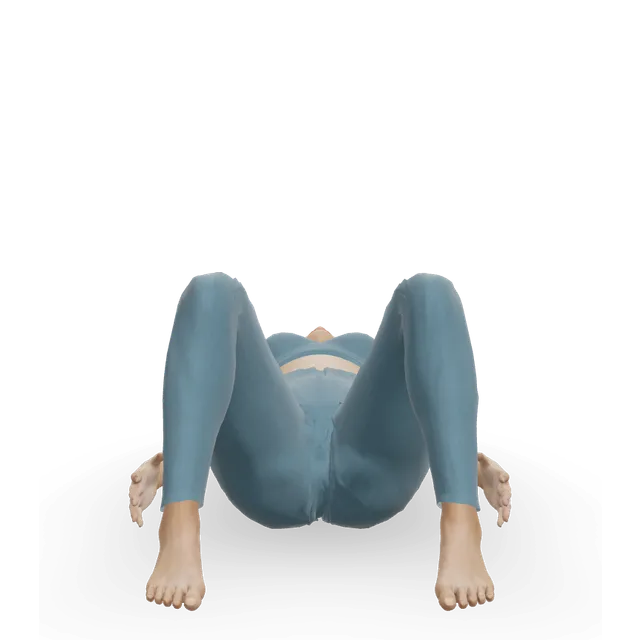
Training guide

How to do hip airplanes: single-leg balance and hip rotation, the glutes, supported and weighted versions, and how many

A hip airplane (or hip aeroplane) is a balance drill on one leg: you hinge forward with your free leg reaching back, then turn your pelvis open towards the ceiling and back down, your standing foot planted. Hold a wall while you learn, go only as low as you can balance, and start with 2 sets of 5 slow turns each leg.

It trains balance, hip rotation and the side glutes at the same time. The evidence is thin: one muscle-activity study and one small trial in which it was part of a programme. It isn't a proven fix for hip impingement or falls, and with pain at the front of the hip you keep to the opening turn.

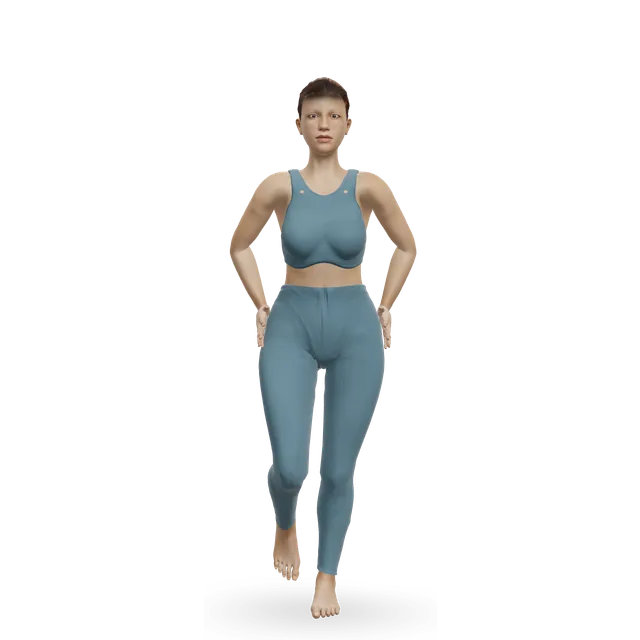
This guide shows the turn on the 3D figure, what it works, how it differs from the single-leg deadlift, the supported and weighted versions, balance and hip pain, who should wait, and how many to do.

The short version

The move

Stand on one leg with a soft knee and one hand on a wall, hinge forward as the other leg reaches long behind you, only as low as you can balance, then turn your pelvis and chest open towards the ceiling over the planted foot and back down until your hips are square. Do your turns, stand up and change legs. The drill is credited to the spine researcher Stuart McGill.

Source 1

The evidence is thin

In one study of 20 healthy men, the hip airplane drew more activity from the gluteus medius (on the side of the hip) than single-leg squats or pelvic drops. In one small trial, a standing hip programme that included it improved single-leg balance in women with knee osteoarthritis. No trial has tested the drill on its own.

Sources 2, 3

Balance: you get better at what you practise

Balance and functional exercise cut falls in older people by about a quarter, but balance gains are largely specific to what you practise. Hip airplanes make you better at turning on one leg; for steadier walking and fewer falls, our balance guide's programmes have the evidence.

Sources 4, 5

Hip pain: keep to the opening turn

No study has tested hip airplanes for hip impingement. The physiotherapy programmes tested for it strengthen the glutes and the deep muscles that turn the thigh out, and avoid deep bending with the knee turned in. So with pain at the front of the hip, turn open and don't turn past square on the way back.

Sources 6, 7, 1

Who should wait

After a hip replacement, wait for your surgical team: the NHS says not to bend the hip past 90 degrees or do sudden turns while it recovers. With pelvic girdle pain in pregnancy, standing on one leg can make it worse. If you're dizzy or have fallen recently, keep a hand on something solid.

Sources 8, 9

How many

2 sets of 5 slow turns each leg, holding a support at first (the move page's dose). With hip pain, 2 sets of 3 to 5 each side in a comfortable range (our hip pain guides). Build towards 2 to 3 sets of 8 to 10 slow turns, 2 or 3 times a week (our editorial starting point, below the trial's 3 sets of 10).

Source 3

What a hip airplane is

A single-leg hinge with a turn

You balance on one leg in a hinge, the trunk and back leg in one line, and turn your pelvis open over the standing hip and back. Squat University says Stuart McGill designed it "as an active flexibility exercise for the glute muscles", and strength coaches use it as a hip control drill and warm-up.

Sources 1, 10

Which way the hip turns

Opening the pelvis towards the ceiling turns the standing hip outwards (external rotation). Squat University also turns past square, towards the standing leg, which turns the hip inwards (internal rotation). Our move page stops at square, and that's its rule with any pain at the front of the hip.

Source 1

The muscles and joints

The standing leg's glutes (gluteus medius and minimus at the side, gluteus maximus at the back) and the deep muscles that turn the thigh out (piriformis, the obturators, the gemelli and quadratus femoris) control the turn; the hamstrings and back muscles hold the hinge; your trunk keeps the chest and back leg moving as one; and your ankle and foot balance it all. Nobody has measured the deep rotators in it.

Sources 2, 11, 12

Not the same as an airplane balance

"Airplane" also names a balance on one leg with the arms out and no turn, like a dancer's arabesque or warrior 3 in yoga. That one is close to our single-leg Romanian deadlift; this guide is about the turning drill.

Before you start

Steady single-leg balance and a controlled single-leg hinge, as our move page asks: in practice, about 30 seconds on one leg near a support and a few controlled single-leg Romanian deadlifts at a wall.

How people differ

Most people find one hip turns better than the other. Normal hip rotation varies a lot with the shape of the bones. Athletes with groin pain have less inward rotation, though measuring it doesn't predict who will get pain.

Sources 13, 14

How to do a hip airplane, step by step

From our move page and Squat University, in our editorial wording; the 2 to 3 seconds a turn is the pace the Kang trial used. The 3D figure does it free-standing.

  1. Stand side-on to a wall or the back of a sturdy chair, one hand resting on it, and shift onto the leg nearer the wall with a soft knee.
  2. Hinge forwards from the hip as your free leg reaches long behind you, until your trunk and back leg form one line, only as low as you can balance.
  3. Keeping your standing foot planted and your knee over your middle toes, turn your pelvis and chest open, away from the standing leg, towards the ceiling.
  4. Pause for a moment, then turn back down until your hips are square to the floor. That's one turn.
  5. Breathe steadily and move slowly, 2 to 3 seconds each way.
  6. Do your turns, stand up, rest, and change legs. When it's steady, lift your hand off the wall.

Loading the 3D figure…

Gets into position, then repeats the movement. Technical checks passed; qualified exercise review is pending.

The movement on the figure: Hip airplane

What it works, and what the evidence says

The side glutes work hardEmerging evidence

In 20 healthy men, gluteus medius activity was higher in the original and a modified hip airplane than in single-leg squats and pelvic drops, while the gluteus maximus worked hardest in the single-leg squat, and the muscle at the front of the hip (tensor fasciae latae) worked least in the modified airplane. The authors call the original "a challenging and advanced movement". We could read only the abstract, which gives no percentages.

Source 2

One trial, as part of a programmeEmerging evidence

Kang and colleagues randomised 26 women aged 50 to 64 with mild knee osteoarthritis (22 analysed) to a standing hip programme with four exercises including the hip airplane, or lying and seated hip exercises (side-lying leg raises, clamshells, seated rotation and standing leg raises), twice a week for 10 weeks. The airplane was done as 3 sets of 10 each side, 2 to 3 seconds a turn, with fingertip support withdrawn over time.

The standing group swayed less on one leg and reached further on a balance test (the affected leg's reach rose from 87% to 100% of leg length, 16 points more than the other group). It's small and unblinded, it didn't measure pain, the test resembled the training, and the airplane can't be separated from the other three exercises.

Source 3

Glutes in single-leg workEmerging evidence

Single-leg squats and single-leg deadlifts drew about 55 to 65% of maximum glute activity in small studies; across 23 studies, step-ups and a rotational single-leg squat drew the most gluteus maximus activity; and standing on one leg while the other leg moves loaded the gluteus medius highly across 20 studies. Adding a load raised modelled glute forces, and the loaded single-leg Romanian deadlift was top tier for all three glutes in 14 female footballers. Muscle activity shows effort, not what a muscle will build.

Sources 15, 16, 17, 18, 19, 20

The deep hip rotatorsMixed evidence

The small muscles deep in the buttock turn the thigh out and have been proposed as hip stabilisers. But recordings suggest the obturator internus works mainly in particular directions rather than as a general stabiliser, a model found the deep muscles add little to hip stiffness, and its authors say the merit of training them for hip stability "remains unclear". The one imaging study of exercises that switch them on tested only lying exercises.

Sources 11, 21, 12, 22

Not tested on its own

We found no trial of the hip airplane alone for hip pain, impingement, falls or injuries, and no rehabilitation guideline after hip arthroscopy that names it: one hospital's guideline uses windmills and lawnmowers in weeks 7 to 12, not airplanes. Its use rests on coaching and clinical practice.

Source 23

Hip airplane vs the single-leg deadlift

Same hinge, different job

Both start with a single-leg hinge. The single-leg deadlift keeps your hips square on purpose and adds a weight for strength; the hip airplane turns your hips open on purpose to train rotation and balance. Learn the single-leg deadlift at a wall first, as our single-leg deadlift guide teaches it, then add the turn.

Vs clamshells and hip circles

Clamshells work the same outward-turning muscles lying down, and standing hip circles move the hip through its range on one leg without the hinge. Both are easier steps on the way to the airplane.

Build up to it

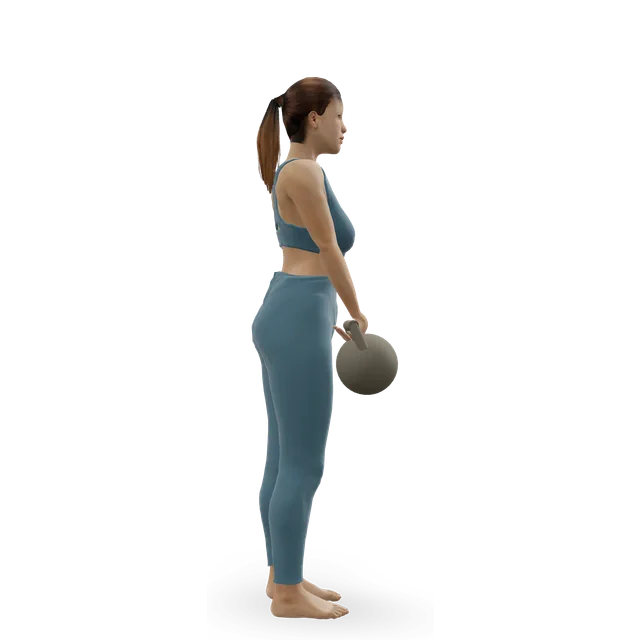
Single-leg stands, 3 holds of 10 to 30 seconds each side near a support (our outer hip pain guide; the NHS one-leg stand holds 5 to 10 seconds, 3 times each side); standing hip circles, 3 slow circles each way with each leg, 20 to 30 seconds a circle (the move page's dose); single-leg Romanian deadlifts, 2 sets of 6 to 8 each leg with your fingertips on a wall (our balance guide); hip airplanes, 2 sets of 5 slow turns each leg (the move page's dose); then a loaded single-leg hinge, single-leg kettlebell deadlifts, 3 sets of 6 to 8 each side (our kettlebell workout B).

Supported, foam roller and weighted airplanes

Supported

One hand on a wall, a rack, the back of a chair or a stick while you learn: that's how our move page and the trial started. A kickstand version rests the back toes on the floor (our editorial suggestion).

Foam roller

Hold a foam roller upright on the floor in one hand as a support. It's a popular coaching version and works the same way as a wall.

Weighted

Once free-standing turns are steady, hold a light dumbbell or kettlebell in the hand on the standing side as a counterweight, as Squat University does; it also uses a band round the standing knee. Adding a load raised glute forces in single-leg hinges in a modelling study.

Sources 1, 19

No demo for these

The supported, kickstand, foam roller and weighted versions have no 3D demo: follow the steps above with the hip airplane demo.

Hip airplanes and balance

Exercise prevents fallsStrong evidence

In older people living at home, exercise cut the rate of falls by 23%, and balance and functional exercises by 24% (108 trials, 23,407 people, average age 76). That's for regular programmes, not for any one drill.

Source 4

Balance training improves balanceStrong evidence

Balance training improves balance in young and older adults; about 3 sessions a week for 11 to 12 weeks did best across trials of limited quality.

Sources 24, 25

Mostly for what you practiseEmerging evidence

Across 6 trials of 102 people, balance training improved the trained tasks but had "only minor or no effects on non-trained tasks". So hip airplanes mostly make you better at hip airplanes and tasks like them, as the Kang trial's single-leg tests suggest.

Sources 5, 3

Ankle sprainsStrong evidence

Balance training cut ankle sprains in athletes (risk ratio 0.65; 7 trials, 3,726 athletes), with moderate evidence for preventing repeat sprains. Hip strengthening with bands improved balance tests in 26 people with unstable ankles. Neither used hip airplanes.

Sources 26, 27, 28

Hip strength and knee injuriesEmerging evidence

Weaker hip outward rotation and side strength predicted ACL (anterior cruciate ligament) injury in 501 athletes, but with only 15 injuries. Weak hips are probably a result rather than a cause of kneecap pain, yet hip plus knee strengthening eases it. No study has tested hip airplanes for either.

Sources 29, 30, 31, 32

Hip impingement, hip pain and after a hip replacement

Hip impingement: physiotherapy firstMixed evidence

For hip impingement (femoroacetabular impingement, or FAI, syndrome), an international consensus recommends at least 3 months of exercise-based physiotherapy, though strong trial evidence for it is lacking. In two UK trials, surgery gave a modestly better average result at 12 months (348 and 222 people) and both groups improved. About half of people respond to non-surgical care (26 studies, 1,153 people).

Sources 6, 33, 34, 35, 36, 37

The opening turn only, with front-of-hip pain

The physiotherapy in those trials strengthened the gluteus maximus, the deep outward rotators and the gluteus medius first, in a pain-free range, with balance exercises, and advised avoiding deep bending with the hip turned in. Neither programme names the airplane. The opening turn works the muscles they strengthen; turning back past square in a deep hinge moves towards the position they avoid. So with pain at the front of the hip, keep to the opening turn and stop at square, as our move page and Squat University say.

Sources 7, 38, 36, 1

With hip pain, a smaller dose

Our hip impingement, labral tear, snapping hip and hip dysplasia guides use 2 sets of 3 to 5 each side, holding a support, in a pinch-free middle range.

During the exercise, pain up to about 5 out of 10 is acceptable. It should settle within an hour or so, and your hip should be no worse that night or the next morning, as our hip pain guides say.

Hip osteoarthritisMixed evidence

NICE recommends therapeutic exercise tailored to the person for everyone with osteoarthritis. The 2026 Cochrane update found exercise probably reduces hip osteoarthritis pain only slightly against no treatment or usual care (about 7 points out of 100, moderate certainty), an effect "unlikely to be clinically meaningful", and may make little or no difference against a placebo; the 2014 version had found about 8 points. Hip airplanes haven't been tested in hip osteoarthritis. Our hip arthritis guide has the plan.

Sources 39, 40, 41

Outer hip painEmerging evidence

Education plus exercise beat a steroid injection and wait and see for outer hip (gluteal tendon) pain in the LEAP trial of 204 people; its exercises trained control of the hip dropping or drifting inwards. In an airplane, keep the standing hip level: it shouldn't drop or swing out to the side.

No extra pain over the bony point on the side of your hip during or after, and the hip no worse that night or the next morning, as our outer hip pain guide says.

Source 42

After a hip replacementMixed evidence

The NHS says "do not bend your hip more than 90 degrees" and not to do exercises with "sudden turns, or where there is a high risk of falling" while your hip recovers, and a new hip can dislocate. A review questions routine hip precautions after back-approach replacements (low to very low certainty evidence). A hip airplane bends the standing hip, turns on a planted foot and risks a fall, so it waits until your surgical team or physiotherapist clears it, whatever the precautions debate.

Sources 8, 43, 44

How many and how often

Start

2 sets of 5 slow turns each leg, holding a support at first (the move page's dose, our editorial starting point). Squat University suggests 3 to 5 turns before standing back up.

Source 1

With hip pain

2 sets of 3 to 5 each side, holding a support, in a pinch-free middle range, as our hip pain guides dose it.

Build to

2 to 3 sets of 8 to 10 slow turns each leg (our editorial starting point, within the Kang trial's 3 sets of 10 and Squat University's 1 to 2 sets of 10 to 20). Let go of the support first, then add turns, then a light weight.

Sources 3, 1

How often

2 or 3 times a week. The trial trained twice a week, the NHS suggests balance exercises at least twice a week, and balance trials did best with about 3 sessions.

Sources 3, 45, 25

Rest

Do the other leg, then rest about a minute (our editorial starting point). A lost balance ends the set.

Weighted

Only once 2 sets of 8 free-standing turns are steady: a light dumbbell, 2 to 3 sets of 8 to 10 (our editorial starting point; Squat University's banded version uses 2 to 3 sets of 10).

Source 1

Common mistakes

Turning from the lower back or the shoulders only

Turn your pelvis; your trunk and back leg move as one, as our move page says.

The standing knee falling inwards

Keep it over your middle toes.

Hinging deeper than you can balance

Stay higher. The depth isn't the point.

The standing hip dropping or swinging out to the side

Keep your pelvis level as you turn. With outer hip pain, no extra pain over the bony point.

Rushing

Slow turns, 2 to 3 seconds each way. A lost balance ends the set.

Pushing into a pinch at the front of the hip

Keep to the opening turn and stop at square, as our move page says.

Moves that go with it

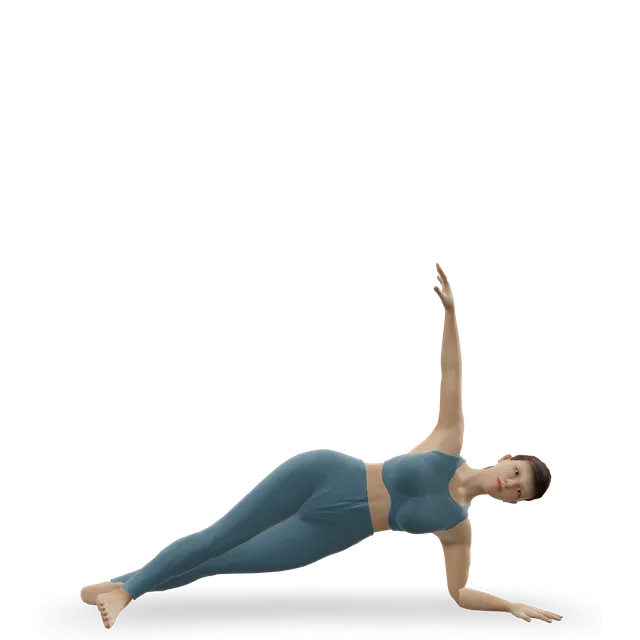
Single-leg reach matrix, 3 rounds of 5 reaches in each direction, each leg (the move page's dose); 90/90 hip lift-offs for hip rotation range, 3 holds of 5 to 8 seconds each way, each side (the move page's dose). Side planks with a leg lift, 2 sets of 10 each side (our Pilates for runners workout); single-leg glute bridges, 2 sets of 8 to 10 each side (our Pilates strength workout); clamshells for the outward rotators, 2 sets of 10 to 12 each side (our hip impingement guide); lateral band walks, 2 or 3 sets of 10 to 15 steps each way (our band walk guide).

Workouts

The pelvic control routine uses hip airplanes at the move page's dose, after single-leg stands; the Pilates sessions for golfers, tennis players and skiers do 5 slow turns each leg holding a counter. The balance and hip mobility sessions build the steps before it.

Who should wait or change it

After a hip replacement

Wait until your surgical team or physiotherapist clears pivoting and deep hip bending, as the NHS's recovery advice and our Pilates after hip replacement guide say.

Source 8

After a knee replacement

Avoid twisting on a planted foot early on, as our Pilates after knee replacement guide says.

Hip impingement, a labral tear, snapping hip or hip dysplasia

2 sets of 3 to 5, holding a support, in a pinch-free middle range, keeping to the opening turn, as our hip guides dose it.

Pregnancy

With pelvic girdle pain, skip it: the NHS says standing on 1 leg can make it worse. Otherwise hold a support, especially later in pregnancy, as the NHS advises avoiding activities with a risk of falling.

Sources 9, 46

Dizziness, vertigo, numb feet or a recent fall

Keep a hand on a support throughout and have someone nearby. The NHS suggests doing balance exercises near a wall or a stable chair.

Source 45

Knee pain

Pain from 0 to 2 out of 10 is fine, and up to 5 is acceptable if your knee is back to its usual level by the next morning; for tendon pain just below or above the kneecap, keep it to 3 or less. Sharp, catching or giving-way pain, or new swelling, means stop. That's our knee guides' rule.

Warning signs

Falls

Call 999 after a fall with a possible head, neck, back or hip injury, or if someone can't get up. Get help from NHS 111 if someone who has fallen may be in pain, injured or unwell, and see a GP if you've had a fall or are worried about your balance. Practise near a wall or a stable chair, and stop if you feel dizzy or light-headed.

Sources 47, 45

Stop and get medical help

If you get chest pain or pressure, feel faint or dizzy, are unusually breathless, or your heart races or beats irregularly during exercise, as our plans advise. The American Heart Association says these need immediate medical evaluation.

Source 48

Call 999 (911 in the US)

For chest pain that comes on suddenly and doesn't go away, feels tight or like squeezing, spreads to your arms, neck, jaw, stomach or back, or comes with sweating, feeling sick, light-headedness or breathlessness; arm pain that comes on suddenly with pressure, heaviness or squeezing across your chest; severe difficulty breathing, or a chest that feels tight or heavy; someone who faints while exercising; palpitations that don't go away, or come with chest pain, shortness of breath or feeling faint; or a headache that starts suddenly and is extremely painful, especially while lifting or straining. The NHS says a bleed on the brain may be more likely when lifting something heavy. Don't drive yourself to A&E.

Sources 49, 50, 51, 52, 53, 54, 55, 56

A headache with effort

Ask for an urgent GP appointment or get help from NHS 111 for a headache that's triggered or made worse by coughing, sneezing, bending down or exercising.

Source 55

Your hip

Call 999 or go to A&E for severe hip pain after a fall or injury, if you can't walk or put weight on the leg, or for tingling or loss of feeling in your hip or leg after an injury. Ask for an urgent GP appointment or get help from NHS 111 for severe hip pain that started suddenly without an injury, or a hip that's swollen and hot. See a GP if hip pain hasn't improved after 2 weeks of looking after it yourself.

Source 57

Your knee

Get advice from NHS 111 if your knee is very painful, you can't move it or put weight on it, it's badly swollen or has changed shape, or it locks, gives way or clicks painfully (painless clicking is normal). See a GP if knee pain doesn't improve within a few weeks. In the US, your doctor or urgent care.

Source 58

A twist or a pulled muscle

Call 999 or go to A&E if you heard a crack, the joint or limb has changed shape or points at an odd angle, it's numb or tingling, or the skin looks blue or grey or feels cold. Get help from NHS 111 (in the US, urgent care) if it's very painful, very swollen or bruised, very stiff, or you can't put weight on it or walk more than a few steps.

Source 59

Back pain

Call 999 or go to A&E: loss of feeling or numbness around the genitals or bottom, new trouble peeing or controlling your bladder or bowels, changes in genital sensation during sex or problems with erections or orgasm, or pain, tingling, weakness or numbness in both legs. These are signs of cauda equina syndrome, which needs treating in hospital urgently. Don't drive yourself.

See a GP if pain spreading down a leg hasn't improved after a few weeks of home treatment, is getting worse or stops your normal activities. Sciatica on both sides, or weakness or numbness in both legs that's severe or getting worse, is a 999 call or a trip to A&E.

Sources 60, 61

A new lump or bulge in your groin or tummy

See a GP if you think you have a hernia, a bulge or lump that may get bigger when you strain and smaller when you lie down. Get help from NHS 111 if you have a hernia and pain in or around it, a bloated tummy, you feel or are sick, you're vomiting blood or your vomit looks like coffee grounds, you're constipated, you have a high temperature or feel hot, cold or shivery, or you've suddenly become confused. Call 999 or go to A&E for a femoral hernia (a small lump at the top of your thigh, in your groin) with very bad tummy pain, sickness, being unable to fart or poo, a high temperature or sudden confusion.

The NHS lists lifting heavy weights among the causes of a femoral hernia. After an inguinal hernia repair, avoid heavy lifting or strenuous activity for at least 4 to 6 weeks.

Sources 62, 63, 64

Before you start

Speak to your GP first if you haven't exercised for some time or have medical conditions or concerns, as the NHS advises. Get advice before hard or straining work if your blood pressure is uncontrolled (140/90 or higher at a clinic, or 135/85 at home), or you have heart disease or chest pain when you're active, a pacemaker or defibrillator, diabetic eye disease, glaucoma, a hernia, recent eye or tummy surgery, or you're pregnant, as our breathing guide lists.

With controlled high blood pressure, the American Heart Association considers low- to moderate-intensity strength training with proper breathing safe. Breathe out as you lift, as our breathing guide advises.

Sources 65, 66, 48

Myths

"Hip airplanes fix hip impingement"

No study has tested them for it. Impingement is treated first with at least 3 months of exercise-based physiotherapy, which helps about half of people; the trial programmes strengthened the glutes and outward rotators and avoided deep bending with the hip turned in; and exercise doesn't change the shape of the bone, as our hip impingement guide explains. The airplane's opening turn fits those programmes; turning back past square can pinch.

Sources 6, 37, 7, 36

"Hip airplanes will fix your balance"Emerging evidence

They improve balance on tasks like themselves. The falls evidence is for balance programmes practised regularly, not for one drill.

Sources 3, 5, 4

"It's a stretch"Emerging evidence

It's a single-leg strength and control drill that works the side glutes hard in the one study of it. Squat University calls it "active flexibility".

Sources 2, 1

"Turn both ways, as far as you can"

With pain at the front of the hip, keep to the opening turn, as our move page and Squat University say, and as non-surgical impingement programmes avoid deep bending with the hip turned in. After a hip replacement, wait.

Sources 1, 7, 8

"Hip airplanes fix knee pain, back pain or sciatica"

Never tested. Hip strengthening helps kneecap pain alongside knee exercises, but the airplane itself hasn't been tested for any pain. Our knee, back pain and sciatica guides have tested plans.

Source 32

"It's a beginner exercise"

Our move page rates it hard and asks for steady single-leg balance and a controlled single-leg hinge first; the authors of the muscle study call it "a challenging and advanced movement".

Source 2

"Glute activation drills make you stronger or faster"Emerging evidence

Six weeks of body-weight glute activation drills didn't raise hip extension force or muscle activity in 24 rugby players.

Source 67

Questions people ask

What is a hip airplane?

A single-leg balance drill: you hinge forward on one leg with the other leg reaching back, then turn your pelvis open towards the ceiling and back down, the standing foot planted. It trains balance, hip rotation and the side glutes together.

How do you do hip airplanes?

Stand on one leg with a hand on a wall, hinge forward as your free leg reaches back, only as low as you can balance, then turn your pelvis and chest open away from the standing leg and back to square. Do 5 slow turns, stand up and change legs.

What muscles do hip airplanes work?

Mainly the glutes of the standing leg, especially the gluteus medius at the side: in one study of 20 men it worked harder than in single-leg squats or pelvic drops. The deep hip rotators, hamstrings and trunk help.

How many hip airplanes should I do?

Start with 2 sets of 5 slow turns each leg, holding a support (our move page's dose), and build towards 2 to 3 sets of 8 to 10 (our suggestion). With hip pain, 2 sets of 3 to 5 in a comfortable range.

How often should I do hip airplanes?

2 or 3 times a week is plenty. The one trial used them twice a week for 10 weeks, and the NHS suggests balance exercises at least twice a week.

Do hip airplanes help hip impingement?

No study has tested them for it. Exercise-based physiotherapy is the first treatment for impingement; if hip airplanes are part of yours, keep to the opening turn and don't turn past square if the front of your hip pinches.

Do hip airplanes improve balance?

They improve the balance they practise: balance training mostly helps the tasks you train. A programme that included them improved single-leg balance in women with knee osteoarthritis; for steadier walking and fewer falls, our balance guide has the tested programmes.

Hip airplane or single-leg deadlift?

Both start with a single-leg hinge. The single-leg deadlift keeps your hips square and adds a weight for strength; the hip airplane turns your hips open on purpose to train rotation and balance. Learn the single-leg deadlift at a wall first.

Can I do weighted hip airplanes?

Yes, once free-standing turns are steady: hold a light dumbbell in the hand on the standing side as a counterweight. There's no 3D demo of it, so follow the standard steps.

What if I can't balance?

Hold a wall, a rack or the back of a chair with one hand, hinge less, or rest your back toes on the floor while you learn. A lost balance ends the set.

Can I do hip airplanes after a hip replacement?

Not until your surgical team or physiotherapist says so. The NHS advises no bending past 90 degrees and no sudden turns or high fall risk while your hip recovers.

Are hip airplanes good for knee or back pain?

Nobody has tested them for either. Strengthening the hips alongside knee exercises helps kneecap pain, and our back pain guides have plans for backs.

Sources

  1. Squat University 2018 · The hip airplane (coaching and physiotherapy article)
  2. Song 2025 · Glute muscle activity in the hip airplane and three other exercises, in 20 healthy men (EMG study, J Back Musculoskelet Rehabil)
  3. Kang 2025 · Standing against lying and seated hip exercise for balance, in 22 women aged 50 to 64 with knee osteoarthritis (randomised trial, Healthcare)
  4. Sherrington 2019 · Exercise for preventing falls in older people living at home: 108 trials (Cochrane review)
  5. Kümmel 2016 · How specific balance training is: 6 trials, 102 people (systematic review and meta-analysis, Sports Med)
  6. Kemp 2020 · Physiotherapist-led treatment for hip-related pain in active adults (consensus recommendations, Br J Sports Med)
  7. Wall 2016 · Personalised Hip Therapy: the physiotherapy programme of the UK FASHIoN trial (protocol, Br J Sports Med)
  8. NHS · Recovering from a hip replacement
  9. NHS · Pelvic pain in pregnancy (past its review date: reviewed December 2022, review due December 2025)
  10. Gentilcore 2019 · Exercises you should be doing: the supported hip airplane (coaching article)
  11. Retchford 2013 · Can the deep hip muscles add stability to the hip? (narrative review, J Musculoskelet Neuronal Interact)
  12. Meinders 2022 · The deep hip muscles and hip stability during walking (modelling study, IEEE Trans Biomed Eng)
  13. Mosler 2015 · What sets athletes with hip and groin pain apart (systematic review and meta-analysis, Br J Sports Med)
  14. Tak 2017 · Is less hip movement a risk factor for groin pain in athletes? (systematic review, Br J Sports Med)
  15. DiStefano 2009 · Glute muscle activity in 12 common rehabilitation exercises, in 21 active adults (EMG study, JOSPT)
  16. Boren 2011 · Gluteus medius and maximus activity in rehabilitation exercises, in 24 people (EMG study, Int J Sports Phys Ther)
  17. Macadam 2015 · Glute activity in hip abduction and outward rotation exercises: 23 studies (systematic review, Int J Sports Phys Ther)
  18. Ebert 2017 · Exercises to load the gluteus medius progressively: 20 studies (systematic review, J Sport Rehabil)
  19. Collings 2023 · Glute muscle forces in hip-focused injury prevention and rehabilitation exercises, in 14 female footballers (modelling study, MSSE)
  20. Vigotsky 2022 · Muscle activity measured in one session isn't a validated predictor of muscle growth (review, Sports Med)
  21. Hodges 2014 · What the obturator internus does, recorded with fine-wire EMG (lab study, J Electromyogr Kinesiol)
  22. Kim 2026 · Superficial and deep glute muscle activity on MRI after four exercises, in 10 adults (lab study, Sports Health)
  23. Hospital for Special Surgery · Hip arthroscopy, labral repair or debridement: post-operative rehabilitation guidelines (2021 to 2023)
  24. Lesinski 2015 · How much balance training for healthy young adults: 25 trials (systematic review and meta-analysis, Sports Med)
  25. Lesinski 2015 · Balance training in healthy older adults: 23 trials (systematic review and meta-analysis, Sports Med)
  26. Rivera 2017 · Balance training to prevent ankle sprains: 7 trials, 3,726 athletes (evidence review, J Athl Train)
  27. Doherty 2017 · Treatment and prevention of acute and recurrent ankle sprain (overview of systematic reviews, Br J Sports Med)
  28. Smith 2018 · Hip strengthening in 26 people with unstable ankles (randomised trial, J Sport Rehabil)
  29. Khayambashi 2016 · Hip muscle strength and ACL injury in 501 athletes (prospective study, Am J Sports Med)
  30. Neal 2019 · Risk factors for kneecap pain: 18 studies, 4,818 people (systematic review and meta-analysis, Br J Sports Med)
  31. Rathleff 2014 · Is hip strength a risk factor for kneecap pain? (systematic review and meta-analysis, Br J Sports Med)
  32. Lack 2015 · Hip and trunk muscle rehabilitation for kneecap pain (systematic review and meta-analysis, Br J Sports Med)
  33. Kemp 2020 · Physiotherapist-led treatment for hip-related pain (systematic review and meta-analysis, Br J Sports Med)
  34. Griffin 2016 · The Warwick Agreement on femoroacetabular impingement syndrome (international consensus, Br J Sports Med)
  35. Griffin 2018 · Hip arthroscopy against personalised physiotherapy for hip impingement in 348 people: UK FASHIoN (randomised trial, Lancet)
  36. Palmer 2019 · Hip arthroscopy against physiotherapy and activity change for hip impingement in 222 people: FAIT (randomised trial, BMJ)
  37. Probst 2023 · How many people respond to non-surgical treatment for hip-related pain: 26 studies, 1,153 people (systematic review and meta-analysis, JOSPT)
  38. Palmer 2014 · The FAIT protocol: surgery against physiotherapy for hip impingement (trial protocol, Bone Joint Res)
  39. NICE NG226 · Osteoarthritis in over 16s: diagnosis and management (guideline, 2022)
  40. Hall 2026 · Exercise for hip osteoarthritis: 18 studies, 1,368 people (Cochrane review)
  41. Fransen 2014 · Exercise for osteoarthritis of the hip (Cochrane review, replaced by the 2026 update)
  42. Mellor 2018 · Education plus exercise, a steroid injection or wait and see for outer hip (gluteal tendon) pain in 204 people: LEAP (randomised trial, BMJ)
  43. NHS · Complications of a hip replacement
  44. Korfitsen 2023 · Hip precautions after a back-approach hip replacement (systematic review and meta-analysis, Acta Orthop)
  45. NHS · Balance exercises
  46. NHS · Exercise in pregnancy
  47. NHS · Falls
  48. Paluch 2024 · Resistance exercise training with and without cardiovascular disease: 2023 update (American Heart Association scientific statement, Circulation)
  49. NHS · Chest pain (past its review date: reviewed August 2023, review due August 2026)
  50. NHS · Heart attack
  51. NHS · Elbow and arm pain
  52. NHS · Shortness of breath
  53. NHS · Fainting
  54. NHS · Heart palpitations
  55. NHS · Headaches
  56. NHS · Subarachnoid haemorrhage
  57. NHS · Hip pain in adults
  58. NHS · Knee pain
  59. NHS · Sprains and strains
  60. NHS · Back pain
  61. NHS · Sciatica
  62. NHS · Hernia
  63. NHS · Femoral hernia
  64. NHS · Inguinal hernia repair
  65. NHS · Physical activity guidelines for adults aged 19 to 64
  66. NHS · High blood pressure
  67. Cochrane 2017 · Six weeks of body-weight glute activation drills in 24 rugby players (trial, Res Sports Med)

Exercise education, not a personal prescription, and clinical review of these guides is pending. Check with a GP before starting hard training if you have a heart condition, chest pain, dizziness or breathlessness when active, and stop for sharp or increasing pain. Health disclaimer.