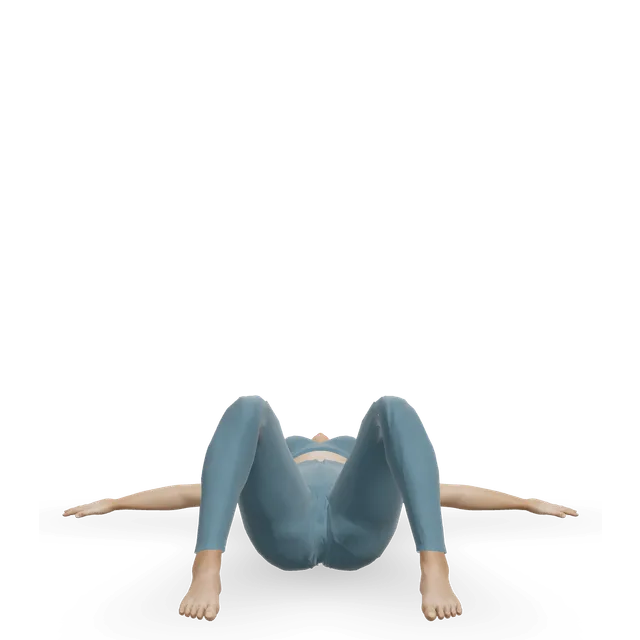
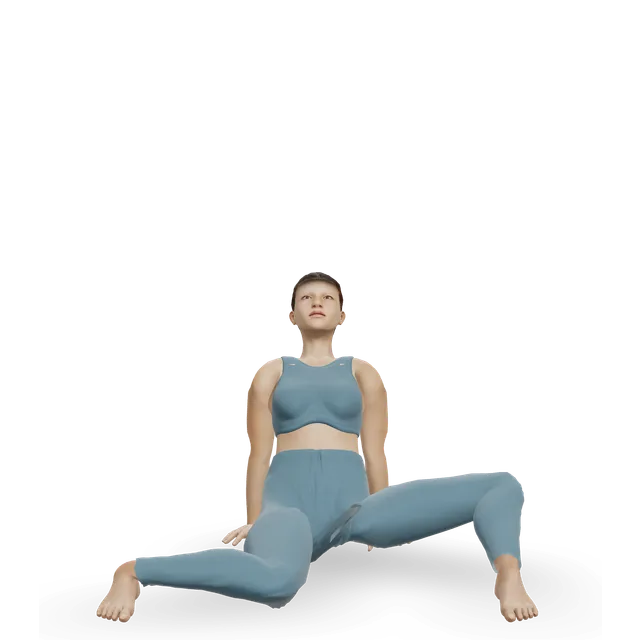
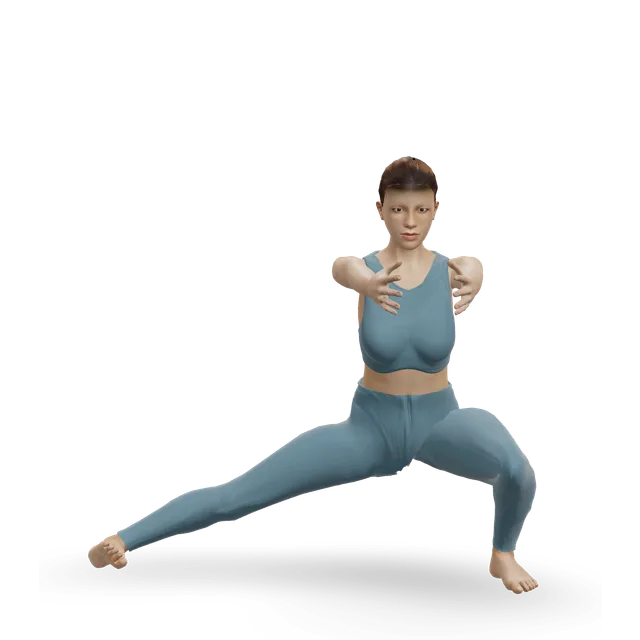
Hip pain from Pilates: the hip flexors, clicks, side-lying work and deep bends, and what to change

Hip pain from Pilates is usually a muscle or tendon meeting more work than it's used to. The front of the hip aches when the hip flexors hold your legs up in the hundred, the lower lift or the teaser; a click at the front or side in leg circles is common and usually harmless; and the bony point on the side of the hip gets sore when side-lying work or lying on that side squeezes the gluteal tendons. A deep pinch in the groin in deep bends points to the hip joint. Pilates is safe for most people: bent knees, smaller circles, a pillow between your knees and not lying on a sore hip usually let you keep going.

This guide starts with the signs that need help, from a 999 call or accident and emergency (A&E) for severe hip pain after a fall from the reformer or a leg you can't stand on, to an urgent general practitioner (GP) appointment or the National Health Service's 111 line (NHS 111) for a hot, swollen hip with a high temperature or a child with a limp. It then maps the causes by where it hurts, explains what the outer hip trial and the hip impingement trials show, covers the reformer's straps and springs and what to tell your instructor, and gives a three-stage plan with a 3D demo of every move, back to your usual class.

When to get help first

Exercise is for pain that has been checked or is clearly mild and settling.

Get urgent medical help if

  • Call 999 or go to A&E: severe hip pain after a fall or injury, or you cannot stand, walk or put weight on the leg. In an older adult this can be a broken hip; the leg may be at an odd angle or look shorter. Don't drive yourself.
  • Call 999 or go to A&E: tingling or loss of feeling in the hip or leg after an injury.
  • Call 999 or go to A&E if you have sciatica on both sides, weakness or numbness in both legs that's severe or getting worse, or numbness around or under your genitals, or around your bottom (anus); if you find it hard to start peeing, cannot pee or cannot control when you pee; or if you do not notice when you need to poo or cannot control when you poo, and this is not normal for you. These could be symptoms of a serious back problem that needs to be treated in hospital as soon as possible.
  • Ask for an urgent GP appointment or get help from NHS 111 if you have severe hip pain that started suddenly but you've not had a fall or injured your hip, your hip is swollen and feels hot, the skin around your hip has changed colour, or you have hip pain, feel generally unwell and have a high temperature (although not everyone has one) or feel hot, cold or shivery. A hot, swollen hip with a high temperature can be a joint infection.
  • Same day (urgent GP appointment or NHS 111): sudden, severe pain in one joint, with swelling, a change in skin colour or difficulty moving it, especially if you feel unwell, hot, cold or shivery or have a high temperature (although not everyone has one). It could be an infection in the joint, gout or calcium crystals (pseudogout), and only a sample of fluid from the joint can tell them apart.
  • Call 999 or go to A&E if your child gets sudden pain in their hip, knee or thigh (hip problems can sometimes be felt in the thigh or knee) or cannot put any weight on their leg. If your child is limping, ask for an urgent GP appointment or get help from NHS 111 the same day. This applies to teenagers too, and in some children knee pain is the only sign.
  • Same day, and stop running now: groin or front-of-hip pain in a runner, sometimes felt in the thigh or knee, that builds with running, hurts with every step or at night, or hurts when the hip is turned to the end of its range. Keep weight off the leg, using crutches if you have them, and get an urgent GP appointment or help from NHS 111 the same day: a stress fracture of the hip (femoral neck) needs urgent imaging.
  • Contact a GP immediately, go to 111.nhs.uk or call NHS 111: a new or frequent headache that usually comes on suddenly (your scalp may also feel sore or tender), pain in the jaw muscles or tongue when eating or talking, or problems with your sight, such as double vision or loss of vision in 1 or both eyes. With pain and stiffness around the shoulders, these can be signs of temporal arteritis (giant cell arteritis), which up to 1 in 5 people with polymyalgia rheumatica develop. If you suddenly can't see from 1 or both eyes, call 999 or go to A&E.
  • Call 999 or go to A&E now if you have a femoral hernia (a small lump at the top of your thigh, in your groin) and very bad tummy pain, you feel sick or you're being sick, you cannot fart or poo, you have a high temperature or you feel hot, cold or shivery, or you've suddenly become confused. Do not drive to A&E. With any other hernia and pain in or around it, a bloated tummy, feeling or being sick, vomiting blood or vomit that looks like coffee grounds, constipation, a high temperature or feeling hot, cold or shivery, or sudden confusion, get help from NHS 111.

See a doctor or physiotherapist if

  • Hip pain that stops normal activities or disturbs sleep, keeps getting worse or keeps coming back, or has not improved after 2 weeks of looking after it at home.
  • Stiffness lasting more than 30 minutes after waking.
  • Bone pain that is constant or worse at night, especially with a lump, unexplained weight loss, fever or tiredness, or a past history of cancer.
  • Hip or groin pain that hasn't settled after 6 weeks, especially with a normal X-ray, or new hip pain if you take high-dose steroids, drink heavily, or have sickle cell disease or lupus: ask your GP about an MRI (magnetic resonance imaging) scan and a hip specialist. It can be avascular necrosis, which an X-ray can miss early on.
  • See a GP if you have pain and stiffness for more than a week, especially if you're over 50, it's in both shoulders (often the neck and hips too) and the stiffness lasts longer than 45 minutes in the morning. It can be polymyalgia rheumatica.
  • The hip catches, locks or gives way, or the click hurts deep in the groin: a problem inside the joint, such as a labral tear or a loose fragment, is possible.
  • Painful snapping that hasn't improved after about 8 weeks of regular exercises: ask a physiotherapist or sports medicine doctor to review it.
  • Outer hip pain that hasn't improved within 6 weeks of following this advice, or that gets worse: talk to a GP or physiotherapist. In many areas you can refer yourself.
  • No improvement after 3 months of good rehabilitation, or sudden weakness walking (a tendon tear is possible).
  • A lump in the groin, upper thigh or tummy, especially one that appears when you cough or strain and goes when you lie down: see a GP, as it may be a true hernia. A femoral hernia (a small lump at the top of the thigh, mainly in women over 50, though it can happen to anyone) needs treating in hospital.
  • A lump in your groin with hip or groin pain: contact your GP. For pain or swelling around your testicles, ask for an urgent GP appointment or get help from NHS 111.
  • Pain, tingling or numbness spreading below the knee that isn't settling after a few weeks, is getting worse or stops your normal activities: see a GP.

Where does it hurt?

Location narrows the likely causes; it does not diagnose.

The front of the hip or the groin crease, a pulling ache or cramp while your legs are held up or lowered (the hundred, the lower lift, the teaser)

Usually the hip flexors working hard, more with straight, low legs. Bent knees, higher legs and one leg at a time usually help.

Read: Hip flexor pain →

The front of the hip, a sudden sharp pain in a kick or a fast leg lift, sometimes with a pop

Possibly a hip flexor strain. A teenager with a pop at the front of the hip bone needs an X-ray the same day.

Read: Hip flexor pain →

A click or clunk at the front as your leg lowers or circles, often painless

Usually the hip flexor tendon flicking over bone (a snapping hip), which is common and usually harmless.

Read: Snapping hip →

A click on the outside of the hip as your leg swings in the side kicks

Usually the iliotibial band flicking over the bony point on the side of the hip.

Read: Snapping hip →

The bony point on the side of the hip, sore to lie on, worse on stairs, after side-lying work or crossed-leg stretches

Usually the gluteal tendons (gluteal tendinopathy, often called hip bursitis). Not lying on that side, a pillow between your knees and no crossed-leg stretches usually help.

Read: Hip bursitis (gluteal tendinopathy) →

A deep pinch in the groin when your knee comes to your chest (rolling like a ball, roll-ups, footwork with your knees deep, the frog in the straps), sometimes with catching

The hip joint: often impingement or a labral problem in younger active adults. Work up to the pinch, not into it.

Read: Hip labral tear →

A deep groin ache and stiffness from mid-life, worse after deep bends and first thing

Possibly hip arthritis.

Read: Hip arthritis →

The inner thigh close to the groin after squeezes (the ring, the inner thigh lift) or wide leg work

Usually the adductors, the inner thigh muscles.

Read: Groin strain →

A lump in the groin that comes and goes, or pain just above the groin crease with ab work

A possible hernia, or groin pain from the lower tummy wall: see the warning signs.

Read: Groin pain →

Deep in the buttock after a sudden jump in classes, worse sitting

Possibly the deep buttock muscles, a contested cause. Build classes up one at a time.

Read: Piriformis syndrome (deep gluteal syndrome) →

Buttock or thigh pain with back pain, or tingling below the knee

The back rather than the hip.

Read: Lower back and hip pain →

A dull ache in the buttocks or thighs a day or two after a new or harder class

Muscle soreness, gone within about a week. Our workout guide covers soreness against a strain.

Read: Hip pain after a workout →

After a fall from the reformer, or a slip with a ball under your leg

A possible fracture, especially with thin bones: see the warning signs.

Read: Broken hip →

Leg raises outside a Pilates class

Our leg raise guide covers the lever, clicks and swaps.

Read: Hip flexor pain in leg raises →

Understand it

Pilates is safe for most people; hip problems from it are rarely countedEmerging evidence

No country collects injury statistics for Pilates, and no survey has counted hip or groin pain in Pilates clients or instructors (the one instructor survey reports only neck and low back pain). An Australian association of Pilates instructors says the usual problems are muscle strain, flares of existing conditions and occasional falls from equipment. Two hip-region cases are published: a 66-year-old woman with osteoporosis, on long-term treatment for it, broke her thigh bone when "The ball rolled forward and pulled her leg with it" during a Pilates exercise, and a 60-year-old woman had severe buttock pain after three yoga and Pilates sessions in a row, taken up after nearly a year of inactivity. For hip pain after yoga poses, see our hip pain after yoga guide.

Most hip pain after a class is a muscle or tendon meeting more work than it is used to. The NHS lists "Sprain or strain, or tendonitis" as a likely cause of pain after intense or repetitive exercise, and outer hip pain alone affects about one in four women over 50.

Sources 1, 2, 3, 4, 5, 6

What Pilates asks of the hipEmerging evidence

Much of the mat repertoire holds the legs off the floor while your trunk keeps the pelvis still: the hundred, the double-leg and straight-leg stretches, the lower lift, scissors, the teaser and the corkscrew. In a lab study of 8 healthy adults, the deep hip flexor (psoas) worked hardest in maximal hip flexion efforts and much less in a curl-up; linking that to front-of-hip pain in Pilates leg work is our reading, as it wasn't measured in Pilates or in people with pain. A review of 87 ab exercise studies lists avoiding active hip flexion with fixed feet among its safety rules.

The single-leg circle moves the thigh around the socket; the side kick series is done lying on one side with the top leg swinging; the roll-up, rolling like a ball, the seal and the spine stretch forward bend the hip deeply. On the reformer, footwork bends and straightens the hips against springs, and work with your feet in the straps (leg circles, frogs, openings) moves the hip through big ranges with the springs helping or resisting. In a lab study of 14 people on Pilates equipment, the spring set-up changed where in the range the hip worked hardest. No study has measured the hip in leg circles, the side kicks, footwork or the straps; the only other Pilates hip lab study is of the clam.

Sources 7, 8, 9, 10

Clicks are common and usually harmlessEmerging evidence

In 87 elite ballet dancers (another group), 91% reported a snapping hip; 58% had some pain with the snap, but only 7% had taken time off dance for it, and on ultrasound the snap was the hip flexor tendon at the front in 59% of hips. About 5% to 10% of people have a painless snapping hip, and it is called a problem only when it hurts. When it does, care without surgery comes first, and a review says most cases resolve within 6 to 12 months.

Sources 11, 12, 13

The side of the hip: gluteal tendons and lying on themStrong evidence

Pain on the bony point at the side of the hip is now thought to come mainly from the gluteal tendons rather than the bursa, and it is common from mid-life: one-sided in 15.0% of women and 6.6% of men aged 50 to 79. A review names the thigh drawn across the body as a key factor, and the outer hip trial's protocol explains that this squeezes the tendons against the bone, that many people can't lie on the sore side, and that common buttock and iliotibial band stretches hold the hip in that squeezed position. An NHS trust leaflet adds that it often starts after a sudden rise in load.

So the side kick series lying on the sore side, the top leg dropping across the body, the inner thigh lift and figure-four or crossed-leg stretches can flare it, while lying on the other side with a pillow between your knees doesn't press on it (our reading of the trial's rules for Pilates side-lying work).

Sources 14, 15, 16, 17, 18

A groin pinch in deep bends: the hip jointEmerging evidence

A deep pinch in the groin when the knee comes to the chest and turns in points to the hip joint: impingement or a labral problem in younger active adults, arthritis from mid-life. An international group uses bending with the knee across and turned in as a test, and in one trial, people with impingement were asked to avoid "extremes of hip flexion, abduction, internal rotation". The NHS says "Do not try to diagnose the cause of the pain yourself", and a scan isn't a diagnosis on its own: impingement needs symptoms, examination findings and imaging together, and labral and cartilage changes are common on scans of hips that don't hurt.

Sources 19, 20, 21, 5

Rare but important: infection, fractures and herniasEmerging evidence

A hip that is suddenly very painful, hot or swollen, especially if you feel unwell, can be a joint infection, which needs treating as soon as possible; the NHS says a high temperature is common, although not everyone has one. With thin bones, a minor slip can break the thigh bone, as in the case above, and a lump in the groin can be a hernia. These are rare, and the warning signs say what to do.

Sources 22, 3

How it usually goesEmerging evidence

Hip flexor soreness and a mild strain usually settle over days to weeks, and NHS inform says new hip problems or flare-ups should begin to settle within 6 weeks. Outer hip pain is slower: in 164 people seen in Dutch general practice, at least 36% still had it after a year, but in the outer hip trial, 78.6% of people given education and exercise rated themselves a success at a year. For impingement and labral pain, a meta-analysis of 26 studies (1,153 people) found 54% responded to treatment without surgery (moderate certainty). No one can promise a date.

Sources 23, 24, 6, 25
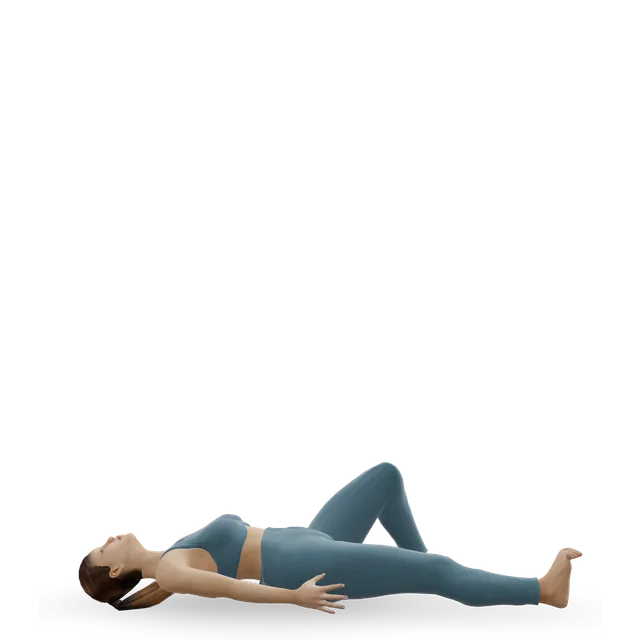
What helps, and how strong the evidence is

Keep moving, and change the leg workStrong evidence

NHS inform suggests moving the hip gently and often in the first couple of days, then building back to normal activity, and says to avoid sports or heavy lifting until you have less discomfort and good movement. The NHS suggests keeping moving without overdoing it, gentle hip stretching, and physiotherapy if it doesn't settle. So the usual answer is a smaller, easier version of the Pilates moves, not stopping.

Sources 23, 26, 5

Education and gradual strengthening for outer hip painStrong evidence

In the LEAP trial, 204 people aged 35 to 70 with gluteal tendinopathy had 14 physiotherapy sessions over 8 weeks that taught them to avoid positions that squeeze the tendons and gradually loaded the hip, or a steroid injection, or wait and see. At 8 weeks, 51 of 66 rated themselves a success with education and exercise, against 38 of 65 with the injection and 20 of 68 waiting; average pain was 1.5, 2.7 and 3.8 out of 10. At a year, success was 78.6%, 58.3% and 51.9%, and no one had a serious side effect. A 2025 review rates exercise and education as the core treatment.

Sources 6, 27, 17

Side-lying work with outer hip pain: the trial's rules, carried overEmerging evidence

The outer hip trial used exercises lying on the back rather than the side, because many people can't lie on the sore side, and dropped stretches that pull the thigh across the body. NHS trust leaflets advise not bringing the knee across the body, not doing buttock stretches and not sleeping on the painful side, lying on the good side with a pillow between the knees instead. Carrying those rules over to Pilates is our suggestion: never lie on the sore side, keep the top leg level with a pillow between your knees, leave out the inner thigh lift and crossed-leg stretches, and do the leg lifts standing at a wall if lying on the good side still hurts. No trial has tested Pilates side-lying work itself.

Sources 17, 18, 28, 29

Impingement and labral pain: exercise first, at least 3 monthsEmerging evidence

An international consensus says exercise-based treatment for hip-related pain should last at least 3 months, and recommends staying active, sport included. In the UK FASHIoN trial (348 people), physiotherapist-led hip therapy and keyhole surgery both improved hip quality of life, with surgery 6.8 points ahead at a year; in the FAIT trial (222 people), surgery was ahead at 8 months, and people having physiotherapy were asked to avoid the extremes of bending, opening and turning in the hip. Working up to the pinch, not into it, is the rule our labral tear guide uses.

Sources 30, 25, 31, 21

The hip flexors and clicks: easier leg work firstEmerging evidence

For hip flexor tendon problems in active people, a review gives the first-line treatment as activity modification, physical therapy, anti-inflammatory medicines and, sometimes, steroid injections; for painful snapping, care without surgery comes first. Bending the knees, keeping the legs higher and working one leg at a time lower the load in our reading of the psoas study, and fit the review's ab exercise safety rules.

Sources 32, 12, 7, 8

Springs and straps on the reformerEmerging evidence

In a lab study of 14 people doing hip extension on Pilates equipment, the spring strength and the height it was attached at changed where in the range the hip worked hardest. No study has tested strap work for hip pain, so smaller circles in the straps, no frog or wide openings while it hurts, and a spring set-up that keeps the movement pain-free are our suggestion.

Source 9

Gluteal strength: clams and bridges, but not clams on a sore outer hipEmerging evidence

In lab studies of healthy people, the clam, side-steps, single-leg bridges and kneeling hip extension worked the gluteal muscles well (20 adults), and the angle of the hip changed how hard the gluteus medius worked in the clam (21 adults). With outer hip pain, the clam presses the sore tendons, so the plan uses the trial's belt press and wall press instead (our reading).

Sources 33, 10

How much pain is OK while you exercise?

Up to about 5 out of 10, no rise in outer hip pain, and up to the pinch, not into itEmerging evidence

During the exercise, pain up to about 5 out of 10 is acceptable. It should settle within an hour or so, and your hip should be no worse that night or the next morning. If it is, do less next time (fewer repetitions, a smaller range, a lighter load), not nothing.

Pain can go up a little when you start a new exercise programme; guidelines for arthritis say so and still recommend keeping going. If pain climbs week after week, or a warning sign appears, stop and get it checked.

The LEAP programme accepted no increase in outer hip pain during squats, bridges and side-stepping, because pain there suggested the tendon was being squeezed. During heavier strengthening, pain up to about 5 out of 10 was fine if it eased afterwards and was no worse that night or the next morning.

A sharp pinch, catch or click is different: make the movement smaller rather than pushing through. The guideline asks clinicians to avoid exercises and ranges that bring on impingement, and the NHS programme in UK FASHIoN left out painful, hard end-of-range stretches.

For Pilates (our suggestion, built on these rules, which agree with NHS inform's hip exercise advice): judge each class by your hip during the leg work, that night and the next morning. A working ache at the front of the hip in leg work is fine up to about 5 out of 10 if it eases within minutes of lowering your legs. Outer hip pain shouldn't rise at all in side-lying work, so change the position rather than pushing on, and a sharp pinch, catch or click with pain means a smaller range, not more effort. A class that leaves your hip worse that night or the next morning means fewer and smaller leg moves next time, not no class.

Sources 26, 17, 21

The exercise plan: 3 stages

Start at the first stage. Each move opens a full guide with a 3D demo.

Stage 1

Settle: keep the hip moving and the tendons calm

About the first 2 weeks: gentle hip movement and light holds that don't squeeze the side of the hip or pinch the front. With a warning sign, get checked first; with a diagnosed labral tear, impingement, arthritis or a hip replacement, that guide's or your team's plan comes first.

Supine heel slide demonstrated on the 3D figure3D demoSupine heel slideBeginner · No equipment

10 slow repetitions each side, once or twice a day · The move page's dose (an editorial starting point)

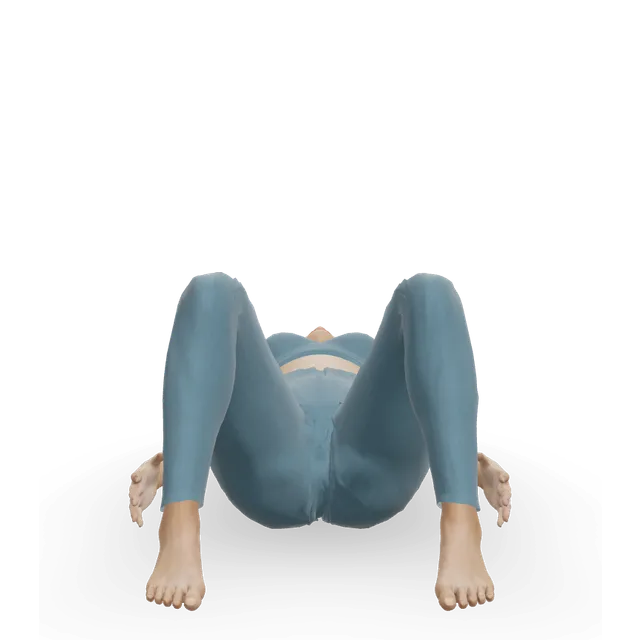
Harder: Hip windshield wipers

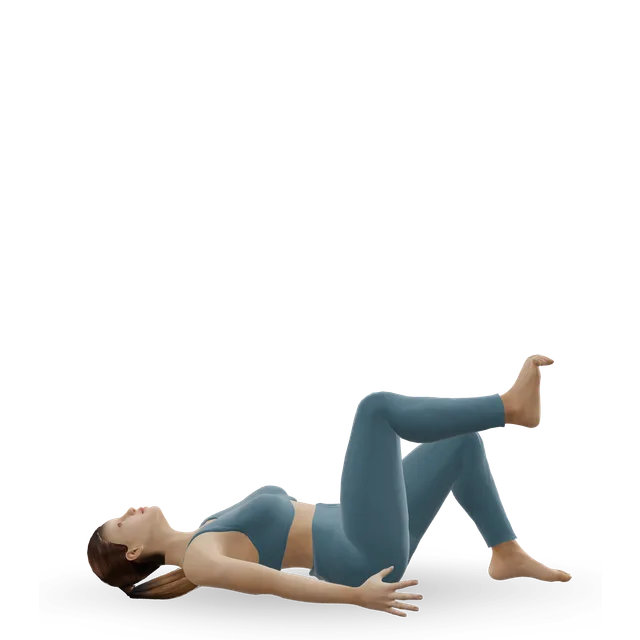
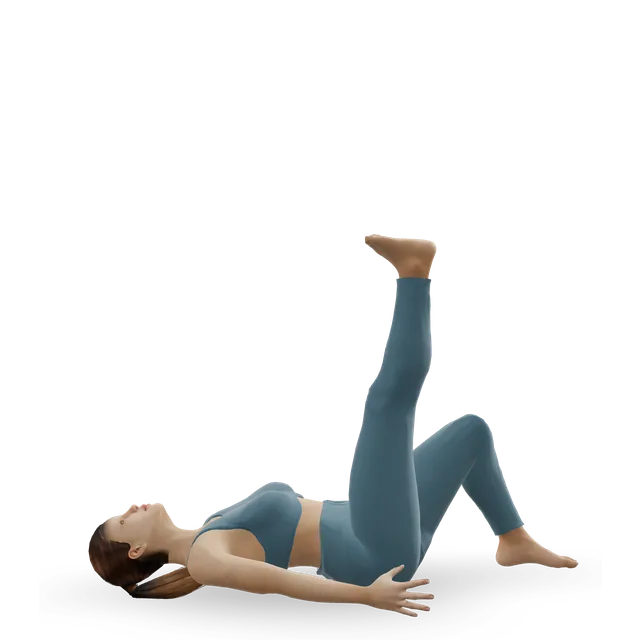
Knee fold demonstrated on the 3D figure3D demoKnee foldBeginner · No equipment

2 sets of 5 to 10 each side, every other day · The move page's dose (a UK pelvic health physiotherapy booklet's). Lift only to a pinch-free height

Easier: Supine heel slide · Harder: Dead bug heel taps

Supine isometric hip abduction (belt press) demonstrated on the 3D figure3D demoSupine isometric hip abduction (belt press)Beginner · A band

3 to 5 holds of 5 to 10 seconds, twice a day, at a light effort · The move page's dose (the LEAP trial programme's starting dose)

Harder: Lateral band walk

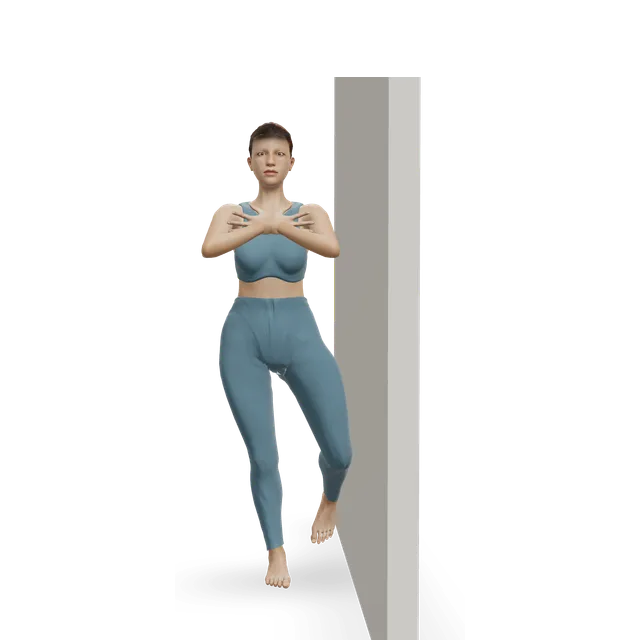
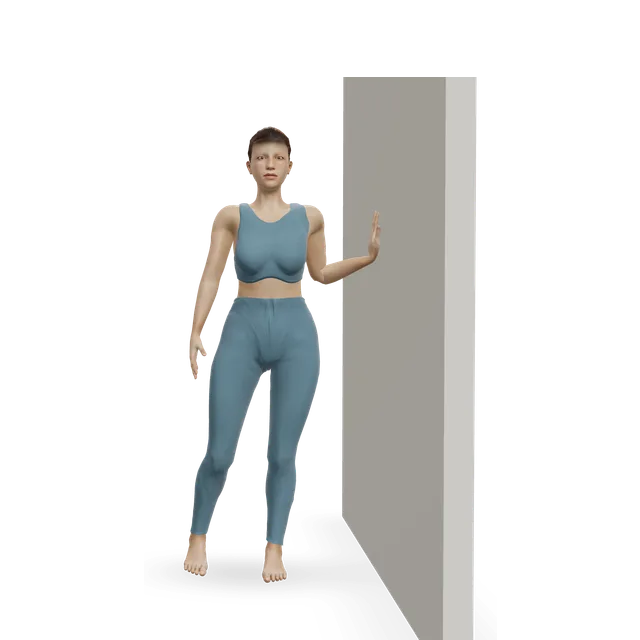
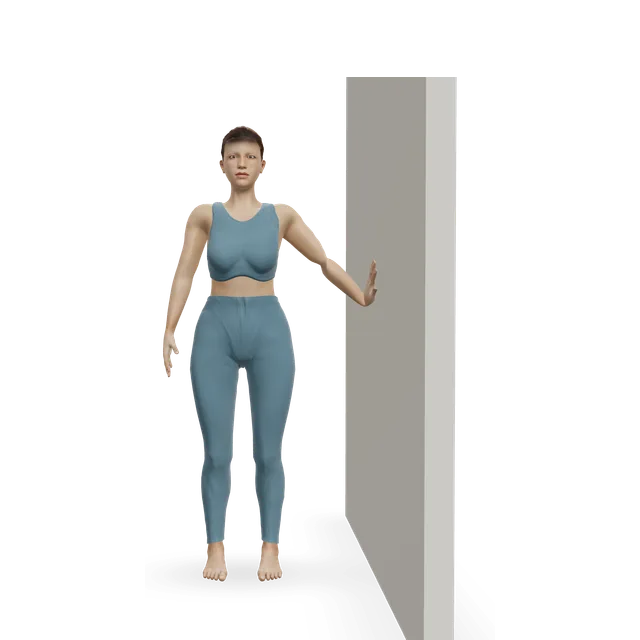
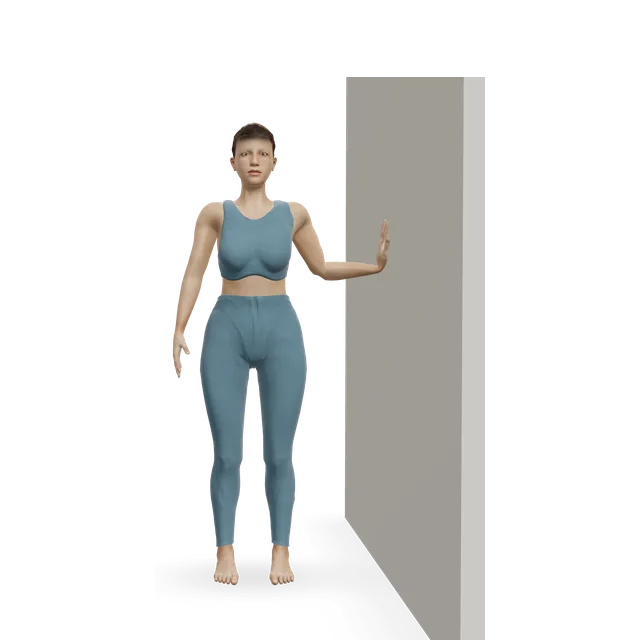
Standing wall-press hip abduction demonstrated on the 3D figure3D demoStanding wall-press hip abductionBeginner · A wall

3 to 5 holds of 5 to 15 seconds each side, twice a day · The move page's dose (the LEAP trial programme's standing hold)

Easier: Supine isometric hip abduction (belt press) · Harder: Lateral band walk

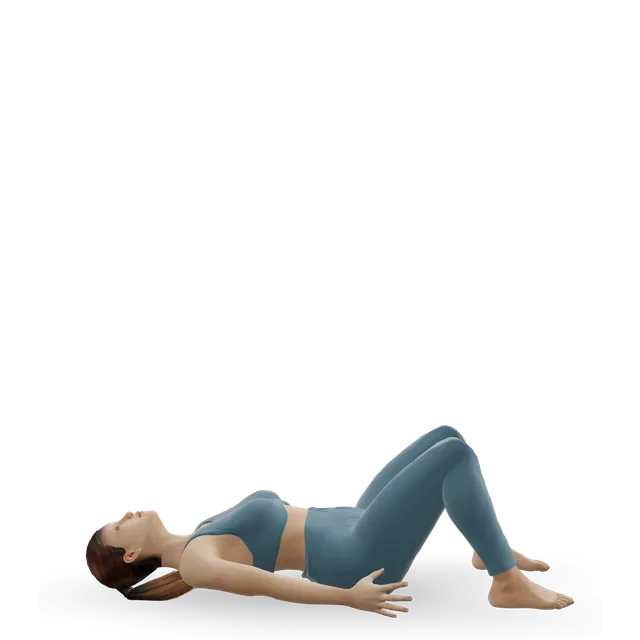
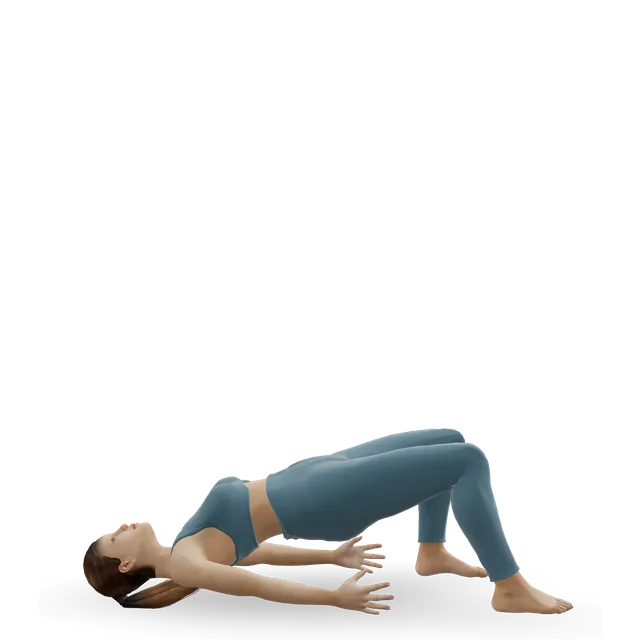
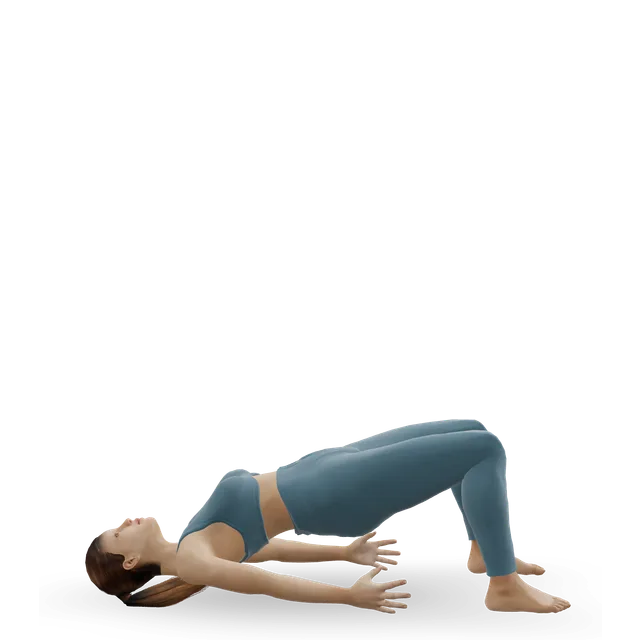
Pelvic tilt into bridge demonstrated on the 3D figure3D demoPelvic tilt into bridgeBeginner · No equipment

8 slow reps · As in our Pilates for hip pain class (editorial)

Harder: Glute bridge

Standing march demonstrated on the 3D figure3D demoStanding marchBeginner · No equipment

10 each side, holding a counter · As in our hip pain guide (editorial). Lift your knee only as high as is pinch-free and snap-free

Easier: Seated march · Harder: Standing band hip flexion

Move on when: Walking and the stage 1 moves are within the pain rule, you can lie on your back or your good side comfortably, and your hip is no worse the next morning (editorial).

Follow along: a timer, a cue and the next move, one step at a time.
Stage 2

Build: hip strength without squeezing or pinching

About weeks 2 to 6, 2 or 3 sessions a week: the gluteals and hip flexors stronger through a pain-free range, as the outer hip trial and our snapping hip guide do.

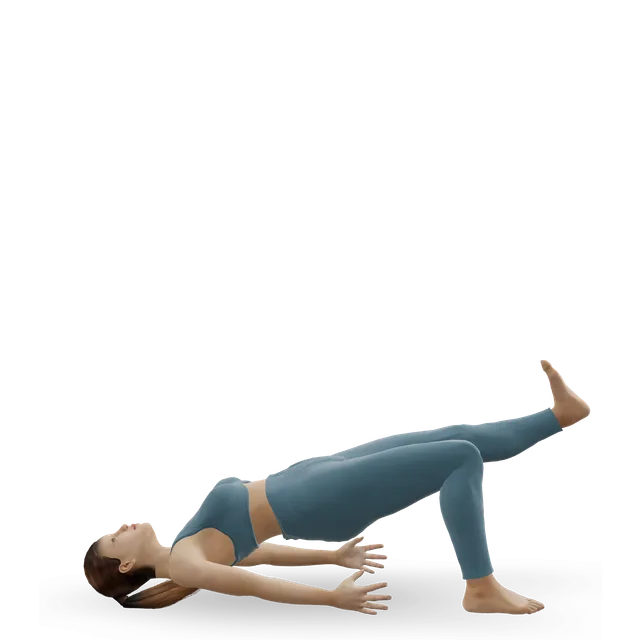
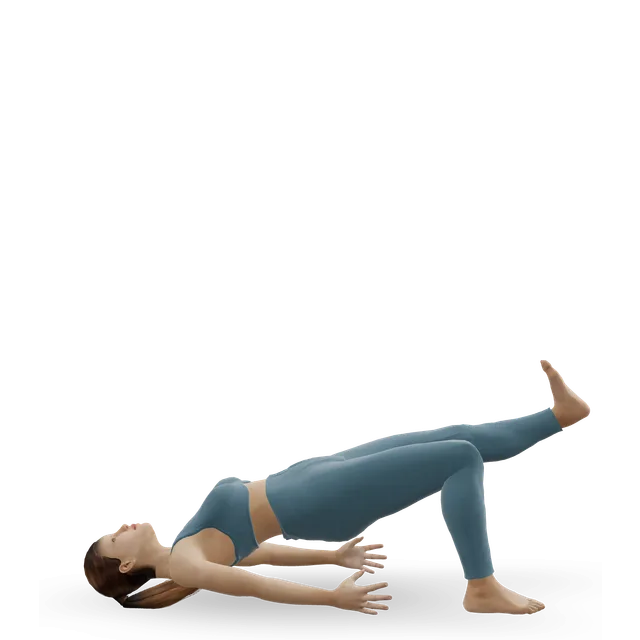
Staggered-stance bridge (offset bridge) demonstrated on the 3D figure3D demoStaggered-stance bridge (offset bridge)Beginner · No equipment

5 slow repetitions each side once a day, building to 2 sets of 5 to 10 at a somewhat hard effort · The move page's dose (as in the LEAP trial programme)

Easier: Pelvic tilt into bridge · Harder: Single-leg glute bridge

Wall side leg lift (standing side kick at the wall) demonstrated on the 3D figure3D demoWall side leg lift (standing side kick at the wall)Beginner · A wall

10 to 12 each side · The move page's dose (a suggested starting point). The standing version of the side kick, with no weight on the sore side

Harder: Lateral band walk, band at the feet

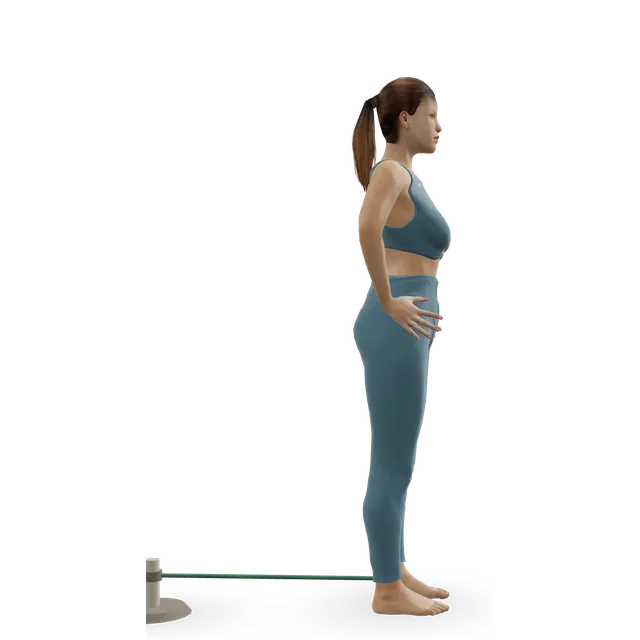
Standing band hip flexion demonstrated on the 3D figure3D demoStanding band hip flexionBeginner · A band + An anchor point

3 sets, building from about 15 to about 8 hard repetitions over the weeks, 3 times a week · As in our snapping hip guide, which takes it from a trial's progression. Stop your knee short of any painful snap

Easier: Standing march · Harder: Captain's chair knee raise

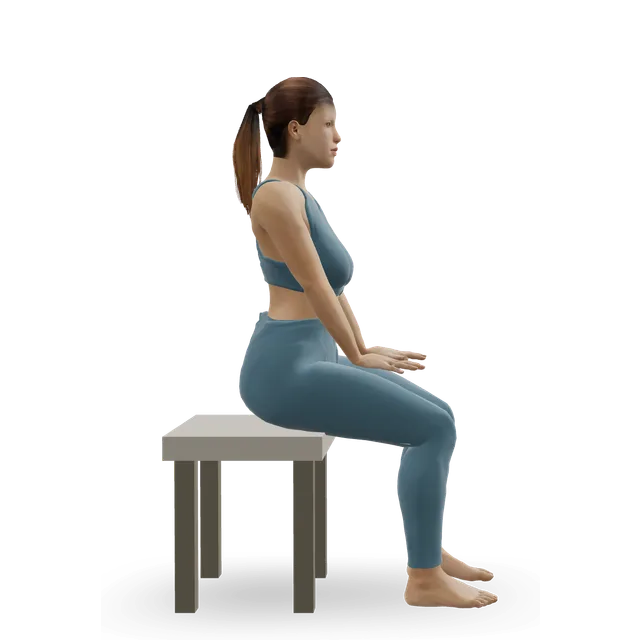
Sit to stand from a chair demonstrated on the 3D figure3D demoSit to stand from a chairBeginner · A bench or box

3 sets of 8 to 10, lower seat, no hands · As in our hip pain guide (editorial). Knees in line with your toes

Easier: Sit to stand, pushing on the thighs · Harder: Bodyweight squat

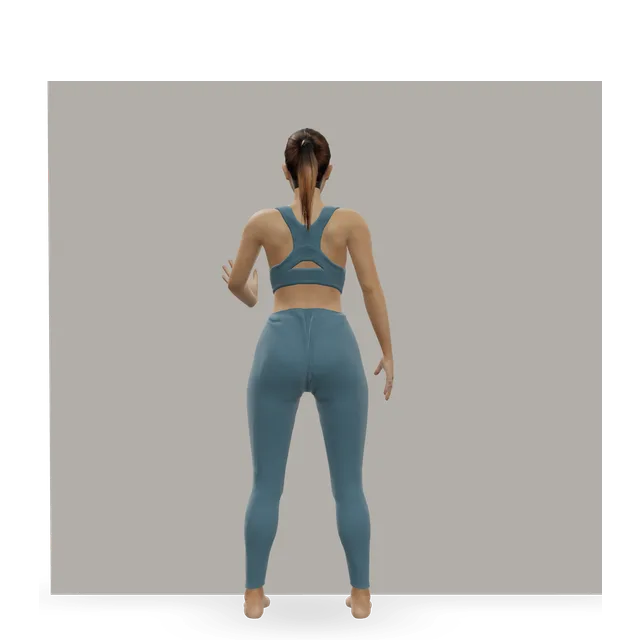
Side-stepping (sideways walking) demonstrated on the 3D figure3D demoSide-stepping (sideways walking)Beginner · A wall

10 steps each way, next to a counter · The move page's dose (the NHS balance exercises)

Harder: Lateral band walk

Single-leg stand demonstrated on the 3D figure3D demoSingle-leg standBeginner · A wall

3 holds of 10 to 30 s each side · As in our Pilates for hip pain class (editorial). Pelvis level, not hanging on the hip

Easier: Tandem stance and heel-to-toe walk · Harder: Single-leg reach matrix

Move on when: Every set feels controlled, outer hip pain doesn't rise during the moves, and your hip is no worse the next morning, for a week (editorial).

Follow along: a timer, a cue and the next move, one step at a time.
Stage 3

Back to Pilates leg work and your usual class

From about week 4 to 8, often later, and outer hip pain often takes longer: the Pilates leg moves back one at a time, smaller first. No study has tested a return to Pilates after hip pain, so the order is our suggestion.

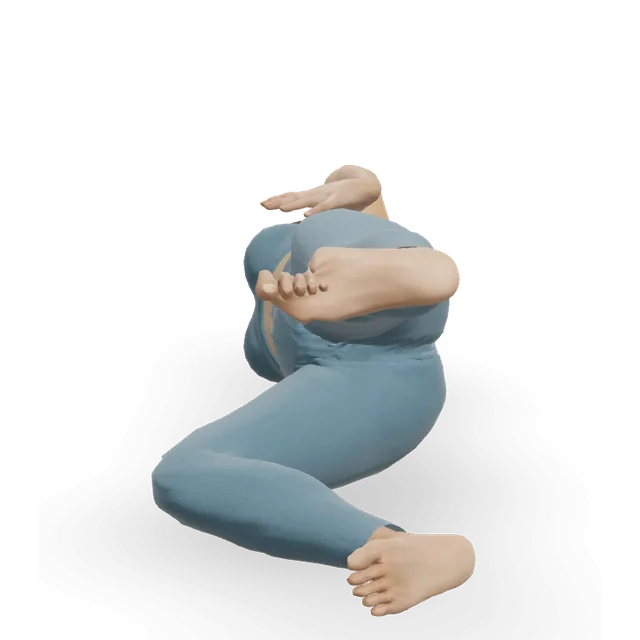
Single-leg circle (Pilates one leg circle) demonstrated on the 3D figure3D demoSingle-leg circle (Pilates one leg circle)Beginner · No equipment

5 circles each direction, each leg (the classical sequence uses 5) · The move page's dose (a suggested starting point). Small circles, pelvis still, knee bent if it clicks with pain

Harder: Corkscrew (Pilates)

Shoulder bridge (Pilates) demonstrated on the 3D figure3D demoShoulder bridge (Pilates)Intermediate · No equipment

3 to 5 kicks each leg (the classical sequence uses 3) · The move page's dose (a suggested starting point)

Easier: Wall bridge (feet-on-wall bridge) · Harder: Leg pull back (Pilates leg pull up)

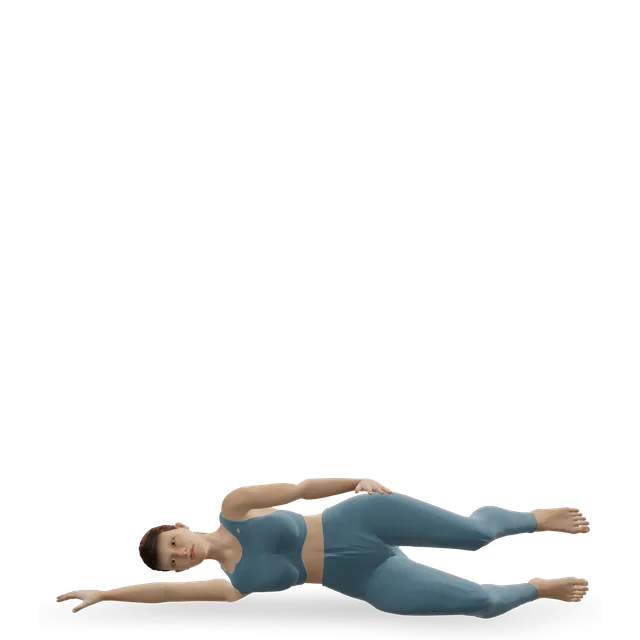
Side kick (Pilates side kick series) demonstrated on the 3D figure3D demoSide kick (Pilates side kick series)Beginner · No equipment

8 to 10 each side · The move page's dose (a suggested starting point). With outer hip pain, the sore leg on top, a pillow between your knees and the top leg level, never lying on the sore side, as the move page says

Harder: Side-lying leg circles (Pilates side kick series)

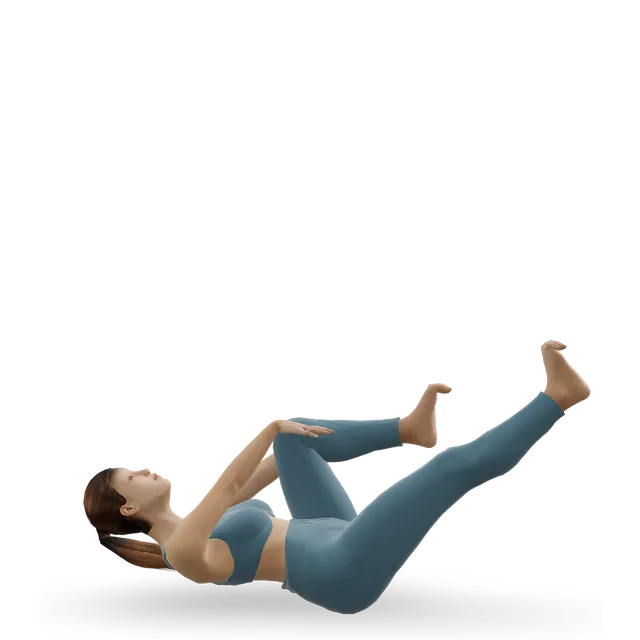
Single-leg stretch (Pilates one leg stretch) demonstrated on the 3D figure3D demoSingle-leg stretch (Pilates one leg stretch)Intermediate · No equipment

6 to 10 each side · The move page's dose (a suggested starting point). Pull your knee in only to the pinch-free point

Easier: Chest lift (Pilates curl-up) · Harder: Single straight-leg stretch (Pilates scissors)

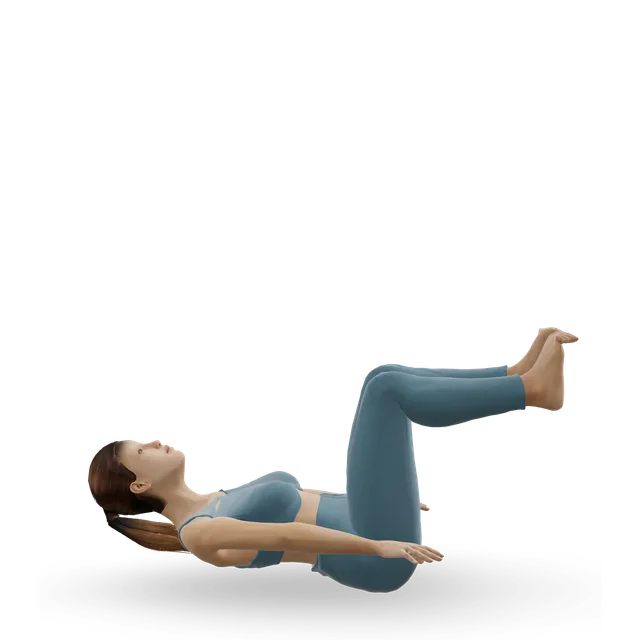
Hundred (Pilates) demonstrated on the 3D figure3D demoHundred (Pilates)Intermediate · No equipment

50 beats to start, building to 100 (the classical count) · The move page's dose (a suggested starting point). Legs in tabletop first, then higher straight legs, lowered only as far as your pelvis stays still

Easier: Wall hundred (wall Pilates) · Harder: Boomerang (Pilates)

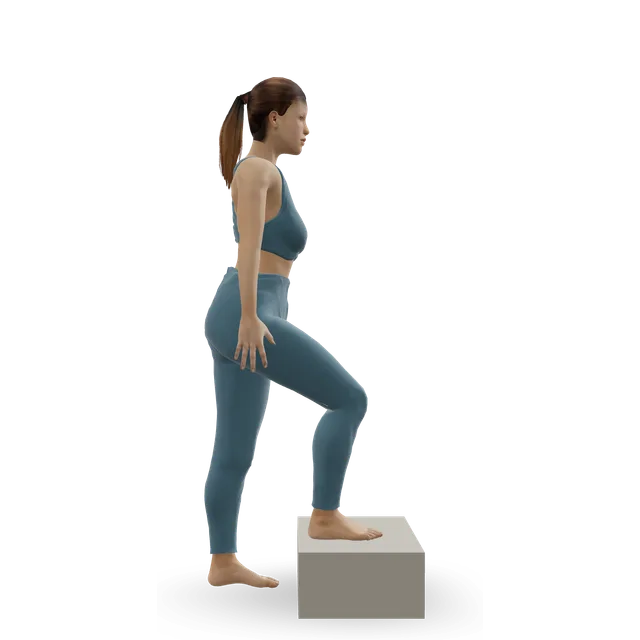
Step-up demonstrated on the 3D figure3D demoStep-upBeginner · A step

2 to 3 sets of 8 each side, low step · As in our hip pain guide (editorial)

Easier: Low step-up · Harder: Dumbbell step-up

Move on when: A full class passes the pain rule for 2 weeks. Then bring back the lower lift and teaser, deeper bends and the strap work on the reformer, one at a time, and keep two strength sessions a week for outer hip pain, which often comes back. If it flares, go back a stage for a few days, not to nothing (editorial).

Follow along: a timer, a cue and the next move, one step at a time.

What to change for now

Your Pilates for now (written steps)

Our 3D figure shows the moves, not a pillow between your knees, the springs and straps or what you tell your instructor. These steps come from the outer hip trial's protocol, NHS trust leaflets, a hip impingement trial, the move pages and NHS inform; where a step is our suggestion, it says so. None has been tested in a trial against hip pain from Pilates.

  • 1. A warning sign first: after a fall from the reformer or a slip with a ball, a hip you can't stand on, a hot, swollen hip with a temperature, a child's limp, or catching or locking.
  • 2. Tell your instructor before class which hip hurts, where, and which moves you'll change (our suggestion). For example: "The outside of my right hip is sore. I'll do the side kicks lying on my left with a pillow between my knees and skip the crossed-leg stretch; could you suggest options?"
  • 3. The front of the hip: knees bent or legs higher in the hundred and the lower lift, one leg at a time in the stretches, and fewer reps; stop where your pelvis can't stay still (a review's ab exercise safety rules).
  • 4. Leg circles: small, slow and with your pelvis still; stop for groin pain, as the move page says.
  • 5. Outer hip pain: never lie on the sore side, keep a pillow between your knees with the top leg level, leave out crossed-leg, figure-four and iliotibial band stretches, and stand evenly rather than hanging on one hip (the outer hip trial's protocol and NHS trust leaflets).
  • 6. A groin pinch: deep bends only to the pinch, knees not pulled right into your chest, and no rolling like a ball or seal for now; on the reformer, a wider, turned-out footwork position and no frog or wide openings in the straps (our suggestion, after a hip impingement trial's advice to avoid the extremes of hip bending, opening and turning in).
  • 7. The reformer: smaller circles in the straps, springs set so the movement stays pain-free, and step on and off the carriage only when it's still (our suggestion; a lab study found the spring set-up changes where the hip works hardest).
  • 8. The inner thigh: gentle squeezes on the ring or a cushion, short of pain; leave out the side-lying inner thigh lift with outer hip pain, as its move page says.
  • 9. Add classes one at a time after a break, rather than several in a row (our suggestion; tendons dislike a sudden jump in load, an NHS trust leaflet says).
  • 10. Between classes, keep walking and moving within comfort; NHS inform says to move the hip gently and build back to normal activity gradually.

Sources 8, 17, 18, 28, 21, 9, 4, 23

Positions to swap, and why

Habit or positionWhy it mattersInstead
Straight legs lowered close to the mat in the lower liftThe hip flexors take the long lever (our reading of a sit-up study).Bent knees, one leg at a time, as in the knee fold.Try: Knee fold
Big, fast leg circlesThey take the hip to the end of its range; painful clicks or a groin pinch mean smaller.Small circles with your pelvis still, or heel slides.Try: Supine heel slide
Lying on a sore outer hip in the side kick seriesDirect pressure on the gluteal tendons.Your good side down with a pillow between your knees, or the standing version at a wall.Try: Wall side leg lift (standing side kick at the wall)
The inner thigh lift with outer hip painYou either lie on the sore hip or cross that leg over the other, which squeezes the tendons.The belt press lying on your back.Try: Supine isometric hip abduction (belt press)
Figure-four or crossed-leg stretches with outer hip painButtock and iliotibial band stretches hold the hip across the body, squeezing the tendons.Leave them out; heel slides instead.Try: Supine heel slide
Rolling like a ball and the seal with a groin pinchDeep hip bending to the end of the range.The knee fold, to a pinch-free height.Try: Knee fold
Clams with outer hip painThey press a sore tendon.The standing wall press.Try: Standing wall-press hip abduction
Several new classes in a row after a breakTendons dislike a sudden jump in load.One class more each week.

Routines to follow

More moves for this area

Questions people ask

Why do my hips hurt after Pilates?

Usually a muscle or tendon meeting more work than it's used to: the hip flexors at the front after leg work, or the gluteal tendons on the side after side-lying work or lying on that hip. A deep groin pinch in deep bends points to the hip joint. Most of it settles with smaller, easier versions for a while.

Why do my hip flexors hurt in Pilates?

Holding or lowering straight legs in the hundred, the lower lift and the teaser makes the hip flexors work hard. Bend your knees, keep your legs higher and do one leg at a time until your trunk can hold your pelvis still. Sharp pain with a pop needs checking.

Why does my hip click in Pilates?

Usually a tendon flicking over bone at the front or side, which is very common and often painless. Make leg circles smaller and slower. Clicking with pain, catching or locking needs checking.

Why does the outside of my hip hurt after side-lying work?

Lying on that hip, or letting your top leg drop across your body, squeezes the gluteal tendons against the bone. Lie on your good side with a pillow between your knees and the top leg level, or do the leg lifts standing at a wall. If it lasts, our hip bursitis guide's plan helps.

Can I do Pilates with hip bursitis?

Yes, with changes: in the trial that helped most, people learned to avoid positions that squeeze the tendons and built strength gradually, and most rated themselves a success at a year. Leave out lying on the sore side, crossed-leg stretches and clams for now.

Why do I get a pinch in my groin in Pilates?

Deep hip bending, as in rolling like a ball or pulling your knees into your chest, can pinch the front of the hip joint, especially with impingement or a labral problem. Work up to the pinch, not into it, and keep deep bends smaller for now. A pinch that keeps coming back, or catching, needs checking.

Is reformer Pilates bad for my hips?

Not in itself, but big leg circles and frogs in the straps, and footwork with your knees deep in your chest, can aggravate a sore hip. Smaller ranges and a spring set-up that keeps it pain-free usually help. Tell your instructor which hip hurts.

Should I stop Pilates if my hip hurts?

Usually not: change the moves and keep moving, as NHS inform advises. Stop and get checked after a fall, for a hip you can't stand on, a hot, swollen hip with a temperature, or catching and locking.

How long does hip pain from Pilates last?

Muscle soreness goes within about a week, and NHS inform expects most new hip problems to begin to settle within 6 weeks. Outer hip tendon pain can take months. No one can promise a date.

Do I need a scan for hip pain?

Usually not: scans show labral and cartilage changes in many hips that don't hurt. A scan matters after a fall, for catching or locking that persists, or before surgery.

When should I see a doctor?

Call 999 or go to A&E for severe hip pain after a fall or if you can't stand or put weight on your leg. Get an urgent GP appointment or NHS 111 the same day for a hot, swollen hip with a high temperature, and for a child with sudden hip pain or a limp. See a GP if it hasn't improved after 2 weeks of looking after it at home. In the US, call 911 where this page says 999.

Related exercise guides

Other pain guides

Sources

  1. Pilates Association Australia 2026 · How safe is Pilates? (professional association article; Australia collects no Pilates injury data)
  2. Silva-Filho 2018 · Musculoskeletal pain in 166 Pilates instructors (cross-sectional survey, Rev Bras Med Trab)
  3. Choudry 2024 · A thigh bone fracture in a woman with osteoporosis when a ball rolled during Pilates (case report, Radiol Case Rep)
  4. Ibrahim 2025 · Severe buttock pain after three back-to-back yoga and Pilates sessions (case report, Cureus)
  5. NHS · Hip pain in adults
  6. Mellor 2018 · Education plus exercise, a steroid injection or wait and see for outer hip pain: 204 people (the LEAP randomised trial, BMJ)
  7. Juker 1998 · Psoas and stomach muscle activity in sit-ups, curl-ups and other tasks: 8 healthy adults (laboratory study, Med Sci Sports Exerc)
  8. Monfort-Pañego 2009 · Muscle activity in abdominal exercises: 87 studies (literature synthesis, J Manipulative Physiol Ther)
  9. Melo 2011 · Spring set-up and hip muscle force in hip extension on Pilates equipment: 14 people (laboratory study, Rev Bras Fisioter)
  10. Lim 2023 · Hip angle and gluteal muscle activity in the clinical Pilates clam: 21 adults (laboratory study, J Bodyw Mov Ther)
  11. Winston 2007 · Snapping hip in 87 elite ballet dancers (clinical and ultrasound study, Am J Sports Med)
  12. Sugrañes 2023 · Snapping hip syndrome (narrative review, JBJS Rev)
  13. Walker 2021 · Snapping hip syndrome: an update (narrative review, Orthop Rev)
  14. Segal 2007 · Outer hip pain in 3,026 adults aged 50 to 79 (population study, Arch Phys Med Rehabil)
  15. Grimaldi 2015 · Gluteal tendinopathy: pathomechanics and clinical features (clinical commentary, J Orthop Sports Phys Ther)
  16. Grimaldi 2015 · Gluteal tendinopathy: mechanisms, assessment and management (narrative review, Sports Med)
  17. Mellor 2016 · The LEAP trial protocol: load modification and exercise for gluteal tendinopathy (trial protocol, BMC Musculoskelet Disord)
  18. Cambridge University Hospitals NHS Foundation Trust · Gluteal tendinopathy (patient information)
  19. Reiman 2020 · Classifying hip-related pain in young and middle-aged active adults (Zurich consensus, Br J Sports Med)
  20. Griffin 2016 · The Warwick agreement on femoroacetabular impingement syndrome (international consensus, Br J Sports Med)
  21. Palmer 2019 · Hip arthroscopy or physiotherapy and activity modification for hip impingement: 222 people (the FAIT randomised trial, BMJ; corrected in 2021 for two secondary outcomes)
  22. NHS · Septic arthritis
  23. NHS inform · Hip problems
  24. Lievense 2005 · The course of outer hip pain in 164 people in general practice (retrospective cohort, Br J Gen Pract)
  25. Probst 2023 · How often hip-related pain responds to treatment without surgery: 26 studies (systematic review and meta-analysis, J Orthop Sports Phys Ther)
  26. NHS inform · Exercises for hip problems
  27. Bremer 2025 · Treatments for gluteal tendinopathy (systematic review, Clin Rehabil)
  28. The Royal Orthopaedic Hospital NHS Foundation Trust · Gluteal tendinopathy (therapy information)
  29. Royal National Orthopaedic Hospital NHS Trust · A patient's guide to gluteal tendinopathy (updated November 2025)
  30. Kemp 2020 · Physiotherapist-led treatment for hip-related pain (Zurich consensus, Br J Sports Med)
  31. Griffin 2018 · Hip arthroscopy or physiotherapist-led care for hip impingement: 348 people (the UK FASHIoN randomised trial, Lancet)
  32. Anderson 2016 · Iliopsoas: pathology, diagnosis and treatment (narrative review, Clin Sports Med)
  33. Selkowitz 2013 · Which exercises work the gluteal muscles: 20 healthy adults (laboratory study, J Orthop Sports Phys Ther)

Exercise education, not a diagnosis or treatment plan. It is written from the guidelines and studies listed above; review by a clinician is pending. If your pain follows an injury, is severe, is getting worse, or comes with any warning sign listed on this page, get it assessed. Health disclaimer.