What a leg raise asks of the hip, and what no study has countedEmerging evidence
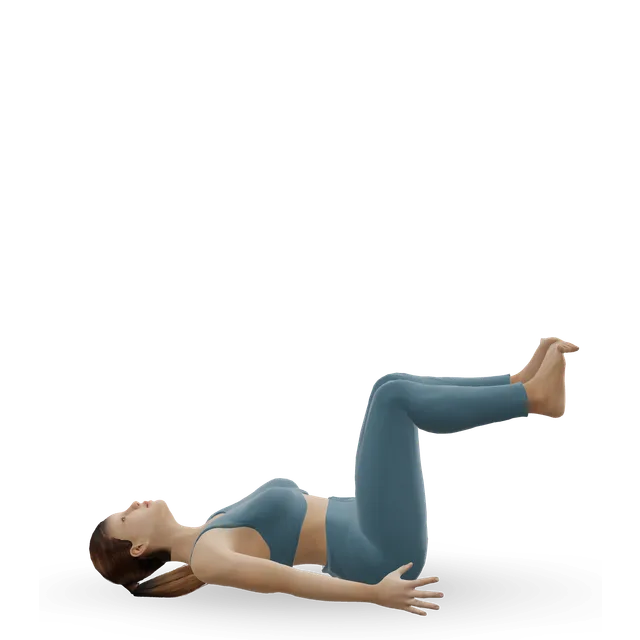
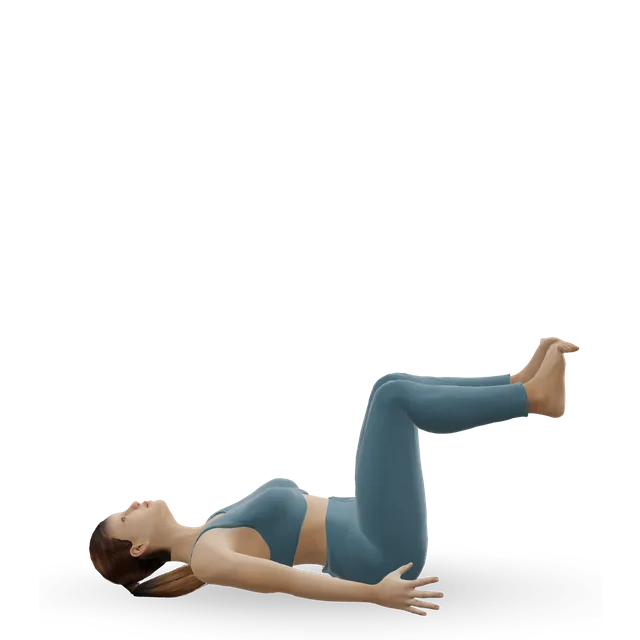
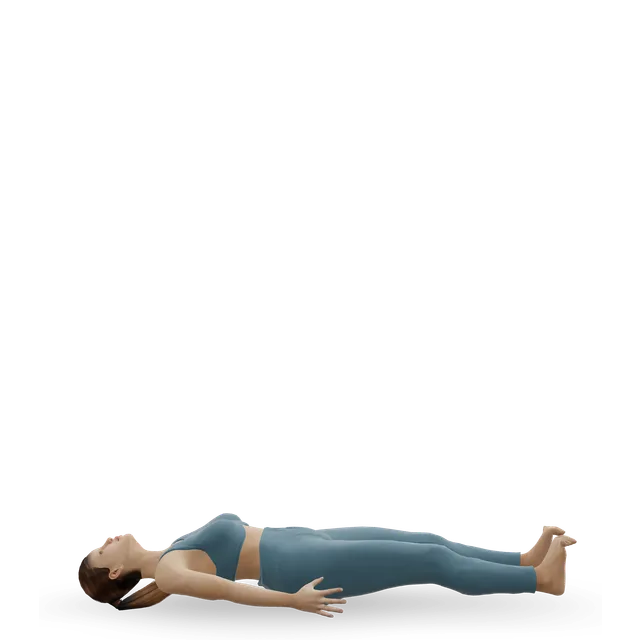
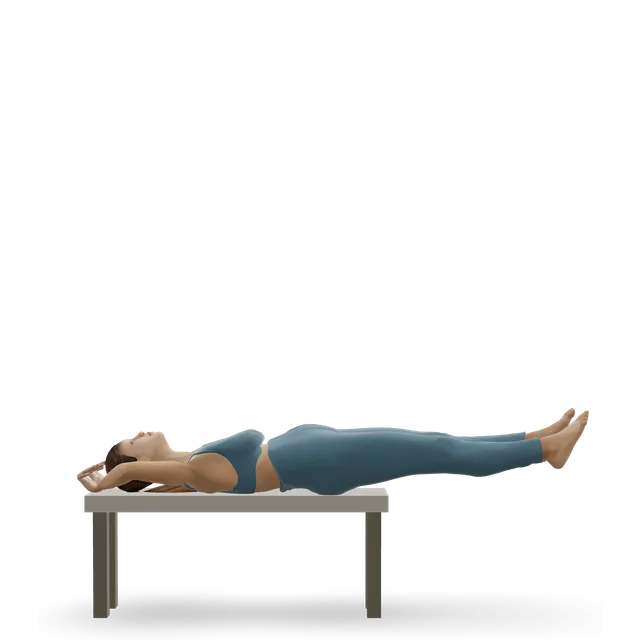
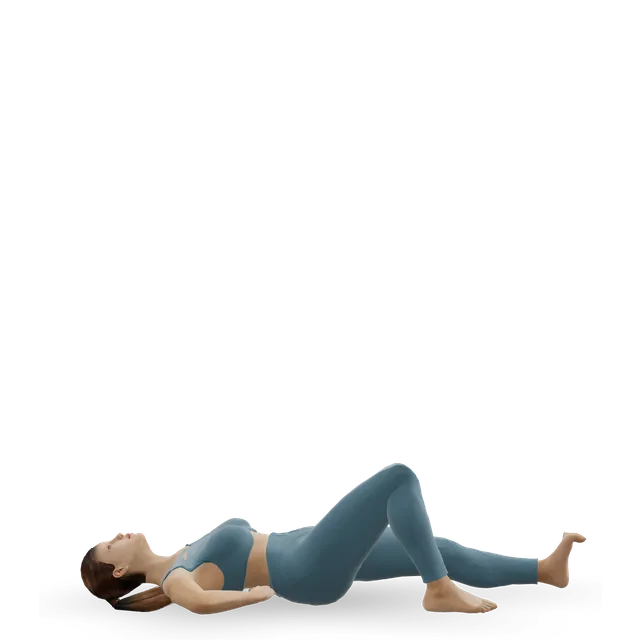
Lying on your back, the hip flexors (the iliacus and psoas deep in the hip, the rectus femoris at the front of the thigh and the sartorius) lift your legs, and the tummy muscles hold your pelvis. In 6 men doing 38 exercises, the hip flexors worked hard only when the hip bent, and lifting both legs worked the iliacus harder than sit-ups that bend at the hip. Across 9 studies of 109 healthy adults, the iliopsoas worked at over 60% of its maximum in a straight-leg raise around 60 degrees of hip bend, and the iliacus at 86% when both legs moved together.
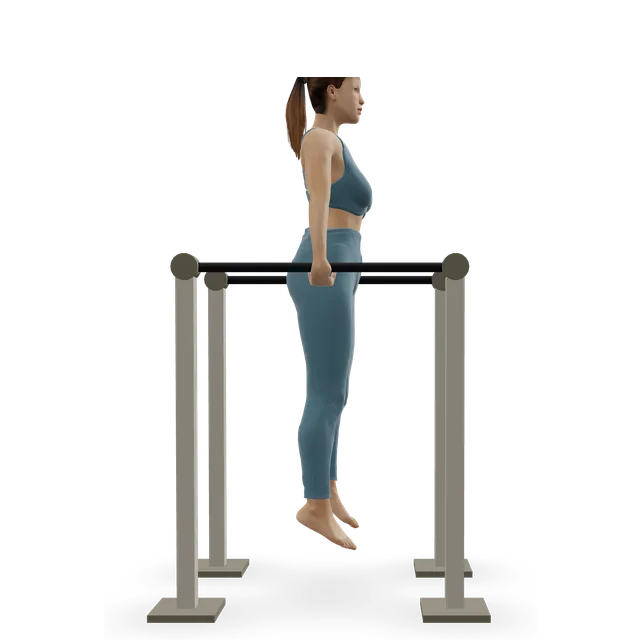
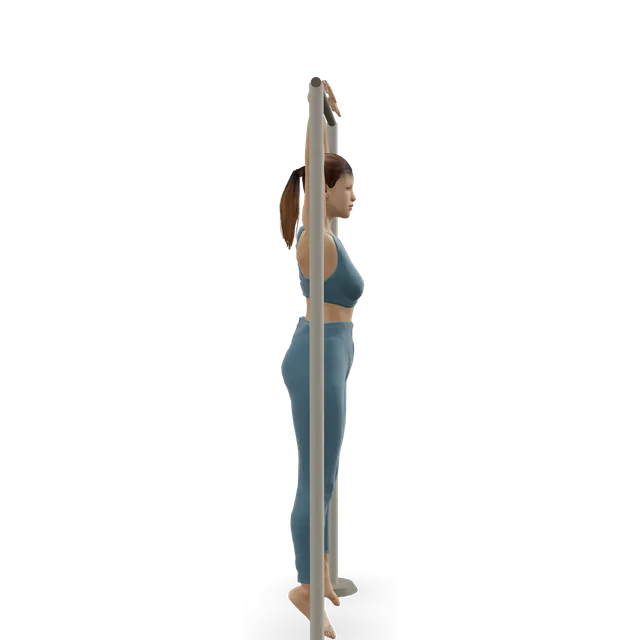
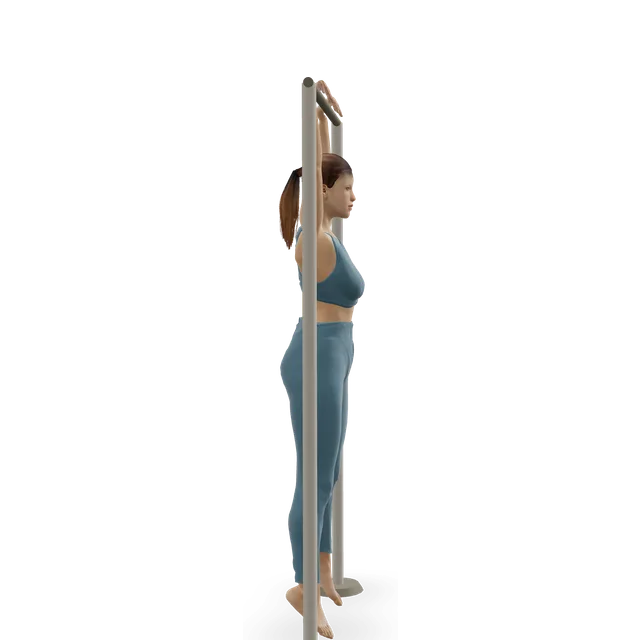
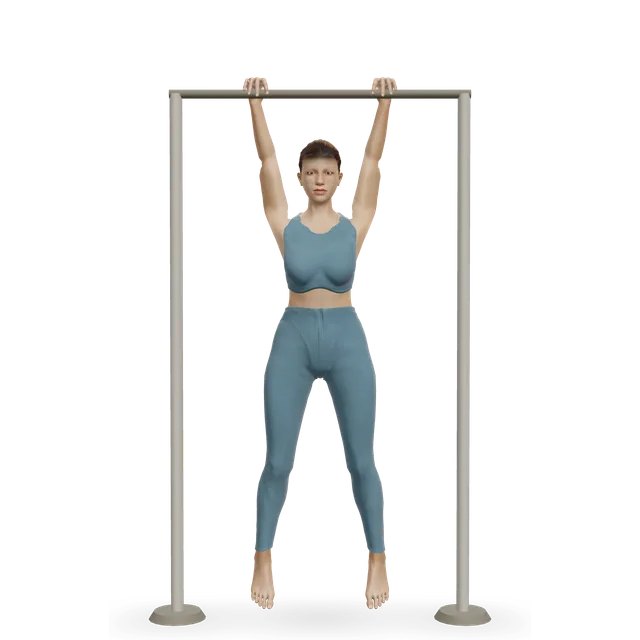
In 20 students, a lying leg raise drew 17.6% of maximum in the iliopsoas and 21.7% in the rectus femoris, against 13.2% and 10.8% in a sit-up, and in 9 men the psoas kept working harder towards the top of a straight-leg raise. Hanging from a bar adds the weight of the legs below a hanging body, and the knees come furthest towards the chest (our reading).
No study has counted hip pain from leg raises, tested a change to them for hip pain, or reported a hip flexor injury caused by one. The hip flexor injury studies are of footballers and other athletes, so the map on this page is built from muscle studies, hip load studies, the conditions' own evidence and NHS pages.
Sources 1, 2, 3, 4, 5, 6
A common cause: hip flexors working hard on a long lever
The pattern coaches describe most, in our reading, is a pulling ache or cramp at the front of the hip or top of the thigh as the legs lift or, often, as they lower, worse with straight legs, both legs at once, lower legs, long sets and hanging raises, and easing when you bend your knees or stop. No study counts the causes. The NHS lists pain, swelling or bruising after intense or repetitive exercise as a sprain, a strain or tendonitis. Our leg raise and hanging leg raise guides already tell people whose hips cramp to bend their knees and slow down.
Source 7
A sudden sharp pain: a strainEmerging evidence
A sudden sharp pain at the front of the hip during a rep, a kick or a sprint, then pain lifting the knee against resistance, is often a hip flexor strain. In 156 male athletes with sudden groin pain, 33 had a hip flexor injury on MRI (magnetic resonance imaging): 16 in the rectus femoris (mostly from kicking and sprinting), 12 in the iliacus, 7 in the psoas and 4 in the sartorius. The international groin agreement says this kind of groin pain is more likely with pain on resisted hip flexion or on stretching the hip flexors, and a 2026 review says bedside tests aren't accurate enough on their own.
Sources 5, 8, 9
A click or clunk: a snapping hipEmerging evidence
A click or clunk at the front of the hip as the legs lower is usually the iliopsoas tendon flicking over bone. In 87 elite ballet dancers, 91% reported a snapping hip and 58% had pain with it. The front-of-hip snap usually happens between 30 and 45 degrees of hip bend; that straight legs pass through that range as they lower is our reading from those angles, not something a study has measured in a leg raise.
The American Academy of Orthopaedic Surgeons (AAOS) says snapping hip is usually painless and harmless. A 2026 review says the snap may come on during active hip bending. In a dance clinic, painful snapping or weakness came from repeated hip bending with the leg turned out, and all 49 dancers recovered without an injection or surgery.
Sources 10, 11, 12, 9, 13
A deep pinch in the groin crease: the hip jointStrong evidence
A deep pinch in the groin as the knees come to the chest, at the top of a hanging knee raise, a captain's chair or a V-up, points to the hip joint, such as impingement or a labral problem. An international agreement defines femoroacetabular impingement (FAI) syndrome by symptoms, examination signs and scan findings together. In 51 patients waiting for surgery, pain was in the groin in 83% and their hip bend was limited to about 97 degrees on average, less than the knees-to-chest top of a hanging raise (our reading).
Sources 14, 15
Other places it can hurt, and who gets it
The outside of the hip in side leg raises is usually the outer hip tendons; the inner thigh or groin, the inner thigh muscles or the groin canal; a lump in the groin, a possible hernia, which the NHS says may get bigger when you cough, sneeze or cry and smaller when you lie down; and the lower back as the legs lower, because the pelvis tips forward after only a few degrees of lowering both straight legs. Tummy pain that moves low on the right and is worse moving the right leg is possibly appendicitis (see the warning signs).
In our reading, it bothers people who jump from crunches to straight-leg or hanging raises, toes to bar or V-ups; people doing ab challenges, flutter kicks or long sets; dancers, footballers and martial artists, who already load the hip flexors; hips with an impingement shape; and people back to training after a break.
Children are a special case. The NHS says a limp with no obvious cause should always be checked by a GP; its limp page makes sudden pain in a child's hip, knee or thigh a 999 call, while its irritable hip page asks for an urgent GP appointment or NHS 111 for the same sudden pain, and the warning signs follow the stricter advice. In teenagers, in 228 pelvic growth plate avulsions (average age 14.4), sprinting and running (39%) and kicking (29%) were the commonest causes, and 49% were at the bony point where the rectus femoris attaches.
Sources 16, 17, 18, 19, 20
When a scan or test mattersStrong evidence
Not at first for an ache or cramp at the front of the hip: the NHS suggests a GP if hip pain hasn't improved after 2 weeks of looking after it at home. Scans of hips without pain often show bumps and tears: an impingement-shaped ball in 37% of 2,114 pain-free hips (54.8% in athletes) and labral damage in 68%, and labral tears in 54% of people without hip pain against 62% with it.
A test matters for a lump (a GP examines it first), a teenager's pop at the hip bone (an X-ray the same day), a fall or not being able to put weight on the leg, catching or locking, a painful snap that hasn't settled with exercise, and pain that hasn't improved after a good 3 months of exercise. An international consensus sorts hip-related pain into impingement, a shallow socket and other joint problems, once serious causes are ruled out.
Sources 7, 21, 22, 16, 23, 24
How it usually goesEmerging evidence
No study follows hip pain from leg raises. A 2021 review says most snapping hips settle after 6 to 12 months of non-surgical care, all 49 dancers with painful iliopsoas snapping settled without injections or surgery, and 97% of 228 teenage pelvic avulsions healed without surgery, though 14% still had pain after 3 months. For hip impingement, a consensus asks for at least 3 months of exercise-based treatment. No one can promise a date.
Sources 25, 13, 20, 23