What a mountain climber asks of the hip, and what no study has measuredEmerging evidence
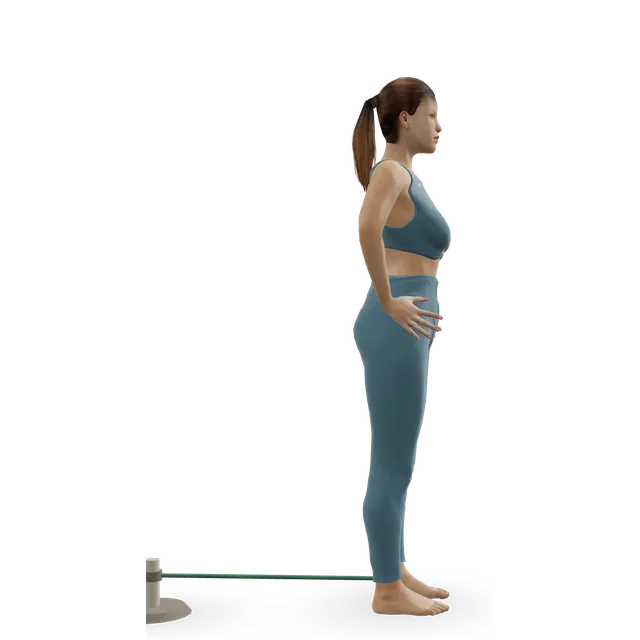
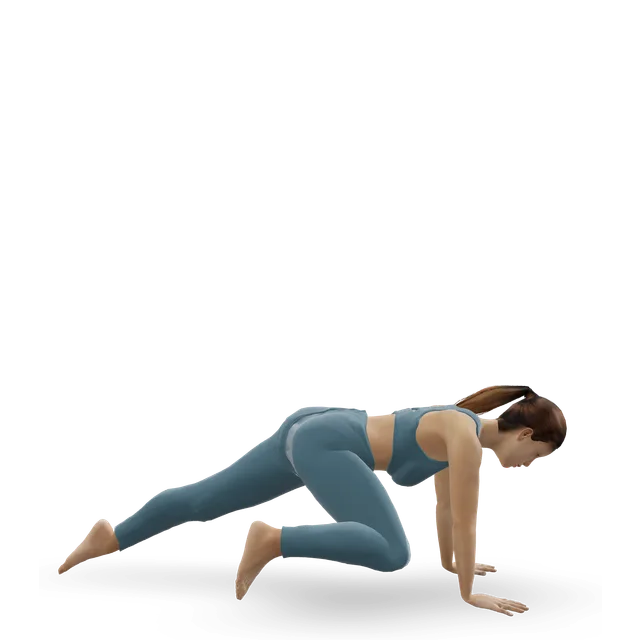
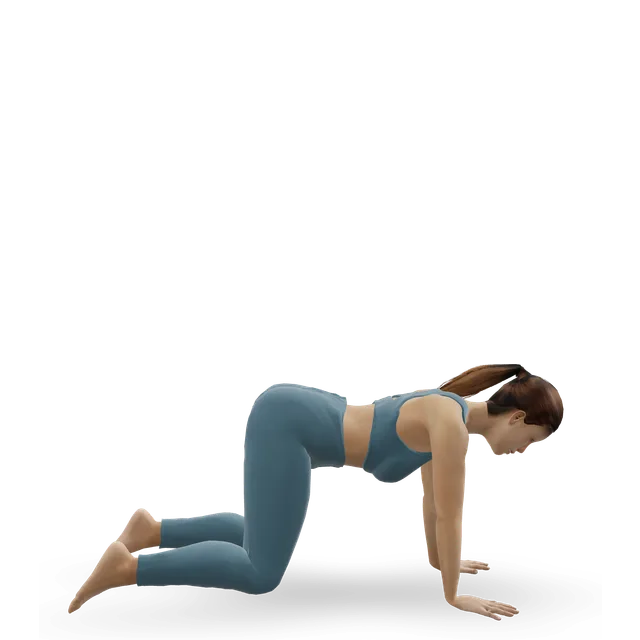
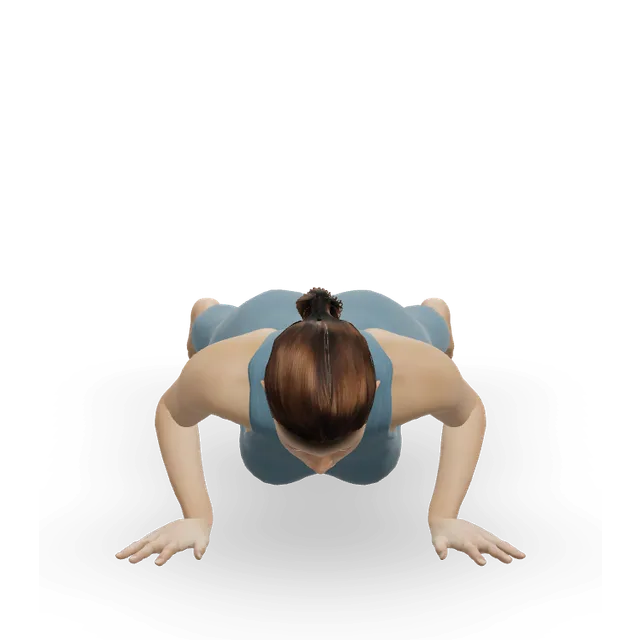
From a high plank, hands under your shoulders and body in one line, you drive one knee towards your chest, then switch, keeping your hips level. Your arms and trunk hold the plank, and the muscles at the front of your hips (the psoas and iliacus deep in the hip, and the rectus femoris at the front of the thigh) pull each knee in against the weight of the leg, again and again.
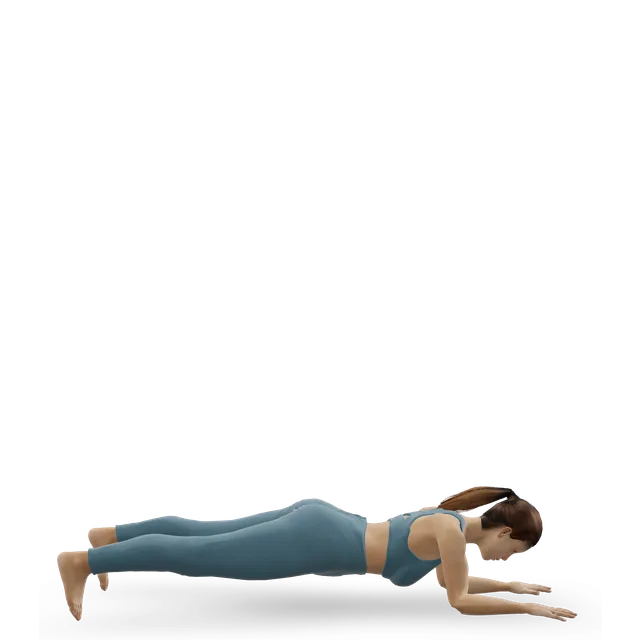
No study has measured muscle activity, joint loads or hip angles in the floor mountain climber, or counted hip pain from it. The one study of the move measured its energy cost: about 10 METs (multiples of your resting energy use) in 12 active men going all out. The nearest studies: the psoas was most active in maximal hip flexion efforts and push-ups drew up to 25% of its maximum (8 adults); the psoas and iliacus worked together, particularly when the hip had to bend against a load, and the hip flexors were highly active only in exercises that bend the hip; a plank on your toes worked the rectus femoris at about 20% of its maximum, against about 7% on your knees and 6% in a crunch (18 adults); knee-ups from a plank were among the highest rectus femoris exercises (21 adults); and a slow, two-legged knee tuck with the feet in straps drew about half of maximal activity from the lower tummy muscles (17 men).
So most hip pain in mountain climbers coming from the hip flexors is our reading, from plank, knee-up and psoas studies; no study has tested it.
Sources 1, 2, 3, 4, 5, 6, 7
The pinch at the front of the hipEmerging evidence
Femoroacetabular impingement (FAI) syndrome is diagnosed only when symptoms, examination signs and scans agree. In people with a cam shape (a bony bump where the ball of the hip meets its neck), damage happens at the limits of bending, turning in and crossing in the hip, and 15 people with cam shapes couldn't squat as low as 11 people without. In 150 people with FAI syndrome, less hip bend went with worse symptoms. In one trial, the physiotherapy group was encouraged to avoid the extremes of hip bending, crossing out and turning in.
The American Academy of Orthopaedic Surgeons (AAOS) describes the impingement test as bringing your knee up towards your chest and turning it inward towards the opposite shoulder. A cross-body mountain climber, knee towards the opposite elbow, has a similar shape; leaving cross-body climbers out while the front of the hip pinches is our suggestion, and no study has tested it.
Sources 8, 9, 10, 11, 12
Who gets itEmerging evidence
Hip flexor injuries are about a third of sudden groin injuries in male athletes: in 33 confirmed on MRI (magnetic resonance imaging), the rectus femoris was hurt in 16, mostly kicking and sprinting, the iliacus in 12, most often changing direction, and the psoas in 7. In United States (US) college athletes, hip flexor strains were as common in women as in men.
In high-intensity group classes, 18 of 100 adults were injured in 6 weeks, the knees and back most often, and burpees and squats were the commonest moves blamed; reviews of functional fitness put the shoulder, lower back and knee first. No injury study names mountain climbers. In our reading, people new to fast classes, flat-out first sets, timed challenges, cross-body and jump-in versions, and hips with an impingement shape are the ones it bothers.
Sources 13, 14, 15, 16, 17, 18
When a scan or test mattersStrong evidence
Not at first for a hip flexor ache or a strain: the NHS says see a GP if hip pain hasn't improved after 2 weeks of looking after it at home. Scans of hips without pain often show bumps and tears: a cam shape in 37% of 2,114 pain-free hips (54.8% in athletes), and labral tears in 54% of people without hip pain against 62% with it. Clinical tests for impingement give only screening accuracy, and a painful deep squat moved the chance of a cam shape from 30% to 36%. For pain in the hip flexor tendon, MRI picked up only 19.2% of cases in 105 patients; two clinical tests looked accurate in a small study.
Tests matter for a fall with a leg you can't stand on, a hot hip with a fever, a teenager's pop at the hip bone (an X-ray the same day), groin pain in a runner that builds with every step, catching or locking, and pain that hasn't settled after 3 months of exercise.
Sources 19, 20, 21, 22, 23, 24, 25
How it usually goesEmerging evidence
No study follows hip pain from mountain climbers. In US college athletes, 83.8% of hip flexor strains kept people out for less than a week, and 10.1% came back. Non-surgical treatment worked in 77% to 100% of athletes and people with no known cause who had iliopsoas-related groin pain, though less often after a hip replacement.
For hip impingement, an international consensus asks for at least 3 months of exercise-based treatment, and in a trial both physiotherapy programmes improved people by about 19 to 21 points out of 100 over 6 months. NHS inform says new hip problems should begin to settle within 6 weeks. No one can promise a date.
Sources 14, 26, 27, 28, 29