What a lunge asks of the groin, and what no study has countedEmerging evidence
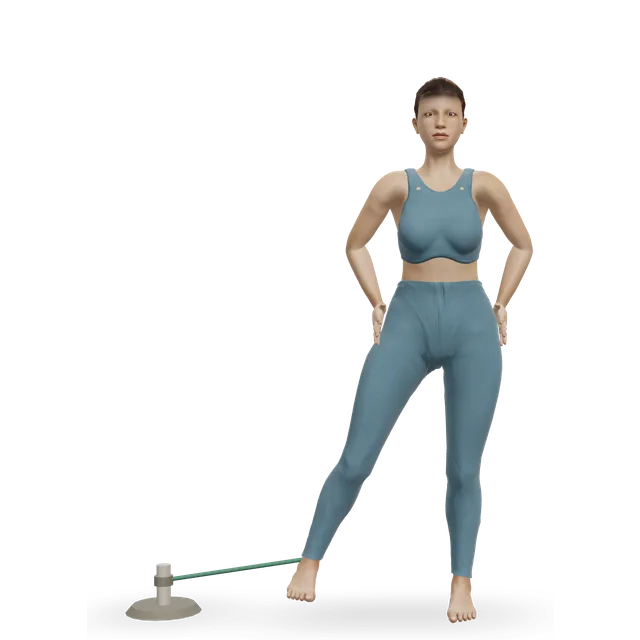
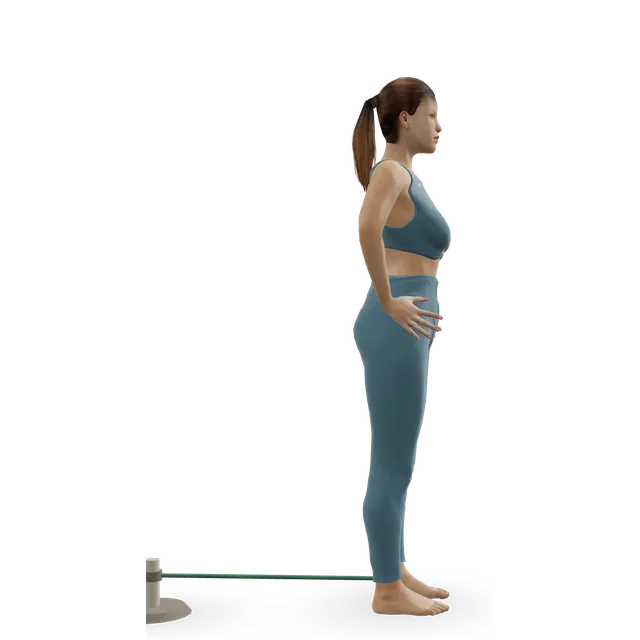
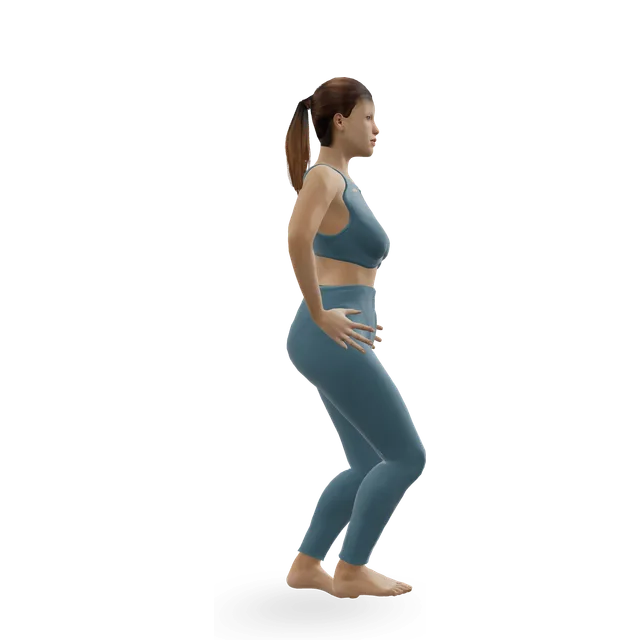
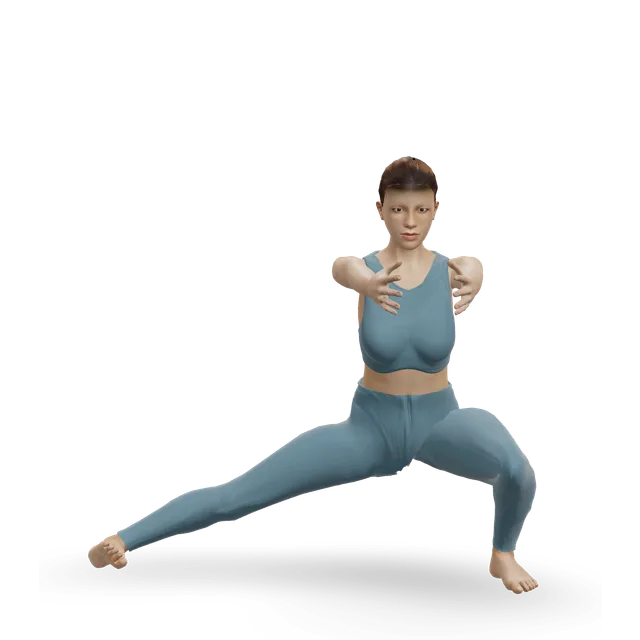
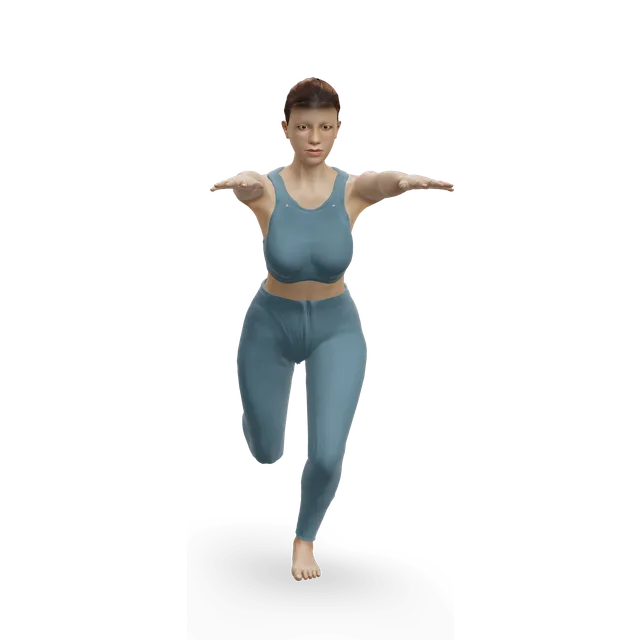
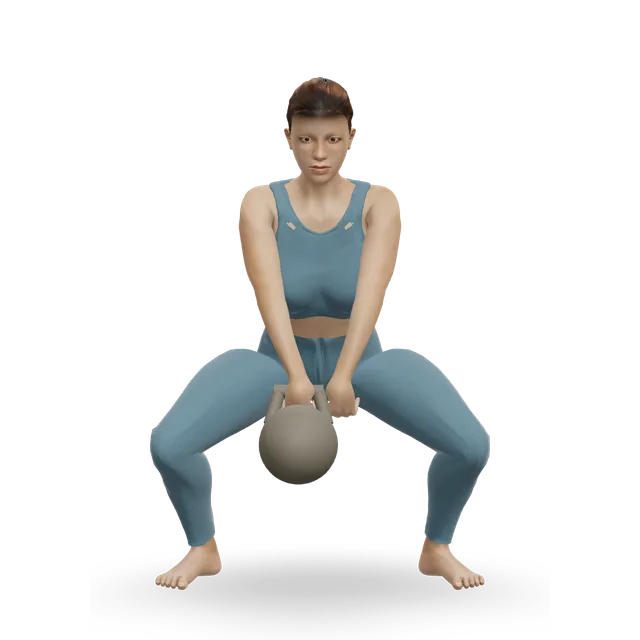
In a forward, reverse or walking lunge, the front hip bends and then straightens you up, and the back hip is pushed towards straight, stretching its hip flexors. In a side lunge, the stepping leg bends while the other leg stays straight and out to the side, so its inner thigh muscles lengthen as you sink.
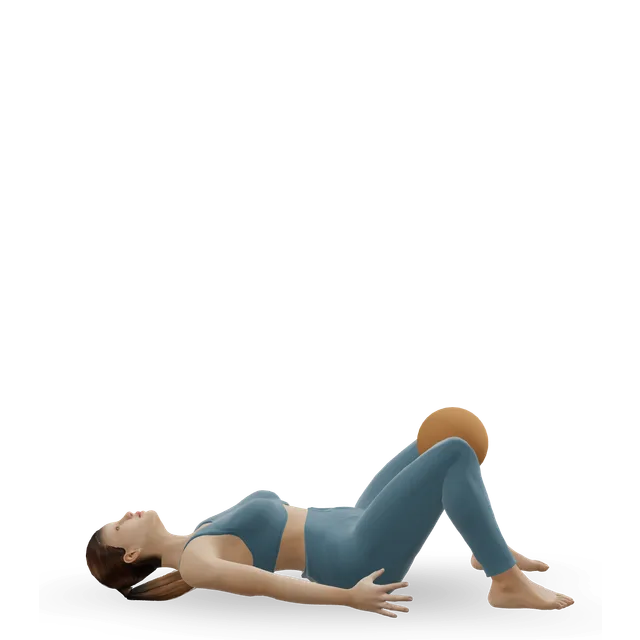
Only two studies have measured the inner thigh in a lunge. In 24 active students, the side lunge ranked third of six inner-thigh exercises for adductor longus activity, below side-lying adduction and the ball squeeze. In 20 adults doing loaded forward lunges, the front leg's adductor longus worked at 32% of a maximal contraction with a long step against 25% with a short one on the way up, and the authors describe moderate adductor activity overall; the back leg wasn't measured. Side lunges bent the ankle more and the knee less than forward lunges with the same peak hip bend, and forward lunges put more demand on the hip extensors, in young and older adults. The biggest adductor, the adductor magnus, has over twice the capacity to straighten the hip as to bring the leg in. No study has counted groin pain from any lunge, so the map on this page comes from what each cause is known to do (our reading).
Sources 1, 2, 3, 4, 5, 6, 7
Long strides, deep side lunges and how groins get hurt (our reading)Emerging evidence
In videos of 17 sudden adductor longus injuries in professional footballers, 71% happened without contact; the actions were changing direction (35%), kicking (29%), reaching (24%) and jumping (12%), and the authors put the injury down to the muscle switching on hard while it was being stretched quickly. In 110 male athletes with a sudden groin injury, the adductors were hurt in 66% and the hip flexors in 15% to 25%.
That a deep side lunge or a long stride is when a sore groin complains is our reading: only the front leg's adductors have been measured in a lunge, and the injury mechanism comes from videos of footballers, not people lunging in the gym.
Sources 8, 9, 2
Where it hurts, and what it often isStrong evidence
An international agreement on athletes' groin pain, made in Doha, sorts the common causes by where it is tender and which test brings it on: adductor-related (tender on the inner thigh tendon, painful when you squeeze your knees together against resistance), iliopsoas-related (the hip flexors, deep at the front of the hip), inguinal-related (just above the groin crease, with no hernia you can feel) and pubic-related (tender on the pubic bone), plus the hip joint, which it says to check every time. A 2026 European consensus of 57 experts kept the split, and says joint problems are more likely when moving the hip brings the pain on, and unlikely when hip tests are painless.
Adductor-related pain was the main pattern in 58% of 207 athletes with long-standing groin pain and 61% of 100 athletes with groin pain, and a third to almost half had more than one cause. Almost all of them were men in kicking sports, not people who lunge in the gym.
Sources 10, 11, 12, 13
A lump, the testicles and the rarer causesStrong evidence
A hernia shows as a bulge or lump in the groin, upper thigh or tummy that may get bigger when you cough, sneeze or strain and smaller when you lie down, the NHS says, and pain in or around a smaller hernia can be a sign it is being squeezed. A femoral hernia is a small lump at the top of the thigh, about the size of a grape, mainly in women over 50; most become tightly squeezed, so it needs hospital treatment.
The international hernia guideline says heavy lifting may predispose to a groin hernia and that the evidence on work load is contradictory, and in 1.5 million Danish men, years of standing at work were a stronger factor than lifting. No study ties lunges to hernias. The NHS lists an inguinal hernia among the causes of testicle pain, and sudden, severe testicle pain needs A&E or 999. Rarer causes, from an infected pubic joint to a stress fracture of the hip, are in the warning signs.
Sources 14, 15, 16, 17, 18
Who gets itEmerging evidence
Athletes in kicking, turning and skating sports, most research being in men: groin injuries were 12.8% of injuries in men's football and 6.9% in women's. A previous groin injury, a higher level of play, weaker adductors and less sport-specific training went with more groin injury. In the gym, our reading is people who add stride, width or load to lunges faster than the groin is used to, go straight to deep side lunges or Cossack squats, or come back to lunges after a groin strain. In an online survey of 1,387 gym users, 97 of 365 who did barbell lunges (26.6%) linked them to pain, without saying where.
Sources 19, 20, 21
When a scan or test mattersStrong evidence
Most groin pain is diagnosed by examination: pressing on each structure and testing the squeeze, the hip and a resisted sit-up. A painless press on the adductors makes an adductor injury unlikely. In 110 male athletes with a sudden groin injury, imaging showed no sign of an acute injury in 22% to 25%, and hip shape changes and labral tears are common on scans of hips that don't hurt.
Tests matter for a lump, testicle pain, a pop with a large bruise or weakness squeezing your legs together, groin pain that builds with every step, a teenager's pop at the hip bone (an X-ray the same day), a fever, and pain that hasn't settled after 3 months of exercise.
Sources 10, 11, 22, 9, 23, 24
How it usually goesEmerging evidence
No study follows groin pain from lunges. NHS inform says new hip problems should begin to settle within 6 weeks, and the NHS says see a GP if hip pain hasn't improved after 2 weeks of looking after it at home. In 81 male athletes, sudden adductor strains were pain-free in a median of 13 days and back in full team training in 18; the most severe on magnetic resonance imaging (MRI) took a median of 55 and 78 days. 8% were injured again within a year.
Long-standing adductor pain is slower: 13 of 15 athletes were back to sport after a mean of about 12 weeks on a structured programme, with no comparison group. No one can promise a date.
Sources 25, 26, 27, 28