Pain guide · Hip pain

Groin pain when doing squats: the inner thigh, the hip crease, a hernia, stance and depth

Groin pain when you squat usually comes from the adductors, the inner thigh muscles that work hardest at the bottom of a deep squat and on the way up, or from the front of the hip running out of bend. Where it hurts is the best clue: the inner thigh close to the groin, worse in wide or sumo squats and squeezing your knees together, points to the adductors; a deep pinch in the hip crease at the bottom, to the hip joint; just above the crease with coughing, to the lower tummy wall; and a lump, to a hernia. A narrower stance, a box above the pull and a lighter load usually ease it, and strengthening, not hard stretching, is what helped in trials. No study has counted groin pain from squats, so this guide says where each piece of advice comes from.

This guide starts with the signs that need help, from accident and emergency (A&E) or a 999 call for sudden, severe testicle pain or a painful femoral hernia, to a same-day check through the National Health Service's 111 line (NHS 111) or a general practitioner (GP) for a hot, swollen hip with a high temperature, a child with a limp, groin pain that builds with every step, or a pop with bruising on the inner thigh. It then maps the causes by where it hurts, explains what the studies of stance, toe angle and depth show, and don't, shows how to change your squat today, and gives a three-stage plan with a 3D demo of every move, from squeezes and bench squats back to the barbell and the Copenhagen plank.

When to get help first

Exercise is for pain that has been checked or is clearly mild and settling.

Get urgent medical help if

  • Call 999 or go to A&E: severe hip pain after a fall or injury, or you cannot stand, walk or put weight on the leg. In an older adult this can be a broken hip; the leg may be at an odd angle or look shorter. Don't drive yourself.
  • Call 999 or go to A&E: tingling or loss of feeling in the hip or leg after an injury.
  • Ask for an urgent GP appointment or get help from NHS 111 if you have severe hip pain that started suddenly but you've not had a fall or injured your hip, your hip is swollen and feels hot, the skin around your hip has changed colour, or you have hip pain, feel generally unwell and have a high temperature (or feel hot, cold or shivery). A hot, swollen hip with a high temperature can be a joint infection.
  • Groin or pubic pain with a high temperature, or feeling hot, cold, shivery or generally unwell; severe pain that started suddenly; or you can't move the leg or put weight on it: ask for an urgent GP appointment or get help from NHS 111. An infected pubic joint can look like osteitis pubis and needs treating quickly, usually in hospital. It's more likely after pelvic, bladder or incontinence surgery, with a weakened immune system, or if you inject drugs.
  • Go to A&E or call 999 for sudden, severe pain in a testicle, testicle pain with feeling or being sick or tummy pain, or testicle pain that has lasted more than an hour or continues at rest. It can be a twisted testicle (testicular torsion), which needs treating straight away. Don't drive yourself. For aching or discomfort in your testicles that you're worried about, a lump, swelling or a change in a testicle's size, shape or feel, ask for an urgent GP appointment or get help from NHS 111.
  • Call 999 or go to A&E now if you have a femoral hernia (a small lump at the top of your thigh, in your groin) and very bad tummy pain, you feel sick or you're being sick, you cannot fart or poo, you have a high temperature or you feel hot, cold or shivery, or you've suddenly become confused. Do not drive to A&E. With any other hernia and pain in or around it, a bloated tummy, feeling or being sick, vomiting blood or vomit that looks like coffee grounds, constipation, a high temperature or feeling hot, cold or shivery, or sudden confusion, get help from NHS 111.
  • Call 999 or go to A&E if your child gets sudden pain in their hip, knee or thigh (hip problems can sometimes be felt in the thigh or knee) or cannot put any weight on their leg. If your child is limping, ask for an urgent GP appointment or get help from NHS 111 the same day. This applies to teenagers too, and in some children knee pain is the only sign.
  • Same day: a teenager with sudden pain at the front or top of the hip bone after a heavy lift, sprint, kick or jump, often with a pop. A piece of growth plate can pull off the pelvis (an avulsion fracture), and it needs an X-ray the same day.
  • Same day, and stop running now: groin or front-of-hip pain in a runner, sometimes felt in the thigh or knee, that builds with running, hurts with every step or at night, or hurts when the hip is turned to the end of its range. Keep weight off the leg, using crutches if you have them, and get an urgent GP appointment or help from NHS 111 the same day: a stress fracture of the hip (femoral neck) needs urgent imaging.
  • Call 999 or go to A&E: loss of feeling or numbness around the genitals or bottom, new trouble peeing or controlling your bladder or bowels, changes in genital sensation during sex or problems with erections or orgasm, or pain, tingling, weakness or numbness in both legs. These are signs of cauda equina syndrome, which needs treating in hospital urgently. Don't drive yourself.

See a doctor or physiotherapist if

  • Hip pain that stops normal activities or disturbs sleep, keeps getting worse or keeps coming back, or has not improved after 2 weeks of looking after it at home.
  • A lump in the groin, upper thigh or tummy, especially one that appears when you cough or strain and goes when you lie down: see a GP, as it may be a true hernia. A femoral hernia (a small lump at the top of the thigh, mainly in women over 50, though it can happen to anyone) needs treating in hospital.
  • A pop high on the inner thigh, then a large bruise, a dent or a gap you can feel, or weakness squeezing your legs together: get it assessed within days. It can be a complete tear of an adductor tendon. In one small series, athletes recovered without surgery, but the tear should be confirmed by an examination or a scan before you load it (our suggestion).
  • Painful catching or locking deep in the groin, or a hip that gives way: get it assessed.
  • Pain that has not improved after a good 3 months of exercise-based treatment: ask about a hip specialist.
  • Hip or groin pain that hasn't settled after 6 weeks, especially with a normal X-ray, or new hip pain if you take high-dose steroids, drink heavily, or have sickle cell disease or lupus: ask your GP about an MRI (magnetic resonance imaging) scan and a hip specialist. It can be avascular necrosis, which an X-ray can miss early on.
  • Stiffness lasting more than 30 minutes after waking.
  • Groin pain with no clear link to sport: see a GP, as it's unlikely to be a sports injury. With blood in your pee, ask for an urgent GP appointment or get help from NHS 111. With pain or burning when you pee, a pharmacist can help first if you're a woman aged 16 to 64 and not pregnant or breastfeeding; ask for an urgent GP appointment or get help from NHS 111 if you're a man, you're pregnant or 65 or over, or you have a very high or low temperature or feel hot, cold or shivery, pain low in your tummy or in your back just under the ribs, or symptoms that get worse quickly or don't improve within 48 hours.
  • Bone pain that is constant or worse at night, especially with a lump, unexplained weight loss, fever or tiredness, or a past history of cancer.
  • Pain, tingling or numbness spreading below the knee that isn't settling after a few weeks, is getting worse or stops your normal activities: see a GP.

Where does it hurt?

Location narrows the likely causes; it does not diagnose.

Both inner thighs sore and stiff a day or two after new or deeper squats, sumo squats or lunges, easing day by day

Usually muscle soreness, with no single sore spot, gone within about a week.

Read: Inner thigh pain →
The inner thigh close to the groin, tender on the tendon near the pubic bone, worse in wide, sumo and Cossack squats and squeezing your knees together

Usually adductor-related groin pain, the commonest kind in active people. A narrower stance and less depth usually ease it.

Read: Groin strain →
A sudden sharp pull in the inner thigh in a deep or wide squat or a split squat

An adductor strain, usually pain-free in about 2 weeks.

Read: Groin strain →
A deep pinch in the groin crease at the bottom of the squat, also sitting low, getting out of a car or bringing your knee to your chest

Usually where your hip runs out of bend; sometimes hip impingement. A box above the pinch and a slightly wider, toes-out stance usually help.

Read: Hip pain when squatting →
Deep groin pain with clicking, catching or locking

Possibly a labral tear, though tears are also common on scans of hips that don't hurt.

Read: Hip labral tear →
The front of the hip of your back leg in a split squat, or lifting your knee

Usually the hip flexors. A shorter stride and an upright trunk usually help.

Read: Hip pain when lunging →
Just above the groin crease, worse coughing, sneezing or doing sit-ups, with no lump

Inguinal-related groin pain, often called a sports hernia, though it isn't a true hernia.

Read: Sports hernia →
A lump in the groin that grows when you cough or strain and shrinks lying down

A possible hernia: see a GP. A painful one with vomiting or a bloated tummy is urgent; see the warning signs.

Read: Groin pain →
Right on the pubic bone at the front, often both sides

Pubic-related groin pain (osteitis pubis).

Read: Osteitis pubis →
A deep ache in the groin and the front of the thigh from mid-life, stiff to get going, socks and car seats hard

Possibly hip arthritis, sometimes felt in the knee.

Read: Hip arthritis →
Groin or front-of-hip pain that builds with every step or run, then at rest or at night

A possible stress fracture of the hip: stop and get it checked the same day.

Read: Stress fracture →
A teenager with sudden pain at the front of the hip bone after a heavy lift or a sprint, often with a pop

A piece of growth plate can pull off the pelvis: it needs an X-ray the same day.

Read: Hip pointer →
A child or teenager, about 10 to 16, with groin, thigh or knee pain and a limp, the foot turned out

Possibly a slipped upper femoral epiphysis, which needs checking the same day.

Read: SUFE (slipped hip growth plate) →
Pain or swelling around a testicle

Not a squat problem: sudden, severe testicle pain is an emergency. Our men's groin guide covers the causes.

Read: Groin pain in men →
Over the pubic bone in pregnancy, worse moving your legs apart

Pelvic girdle pain: narrow your stance.

Read: Pelvic girdle pain (SPD) →
Groin pain with back pain, or pins and needles down the leg

It may come from the back.

Read: Back pain →
The knee in Bulgarian split squats rather than the groin

Our Bulgarian split squat knee guide covers it.

Read: Knee pain in Bulgarian split squats →

Understand it

What a squat asks of the groin, and what no study has countedEmerging evidence

In a squat the adductors, the inner thigh muscles that run from the pubic bone to the thigh, help steady your thighs, and the big adductor magnus helps straighten your hip as you rise. They work hardest near the bottom of a deep squat and on the way up: full squats grew them more than half squats in 17 men (6.2% against 2.7% in 10 weeks), and the adductor magnus becomes a better hip straightener as the hip bends. A wider stance raised the demand on the hip's extensor and outward-rotating muscles in 24 adults, but not the net squeeze of the adductors; turning the toes and knees out added a little adductor work in two small studies.

At the front of the hip, a squat bends the hip until the thigh bone meets the rim of the socket, and then the pelvis tucks under. People with a cam shape, a bony bump where the ball meets the neck of the thigh bone, reach that point sooner: 15 of them couldn't squat as low as 11 people without it.

No study counts groin pain from any kind of squat. In 104 Swedish powerlifters, 42% of injuries started in squat training and the hip was among the three commonest sites, but the hip wasn't split into the groin and other areas, and across 17 reports, hip and groin injuries were a minority of lifting injuries. So the map on this page is built from what each cause is known to do; that the groin hurts when depth, width or load rise faster than it is used to is our reading.

Sources 14, 13, 21, 19, 20, 15, 22, 23, 8, 9

Where it hurts, and what it often isStrong evidence

An international agreement on athletes' groin pain, made in Doha, sorts the common causes by where it is tender and which test brings it on: adductor-related (tender on the inner thigh tendon, painful when you squeeze your knees together against resistance), iliopsoas-related (the hip flexors, deep at the front of the hip), inguinal-related (just above the groin crease, worse coughing, sneezing or a resisted sit-up, with no hernia you can feel) and pubic-related (tender on the pubic bone itself), plus the hip joint, which should always be considered, and other causes. A European consensus in 2026 kept the same split.

Adductor-related pain was the main pattern in 58% of 207 athletes with long-standing groin pain and 61% of 100, and adductor injuries were 66% of 110 sudden groin injuries; a third to almost half of athletes had more than one cause. Nearly all of this research is in men in kicking and turning sports, not in people who squat in the gym.

Sources 1, 2, 3, 4, 5, 6

A lump, the testicles and the rarer causesStrong evidence

A hernia shows as a lump where the leg meets the tummy or at the top of the thigh, which may get bigger when you cough or strain and smaller when you lie down, the NHS says; pain in a smaller hernia can be a sign it is being squeezed. The international hernia guideline says heavy lifting "may predispose" to a groin hernia and that the evidence is contradictory, and in 1.5 million Danish men, years of standing at work were a stronger factor than lifting. No study ties squats to hernias. A man with a painless or barely painful groin hernia can usually wait safely: emergencies happened at 1.8 per 1,000 men a year in a trial of 720.

Sudden, severe testicle pain can be a twisted testicle, which needs treating straight away. A so-called sports hernia isn't a true hernia. In children, the NHS says hip problems can be felt in the thigh or knee, and a limp needs an urgent GP appointment or NHS 111. Rarer causes include a slipped hip growth plate in 10 to 16 year olds, a stress fracture of the hip, which had already slipped out of place in a third of 146 adults by diagnosis, and, from mid-life, hip arthritis, which is felt in the groin in most people who have it. One man's groin pain, blamed on a new weight-training programme, turned out to be a tumour, which is why pain that doesn't behave like a strain needs checking.

Sources 54, 56, 57, 58, 59, 50, 61, 65, 67, 68, 66, 69

Who gets itEmerging evidence

Athletes in kicking, turning and skating sports, most research being in men; people new to squats or adding depth, width or load quickly (in powerlifters, 23% blamed too much volume or intensity for their injury); people with a previous groin injury, weaker adductors or less hip range; and younger active adults with cam shapes for the front-of-hip pinch. Groin problems are common and mostly don't stop training: 29% of male footballers reported one in an average week.

Sources 1, 40, 7, 8, 26

When a scan or test mattersStrong evidence

Most groin pain is diagnosed by examination: pressing on each structure and testing the squeeze, the hip and a resisted sit-up. Ultrasound is the first scan for a suspected hernia or a sore adductor, inguinal or hip flexor area, and most hernias are found by examination. For the hip joint, X-rays come first, and magnetic resonance imaging (MRI) is for confirming or planning surgery.

Scans show findings in many people without pain: cam shapes in 37% of 2,114 pain-free hips (55% in athletes), and labral tears in 54% of people without hip pain against 62% with it. A painful deep squat moved the chance of cam impingement only from 30% to 36%, and a pain-free knee-to-opposite-shoulder test makes a hip joint problem unlikely while a painful one proves little. Scans matter after a pop with bruising, for groin pain that builds with every step, for a teenager with a limp, and when 3 months of exercise for hip pain hasn't helped.

Sources 1, 2, 56, 26, 27, 28, 24, 25, 33

How it usually goesEmerging evidence

NHS inform says most new hip problems should begin to settle within 6 weeks, and Arthritis UK that pain from overdoing exercise "often clears up within a few days". Sudden adductor strains in 81 male athletes were pain-free in a median of 13 days and back in full training in 18; complete tendon tears took 55 to 78 days, and 16 athletes with a complete tear treated without surgery returned to sport in a median of 69 days.

Long-standing adductor pain is slower: about 3 months on a structured programme in 15 athletes, and only half fully back by 6 months with looser care. People with hip impingement improved by about 20 points on a 100-point scale over 6 months of physiotherapy. No one can promise a date.

Sources 62, 64, 46, 47, 37, 38, 32

What helps, and how strong the evidence is

Stance width: a smaller effect on the adductors than people thinkMixed evidence

The net adductor demand at the hip didn't change with stance width in 24 adults, while the hip extensor and outward-rotation demand rose. Stance width changed adductor longus activity in 9 lifters, didn't change adductor magnus activity in 6, and a review of 18 studies found stance and hip rotation don't significantly change the main muscles' activity. Turning the hips out 30 to 50 degrees raised adductor activity a little, from a low 13% of maximum to 17% and 23%, and a wide, toes-out squat raised adductor longus activity by about 17% to 18% on the way up in 10 bodybuilders, at heavier, unmatched loads.

Sumo squats ranked last of six exercises for adductor longus activity in 24 students, and in a muscle-force model of 15 adults the long-lever Copenhagen adduction loaded every adductor most. So a wide stance isn't a big inner-thigh exercise, but it does work the adductor longus harder on the way up and at a longer length, which a sore tendon may not tolerate yet. Bringing your feet in for an inner-thigh pull is our reading of these studies, which were all in healthy lifters with no pain outcome.

Sources 15, 10, 11, 12, 14, 13, 22, 16, 17, 18

Depth and the front of the hip: expert opinionEmerging evidence

No trial has tested squat depth or stance in people with groin pain. A clinical commentary advises keeping the squat within your available hip bend, a slightly wider stance with the toes turned out for a pinch at the front of the hip, and avoiding deep squats with impingement, while noting that up to 25% of people with impingement squat deep without pain. That is expert opinion. The same toe-out and wide stance raise adductor activity, so a front-of-hip pinch and an inner-thigh pull pull in opposite directions: find the stance that suits yours.

Sources 22, 23, 19

Strengthening helps long-standing adductor groin painStrong evidence

In a trial of 68 athletes with long-standing adductor-related groin pain, an 8 to 12 week programme of strength and coordination training for the muscles round the pelvis, especially the adductors, returned 23 to sport without groin pain, against 4 with physiotherapy that didn't include active training, and the benefit was still there 8 to 12 years later. The groin pain agreement rates the evidence for supervised active training over passive treatment as moderate. A modified version of that programme returned 13 of 15 athletes to sport in about 12 weeks, with no comparison group; with home exercise or manual therapy, only about half fully returned by 24 weeks. Across 14 studies, the exercise programmes for groin pain were mostly low quality and poorly described.

Sources 35, 36, 1, 37, 38, 39

The Copenhagen adduction: strong for strength, mixed for preventionMixed evidence

In 652 semi-professional male footballers, a programme built on one exercise, the Copenhagen adduction, done three times a week in pre-season and once a week in season, lowered the average share of players with groin problems from 21.3% to 13.5% (41% lower odds). It didn't repeat in a trial of 502 amateur players of both sexes, where few teams kept to the programme. The exercise raised eccentric adductor strength by 24% to 36% within groups in 8 weeks, with little soreness, and by 8.9% more than a warm-up programme without it.

The football trial's own sets and reps couldn't be checked here; a later trial describes its levels (side-lying adduction, short lever, long lever) at 3 to 5 building to 12 to 15 repetitions, easing to an easier level for pain above 3 out of 10. A gentler 8-week version started with a knee-supported hold. The plan's dose comes from those descriptions, second-hand.

Sources 41, 42, 43, 44, 45

Sudden strains and tears: back by milestones, usually without surgeryEmerging evidence

In 81 male athletes with a sudden adductor injury, a plan that moved people on by milestones (a pain-free squeeze, then running and turning, then kicking) had most pain-free in about 2 weeks and back in full training in about 3; reaching a pain-free point before moving on went with fewer reinjuries in the next year (5% against 21%). Complete tears of the adductor longus tendon were usually treated without surgery: 16 athletes returned to sport in a median of 69 days, with normal strength at a year, and across 30 studies the return took about 9 weeks without surgery against 14 with it. These are case series and a cohort without comparison groups, in elite men.

Sources 46, 47, 48, 49

Hip impingement: exercise first, surgery a small extraStrong evidence

Femoroacetabular impingement (FAI) syndrome needs symptoms, signs on examination and imaging together, an international agreement says. An international consensus recommends at least 3 months of exercise-based treatment, staying active, sport included. In a trial of 154 people, strengthening and stretching physiotherapy both improved hip quality of life by about 20 points over 6 months, and more people felt their pain had improved with strengthening (72% against 52%). In two UK trials, keyhole surgery scored 6.8 and 10 points better than physiotherapy on 100-point scales at 12 and 8 months, around the smallest difference patients notice.

Sources 29, 33, 32, 30, 31, 34

Sports hernia and pubic pain: physiotherapy firstEmerging evidence

A British Hernia Society consensus says no true hernia is present in a sports hernia and recommends tailored physiotherapy first; a US family medicine review puts active physiotherapy first for adductor- and pubic-related pain too. For inguinal-related pain, the groin pain agreement found moderate evidence that keyhole repair gave less pain and more return to play than conservative care. Surgery for pubic bone pain is kept for a few cases that don't settle.

Sources 50, 51, 52, 53, 1

How much pain is OK while you exercise?

3 out of 10 or less at first, then up to about 5; a pinch at the bottom is a depth signalEmerging evidence

This guide uses our groin pain guide's rule. During the exercise, pain up to about 5 out of 10 is acceptable. It should settle within an hour or so, and your hip should be no worse that night or the next morning. If it is, do less next time (fewer repetitions, a smaller range, a lighter load), not nothing. In the first stage, keep pain at 3 out of 10 or less, as our groin strain guide does. Expect muscle soreness in the first fortnight of the Copenhagen exercise, but soreness isn't groin pain: a sharp pain at the pubic bone or in the groin means stop that exercise (our suggestion).

NHS inform's hip exercises use the same bands (0 to 3 minimal, 4 to 5 acceptable, 6 to 10 excessive), with pain no worse the morning after. An amateur football trial moved players to an easier Copenhagen level for pain above 3 out of 10, and after sudden adductor injuries, reaching a pain-free point before moving on went with fewer reinjuries. The 5 out of 10 figure borrows from pain monitoring in tendon pain and hasn't been tested in groin pain; in long-lasting pain, exercise into some pain did no worse than pain-free exercise (7 trials, 385 people, none in the groin).

For squats (our suggestion, built on the same rules and our hip squat guide): a pinch at the front of the hip at the bottom is a depth signal, not a score to push through, so set the box just above it and go lower only when that height has been pinch-free for a week. An inner-thigh pull follows the 3, then 5, out of 10 rule; judge it the next morning too. A pop with bruising, testicle pain, a lump, groin pain that builds with every step, or a child's limp is never a pain-rule question: see the warning signs.

Sources 63, 42, 46, 70, 71

The exercise plan: 3 stages

Start at the first stage. Each move opens a full guide with a 3D demo.

Stage 1

Squeeze, support and a squat that doesn't pull

About weeks 0 to 2, 2 or 3 sessions a week: keep your legs training with no pull in the inner thigh and no pinch at the front of the hip, and start the pain-free squeeze. Pain at 3 out of 10 or less. With a diagnosed condition (a groin strain or tear, hip impingement, a labral tear, a sports hernia, osteitis pubis, hip arthritis, a hernia, a stress fracture, or pelvic girdle pain in pregnancy), that guide's plan comes first; after surgery, your team's plan does.

Lying adductor ball squeeze demonstrated on the 3D figure3D demoLying adductor ball squeezeBeginner · Other / check instructions

5 to 10 holds of 5 to 10 s, only as hard as you can without bringing on the groin pain · As in our groin strain and groin pain guides (editorial); a modified trial programme builds this to 3 sets of 10 holds of 10 s, pain-free

Harder: Copenhagen plank

Glute bridge demonstrated on the 3D figure3D demoGlute bridgeBeginner · No equipment

2 sets of 10 · As in our groin strain guide (editorial)

Easier: Pelvic tilt into bridge · Harder: Single-leg glute bridge

Knee side plank demonstrated on the 3D figure3D demoKnee side plankBeginner · No equipment

3 holds of 15 to 20 s each side · As in our groin strain guide (editorial)

Harder: Side plank

Dumbbell squat to a bench demonstrated on the 3D figure3D demoDumbbell squat to a benchIntermediate · A dumbbell + A bench or box

2 to 3 sets of 8 to 12, stopping with 2 or 3 reps in reserve · The move page's dose (an editorial starting point). Feet about hip to shoulder width, toes out a little, the bench set above any pull or pinch

Easier: Bodyweight squat · Harder: Back squat with bands

Stationary cycling demonstrated on the 3D figure3D demoStationary cyclingBeginner · Cardio machine

20 to 30 min, easy, if it's pain-free · As in our groin pain guide (editorial). Not with possible bone pain

Easier: Recumbent exercise bike · Harder: Air bike intervals

Move on when: A firm squeeze is pain-free, squats to the bench pass the pain rule, walking and stairs are comfortable, and your groin is no worse the next morning (our groin guides' checks).

Follow along: a timer, a cue and the next move, one step at a time.
Stage 2

Build the adductors and the squat

About weeks 2 to 6, 3 times a week: strength for the muscles round the pelvis, especially the adductors, which was the focus of the trial that worked, with your squat back towards your usual depth and stance, one change at a time.

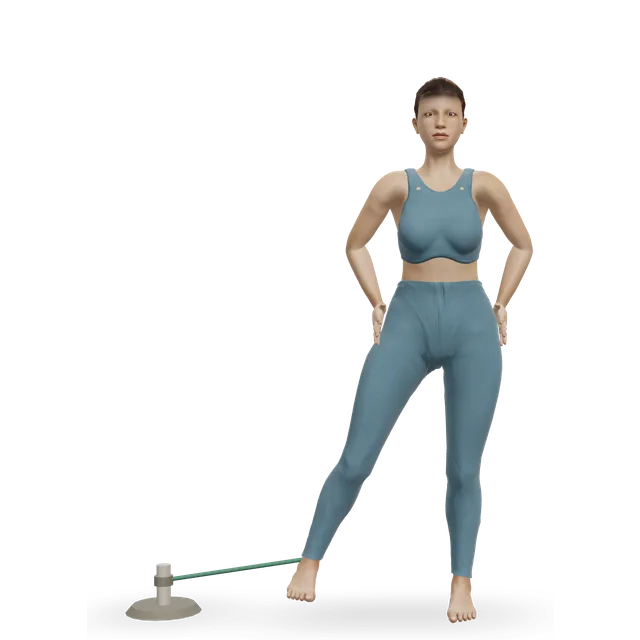
Standing band hip adduction demonstrated on the 3D figure3D demoStanding band hip adductionBeginner · A band + An anchor point

3 sets of 10 to 12 each side · As in our groin strain guide (editorial); band adduction is a high-intensity adductor exercise, and a modified trial programme used the strongest band you could manage pain-free for 10 reps, raised each week

Easier: Lying adductor ball squeeze · Harder: Copenhagen plank

Dumbbell goblet squat demonstrated on the 3D figure3D demoDumbbell goblet squatIntermediate · A dumbbell

3 sets of 8 to 10 to a box, lowering the box over the weeks, at the stance that passes the pain rule · As in our hip squat guide (editorial)

Easier: Bodyweight squat · Harder: Barbell front squat

Split squat demonstrated on the 3D figure3D demoSplit squatIntermediate · No equipment

3 sets of 8 each side, short range first · As in our groin strain guide (editorial)

Easier: Bodyweight squat · Harder: Reverse lunge

Side plank demonstrated on the 3D figure3D demoSide plankIntermediate · No equipment

3 holds of 20 to 30 s each side · As in our groin pain guide (editorial)

Easier: Knee side plank · Harder: Side plank with leg lift

Lateral band walk demonstrated on the 3D figure3D demoLateral band walkBeginner · A band

3 sets of 10 to 15 steps each way · As in our hip squat guide (editorial)

Easier: Hip abduction machine · Harder: Lateral band walk, band at the feet

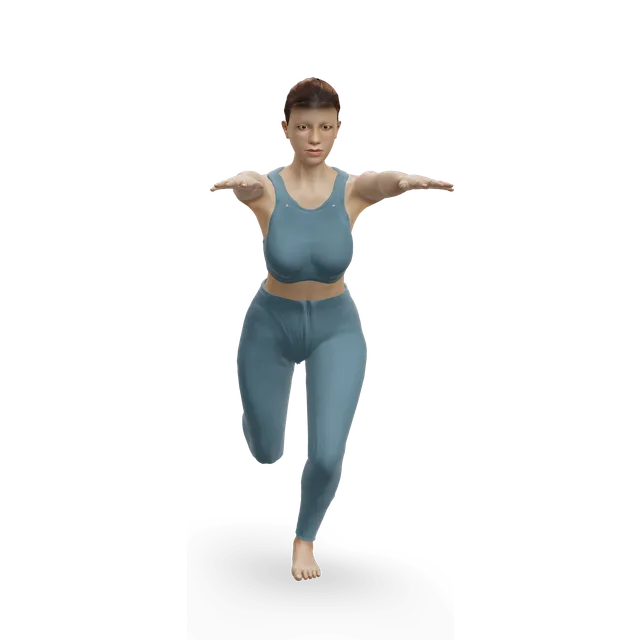
Cossack squat demonstrated on the 3D figure3D demoCossack squatIntermediate · No equipment

Late in the stage: 2 sets of 5 each side, only as deep as is comfortable · As in our groin strain guide; the move page's own dose, 6 slow shifts a side, is more than this stage needs (our suggestion)

Easier: Sit squat (partial squat) · Harder: Pistol squat

Move on when: Side-to-side moves and squeezing your knees together are pain-free (our groin strain guide's check), goblet squats at your usual depth pass the pain rule, and a 30-second side plank is steady (the Copenhagen plank's starting point on its move page), for a week.

Follow along: a timer, a cue and the next move, one step at a time.
Stage 3

Copenhagen, wide stances and the barbell

From about week 6: the Copenhagen adduction three times a week, then once a week to keep it; your usual squats back at your own stance and depth; then sport. No study has tested a return to squats after groin pain, so the order is editorial; the written steps below bring back running, kicking, wide-stance lifts and daily life.

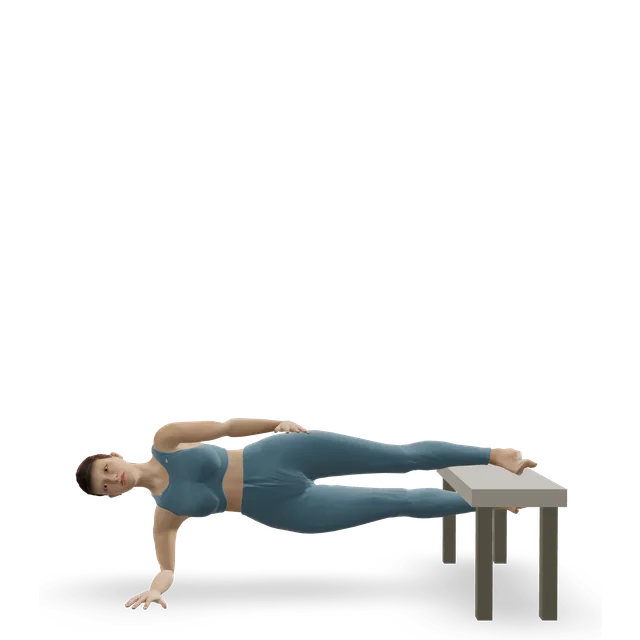
Copenhagen plank demonstrated on the 3D figure3D demoCopenhagen plankAdvanced · A bench or box

Short lever (the top knee on the bench) first: 1 set of 3 to 15 each side, 3 times a week, then once a week · As in our groin pain guides, from the levels a later trial describes for the football programme (second-hand). Not during sharp groin pain, as the move page says; expect some soreness in the first weeks

Easier: Hip adduction machine

Barbell back squat demonstrated on the 3D figure3D demoBarbell back squatAdvanced · A barbell

3 sets of 5 to 8 at your own stance and depth, from about half your old working weight, adding 2% to 10% once you can do 1 or 2 more reps than planned · The American College of Sports Medicine's step for healthy lifters, used here after groin pain by us (editorial), while the pain rule holds

Easier: Bodyweight squat · Harder: Overhead squat

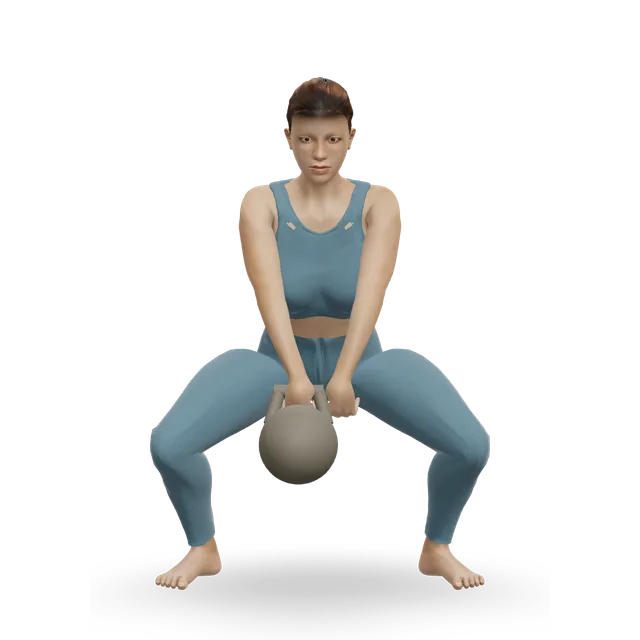
Plié dumbbell squat (sumo squat) demonstrated on the 3D figure3D demoPlié dumbbell squat (sumo squat)Intermediate · A dumbbell + A kettlebell

2 to 3 sets of 8 to 12, widening the stance a little at a time and only while your knees track over your toes · Editorial dose; the width advice is our sumo squat guide's

Easier: Bodyweight squat · Harder: Back squat with bands

Rear-foot-elevated split squat (Bulgarian split squat) demonstrated on the 3D figure3D demoRear-foot-elevated split squat (Bulgarian split squat)Intermediate · A bench or box

3 sets of 6 to 8 each side · As in our hip squat guide (editorial)

Easier: Reverse lunge · Harder: Split squat jump

Lateral bound (skater jump) demonstrated on the 3D figure3D demoLateral bound (skater jump)Beginner · No equipment

3 sets of 6 to 8 bounds (3 or 4 on each leg), resting a minute between sets · The move page's dose (an editorial starting point); for side-to-side sports, last

Harder: Bench jump-over

Move on when: Your usual squat sessions pass the pain rule for 2 weeks. Keep the Copenhagen once a week, as the football trial did in season. If a session flares it, go back a stage for a few days, not to nothing (editorial).

Follow along: a timer, a cue and the next move, one step at a time.

What to change for now

Your squat for now (written steps)

Our 3D figure can't show your stance width or toe angle against your hips. No trial has tested these changes for groin pain: they come from lab studies of healthy lifters, a clinical commentary and our hip squat and sumo squat guides, so keep what passes the pain rule.

  • 1. Stance width: if your inner thigh pulls, bring your feet in from a wide or sumo stance. The net adductor demand didn't change with stance width in a lab study, but a wide, toes-out squat works the adductor longus harder on the way up, so this is our reading, not a tested fix.
  • 2. Toe angle: turn your toes out only as far as your knees can follow. For a pinch at the front of the hip, a clinical commentary suggests a slightly wider stance with the toes out; avoid the extremes, very wide with the toes forward or narrow with the toes far out (our hip squat guide).
  • 3. Depth: squat to a box or bench set above the pull or the pinch, and lower it a notch at a time over the weeks.
  • 4. Load and tempo: lighter, a slower lowering, a pause on the box rather than a bounce, and 2 or 3 reps in reserve (our suggestion; powerlifters most often blamed too much volume or intensity for their injuries).
  • 5. Bar position: a goblet or front squat keeps your trunk upright (the clinical commentary).
  • 6. Split squats: a shorter stride, an upright trunk and less depth while the front of the back hip or the inner thigh is sore (our hip lunge guide).
  • 7. Leave out for now: sumo and plié squats, Cossack squats, side lunges, frog and deep squat holds, and adductor stretches into pain (our groin guides).

Sources 15, 14, 13, 22, 19, 8

Today: what the NHS suggests (written steps)

These come from the NHS and NHS inform.

  • 1. Keep moving if you can, but try not to overdo things (the NHS).
  • 2. An ice pack, or a bag of frozen peas, in a towel on the sore area for up to 20 minutes every 2 to 3 hours (the NHS).
  • 3. Don't sit in low chairs, which can put extra pressure on your hips (the NHS).
  • 4. In the first 24 to 48 hours, reduce your activities but move as much as your symptoms allow, then build back gradually; avoid sports or heavy lifting until you have less discomfort and good movement (NHS inform).
  • 5. See a GP if it hasn't improved after 2 weeks of looking after it at home (the NHS).

Sources 60, 62

Back to sport, wide-stance lifts and daily life (written steps)

No study has tested how squats come back after groin pain, so these steps are our suggestion unless a source is named.

  • 1. Barbell squats: start at about half your old working weight and add 2% to 10% once you can do 1 or 2 more reps than planned, the American College of Sports Medicine's step for healthy lifters; using it after groin pain is our suggestion.
  • 2. Running, kicking and turning: through the walk-jog weeks in our groin pain guide, with sprints, kicking and sharp turns last, moving on by milestones rather than the calendar, as a sudden-injury programme in athletes did.
  • 3. Wide-stance work in other lifts (sumo deadlifts, a wide leg press, the inner thigh machine): after wide goblet and plié squats pass the pain rule.
  • 4. Keep the Copenhagen adduction once a week in season, as the football trial did, and a squeeze in your warm-up (our suggestion).
  • 5. Daily life: don't sit in low chairs for long spells (the NHS); swing both legs together getting out of a car; step rather than lunge into a wide stance to pick things up.
  • 6. Pregnancy: narrow your stance if moving your legs apart brings on pelvic girdle pain (our sumo squat guide).
  • 7. After a groin hernia repair: the NHS says no heavy lifting or strenuous activity for at least 4 to 6 weeks, while the international guideline says go back to normal activities without restriction once you feel comfortable. Follow your surgical team.

Sources 72, 46, 41, 60, 55, 56

Positions to swap, and why

Habit or positionWhy it mattersInstead
Wide sumo or plié squats with an inner-thigh pullA wide, toes-out stance works the adductor longus harder on the way up and at a longer length.Feet nearer hip width, and the squeeze for the adductors.Try: Dumbbell goblet squat
Squatting below the pinch at the front of your hipPast the hip's bend, the thigh bone meets the socket and the pelvis tucks under.A box just above the pinch, lowered over the weeks.Try: Barbell box squat
Toes far out with the knees caving in, or very wide with the toes forwardThe extreme combinations gave the largest hip and knee loads (our hip squat guide).Toes out 15 to 30 degrees, with your knees following your toes.
Bouncing out of the bottom, or grinding to failureThe adductors work hardest at the bottom and on the way up.A pause on the box, with 2 or 3 reps in reserve.
Cossack squats and frog rocks while the groin is soreDeep stretch under load; our groin guides leave them out early.Split squats in a comfortable range.Try: Split squat
Stretching your adductors hard into painStrengthening, not passive care, was what helped in the trial.Band adduction.Try: Standing band hip adduction
The long-lever Copenhagen plank while the groin is acutely painfulThe move page says avoid it during acute groin pain.The squeeze now, the short lever later.Try: Lying adductor ball squeeze
Long, deep split squats with a pull at the front of the back hipIt stretches the hip flexors under load (our hip lunge guide).A shorter split squat.Try: Split squat
Straining with a held breath when you have a herniaOur hernia exercise guide says breathe out and don't strain; a hernia that becomes painful is urgent.Lighter loads, more reps, breathing out on the effort.
Training through testicle pain or a lump in the groinNot a squat problem: see the warning signs.Stop and get it checked.
Sitting in low chairs for long spellsThe NHS says not to, as this can put extra pressure on your hips.A higher seat.Try: Sit to stand from a chair

Routines to follow

More moves for this area

Questions people ask

Why does my groin hurt when I squat?

Usually the inner thigh muscles (the adductors), which work hardest at the bottom of a deep squat and on the way up, especially in a wide stance with your toes out. A deep pinch in the hip crease at the bottom is more often the hip joint running out of bend. Where it hurts tells you which.

Can squats cause groin pain?

They can bring it on when you add depth, width or load faster than your groin is used to, but no study has counted it. In athletes, adductor-related pain is the commonest kind of groin pain.

Is it a groin strain or something else?

A strain hurts on the inner thigh tendon and when you squeeze your knees together. Pain just above the crease with coughing points to the lower tummy wall, a lump to a hernia, and a deep pinch with clicking to the hip joint, and many athletes have more than one cause.

Should I squat narrower or wider?

With an inner-thigh pull, bring your feet in for now; with a pinch at the front of your hip, a slightly wider stance with your toes out often helps. Test widths with bodyweight squats first and keep what passes the pain rule.

Why does my groin hurt in split squats or Bulgarian split squats?

A pull at the front of the back hip is usually the hip flexors being stretched; the inner thigh of the front leg, the adductors; and a pinch deep in the front hip, the hip joint. Shorten your stride, stay upright and reduce the depth for a while.

Should I stretch my groin?

Not hard while it hurts. Strengthening, starting with a pain-free squeeze, was what helped in the trial of long-standing adductor groin pain; gentle stretching is fine once it no longer hurts.

What is the Copenhagen plank, and should I do it?

A side plank with your top leg on a bench, which loads the inner thigh hard. A programme built on it cut groin problems by 41% in semi-professional male footballers, though it didn't repeat in amateur players. Start with the knee on the bench once squeezes and side planks are easy, not during sharp groin pain.

Can squats give you a hernia?

No study shows it. The international hernia guideline says heavy lifting may contribute and the evidence is contradictory. A lump in the groin that grows when you strain needs a GP, and a painful one with vomiting or a bloated tummy is urgent.

Why do I get testicle pain after squats?

Sometimes a hernia or the groin muscles, but sudden, severe testicle pain, or testicle pain with feeling sick, is an emergency: go to A&E or call 999. Aching, a lump or swelling needs an urgent GP appointment or NHS 111.

How long does groin pain from squats take to heal?

Sudden strains in athletes were pain-free in about 2 weeks and back in training in about 3, and complete tears took 2 to 3 months. Long-standing pain often takes 3 months or more. No one can promise a date.

Do I need a scan?

Not usually: most groin pain is diagnosed by examination, and scans show changes in many people without pain. A pop with bruising, pain that builds with every step, a child's limp, or no progress after 3 months of exercise are the exceptions.

When should I see a doctor?

Go to A&E or call 999 for sudden, severe testicle pain, or if you can't put weight on your leg after a fall. Get a same-day check for a hot, swollen hip with a high temperature, a child with a limp, or groin pain that builds with every step, and see a GP for a lump or if it isn't better after 2 weeks. In the US, call 911 where this page says 999.

Related exercise guides

Other pain guides

Sources

  1. Weir 2015 · The Doha agreement on terms and definitions in groin pain in athletes (international consensus, Br J Sports Med)
  2. Hölmich 2026 · Hip and groin pain in active adults: terms, examination and imaging (European consensus, Knee Surg Sports Traumatol Arthrosc)
  3. Hölmich 2007 · Three main patterns of long-standing groin pain in 207 athletes (prospective clinical study, Br J Sports Med)
  4. Taylor 2018 · Causes of groin pain in 100 athletes sorted by the Doha agreement (clinic study, Clin J Sport Med)
  5. Serner 2015 · Diagnosis of sudden groin injuries in 110 male athletes (prospective study, Am J Sports Med)
  6. Werner 2019 · 15 years of hip and groin injuries in men's professional football (prospective cohort, Br J Sports Med)
  7. Harøy 2017 · Weekly groin problems in 240 football players (cohort study, Am J Sports Med)
  8. Strömbäck 2018 · Injuries in 104 Swedish powerlifters (cross-sectional study, Orthop J Sports Med)
  9. Tung 2024 · Injuries in weightlifting and powerlifting, 17 reports (updated systematic review, BMJ Open Sport Exerc Med)
  10. McCaw 1999 · Stance width, bar load and leg muscle activity in the parallel squat, in 9 lifters (muscle activity study, MSSE)
  11. Paoli 2009 · Stance width and thigh muscle activity in the back squat, in 6 lifters (muscle activity study, JSCR)
  12. Clark 2012 · Muscle activity in the loaded barbell squat, 18 studies (review, JSCR)
  13. Pereira 2010 · Turning the hips out and adductor activity in a parallel squat, in 10 people (muscle activity study, JSCR)
  14. Coratella 2021 · Muscle activity in five squat variations, including the sumo, in 10 competitive bodybuilders (muscle activity study, IJERPH)
  15. Hopkins 2024 · Wider squat stances and the hip's three-way load demands, in 24 adults (lab study, J Biomech)
  16. Delmore 2014 · Adductor longus activity in 6 inner-thigh exercises, in 24 students (muscle activity study, J Sport Rehabil)
  17. Collings 2026 · Hip adductor muscle forces in 8 strength and rehab exercises, in 15 adults (modelling study, MSSE)
  18. Serner 2014 · Adductor longus activity in hip adduction exercises, in 40 football players (muscle activity study, Br J Sports Med)
  19. Kubo 2019 · Full against half squat training and muscle size, in 17 men (randomised training study, Eur J Appl Physiol)
  20. Bryanton 2012 · Squat depth, load and the effort of the hip, knee and ankle muscles, in 10 women (lab study, JSCR)
  21. Németh 1985 · Moment arms of the hip extensor muscles at different hip angles (cadaver and CT study, J Biomech)
  22. Straub 2024 · How stance, trunk and shin position change the squat's joint loads (biomechanical review, Int J Sports Phys Ther)
  23. Lamontagne 2009 · Cam-type hip impingement and squat depth, in 15 people and 11 controls (lab study, Clin Orthop Relat Res)
  24. Ayeni 2014 · The painful deep squat as a test for cam-type hip impingement, in 76 people (diagnostic study, Knee Surg Sports Traumatol Arthrosc)
  25. Reiman 2015 · Clinical tests for hip impingement and labral tears (systematic review and meta-analysis, Br J Sports Med)
  26. Frank 2015 · Hip impingement shapes and labral damage in 2,114 hips without symptoms (systematic review, Arthroscopy)
  27. Heerey 2018 · Hip joint findings on scans in people with and without hip pain, 29 studies (systematic review and meta-analysis, Br J Sports Med)
  28. Register 2012 · Hip MRI findings in 45 people without hip pain (blinded cross-sectional study, Am J Sports Med)
  29. Griffin 2016 · The Warwick agreement on femoroacetabular impingement syndrome (international consensus, Br J Sports Med)
  30. Griffin 2018 · Hip arthroscopy against personalised hip therapy in 348 people (UK FASHIoN randomised trial, Lancet)
  31. Palmer 2019 · Hip arthroscopy against physiotherapy and activity change in 222 people (UK FAIT randomised trial, BMJ)
  32. Kemp 2026 · Strengthening against stretching physiotherapy for hip impingement in 154 people (PhysioFIRST randomised trial, Br J Sports Med)
  33. Kemp 2020 · Physiotherapist-led treatment for hip-related pain (Zurich consensus, Br J Sports Med)
  34. AAOS OrthoInfo · Femoroacetabular impingement
  35. Hölmich 1999 · Active training against passive physiotherapy for long-standing adductor groin pain in 68 athletes (randomised trial, Lancet)
  36. Hölmich 2011 · The same trial 8 to 12 years later (randomised trial follow-up, Am J Sports Med)
  37. Yousefzadeh 2018 · A modified Hölmich programme for long-standing adductor groin pain in 15 athletes (before-and-after study, Rehabil Res Pract)
  38. Weir 2011 · Manual or exercise therapy for long-standing adductor groin pain (randomised trial, Man Ther)
  39. Charlton 2017 · Exercise to prevent and treat groin pain in athletes, 14 studies (systematic review, Sports Med)
  40. Kloskowska 2016 · Strength and movement before and after sports groin pain, 17 studies (systematic review and meta-analysis, Sports Med)
  41. Harøy 2019 · The Copenhagen adduction programme and groin problems in 652 male footballers (cluster randomised trial, Br J Sports Med)
  42. Lindblom 2023 · Injury prevention programmes, including an adductor programme, in 502 amateur football players (cluster randomised trial, Br J Sports Med)
  43. Ishøi 2016 · Eight weeks of the Copenhagen adduction in 24 young footballers (randomised trial, Scand J Med Sci Sports)
  44. Harøy 2017 · Adding the Copenhagen adduction to the FIFA 11+ in 45 young footballers (randomised trial, Am J Sports Med)
  45. Polglass 2019 · A six-level Copenhagen adduction progression in 25 professional footballers (single-group study, BMJ Open Sport Exerc Med)
  46. Serner 2020 · Return to sport after sudden adductor injuries in 81 male athletes (cohort study, Orthop J Sports Med)
  47. Serner 2021 · Exercise-based treatment for complete adductor longus tendon tears in 16 male athletes: one-year follow-up (case series, Am J Sports Med)
  48. Schlegel 2009 · Complete adductor longus tears in 19 American football players, with and without surgery (case series, Am J Sports Med)
  49. Farrell 2023 · Sudden adductor injuries: imaging, treatment and prevention, 30 studies (systematic review, Am J Sports Med)
  50. Sheen 2014 · The sportsman's groin: British Hernia Society position statement (Manchester consensus, Br J Sports Med)
  51. Sheen 2014 · Managing inguinal disruption in the sportsman's groin (review, BMC Sports Sci Med Rehabil)
  52. Maloy 2025 · Groin pain and injuries: evaluation and management (clinical review, Am Fam Physician)
  53. Masse 2026 · Osteitis pubis within pubic-related groin pain (review, J Clin Med)
  54. NHS · Hernia
  55. NHS · Inguinal hernia repair
  56. HerniaSurge Group 2018 · International guidelines for groin hernia management (guideline, Hernia)
  57. Vad 2012 · Work exposures and groin hernia repair in 1.5 million Danish men (register cohort, Occup Environ Med)
  58. Fitzgibbons 2006 · Watchful waiting against repair in 720 men with a groin hernia causing few symptoms (randomised trial, JAMA)
  59. NHS · Testicle pain
  60. NHS · Hip pain in adults
  61. NHS · Hip pain in children (irritable hip)
  62. NHS inform · Hip problems
  63. NHS inform · Exercises for hip problems
  64. Arthritis UK · Hip pain
  65. AAOS OrthoInfo · Slipped capital femoral epiphysis (SCFE)
  66. Khan 2004 · Where people with hip arthritis feel their pain, 120 people (cross-sectional study, Ann R Coll Surg Engl)
  67. Sundkvist 2022 · Stress fractures of the hip in 146 adults in the Swedish Fracture Register (register cohort, Acta Orthop)
  68. Tan 2022 · A thigh bone stress fracture after high-intensity interval training (case report, World J Clin Cases)
  69. Berry 2019 · Groin pain blamed on new weight training that was a germ cell tumour (case report, Ochsner J)
  70. Smith 2017 · Should exercises be painful in long-lasting muscle and joint pain? 7 trials (systematic review and meta-analysis, Br J Sports Med)
  71. Silbernagel 2007 · Continuing sport with a pain-monitoring model in Achilles tendinopathy, 38 people (randomised trial, Am J Sports Med)
  72. ACSM 2009 · Progression models in resistance training for healthy adults (position stand, MSSE)

Exercise education, not a diagnosis or treatment plan. It is written from the guidelines and studies listed above; review by a clinician is pending. If your pain follows an injury, is severe, is getting worse, or comes with any warning sign listed on this page, get it assessed. Health disclaimer.