What a lunge asks of the hip: two hips, two jobsEmerging evidence
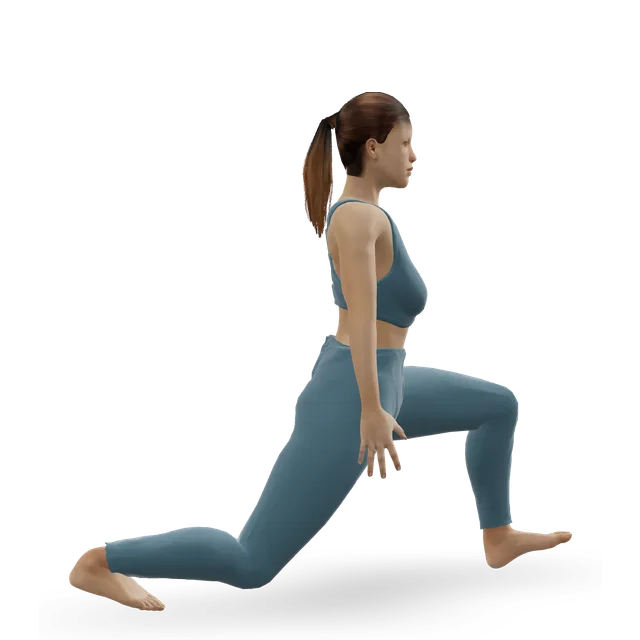
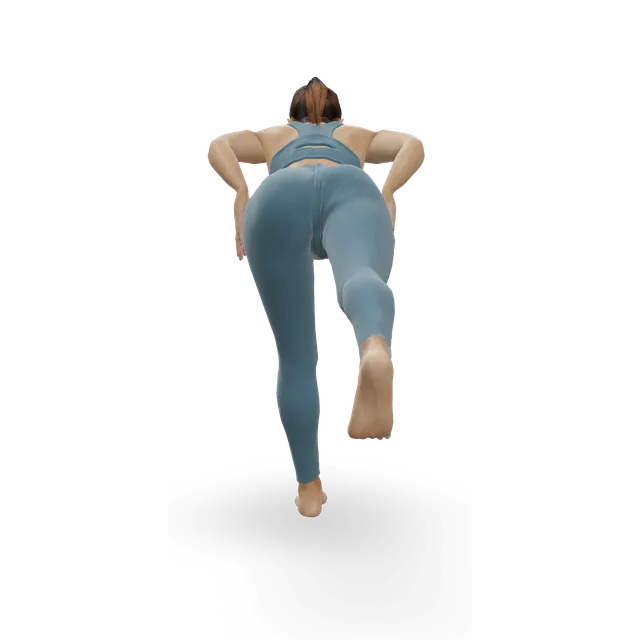
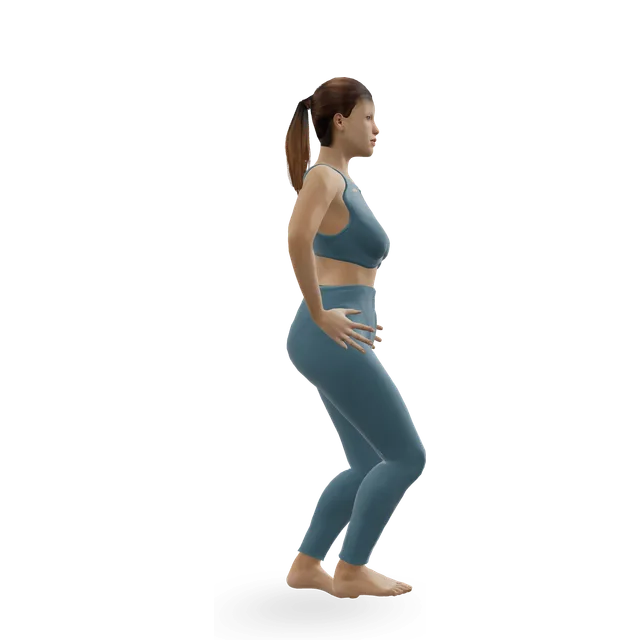
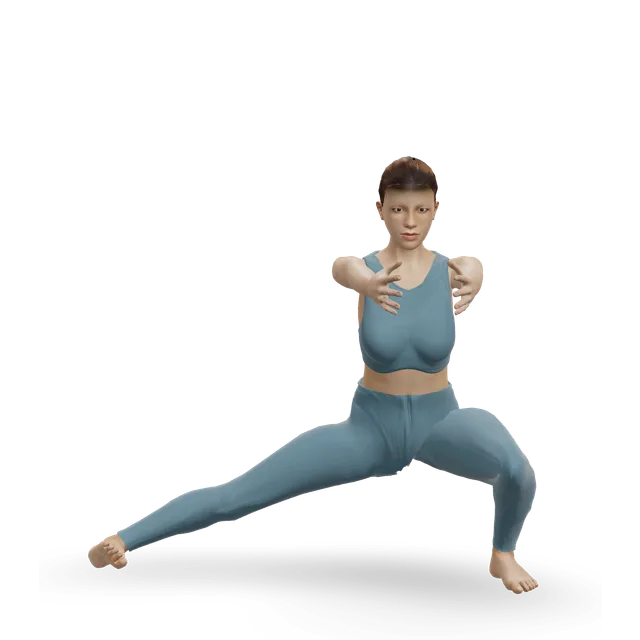
At the bottom of a lunge or split squat, the front hip bends to about 93 to 101 degrees and does most of the work driving you back up: in 16 adults, a forward lunge was mainly a hip-extensor exercise, and added weight raised the work at the hip and ankle with little change at the knee. The back hip is pushed towards straight or beyond, which stretches the hip flexors on that side (the rectus femoris and the iliopsoas) and, in a computer model, loads the front of the hip joint more.
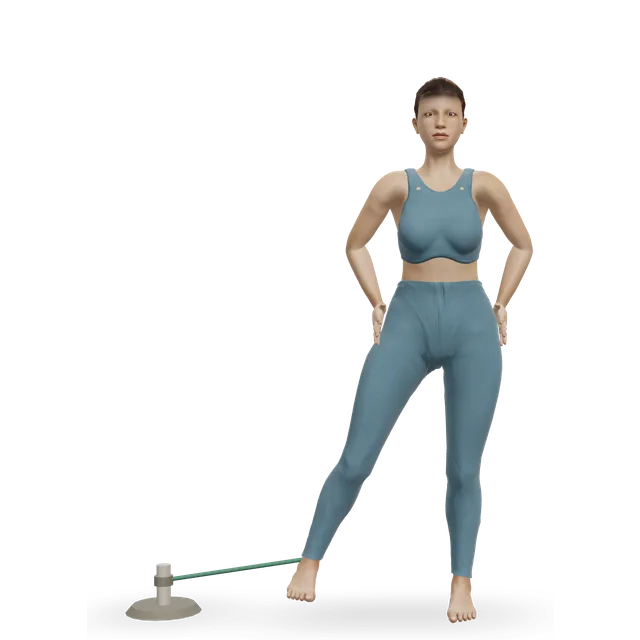
Stepping forward loaded the hip more than stepping back (9 men); a longer step shifted work from the knee to the hip (20 men); leaning forward deepened the front hip's bend and worked the glutes harder (10 adults); and side lunges put less load through the hip than forward lunges, and more through the knee and ankle (32 adults). A model of 53 young men put peak hip joint force at about 4.8 times body weight in a forward lunge, against 3.1 in a deep squat.
These are lab and computer studies of healthy, mostly young people; none measured the back hip in a lunge or anyone in pain. No study has counted hip pain caused by lunges, so this guide's map comes from lunge lab studies, hip consensus statements, trials and NHS pages.
Sources 1, 2, 3, 4, 5, 6, 7
The front of the hip: impingement, the labrum and the back legEmerging evidence
Femoroacetabular impingement (FAI) syndrome is diagnosed only when symptoms, examination signs and imaging agree, and in active adults hip-related pain is mostly FAI syndrome, a shallow socket (dysplasia) or an unstable hip, or problems with the labrum (the rim of cartilage around the socket), the cartilage or the ligaments. A hip shape that causes impingement limited squat depth in 15 patients against 11 people without it. In 12 hips from people who had died, the front of the labrum was strained most when the hip bent and crossed in, and the front and outer labrum in full extension.
For the back leg, a hip model found more force at the front of the joint when the hip was extended, more so with weak glutes, and in 5 men, walking with 2 degrees more hip extension raised that modelled force by 24%. Rarely, in hips with a forward-twisted thigh bone, a computed tomography (CT) simulation found the hip impinging at the back in full extension; its authors call lunges not advisable for those hips, though they didn't test lunges. That a pinch at the front of the back hip may come from the joint is our reading of these models.
Sources 8, 9, 10, 11, 12, 13
The groin, the hip flexors and the outer hipEmerging evidence
Groin pain in athletes is grouped as adductor-related, iliopsoas-related, inguinal-related, pubic-related and hip-related, with other causes such as a stress fracture of the hip and, in the young, growth plate problems. In 110 male athletes, adductor injuries were 66% of acute groin injuries and the hip flexors 15% to 25%; in 33 athletes with acute hip flexor injuries, these came from kicking, sprinting and changing direction. An examination is enough for adductor injuries, while a magnetic resonance imaging (MRI) scan helps locate hip flexor injuries.
Outer hip pain is usually gluteal tendinopathy, the tendons of the side glutes squeezed against the bony point of the hip: excessive hip adduction (the thigh crossing in) and compression are key, which is why curtsy and crossover lunges tend to bother it (our reading; no study tested lunges). In adults aged 50 to 79, 15% of women had it on one side and 8.5% on both, against 6.6% and 1.9% of men.
Sources 14, 15, 16, 17, 18, 19
Which hip pain needs checking quicklyStrong evidence
The NHS says call 999 for severe hip pain after a fall or injury, a leg you can't walk on or put weight on, or tingling or loss of feeling in the hip or leg after an injury; in an older adult, a fall with hip pain can be a broken hip. It says get an urgent GP appointment or call NHS 111 for sudden severe hip pain without a fall, a hot, swollen hip, a change in the colour of the skin, or hip pain with feeling unwell and a high temperature, though not everyone with a joint infection has one.
For children, one NHS page says call 999 for sudden hip, knee or thigh pain or a child who can't put weight on the leg, and get a limp checked the same day; another puts sudden hip pain at an urgent GP appointment or NHS 111. Our warning signs follow the stricter of the two. None of these is a lunge problem.
Sources 20, 21, 22, 23, 24
Scans, and how it usually goesStrong evidence
Shape changes and labral tears are common on scans of painless hips: across 2,114 hips without symptoms, cam shapes showed in 37% (55% in athletes) and labral damage in 68%, and in another review labral tears showed in 54% of people without hip pain against 62% with it. The Zurich consensus keeps advanced imaging for when more detail is needed. Scans matter for a teenager's pop at the front of the hip, a suspected stress fracture, a suspected complete adductor tear and hip pain after a fall.
No study follows hip pain from lunges. Adductor strains in 81 male athletes became pain-free in a median of 13 days and returned to full training in 18; most teenage avulsions heal without surgery (87% of 852 in a 2026 review), though 14% still had pain after 3 months in one large series; hip-related pain needs exercise-based treatment for at least 3 months; and outer hip pain improved in 51 of 65 people at a year with education and exercise. No one can promise a date.
Sources 25, 26, 9, 27, 28, 29, 30, 31