What a sit-up asks of the groin, and what no study has measuredEmerging evidence
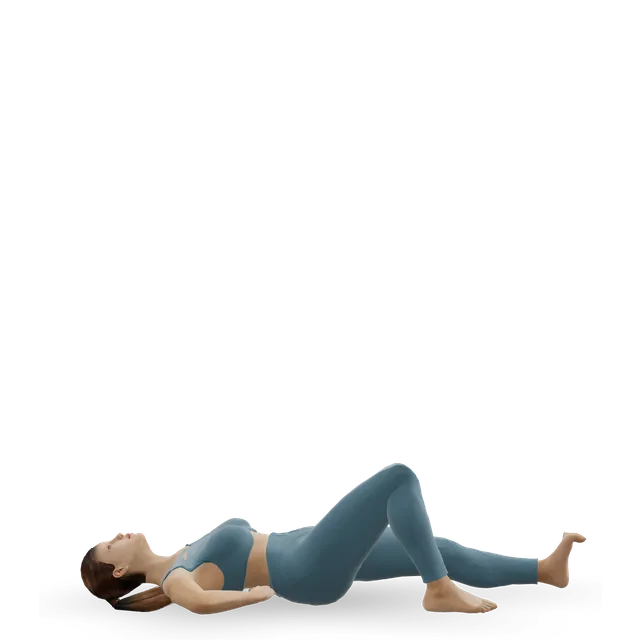
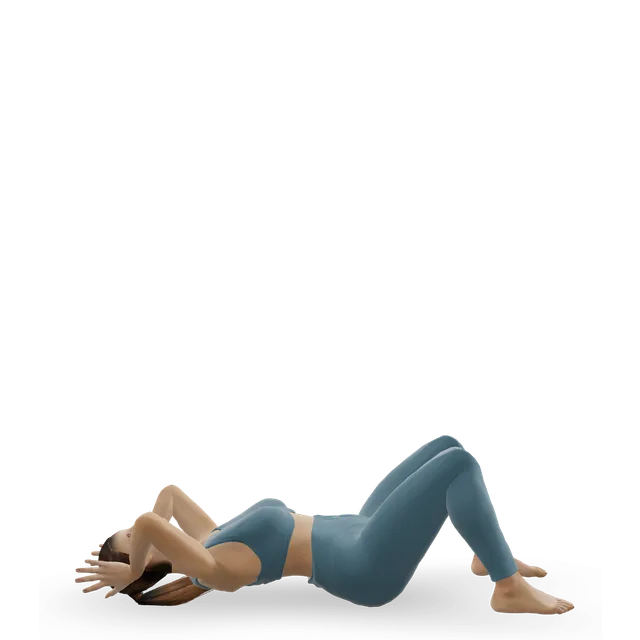
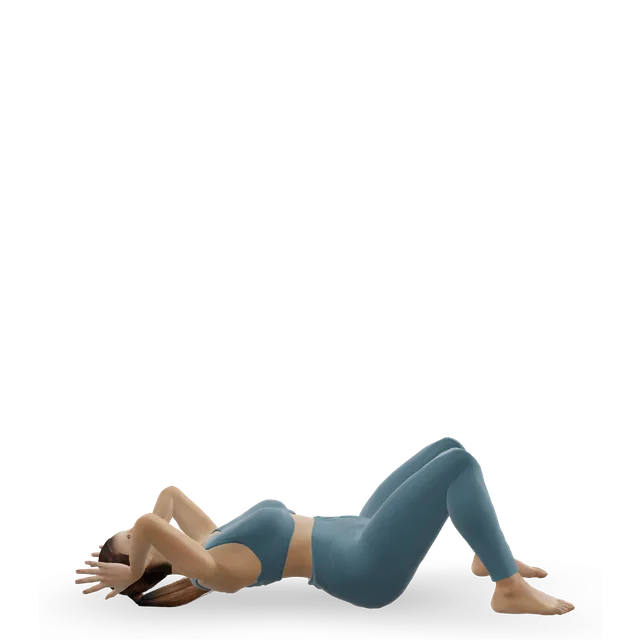
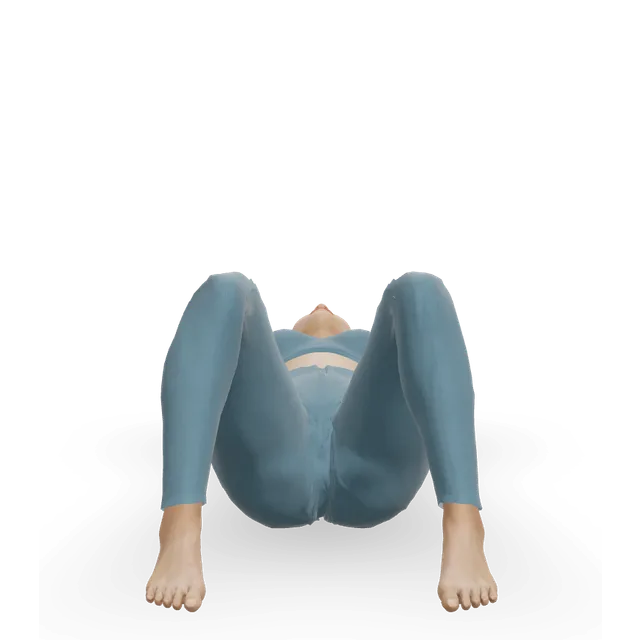
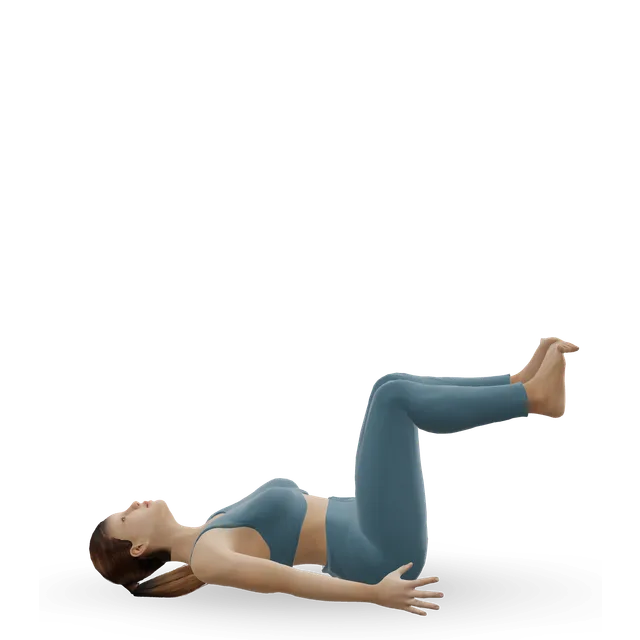
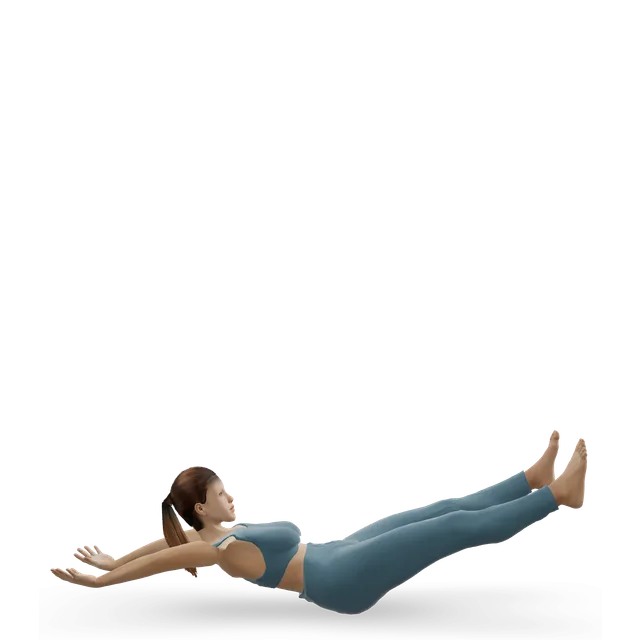
A sit-up curls your trunk off the floor with the tummy muscles; once your shoulder blades leave the floor, the hip flexors (the iliopsoas and the rectus femoris at the front of the hip) pull you the rest of the way. Every form of sit-up worked the psoas at 15% to 35% of its maximum, more than a curl-up, in fine-wire recordings in 8 adults. Holding the feet down lowered tummy-muscle activity and raised hip flexor activity in 14 people, and bent, supported legs raised hip flexor activity in 6 men. In 23 British Army personnel, hip flexor activity rose most over 2 minutes of feet-held sit-ups, so the authors advise unanchored curl-ups for testing the tummy rather than the hip flexors, and a traditional sit-up was called a poor choice for core training because of its focus on hip flexion. Leg raising and lowering load the iliopsoas more than a sit-up does.
No study has counted groin pain from sit-ups, measured the inner thigh muscles in a full or feet-hooked sit-up, or reported a groin injury, avulsion or hernia caused by one.
Sources 1, 2, 3, 4, 5, 6
Hooked feet and the inner thigh: our readingEmerging evidence
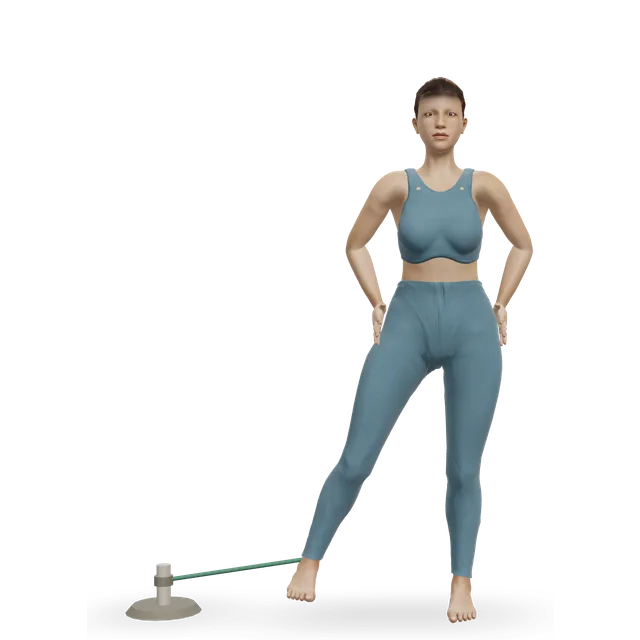
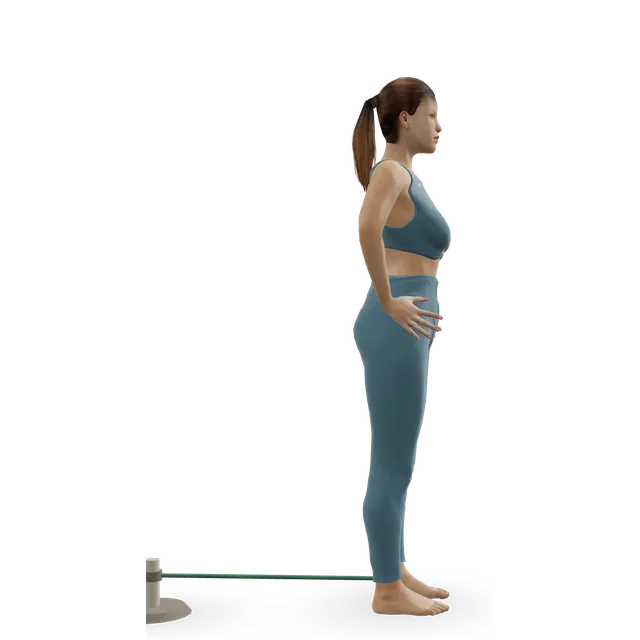
The inner thigh muscles have hardly been measured in trunk curls. The only reading is from a free-feet crunch in 20 men, in which the adductor longus worked at 4.1% of its maximum; in leg raises, it didn't rise with more hip bending. So the idea that hooking your feet or having them held strains the inner thigh is our reading, not a measurement. Serious adductor injuries in footballers happen in fast reaching and kicking, not slow trunk curls.
Sources 7, 8, 9
The groin is where several things meetStrong evidence
The international groin pain agreement (Doha) sorts athletes' groin pain into adductor-related, iliopsoas-related, inguinal-related and pubic-related pain, plus hip-related pain and other causes, and a 2026 consensus of 57 experts kept these and added resisted trunk bending to the routine examination. In clinic series of athletes, adductor-related pain was the commonest (58% of 207 and 61% of 100), causes overlapped in a third to almost half, and pubic-related pain was the least common (4%). These are mostly male footballers, not people doing sit-ups at home.
Sources 10, 11, 12, 13
A sit-up as a test, and its limitsEmerging evidence
The consensus statements say inguinal-related groin pain is more likely if the pain is aggravated by resistance testing of the tummy muscles, a cough or a sneeze, with tenderness over the groin canal and no hernia you can feel; they don't name the sit-up itself. A hernia surgeon lists weakness on resisted sit-ups among the signs, and in 100 operated athletes, the shared attachment of the tummy and inner thigh muscles on the pubic bone hurt with resisted sit-ups and resisted squeezing together.
But the test isn't specific: in 81 people with suspected core muscle injury, a sit-up test was positive in all of those with the injury and in almost all of those without it (a specificity of 3%). So groin pain in a sit-up tells you the groin is irritable, not which part.
Sources 10, 11, 14, 15, 16
Inguinal-related and pubic-related groin painEmerging evidence
A sports hernia isn't a true hernia: a UK consensus calls it inguinal disruption because no true hernia exists, and a 2025 review says it is 5% to 20% of groin problems in male athletes and rare in women. Pubic-related groin pain (osteitis pubis) usually builds gradually, centrally or to one side of the pubic bone, and is worse with sprinting, kicking, cutting, sit-ups or squeezing the knees together, a 2026 review says.
Sources 17, 18, 19
Hernias and sit-ups: no study of exercise shows they cause themEmerging evidence
The NHS says a hernia's lump may get bigger when you cough, sneeze or cry and smaller when you lie down, and that femoral hernias mainly happen in women over 50 and need treating promptly. The international hernia guideline lists family history, a hernia on the other side, being male, age, abnormal collagen, prostate surgery and a low body mass index as risk factors; it calls the evidence on work and workload contradictory and says heavy lifting may contribute. In a Danish register of 1.5 million men, years of heavy lifting and standing at work raised the risk of one kind of inguinal hernia repair slightly (odds ratios up to about 1.4).
In 57 women, pressure inside the tummy reached a median of 60.4 centimetres of water (cmH2O) in a full sit-up with the feet held, against 18.5 in a curl-up, 47.9 lifting an 18 kg box, 90.5 in a cough and 91.2 in a jump; in other studies, a curl-up raised it to 43% of a cough's rise, and coughing and jumping gave the highest pressures in 20 young adults. So the evidence is an absence of evidence, one pressure study and work-lifting registers: no study of exercise shows sit-ups cause hernias. A sit-up can make a hernia that is already there noticeable (our reading), so a new lump needs a GP.
Sources 20, 21, 22, 23, 24, 25, 26
Who gets itEmerging evidence
Our reading: people doing many sit-ups with their feet hooked under a bar or held by a partner, timed fitness-test sit-ups, decline sit-ups and V-ups; people in kicking and turning sports, in whom groin pain is common and sit-ups provoke it; people back to training after a baby; and people with a hernia or a repair. Inguinal-related pain is mostly a problem of men in kicking sports.
In teenagers, a piece of growth plate can pull off the pelvis: in 228 cases, sprinting and kicking were the commonest causes, 97% healed without surgery, and sit-ups weren't named among the causes.
Sources 17, 12, 27
When a scan or test mattersStrong evidence
Not at first for most groin pain from sit-ups: the 2026 consensus says red flags must not be ignored and imaging must be read alongside your story and examination, and it names ultrasound as the first scan for a suspected hernia and for adductor, inguinal or iliopsoas pain. A test matters for a lump (a GP examines it first), testicle pain, a teenager's limp or pop (an X-ray the same day), groin pain with a fever, a pop high on the inner thigh with bruising, catching or locking, and pain that hasn't settled after 6 weeks.
Sources 11, 16
How it usually goes: figures from athletes with full medical supportMixed evidence
No study follows groin pain from sit-ups, and the figures below come from footballers and other athletes with full medical support. In 81 male athletes with sudden adductor injuries, most were pain-free in about 2 weeks and back to full training in about 3, while complete tears took about 2 months to be pain-free; 8% re-injured within a year. Inguinal-related pain is treated with rehab first, and surgery is considered for athletes who haven't recovered after 8 to 12 weeks. Pubic-related pain is slower: academy footballers returned after an average of 135 days, 5 professionals after about 49, and rehab was quicker than surgery (10.5 against 23.1 weeks) across mostly low-quality studies. No one can promise a date.
Sources 28, 17, 29, 30, 31