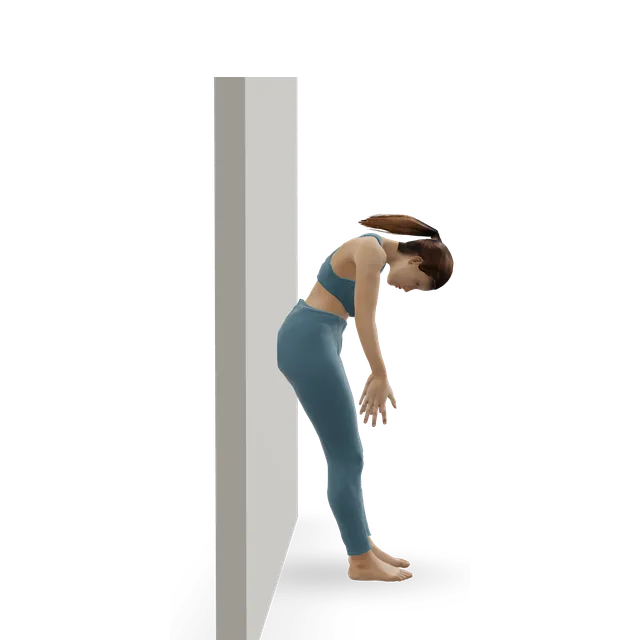
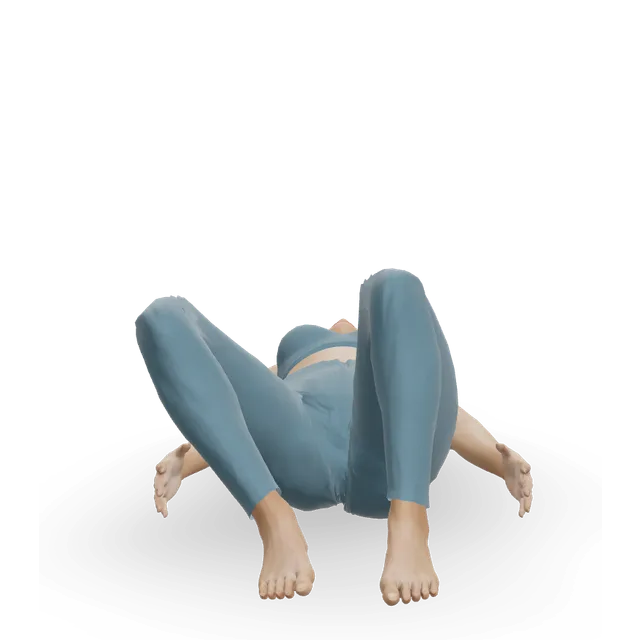
Lower back pain after Pilates: double-leg moves, rolling, swan and the reformer, and a plan back

Lower back pain after Pilates is usually ordinary back pain or soreness that settles within a few weeks. The moves most often behind it are straight legs held or lowered in the hundred, the lower lift and the teaser, full roll-ups and rolling moves, and big back extensions like swan, especially in a harder class than you're used to. Pilates is safe for most people and helps back pain about as much as other exercise; in trials, a short rise in pain was the usual side effect, and gentler classes had fewer. With thin bones, swap deep or repeated rounding rather than stopping.

This guide starts with the signs that need a 999 call or accident and emergency (A&E), such as numbness around your genitals or bottom, and those that need a general practitioner (GP) or the National Health Service's 111 line (NHS 111) the same day, such as back pain with a fever. It then maps the causes by where it hurts and which moves bring it on, explains what to change in leg work, rolling and extensions and on the reformer, covers osteoporosis and talking to your instructor, and gives a four-stage plan with a 3D demo of every move, back to your usual class.

When to get help first

Exercise is for pain that has been checked or is clearly mild and settling.

Get urgent medical help if

  • Call 999 or go to A&E: loss of feeling or numbness around the genitals or bottom, new trouble peeing or controlling your bladder or bowels, changes in genital sensation during sex or problems with erections or orgasm, or pain, tingling, weakness or numbness in both legs. These are signs of cauda equina syndrome, which needs treating in hospital urgently. Don't drive yourself.
  • Call 999 or go to A&E: leg pain with numbness around the genitals or bottom, new trouble starting or controlling peeing, not knowing when you need to poo or losing control of it, sciatica in both legs, or weakness or numbness in both legs that is severe or getting worse. These can be signs of cauda equina syndrome, which needs treating in hospital as soon as possible.
  • Call 999 or go to A&E: back pain with chest pain, or back pain that started after a serious accident, such as a car crash.
  • Call 999: after a fall, you may have hurt your head, neck, back or hip, or you cannot get up.
  • Same day (NHS 111): back pain after a new, significant injury in the last 7 days, such as a fall from a height (off a box, a bar or rings) or a direct blow to the back.
  • Call 999: sudden, severe pain in the tummy or back, which can come with breathlessness, pale or grey skin, or collapse. It can be a burst abdominal aortic aneurysm, most common in men aged 65 or over and in people who smoke or used to smoke.
  • Same day (GP or NHS 111): back pain and you feel hot, cold, shivery or generally unwell, or severe pain that starts suddenly or is getting worse quickly.
  • Ask for an urgent GP appointment or get help from NHS 111 if you think you may have a kidney infection (often pain in your lower back or side, with burning or stinging when you pee or needing to pee more often) and you have a very high temperature or feel hot, cold or shivery, a temperature below 36C, pain in the lower tummy or in the back just under the ribs, blood in your pee, you feel or are sick, you haven't had a pee all day, or you're pregnant. Call 999 or go to A&E if you're confused, drowsy or have difficulty speaking.
  • Same day: leg weakness that is getting worse; new leg pain with a history of cancer, HIV, TB or inflammatory arthritis; or leg pain with a fever, feeling unwell, loss of appetite, unexplained weight loss or night sweats.
  • Same day: leg weakness that is getting worse.
  • Same day (urgent GP appointment or NHS 111): new difficulty lifting the front of your foot or toes (foot drop), or a foot that slaps down or catches as you walk, especially if it is getting worse. Weakness in both legs, or with numbness around the genitals or bottom or bladder or bowel changes, is the 999 emergency above.
  • Same day: you have or have had cancer, and new back pain that is severe and doesn't let up, is getting steadily worse, is worse at night and disturbs your sleep, is worse when you cough, sneeze or strain, or comes with tenderness over the spine. Contact your cancer team or GP urgently. With cancer, new weakness, difficulty walking, numbness or bladder or bowel problems are an emergency.
  • Same day: new numbness, pain or weakness in your legs after a spinal fracture. Very occasionally a piece of broken bone presses on the nerves, and an NHS trust says it needs to see you urgently if this happens. Contact your fracture team or GP, or call NHS 111.
  • Same day (call NHS 111, or go to A&E if you feel very unwell): after a big or unusual session, such as hundreds of squats, sit-ups, back extensions or burpees, a challenge or a new class, muscle pain, swelling or weakness far worse than the session explains, and dark pee (red, brown, tea or cola coloured), sometimes starting hours or days later. Dark pee isn't always there, so muscles far sorer, more swollen or weaker than the session explains still need the same-day check. It can be rhabdomyolysis, a breakdown of muscle that can harm the kidneys.

See a doctor or physiotherapist if

  • Back pain that hasn't improved after a few weeks of looking after it at home, stops you doing day-to-day activities, worries you, or you're struggling to cope.
  • Pain, tingling or numbness spreading below the knee that isn't settling after a few weeks, is getting worse or stops your normal activities: see a GP.
  • Pain that is not improving after a few weeks, is getting worse, or is stopping your normal activities.
  • Sudden new back pain after a minor fall, lift, cough or sneeze, from 50 or past the menopause, or if you take long-term steroid tablets; or height loss, a curved spine or a change in posture: see a GP. It can be a spinal fracture.
  • You're 50 or over, or past the menopause, and have broken a bone in a fall from standing height or less, or you take steroid tablets long term: ask your GP about a fracture risk assessment. NICE recommends offering a bone density (DXA) scan after a broken hip or spine from thin bones, or another major fragility fracture, such as a broken wrist or shoulder, in the last 2 years.
  • Unexplained back pain with muscle spasms, loss of height, or a curved spine or change in posture: a possible osteoporotic spinal fracture, more likely with older age or long-term steroid tablets.
  • A teenager whose back pain is worse arching back and has lasted more than a couple of weeks: get it checked by a GP or sports physiotherapist. It can be a stress fracture of the spine (spondylolysis).
  • Buttock or leg pain, heaviness or tingling that comes on when you stand or walk and only eases when you sit or bend forward, or the distance you can walk keeps shrinking: see a GP or physiotherapist (possible spinal stenosis). Leg weakness that is getting worse, or numbness around your genitals or bottom, is urgent (above).
  • Pain that doesn't improve with rest or is worse at night, or pain that is worse when you sneeze, cough or poo.
  • Unexplained weight loss, or a lump, swelling or change in the shape of your back.
  • Pain at the top of the back, between the shoulders, rather than in the lower back.
  • Back pain that started before 45 and has lasted more than 3 months, especially if it started before 35, wakes you in the second half of the night, comes with buttock pain, gets better with movement or within 48 hours of anti-inflammatory painkillers, or you have or have had arthritis, pain where a tendon attaches to bone (enthesitis) or psoriasis, or a parent, brother, sister or child with spondyloarthritis. These can point to inflammatory back pain (axial spondyloarthritis, such as ankylosing spondylitis). The National Institute for Health and Care Excellence (NICE) asks GPs to refer people with 4 or more of these 9 features to a rheumatologist, and to do a blood test for the HLA-B27 gene marker if exactly 3 are present, referring if it is positive.
  • Back pain and stiffness that persists in a teenager or young adult. Ankylosing spondylitis tends to start at that age and can affect the whole spine.

Where does it hurt?

Location narrows the likely causes; it does not diagnose.

A dull ache across both sides the day after a new or harder class, fading within a week

Muscle soreness. Our workout guide covers soreness against a strain.

Read: Back pain after a workout →

Across the low back or to one side, sore for days, with no leg symptoms

Ordinary back pain or a strained muscle, the commonest cause. It usually settles within weeks.

Read: Back spasm and pulled back muscle →

The back arching or aching as straight legs are held or lowered (the hundred, the lower lift, the teaser)

The hip flexors pulling on the lower back as the trunk tires (our reading of a sit-up study). Bent knees and higher legs usually help.

Read: Back pain in leg raises →

Worse rolling, rounding or sitting slumped, mainly in the back

Often disc-type pain.

Read: Herniated or bulging disc →

Pain, tingling or numbness spreading below the knee, worse rounding

Usually a disc pressing on a nerve (sciatica).

Read: Sciatica →

A pinch low in the back at the top of swan, the double-leg kick or the reformer's long box, often from mid-life

Often put down to the small facet joints; no test can confirm it, and it's managed like other back pain. Our bending backwards guide covers it.

Read: Back pain bending backwards →

A teenager or young adult who arches a lot (dance, gymnastics), with back pain worse arching that lasts more than a couple of weeks

Possibly a stress fracture of the spine: get it checked, as the warning signs say.

Read: Spondylolisthesis →

Low on one side, by the dimple at the back of the pelvis, after one-sided or twisting work

Possibly the sacroiliac (SI) joint, a common source of back pain that is hard to pin down.

Read: SI joint pain →

A sharp catch on one side during or after a twist, such as the saw or the spine twist

Usually ordinary back pain. Our twisting guide covers it.

Read: Back pain when twisting →

Sudden back pain during or after rounding, rolling or a minor fall, from 50, past the menopause or on long-term steroid tablets

A possible spinal compression fracture: see a GP, as the warning signs say.

Read: Spinal compression fracture →

Buttock or leg ache when you stand or walk, eased by sitting or leaning forward, usually from 60

Possibly spinal stenosis, which big back extensions make worse.

Read: Lumbar spinal stenosis →

The upper or middle back after the roll-over, swan or arm work

The upper back rather than the lower back. Our upper back pain guide covers it.

Read: Upper back pain →

Severe, swollen back muscles with dark pee after a very hard class

Very rarely muscle breakdown: get help the same day. Our workout back guide covers it.

Read: Back pain after a workout →

Sit-ups, crunches or leg raises outside a Pilates class

Our sit-ups guide covers anchored feet, curl-ups and swaps.

Read: Back pain in sit-ups →

Understand it

Pilates helps back pain, and harms are rarely measuredEmerging evidence

In a Cochrane review of 10 trials (510 adults with long-lasting back pain), Pilates eased pain and disability more than minimal care. Only 2 of those trials looked for side effects: one found none and the other minor ones. Another review found only one trial that reported on safety, and in 54 women with long-lasting back or neck pain, reformer classes had no side effects linked to them.

No country collects injury statistics for Pilates, so there is no reliable injury rate, and an Australian association of Pilates instructors says the usual problems are muscle strain, flares of existing conditions and occasional falls from equipment. In an online survey of 494 Dutch adults who had a gym injury in the past year, the back was the commonest injured site among the 84 whose activities included yoga or Pilates (19 of them, 23%); that is 17% of the people surveyed, the two weren't separated, and there were no hours, so no rate. A news report describes a fall from the reformer's moving carriage and two reports of broken bones in reformer classes.

Sources 1, 2, 3, 4, 5, 6

A short rise in pain is the usual side effectStrong evidence

Across trials of exercise for long-lasting back pain (all kinds, not only Pilates), at least one side effect was reported in 33% of exercise groups and 29% of comparison groups, at about 0.14 events per person where they were measured, mostly minor ones such as muscle soreness. Across exercise for long-lasting pain, most side effects were more soreness or muscle pain that settled after a few weeks, and an umbrella review found no serious ones in back pain.

In 60 women, pain rose a little straight after Pilates exercises in those with back pain, less after the mat exercise than the equipment ones. So a sore back after a new class is common, and it usually settles.

Sources 7, 8, 9, 10

What Pilates asks of the lower backEmerging evidence

Four groups of moves, in our reading: legs held or lowered against gravity (the hundred with straight legs, the double-leg and straight-leg stretches, scissors, the teaser, the corkscrew), where the back arches if the trunk can't hold the pelvis still; rounding and rolling (the roll-up, rolling like a ball, the seal, the open-leg rocker, the roll-over family, the neck pull, the spine stretch forward and the saw); back extensions (swan, the double-leg kick, swimming, rocking and the reformer's long box); and planks on the moving carriage (the long stretch).

No lab study has measured the load on the lower back in a Pilates move; Pilates lab studies measure muscle activity only. In one, the mat versions of the teaser and long spine needed more stomach muscle work than the equipment versions (16 women), and in another, the criss-cross worked the trunk hardest, with the single-leg stretch and the dead bug similar (32 people). The load figures come from other exercises in young, healthy adults. The deep hip flexor (psoas), which attaches to the lower spine, worked at 15% to 35% of its maximum in sit-ups and under 10% in a curl-up (8 adults); linking that to back pain in Pilates leg work is our reading, as it wasn't measured in Pilates or in people with pain. Partial curl-ups gave the best challenge for the least low back load of 12 exercises, and lifting the chest against gravity loaded the spine most of four back extensions.

In pig spines bent tens of thousands of times under load, disc damage was more linked to the repeated bending than to the squeezing. That is an animal model with extreme repetition, not evidence that a class harms discs, and loading in the right dose is how backs get stronger.

Sources 11, 12, 13, 14, 15, 16, 17

Telling the causes apart, and when a scan mattersStrong evidence

The NHS says it's not always obvious what causes back pain, and it often gets better on its own. Many backs have a sore direction and an easy one: pain on arching that eases bending forward, or the reverse. Leg symptoms below the knee point to a nerve, and one-sided pain by the dimple of the pelvis may be the SI joint.

For most low back pain, the National Institute for Health and Care Excellence (NICE) says not to offer imaging routinely outside specialist settings. The exceptions are the warning signs: sudden pain with thin bones, where an X-ray looks for a fracture; a young person with lasting pain on arching; leg weakness, numbness or bladder or bowel changes; and a fall.

Sources 18, 19

How it usually goesStrong evidence

The NHS says back pain usually improves within a few weeks, though it can last longer or come back. In 33 cohorts (11,166 people), pain in recent back pain fell from 52 to 23 out of 100 within 6 weeks. It often returns: in 250 people who had recovered, 69% had another episode within 12 months, and earlier episodes are the best predictor. A flare after a class is often part of that usual course, not new damage. No one can promise a date.

Sources 18, 20, 21, 22

What helps, and how strong the evidence is

Keep moving, and keep doing Pilates with changesStrong evidence

The NHS says to stay active and carry on with your daily activities, not to stay in bed for long, and that activities like walking, swimming, yoga and Pilates may help ease back pain. NICE suggests a group exercise programme, which can include mind-body exercise. In the Cochrane review, Pilates reduced pain by about 14 points out of 100 against minimal care in the short term (low quality) and about 11 later on (moderate quality), but it isn't clearly better than other exercise.

A network meta-analysis of 89 studies ranked Pilates first for pain against no exercise, on low-quality evidence (the journal issued an expression of concern about the paper and later withdrew it, with no change to the paper), and an umbrella review found that 7 such analyses favoured Pilates and motor control exercise for pain (low certainty). The differences between types of exercise are small next to the difference between exercising and not.

Sources 18, 19, 1, 23, 9

Gentler classes: about as good, with fewer side effectsEmerging evidence

In 168 adults with long-lasting back pain, low-intensity Pilates helped pain and disability as much as high-intensity Pilates, and about 20 fewer people in 100 had a side effect with the gentler classes (from the trial's summary; the types of side effect weren't in it). In 296 adults, Pilates twice a week cut pain by about 2.3 points out of 10 against advice alone, against 1.2 once a week and 2.1 three times a week. So after a flare, a gentler class twice a week is a sensible choice.

Sources 24, 25

Change the double-leg, rolling and extension moves for a whileEmerging evidence

No trial has tested a change to Pilates for back pain that Pilates caused. A review of 87 studies of ab exercises lists avoiding active hip flexion with fixed feet, and keeping the knees and hips bent, among its safety rules. A Pilates teaching platform says the teaser is "Not recommended for those with lower back injuries", and cues the swan to avoid lifting so far "that you feel a pinch in the lower back". Our suggestion from these: bend your knees and keep your legs higher in leg work, lower them only as far as your back stays still, use the half roll back instead of the full roll-up, and keep back extensions small.

Sources 26, 27, 11, 13

You don't need to brace hardEmerging evidence

In 152 people with long-lasting back pain, being taught to keep the stomach relaxed during Pilates improved disability slightly more than being taught to keep it contracted (1.4 points on a 0 to 24 scale), with a possible small benefit for pain. No study shows that pressing your lower back into the mat, or bracing hard, protects the spine.

Source 28

Mat or reformer: both helpEmerging evidence

In 86 adults, mat and equipment Pilates eased pain equally, with equipment slightly better for disability at 6 months; in 98 adults, both helped. Neither is clearly gentler on a sore back. Lighter springs, keeping your knees down in the long stretch and a still carriage when you get on and off are our suggestion.

Sources 29, 30, 3

Thin bones: swap deep rounding, keep doing PilatesStrong evidence

A UK consensus found that "physical activity and exercise is not associated with significant harm, including vertebral fracture", but asks for movements with sustained, repeated or end-of-range rounding to be changed, and says that "As a precaution, alternatives to exercises such as the ‘roll down ‘and ‘curl up’ in Pilates should be considered". Its review of harms found bending activities (certain yoga moves and sit-ups) were linked with more spinal fractures, but that these events were rare. The Royal Osteoporosis Society says "Generally, Pilates is very safe and won't cause a spinal fracture", and its fact sheet keeps the hundred, roll-up and leg stretches only for people with very strong stomach and back muscles from doing them regularly, swaps them for a wedge or the knee fold for most, doesn't recommend rolling like a ball, and says the roll-over "places a lot of pressure on your upper spine and neck".

The evidence behind the caution is thin. The best-known study wasn't randomised: new fractures followed in 89% of 9 women given bending exercises against 16% of 25 given back extension exercises (and 67% of 6 who did none). The case series are of yoga bending (9 people and 3 people), and we found no published spinal fracture in Pilates. Pilates trials in people with low bone density helped pain and function (70 women over a year in one) but reported no data on harms, and Pilates didn't change bone density. An international consensus favours teaching spine-sparing technique such as the hip hinge over blanket bans, with back strength for everyone.

Sources 31, 32, 33, 34, 35, 36, 37, 38, 39, 40, 41, 42, 43

Who should check firstEmerging evidence

Australian physiotherapists who teach Pilates agreed that people with pre-eclampsia, an unstable spondylolisthesis or a fracture may not benefit (expert opinion, not trial data). With a diagnosed back condition, that guide's plan comes first.

Source 44

How much pain is OK while you exercise?

Up to about 5 out of 10, settled within an hour or so and no worse the next morning; never down a legEmerging evidence

Some discomfort during exercise is fine, and it does not mean you are doing damage: the WHO counts "hurt does not necessarily mean harm" among the messages people with back pain need. Aim for pain you would call mild to moderate, no more than about 5 out of 10. It should settle within an hour or so, and your back should be no worse the next morning. If it is worse, do less next time (fewer reps, a smaller range, a lighter load), not nothing.

Leg symptoms are the exception: stop or shrink any movement that sends pain, pins and needles or numbness further down your leg. If leg symptoms move back towards your spine, that is a good sign, even if your back aches a little more for a while.

If pain climbs day after day, or you notice any warning sign, stop and get it checked. The 5 out of 10 figure matches this site's other pain guides and has not been tested in a back pain trial; in trials of long-lasting muscle and joint pain, exercise that allowed some pain did no harm.

For Pilates (our suggestion, built on the same rule): judge each class by your lower back during the moves, that evening and the next morning. A move that takes your back above about 5 out of 10 gets its easier version for now (bent knees, higher legs, a smaller roll or lift), and a class that leaves your back worse the next morning means an easier class next time, not no class, as the intensity trial suggests. With thin bones, keep deep rounding out of the plan whatever the pain score, as the UK consensus advises.

Sources 18, 24, 31

The exercise plan: 4 stages

Start at the first stage. Each move opens a full guide with a 3D demo.

Stage 1

Settle: keep moving, take out the hard moves

About the first 2 weeks: walking and daily activities, easy movement in the comfortable direction, and a gentle class without double-leg, rolling or big extension moves. With a diagnosed condition (a disc with sciatica, a compression fracture, spondylolisthesis, stenosis), that guide's or your clinician's plan comes first; with a warning sign, get checked first.

Treadmill walking demonstrated on the 3D figure3D demoTreadmill walkingBeginner · Cardio machine

5 to 10 min, several times a day · As in our back pain guide (editorial). Walking outdoors or around the house counts

Harder: Treadmill jogging

Pelvic tilt into bridge demonstrated on the 3D figure3D demoPelvic tilt into bridgeBeginner · No equipment

2 to 3 repetitions at a time, building to 2 sets of 8, 2 to 3 times a day · As in our back pain bending backwards guide (NHS inform's back exercise dose)

Harder: Glute bridge

Knee fold demonstrated on the 3D figure3D demoKnee foldBeginner · No equipment

2 sets of 5 to 10 each side, every other day · The move page's dose (a UK pelvic health physiotherapy booklet's). Back still, one leg at a time

Easier: Supine heel slide · Harder: Dead bug heel taps

Cat-cow demonstrated on the 3D figure3D demoCat-cowBeginner · No equipment

8 waves, slower than feels natural · The move page's dose. Keep both halves small for now

Harder: Half lord of the fishes (Ardha Matsyendrasana)

Child's Pose (Balasana) demonstrated on the 3D figure3D demoChild's Pose (Balasana)Beginner · No equipment

Hold 1 to 3 minutes, breathing into the back ribs · The move page's dose. Knees wide; with thin bones, keep the back long, as the move page says

Harder: Extended puppy pose (Uttana Shishosana)

Hip windshield wipers demonstrated on the 3D figure3D demoHip windshield wipersBeginner · No equipment

10 slow passes side to side, 2 rounds · The move page's dose (an editorial starting point). Feet on the floor

Easier: Supine heel slide · Harder: 90/90 switch

Move on when: You can walk for 15 to 20 minutes, a gentle class leaves your back no worse the next morning, and standing upright is comfortable (editorial, as in our back pain guide).

Follow along: a timer, a cue and the next move, one step at a time.
Stage 2

Build the trunk with the back still

About weeks 2 to 6, 2 or 3 sessions a week: the trunk and hips stronger without bending the back to the end of its range.

Dead bug demonstrated on the 3D figure3D demoDead bugBeginner · No equipment

2 sets of 6 to 8 each side, lower back still · As in our back pain guide (editorial). Heel taps first if your back arches

Easier: Dead bug heel taps · Harder: Forearm plank

Bird dog demonstrated on the 3D figure3D demoBird dogBeginner · No equipment

2 to 3 sets of 6 to 8 each side, 3 to 5 s holds, back level · As in our back pain and spondylolisthesis guides (editorial)

Easier: Bird dog, one limb at a time · Harder: Bear crawl

Glute bridge demonstrated on the 3D figure3D demoGlute bridgeBeginner · No equipment

2 to 3 sets of 10, lifting only to a straight line from shoulders to knees · As in our spondylolisthesis guide (editorial)

Easier: Pelvic tilt into bridge · Harder: Single-leg glute bridge

Knee side plank demonstrated on the 3D figure3D demoKnee side plankBeginner · No equipment

3 holds of 15 to 20 s each side · As in our back pain guide (editorial)

Harder: Side plank

Hip-hinge practice demonstrated on the 3D figure3D demoHip-hinge practiceBeginner · No equipment

2 to 3 sets of 10 · As in our back pain guide (editorial). The spine-sparing way to bend, useful with thin bones

Harder: Kettlebell deadlift

Move on when: Every set feels controlled, and your back is no worse the next morning, for a week (editorial).

Follow along: a timer, a cue and the next move, one step at a time.
Stage 3

Bring back the Pilates bending and arching moves, small

About weeks 4 to 8: each direction back in a small range, with your head and legs supported.

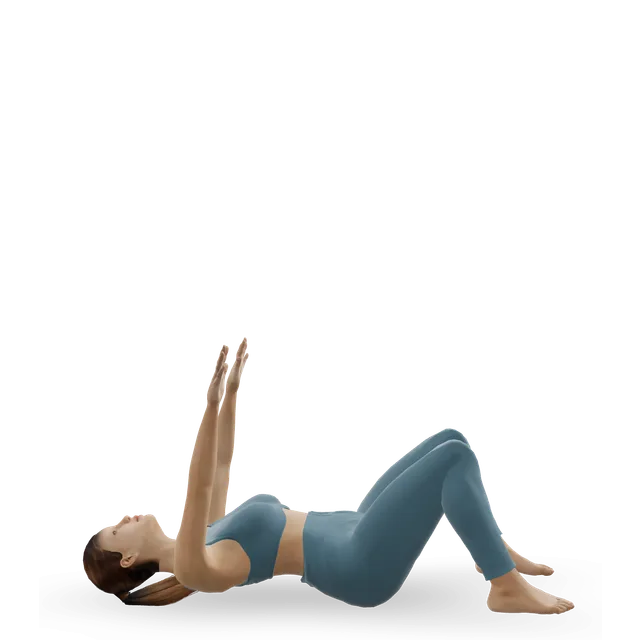
Chest lift (Pilates curl-up) demonstrated on the 3D figure3D demoChest lift (Pilates curl-up)Beginner · No equipment

8 to 10 reps · The move page's dose (a suggested starting point). With thin bones, a dead bug with your head down instead, as the move page says

Harder: Single-leg stretch (Pilates one leg stretch)

Single-leg stretch (Pilates one leg stretch) demonstrated on the 3D figure3D demoSingle-leg stretch (Pilates one leg stretch)Intermediate · No equipment

6 to 10 each side · The move page's dose (a suggested starting point). Knees bent, the other foot higher, lower back still

Easier: Chest lift (Pilates curl-up) · Harder: Single straight-leg stretch (Pilates scissors)

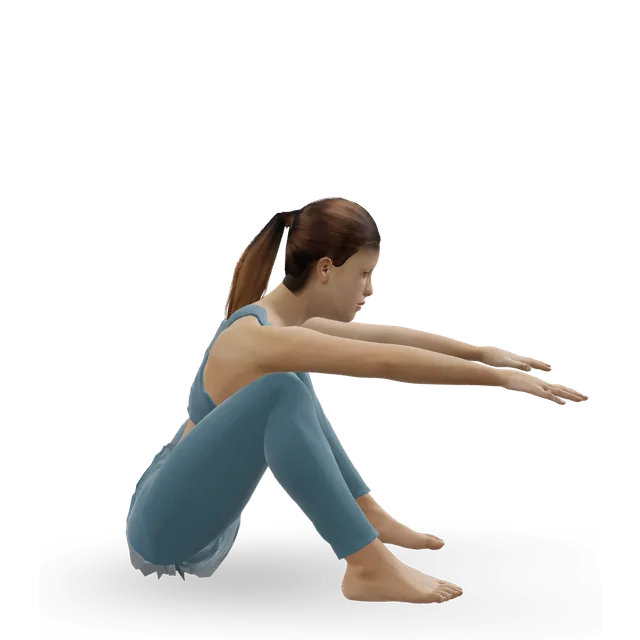
Half roll back (Pilates C-curve roll back) demonstrated on the 3D figure3D demoHalf roll back (Pilates C-curve roll back)Beginner · No equipment

5 to 8 reps · The move page's dose (a suggested starting point). A small roll; with thin bones, keep it small or leave it out, as the move page says

Harder: Roll-up (Pilates)

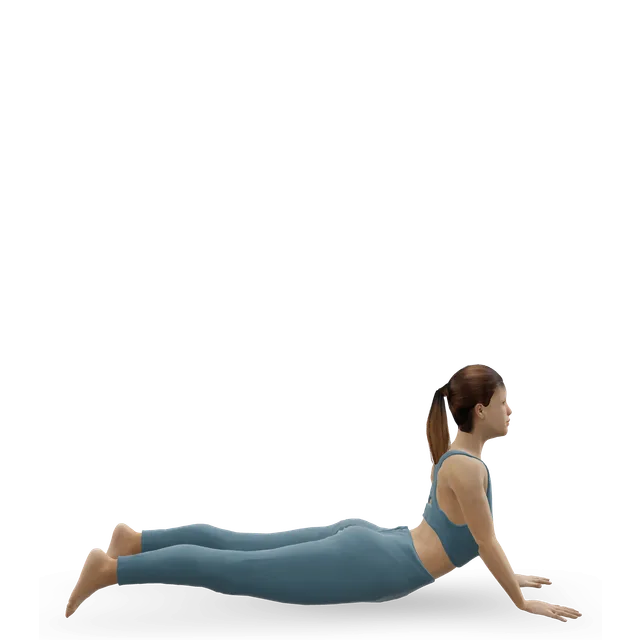
Swan (Pilates swan dive) demonstrated on the 3D figure3D demoSwan (Pilates swan dive)Intermediate · No equipment

5 to 6 reps · The move page's dose (a suggested starting point). Small lifts, stopping short of a pinch

Easier: Mermaid (Pilates seated side bend) · Harder: Double-leg kick (Pilates double kick)

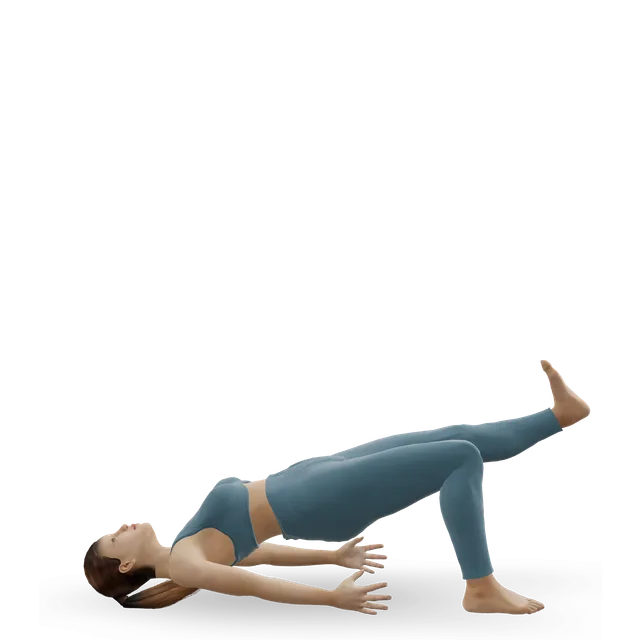
Shoulder bridge (Pilates) demonstrated on the 3D figure3D demoShoulder bridge (Pilates)Intermediate · No equipment

3 to 5 kicks each leg (the classical sequence uses 3) · The move page's dose (a suggested starting point). Weight on your shoulder blades, pelvis level

Easier: Wall bridge (feet-on-wall bridge) · Harder: Leg pull back (Pilates leg pull up)

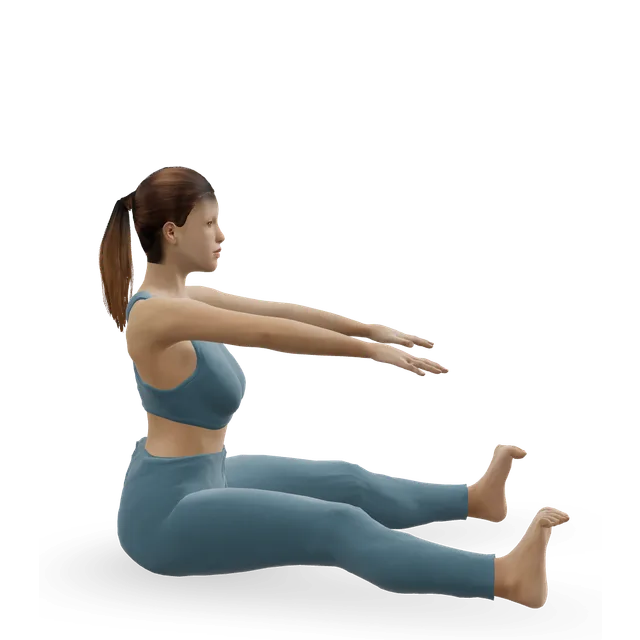
Spine stretch forward (Pilates spine stretch) demonstrated on the 3D figure3D demoSpine stretch forward (Pilates spine stretch)Beginner · No equipment

3 to 5 reps (the classical sequence uses 3) · The move page's dose (a suggested starting point). Knees bent, on a cushion; with thin bones, sit tall with a small hip hinge, as the move page says

Harder: Saw (Pilates)

Move on when: The stage 3 moves pass the pain rule for a week, and a class with bent-knee leg work and small rolls and extensions leaves your back no worse the next morning (editorial).

Follow along: a timer, a cue and the next move, one step at a time.
Stage 4

Back to your usual class

From about week 6, often later, then for good: the harder moves your class includes, one at a time, with two strength sessions a week kept. No study has tested a return to Pilates after back pain, so the order is our suggestion.

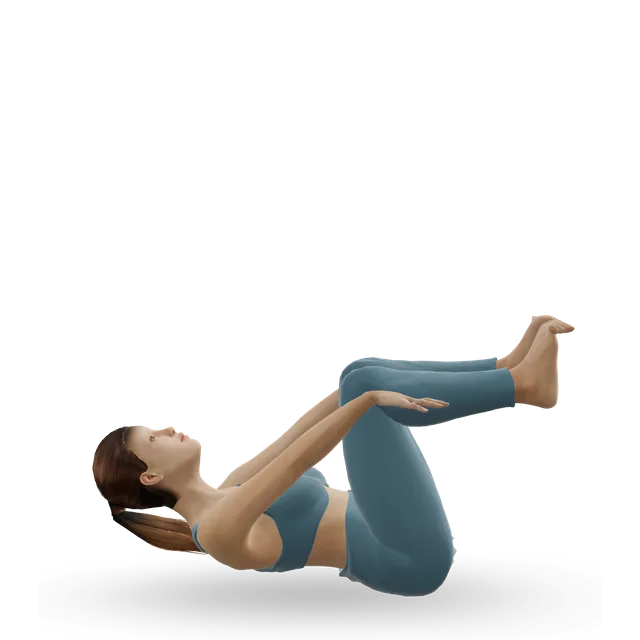
Hundred (Pilates) demonstrated on the 3D figure3D demoHundred (Pilates)Intermediate · No equipment

50 beats to start, building to 100 (the classical count) · The move page's dose (a suggested starting point). Legs in tabletop, then higher straight legs, lowered only as far as your back stays still

Easier: Wall hundred (wall Pilates) · Harder: Boomerang (Pilates)

Double-leg stretch (Pilates) demonstrated on the 3D figure3D demoDouble-leg stretch (Pilates)Intermediate · No equipment

6 to 10 reps · The move page's dose (a suggested starting point). The same rule for your legs

Easier: Chest lift (Pilates curl-up) · Harder: Single straight-leg stretch (Pilates scissors)

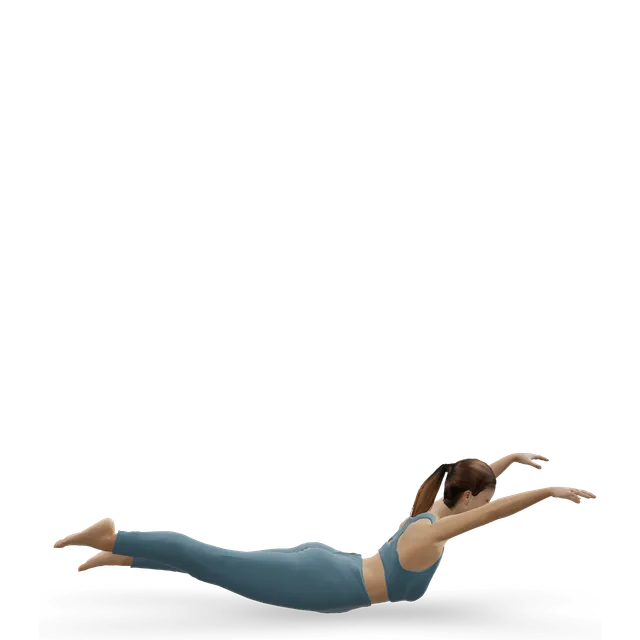
Swimming (Pilates) demonstrated on the 3D figure3D demoSwimming (Pilates)Intermediate · No equipment

2 to 3 sets of 20 to 30 seconds · The move page's dose (a suggested starting point). Small lifts; the bird dog if arching hurts, as the move page says

Easier: Mermaid (Pilates seated side bend) · Harder: Leg pull back (Pilates leg pull up)

Roll-up (Pilates) demonstrated on the 3D figure3D demoRoll-up (Pilates)Intermediate · No equipment

3 to 5 slow reps (the classical sequence uses 3) · The move page's dose (a suggested starting point). Knees bent if your feet fly up; with thin bones, the wall roll-down or the knee fold instead, as the UK consensus and the Royal Osteoporosis Society suggest

Easier: Half roll back (Pilates C-curve roll back) · Harder: Neck pull (Pilates)

Side kick (Pilates side kick series) demonstrated on the 3D figure3D demoSide kick (Pilates side kick series)Beginner · No equipment

8 to 10 each side · The move page's dose (a suggested starting point)

Harder: Side-lying leg circles (Pilates side kick series)

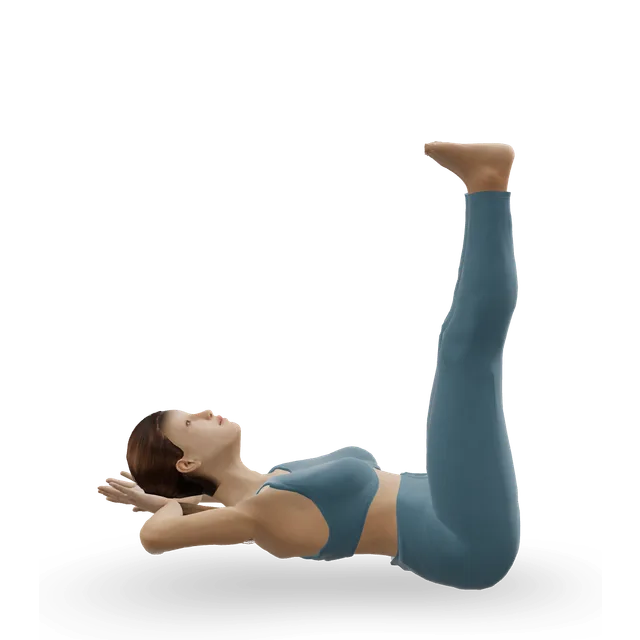
Double straight-leg stretch (Pilates lower lift) demonstrated on the 3D figure3D demoDouble straight-leg stretch (Pilates lower lift)Advanced · No equipment

6 to 10 reps · The move page's dose (a suggested starting point). Last of the leg moves, lowering only as far as your back stays still; stop if your back arches with pain, as the move page says

Easier: Single-leg stretch (Pilates one leg stretch)

Move on when: Each harder move has passed the pain rule for a week before the next comes back. Then the teaser, the rolling moves and the roll-over family, one at a time, if your class uses them and nothing rules them out (never with thin bones, as the move pages say). If it flares, go back a stage for a few days, not to bed, then build again (editorial).

Follow along: a timer, a cue and the next move, one step at a time.

What to change for now

Your Pilates for now (written steps)

Our 3D figure shows the moves, not the springs, the straps, how low your legs go or what you tell your instructor. These steps come from back pain trials, lab studies, the UK osteoporosis consensus, the Royal Osteoporosis Society, a Pilates teaching platform and the move pages; where a step is our suggestion, it says so. None has been tested in a trial against back pain from Pilates.

  • 1. A warning sign first: numbness around your genitals or bottom, bladder or bowel changes, weakness or numbness in a leg, a fall from the reformer, sudden pain with thin bones, or a teenager whose back hurts arching for more than a couple of weeks.
  • 2. Tell your instructor before class what hurts and which moves you'll change (our suggestion). For example: "My lower back flared after last week's class. I'll keep my knees bent in the leg work and skip the roll-over and teaser; could you suggest options?"
  • 3. Double-leg moves: knees bent or legs higher, one leg at a time, and lower them only as far as your back stays still (a review's safety rules); leave out the teaser for now, as a teaching platform advises with a lower back injury.
  • 4. Rounding and rolling: the half roll back or chest lift instead of the full roll-up, and no rolling like a ball, seal, open-leg rocker, roll-over, jack knife or neck pull while it hurts (the move pages).
  • 5. Extensions: smaller lifts in swan, the double-leg kick and swimming, stopping short of a pinch, and rocking left out (a teaching platform's cue and a lab study of back extensions).
  • 6. Bracing: breathe and let your stomach work without gripping hard; a relaxed stomach did slightly better in a trial.
  • 7. The reformer (our suggestion): lighter springs, a still carriage when you get on and off, the long stretch on your knees or left out, the long box extension kept small, and footwork with your back resting.
  • 8. Choose the class: a slower, lower-intensity class for a few weeks, twice a week rather than more (two Pilates trials).
  • 9. Thin bones: no rolling moves or roll-over family; the wall roll-down or knee fold instead of the roll-up, a hip hinge with a straight back instead of rounding in the spine stretch forward and the saw, and twists kept smooth and comfortable (the UK consensus and the Royal Osteoporosis Society).
  • 10. Between classes, keep walking and doing your daily activities, and don't stay in bed for long, as the NHS says.

Sources 26, 27, 13, 28, 24, 25, 31, 34, 35, 18

Positions to swap, and why

Habit or positionWhy it mattersInstead
Straight legs lowered close to the mat in the hundred or lower liftThe hip flexors pull on the lower back and the back arches (our reading of a sit-up study).Bent knees, one leg at a time, as in dead bug heel taps.Try: Dead bug heel taps
The teaser with a sore lower backA teaching platform says it's not recommended with a lower back injury.The chest lift.Try: Chest lift (Pilates curl-up)
Full roll-ups or rolling moves while it hurtsRepeated rounding of a sore back; partial curls load the back least in a lab study.The half roll back.Try: Half roll back (Pilates C-curve roll back)
The roll-over or jack knife with back pain or thin bonesLoaded rounding to the end of the range; the move page says avoid it with osteoporosis.A shoulder bridge.Try: Shoulder bridge (Pilates)
A big swan into a pinchLifting the chest against gravity loaded the spine most of four back extensions in a lab study.Arm and leg lifts with your spine still, as in the bird dog.Try: Bird dog
Bracing hard through the whole classA relaxed stomach did slightly better than a braced one in a trial.Breathe and move smoothly.Try: Lateral breathing (Pilates breathing)
Deep rounding with thin bonesThe UK consensus asks to change sustained, repeated or end-of-range rounding.The hip hinge with a long back.Try: Hip-hinge practice
A hard or fast class straight after a flareMore side effects with high-intensity Pilates in a trial.A gentler class for a few weeks.
Stopping all movement until it stops hurtingThe NHS says stay active and don't stay in bed for long.Short walks.Try: Treadmill walking

Routines to follow

More moves for this area

Questions people ask

Why does my lower back hurt after Pilates?

Usually ordinary back pain or soreness after moves your back isn't used to: straight legs held or lowered, full roll-ups and rolling, or big back extensions. In back pain trials, a short rise in pain was the usual side effect, and it settles. Pain down a leg, or a warning sign, needs checking.

Is it normal for my back to be sore after Pilates?

A dull ache across your back a day or two after a new or harder class is common and fades within a week. Exercise for back pain brings minor soreness about as often as other treatments do. Pain that builds class after class, or lasts more than a few weeks, is worth checking.

Why does my back hurt in the hundred or when I lower my legs?

Holding or lowering straight legs makes the hip flexors work hard, and in our reading they pull on your lower back as your trunk tires. Bend your knees, keep your legs higher and lower them only as far as your back stays still.

Why does my back hurt after reformer Pilates?

Usually the same moves as on the mat, plus planks on the moving carriage and the long box. Lighter springs, your knees down in the long stretch and smaller extensions usually help. Mat and reformer Pilates helped back pain equally in a trial.

Why does my back pinch in swan or back extensions?

Big lifts of the chest load the lower back the most of the back extensions tested in a lab. Keep the lift small and stop short of the pinch. A teenager whose back hurts arching for more than a couple of weeks needs checking for a stress fracture.

Why does my upper back hurt after Pilates?

Often the roll-over and other moves that roll weight onto your upper back, or holding your head and shoulders up. Leave the roll-over family out for a while. New, severe pain between the shoulder blades needs an urgent GP appointment, and our upper back pain guide covers the rest.

Is Pilates safe if I have osteoporosis?

Yes, with changes: the Royal Osteoporosis Society says Pilates won't cause a spinal fracture, and a UK consensus finds exercise isn't linked with significant harm. Swap deep or repeated rounding, such as roll-downs, curl-ups and rolling moves, and see a GP for sudden new back pain.

Should I imprint my spine or brace my core?

Neither has been shown to protect your back, and keeping the stomach relaxed did slightly better than keeping it contracted in a trial. What matters is choosing a leg height and range where your pelvis stays still.

Should I stop Pilates?

Usually not: change the moves, choose a gentler class for a few weeks and keep walking. Low-intensity Pilates helped back pain as much as high-intensity Pilates, with fewer side effects. Stop and get checked for leg numbness or weakness, bladder or bowel changes, or any warning sign.

What should I tell my Pilates instructor?

Before class, say what hurts and which moves you'll change, so they can suggest options. Ask for the bent-knee versions of the leg work and for options for rolling and extension moves.

How long does back pain after Pilates last?

Most back pain improves within a few weeks, and pain roughly halved within 6 weeks in cohort studies. It often comes back, so keep some trunk work in your week. No one can promise a date.

When should I see a doctor?

Call 999 or go to A&E for numbness around your genitals or bottom, new bladder or bowel problems, or weakness or numbness in both legs. Get help the same day for back pain with a fever or feeling unwell, or new leg weakness, and see a GP for sudden back pain with thin bones or pain that isn't improving after a few weeks. In the US, call 911 where this page says 999.

Related exercise guides

Other pain guides

Sources

  1. Yamato 2015 · Pilates for low back pain: 10 trials, 510 adults (Cochrane review)
  2. Yu 2023 · Pilates for chronic low back pain (systematic review and meta-analysis, Int J Environ Res Public Health)
  3. Şahan 2025 · Reformer Pilates in 54 women with long-lasting back or neck pain (randomised trial, BMC Psychol)
  4. Pilates Association Australia 2026 · How safe is Pilates? (professional association article; Australia collects no Pilates injury data)
  5. Kemler 2022 · Gym injuries in 494 Dutch adults (descriptive survey, Sports)
  6. ABC News 2023 · Calls for regulation amid reports of a rise in Pilates injuries (news report: a fall from the reformer and two reports of broken bones)
  7. Hayden 2021 · Exercise therapy for chronic low back pain: 249 trials (Cochrane review)
  8. Geneen 2017 · Physical activity and exercise for chronic pain: 21 Cochrane reviews, 381 studies (overview of reviews)
  9. Comachio 2025 · Benefits and harms of exercise for low back pain (umbrella review, J Sport Health Sci)
  10. Oliveira 2017 · Muscle activity and pain during Pilates exercises in 60 women with and without back pain (case-control study, Arch Phys Med Rehabil)
  11. Juker 1998 · Psoas and stomach muscle activity in sit-ups, curl-ups and other tasks: 8 healthy adults (laboratory study, Med Sci Sports Exerc)
  12. Axler 1997 · Low back loads in 12 abdominal exercises: 9 young adults (laboratory study, Med Sci Sports Exerc)
  13. Callaghan 1998 · Low back load in four back extension exercises: 13 young men (laboratory study, Phys Ther)
  14. Callaghan 2001 · Repeated bending under load and disc damage in pig spines (laboratory study, Clin Biomech)
  15. McGill 1998 · Low back exercises: evidence for improving exercise regimens (narrative review, Phys Ther)
  16. Dias 2014 · Stomach muscle activity in the teaser and long spine on the mat and Pilates equipment: 16 women (laboratory study, J Electromyogr Kinesiol)
  17. Pereira 2017 · Trunk muscle activity in Pilates mat exercises: 32 people with and without back pain (laboratory study, J Manipulative Physiol Ther)
  18. NHS · Back pain
  19. NICE NG59 · Low back pain and sciatica in over 16s (recommendations, updated July 2026)
  20. Costa 2012 · The prognosis of recent and persistent low back pain: 33 cohorts (meta-analysis, CMAJ)
  21. da Silva 2019 · Recurrence of low back pain in 250 people over a year (prospective cohort, J Physiother)
  22. da Silva 2017 · Risk of recurrence of low back pain (systematic review, J Orthop Sports Phys Ther)
  23. Owen 2020 · Which exercise works best for chronic low back pain: 89 studies (network meta-analysis, Br J Sports Med; an expression of concern was later rescinded)
  24. Coelho 2025 · High- or low-intensity Pilates in 168 adults with chronic low back pain (randomised trial, J Physiother)
  25. Miyamoto 2018 · Pilates once, twice or three times a week for chronic low back pain in 296 adults (randomised trial, Br J Sports Med)
  26. Monfort-Pañego 2009 · Muscle activity in abdominal exercises: 87 studies (literature synthesis, J Manipulative Physiol Ther)
  27. Pilates Anytime · The 34 Pilates mat exercises: the classical order and precautions (teaching platform)
  28. Lunkes 2026 · A relaxed or a braced tummy during Pilates in 152 people with chronic low back pain (randomised trial, J Physiother)
  29. da Luz 2014 · Mat or equipment-based Pilates for chronic low back pain in 86 adults (randomised trial, Phys Ther)
  30. Cruz-Díaz 2017 · Equipment or mat Pilates for chronic low back pain in 98 adults (randomised trial, Complement Ther Med)
  31. Brooke-Wavell 2022 · Strong, steady and straight: UK consensus on exercise for osteoporosis (consensus statement, Br J Sports Med)
  32. Kunutsor 2018 · Adverse events with exercise in osteoporosis and osteopenia (systematic review, J Frailty Sarcopenia Falls)
  33. Royal Osteoporosis Society · Pilates and osteoporosis (patient information, past its review date: reviewed February 2019, review due February 2022)
  34. Royal Osteoporosis Society · Pilates exercises: modifications with osteoporosis (fact sheet, February 2019)
  35. Royal Osteoporosis Society · How to exercise safely for bones (reviewed June 2026)
  36. Sinaki 1984 · Bending or extension exercises in 59 women with spinal osteoporosis (clinical series, Arch Phys Med Rehabil)
  37. Sfeir 2018 · Spinal compression fractures linked with yoga: 9 people (case series, Eur J Phys Rehabil Med)
  38. Sinaki 2013 · Yoga bending positions and spinal fractures with low bone density: 3 people (case series, Pain Pract)
  39. McLaughlin 2022 · Pilates in people at increased risk of fracture: 5 studies (systematic review, Appl Physiol Nutr Metab)
  40. Küçükçakır 2013 · A year of Pilates in 70 women with osteoporosis after the menopause (randomised trial, J Bodyw Mov Ther)
  41. de Oliveira 2022 · Pilates and bone density after the menopause: 3 trials (systematic review and meta-analysis, J Geriatr Phys Ther)
  42. Giangregorio 2015 · Too Fit To Fracture: physical activity and exercise recommendations (Delphi consensus, Osteoporos Int)
  43. Giangregorio 2014 · Too Fit To Fracture: exercise recommendations for osteoporosis or a spinal fracture (consensus, Osteoporos Int)
  44. Wells 2014 · Benefits, indications and risks of Pilates for chronic low back pain: 30 physiotherapists (Delphi survey, Phys Ther)

Exercise education, not a diagnosis or treatment plan. It is written from the guidelines and studies listed above; review by a clinician is pending. If your pain follows an injury, is severe, is getting worse, or comes with any warning sign listed on this page, get it assessed. Health disclaimer.