Pilates guide

Pilates for firefighters: the back and lifting, carrying kit, shoulders and knees, recovery, the heart, the evidence and a routine

Firefighters get hurt at the station and in training more than many people think, and most injuries are sprains and strains of the back, knees and shoulders, often from lifting. Pilates can help with part of that: it builds back and trunk endurance, shoulder-blade control and balance at low load, which suits rest days and the hours after a shift. In the only randomised trials in firefighters, back and core exercise twice a week raised endurance, though those programmes weren't Pilates, and no study shows that any exercise programme prevents firefighter injuries.

Pilates doesn't replace your service's fitness training, its lifting and moving practice, its medicals or occupational health, and an injury from the job isn't a sign you're unfit. It's light work for the heart, so it won't keep you above the fitness standard on its own.

This guide covers the kit, the back and lifting, shoulders and knees, heat, sleep and the heart, what the evidence shows, a 25-minute after-shift class and the warning signs.

The short version

No Pilates study in firefighters

We found no study of Pilates in firefighters. The nearest is a trial in 15 Air Force helicopter pilots with back pain, where mat Pilates eased pain more than their usual exercise but didn't change disability. So Pilates is a sensible extra, not a proven fix.

Sources 1, 2

Sprains and strains, and the back leads

Most firefighter injuries are sprains and strains, most often of the back, usually while lifting, then the knee and shoulder. Many happen at the station and in training: in one Canadian department only 15% of musculoskeletal injuries were on the fireground, and a third of all injuries in a US department came from physical exercise.

Sources 3, 4, 5, 6

What the firefighter exercise trials show

Back and core exercise on duty twice a week raised back endurance by 12% and core endurance by 21%. In a year-long trial in 264 firefighters it went with less time off for back pain, but only 20 of the 264 lost any work time, so the result is fragile. The bigger falls in injuries come from before-and-after comparisons, and across 18 trials in military, police, fire and ambulance workers, training didn't cut leg injuries.

Sources 7, 8, 9, 10

Kit changes how you move

Protective clothing and breathing apparatus weigh 17 to 25 kg. In gear, firefighters walk more slowly to keep their balance, dynamic balance gets worse, and turnout gear cut how far they could reach down without bending the lower back by about 12 cm. Hip control, one-leg balance and the hip hinge are the Pilates parts that fit (our reading).

Sources 3, 11, 12, 13

The heart comes first

Heart attacks and other cardiovascular events caused 58% of US firefighter deaths on duty in 2024, most often around fire suppression, alarms and physical training. Pilates is light work for the heart (1.8 to 2.8 METs, multiples of your resting energy use, against 8 to 9 for firefighting in full gear), so keep up your service's medicals and its fitness training.

Sources 14, 15, 16, 17

Where Pilates fits best

On rest days and after day shifts: back and trunk endurance, the hinge, shoulder blades, balance and a wind-down. About half of firefighters report poor sleep, and in Finland sleep problems predicted later back pain, so a slow wind-down after shifts is part of the class.

Sources 18, 19

What the job asks of your body, and where firefighters get hurt

Each study counted injuries its own way, so each figure keeps its own group and measure.

The kitEmerging evidence

Protective clothing plus breathing apparatus weighs 17 to 25 kg, and the US standard caps the breathing set itself at 16 kg. Wearing breathing apparatus raises heart rate, skin temperature, sweat rate and effort, and not mainly because of its weight. In gear, firefighters walked more slowly to keep their balance, most of all those who did no physical training; heavier air bottles increased side-to-side sway; across 15 US studies, protective equipment made dynamic balance, range of movement and walking worse; and turnout gear and boots cut how far firefighters could reach down without bending the lower back by 12 cm (anywhere from 10 to 14). These are lab studies.

Sources 3, 20, 21, 11, 22, 12, 13

Heat builds upStrong evidence

Over repeated firefighting bouts, core temperature rose by an average of 1.9°C and kept rising even after rests of more than 30 minutes; going back into a hot environment raised thermal strain and cut grip strength; and in live-fire drills, heart rates reached age-predicted maximums. In one study, 37% of firefighters couldn't finish a second bout in at least one condition, and they were the less fit. Firefighting in full gear rates 8 to 9 METs.

Sources 23, 24, 25, 26, 17

How often, and whatStrong evidence

Across 17 studies, injury rates ranged from 9% to 74%, with the lower limbs and back the leading sites, sprains and strains the commonest type, and slips, trips, falls, bending, lifting and squatting the main causes. Two meta-analyses put musculoskeletal problems at 46% (26 studies, 36,342 firefighters; lower back 34%, knee 20%, shoulder 19%, neck 18%) and 41% (31 studies; lower back 31%), though the studies differed hugely.

Sources 3, 27, 28

Not just the firegroundStrong evidence

In a Canadian department, 64% of injuries were sprains and strains, the back the commonest site (32%), and 65% happened at the station or in physical training against 15% on the fireground; back injuries happened mostly while lifting, knee injuries while stepping and shoulder injuries while pushing or pulling. In a US department, there were 17.7 injuries per 100 employees a year, a third (32.9%) during physical exercise and 16.9% during patient transport. In the US in 2024, 30% of 53,575 injuries were on the fireground, and strains, sprains and muscle pain made up 63% of training injuries. In England in the year to March 2025, 2,631 firefighters were injured on duty, 43% at incidents and the rest in training or routine work.

Sources 4, 29, 5, 30, 6, 31

Compensation claims point the same wayEmerging evidence

In Washington State, firefighters made 716.4 claims per 10,000 full-time workers against 163.2 for all other workers, nearly 40% of them musculoskeletal, with lifting and moving patients, tools and equipment, and physical training the common tasks. In Ohio, back sprains were the commonest diagnosis (16%), and in an older US series overexertion caused over a third of injuries, usually to the back, and cost the most.

Sources 32, 33, 34

Low back painEmerging evidence

In New York, first-time back pain was more likely after lifting objects of 18 kg or more, working a charged hose inside, climbing ladders or cutting through structures. About 30% of a US sample and 19% of Korean firefighters (32% of emergency medical staff) had back pain. Over 13 years in Finland, radiating back pain in the past year rose from 16% to 29%, and sleep problems at the start predicted it.

Sources 35, 36, 37, 19

Fitness and injuriesEmerging evidence

Fitter firefighters had fewer injuries: back injuries were 7.1% in the least fit and 0.8% in the most fit in a 1970s Los Angeles cohort, and an aerobic capacity under 43 mL/kg/min went with 2.2 times the injury risk of one over 48. Firefighters who exercised on duty had about 4 times the odds of an exercise injury, but half the odds of other injuries. These are links, not proof that training prevents injuries.

Sources 38, 39, 30

It isn't your fault

Injuries from lifting, carrying and training come from the work and how it's organised: your service's equipment, staffing, training in lifting and moving, and occupational health carry that, not a weak core (our reading).

What the evidence says about Pilates and exercise

No Pilates trial in firefighters, a few small randomised trials of other exercise, and some weaker before-and-after studies.

Pilates in tactical workers: one tiny trialMixed evidence

Our searches found no Pilates study in firefighters, police or other first responders. In 15 Brazilian Air Force helicopter pilots with back pain, twice-weekly mat Pilates for 12 weeks eased pain by 3.5 points more out of 10 than their usual exercise and improved trunk endurance, but disability didn't change. A 2026 review of 12 workplace Pilates trials, which includes it, found better function but no clear change in pain.

Sources 1, 2, 40

Back and core training in firefightersEmerging evidence

In a cluster randomised trial of 96 career firefighters, supervised back and core exercise twice a week for 24 weeks on duty gave 12% more back endurance and 21% more core endurance than usual fitness training. In 264 firefighters, a year of the same kind of exercise, supervised or by video link, went with less work time lost to back pain than no programme, but only 20 of the 264 lost any time (10 in the control group and 5 in each exercise group). In 24 firefighters and paramedics, functional and conventional strength training both raised back strength by about a fifth, and in 47 police officers and firefighters with chronic back pain, app-led core and mobility exercise with education eased pain by 1.5 points out of 10 more than education alone.

Sources 7, 8, 41, 42, 43

Injury falls come from weak designsMixed evidence

After 21 seminars on movement, lifting and core exercise, 433 Tucson firefighters had 44% fewer injuries and 62% fewer lost-time injuries than the year before, a comparison that can't rule out other changes at the same time. A fitness programme for recruits and a peer-led wellness programme also reported fewer injuries and claims, against earlier classes or other departments.

Sources 9, 44, 45

Fitness isn't the same as moving wellEmerging evidence

In 52 Canadian firefighters, only a movement-guided programme improved spine and knee control in tasks they hadn't practised, while conventional fitness training made some movements worse, and fitness gains alone didn't lower simulated loads on the lower back. These are lab measures, not injuries.

Sources 46, 47

Across tactical workers and soldiersEmerging evidence

Across 18 randomised trials in military, police, fire and ambulance workers, physical training didn't reduce leg injuries (odds ratio 0.87, anywhere from 0.71 to 1.08), and the authors call the evidence weak. In 4,325 US Army trainees, core stabilisation exercise was no better than sit-ups at preventing back pain, while a single education session reduced it; in 1,141 soldiers, it was no better at preventing injuries either.

Sources 10, 48, 49

Pilates and back pain in generalEmerging evidence

In adults with back pain, Pilates eased pain more than minimal treatment (a Cochrane review of 10 trials, low to moderate quality) and ranked near the top in two network meta-analyses of exercise, at low quality. Exercise in general helps chronic back pain, and core stabilisation is no better than other active exercise in the long term. So some firefighters with back pain will find Pilates helps, as other good exercise would.

Sources 50, 51, 52, 53, 54

Preventing back pain in generalEmerging evidence

Across 21 trials in 30,850 people, exercise with education cut the risk of a new episode of back pain (risk ratio 0.55), while education alone, back belts and insoles didn't. In sport, strength training cut injuries to about a third, and stretching didn't help.

Sources 55, 56

Yoga in firefightersMixed evidence

Two yoga programmes in US fire departments, with no comparison group, improved movement screen scores, trunk flexibility and perceived stress. Our yoga for firefighters guide covers yoga.

Sources 57, 58

The back and lifting

What happens to the backEmerging evidence

Back injuries happen mostly while lifting, and lifting 18 kg or more, hose work inside, ladders and cutting went with first-time back pain. In turnout gear, you can't reach as low without bending your lower back, which is one reason the hip hinge is worth practising (our reading).

Sources 4, 35, 13

What Pilates can addEmerging evidence

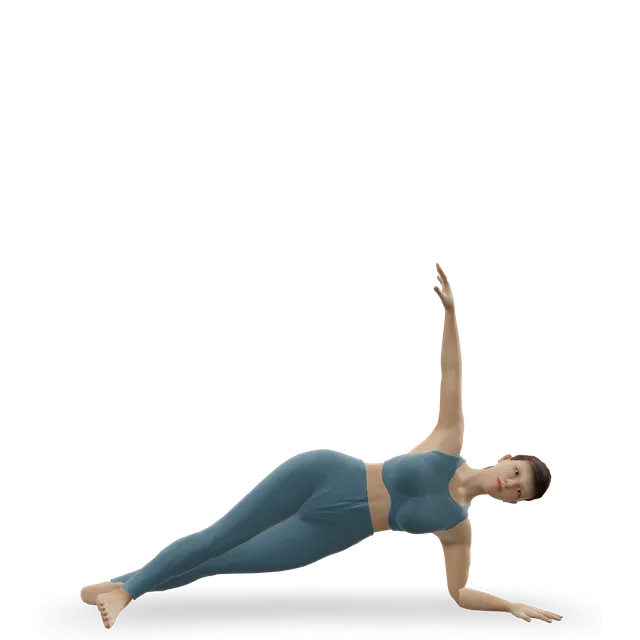
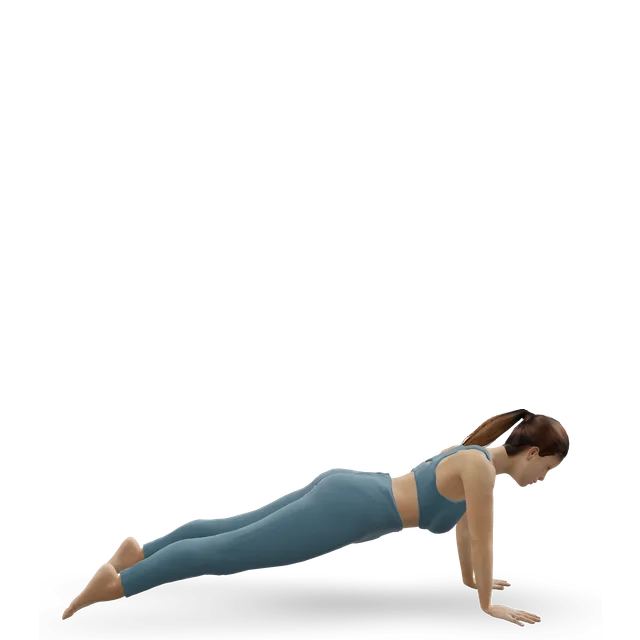
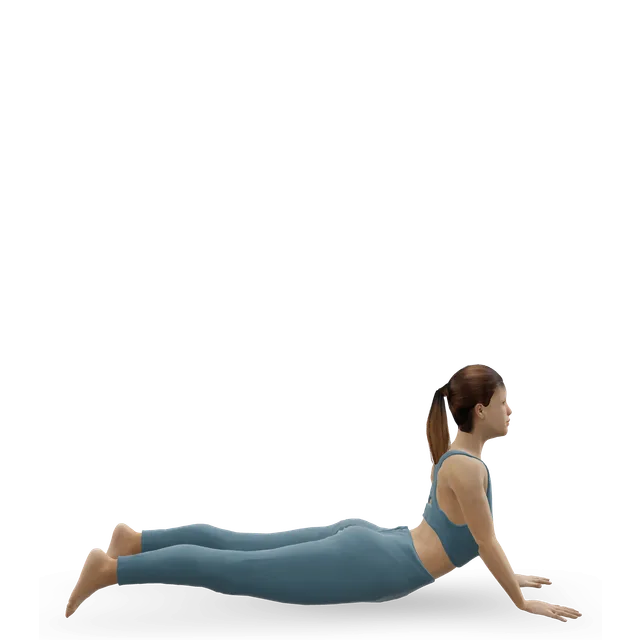
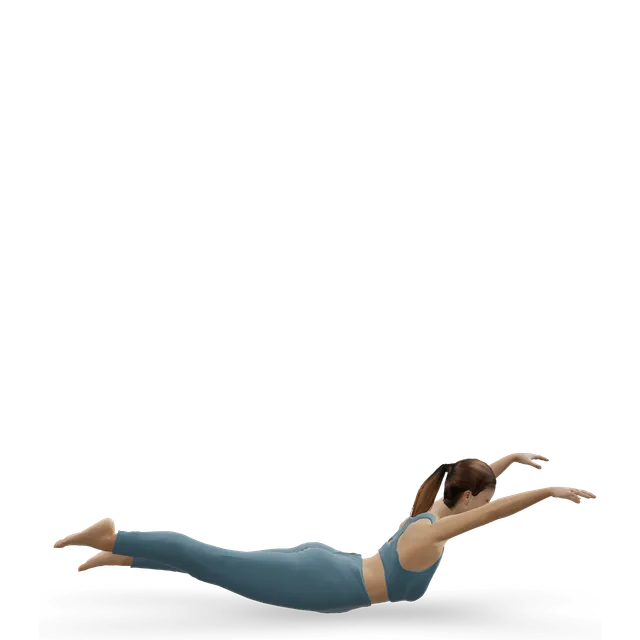
Back and trunk endurance, built with holds you breathe through: the firefighter trials trained back and core endurance twice a week, and Pilates eases back pain in adults about as much as other exercise. The side plank, bird dog, swan and forearm plank in our class do this.

Sources 7, 50

What your service does

Lifting and moving practice, equipment, staffing and occupational health are the service's job. Exercise with education is what has cut back pain episodes in trials; a strong core on its own hasn't (our reading of the trials).

Sources 55, 48

Carrying kit and breathing in it

Balance in gearEmerging evidence

Heavy bottles and protective clothing upset balance, and firefighters who did no physical training were affected most. One-leg balance, hip control and steady trunk holds are the Pilates parts that fit; balance work in the gym or on the drill ground in kit is your service's (our reading).

Sources 11, 22, 12

Breathing apparatusEmerging evidence

Breathing apparatus raises heart rate and effort for reasons beyond its weight, and heavier sets felt worse to firefighters. Pilates teaches you to breathe out on effort and to slow your breathing afterwards. No study has tested whether Pilates breathing makes a cylinder last longer; air management is your service's training.

Sources 21, 20

Shoulders and knees

Pushing, pulling and steppingEmerging evidence

Shoulder injuries happened mostly while pushing or pulling and knee injuries while stepping, and the shoulder and knee follow the back in the reviews. Pilates can train the shoulder blades, the hips and one-leg control at low load; a physiotherapist and your occupational health team look after an injury (our reading).

Sources 4, 27, 3

The heart, heat and sleep

Heart attacks on dutyStrong evidence

Heart disease caused 45% of US on-duty deaths in 1994 to 2004, and the odds of a coronary death were 12.1 to 136 times as high during fire suppression, and 2.9 to 6.6 times as high during physical training, as during non-emergency duties. At autopsy, 80% of firefighters who died of a cardiac cause had coronary heart disease and an enlarged heart. In 2024, 58% of 72 US deaths on duty were cardiovascular events, 43% of them after the emergency had ended. The US Fire Administration says even fit firefighters can have one if they have underlying heart disease.

Sources 15, 59, 60, 14

Medicals and fitness standardsStrong evidence

In the UK, firefighters must show an aerobic capacity of at least 42.3 mL/kg/min at least once a year, according to a London Fire Brigade decision paper and a 2026 review. About 35% of women measured directly would fall below it, and there are no UK data on training or injuries in women firefighters. In the US, the NFPA 1580 standard has replaced NFPA 1582 and 1583 and now uses age and sex percentiles.

Sources 61, 62, 63

After a hot job

Don't do Pilates or any hard training straight after a hot job or a training burn: cool down, drink and rest first, because core temperature kept rising over repeated bouts even after rests (our suggestion, from the heat studies).

Sources 23, 24, 64

SleepEmerging evidence

Across 47 studies, 30% of firefighters had a sleep disorder and 51% poor sleep quality; 37% of 6,933 US firefighters screened positive for a sleep disorder, mostly sleep apnoea. A sleep health programme cut disability days by 46% but not injuries. A slow wind-down after shifts fits here; sleep apnoea and insomnia need a GP.

Sources 18, 65, 66, 19

Fitting Pilates around shifts and training

Twice a week

The firefighter back and core trials ran twice a week, and the most helpful back pain programmes in a big review were 1 to 2 sessions a week under an hour. Our suggestion is twice a week, 25 to 30 minutes, on rest days or after day shifts, and harder versions as it gets easy.

Sources 7, 8, 51

Keep your fitness training

Pilates counts as strength and balance work, not aerobic fitness. The UK guidelines ask for 150 minutes of moderate activity a week plus strength on at least 2 days, and your service's fitness standard needs running, stepping or intervals.

Sources 16, 67

Back and trunk endurance

Forearm plank, 2 holds of 20 to 30 s (our Pilates for basketball players class); side plank with leg lift, 2 × 20 s each side, or from the knees (our Pilates for footballers class); leg pull front, 3 to 5 each side (our Pilates for rugby players class), on fists if your wrists complain; bird dog, 2 × 6 each side, 5 s holds (our Pilates for footballers class); swan, 5 (our Pilates for footballers class); swimming, 2 to 3 sets of 20 to 30 seconds (the move page's dose). Breathe all the way through.

The hinge and the back of the body

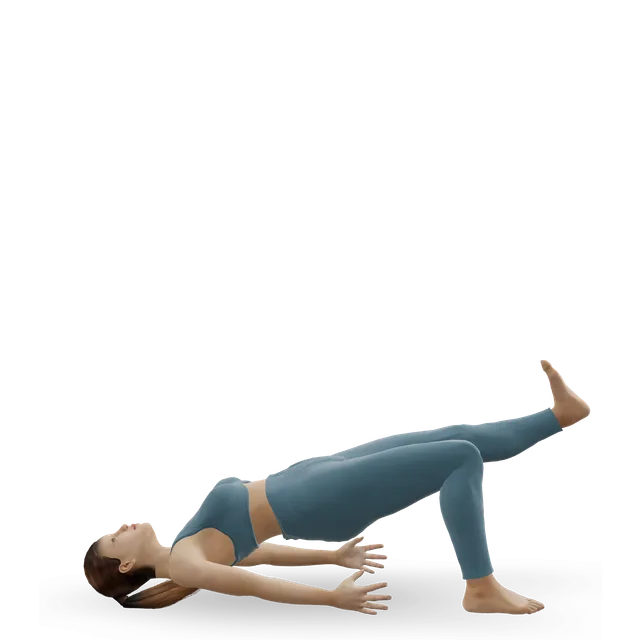
Hip-hinge practice, 8 (our Pilates for weightlifters class); glute bridge, 2 sets of 8 (our Pilates for varicose veins class); shoulder bridge, 3 to 5 kicks each leg (the move page's dose).

Shoulder blades and upper back

Band row, 2 sets of 10 to 15 (our Pilates for office workers class), with the band anchored to something fixed; scapular push-up, 2 × 10 (our Pilates for tennis players class), on a wall if your shoulder is sore; Y-T-W raises, 5 of each shape (our Pilates for weightlifters class); thoracic rotation, 6 rotations per side, moving with the breath (the move page's dose).

Hips and one-leg balance

Clamshell, 10 each side, and hip airplane, 5 slow turns each leg holding a counter (our Pilates for basketball players class); single-leg reach matrix, 1 round of 5 reaches each direction, each leg (our Pilates for hikers class); single-leg stand, 2 × 30 s each leg (our Pilates for weightlifters class), eyes closed once it's easy.

Breathe and wind down

Lateral breathing, 5 to 8 breaths at the start of every session (the move page's dose); side-lying open book, 5 each side (our bedtime Pilates class); child's pose, 60 s (our Pilates for back pain class); slow breathing, 2 minutes (our bedtime Pilates class).

What to change or leave out

After a hot job or a hard session

No class until you've cooled down, drunk and rested; then only the wind-down (our suggestion).

Sources 23, 64

Back pain

Stop or shrink any move that sends pain, pins and needles or numbness down your leg, as the back pain rule in the warning signs says. If arching makes your back pain worse, use the bird dog instead of the swan and swimming, as their pages say. If your back aches after a class, our lower back pain after Pilates guide says what to change.

Source 68

A sore or unstable shoulder

Do scapular push-ups on a wall, keep the Y of the Y-T-W raises out, and do side planks from your knees or with the top hand down, as the side plank's page says.

Source 69

Knees after kneeling and crawling

Pad your knees for all-fours and half-kneeling moves (our suggestion).

Heart disease or high blood pressure

Keep breathing in holds and planks, and ask your cardiac team before long holds, as the plank pages say. Follow your service's medical advice.

Source 70

After a night shift

Only the wind-down block, with no hard trunk holds when you're exhausted (our suggestion).

Source 71

Classes to follow

Our 25-minute after-shift class builds back and trunk endurance, the hinge, the shoulder blades, one-leg balance and a wind-down; its structure is our own and untested. Our rest-day class for lifters has the squat and the hinge, the hikers class carries a pack on rough ground, the back pain class is the gentle start after a back flare, the strength workout adds load, and the bedtime class is a wind-down.

After-shift Pilates for firefighters: a 25-minute class for back and trunk endurance, the hinge, shoulder blades, one-leg balance and a wind-down

A 25-minute Pilates class for firefighters' rest days: back and trunk endurance while you breathe, the hinge, shoulder blades, one-leg balance and a wind-down.

25 minIntermediate16 movesBand, anchor point

Rest-day Pilates for lifters: a 25-minute class for trunk endurance, the hinge, hips, ankles and the upper back, breathing out on every effort

A 25-minute rest-day Pilates class for lifters: trunk endurance, the hinge, ankles and hips, the upper back and overhead position, breathing on every effort.

25 minIntermediate18 movesWall, band

Trail-ready Pilates for hikers: a 25-minute class for ankles, a trunk that carries a pack, hips, the lowering leg and one-leg balance

A 25-minute Pilates class for hikers: ankles and calves, a trunk for your pack, hips, slow step-downs for descents and one-leg balance for rough ground.

25 minBeginner18 movesWall, step

Pilates for back pain (gentle routine)

A gentle 15-minute Pilates-based routine for ongoing low back pain, built from neutral-spine moves with options for backs that dislike bending or arching.

15 minBeginner10 movesNo equipment

Pilates strength workout: a 30-minute class with weights or a band

A 30-minute Pilates strength class with dumbbells or a band: Pilates trunk work plus squats, lunges, rows and push-ups, each set taken until it is hard.

30 minIntermediate15 movesDumbbell, band

Bedtime Pilates: a 15-minute wind-down on the floor

A slow 15-minute Pilates wind-down for the last hour before bed: slow breathing, small lying moves and a few minutes of stillness, with no effort or holds.

15 minBeginner9 movesFirm cushion

Recovery-day Pilates for rugby players: a 25-minute class for the neck, shoulder blades, trunk, hips and hamstrings

A 25-minute recovery-day Pilates class for rugby: mobility, neck and shoulder-blade work, trunk control, hips and hamstrings, a stretch and one-leg balance.

25 minIntermediate19 movesOther / check instructions, wall

New to Pilates?

The beginner Pilates plan builds the basics over 4 weeks, 3 days a week; fit it around your shifts.

When to stop and get help

This is general information, not a diagnosis. A&E means accident and emergency; in the US, call 911 for 999, and use your doctor's urgent line or urgent care for NHS 111.

Chest pain or fainting: call 999

Call 999 if:

  • You get sudden pain or discomfort in your chest that doesn't go away; it can feel like squeezing or pressure, burning or indigestion.
  • The pain spreads to your left or right arm, or your neck, jaw, stomach or back.
  • You have chest pain and feel sweaty, sick, light-headed or short of breath.
  • Someone faints while exercising, can't be woken within 1 minute, or has chest pain or a pounding, fluttering or irregular heartbeat.

Sources 72, 73

Unusual breathlessness

Call 999 or go to A&E (accident and emergency) straight away for severe difficulty breathing (gasping, choking or not able to get words out), a chest that feels tight or heavy, pain that spreads to your arms, back, neck and jaw, lips or skin turning very pale, blue or grey, or sudden confusion. If you're more short of breath than usual, or your heart is racing, fluttering or skipping beats, contact NHS 111.

Source 74

Chest pain that comes and goes

Get help from NHS 111: pain or tightness in your chest, neck, shoulders, jaw or arms that comes and goes, often brought on by exercise, stress, emotion or cold and easing after a few minutes' rest. It can be angina, a sign of a heart problem. If you've been diagnosed with angina, get help from NHS 111 too if it feels worse than before, is happening more often, lasts longer or happens when you're resting.

Source 70

Your heart on duty

Heart attacks and other cardiovascular events are the leading cause of firefighters' deaths on duty: 58% of US deaths on duty in 2024, most often during or soon after fire suppression, alarms or physical training, and usually in firefighters with heart disease they may not have known about. Keep up your service's medicals, and get chest pain, breathlessness or palpitations on exertion checked rather than training through them (our suggestion).

Sources 14, 15, 59

Heatstroke: call 999

The NHS says to call 999 for signs of heatstroke: still being unwell after 30 minutes of resting somewhere cool, being cooled and drinking; a very high temperature; hot skin that isn't sweating; a fast heartbeat; fast breathing or breathlessness; confusion and lack of coordination; a seizure; or loss of consciousness.

Heat exhaustion should improve within 30 minutes of resting somewhere cool, cooling down and drinking. Call 999 if it doesn't, or for a very high temperature, hot skin that isn't sweating, a fast heartbeat, fast breathing, confusion, a fit or loss of consciousness.

Source 64

Back pain: call 999 or go to A&E

  • Call 999 or go to A&E: loss of feeling or numbness around the genitals or bottom, new trouble peeing or controlling your bladder or bowels, changes in genital sensation during sex or problems with erections or orgasm, or pain, tingling, weakness or numbness in both legs. These are signs of cauda equina syndrome, which needs treating in hospital urgently. Don't drive yourself.
  • Call 999 or go to A&E: back pain with chest pain, or back pain that started after a serious accident, such as a car crash.

Source 68

Back pain: get help the same day

  • Same day (GP or NHS 111): back pain and you feel hot, cold, shivery or generally unwell, or severe pain that starts suddenly or is getting worse quickly.
  • Same day: leg weakness that is getting worse.
  • Same day (urgent GP appointment or NHS 111): new difficulty lifting the front of your foot or toes (foot drop), or a foot that slaps down or catches as you walk, especially if it is getting worse. Weakness in both legs, or with numbness around the genitals or bottom or bladder or bowel changes, is the 999 emergency above.

Sources 68, 75

Back pain: see a GP

  • Back pain that hasn't improved after a few weeks of looking after it at home, stops you doing day-to-day activities, worries you, or you're struggling to cope.
  • Unexplained weight loss, or a lump, swelling or change in the shape of your back.
  • Pain that doesn't improve with rest or is worse at night, or pain that is worse when you sneeze, cough or poo.
  • Pain at the top of the back, between the shoulders, rather than in the lower back.

Source 68

During Pilates: the back pain rule

Some discomfort during exercise is fine, and it does not mean you are doing damage: the WHO counts "hurt does not necessarily mean harm" among the messages people with back pain need. Aim for pain you would call mild to moderate, no more than about 5 out of 10. It should settle within an hour or so, and your back should be no worse the next morning. If it is worse, do less next time (fewer reps, a smaller range, a lighter load), not nothing.

Leg symptoms are the exception: stop or shrink any movement that sends pain, pins and needles or numbness further down your leg. If leg symptoms move back towards your spine, that is a good sign, even if your back aches a little more for a while.

Source 68

A shoulder injury

Call 999 or go to A&E: after a fall or injury, your shoulder looks out of place or has changed shape, you cannot move your arm, or your shoulder is painful, bruised or swollen. Do not drive yourself, and do not try to put it back in yourself.

Same day (GP or NHS 111): sudden or very bad shoulder pain; you cannot move your arm; the arm or shoulder is badly swollen or has changed shape; pins and needles that do not go away; no feeling in the arm; the arm is hot or cold to the touch; pain that started after an injury such as a fall; or severe pain in both shoulders.

Same day (GP or NHS 111): sudden weakness lifting the arm after an injury or fall. A rotator cuff tear caused by an injury needs urgent referral to a shoulder specialist. After a dislocation in anyone over 40, the rotator cuff should be checked: about 40% have a tear.

See a GP or physiotherapist if:

  • Your shoulder has partly or fully come out of joint, or you worry it might.

Sources 76, 69

A knee injury

Go to A&E (accident and emergency) if you've injured your knee and it has changed shape, it becomes very swollen very quickly, you felt a pop or snap, you can see bone sticking out, or it's bleeding heavily. Don't drive yourself: ask someone to take you, or call 999 if the pain means you can't move your leg to get there.

Get advice from NHS 111 now: you cannot move the knee or put any weight on it, or it is very painful, badly swollen or has changed shape, or it locks, gives way or clicks painfully. A pop, quick swelling and a knee that gives way point to an ACL injury: our ACL injury guide says what to do.

Source 77

A turned ankle

Call 999 or go to A&E: after an injury, you heard a crack, the foot or ankle has changed shape or points at an odd angle, a bone is sticking out, there is a bad cut over it, you're in severe pain, or the toes look blue or white, feel numb or are cold to touch. These can mean a broken bone. Don't drive yourself.

Same day (NHS 111 or an urgent treatment centre): after an injury, you can't put weight on it or walk more than a few steps, the pain is very bad or getting worse, there is a lot of swelling or bruising or it is getting worse, it feels very stiff, or it's not feeling any better after treating it yourself. Get the same help if you also have a very high temperature, or feel hot, cold or shivery: this could be an infection. If you think it's broken, don't treat it yourself.

Sources 78, 79

Sleep problems: see a GP

  • Changing your sleep habits hasn't helped, you've had trouble sleeping for months, or it's affecting your daily life in a way that makes it hard to cope.
  • Your breathing stops and starts while you sleep, you make gasping, snorting or choking noises, or you always feel very tired in the day. If someone has seen it happen, it can help to bring them with you.

Sources 71, 80, 81

Driving when sleepy

Don't drive when you feel sleepy. With confirmed sleep apnoea and excessive sleepiness, you must not drive until it's under control.

Sources 71, 80

If you're struggling

If you are thinking about suicide or can't keep yourself safe, call 999 or go to A&E. For urgent help, call Samaritans free on 116 123, any time, or in England call 111 and select the mental health option. In the US, call or text 988.

In the UK, The Fire Fighters Charity runs a support line for current and former fire service staff and their families; its get-help page has the numbers. In the US, the National Volunteer Fire Council's Share the Load programme points to 988 in a crisis.

Sources 82, 83, 84, 85, 86

Who should check first

The PAR-Q+ (Physical Activity Readiness Questionnaire for Everyone) asks about a heart condition or high blood pressure, chest pain, dizziness or losing consciousness, other long-term conditions and their medicines, a bone or joint problem that activity could make worse, and being told to exercise only under supervision. If you answer yes to any, check with your GP or a qualified exercise professional first. If you're over 45 and not used to hard exercise, ask a qualified exercise professional before the hardest sessions, and delay if you're ill.

Source 87

Stop the session if

You feel any pain or become unwell, as the NHS advises for its Pilates videos, and especially for chest pain or pressure, unusual breathlessness, dizziness or fainting. If you have a health problem, an injury or any symptoms, get advice from a healthcare professional, such as a GP, before you start.

Source 88

Before you start

The NHS advises getting advice from a healthcare professional first if you have a health problem, an injury or symptoms, or have recently had a heart attack or an operation.

Source 88

Myths

"Pilates is too gentle for firefighters"Emerging evidence

Half true. It's light work for the heart and won't build the aerobic fitness your service tests, but long side planks and a full set of trunk holds are hard work for the muscles, and back and trunk endurance is what the firefighter trials trained. It sits beside fitness training, not in place of it.

Sources 16, 17, 61, 7

"A strong core stops back injuries"Mixed evidence

No firefighter trial shows it. The randomised trials raised endurance and went with less lost work time from back pain, with very few events; the injury falls come from before-and-after comparisons; and in soldiers, core stabilisation was no better than sit-ups. Exercise with education is what has cut back pain episodes.

Sources 8, 9, 10, 48, 55

"Pilates breathing makes your air last longer"Mixed evidence

Untested. Breathing apparatus raises heart rate and effort for reasons beyond its weight, and how long air lasts depends on how hard you're working. Slow breathing helps you settle after a job; air management is your service's training.

Source 21

"Most firefighter injuries happen at fires"Strong evidence

Only 15% of musculoskeletal injuries were on the fireground in a Canadian department, 30% of US injuries in 2024, and in England 43% happened at incidents, with the rest in training or routine work.

Sources 4, 6, 31

"Stretching before training prevents injuries"Strong evidence

Across sports trials, stretching didn't prevent injuries, while strength training cut them to about a third.

Source 56

"Fit firefighters don't have heart attacks"Strong evidence

Fitness helps, but the US Fire Administration says even fit firefighters can have a cardiovascular event if they have underlying heart disease, and most firefighters who died of a cardiac cause had coronary disease at autopsy. Keep up your medicals.

Sources 14, 59

Questions people ask

Is Pilates good for firefighters?

It can be a useful extra: it trains back and trunk endurance, shoulder-blade control and balance at low load, which suits rest days and recovery. No study has tested Pilates in firefighters, and the firefighter exercise trials measured endurance and lost work time, not injuries prevented. Use it beside your service's fitness training, never instead of it.

Will Pilates stop me hurting my back at work?

Nobody can promise that. Back injuries in firefighters come mostly from lifting, and no trial shows that core training or Pilates prevents them. Exercise with education is what has cut back pain episodes in general, and your service's equipment and lifting practice matter as much.

Is Pilates hard enough for firefighters?

For your heart and lungs, no: Pilates is light work compared with firefighting in full gear, so it won't keep you above the fitness standard. For the trunk, shoulders and hips, it can be: long side planks and trunk holds done well are hard work.

What are the best core exercises for firefighters?

Ones that build endurance while you keep breathing: forearm and side planks, the bird dog, the swan and the leg pull, as in our class. The firefighter trials trained back and core endurance twice a week. There's no single best exercise, and lifting and moving practice matters as much.

Can Pilates help with breathing in breathing apparatus?

Pilates teaches you to breathe out on effort and to slow your breathing afterwards. No study has tested whether it makes a cylinder last longer, and breathing apparatus raises heart rate and effort for reasons beyond its weight. Air management is your service's training.

When should firefighters do Pilates?

On a rest day or after a day shift, twice a week, for 25 to 30 minutes is our suggestion, matching the twice-weekly firefighter trials. Not straight after a hot job or a training burn: cool down, drink and rest first. After a night shift, keep to the wind-down.

Is Pilates good for firefighters' knees and shoulders?

Hip and shoulder-blade work can help control, and the knee and shoulder are common injury sites, the knee mostly while stepping and the shoulder while pushing or pulling. Pilates won't fix an injury on its own: see a physiotherapist and your occupational health team.

Can Pilates help firefighters sleep?

Poor sleep is common in firefighters, with about half reporting poor sleep quality, and a slow wind-down can help you settle. Pilates isn't a treatment for sleep apnoea or insomnia, so see a GP if sleep problems go on.

Does being fit protect firefighters from heart attacks?

Fitness helps, but heart attacks on duty happen mostly in firefighters with heart disease they may not know about, during fire suppression, alarms and physical training. Keep up your medicals, and get chest pain, breathlessness or palpitations on exertion checked.

Is Pilates or yoga better for firefighters?

Neither has been tested properly in firefighters: two yoga programmes without a comparison group improved movement screens and stress, and there are no Pilates studies. Pick the one you'll keep doing.

Can Pilates help me pass the firefighter fitness test?

Not on its own: the UK test checks aerobic capacity, with a minimum of 42.3 mL/kg/min, which needs running, stepping or interval training. Pilates can add trunk endurance and control alongside that training.

I'm coming back from a back injury. Can I do Pilates?

Often yes, as part of a plan agreed with your physiotherapist or occupational health team, using the back pain rule: some discomfort is fine if your back is no worse the next morning. Your return to operational duties follows your service's process, not a Pilates class.

Sources

  1. PubMed, Europe PMC and ClinicalTrials.gov · Our searches for Pilates studies in firefighters and other first responders: none found (November 2026)
  2. Correia Bulhões 2024 · Mat Pilates for back pain in 15 Brazilian Air Force helicopter pilots (randomised trial, J Bodyw Mov Ther)
  3. Orr 2019 · Injuries in firefighters: 17 studies (critical review, Int J Environ Res Public Health; read in full)
  4. Frost 2015 · Firefighter injuries are not just a fireground problem: 1,311 injury reports (cohort, Work)
  5. Poplin 2012 · Beyond the fireground: injuries in a US fire service (cohort, Inj Prev)
  6. National Fire Protection Association · US firefighter injuries in 2024 (report, read in full)
  7. Mayer 2015 · Back and core exercise on duty in 96 firefighters (cluster randomised trial, Am J Health Promot)
  8. Mayer 2020 · Supervised or telehealth back and core exercise in 264 firefighters (cluster randomised trial, J Occup Environ Med)
  9. Peate 2007 · Core strength training and injuries in 433 firefighters (before-and-after study, J Occup Med Toxicol; read in full)
  10. Sinnott 2023 · Preventing leg injuries in military, police, fire and ambulance workers: 18 trials (meta-analysis, J Strength Cond Res)
  11. Kong 2012 · Protective clothing, physical activity and balance in 23 firefighters (lab study, Res Q Exerc Sport)
  12. Chen 2026 · Protective equipment, mobility and task performance in US firefighters: 15 studies (scoping review, Appl Ergon)
  13. Carnegie 2027 · Turnout gear and reaching down without bending the spine (lab study, Appl Ergon)
  14. US Fire Administration · Firefighter fatalities in the United States in 2024 (report, read in full)
  15. Kales 2007 · Emergency duties and deaths from heart disease among US firefighters (study, N Engl J Med)
  16. Adult Compendium of Physical Activities 2024 · Conditioning exercise: Pilates 1.8 to 2.8 METs
  17. Adult Compendium of Physical Activities 2024 · Occupations: firefighting 8.0 to 9.0 METs
  18. Khoshakhlagh 2023 · Sleep disorders and poor sleep in firefighters: 47 studies (systematic review and meta-analysis, Heliyon; read in full)
  19. Lusa 2015 · Sleep problems and low back pain in Finnish firefighters over 13 years (cohort, Int Arch Occup Environ Health; read in full)
  20. Kesler 2025 · Breathing apparatus weight, stamina and balance in firefighters (lab study, Ergonomics; read in full)
  21. Li 2023 · Breathing apparatus and the body's responses in firefighting: 9 studies (meta-analysis, Int J Occup Saf Ergon)
  22. Hur 2015 · Air bottle design and balance in firefighters (lab study, Appl Ergon)
  23. Horn 2013 · Core temperature over repeated firefighting bouts (lab study, Ergonomics)
  24. Walker 2015 · Repeat work in the heat and thermal strain in 77 Australian firefighters (study, Int J Occup Environ Health)
  25. Smith 2001 · Heart rate in strenuous live-fire drills in recruits (study, Ergonomics)
  26. Kesler 2018 · Repeated work bouts in breathing apparatus (lab study, Ergonomics)
  27. Tahernejad 2024 · Musculoskeletal disorders in firefighters: 26 studies (systematic review and meta-analysis, J Safety Res)
  28. Khoshakhlagh 2024 · Musculoskeletal disorders in firefighters worldwide: 31 studies (systematic review and meta-analysis, Int J Occup Saf Ergon)
  29. Frost 2016 · The cost and distribution of injuries in a Canadian fire department (cohort, Work)
  30. Jahnke 2013 · Injuries in 462 US career firefighters (cohort, Inj Prev)
  31. Home Office · Fire and rescue workforce statistics, England, year ending March 2025 (official statistics)
  32. Anderson 2023 · Injury and illness claims in Washington firefighters, 2006 to 2020 (study, Int J Environ Res Public Health; read in full)
  33. Quinn 2023 · Workers' compensation claims among Ohio firefighters, 2001 to 2017 (study, J Safety Res)
  34. Walton 2003 · Causes and costs of firefighter injuries: 1,343 compensation claims (study, Am J Ind Med)
  35. Nuwayhid 1993 · Work tasks and first-time back pain in New York City firefighters (case-control study, Am J Epidemiol)
  36. Damrongsak 2018 · Predictors of back pain in 298 US firefighters (survey, Workplace Health Saf)
  37. Kim 2017 · Low back pain in Korean firefighters (national survey, Int J Occup Saf Ergon)
  38. Cady 1979 · Strength, fitness and later back injuries in 1,652 Los Angeles firefighters (cohort, J Occup Med)
  39. Poplin 2014 · Aerobic fitness and injuries in a US fire service (cohort, Am J Epidemiol)
  40. Tsartsapakis 2026 · Pilates in the workplace: 12 trials (systematic review and meta-analysis, J Funct Morphol Kinesiol; read in full)
  41. Dagenais 2021 · Costs of telehealth back exercise in firefighters (economic evaluation of a randomised trial, J Occup Rehabil)
  42. Kong 2022 · Functional or conventional strength training for the back in 24 emergency responders (randomised trial, Front Bioeng Biotechnol; read in full)
  43. Marins 2025 · App-delivered core exercise for back pain in 47 police officers and firefighters (randomised trial, Braz J Phys Ther)
  44. Griffin 2016 · A fitness programme for new firefighters and injuries (comparison with earlier classes, Inj Prev; read in full)
  45. Kuehl 2013 · A peer-led wellness programme and firefighter injury claims (comparison study, Occup Med)
  46. Frost 2015 · Movement-guided or conventional fitness training in 52 firefighters (controlled trial, J Strength Cond Res)
  47. Beach 2014 · Fitness gains and low-back loads in firefighters (exercise study, Ergonomics)
  48. George 2011 · Core stabilisation or sit-ups, with or without a back education session, in 4,325 US Army trainees (cluster randomised trial, BMC Med; read in full)
  49. Childs 2010 · Sit-ups or core stabilisation and injuries in 1,141 US Army soldiers (cluster randomised trial, Phys Ther)
  50. Yamato 2015 · Pilates for low back pain: 10 trials, 510 people (Cochrane systematic review)
  51. Fernández-Rodríguez 2022 · Best exercise for chronic low back pain: 118 trials, 9,710 people (network meta-analysis, J Orthop Sports Phys Ther)
  52. Owen 2020 · Which exercise works best for low back pain: 89 studies (network meta-analysis, Br J Sports Med; an expression of concern was rescinded the same year)
  53. Hayden 2021 · Exercise therapy for chronic low back pain: 249 trials (Cochrane systematic review)
  54. Smith 2014 · Stabilisation exercise for low back pain against other exercise: 29 studies (systematic review and meta-analysis, BMC Musculoskelet Disord)
  55. Steffens 2016 · Preventing low back pain: 21 trials, 30,850 people (systematic review and meta-analysis, JAMA Intern Med)
  56. Lauersen 2014 · Exercise to prevent sports injuries: 25 trials, 26,610 people (meta-analysis, Br J Sports Med)
  57. Floyd 2022 · A yoga programme in California fire departments (quality improvement evaluation, J Bodyw Mov Ther)
  58. Cowen 2010 · On-shift yoga for firefighters (study without a control group, J Bodyw Mov Ther)
  59. Smith 2019 · Emergency duties and cardiac death in US firefighters, with autopsy findings (study, Am J Cardiol)
  60. Soteriades 2011 · Heart and circulation disease in US firefighters (systematic review, Cardiol Rev)
  61. London Fire Commissioner · Annual fitness testing (decision LFC-24-039, 2024; read in full)
  62. Hart 2026 · UK female firefighters, fitness and job performance (scoping review, Occup Med; read in full)
  63. Miller 2025 · How the revised NFPA 1580 standard changes fitness for duty across ages (study, Appl Physiol Nutr Metab)
  64. NHS · Heat exhaustion and heatstroke
  65. Barger 2015 · Sleep disorders in 6,933 US firefighters (study, J Clin Sleep Med)
  66. Sullivan 2017 · A sleep health programme in 1,189 firefighters (station-randomised trial, Sleep)
  67. UK Chief Medical Officers · Physical activity guidelines (2019)
  68. NHS · Back pain
  69. NHS · Shoulder pain (past its review date: reviewed May 2023, review due May 2026)
  70. NHS · Angina
  71. NHS · Insomnia
  72. NHS · Chest pain (past its review date: reviewed August 2023, review due August 2026)
  73. NHS · Fainting
  74. NHS · Shortness of breath
  75. NHS · Sciatica
  76. NHS · Dislocated shoulder
  77. NHS · Knee pain
  78. NHS · Ankle pain
  79. NHS · Sprains and strains
  80. NHS · Sleep apnoea
  81. NHS · Snoring (past its review date: reviewed August 2023, review due August 2026)
  82. NHS · Where to get urgent help for mental health (past its review date: reviewed April 2023, review due April 2026)
  83. Samaritans · Contact a Samaritan (116 123, any time)
  84. 988 Suicide and Crisis Lifeline
  85. The Fire Fighters Charity · Get help (read with a web reader that gave a summary)
  86. National Volunteer Fire Council · Share the Load support for fire and emergency medical services
  87. PAR-Q+ Collaboration 2025 · The Physical Activity Readiness Questionnaire for Everyone (PAR-Q+)
  88. NHS · Pilates for beginners (video, with safety advice)

Exercise education, not a personal prescription, and clinical review of these guides is pending. If you are pregnant, have a health condition or have had recent surgery, check with a doctor, midwife or physiotherapist before starting, and stop for sharp or increasing pain. Health disclaimer.